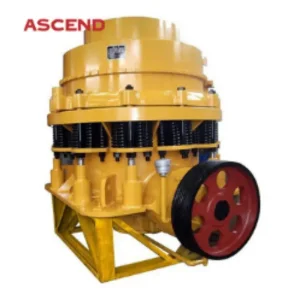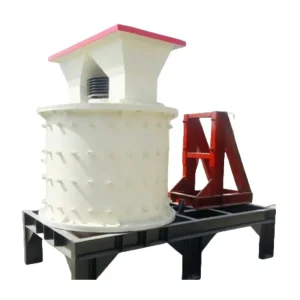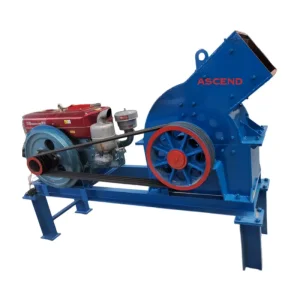
In modern mineral processing and heavy aggregate production, the selection of comminution equipment plays a critical role in determining overall operational efficiency, yield optimization, and energy conservation. The cone crusher machine stands as a cornerstone of secondary, tertiary, and quaternary crushing stages, handling medium-to-hard materials ranging from abrasive granites and basalt to precious metallic ores like gold and copper.
Historically, the mineral sector relied heavily on traditional Spring Cone Crushers, utilizing mechanical springs as an overload safety mechanism. While highly durable, these systems suffered from limited crushing force, manual adjustments, and significant downtime during tramp iron blockages. The industry has underwent a massive paradigm shift toward Hydraulic Cone Crushers (incorporating Single-Cylinder and Multi-Cylinder hydraulic configurations). These modern systems leverage advanced hydraulic cylinders to adjust CSS (Closed-Side Settings), automatically clear crushing chambers from uncrushable materials, and dynamically compensate for liner wear under high-load continuous cycles.
SEO Information Gain Insight: Unlike standard marketplace listings that focus purely on price tags, advanced procurement specialists search with high-precision intent: they seek maximum laminated crushing effects (inter-particle crushing) which ensures superior cubic product shape while minimizing the generation of excessive fines. High-performance cone crushers operate under high eccentric speeds and cavity volume configurations, maximizing mechanical energy transfer efficiency.
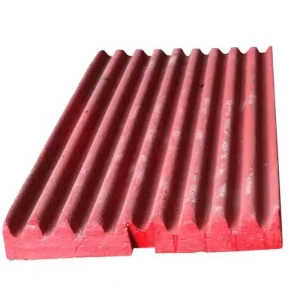
Under E-E-A-T guidelines, assessing cone crusher manufacturers requires deep verification of their structural engineering capacities. A high-quality cone crusher relies on a robust cast steel main frame, heavy-duty alloy main shafts, and precision-machined bronze bushings capable of absorbing high-velocity eccentric loads. The selection of wear liners (manganese steels such as Mn14Cr2, Mn18Cr2, or Mn22Cr2) must be tailor-made to match the specific rock hardness index (measured by Bond Work Index - BWi) to optimize operational lifetime and avoid costly mid-cycle failures.
Ascend has developed steadily since its establishment. Its business covers more than 130 countries and regions around the world, especially in Africa and Southeast Asia. Also, Ascend machine quality and after-sales service have won widespread praise from international customers.
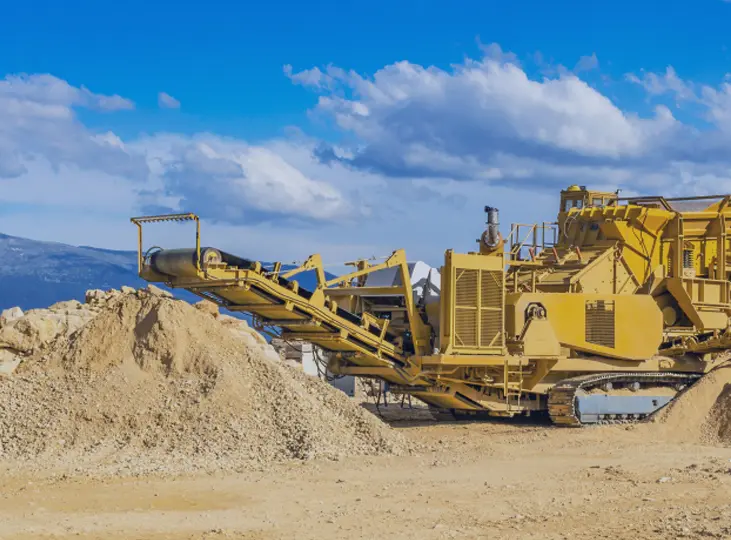
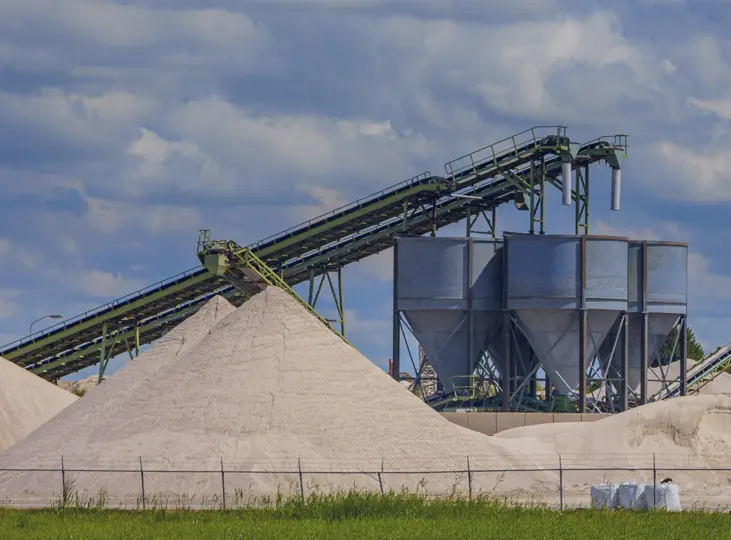
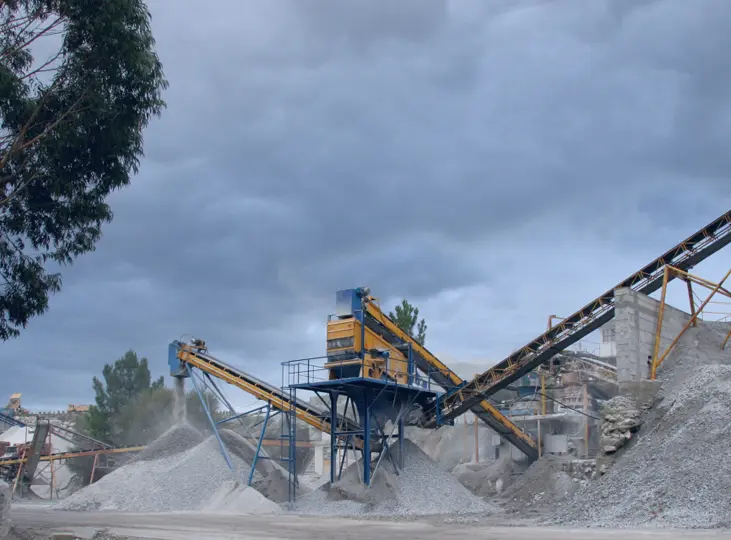
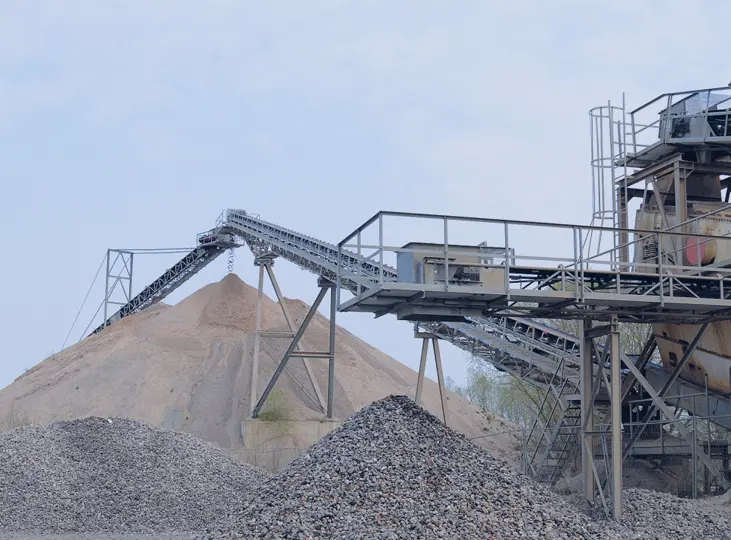
Industrial sourcing parameters for stone crushing machinery differ significantly depending on the target geographical region, geological characteristics, and regional environmental standards. B2B buyers must prioritize their purchase configurations around local operating realities.
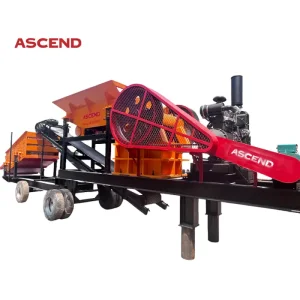
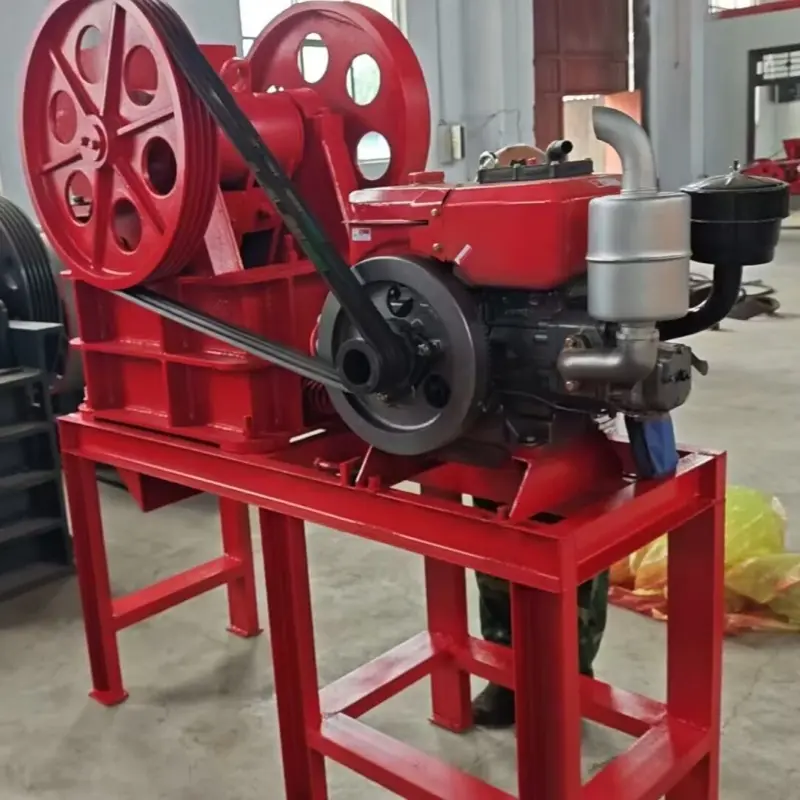
Operations in gold-rich regions like Zambia, Tanzania, and Sudan demand highly resilient primary and secondary crushing setups. Because remote mines suffer from unstable electric power grids, high demand exists for diesel-engine driven mobile crushers and heavy-duty wear linings that prolong service intervals in remote environments.
Infrastructure booms across Vietnam, Indonesia, and the Philippines create a high demand for sand-making machines (VSI crusher) and fine-head cone crushers. Here, the emphasis shifts toward producing high-grade concrete aggregates. Buyers require high capacity (tph) output with exact cubicity to meet international construction regulations.
Large-scale mines in Chile and Peru require massive crushing machinery. High-throughput single-cylinder hydraulic cone crushers integrated into fully automated distributed control systems (DCS) are preferred to ensure continuous operation, high energy efficiency, and low labor costs.
Understanding user intent in these purchase journeys dictates that product listings must contain thorough operational metrics. Global buyers are not just looking for a machine; they are searching for a complete, integrated processing solution that reduces energy consumption per ton (kWh/t) and maximizes recovery rates of valuable minerals during down-stream gravity or flotation separation.
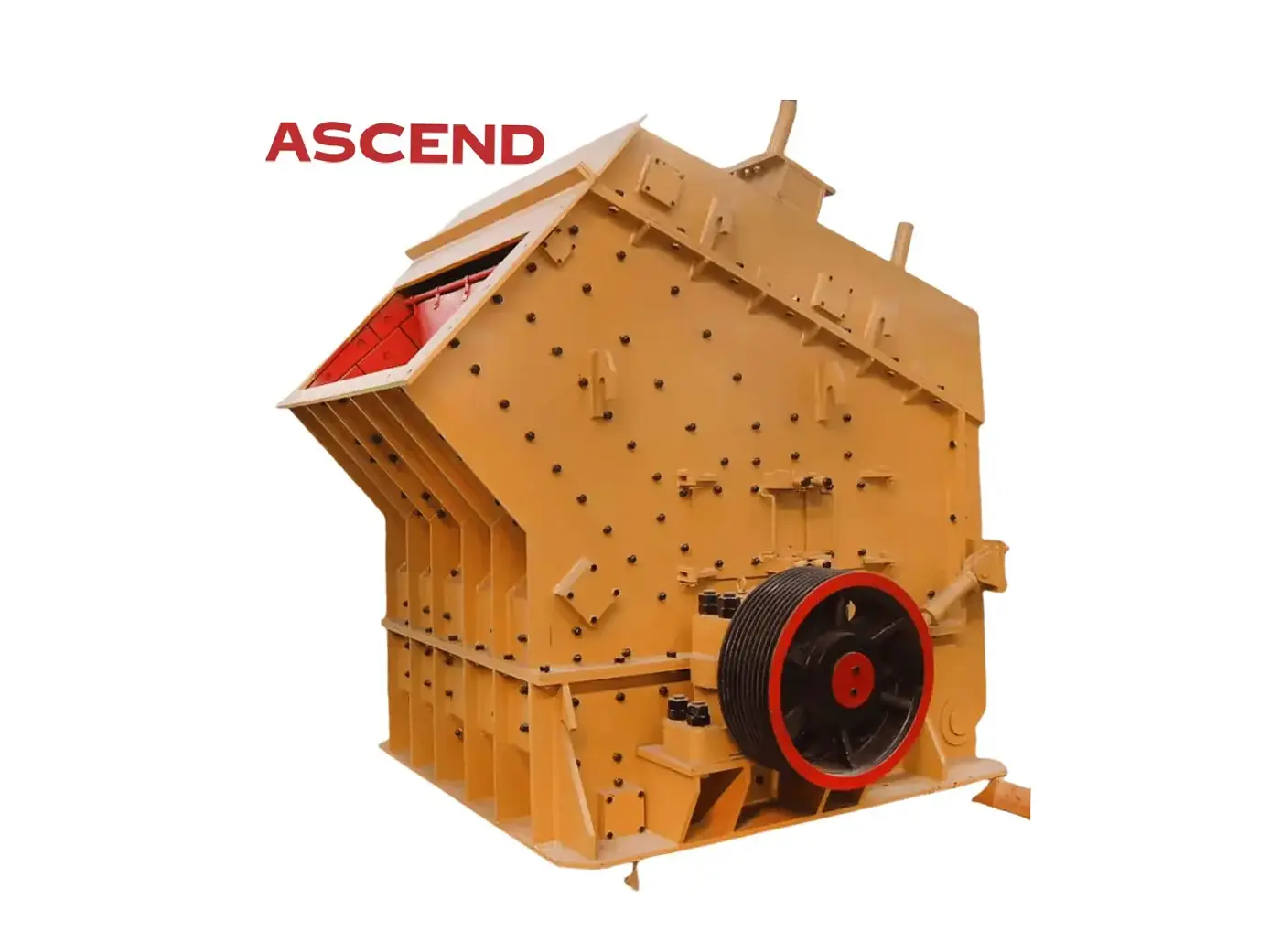
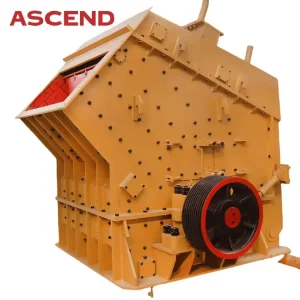
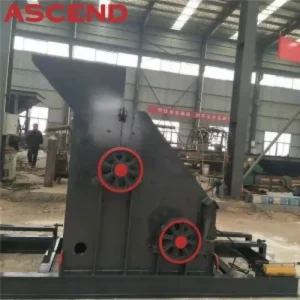
Impact crusher is a kind of secondary crushing equipment which uses impact power to crush materials. Impact crusher is characterized by easy maintenance, high reduction ratios and high efficiency to produce precisely cubic shape products. It is designed with three crushing chambers, seamlessly connected rotor, wear-resistant blow bar and installation of insert type. Moreover, it has tooth type liner, gradient designed bearing seat, frame with several openings and screws or hydraulic start-up devices. Impact crushers can be used in all different stages of size reduction from primary crushing to the last step of the crushing process.
Read More Detailed Technical Specs →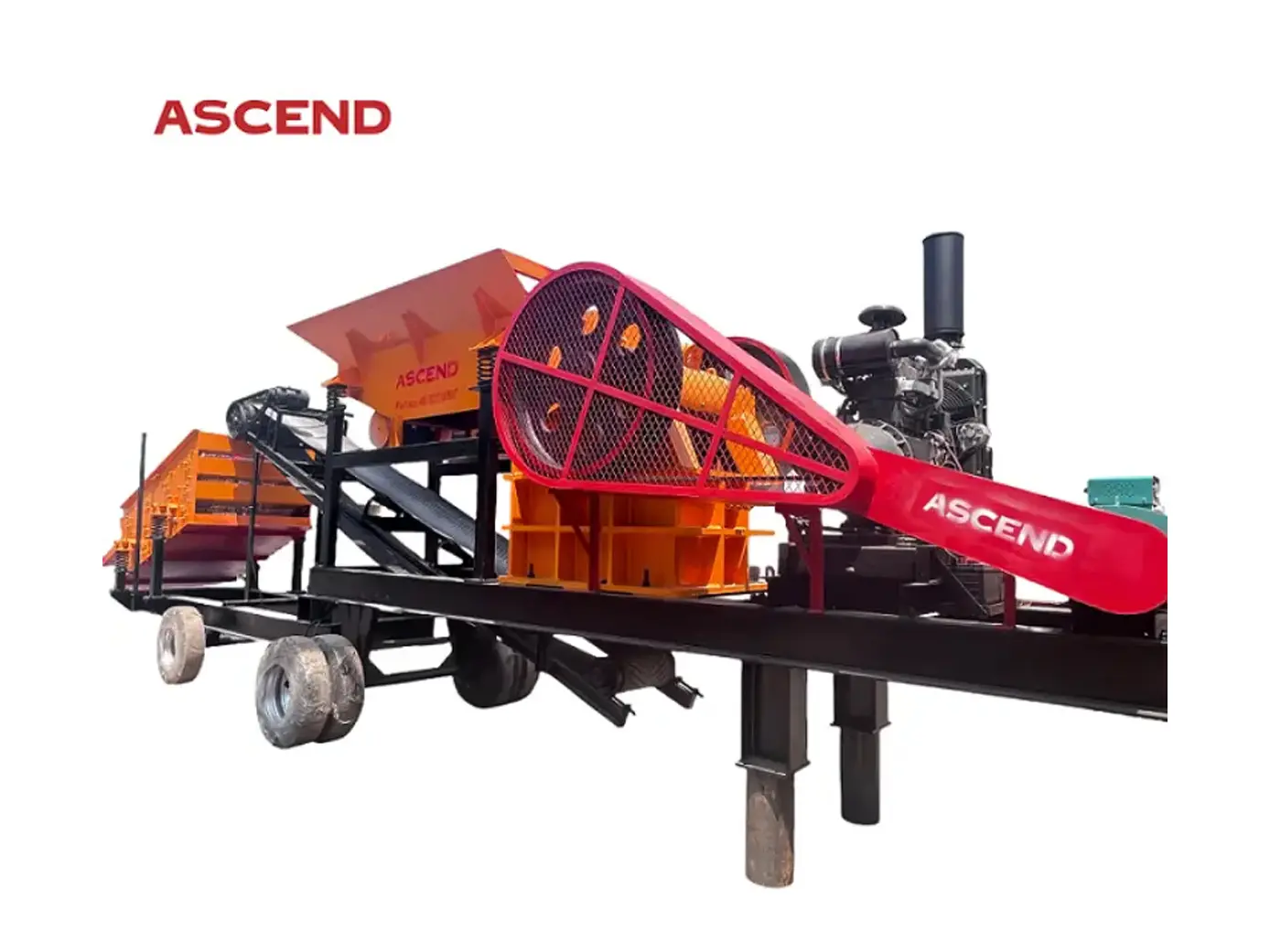
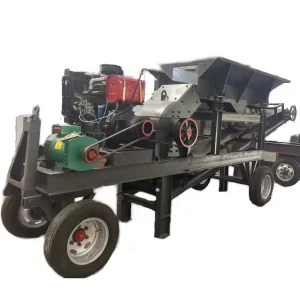
Tracked or wheeled mobile options for flexible on-site mineral processing.
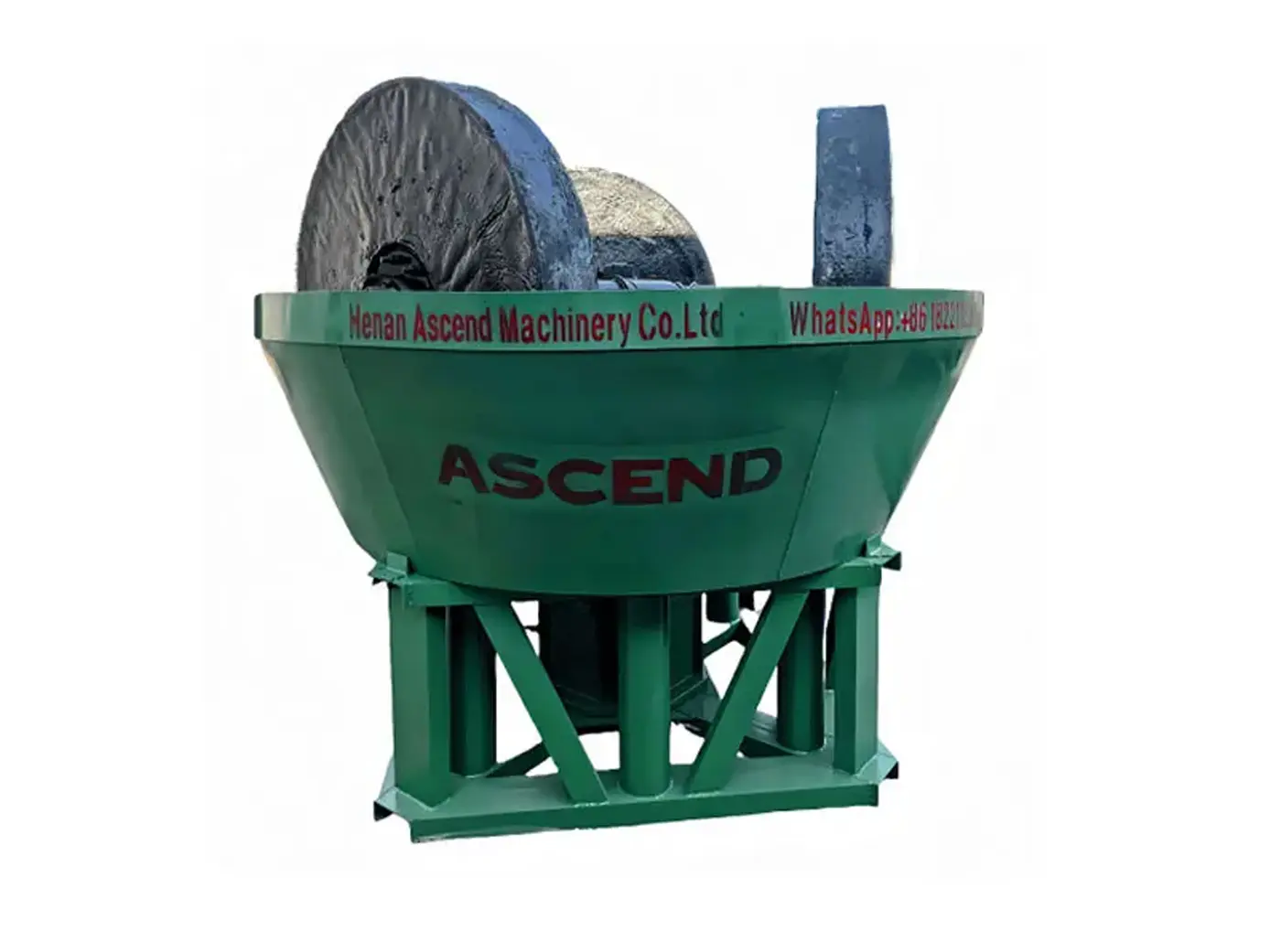
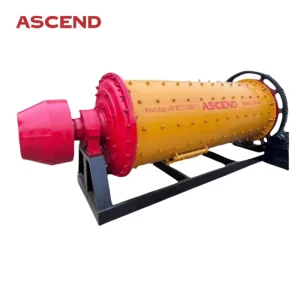
Ultra-fine grinding mills for limestone, calcite, and industrial minerals.
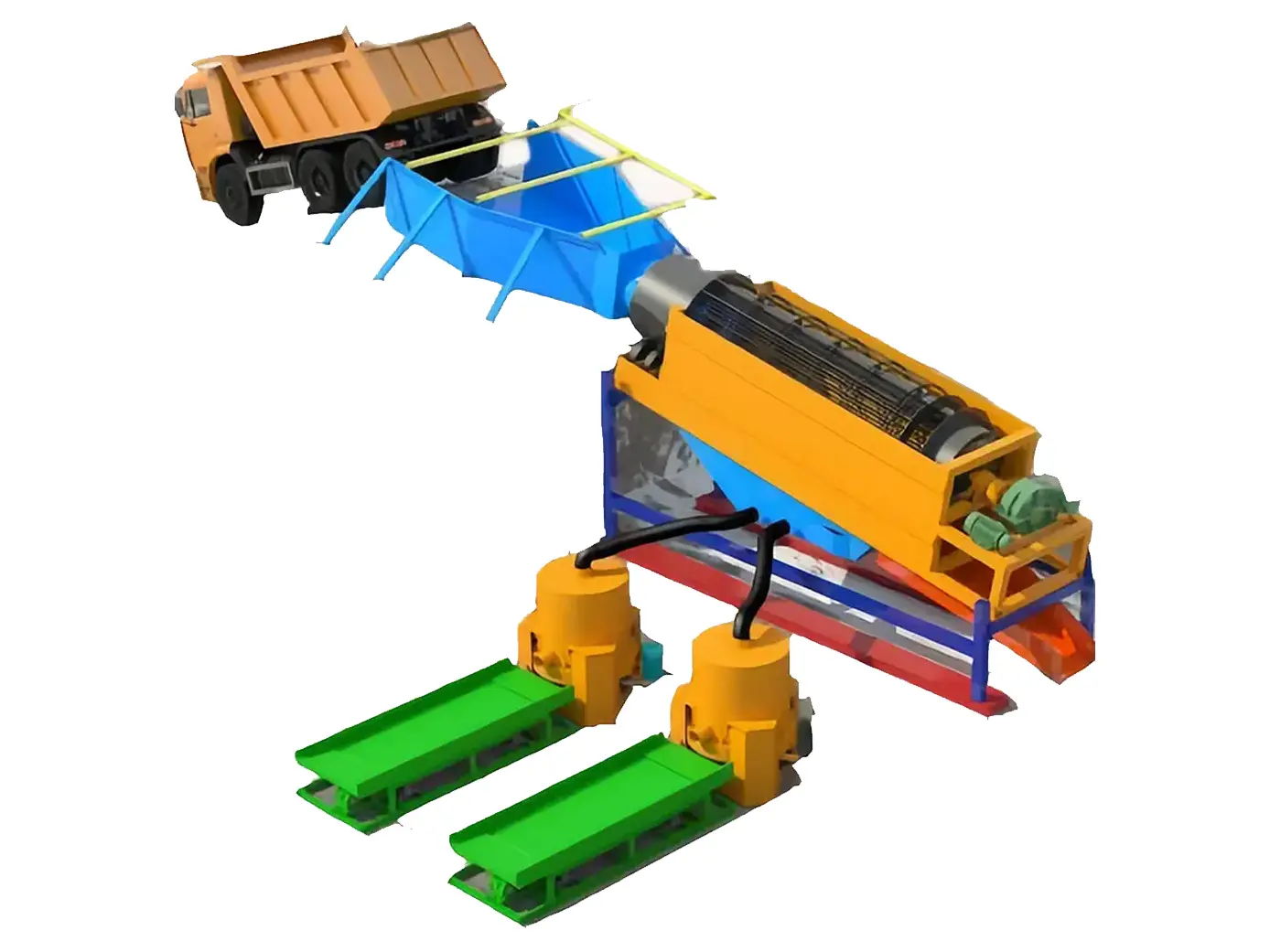
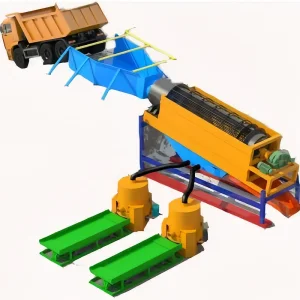
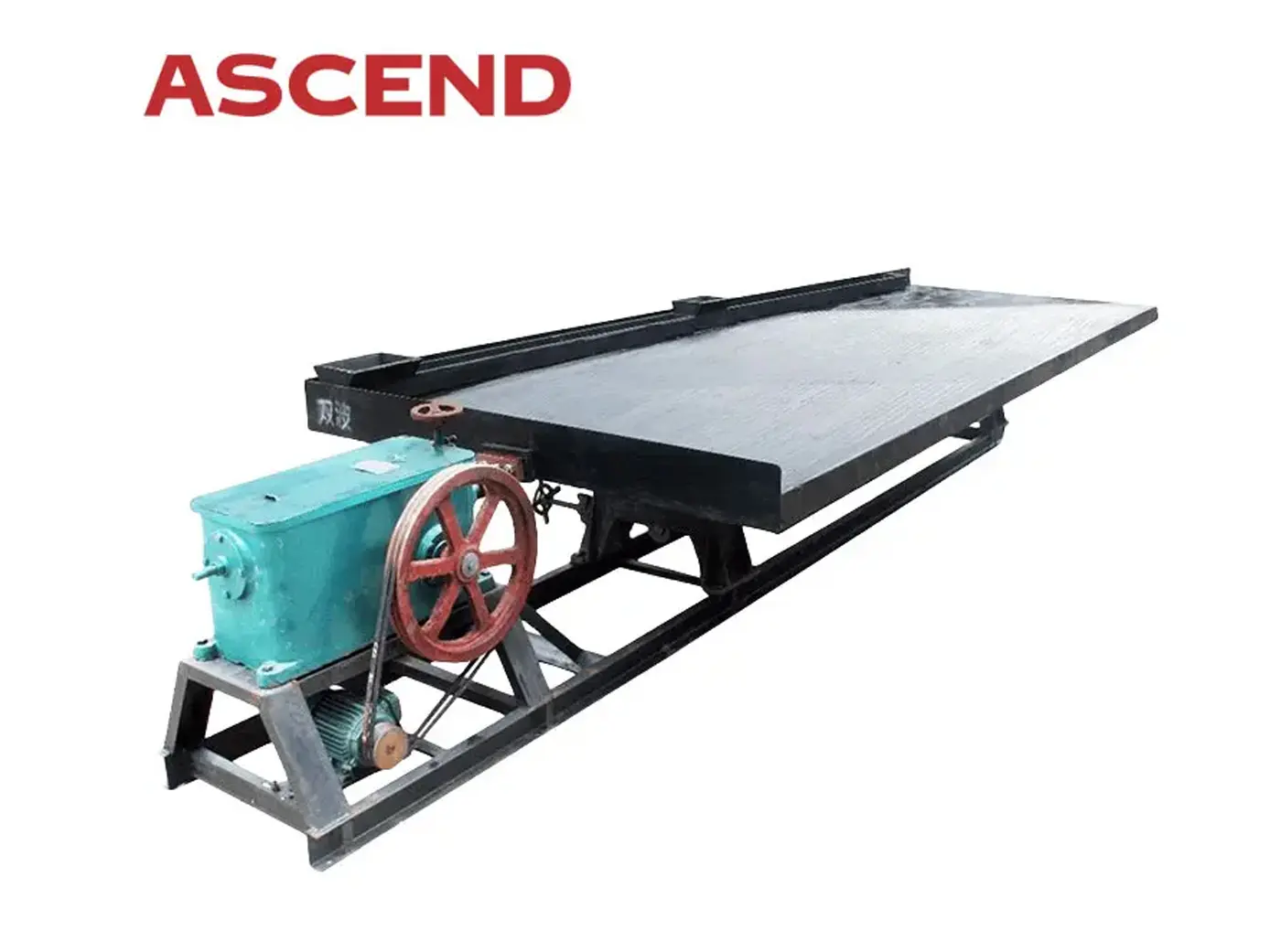
Complete systems including flotation cells, gravity separators, and shaking tables.
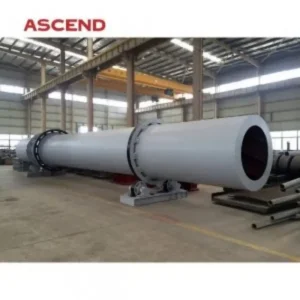
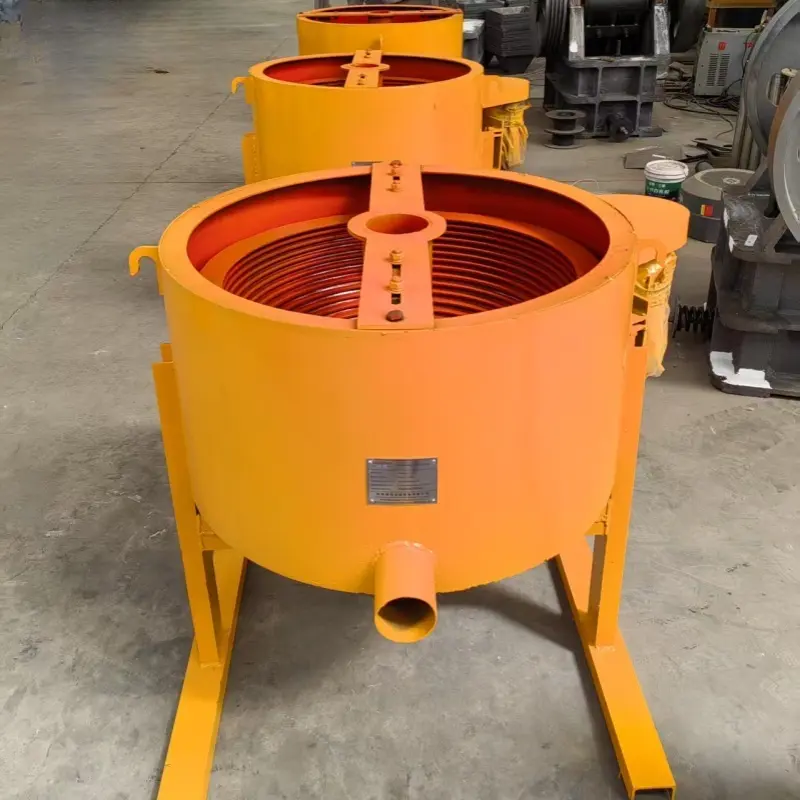
Magnetic separators, classifiers, and rotary drum dryers for concentrate dewatering.
In the wake of global macroeconomic shifts, procuring equipment from Chinese manufacturing hubs has evolved from a pure cost-saving exercise into a strategy for securing supply chain resilience and technical adaptability. Henan Province—specifically the industrial clusters in Zhengzhou—serves as the epicenter of global heavy-machinery production, leveraging deep engineering legacies, continuous R&D investment, and an integrated raw material supply chain.
Modern Chinese factory complexes (referred to as Factory 4.0) integrate digital twin simulations, automated casting foundries, robot-arm welding processes, and strict quality control matrices. Every stage of manufacturing a cone crusher machine is mapped and controlled: from non-destructive testing (NDT) of the cast steel frame, to heat-treatment procedures of high-load components, and real-time electronic pressure monitoring during factory load testing.
| Crusher Class | Primary Crushing Application | Reduction Ratio | Ideal Materials (Mohs Hardness) | Key Advantages |
|---|---|---|---|---|
| Cone Crusher | Secondary / Tertiary / Quaternary | 4:1 to 6:1 | Medium-to-Hard (Basalt, Gold Ore, Granite) | High laminated crushing efficiency, low wear costs, cubical product output. |
| Jaw Crusher | Primary Crushing Stage | 5:1 to 7:1 | All Hardness Levels (Large Rocks) | High intake capacity, simple mechanical layout, low initial investment. |
| Impact Crusher | Secondary / Tertiary stage | 10:1 to 20:1 | Soft-to-Medium (Limestone, Dolomite, Coal) | Excellent cubic shape, multi-chamber design, easy blow bar adjustment. |
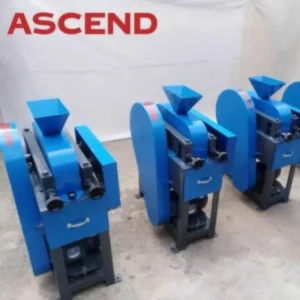
| Double Roller Crusher | Secondary / Fine Crushing | 3:1 to 4:1 | Soft, Sticky, or Highly Abrasive Ore | Extremely low fines generation, minimal dust emission, precise product sizing. |
This localized supply chain cluster enables rapid prototyping, custom engineering (OEM/ODM setups), and unparalleled structural integrity. Whether a mine requires specialized cone geometries for crushing sticky copper ores or custom diesel-powered units for gold mining in non-electrified areas, Chinese Factory 4.0 systems deliver highly tailored setups with reduced lead times compared to North American or European counterparts.
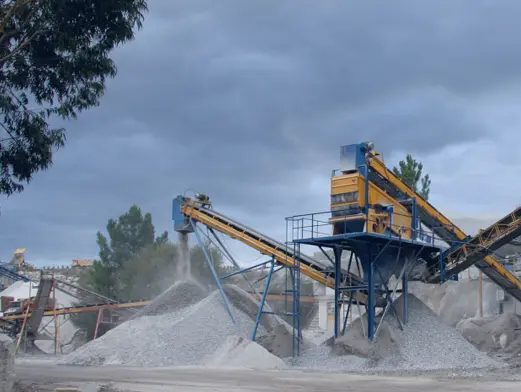
Our machinery is engineered to endure the most demanding field conditions. Discover how mining operations utilize our heavy crushing plants to secure continuous, high-performance yields.
 News
News
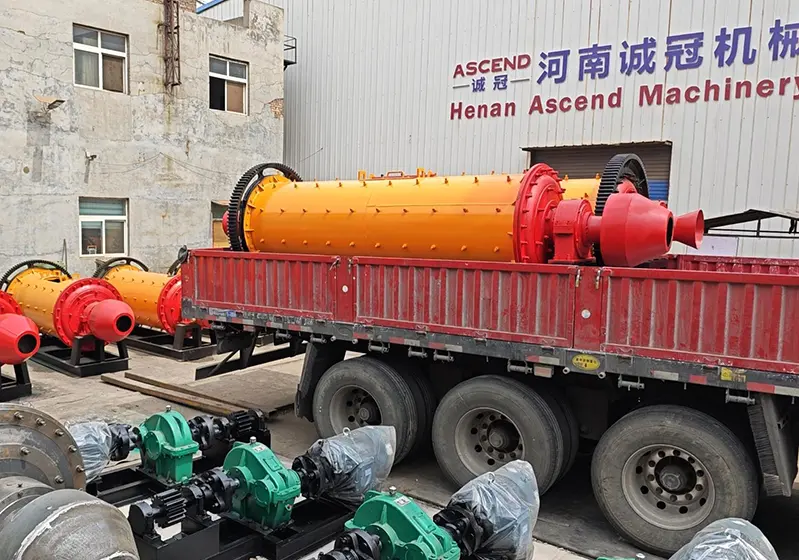
Henan Ascend Machinery & Equipment Co., Ltd. was established in 2005 and is located in the high-tech zone of Zhengzhou City, Henan Province.
Ascend is mainly engaged in the research and development, manufacturing, sales and after-sales service of complete sets of crushing, grinding, screening, feeding and conveying heavy mining machinery. If you need to crush limestone, granite, gravel or other stone, or grind them into powder, or extract gold, please feel free to contact us. Just tell us your needs and our engineers can provide you with professional advice. And we have our own factory, the quality of the machine is guaranteed, the price is more advantageous. We believe that we will be your good choice.
Explore Our FactoryDeploying heavy crushing equipment in real-world environments demands a deep understanding of field logistics, mechanical wear properties, and localized engineering setups. Let us explore the three primary applications where cone crushers are critical:
In high-grade highway, railway, and concrete dam construction, the shape of the coarse aggregate is strictly monitored. Flat, elongated rock particles represent weak structural points under compressive loading. High-speed cone crushers leverage laminated crushing—where material is crushed against other rocks rather than just the steel mantle surfaces. This mechanism ensures that the resulting aggregate has a high cubical coefficient, enhancing cement-bonding characteristics and structural longevity.
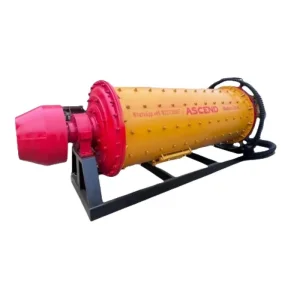
In metallic mining, the crushing circuit's primary goal is to reduce the particle size to a point suitable for ball mills (the grinding circuit). Incorporating a secondary or tertiary cone crusher to achieve a fine closed-side setting (CSS) of 8mm to 12mm reduces the feed size entering the ball mills. According to comminution thermodynamics, crushing is far more energy-efficient than grinding. By reducing feed size via a hydraulic cone crusher, mining operators can cut overall energy consumption in the milling circuit by 15% to 30%, which significantly increases processing capacity.
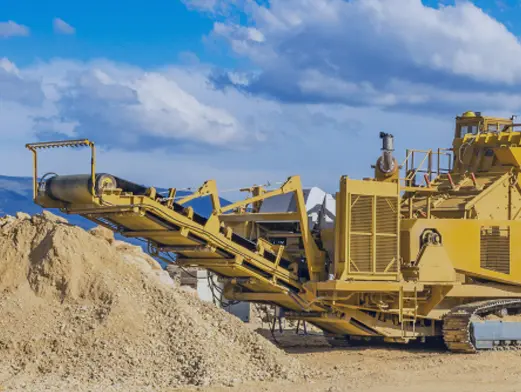
For operations located in complex terrain or those executing small-scale road building, transporting materials to a centralized crusher is uneconomical. Mounting spring or hydraulic cone crushers on wheeled trailers or tracked crawler chassis provides mobile crushing plants. These mobile systems can go directly to the work face, process materials locally, and deposit aggregates along the site route, reducing fuel transportation costs and environmental impact.
ESG & Environmental Compliance Note: As global regulatory frameworks impose strict limits on noise, dust, and water runoff, modern manufacturers integrate dust encapsulation seals, hydraulic water-spraying suppressors, and low-vibration structural mounts into their designs. Buyers prioritize cone crusher manufacturers who can provide certified noise and dust mitigation solutions.
Single-Cylinder hydraulic cone crushers control the CSS and safety release via a single piston located at the base of the machine. They are highly efficient for coarse-to-medium crushing stages and are straightforward to maintain. Multi-Cylinder hydraulic cone crushers use several cylinders arranged around the perimeter of the upper frame to exert higher crushing force. This makes them ideal for tertiary fine crushing of hard, abrasive materials, and they generate a more cubical product shape due to the high packing density and laminated crushing action.
The primary differentiator is feed hardness and wear costs. Cone crushers are designed for medium-to-hard abrasive rocks (granite, basalt, gold ore), using compression forces with low liner wear. Impact crushers utilize impact forces to shatter soft-to-medium rocks (limestone, coal). While impact crushers have lower initial costs and produce aggregate with higher cubicity, their wear parts (blow bars) deteriorate rapidly if used on high-abrasion silica materials, which increases operating costs (OPEX).
The chemical composition should align with the hardness of the rock. For soft-to-medium materials, Mn14Cr2 steel provides reliable service life. For highly abrasive rocks like granite, quartzite, or iron ore, Mn18Cr2 is recommended. For ultra-hard crushing environments, upgrading to Mn22Cr2 alloy offers maximum work hardening, allowing the wear liner surfaces to strengthen under continuous impact force while retaining a ductile interior core to prevent cracks.
The laminated (inter-particle) crushing principle describes material being compressed in layers rather than as individual pieces. High pressure and eccentric speed force rocks to press against each other inside the crushing chamber. This action causes cleavage along natural mineral planes, creating cubical aggregate shapes and reducing flat or elongated shards, which is key for meeting strict concrete and asphalt quality standards.
Since 2005, Henan Ascend has built a global distribution network spanning over 130 countries. We dispatch dedicated field technicians for on-site foundation design, installation supervision, and commissioning. We maintain spare-parts warehouses across key regions—particularly in Africa and Southeast Asia—ensuring fast delivery of components like mantle sets, concaves, and replacement eccentric sleeves to minimize operational downtime.
 Ascend
 News
News