China Diesel engine mobile jaw crusher machine for stone rock crushing Service, Company

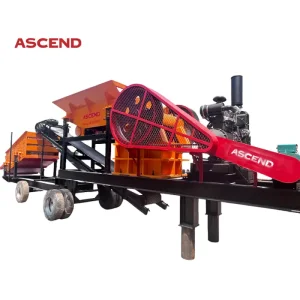
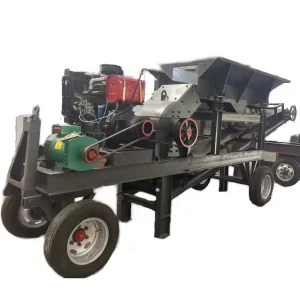
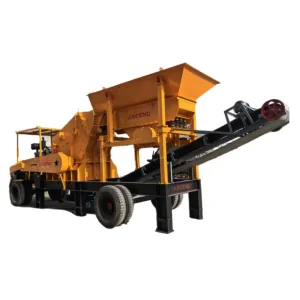
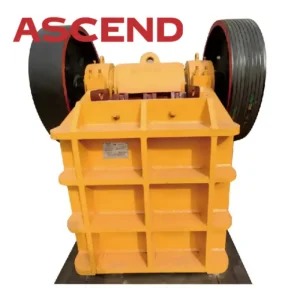
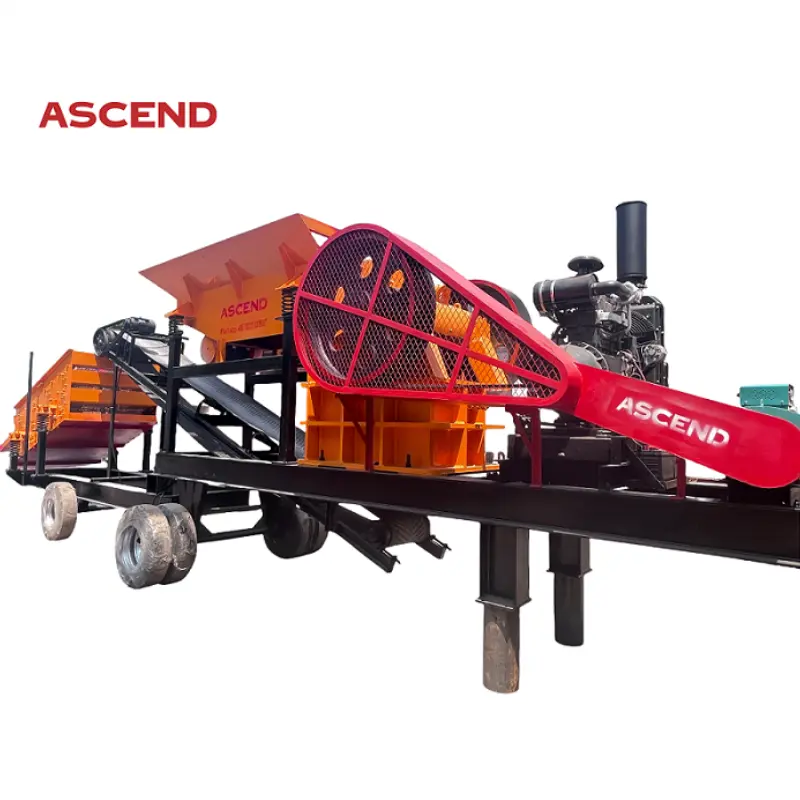
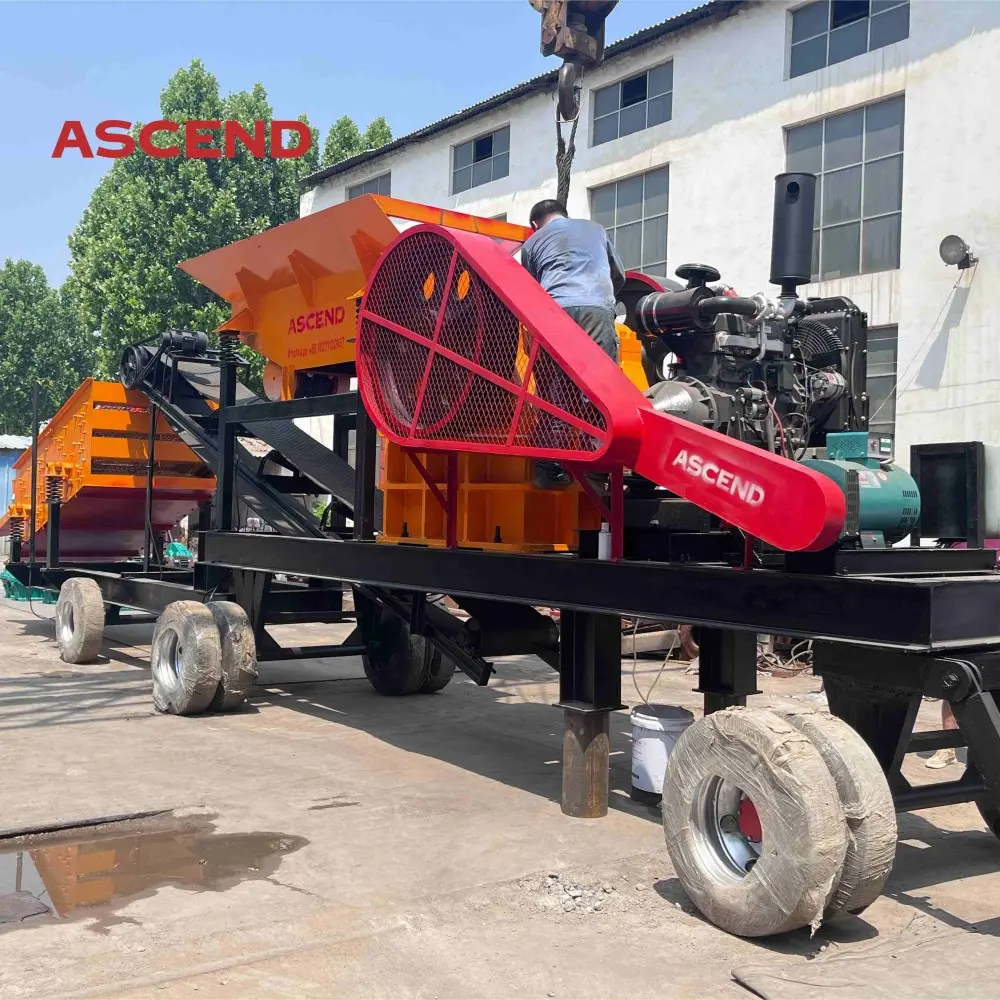
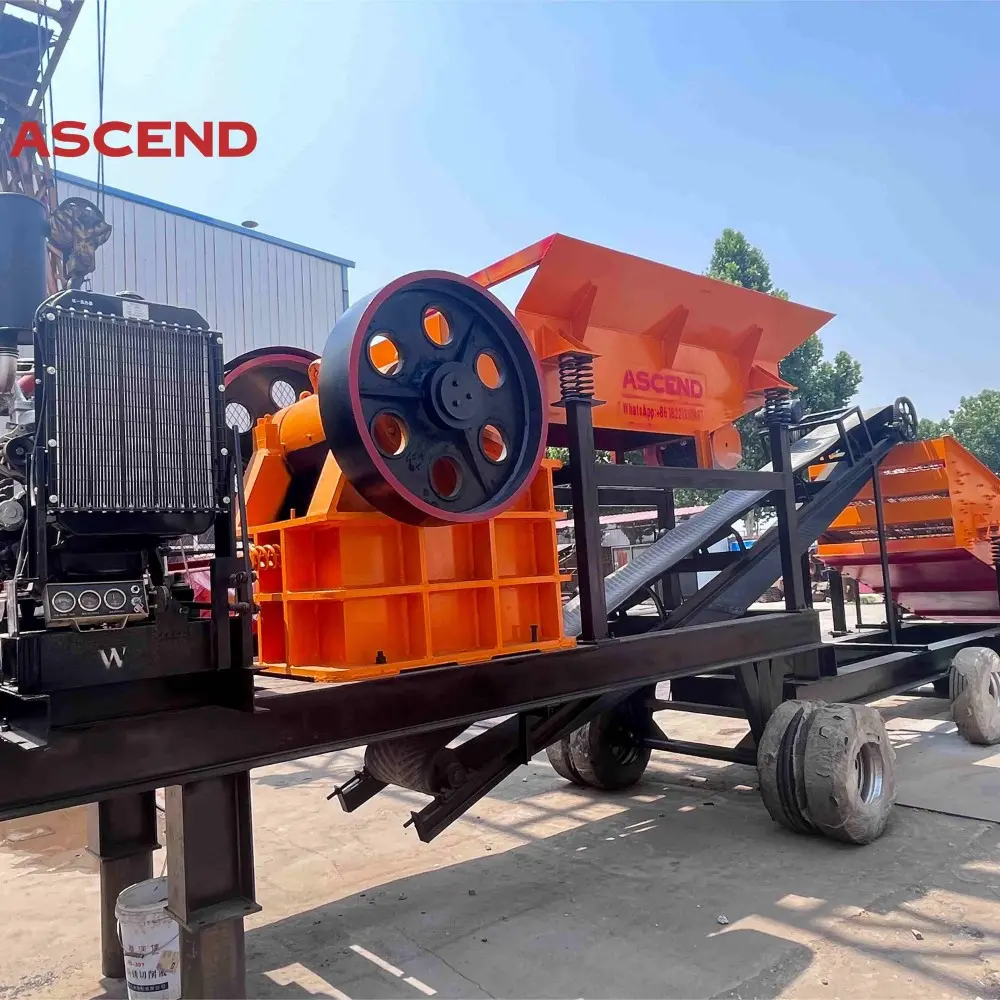
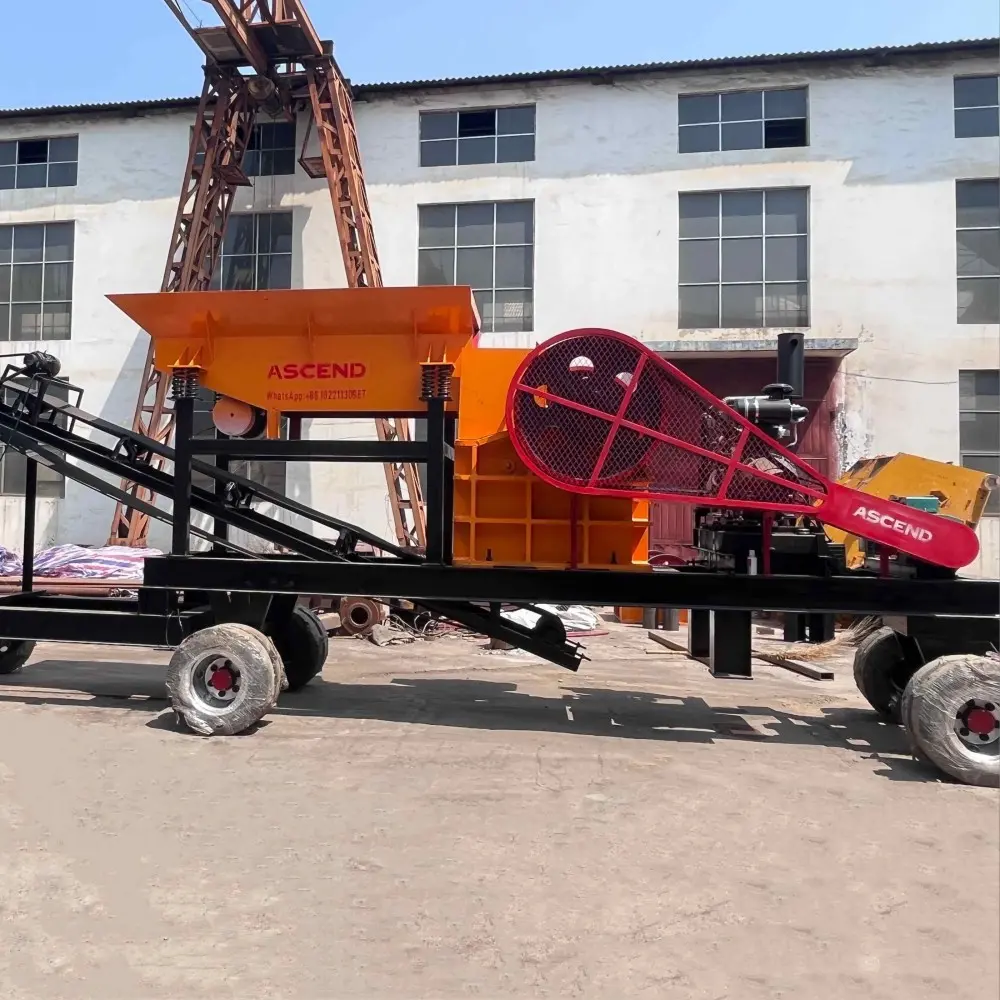
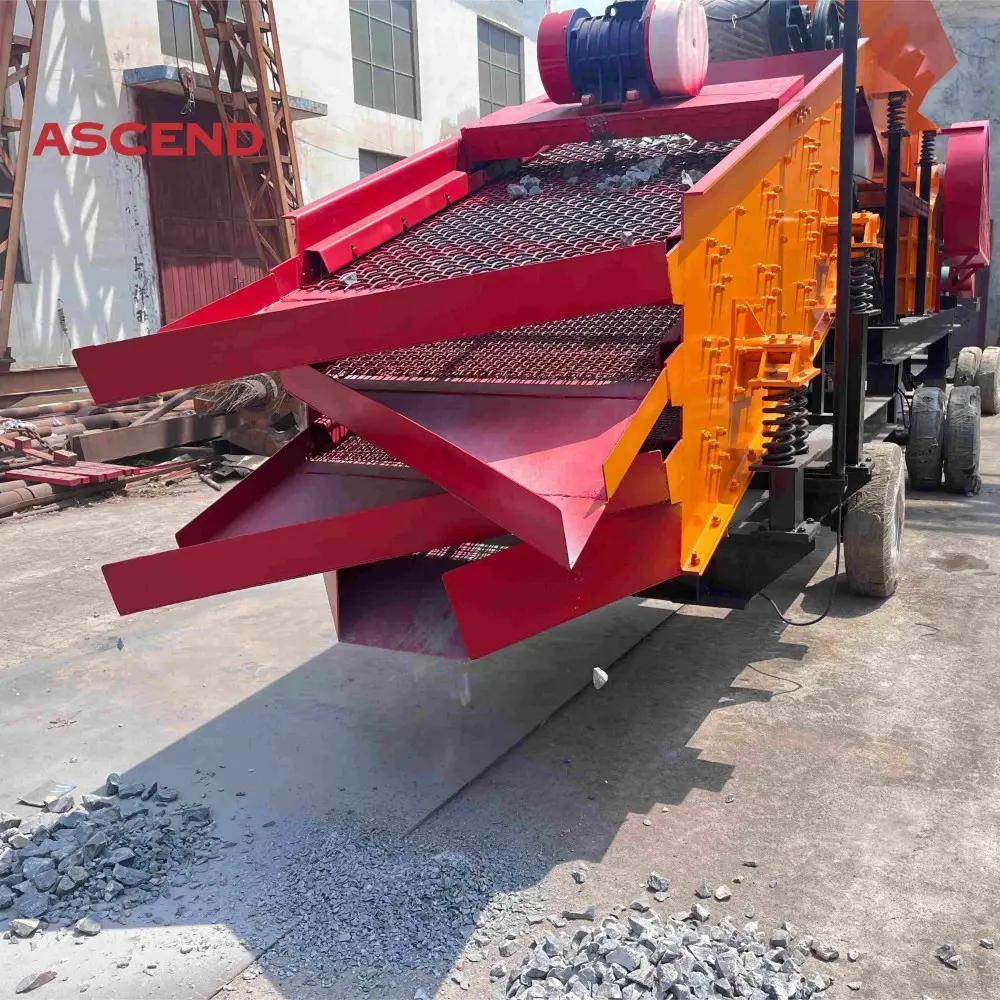
Mobile jaw crusher also called mobile stone crusher, mobile crusher plant, or mobile crushing plant. It is mainly used for crushing limestone, granite, quartz, marble, basalt and other hard stones. And it is widely used in mining, metallurgy, building materials, highway, railway, water conservancy, chemical industry and other industries. The mobile jaw crusher plant is an integrated machine of vibrating screen, diesel engine jaw crusher, belt conveyor, vibrating screen and other auxiliary parts. It can be driven directly to any location on the site for crushing operations, eliminating the complex site infrastructure and auxiliary facilities installation of split components, reducing labor time consumption and saving construction costs.

Product Description

Work Principle
The material enters the jaw crusher though the vibrating feeder. And then the jaw crusher crushed the material into the required size. The crushed material is transported to the vibrating screen by the belt conveyor for screening, and the required size is screened out. According to the different requirements of the crushing process, "crushing first, then screening" or "screening first, then crushing" process. In addition, according to the actual needs, it can also be combined into coarse, medium and fine crushing and screening systems.
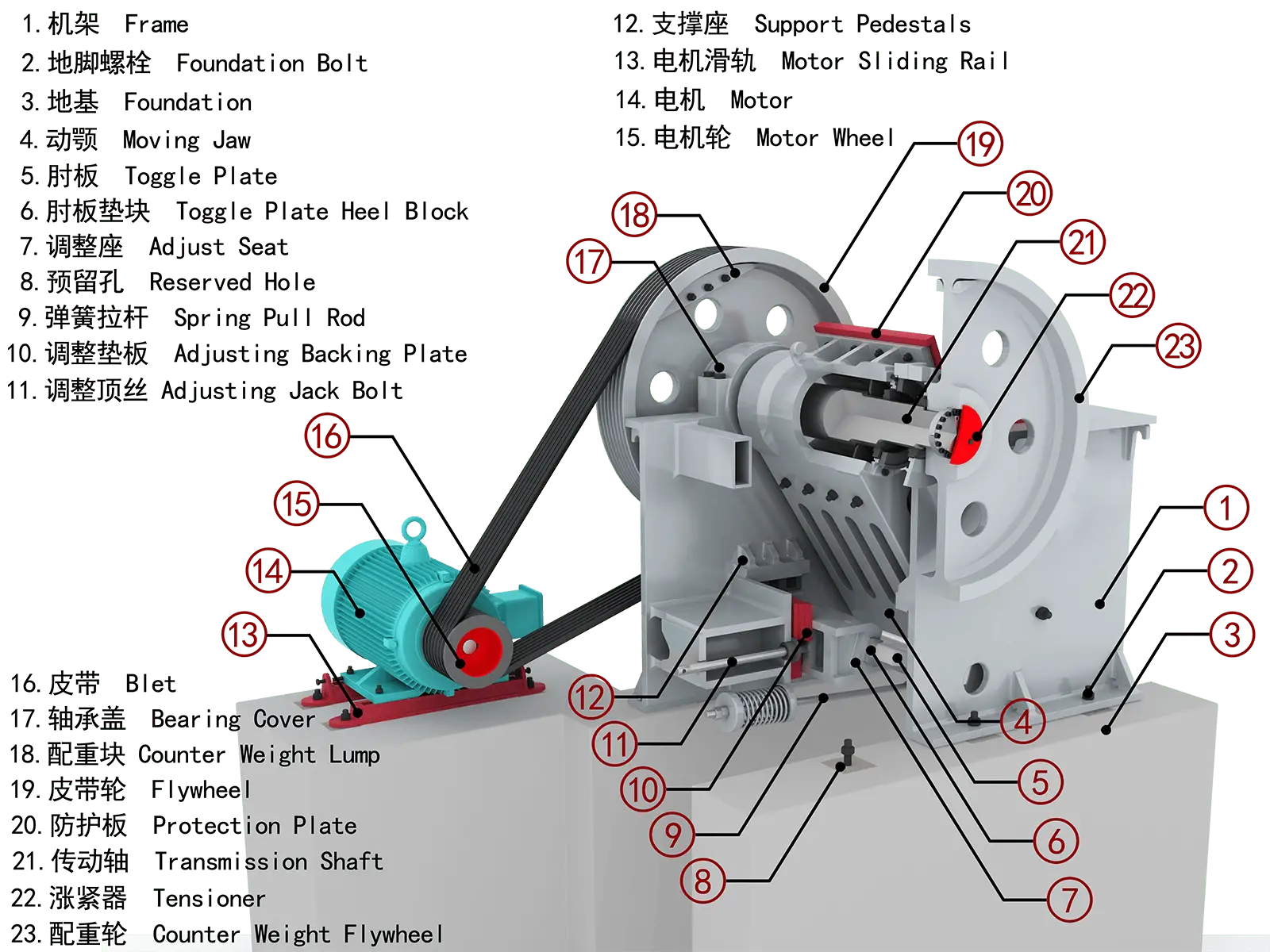
Jaw crusher working principle
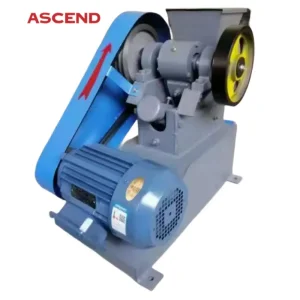
The motor drives the pulley and flywheel through the eccentric shaft to move the moving jaw plate up and down. The material enters from the feeding mouth, and then crushed into the required output size by the movable jaw plate and fixed jaw plate.
Specifications
Model Max.feeding size (mm) Output size (mm) Capacity (t/h) Motor power (kw) Weight (kg)
PE150X250 120 ≤20 1-3 5.5 700
PE200X300 160 ≤20 5-10 7.5 2000
PE250X400 210 ≤25 10-20 15 2800
PE300X500 240 ≤30 20-30 22 3800
PE400X600 340 ≤35 40-60 30 7000
PE500X750 425 ≤40 70-90 55 12000
PE600X900 500 ≤60 100-120 75 17000
PE750X1060 630 ≤80 110-320 90 31000
PE900X1200 750 ≤100 220-450 160 52000
Frequently Asked Questions
Q:How does the jaw crusher process materials within a production line?
The material enters the jaw crusher through a vibrating feeder where it is crushed to the required size. From there, a belt conveyor transports the crushed material to a vibrating screen for sizing. Depending on production requirements, you can arrange the setup to crush first then screen, or screen first then crush.
Q:What is the specific working principle of the jaw crusher mechanism?
The jaw crusher functions via a motor that drives a pulley and flywheel through an eccentric shaft. This movement forces the movable jaw plate up and down, crushing materials against the fixed jaw plate as they enter the feeding mouth.
Q:What are the capacity ranges for different jaw crusher models?
The processing capacity varies widely by model. Small scale models like the PE150X250 handle 1-3 t/h, medium models like the PE500X750 manage 70-90 t/h, while the heavy-duty PE900X1200 model can process between 220-450 t/h.
Q:What is the relationship between the max feeding size and output size?
Larger models accommodate bigger raw materials. For instance, the PE150X250 has a maximum feeding size of 120 mm with an output size of ≤20 mm, whereas the largest PE900X1200 model accepts a maximum feeding size of 750 mm and yields an output size of ≤100 mm.
Q:What power supply is required to run these jaw crushers?
Motor power requirements depend on the model size and range from 5.5 kW for the smallest model (PE150X250), to 30 kW for mid-range models (PE400X600), up to 160 kW for the largest industrial model (PE900X1200).
Q:Can these jaw crushers be integrated with other crushing systems?
Yes. According to actual operational needs, these crushers can be combined into coarse, medium, and fine crushing configurations along with corresponding screening systems to match your production process.

Related Products