 Ascend
1 / 5
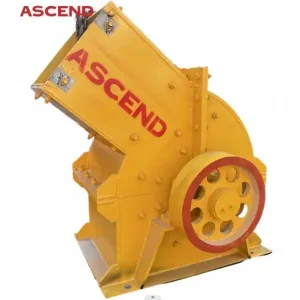
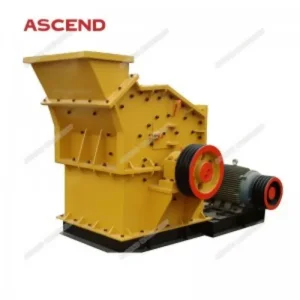
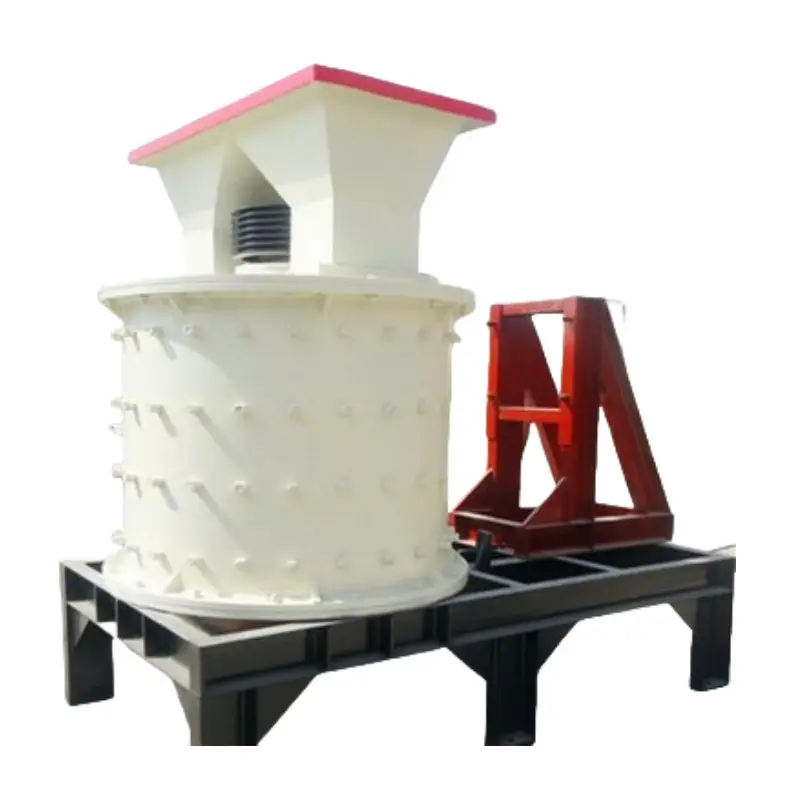
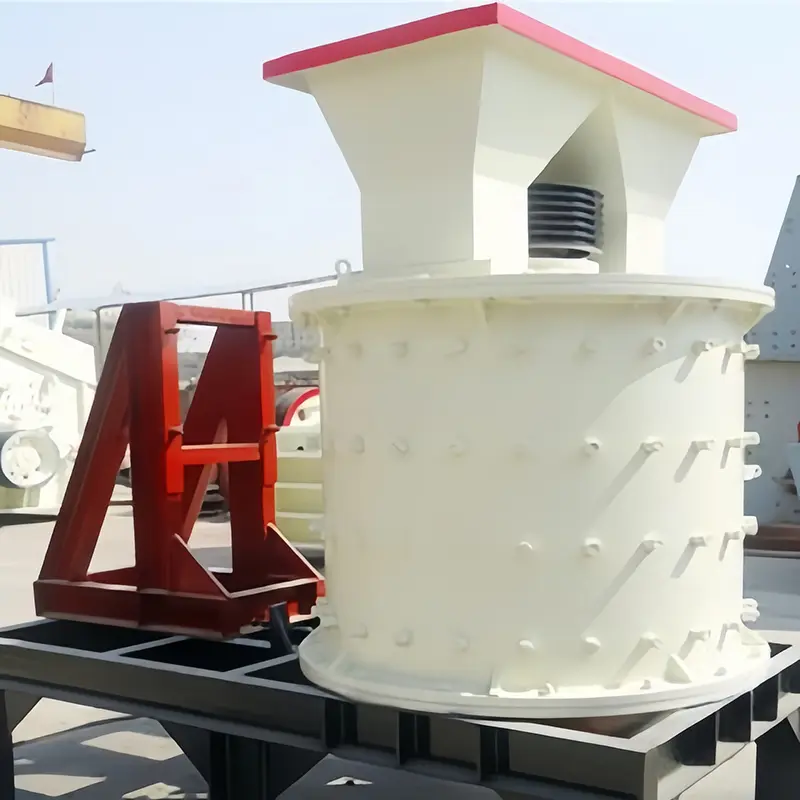
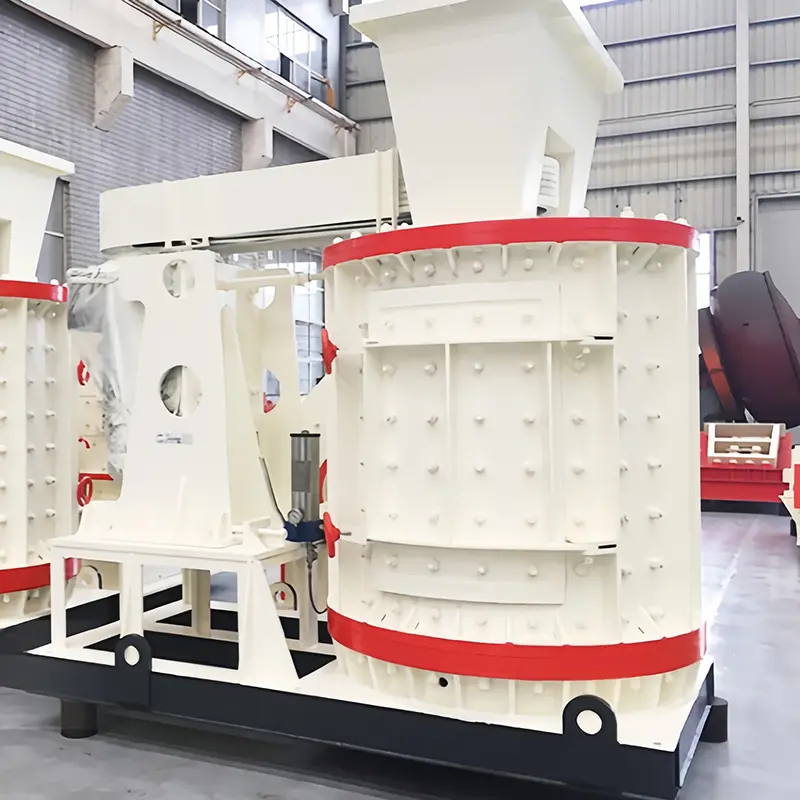
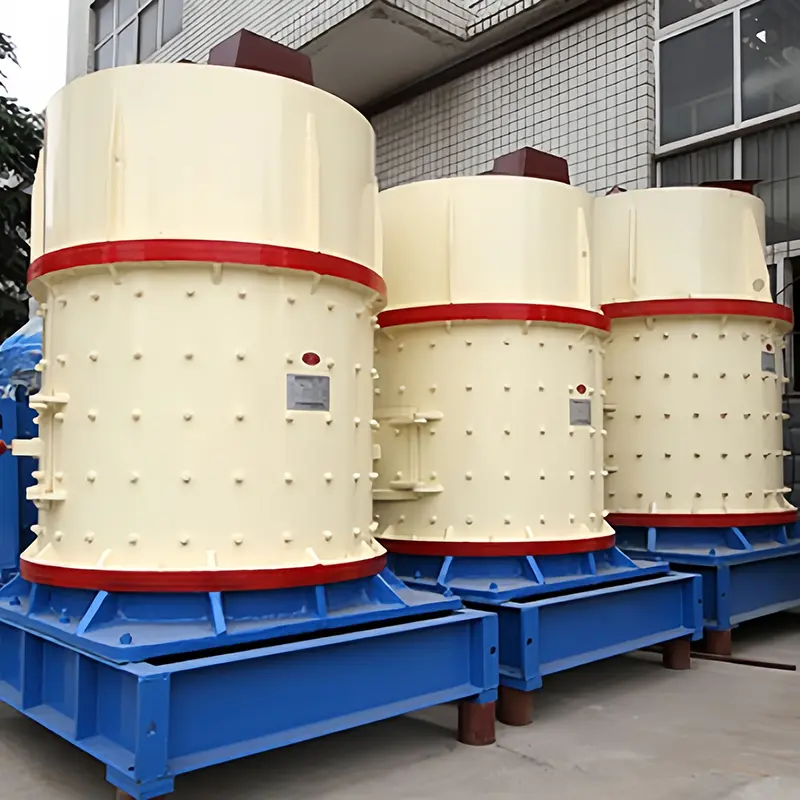
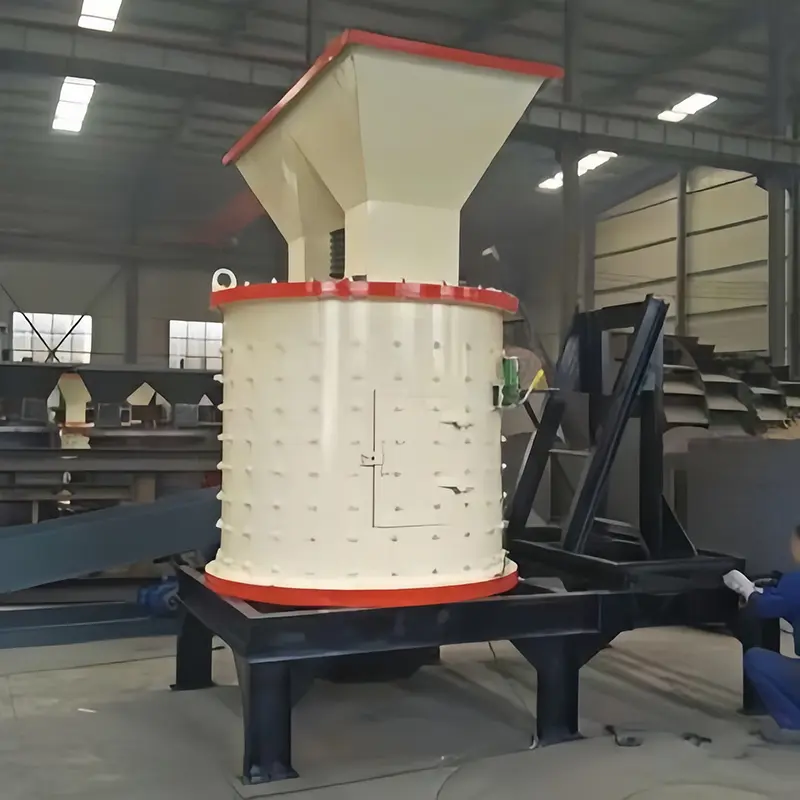
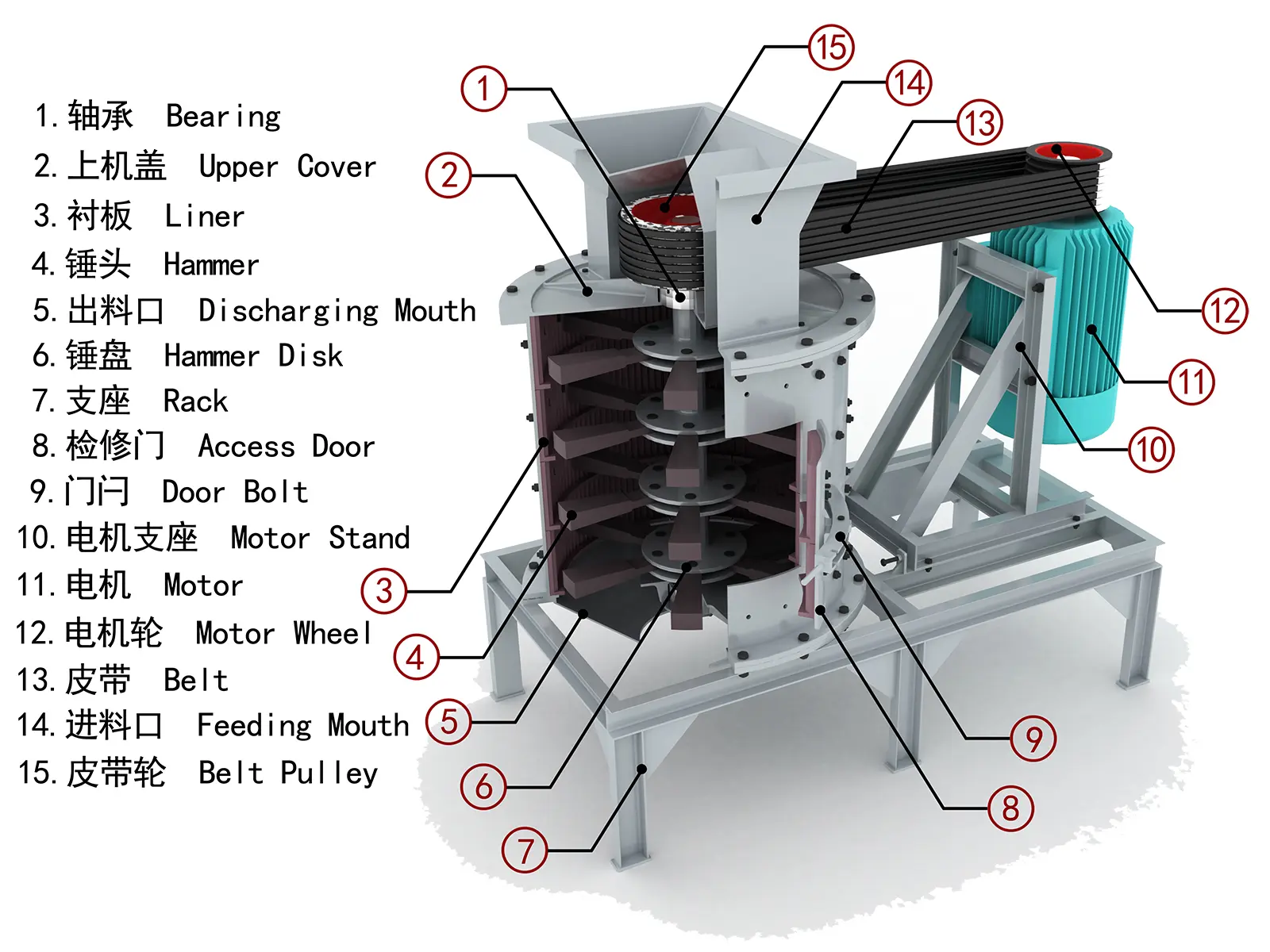
When the compound crusher is working, the material falls into the crusher from the upper feed port. The material is first impacted by the hammer driven by the high-speed rotating rotor, and then thrown to the liner to rebound, completing the initial crushing. The small size material is hit for the second time while falling, and is ground with other materials, and finally a qualified finished product is discharged from the bottom outlet.
A: It uses a combined mechanism of high-speed impact from hammers and grinding between materials. The continuous multi-stage crushing process ensures rapid reduction in particle size.
A: It is highly effective for medium-hard raw materials and clinkers, such as limestone, coal, gypsum, shale, and other materials with similar hardness.
A: No, the compound crusher features a design without grate bars at the bottom, which prevents clogging even when handling materials with high moisture levels.
A: The output size can be adjusted by altering the gap setting between the inner rotor and the surrounding impact lining plates to meet different specifications.
A: Regular inspection of wear parts like the rotor hammers and liner plates is essential. Timely rotation or replacement of worn hammers helps maintain optimum performance.