 Ascend
1 / 5
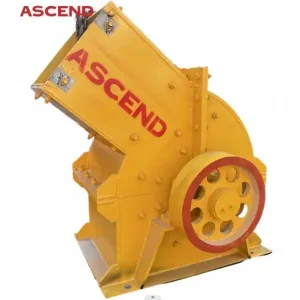
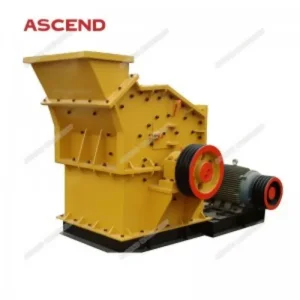
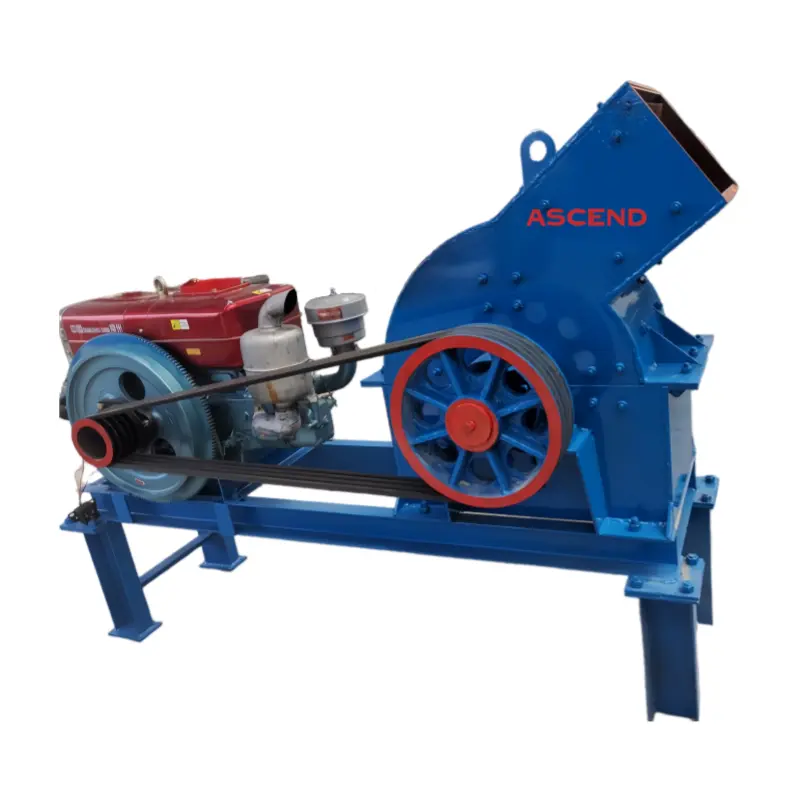
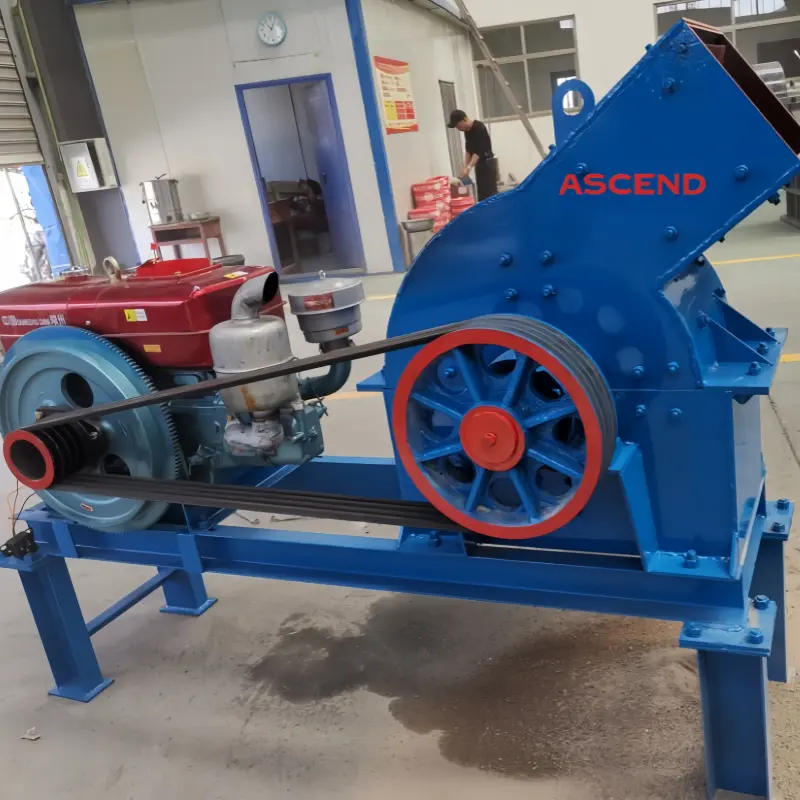
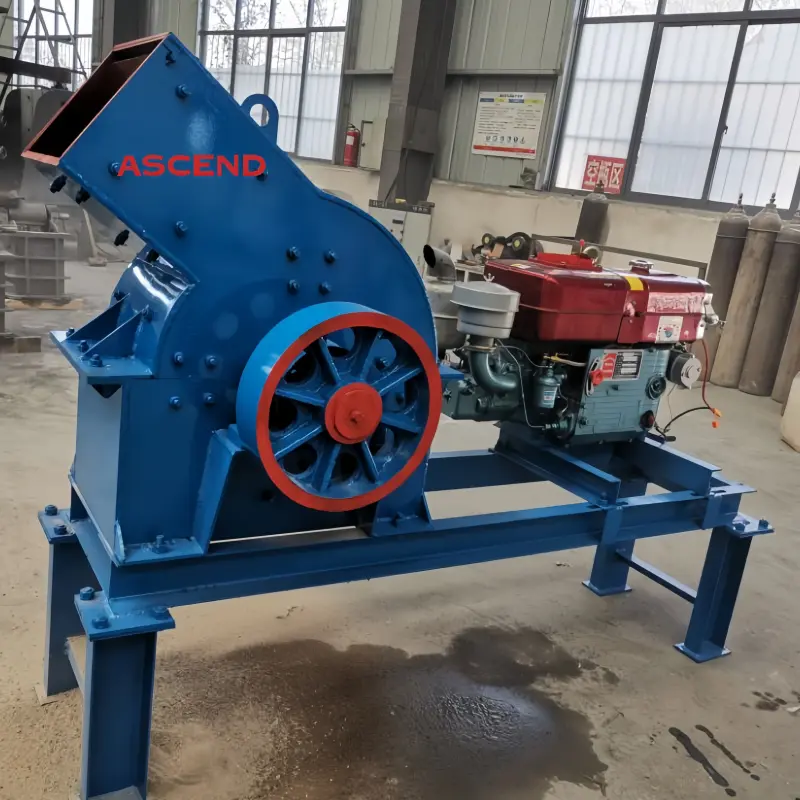
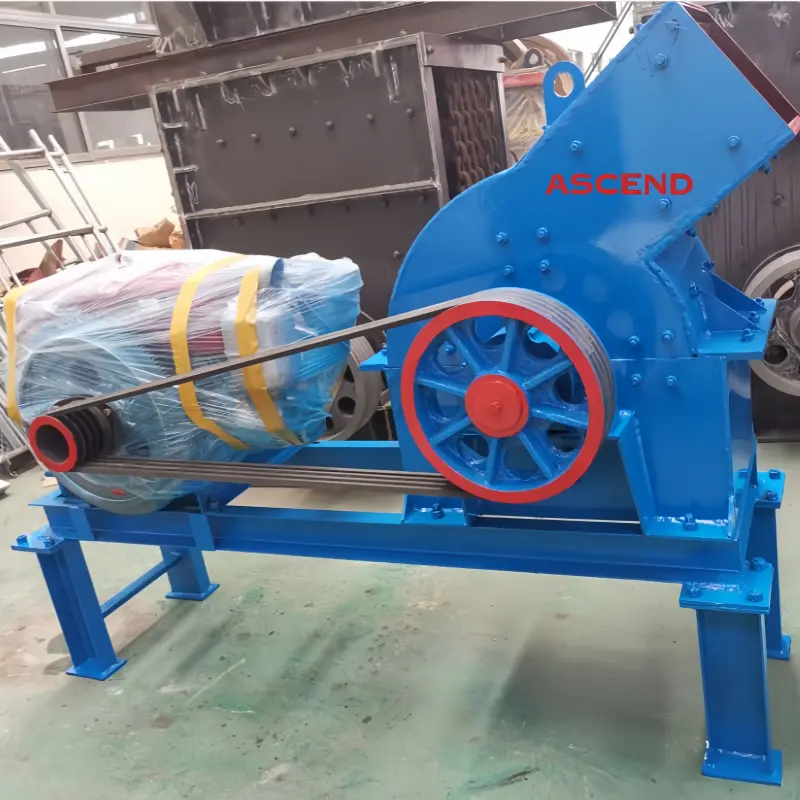
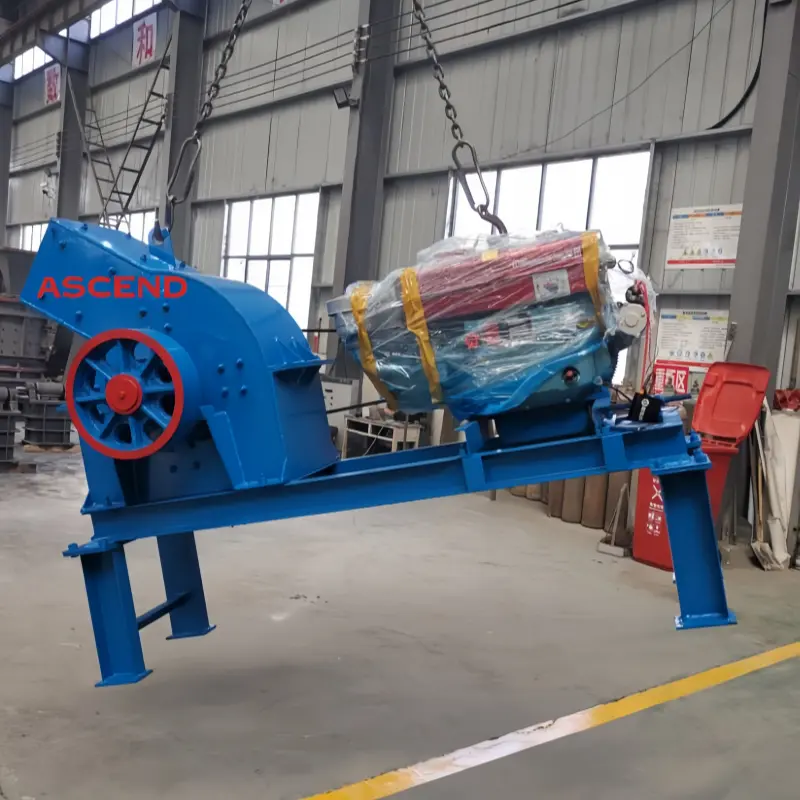
The diesel hammer crusher uses a diesel engine to drive the rotor to rotate at high speed, driving the hammers to impact the material to break it. The crushed material is screened through the sieve plate. The crushed particles smaller than the sieve mesh is directly discharged through the sieve plate, and the particles larger than the sieve mesh is retained on the sieve plate and continues to be repeatedly impacted and crushed by the hammers until the particle size meets the standard and is finally discharged through the sieve plate to complete the crushing.
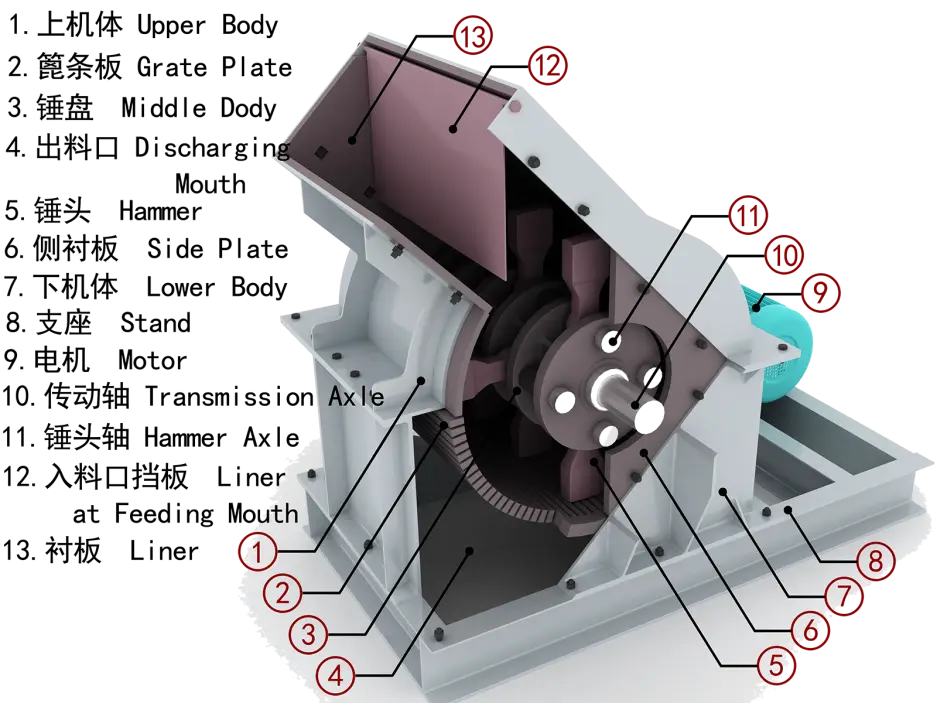
The diesel hammer crusher utilizes a diesel engine to drive its rotor at a high speed, causing the attached hammers to impact and break up the materials.
The crushed material undergoes screening through an integrated sieve plate, which separates the particles according to the size of the sieve mesh.
Particles that are smaller than the sieve mesh are directly discharged through the sieve plate as finished output.
Material larger than the sieve mesh is retained on the sieve plate, where it continues to be repeatedly impacted and crushed by the hammers.
The cycle is complete when the repeatedly impacted particles are reduced to a size that meets the standard, allowing them to finally discharge through the sieve plate.