Engineered for high reduction ratios, maximum wear resistance, and long-term durability in extreme mineral processing environments.
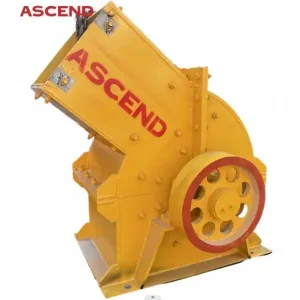
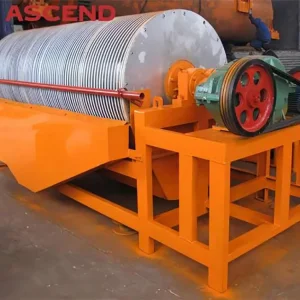
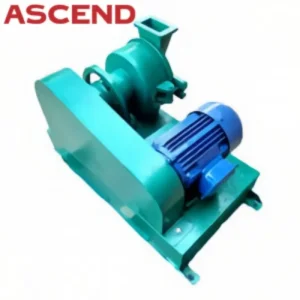
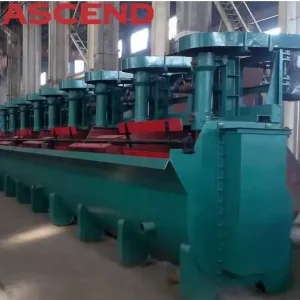
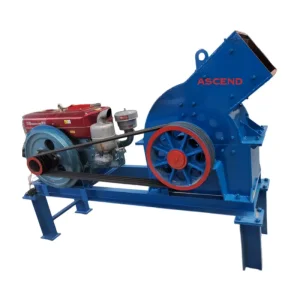
Comminution engineering lies at the heart of mineral processing, infrastructure development, and metallurgical industries worldwide. The two hammer crusher mill (also referred to as the double rotor hammer mill) represents a critical evolutionary leap in mechanical size reduction. By employing two high-speed rotating shafts equipped with heavy-duty manganese steel hammers, these machines achieve a compound crushing cycle. Instead of relying solely on individual rotor impacts, materials undergo intense inter-particle collision and secondary shear forces within the intersecting orbits of the double rotors.
Today, the global demand for energy-efficient comminution technologies is escalating. Strict environmental policies, coupled with the rising cost of industrial energy, have pushed mining operations and aggregate plants to optimize their processing lines. The two hammer crusher mill satisfies this market requirement by delivering high reduction ratios (up to 40:1 in soft to medium-hard materials) in a single pass. This dramatically reduces the need for secondary cone crushers or secondary impact stages, resulting in lower capital expenditure and reduced operational complexity for plants across Europe, the Americas, Africa, and Southeast Asia.
China's industrial clusters, particularly in the Central Henan region, boast immediate proximity to advanced casting foundries. This localized supply of high-chrome alloys and manganese steels allows factories to rapidly iterate hammer designs and optimize chemical compositions, assuring high mechanical integrity and wear resistance compared to fragmented supply lines elsewhere.
Modern Chinese manufacturing plants utilize automated CNC machining centers, robotic welding cells, and dynamic rotor balancing rigs. This high degree of precision ensures that both rotors inside the two hammer mill run perfectly in-sync, reducing vibration, minimizing bearing wear, and lowering overall maintenance downtime.
By scaling production across high volumes and leveraging domestic energy and logistics networks, Chinese suppliers offer industrial-grade comminution equipment at significantly lower capital costs. This cost-efficiency allows operators to allocate budget towards premium wear-parts and automated control systems, maximizing ROI.
Henan Ascend Machinery & Equipment Co.,Ltd. was established in 2005 and is located in the high-tech zone of Zhengzhou City, Henan Province. Ascend is mainly engaged in the research and development, manufacturing, sales and after-sales service of complete sets of crushing, grinding, screening, feeding and conveying heavy mining machinery.
Whether your operations require crushing limestone, granite, gravel, or other hard stones, or grinding them into micro-powders, or extracting gold from complex ores, Ascend's engineering team provides tailor-made configurations. By managing our own full-scale manufacturing plant, we guarantee strict quality compliance, robust build standards, and competitive direct-from-factory pricing.
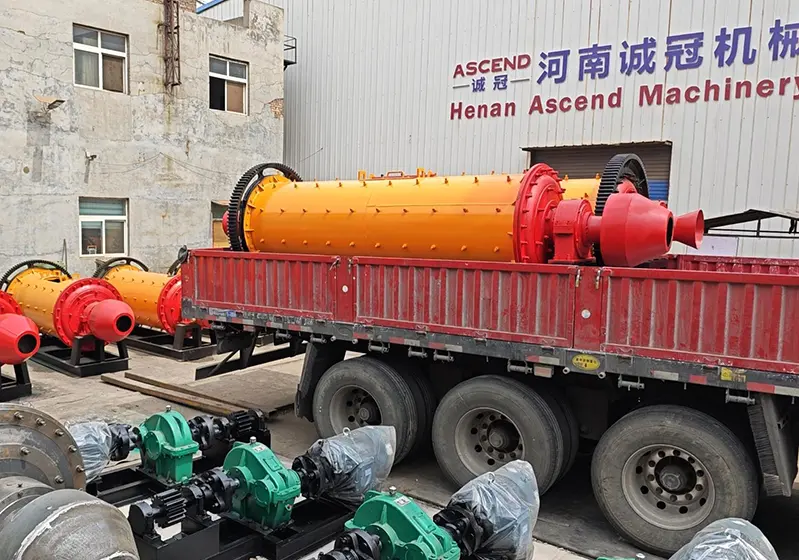
Explore our turnkey mining and mineral processing installations deployed across the globe.
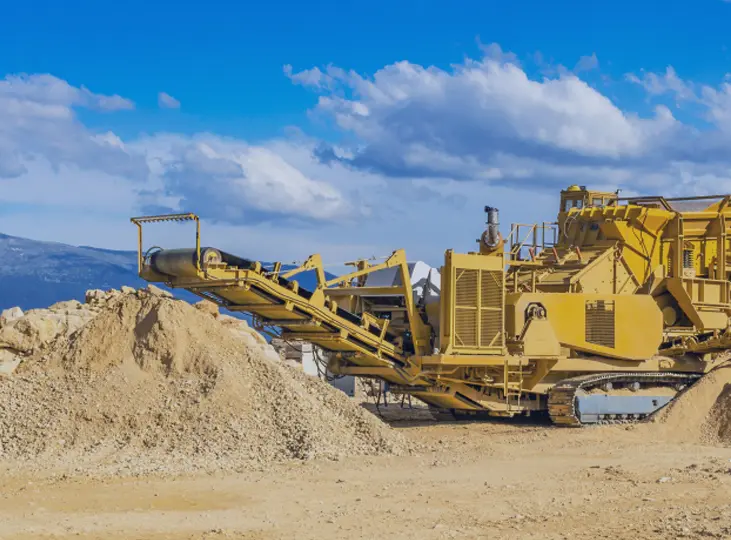
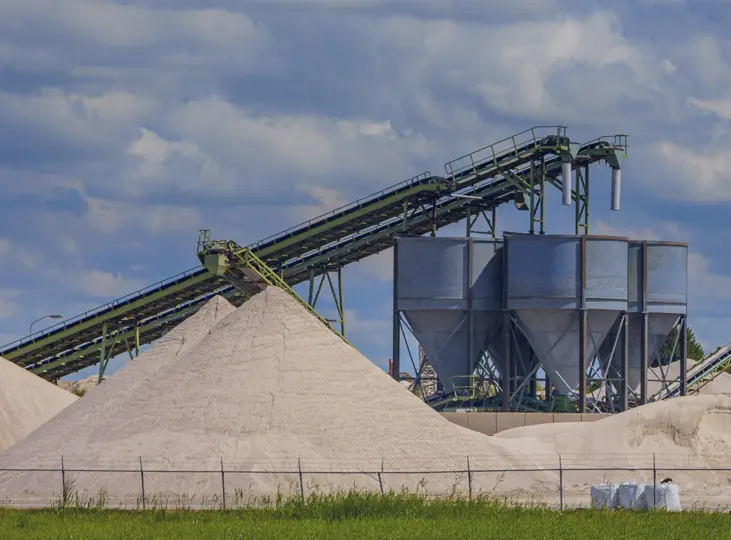
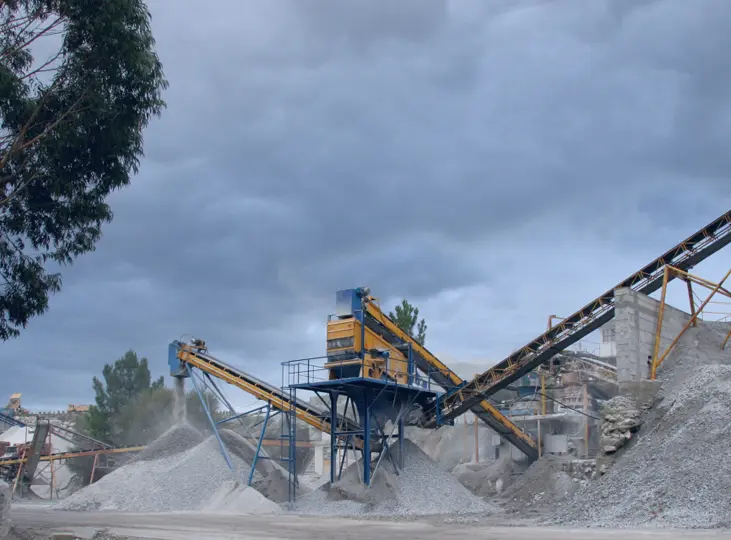
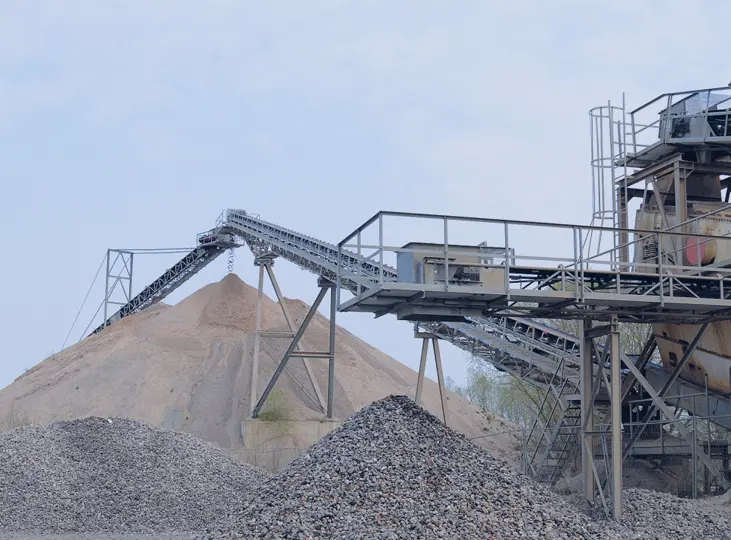
From highly humid gold mining sites in West Africa to municipal construction recycling in Southeast Asia.
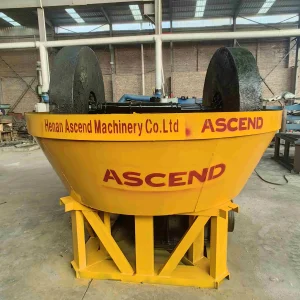
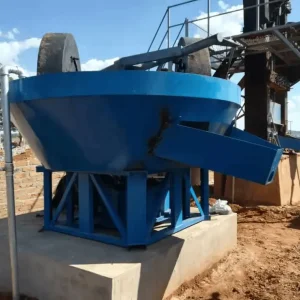
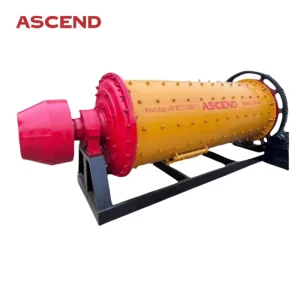
1. Artisenal and Industrial Gold Ore Crushing: In gold-producing countries like Ghana, Mali, Sudan, and Zimbabwe, two hammer crusher mills serve as primary or secondary comminution units. They efficiently break down gold-bearing quartz veins, reducing them to a size suitable for subsequent grinding stages in wet pan mills or ball mills. The design handles moist, sticky clays that would choke traditional single-rotor machines or jaw crushers.
2. Aggregates and Manufactured Sand (M-Sand): For infrastructure developments in rapid-growth regions like Indonesia, the Philippines, and Vietnam, producing high-quality concrete sand requires cubical-shaped aggregate. The dual impact zones of the two hammer crusher mill pulverize flat or elongated stones, delivering a well-graded product with an excellent sand ratio.
3. Heavy-Duty Industrial Recyclables and Limestone: In cement production and waste recycling, the capability to crush large volumes of soft-to-medium rock such as shale, coal, gypsum, and limestone is vital. The machine's grid bar adjustment enables operators to tune discharge specifications on the fly, reducing recirculating loads and conserving power.

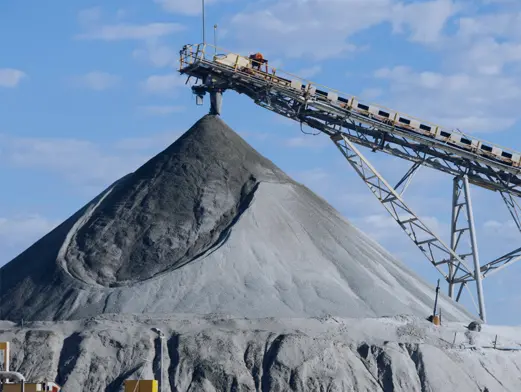
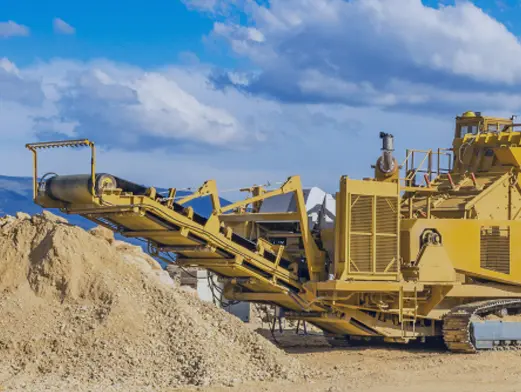
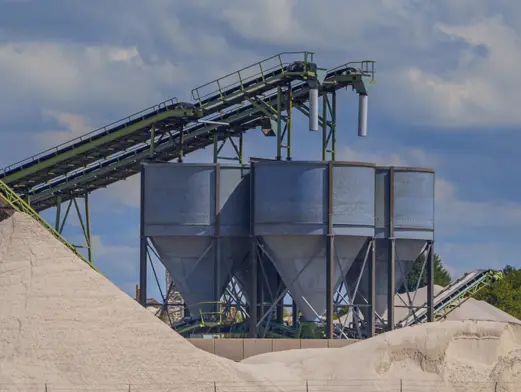
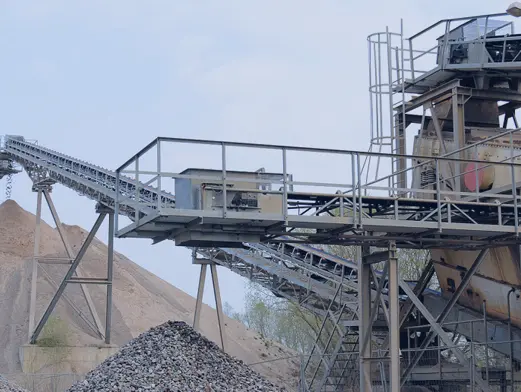
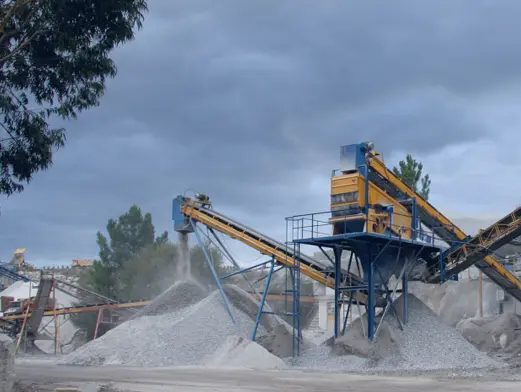
Comprehensive engineering insights on secondary crushing equipment solutions.
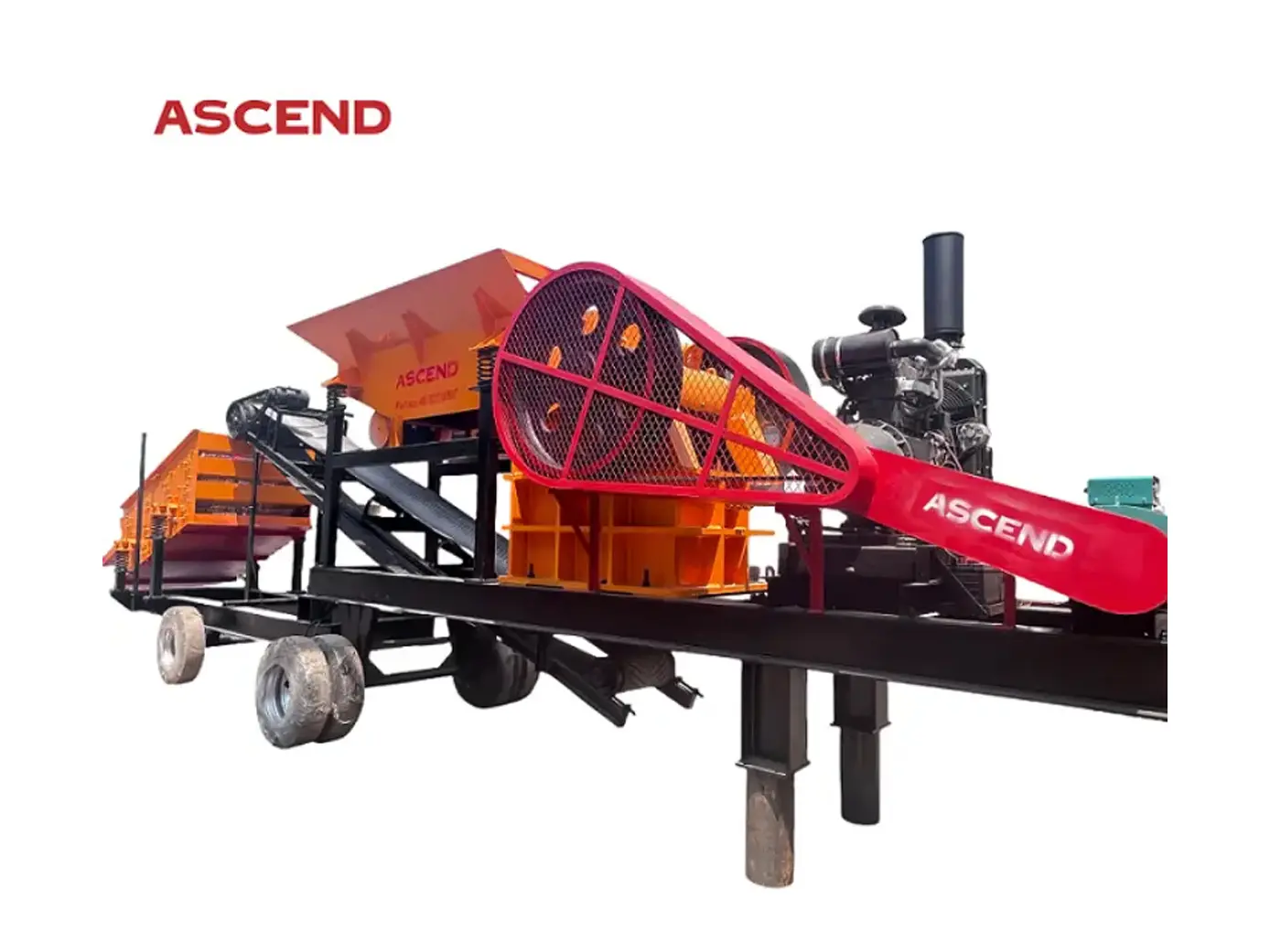
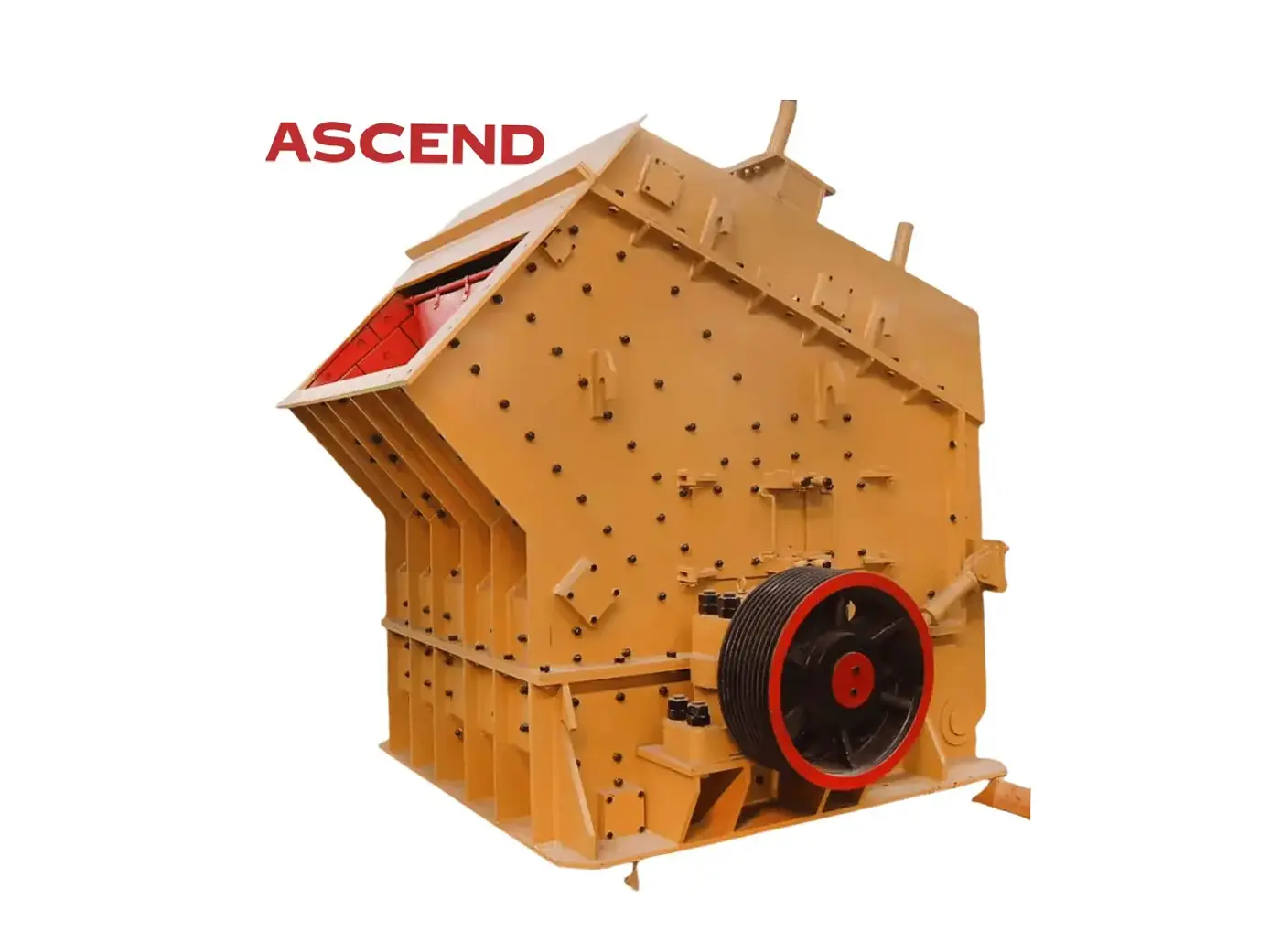
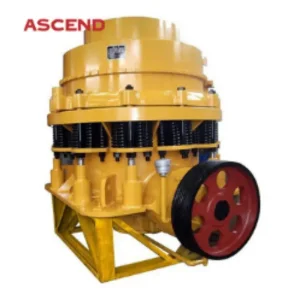
The impact crusher is a kind of secondary crushing equipment which uses impact power to crush materials. Impact crusher is characterized by easy maintenance, high reduction ratios and high efficiency to produce precisely cubic shape products. It is designed with three crushing chambers, seamlessly connected rotor, wear-resistant blow bar and installation of insert type. Moreover, it has tooth type liner, gradient designed bearing seat, frame with several openings and screws or hydraulic start-up devices. Impact crushers can be used in all different stages of size reduction from primary crushing to the last step of the crushing process.
When utilizing a double rotor or "two hammer" design, materials are subjected to a sequential bombardment. The primary rotor initiates raw fragmentation, and the secondary rotor catches the falling aggregates to perform secondary polishing and final sizing. This sequential mechanical stress prevents oversized flakes from bypassing the screen decks.
Real-time updates documenting our heavy equipment deployments in Africa, South America, and Oceania.
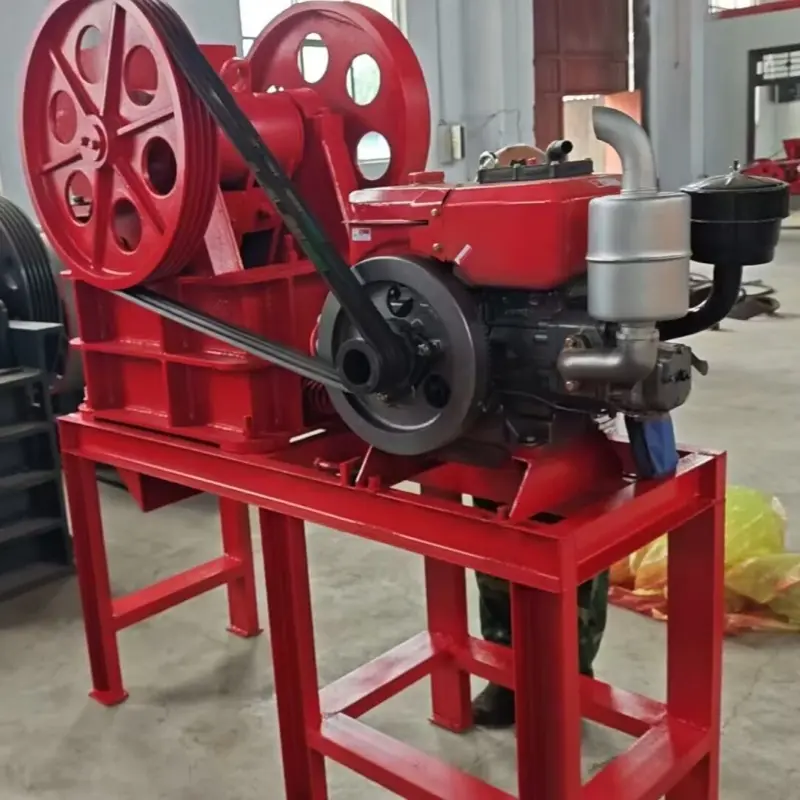
 Nov 2025
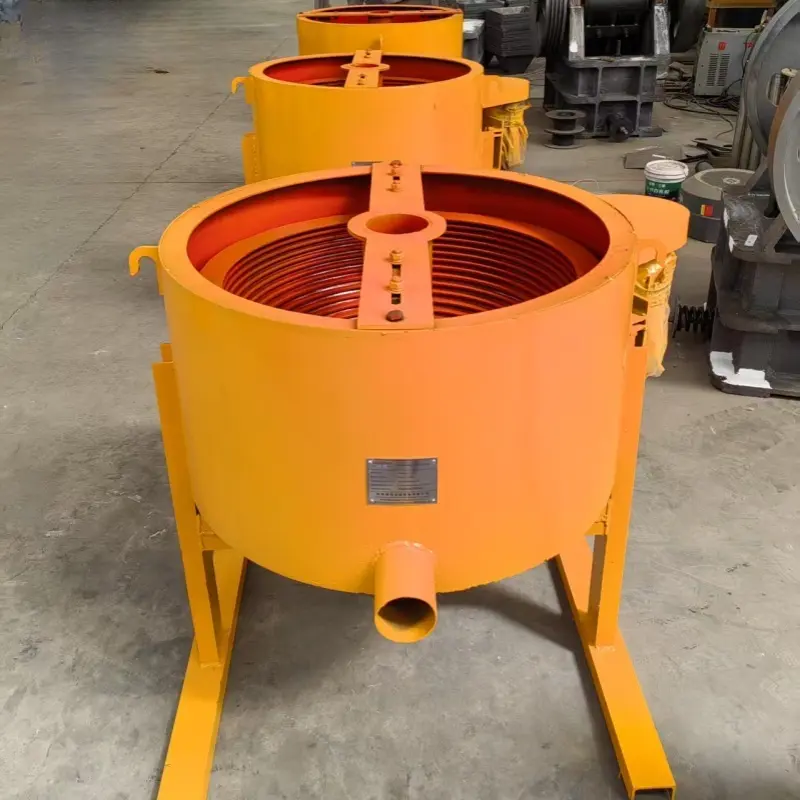 Aug 2025
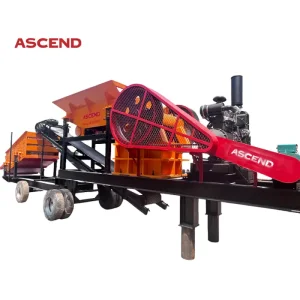
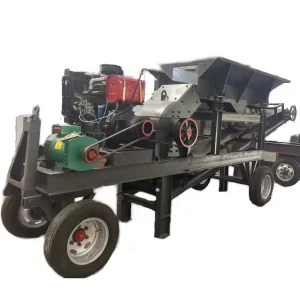
Decentralized Power & Diesel-Driven Mobile Units: In many developing territories, access to reliable three-phase power grids is limited. As a result, the industry is witnessing a significant shift toward diesel-driven engine packages integrated onto tracked or wheeled chassis. Mobile hammer mill stations reduce heavy material transport costs by allowing primary crushing to occur directly at the blast face.
Wear Metallurgy Innovation: Modern research focused on comminution efficiency targets the microstructural breakdown of crushing elements. High-carbon high-manganese cast iron (such as Mn13Cr2 or Mn18Cr2 alloys) combined with titanium carbide (TiC) column inserts are progressively replacing standard steel. This modification extends the operating lifespan of hammer heads by up to 150% in abrasive applications.
Procurement Strategy Matrix for Global Enterprise Buyers: When negotiating with China-based manufacturers, engineers and procurement teams should prioritize the following key selection criteria:
Deploy high-grade sizing, separation, and milling assets to maximize your mineral recovery index.
 Ascend