Premium global factory direct supply. Click below to view detailed equipment specs, capacity matrices, and customized quotations.
Navigating the Transition from Natural River Sand to Manufactured Sand (M-Sand) Under Regulatory Tightening
The construction and infrastructure sectors in India are undergoing an unprecedented paradigm shift. Driven by massive national campaigns such as the PM Gati Shakti National Master Plan, NHAI highway expansions, and urban housing initiatives under the PMAY scheme, the demand for high-quality concrete aggregate has skyrocketed. Historically, the Indian market relied heavily on river sand dredging. However, strict environmental regulations, comprehensive bans imposed by the National Green Tribunal (NGT) on riverbed mining, and increasing ecological concerns have severely restricted river sand supply. This supply gap has driven the widespread adoption of Manufactured Sand (M-Sand) and Plastering Sand (P-Sand).
For Indian quarry owners, infrastructure conglomerates, and concrete producers, procuring high-performance sand making machines (also known as vertical shaft impactors or VSI crushers) has transitioned from an operational option to a core strategic necessity. The primary concern, however, revolves around balancing the initial capital expenditure (CAPEX) with long-term operating costs (OPEX). Wholesale pricing for sand-making plants in India varies widely, depending on raw material characteristics, throughput requirements (measured in tons per hour, TPH), output gradation, and the technology origin of the machinery.
M-Sand provides consistent grain size distribution, cubical shape, and zero silt contamination. This guarantees higher compressive strength in structural concrete and cuts down cement consumption by up to 15%, giving contractors immediate bottom-line savings.
Understanding the engineering differences between Vertical Shaft Impact (VSI) and Compound Crushers
When analyzing sand making machines, selecting the appropriate mechanical principle determines the efficiency of your aggregate plant. Here, we compare the primary categories of sand making machinery: the Vertical Shaft Impact (VSI) Crusher and the Compound Crusher.
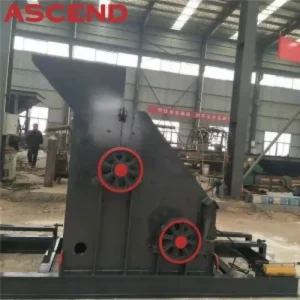
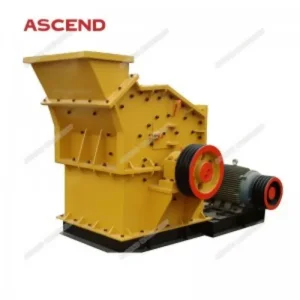
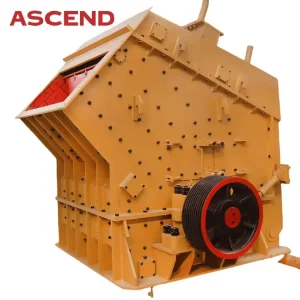
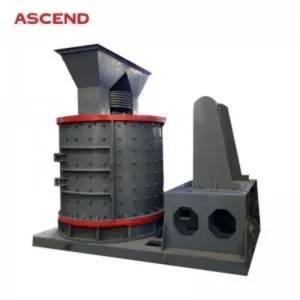
Original Equipment Insight: Impact crusher is a kind of secondary crushing equipment which uses impact power to crush materials. Impact crusher is characterized by easy maintenance, high reduction ratios and high efficiency to produce precisely cubic shape products. It is designed with three crushing chambers, seamlessly connected rotor, wear-resistant blow bar and installation of insert type. Moreover, it has tooth type liner, gradient designed bearing seat, frame with several openings and screws or hydraulic start-up devices. Impact crushers can be used in all different stages of size reduction from primary crushing to the last step of the crushing process.
| Equipment Type | Operating Principle | Optimal Feed Material | Capacity Range (TPH) | Key Features & Indian Application |
|---|---|---|---|---|
| Vertical Shaft Impact (VSI) Crusher | Rock-on-Rock (ROB) / Rock-on-Anvil (ROA) high velocity impact. | Hard rocks: Granite, Basalt, Quartzite, Iron Ore. | 50 - 500 TPH | Produces premium cubical aggregates conforming to BIS IS 383 standards. High reduction ratio and excellent particle shape control. |
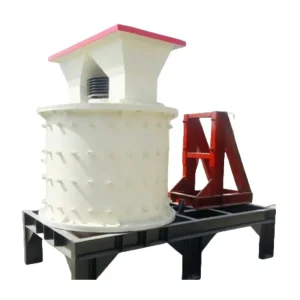
| Compound Sand Crusher | Combined impact and centrifugal crushing without screen bar design. | Medium-hard materials: Limestone, Dolomite, Coal, Gypsum. | 20 - 150 TPH | Highly resilient to moisture blockage; ideal for wet materials and medium-scale operations. Compact footprint with simplified maintenance. |
| Double Stage Hammer Crusher | Series hammer impact without screen bottom, allowing continuous flow. | Wet coal, shale, limestone, soft to medium-hard rock. | 10 - 200 TPH | High efficiency in handling high-moisture raw materials, bypassing traditional screen blinding issues. Great for sub-base preparation. |
For high-capacity commercial plants in locations like Rajasthan, Maharashtra, Karnataka, and Tamil Nadu, the VSI series is the industry benchmark. Using centrifugal acceleration, the raw feed is projected against stationary rock liners (rock-on-rock process). This action shears off weak corners and micro-fractures, producing high-grade sand with a low flakiness and elongation index. For smaller sites processing medium-hard minerals, the Compound Sand Crusher offers a cost-effective alternative with lower capital outlay and straightforward maintenance.
Tailoring Sand Production Systems to Diverse Regional Geologies and Project Requirements
In Maharashtra and Gujarat, basalt (black cotton rock) is highly abundant but extremely abrasive. Traditional crushing methods lead to excessive wear on parts. Implementing advanced rock-on-rock VSI crushers with robust tungsten carbide rotors significantly reduces wear costs, making basalt processing highly profitable for local builders.
States like Karnataka, Andhra Pradesh, and Tamil Nadu feature vast granite reserves. Producing M-Sand from granite requires strict particle shape control. Dynamic VSI crushing systems optimize the fineness modulus (FM) between 2.6 and 3.0, ensuring high-strength concrete mixes for high-rise buildings and infrastructure.
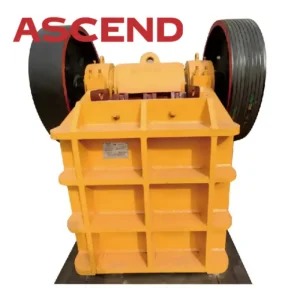
In states along the Himalayan foothills, such as Uttar Pradesh, Punjab, and Uttarakhand, shifting river gravel presents unique processing challenges. Operators utilize specialized mobile jaw plants paired with high-efficiency compound crushers to easily handle round stones and soft quartz sand mixtures.
A Detailed Analysis of Capital Investment Factors and Operational Expenses
Investing in a sand making plant requires assessing both the upfront purchase cost and the ongoing operational expenses. Wholesale prices in the Indian market generally fall into three price tiers, reflecting machine capacity, automation levels, and build quality:
1. Entry-Level (20 - 50 TPH): $10,000 - $25,000. Suitable for small scale aggregate producers.
2. Mid-Range (50 - 150 TPH): $25,000 - $65,000. Balanced solution for medium quarry operators and regional suppliers.
3. Industrial Scale (150 - 500 TPH+): $65,000 - $180,000+. High-performance dual-drive VSI systems for major infrastructure projects.
Why Partnering with Leading Chinese Manufacturers Offers Unparalleled Industrial Advantages
For Indian industrial buyers, partnering with established Chinese factories provides significant cost-efficiency and supply chain benefits. Chinese heavy machinery manufacturers operate within advanced industrial ecosystems, leveraging integrated material sourcing, efficient manufacturing hubs, and scaled production processes.
Henan Ascend Machinery & Equipment Co., Ltd., established in 2005 in Zhengzhou's High-Tech Zone, is a prime example of this industrial capability. By centering research, development, and high-volume fabrication in one region, Ascend optimizes manufacturing workflows to reduce production lead times. This enables the delivery of customized crushing and grinding equipment at highly competitive wholesale rates, without compromising on quality standards.
Transitioning Toward Green, Automated, and Closed-Loop Aggregate Processing Systems
The global sand processing industry is moving rapidly toward automation and environmentally sustainable designs. The next generation of sand making machinery features key engineering advancements designed to address changing environmental standards and rising energy costs:
Water scarcity in dry regions makes traditional wet washing impractical. Modern plants feature air-classifier separation systems that remove excess fines (under 75 microns) without using water, reducing the plant's overall environmental impact.
Integrating temperature probes and vibration sensors directly into bearing assemblies allows operations to track machine wear in real time. Automated alerts warn operators of maintenance needs, preventing costly, unplanned shutdowns.
Upgraded VSI units employ dual-motor drives paired with variable frequency controllers (VFD). This setup allows operators to adjust rotor speeds dynamically, optimizing energy consumption based on feed hardness variations.
Navigating import tariffs, customs clearance, BIS standards, and local after-sales service networks
For Indian buyers, importing heavy machinery requires navigating regulatory processes and ensuring reliable after-sales support. Partnering with a manufacturer who understands these local requirements is key to a smooth implementation:
Indian industrial regulations require electrical motors and switchgears to comply with local BIS guidelines and Central Electricity Authority (CEA) standards. Standard machinery imports are configured to support local grid standards (3-Phase, 415V, 50Hz) to simplify site electrical integration.
Importing capital goods under the Export Promotion Capital Goods (EPCG) scheme allows qualified Indian buyers to significantly reduce customs duties. Providing complete commercial documentation—including HS code classifications, certificates of origin, and detailed packing lists—helps prevent delays at major ports like Nhava Sheva or Chennai.
Original project solutions, aggregate processing installations, and verified international news updates
Ascend has developed steadily since its establishment. Its business covers more than 130 countries and regions around the world, especially in Africa and Southeast Asia. Also, Ascend machine quality and after-sales service have won widespread praise from international customers.
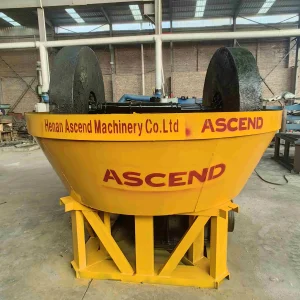
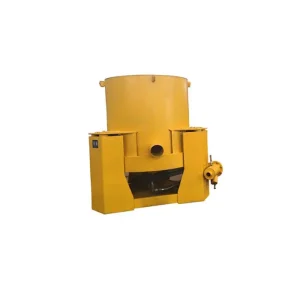
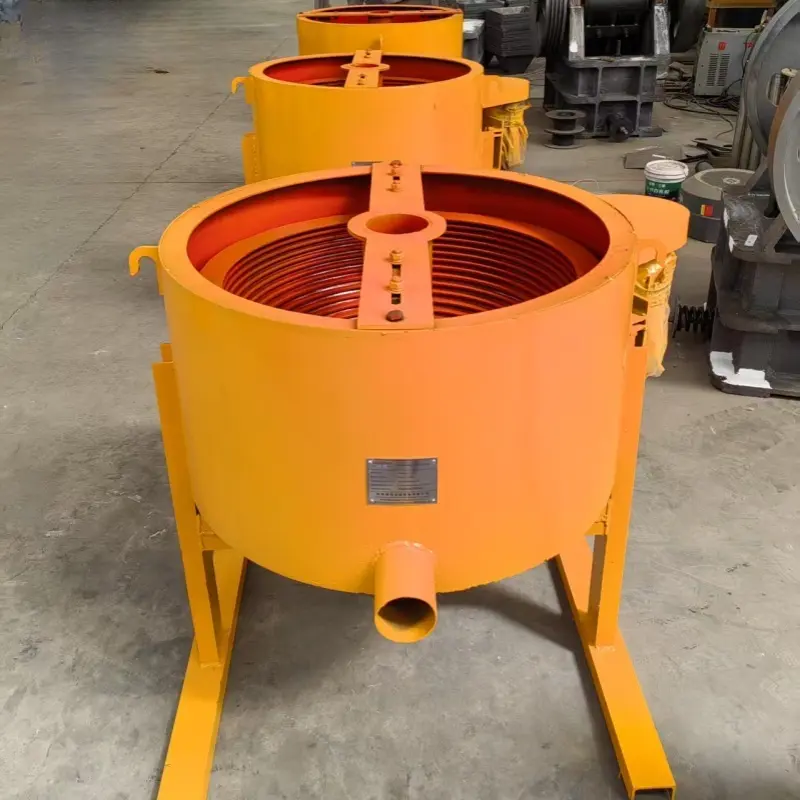
Tailored high-efficiency classification and concentration systems for gold recovery applications.
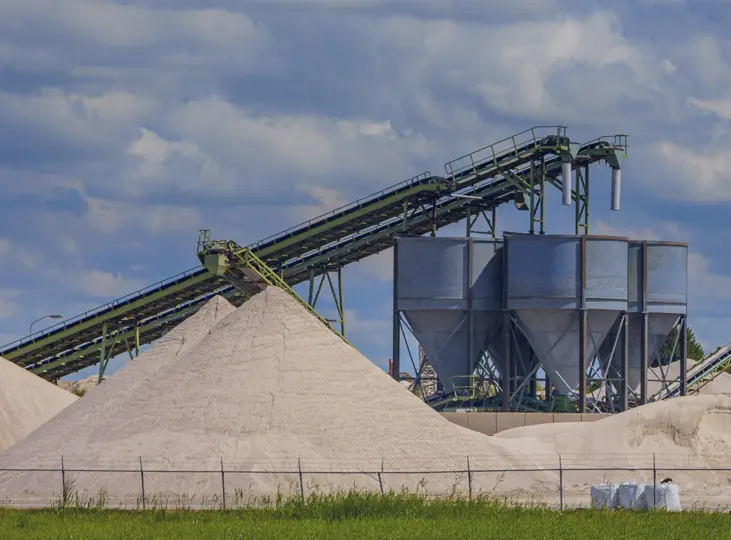
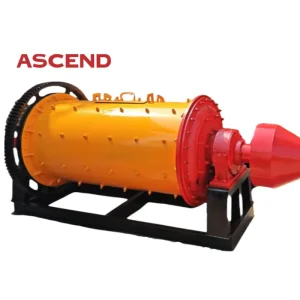
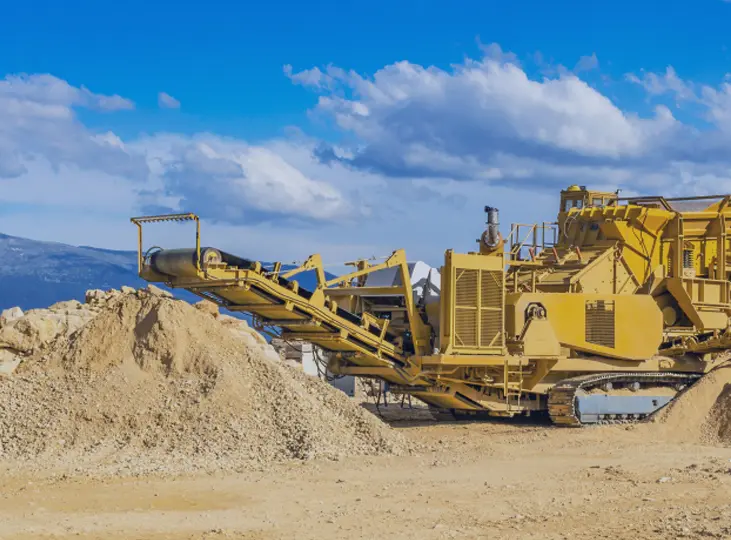
Integrated crushing, grinding, and classification circuits for large-scale mining operations.
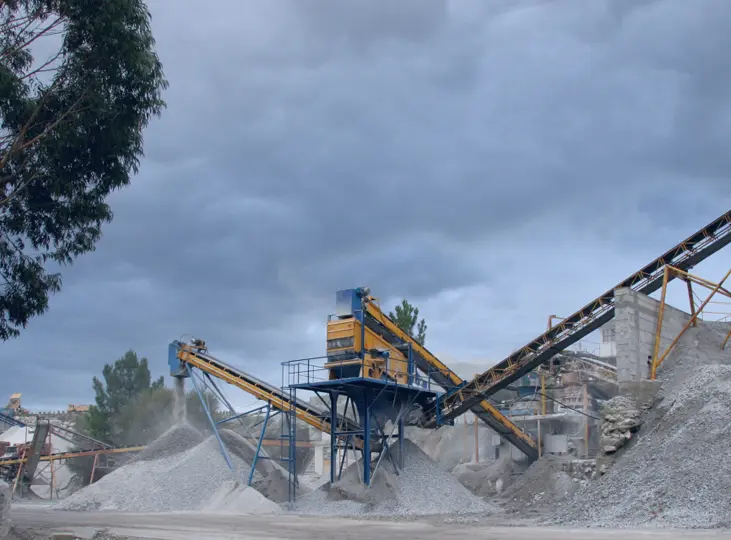
Heavy-duty screening and separation equipment optimized for high-throughput mine production.
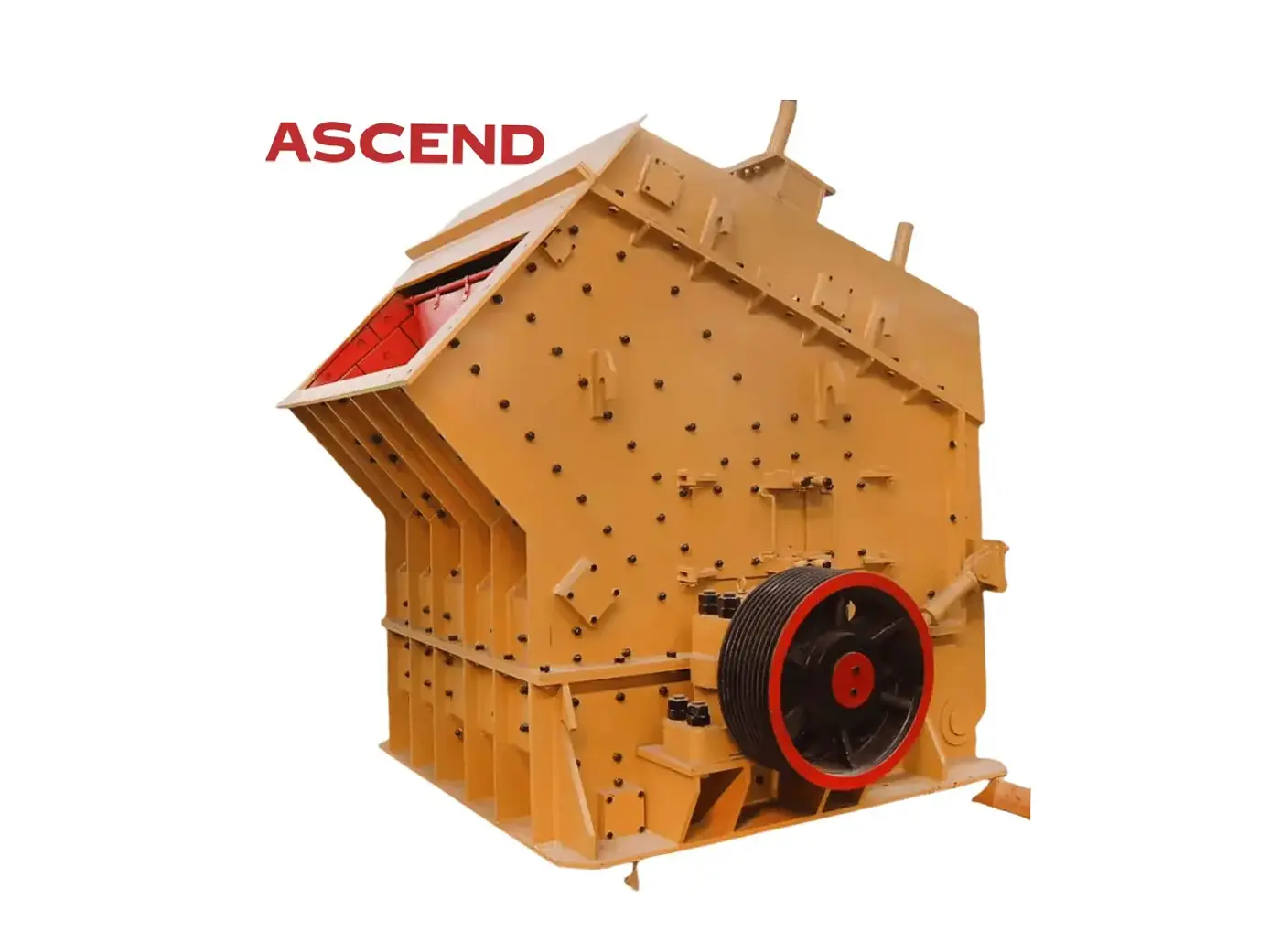
Impact crusher is a kind of secondary crushing equipment which uses impact power to crush materials. Impact crusher is characterized by easy maintenance, high reduction ratios and high efficiency to produce precisely cubic shape products. It is designed with three crushing chambers, seamlessly connected rotor, wear-resistant blow bar and installation of insert type. Moreover, it has tooth type liner, gradient designed bearing seat, frame with several openings and screws or hydraulic start-up devices. Impact crushers can be used in all different stages of size reduction from primary crushing to the last step of the crushing process.
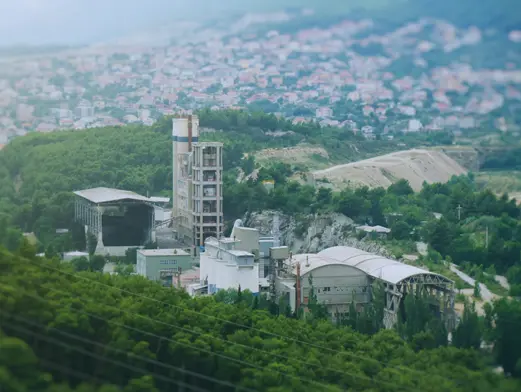
Crushing Plant Installation
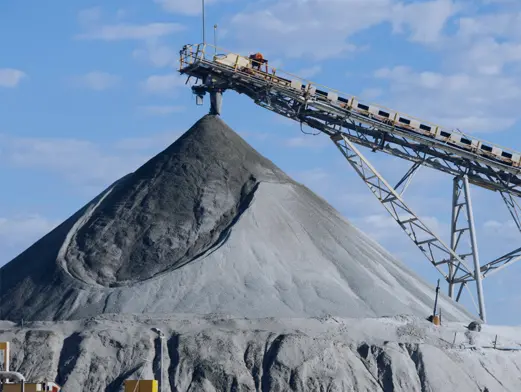
Mobile Screening Station
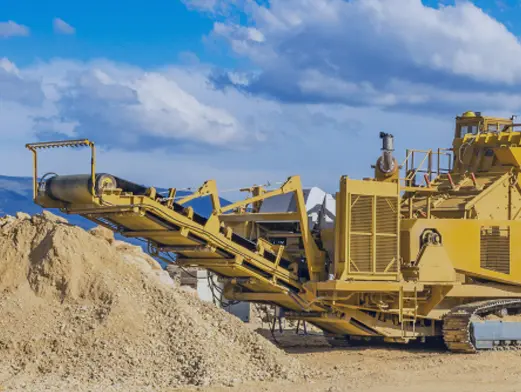
Sand Washing Installation
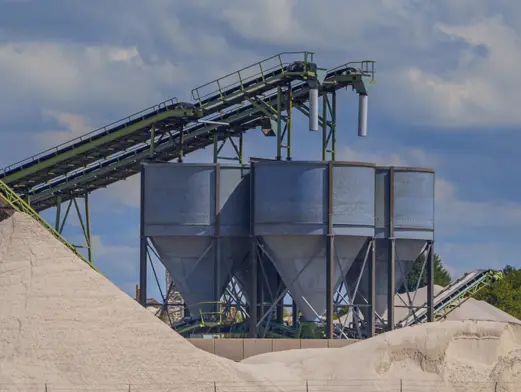
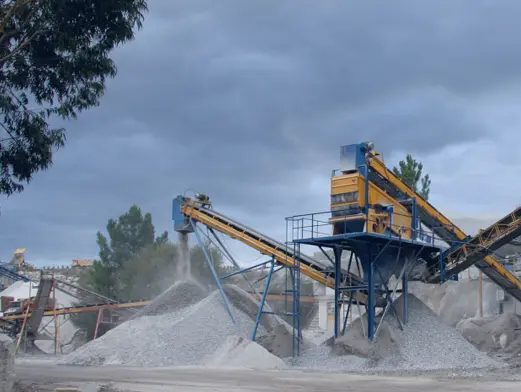
VSI Sand Production Site
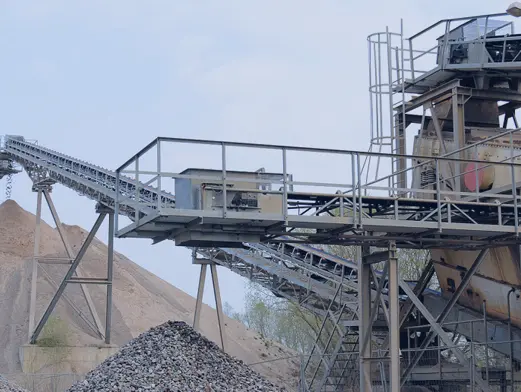
Gold Centrifugal Separator Set up
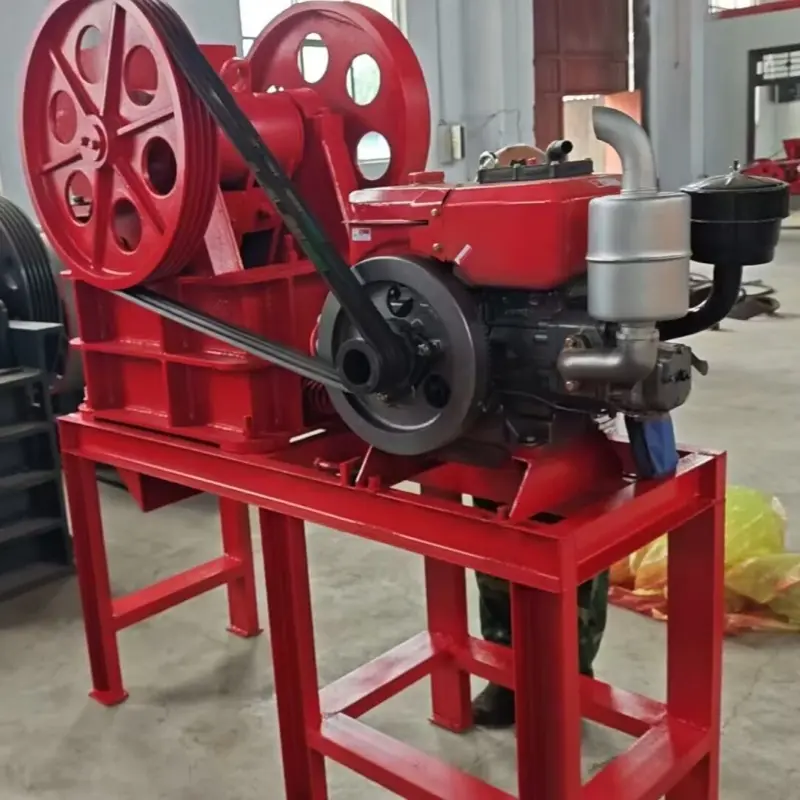
Jaw Crusher Primary Stage
 Nov 2025
 Aug 2025
Jul 2025
Jul 2025
Jul 2025
Jun 2025
Aug 2025
Jul 2025
Jul 2025
Jul 2025
Jun 2025
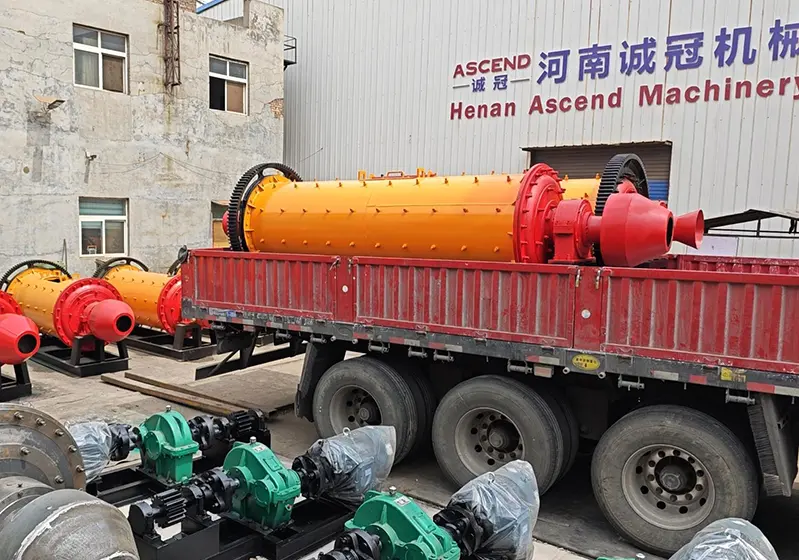
Henan Ascend Machinery & Equipment Co.,Ltd. was established in 2005 and it is located in the high-tech zone of Zhengzhou City, Henan Province.
Ascend is mainly engaged in the research and development, manufacturing, sales and after-sales service of complete sets of crushing, grinding, screening, feeding and conveying heavy mining machinery. If you need to crush limestone, granite, gravel or other stone, or grinding them into powder, or extract gold, please feel free to contact us. Just tell us your needs and our engineers can provide you with professional advice. And we have our own factory, the quality of the machine is guaranteed, the price is more advantageous. We believe that we will be your good choice.
Clear answers on purchasing, setup, operation, and pricing variables for Indian operations.
Engineered for reliability, long wear life, and optimal return on investment. Select a product for specifications and pricing.
 Ascend