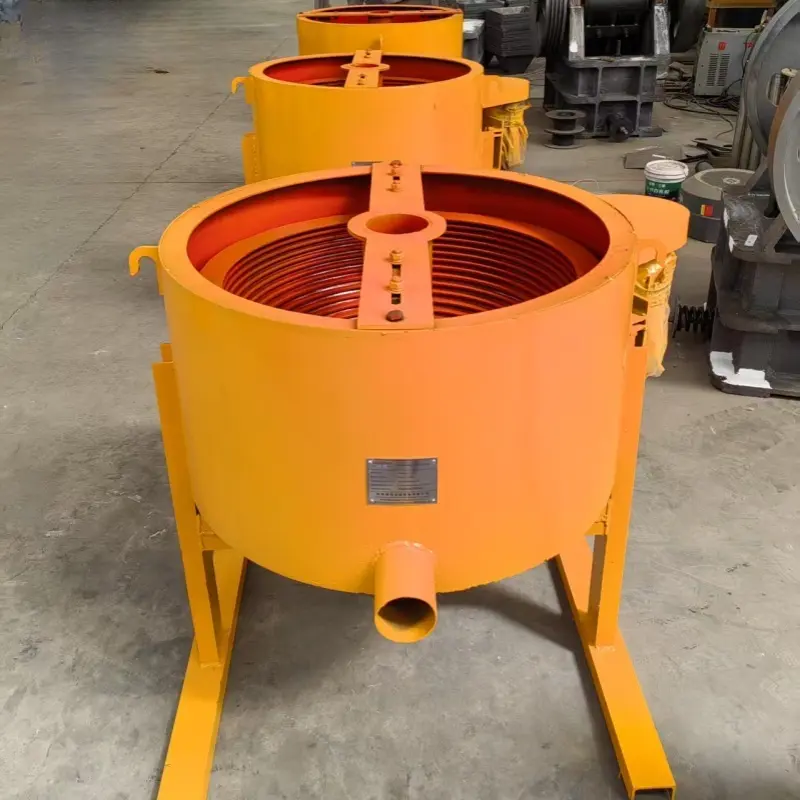
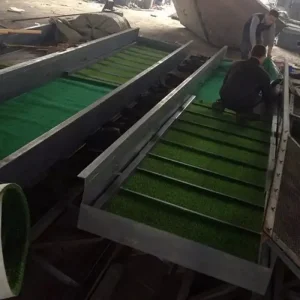
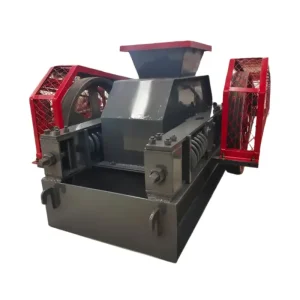
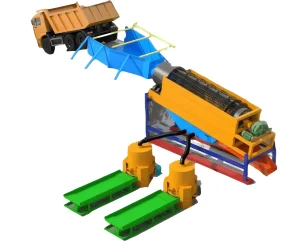
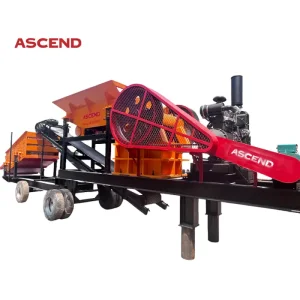
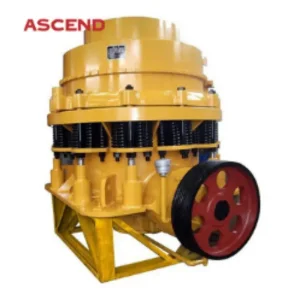
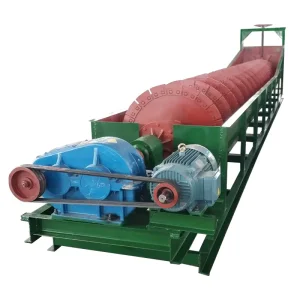
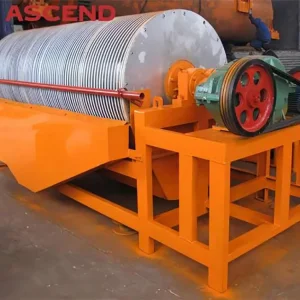
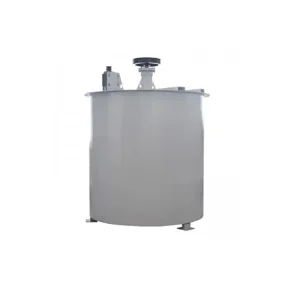
Premium mineral dressing machines selected to work harmoniously with Small VSI configurations for dynamic crushing, classification, and separation loops.
Expert insights into structural mechanics, wear optimization, and artificial sand production standards.
In the modern engineering aggregate and mining ecosystem, the demand for high-quality cubic shape aggregates has escalated significantly. Traditional crushing equipment such as jaw crushers or cone crushers, while highly efficient at bulk reduction, often generate flaky, elongated particles with micro-fractures. The Small Vertical Shaft Impact Crusher (VSI) addresses these challenges through autogenous "rock-on-rock" or "rock-on-anvil" crushing mechanics.
Our VSI crushers speed up materials using a high-velocity centrifugal rotor. They discharge the material into a crushing chamber containing a dense, natural stone lining. This design eliminates mechanical compression stress, allowing fractures to develop naturally along geologic boundaries. The result is a clean, structural aggregate that improves concrete strength and reduces cement consumption.
A major advancement in modern small vertical shaft impact crushing is the integration of multi-port cascading feed systems. Operators can adjust the ratio between rotor-fed material and gravity-fall bypass material. This precise control optimizes the recirculating load, allowing real-time adjustment of output gradation curves without changing the rotor speed.
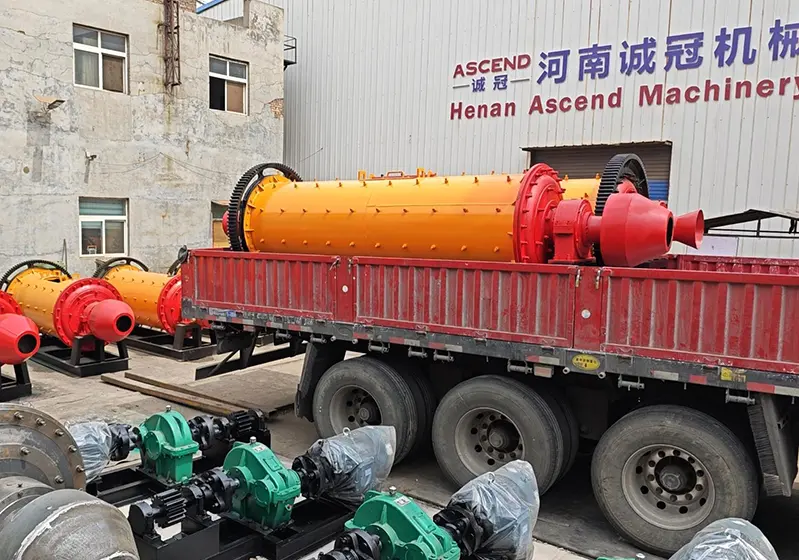
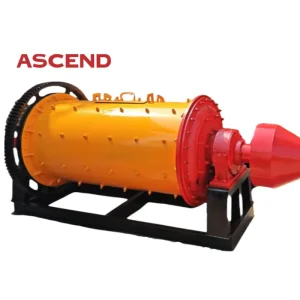
Additionally, small vertical shaft impact crushers are widely utilized in mineral liberation circuits. For gold, copper, and iron ore dressing, crushing rock down to critical liberation sizes reduces the work required by secondary grinding mills, such as ball mills. Using VSIs in pre-grinding loops can increase overall plant capacity by up to 20% while cutting power consumption.
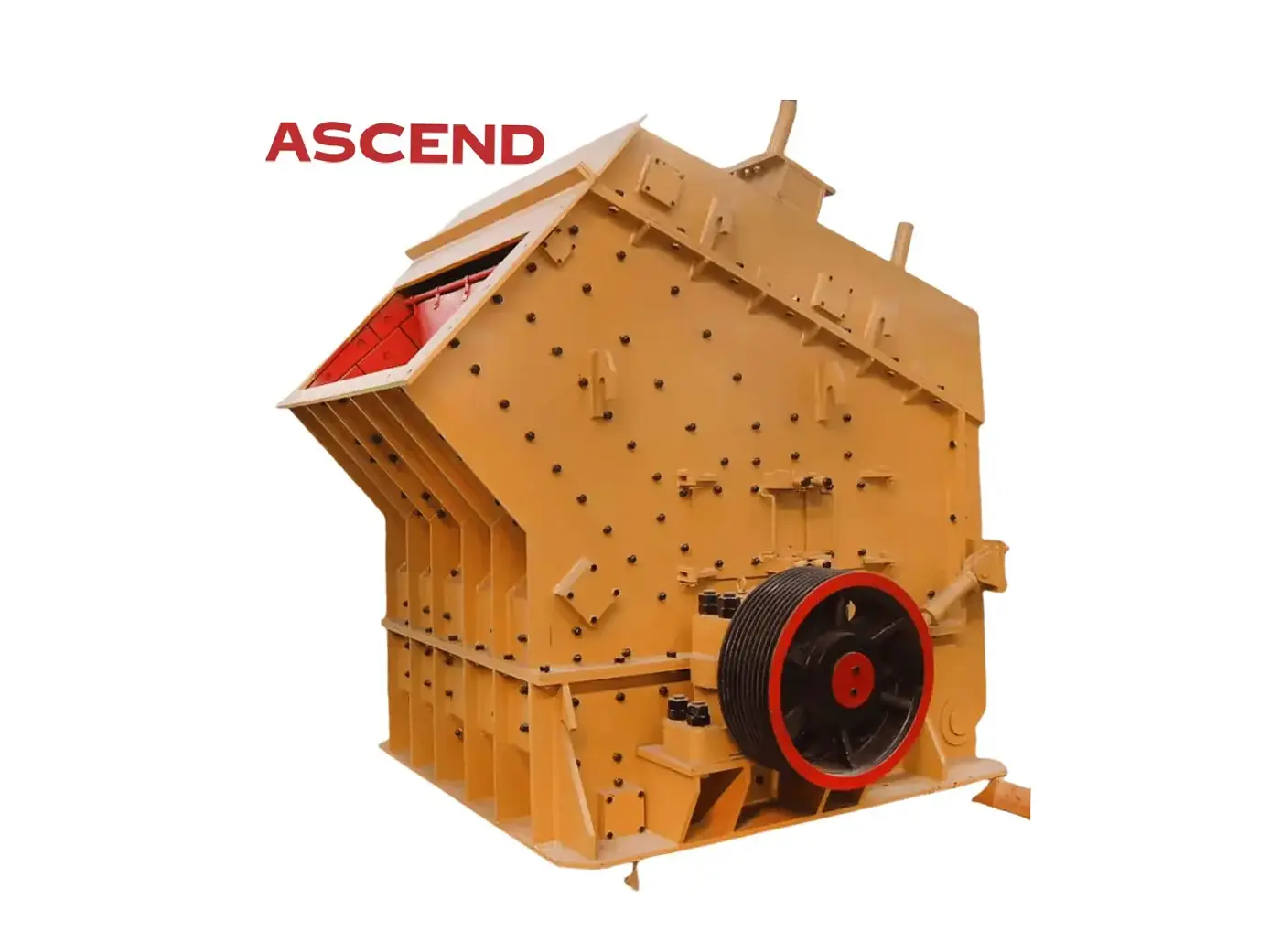
A comprehensive engineering lookup comparing small VSI parameters to standard impactors, illustrating mechanical efficiency.
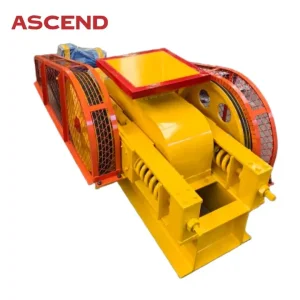
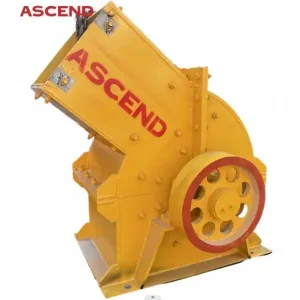
| Performance Indicator | Small VSI (Rock-on-Rock) | Double Roller Crusher | Standard Hammer Mill |
|---|---|---|---|
| Primary Crushing Action | Centrifugal High-Velocity Impact | Mechanical Compression / Shear | Mechanical Impact via Beaters |
| Maximum Feed Size | Up to 35 - 50 mm | Up to 30 mm | Up to 50 mm |
| Output Shape Profile | 95%+ Cubical, zero micro-cracks | Flaky / Elongated parts common | Semi-cubical with high dust |
| Wear Part Lifespan | Extremely High (rock-on-rock protects shell) | Medium (high roll wear on hard ores) | Low (frequent hammer replacement) |
| Moisture Tolerance | Good (equipped with air circulation) | Moderate (clogging prone in wet fines) | Poor (clogs screen plates) |
| Power Efficiency (kW/t) | 1.2 - 1.8 kW per metric ton | 1.5 - 2.2 kW per metric ton | 2.0 - 2.8 kW per metric ton |
Delivering robust mineral processing solutions and field engineering services in over 130 countries.
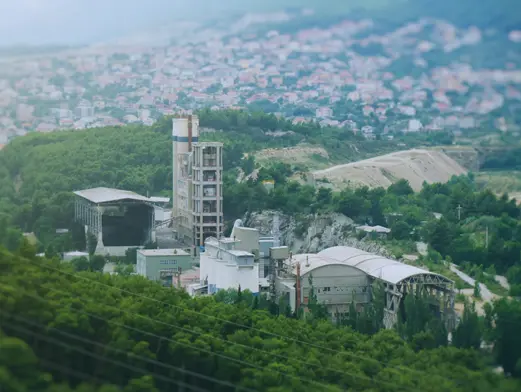
From complex gold separation lines in East Africa to river gravel aggregate shaping operations in Southeast Asia.
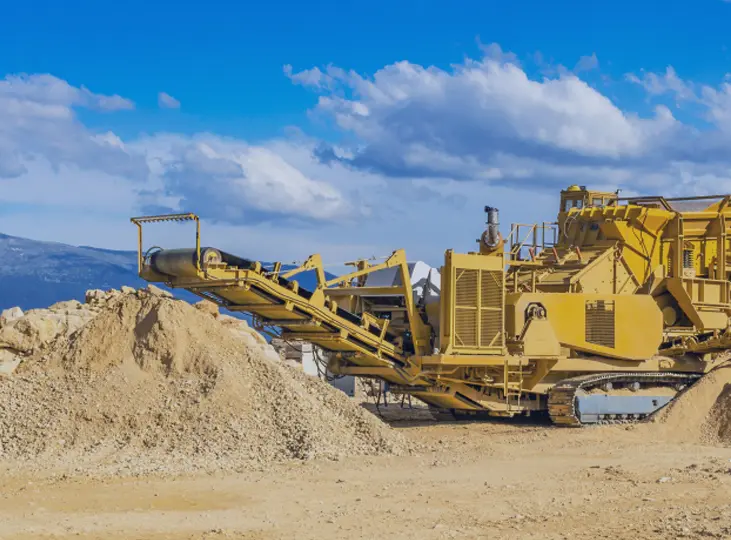
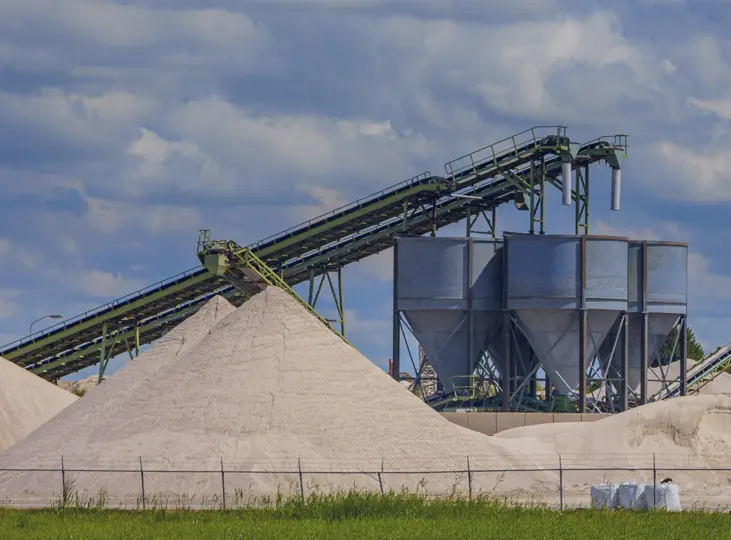
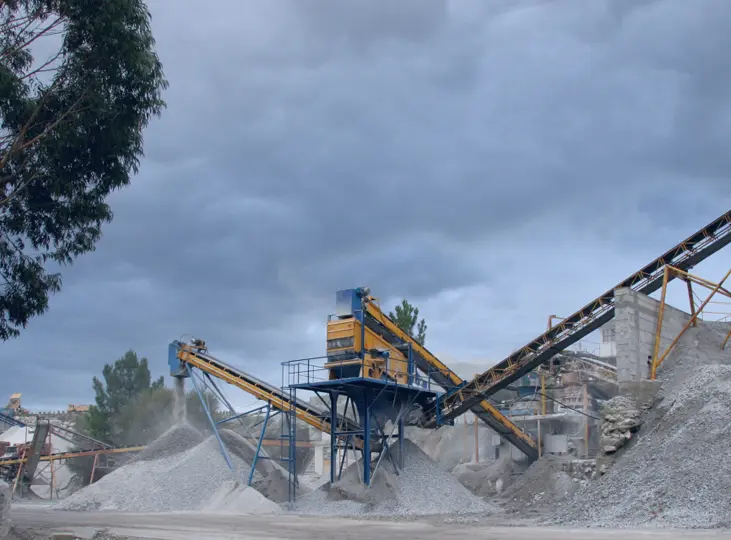
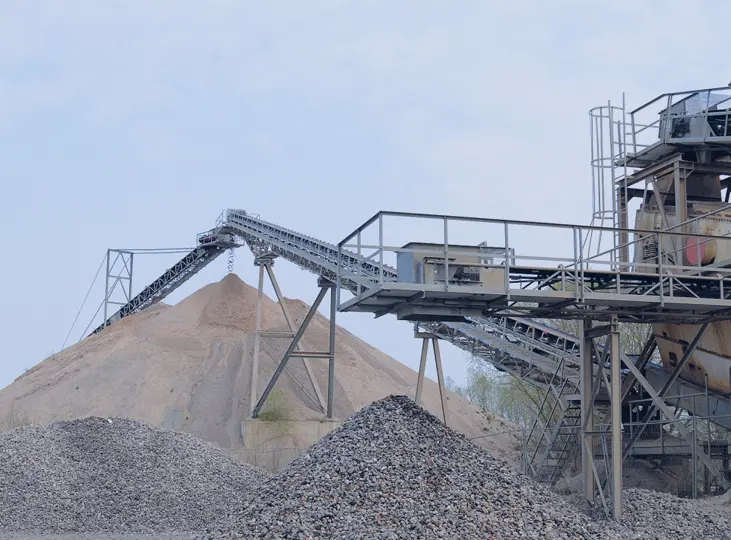
Tracking the delivery, site installation, and optimization of our plants worldwide.
Addressing the core requirements of global procurement agents and engineers when selecting a VSI manufacturer.
The cost of wear components (rotor tips, backing plates, and feed cones) directly impacts operating expenses. Ascend utilizes tungsten carbide inserts and high-chromium alloy castings, extending the operational life of components by 150-200 hours in highly abrasive quartz or granite crushing applications.
High-velocity rotation (typically 1200-1800 RPM) requires precise dynamic balance. Our small vertical shaft impact crushers are equipped with vibration sensors linked to electrical control cabinets, which automatically trigger shutdowns if vibration levels exceed safe thresholds.
Ascend crushers meet stringent global environmental regulations. Sealed transfer points, integrated water spray nozzles, and insulated double-walled steel structures keep dust emissions below 10 mg/m³ and noise output below 85 dB(A) at a distance of 10 meters.
Detailed engineering answers to the most common technical inquiries regarding VSI applications and operations.
Rock-on-rock utilizes a stone lining inside the chamber where accelerated rocks strike a static rock layer. This design produces a high-quality cubic shape and extends wear life, making it ideal for abrasive materials. Rock-on-anvil replaces the rock lining with metal alloy anvils, offering a higher reduction ratio for less abrasive aggregates.
Materials with moisture content above 4-6% can cause fine particles to stick within the rotor or build up in the crushing chamber. Ascend VSIs feature an optimized chamber design and optional air purge systems to prevent material buildup, allowing efficient processing of damp ores.
We offer comprehensive technical support, including sending experienced mechanical and electrical engineers to your site. Our team handles foundation verification, assembly, electrical integration, and commissioning, while also training your local operators on maintenance and safety procedures.
The rotor tip set wears fastest because it directly handles the high-velocity discharge. Regular inspection of the rotor tips, distributor plate, feed tube, and upper/lower wear plates is recommended. Replacing rotor tips before they wear down to the rotor frame prevents high repair costs.
It cannot completely replace a ball mill because ball mills grind minerals down to micron-level liberation sizes. However, using a VSI crusher before a ball mill to reduce feed size from 40mm down to under 5mm significantly decreases the energy consumption and wear rate of the grinding circuit.
The cascade system directs a portion of the feed material directly into the rotor while bypassing the rest into the crushing chamber. The bypassed material is struck by the high-speed rock stream exiting the rotor. Adjusting this bypass ratio controls the fine particle generation and ensures optimal cubic shape.
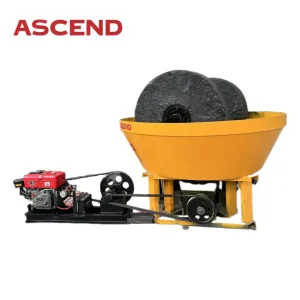
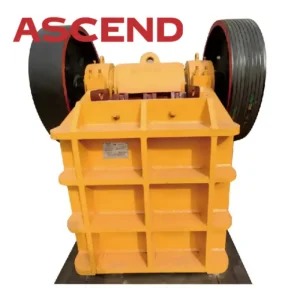
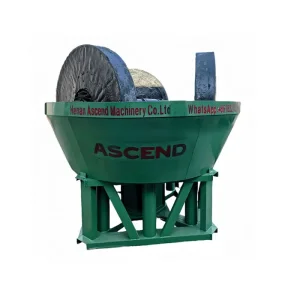
Explore our wide range of heavy machinery, including mobile units and wet pan mills, designed to support high-efficiency sand and gravel processing lines.
Get in touch with our design engineers for customized layouts, technical drawings, and factory-direct price estimates.
Request A Technical Consultation Ascend
 Nov 2025