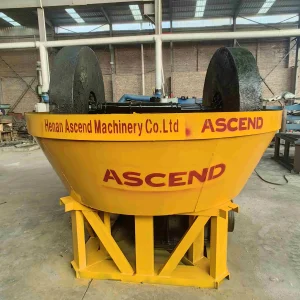
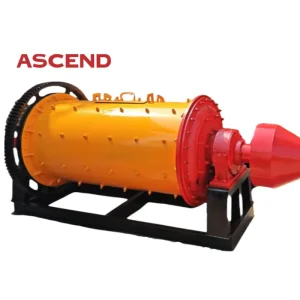
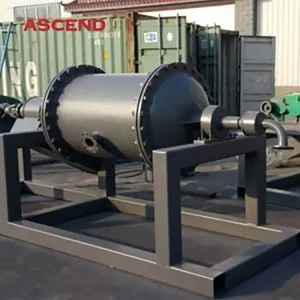
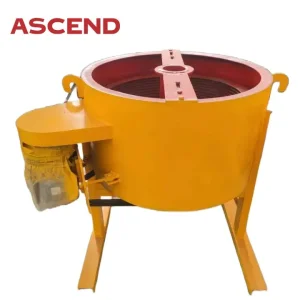
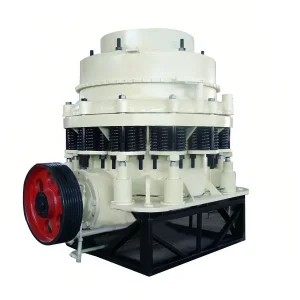
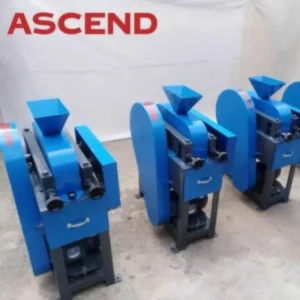
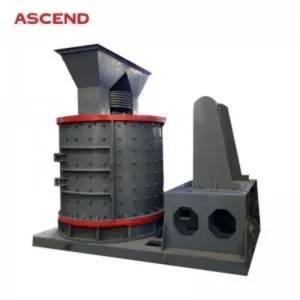
Advanced high-capacity mills, smelting plants, and screeners configured for high-efficiency mineral processing lines.
A comprehensive engineering guide on selecting, scaling, and pricing Raymond mill installations for industrial gypsum processing plants.
Analyzing how advanced air-loop systems and optimized roller pressures lower the Total Cost of Ownership (TCO) compared to traditional ball mills.
Exploring structural metallurgical enhancements in manganese alloys and digital sensor configurations for real-time vibration tracking.
Leveraging central China's premium manufacturing ecosystem to guarantee component availability and continuous operations under global volatility.
Gypsum (Calcium Sulfate Dihydrate, CaSO4·2H2O) serves as a cornerstone material for the construction, chemical, and agricultural sectors worldwide. Processing gypsum into building-grade hemihydrate plaster (CaSO4·0.5H2O) or industrial fillers requires rigorous control over particle fineness, surface area, and moisture levels. Raymond grinding mills remain the industry standard for this process, providing high-efficiency output with low energy inputs compared to alternative milling systems.
As global manufacturing demands shift toward tighter tolerances, producers face the challenge of balancing equipment costs with performance consistency. This whitepaper analyzes the engineering design, pricing drivers, and operational frameworks necessary to run a highly productive gypsum milling plant. By examining the mechanics of roller systems, classifiers, and thermal integration, operators can make informed capital decisions that ensure long-term profitability.
The core technology behind the Raymond grinding mill relies on centrifugal grinding force. Main shafts drive the spider arm assemblies, forcing heavy rollers outward against a stationary grinding ring. The feedstock is continuously lifted by dynamic shovels and fed into the zone between the rollers and the ring, where compression and shear pulverize the material. The ground particles are then swept upward by a high-speed airflow system to the classifier, where oversized particles are separated and returned for further milling.
| Mill Parameter | Standard Raymond Mill | Next-Gen Intelligent Mill | Industrial Ball Mill Alternative |
|---|---|---|---|
| Fineness Range (d97 mesh) | 80 – 325 mesh | 100 – 800 mesh (Ultra-fine) | Up to 200 mesh (coarse control) |
| Specific Energy Consumption | 18 - 22 kWh/Ton | 14 - 17 kWh/Ton | 26 - 32 kWh/Ton |
| Wear Life (Rollers/Rings) | 3,000 - 4,500 Hours | 6,000 - 8,000 Hours | Variable based on ball media |
| Automation Level | Manual/Semi-PLC | Full PLC with IoT telemetry | Basic Control Panels |
To improve performance, modern equipment manufacturers are upgrading structural elements in several key areas:
Gypsum processing is more than simple mechanical size reduction; it requires managing structural water content. Under-calcined gypsum leads to poor setting times, while over-calcined material loses binding capability. A reliable industrial line must balance grinding and calcination phases effectively.
Manufacturers typically use one of two process sequences:
Modern plants also process synthetic desulfurization gypsum (FGD gypsum) generated by coal-fired power plants. FGD gypsum features high initial moisture levels (up to 12-15% free water). To process this raw material, Raymond mills are fitted with hot-air inlet ducts. This allows the mill to simultaneously dry, grind, and classify the material, saving the capital cost of separate drying equipment.
Henan Province, China, is a major manufacturing hub for heavy mining and milling equipment. Leading manufacturers in the region, such as Henan Ascend Machinery & Equipment Co., Ltd., have upgraded their production facilities to meet Industry 4.0 standards. This integration of smart manufacturing provides distinct advantages for global buyers:
By localizing parts casting, structural fabrication, assembly, and electrical control systems in Zhengzhou's high-tech zone, manufacturers can offer competitive pricing without compromising on engineering standards.
Global procurement teams look beyond the initial purchase price to evaluate the Total Cost of Ownership (TCO). A lower initial bid can lead to higher long-term costs if the mill suffers from frequent wear-part failures, high power consumption, or delayed technical support.
When comparing international quotes, procurement managers should evaluate the following cost factors:
Operating heavy machinery globally requires compliance with regional engineering standards. Grinding systems shipped to North America or Europe must meet CE, UL, or CSA electrical safety and pressure vessel codes. Control systems are configured with Siemens or Schneider PLC modules to ensure local maintenance teams can source parts easily.
Reliable support requires more than just remote troubleshooting. Successful operators partner with manufacturers who maintain local wear parts inventories and deploy field technicians for on-site commissioning, operator training, and wear-component changes.
Ascend has developed steadily since its establishment. Its business covers more than 130 countries and regions around the world, especially in Africa and Southeast Asia. Our machine quality and after-sales service have won widespread praise from international customers.
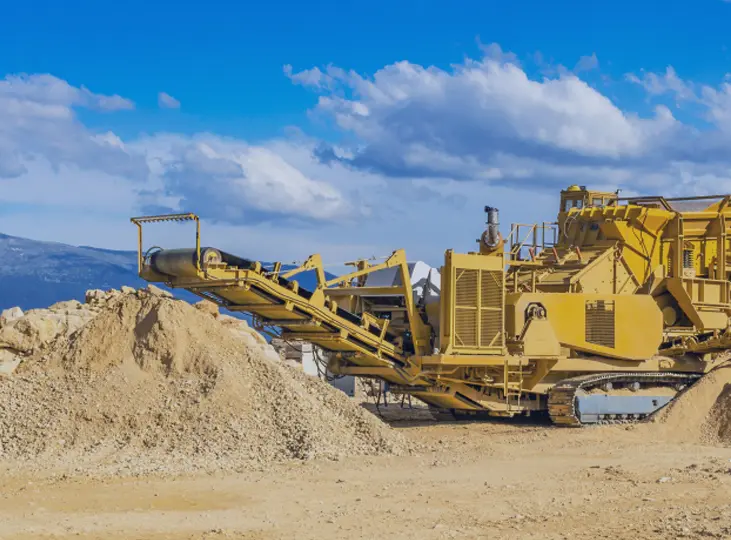
Tailored processing systems designed to maximize extraction efficiency for artisanal and large-scale mining operations.
Learn More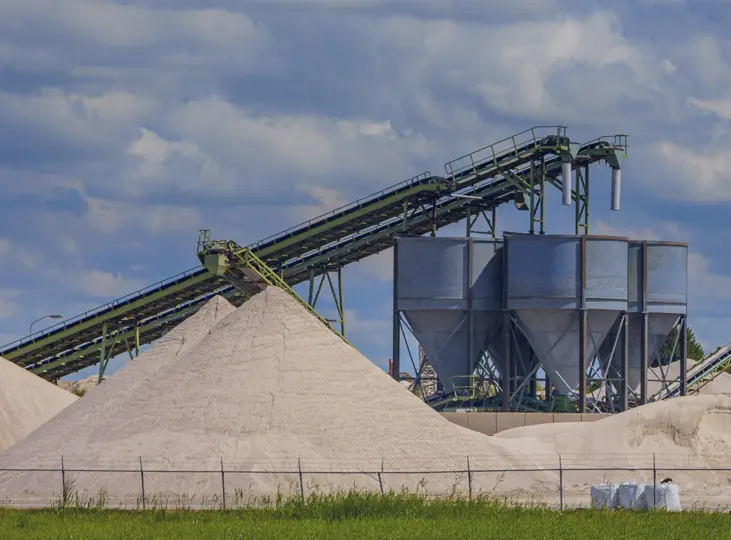
Robust crushing, classification, and milling plant assemblies integrated to optimize ore liberation and sizing.
Learn More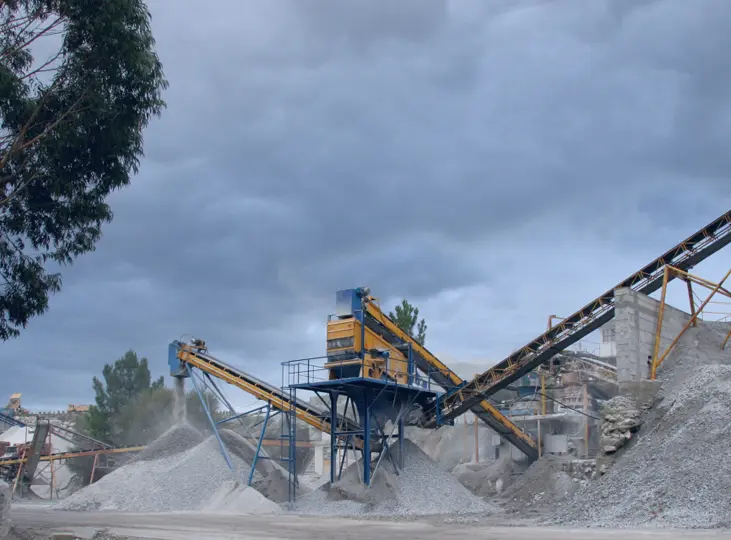
Customized mineral dressing equipment optimized for consistent operation under demanding load cycles.
Learn MoreTechnical guidance on common engineering questions, processing challenges, and equipment selection.
Raymond mills provide significant efficiency advantages for materials with a Mohs hardness below 5, like gypsum. Compared to ball mills, Raymond mills use less specific energy (kWh/ton), occupy a smaller physical footprint, and feature integrated dynamic classifiers that produce a more uniform particle size distribution. This prevents the over-grinding common in ball mills, which can lead to handling issues in downstream calcination processes.
Standard Raymond mills are designed for feed materials with a moisture content below 6%. Higher moisture levels can cause material to stick to the grinding ring and rollers, which reduces capacity and can block the air vents. When processing high-moisture synthetic or FGD gypsum (up to 15% water content), the milling system should be configured with a hot-air generator. This allows the mill to dry and grind the material in a single step.
When processing natural gypsum, high-quality rollers and rings cast from manganese or high-chromium alloys typically last between 4,000 and 6,000 operating hours. Actual wear life depends on the silica content of the raw gypsum. If the feed material contains more than 1% free silica (quartz), wear rates will increase, requiring more frequent maintenance checks.
Product fineness is controlled by adjusting the rotation speed of the classifier. Increasing the classifier speed returns larger particles to the grinding chamber for re-milling, resulting in a finer output. Decreasing the speed allows coarser particles to pass. Modern dynamic cage classifiers driven by variable frequency drives (VFD) allow operators to make these adjustments electronically from the central control panel.
To comply with environmental standards, the milling system runs under negative pressure. This prevents dust from leaking out through joints and seals. Additionally, a pulse-jet bag filter is installed downstream. The system collects air exhaust, filters out fine particulates, and vents clean air, maintaining emission levels below 20-30 mg/m³ to satisfy local environmental regulations.
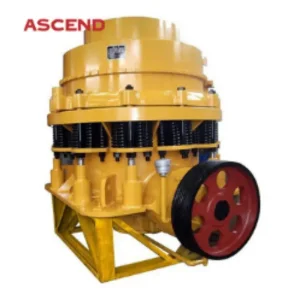
Examine our featured primary crushing, fine grinding, and raw separation units built for high-uptime industrial facilities.
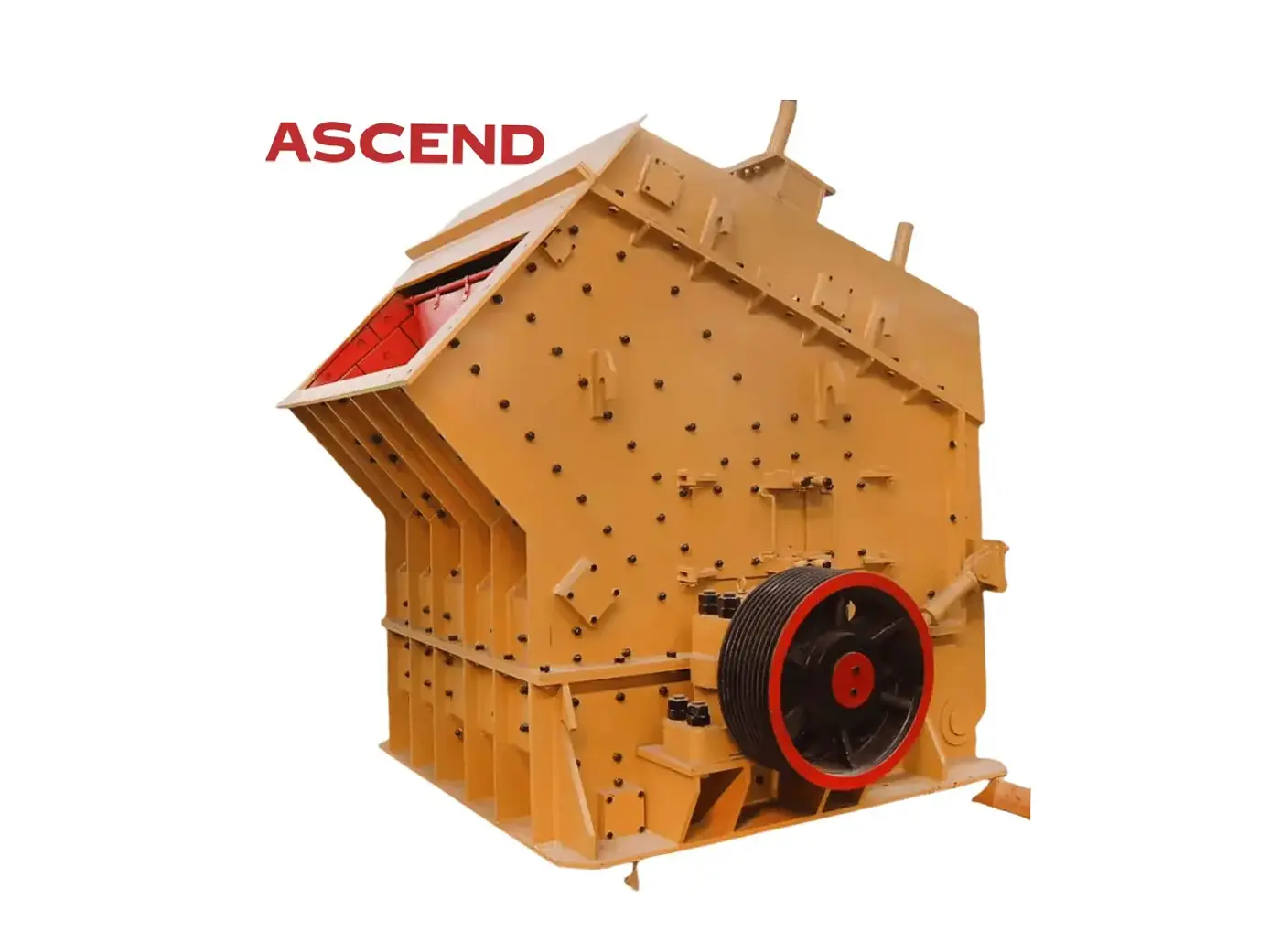
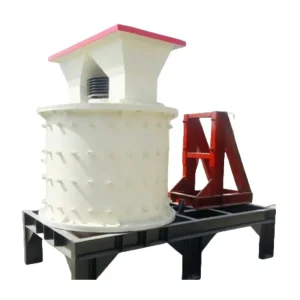
Impact crusher is a kind of secondary crushing equipment which uses impact power to crush materials. Impact crusher is characterized by easy maintenance, high reduction ratios and high efficiency to produce precisely cubic shape products. It is designed with three crushing chambers, seamlessly connected rotor, wear-resistant blow bar and installation of insert type. Moreover, it has tooth type liner, gradient designed bearing seat, frame with several openings and screws or hydraulic start-up devices.
Read More Details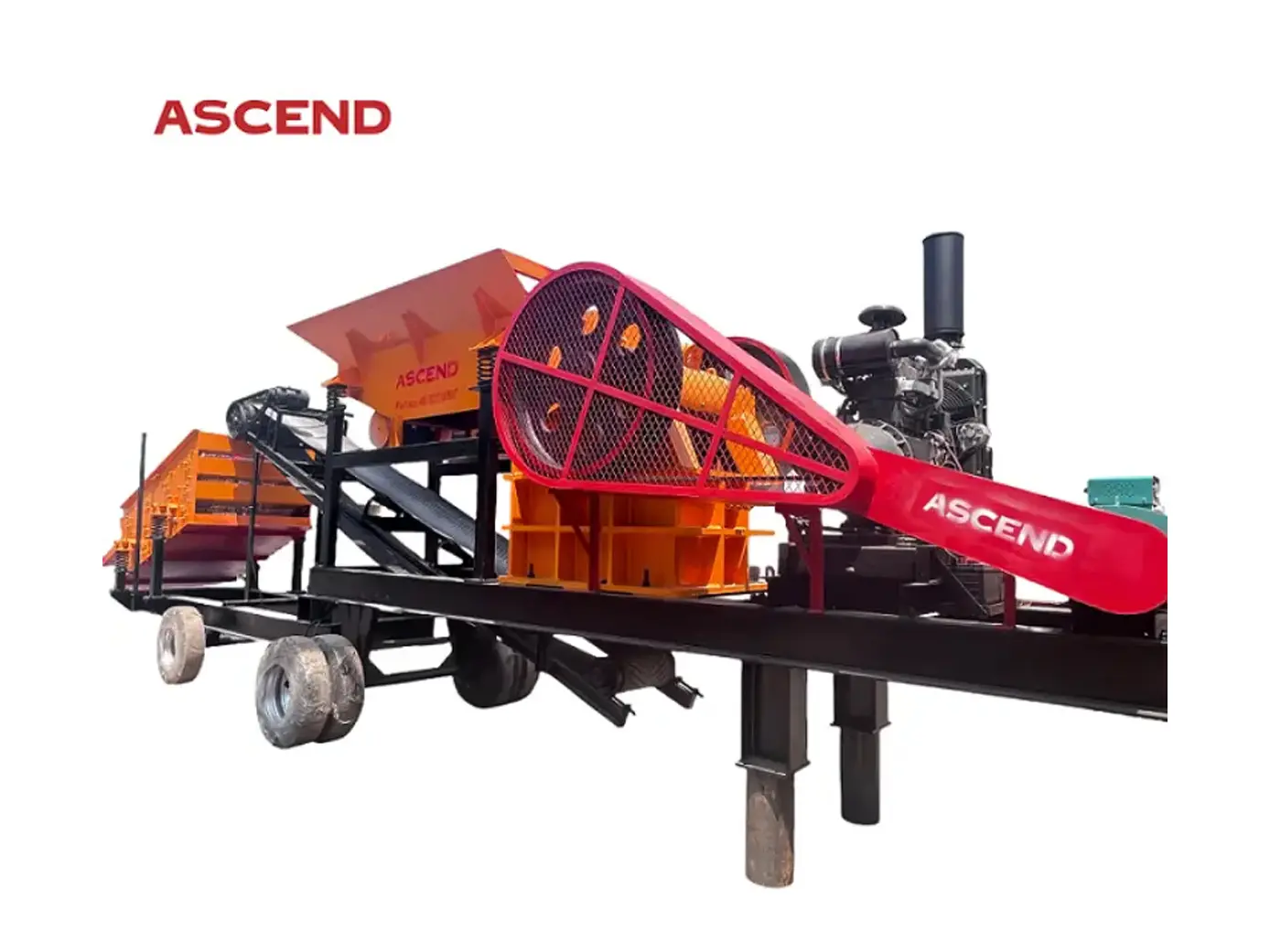
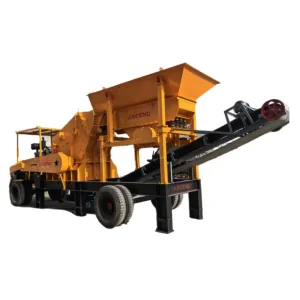
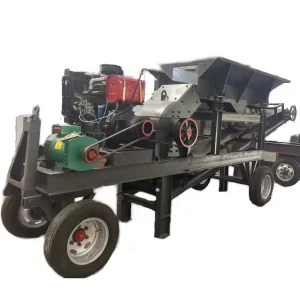
Designed for high mobility and quick setup on quarry sites. Features integrated feeders, screening decks, and heavy-duty chassis configurations to eliminate raw material haulage costs.
Read More Details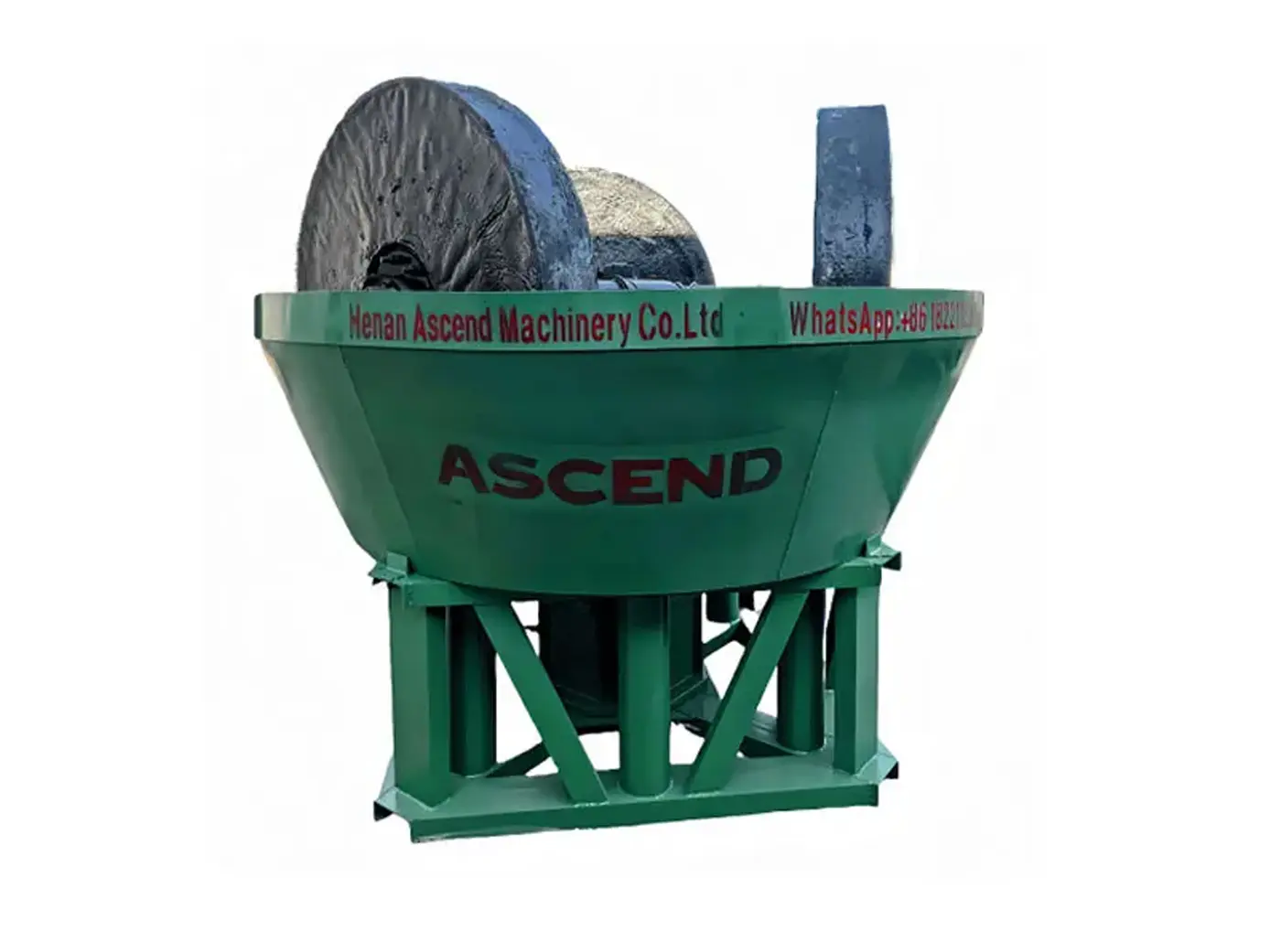
High-pressure pulverizing assemblies configured for limestone, talc, barite, and gypsum processing. Advanced classifier technology ensures precise control over the output particle size distribution.
Read More DetailsProven operational setups and customized plant configurations installed for international mining and mineral refining clients.
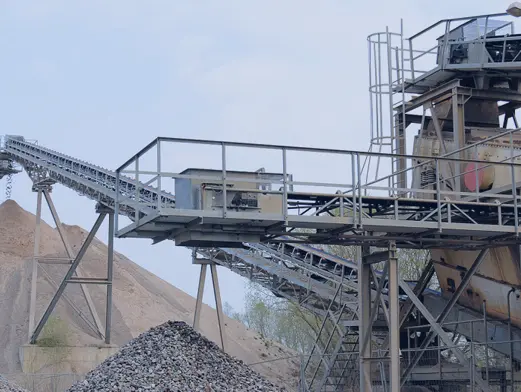
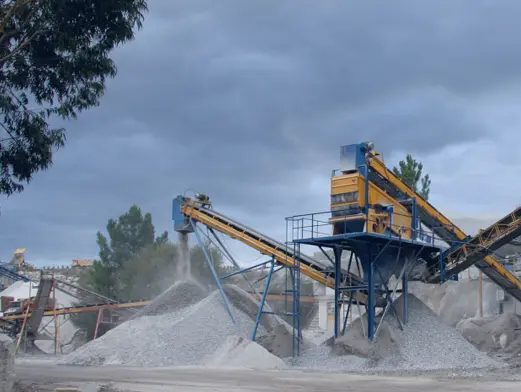
Track our global shipping operations, project handovers, and technical upgrades across active supply corridors.
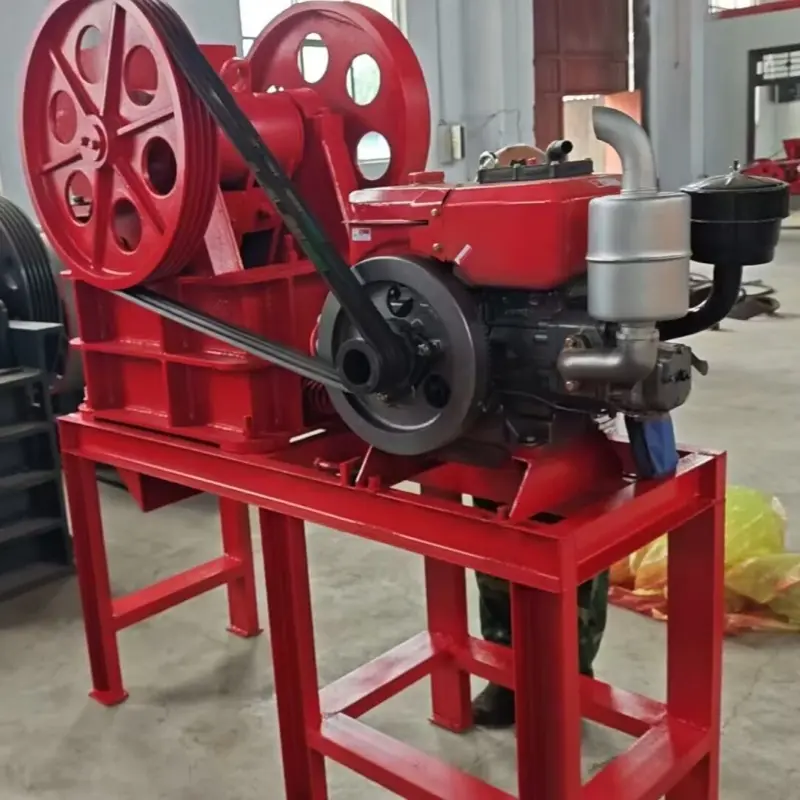
Custom configured mobile diesel jaw crushers shipped for remote regional mining operations.
Date: Nov 2025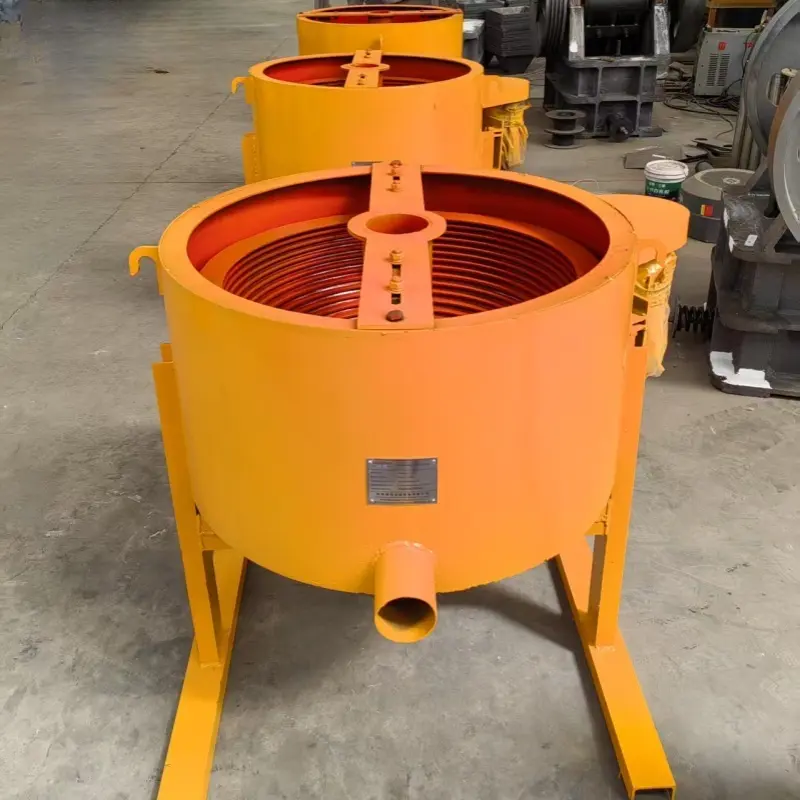
High recovery centrifugal separator units dispatched to African mineral refinement sites.
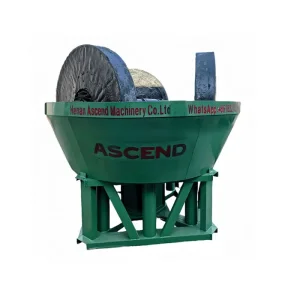
Date: Aug 2025Gravity separation plant elements delivered to enhance concentration throughput.
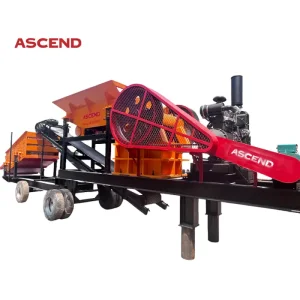
Date: Jul 2025Heavy milling system with independent diesel power plant deployed to off-grid operational sites.
Date: Jul 2025Integrated primary jaw crushing plant shipped on towable trailer chassis.
Date: Jul 2025Large-aperture primary rock crusher dispatched to upgrade regional gravel refinery capacity.
Date: Jun 2025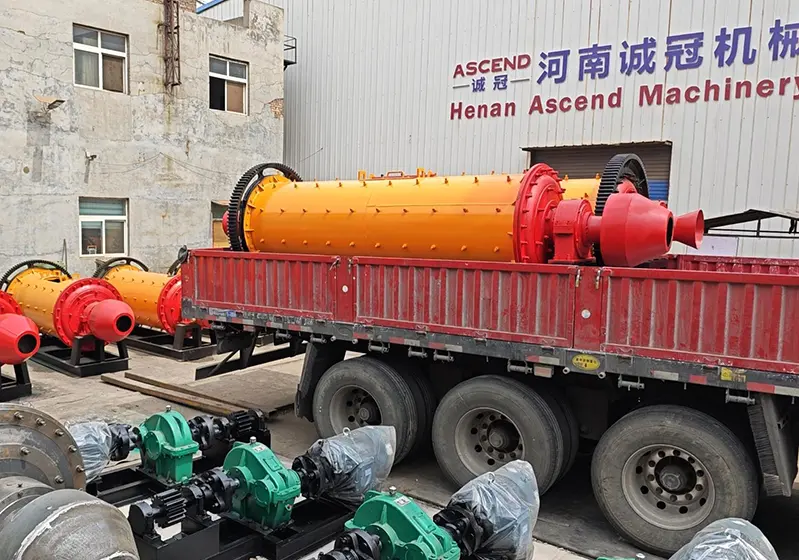
Located in the high-tech zone of Zhengzhou City, Henan Province, Ascend is mainly engaged in the research, development, manufacturing, sales, and after-sales service of complete sets of crushing, grinding, screening, feeding, and conveying heavy mining machinery.
Whether you need to process limestone, granite, gravel, or grind raw minerals like gypsum into fine powder, our engineering team can design a solution for your requirements. Running our own production facilities ensures quality control and competitive factory pricing.
Learn More About UsExplore our selection of mobile plant configurations, compound impact crushers, and multi-roller mills.
 Ascend