Comminution—the reduction of solid materials from one average particle size to a smaller average particle size—is the most energy-intensive process in modern mineral processing. Globally, grinding circuits account for nearly 1.8% to 3% of global electrical energy consumption. In this environment of high energy demands and rising operational expenditures (OPEX), selecting a high-efficiency ball mill grinder machine is no longer just a technical preference; it is a critical commercial decision.
In metallurgy, grinding prepares valuable mineral particles for subsequent separation methods such as froth flotation, gravity concentration, or chemical leaching. The primary purpose of a ball mill grinder machine is to achieve liberation of the valuable mineral species from the host gangue rock. If the grind is too coarse, valuable minerals remain locked in the gangue, lowering metallurgical recovery rates. Conversely, over-grinding wastes electrical energy, increases the consumption of steel grinding media, and creates "slimes" or ultra-fine particles that are notoriously difficult to recover in flotation and gravity circuits.
Modern processing plants face declining ore grades globally, which requires processing larger volumes of harder ores. Operating a closed-circuit ball mill integrated with high-efficiency hydrocyclones or spiral classifiers enables operations to optimize particle size distribution and control circulating load ratios. These dynamics directly impact a mine's bottom line.
Ascend has developed steadily since its establishment. Our business covers more than 130 countries and regions around the world, especially in Africa and Southeast Asia. Ascend machine quality and after-sales service have won widespread praise from international customers.
Understanding the difference between wet and dry grinding is key to optimizing mill capacity. Wet ball mill configurations are widely preferred in mineral processing because they can handle sticky feed materials, operate with higher throughput, and exhibit lower specific power consumption (kWh/t) than dry circuits. Water acts as a carrier fluid, facilitating the rapid transport of fine particles through the discharge grates.
Conversely, dry ball mills are essential in processes where chemical reactions with water must be avoided, such as cement production, coal pulverizing, or when processing water-soluble materials. They typically require dust collection systems and pneumatic transport elements to manage product collection.
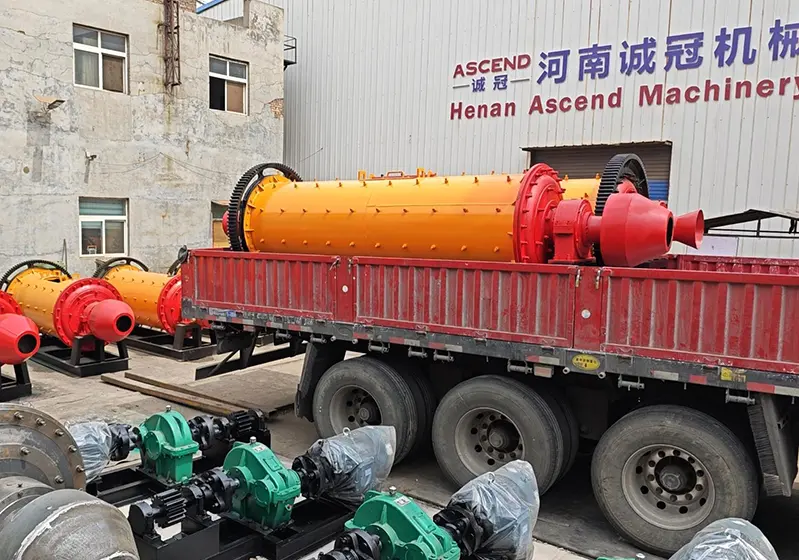
The selection of mill liners directly affects machine availability and maintenance schedules. High-manganese steel liners are widely used for coarse grinding applications due to their work-hardening characteristics. Under impact, the surface of manganese steel hardens, creating a wear-resistant exterior while retaining core toughness.
For secondary and tertiary grinding, rubber and composite liners have become industry standards. Rubber liners reduce noise levels, offer excellent sealing to prevent pulp leakage, and are significantly lighter, reducing structural stress on the mill trunnions and simplifies liner replacement.
Grinding media (forged or cast steel balls, ceramic balls) must be graded carefully to ensure maximum contact surface area. A well-designed ball mill charge combines larger balls to crush feed particles with smaller balls to grind the material through friction, achieving the required $P_{80}$ target size.
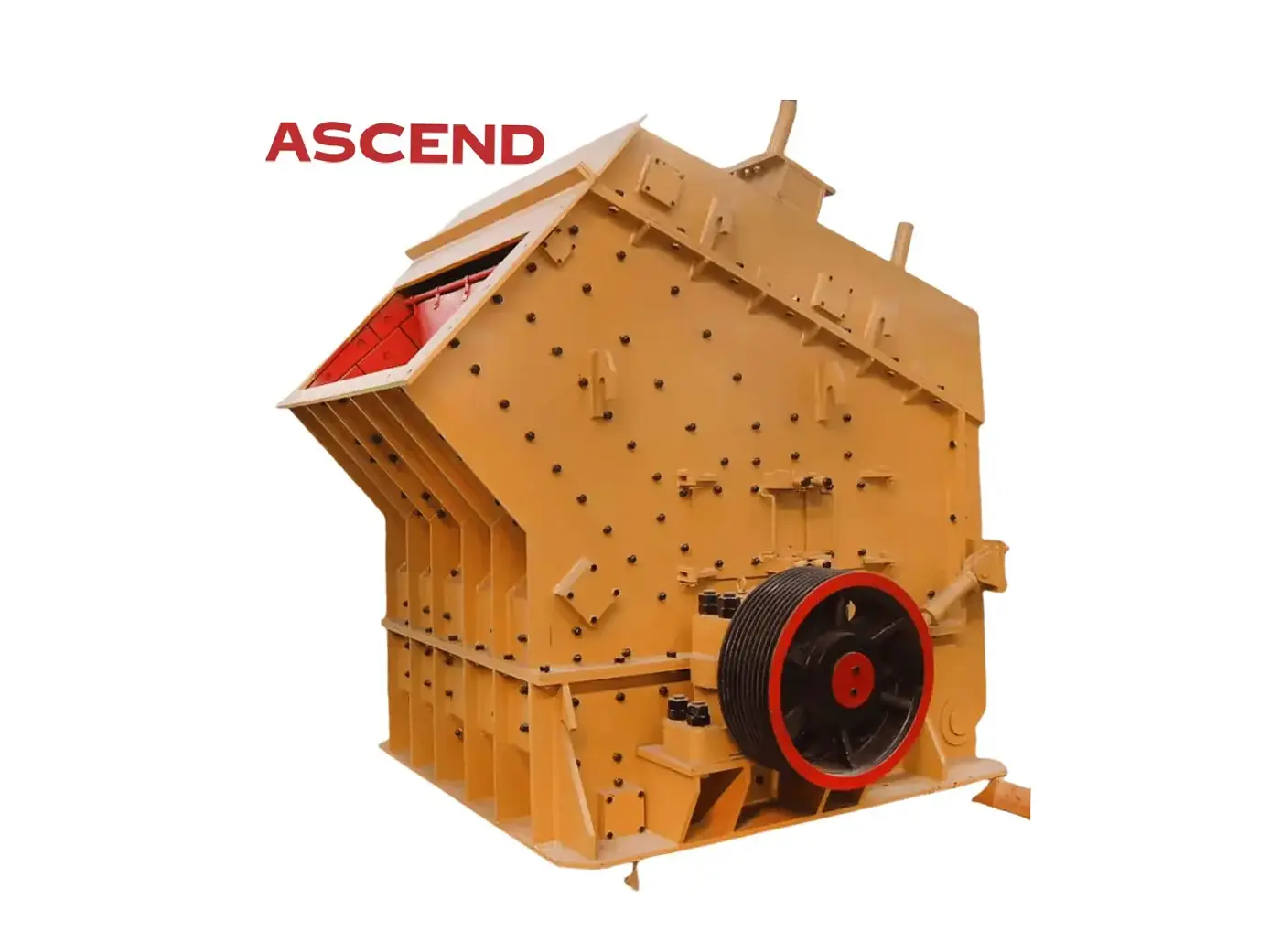
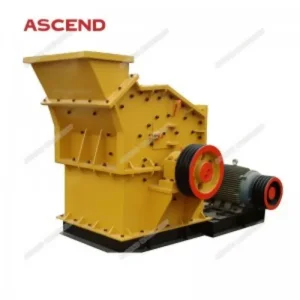
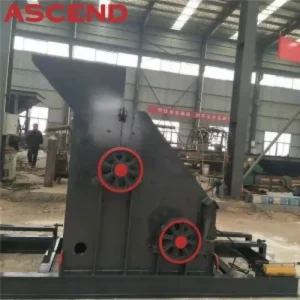
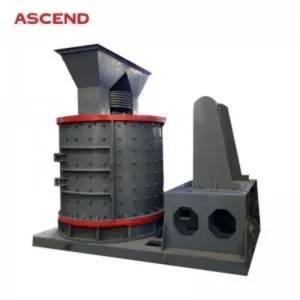
Impact crusher is a kind of secondary crushing equipment which uses impact power to crush materials. Impact crusher is characterized by easy maintenance, high reduction ratios and high efficiency to produce precisely cubic shape products. It is designed with three crushing chambers, seamlessly connected rotor, wear-resistant blow bar and installation of insert type. Moreover, it has tooth type liner, gradient designed bearing seat, frame with several openings and screws or hydraulic start-up devices. Impact crushers can be used in all different stages of size reduction from primary crushing to the last step of the crushing process.
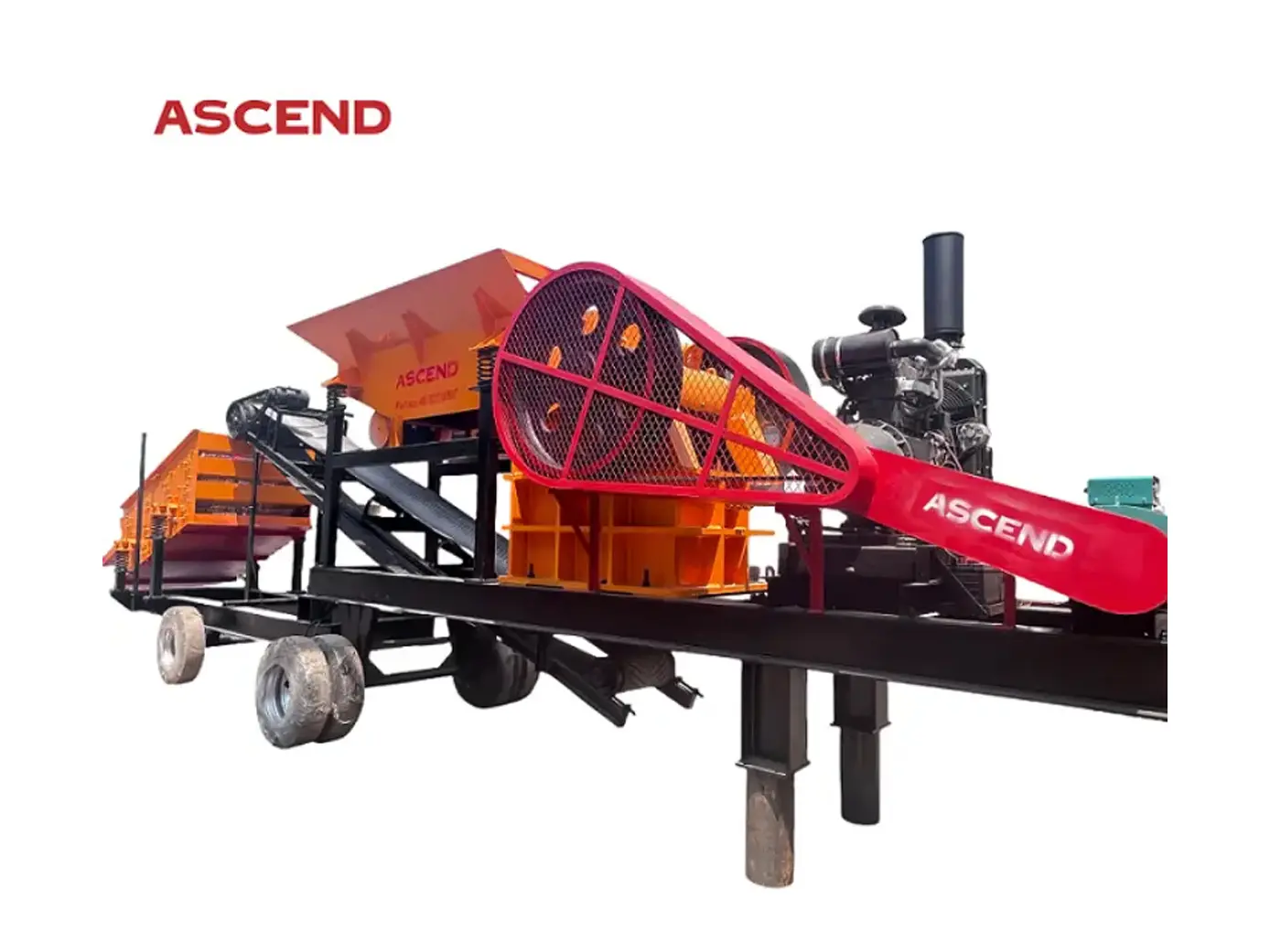
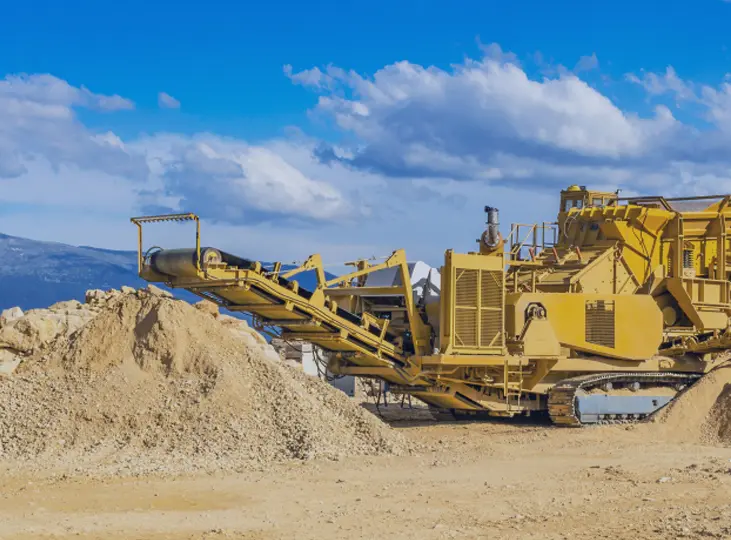
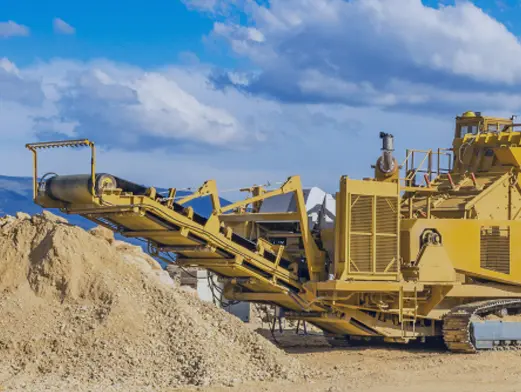
Designed for rapid mobilization and site shifts, our mobile crusher plants combine feeders, crushers, screens, and belt conveyors on a single, heavy-duty utility chassis. Ideal for aggregate production, mining operations, and demolition waste recycling in remote areas.
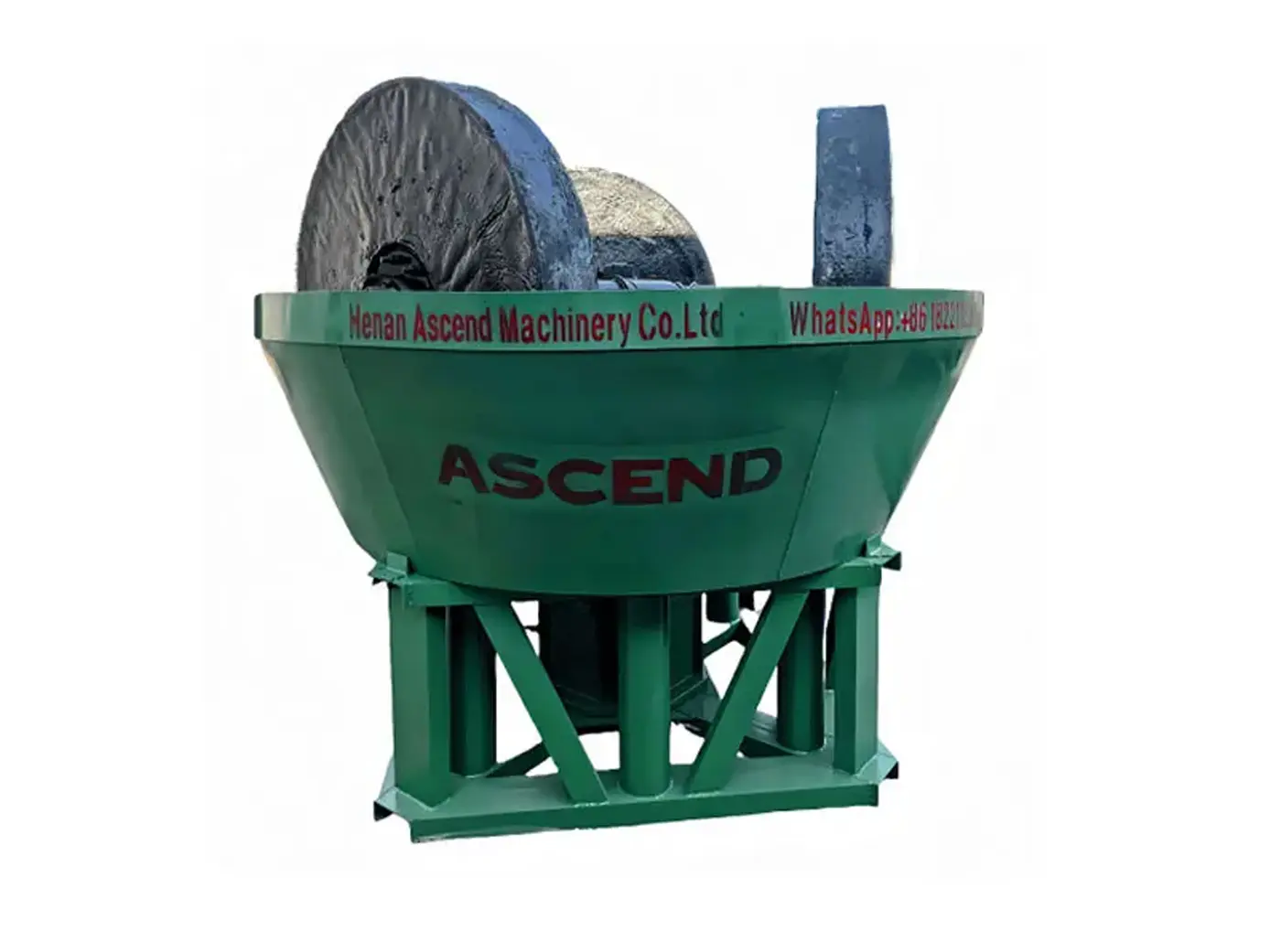
High-precision stone grinding mills designed for fine and ultra-fine powder processing. Applicable for industrial minerals such as talc, barite, calcite, gypsum, and limestone, ensuring narrow particle size distributions and reliable throughput.
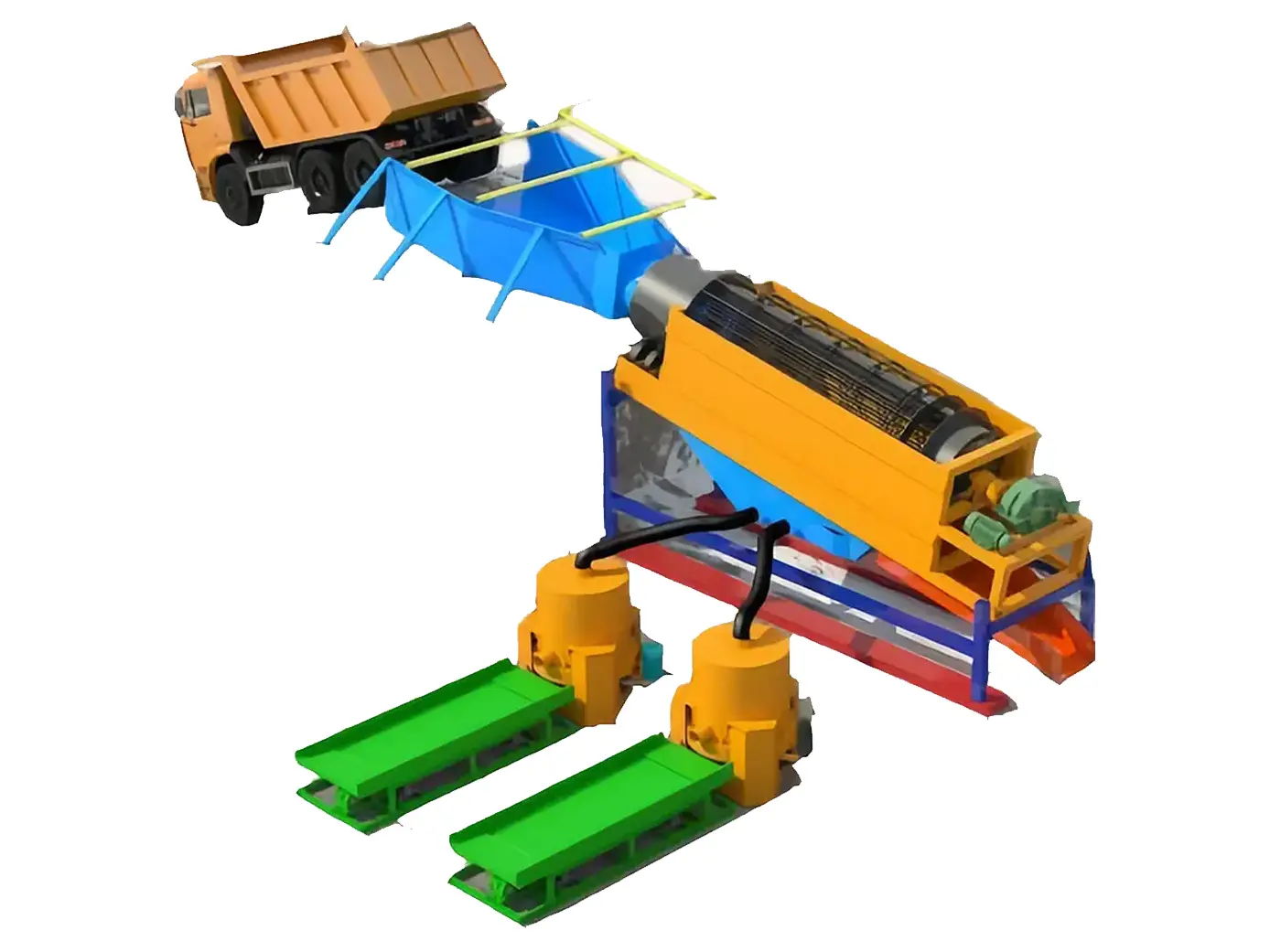
Turnkey solutions for gold recovery, covering crushing, ball milling, gravity concentration (centrifugal concentrators, shaking tables), and downstream flotation or cyanidation. Engineered to maximize gold recovery rates while minimizing chemical consumption.
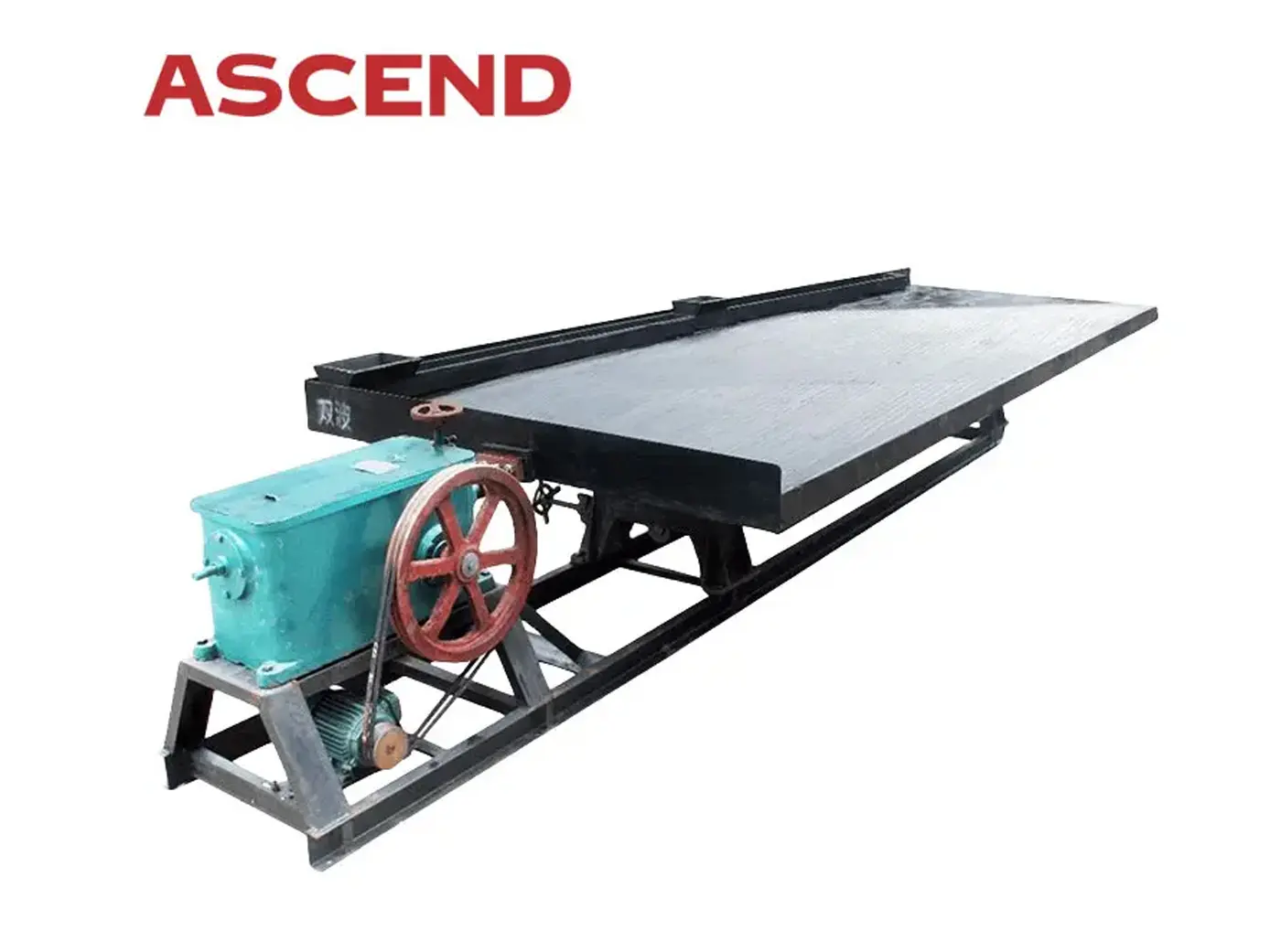
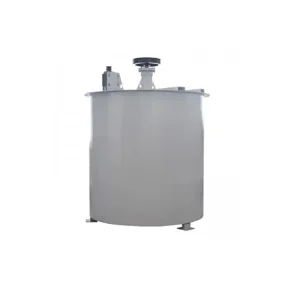
Including spiral classifiers, ore mixing tanks, flotation cells, and magnetic separators. These modular auxiliary systems work in closed circuits with ball mills to control material flows and deliver optimized pulp density for concentration.
In the global industrial equipment landscape, Chinese manufacturing has transitioned from a volume-focused strategy to high-precision engineering. Located in Zhengzhou City, Henan Province—the industrial hub of Chinese heavy machinery—Henan Ascend Machinery & Equipment Co.,Ltd. leverages this ecosystem to deliver high-quality ball mills that match global standards at competitive price points.
Direct access to raw material processing and specialized casting facilities reduces sourcing timelines and production lead times.
Every mill undergoes comprehensive non-destructive testing, ultrasonic weld inspections, and factory run-tests before dispatch.
We tailor motor types, liner configurations, and discharge designs to match specific budgets without compromising quality.
Extensive experience shipping heavy equipment to remote areas in Africa, South America, and Southeast Asia ensures safe delivery.
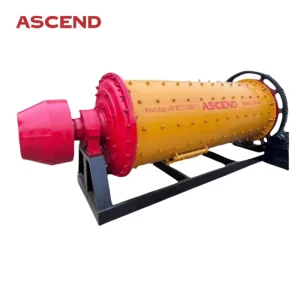
One of Ascend's key differentiators is its control over casting quality. The girth gear, pinion, and trunnions of a ball mill are critical stress points. Impurities or voids in these castings can cause premature gear failures. Ascend utilizes advanced steel refining and casting processes to manufacture these components. Heat-treatment processes, such as tempering and stress-relieving, ensure these parts withstand the mechanical strains of long-term mining operations.
By combining specialized production clusters with automated welding systems, Chinese manufacturers have reduced fabrication times. This efficiency helps mining operators bring their grinding circuits online faster, improving project schedules and reducing total project costs.
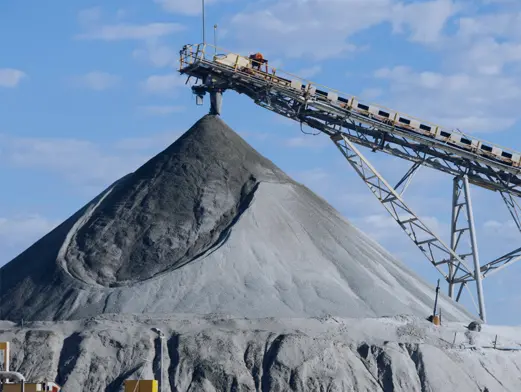
Grinding requirements vary depending on local geology, mineralogy, water availability, and regulatory frameworks. Designing a reliable grinding system requires adapting to these specific regional variables.
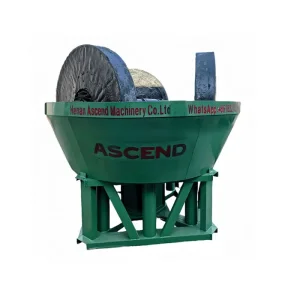
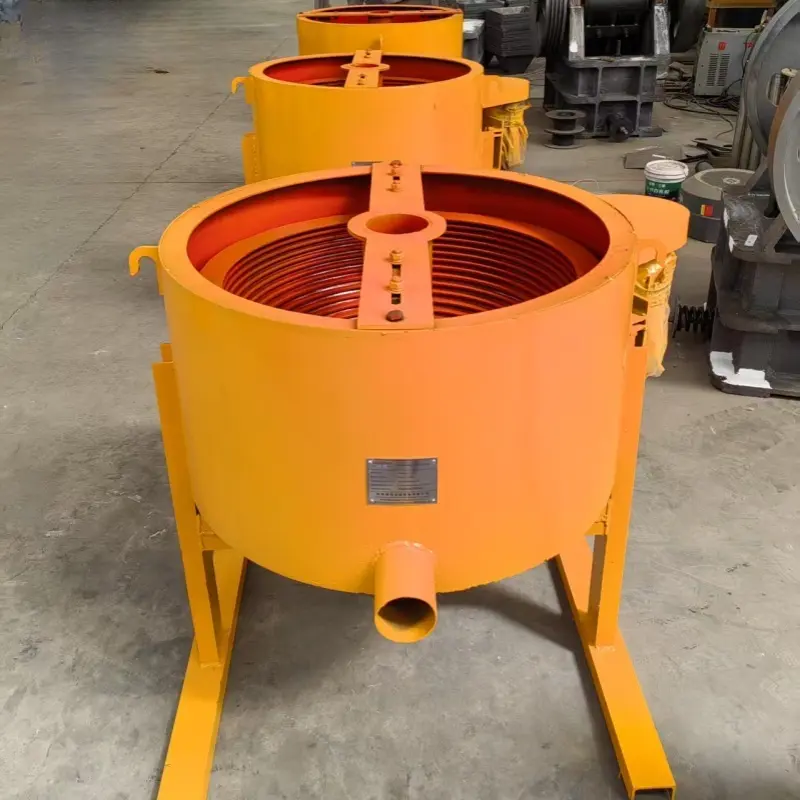
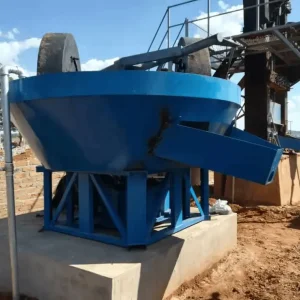
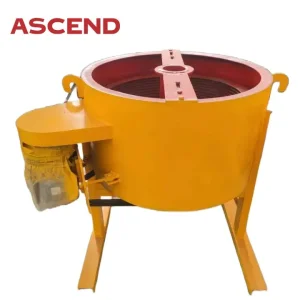
In major mining regions like Sudan, Zambia, Zimbabwe, and Tanzania, gold ore processing involves a combination of artisanal, small-scale, and large-scale operations. In artisanal and small-scale gold mining (ASGM), wet pan mills (1100, 1200, 1400, 1500, and 1600 models) are widely used for primary liberation due to their mechanical simplicity and ease of operation.
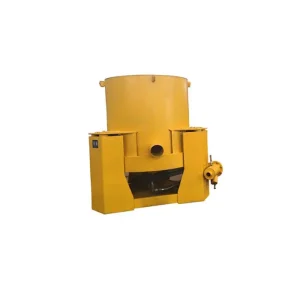
Mid-to-large-scale operations typically use ball mill circuits combined with gravity concentrators like Knelson or Kacha centrifugal concentrators. These systems recover liberated free gold before the pulp enters flotation or cyanidation circuits, reducing chemical costs and improving overall recovery rates.
In countries like Indonesia, Vietnam, and Thailand, processing industrial minerals—such as silica sand for glass, calcium carbonate for paper, and feldspar for ceramics—requires iron-free grinding solutions. In these applications, ball mills are lined with alumina ceramic tiles or silica blocks, and ceramic balls are used as grinding media. This setup prevents iron contamination, ensuring the final mineral powders meet strict brightness and purity standards.
 Shipping
 Delivery
High-performance gravity concentration equipment dispatched to enhance recovery rates at small-to-medium gold processing operations in Sudan.
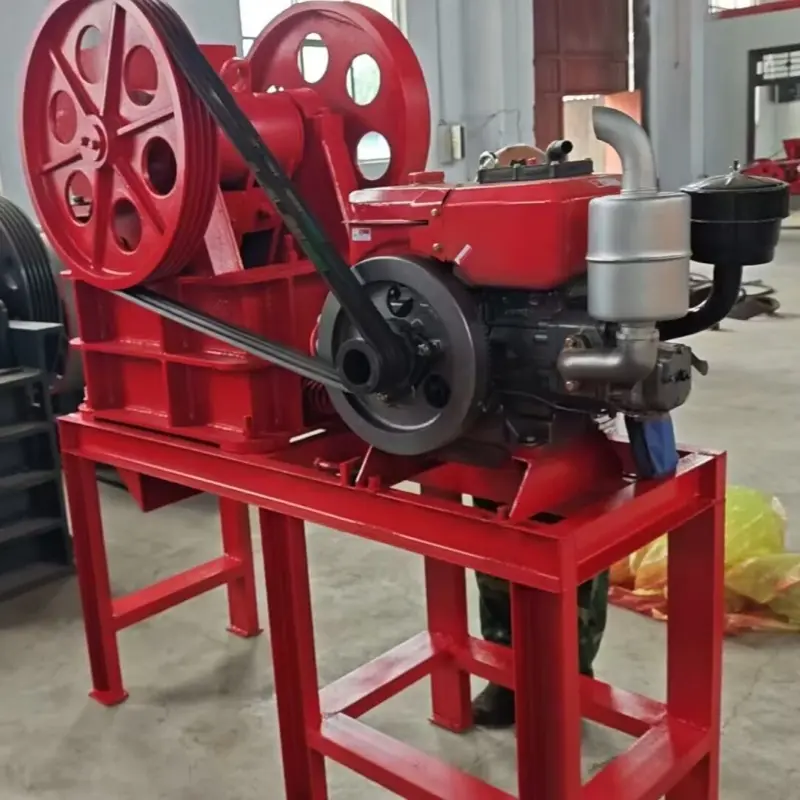
A custom diesel-driven ball mill designed for off-grid operations was successfully delivered and installed in Papua New Guinea.
Tanzanian gold ore operators receive a compact mobile crusher unit, optimizing primary crushing and downstream mill feeding.
A heavy-duty primary jaw crusher shipped to Zambia to support copper and gold mining operations.
Procuring heavy milling systems requires evaluating several key operational and technical criteria. Understanding these factors helps minimize both capital expenditures (CAPEX) and long-term operating costs (OPEX).
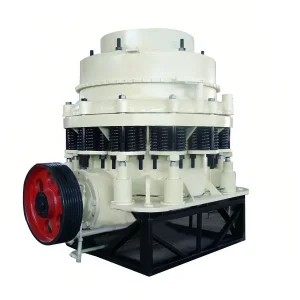
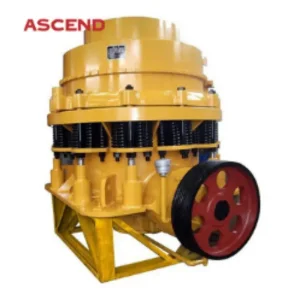
Additionally, procuring components from a single source—such as integrating the primary jaw crusher, secondary cone crusher, grinding mill, spiral classifier, and gravity concentrator—simplifies spare parts inventory and ensures balanced processing capacities across the plant.
Established in 2005, Henan Ascend Machinery & Equipment Co.,Ltd. is located in the High-Tech Industrial Zone of Zhengzhou City, Henan Province, China.
Ascend is focused on the research, development, manufacturing, sales, and support of crushing, grinding, screening, feeding, and conveying machinery. Whether you are processing limestone, granite, or aggregate, grinding industrial minerals, or recovering gold, our engineering team can provide customized systems. Operating our own manufacturing facilities allows us to maintain strict quality control and offer competitive pricing.
Read MoreComminution technology is evolving toward increased automation, improved energy efficiency, and reduced emissions. This shift is driven by the need to optimize processing circuits and lower operational costs.
Modern ball mills are increasingly integrated with digital monitoring systems. Sensors mounted on the mill shell monitor acoustic emissions and vibration profiles. Analyzing this data helps determine the pulp level and density inside the mill in real time, allowing operators to adjust water addition rates and media charge levels dynamically. Variable speed drives (VSD) enable adjustments to the mill's rotational speed, maintaining optimal grinding conditions as ore properties change.
Material science developments are extending the service life of mill liners and grinding media. Ceramic-metal matrix composites (TMMC) combine the toughness of steel with the abrasion resistance of ceramics. These composite liners can significantly extend operating periods between shutdowns, improving overall plant availability.
 Ascend