High-precision mining process machinery designed to optimize mineral separation efficiency, mineral sizing, and mechanical crushing operations.
The industrial gravity separation landscape relies heavily on the physical stratification of minerals on reciprocating surfaces. The 6-S Gold Shaking Table represents a hallmark configuration of this technology. By combining the asymmetrical horizontal reciprocating motion of a riffled deck with the lateral wash water flows, these tables separate heavy gold particles from lighter gangue materials based on density differences. Under the influence of fluid dynamics and frictional drag, high-density minerals settle into the riffle troughs where they are driven longitudinally towards the concentrate discharge end. Simultaneously, lighter minerals remain suspended in the upper water layer and wash laterally over the riffles into the tailings disposal trough.
Modern engineering modifications have evolved the conventional shaker design to sustain performance under severe processing conditions. Modern manufacturers leverage fiberglass decks reinforced with heavy-duty polyurethane coatings. Polyurethane provides exceptional resistance to abrasion from sharp quartzose mineral slurry, maintaining the deck’s integrity far longer than traditional wooden decks. Precision engineered headmotions utilize eccentric link mechanisms to execute precise, asymmetrical stroke patterns essential for high separation efficiency. These mechanical adjustments guarantee continuous, predictable flow patterns, enabling operations to consistently hit gold recovery targets across varying ore grades.
Mapping the next generation of smart gravity concentration systems.
Next-generation shaker tables integrate real-time tilt adjustment sensors. By coupling automated actuator systems with continuous visual feedback loop sensors, operators can stabilize mineral stratification parameters without pausing production, countering feed fluctuations automatically.
Conforming with global environmental frameworks (such as the Minamata Convention on Mercury), the shaker table operates entirely without chemical additives. Advanced zero-discharge water recycling circuits ensure processing facilities run cleanly while minimizing raw water consumption.
IoT vibration diagnostic monitors mounted on the headmotion transmit mechanical health data to predictive maintenance platforms. Real-time stroke monitoring identifies bearing wear patterns before failures manifest, cutting unscheduled downtime by up to 40%.
The manufacturing center of China's heavy mining equipment has undergone a profound transformation. Henan Ascend Machinery & Equipment Co.,Ltd., situated in the high-tech zone of Zhengzhou City, Henan Province, operates at the heart of this supply chain network. By leveraging specialized domestic steel production and automated machinery production lines, the company maintains structural control over every machine. The processing of the steel foundation rails and the curing of the multilayer fiberglass decks occur in highly controlled thermal environments, preventing composite warping that can affect separating accuracy.
Robot-controlled welding fixtures structure the shaker table chassis, using high-tensile steel frames that absorb continuous physical stresses from the headmotion's reciprocating action without material fatigue.
Deck surfaces are cast with multiple layers of fiberglass cloth bonded with chemical-resistant epoxy resins. They are seasoned in climate chambers to ensure the structural planarity of the separating channels.
Every shaker table undergoes continuous dynamic balancing tests under full load for 24 hours prior to packaging, verifying that the stroke amplitude and frequency adhere precisely to structural standards.
This localized supply chain integration allows Chinese factories to navigate raw material fluctuations efficiently. By managing all manufacturing operations under one roof, we stabilize machine quality and provide significant cost advantages for global procurement teams seeking high-performance mining equipment.
Sourcing gravity concentration units requires analyzing the target material's mineralogical composition. Selecting the correct deck configuration is critical for maximizing recovery. The table below highlights the standard operating configurations used to target specific particle size envelopes:
| Deck Type | Optimal Feed Particle Size (mm) | Process Capacity (t/h) | Stroke Length (mm) | Stroke Frequency (r/min) |
|---|---|---|---|---|
| Course Sand Deck | 0.5 - 2.0 | 1.0 - 1.5 | 16 - 22 | 240 - 280 |
| Fine Sand Deck | 0.074 - 0.5 | 0.5 - 0.8 | 11 - 16 | 280 - 320 |
| Slime Deck | 0.037 - 0.074 | 0.2 - 0.5 | 8 - 11 | 320 - 360 |
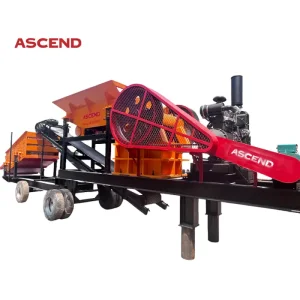
Beyond deck geometries, engineers must evaluate the mechanical installation environment. In countries throughout Africa and Southeast Asia, unstable electrical grids are common. To maintain continuous operation, procurement teams often specify diesel-driven headmotions for mobile gold washing plants, ensuring steady stroke frequencies even in off-grid operations.
Ascend has developed steadily since its establishment. Its business covers more than 130 countries and regions around the world, especially in Africa and Southeast Asia. Our machinery quality and after-sales service have won widespread praise from international customers.
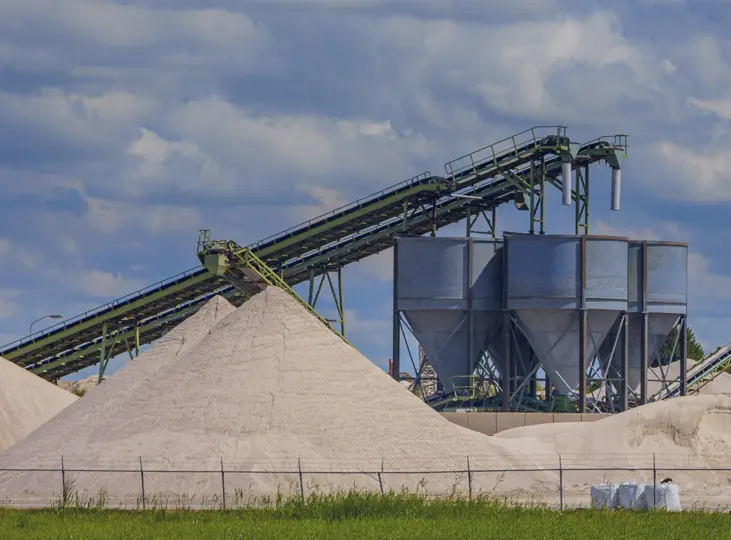
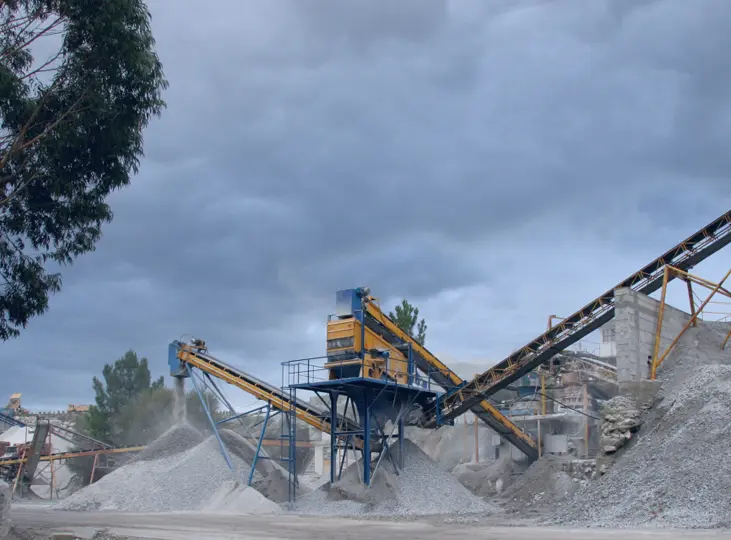
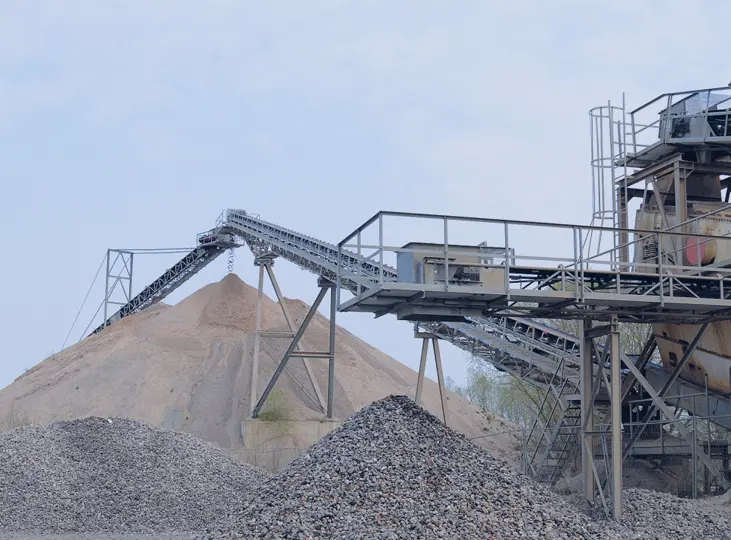
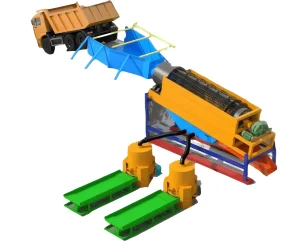
Gold recovery is rarely accomplished using a single piece of equipment. Industrial circuits require a series of unit operations to maximize throughput. An efficient mineral extraction layout typically integrates grinding, screening, gravity pre-concentration, and final table concentration:
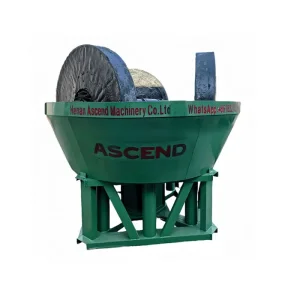
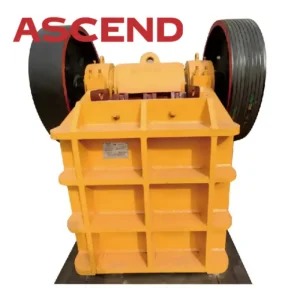
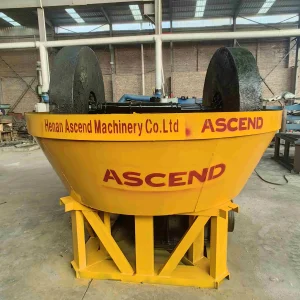
Ore minerals extracted from hard-rock deposits must first undergo size reduction. Heavy-duty jaw crushers reduce run-of-mine ore to manageable sizing. This material is then processed through wet pan mills or ball mills, grinding the ore down to mineral liberation sizes (often finer than 200 mesh) to ensure clean separation on downstream gravity circuits.
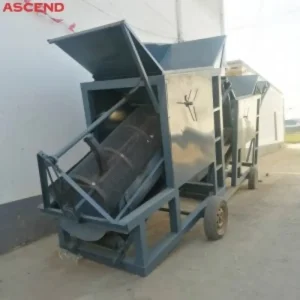
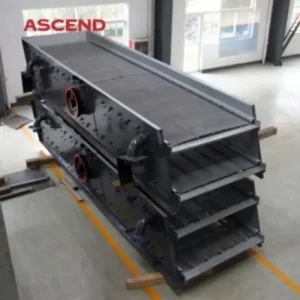
Ground slurry is classified using rotary trommel screens or high-frequency vibrating screens. Oversize particles are recycled back to the grinding mills, while the undersize fraction is routed to gravity pre-concentration systems to maintain feed size consistency.
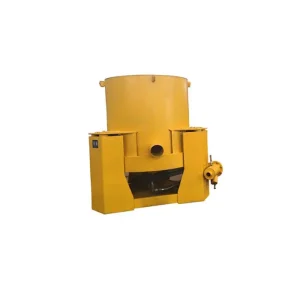
Low-grade slurries are pre-concentrated using high-recovery Knelson centrifugal concentrators or placer gold washing plants. The high-grade concentrate from these systems is then fed onto 6-S gold shaking tables for final separation, producing high-grade gold concentrates ready for smelting.
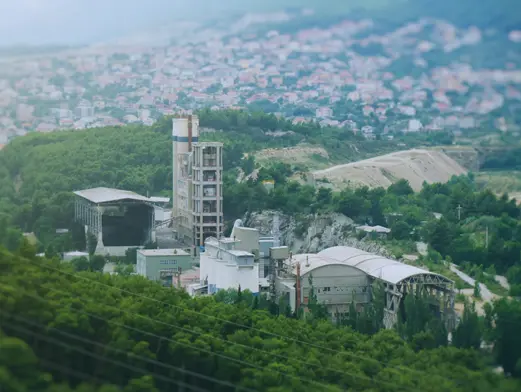
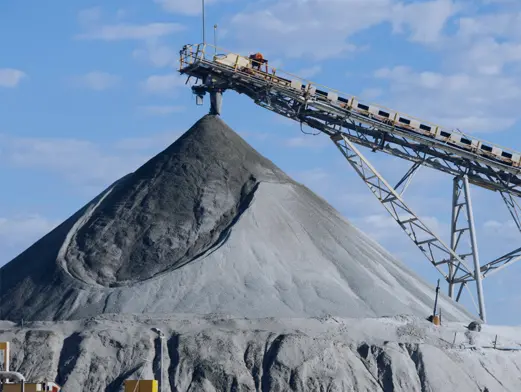
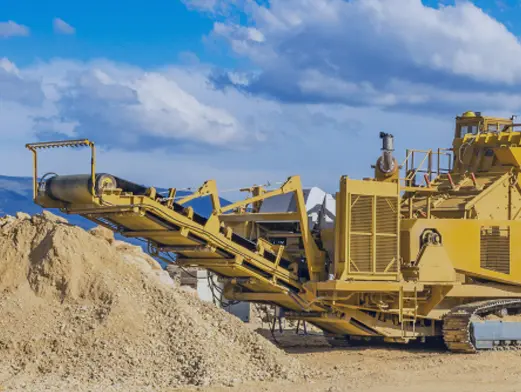
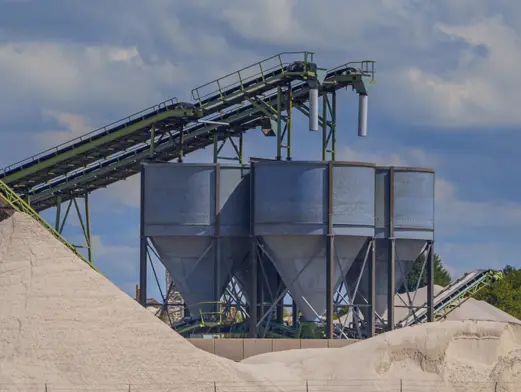
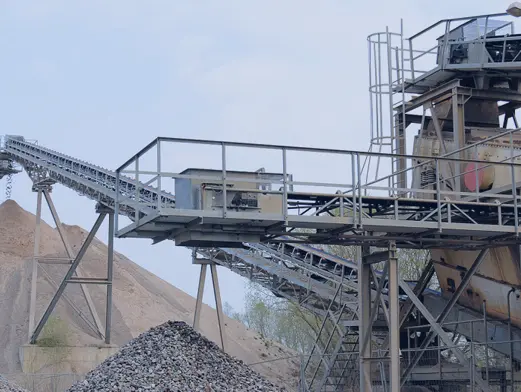
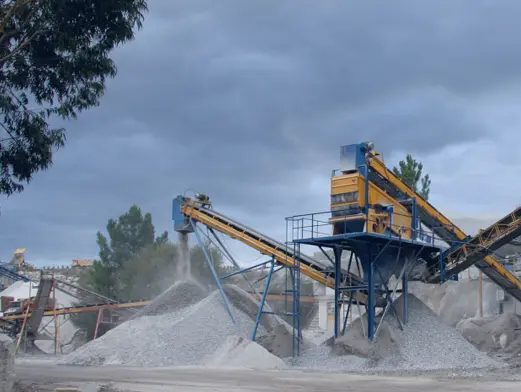
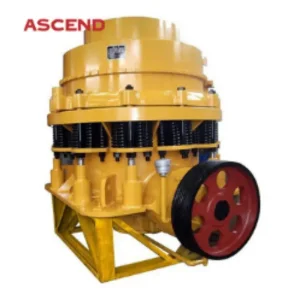
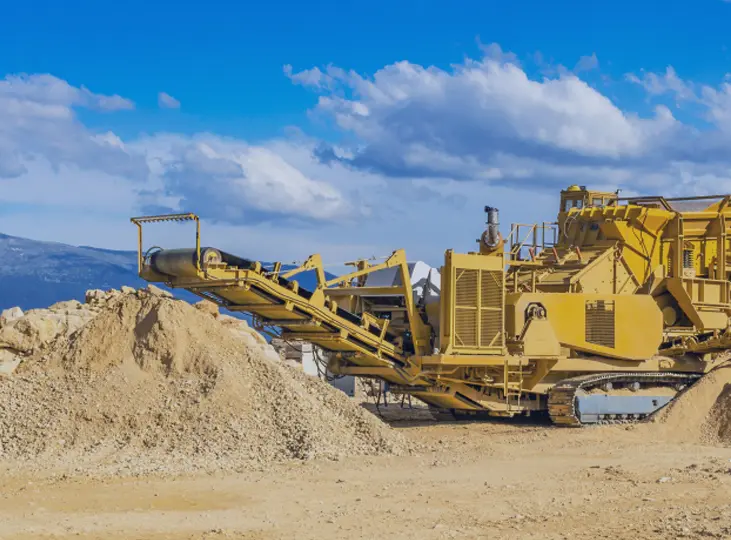
Optimized stone crushing machines for secondary and tertiary reduction stages.
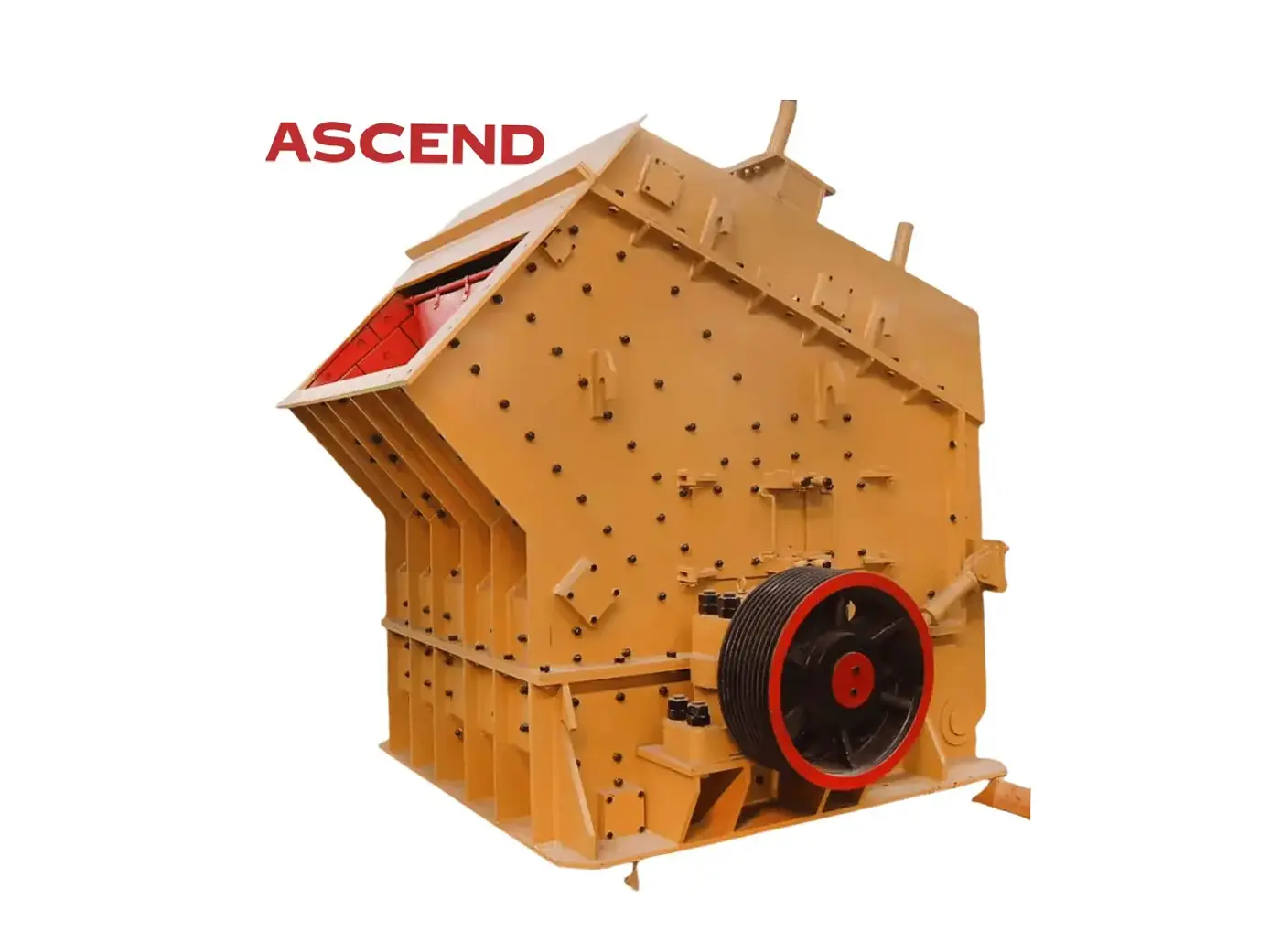
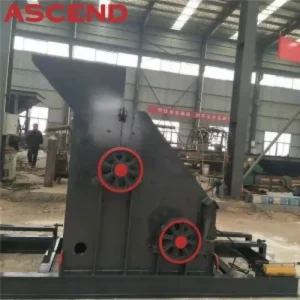
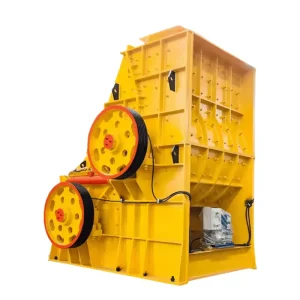
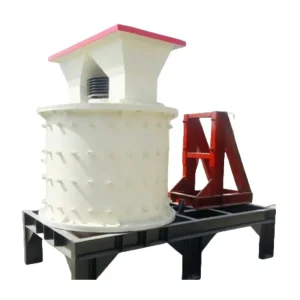
Impact crusher is a kind of secondary crushing equipment which uses impact power to crush materials. Impact crusher is characterized by easy maintenance, high reduction ratios and high efficiency to produce precisely cubic shape products. It is designed with three crushing chambers, seamlessly connected rotor, wear-resistant blow bar and installation of insert type. Moreover, it has tooth type liner, gradient designed bearing seat, frame with several openings and screws or hydraulic start-up devices. Impact crushers can be used in all different stages of size reduction from primary crushing to the last step of the crushing process.
Tracking our equipment shipments and installations across international mining operations.
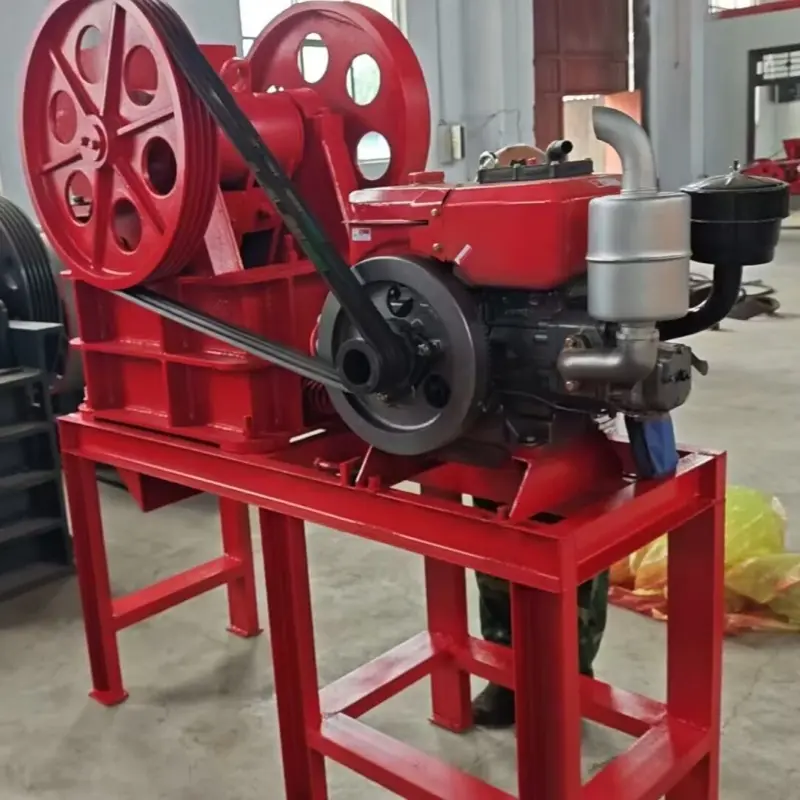
Heavy-duty jaw crusher unit shipped for quartz mineral processing operations in PNG.
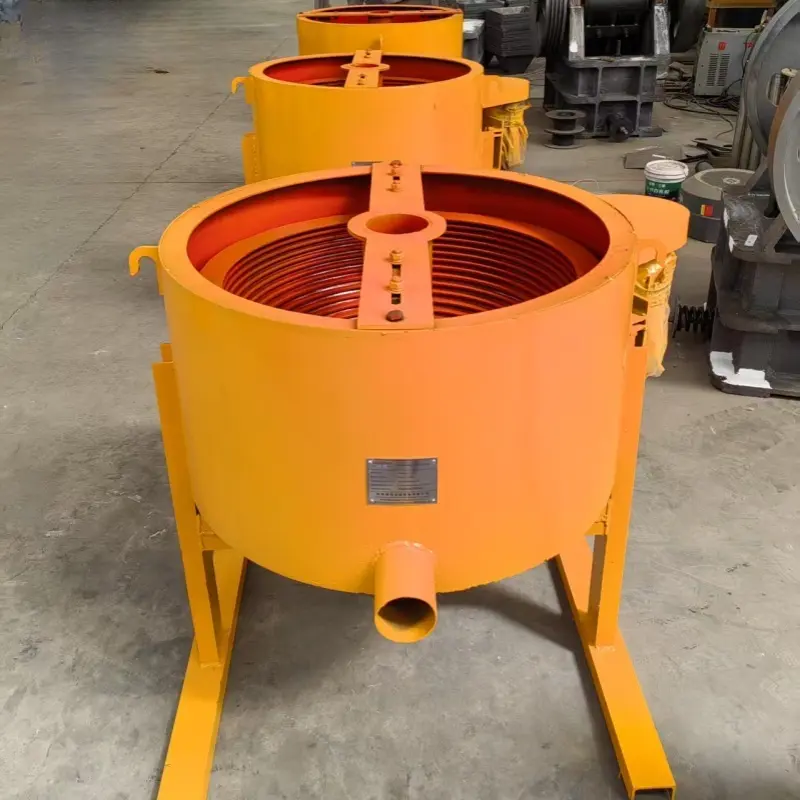
Centrifugal gold concentrators with integrated screens dispatched for alluvial processing.
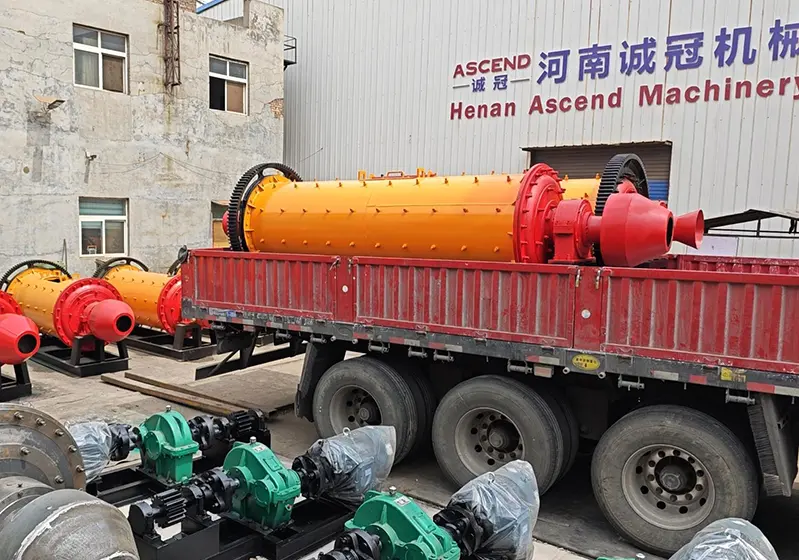
Henan Ascend Machinery & Equipment Co.,Ltd. was established in 2005 and it is located in the high-tech zone of Zhengzhou City, Henan Province. We focus on structural engineering, equipment manufacturing, and international support services for minerals processing plant equipment.
Ascend is mainly engaged in the research and development, manufacturing, sales and after-sales service of complete sets of crushing, grinding, screening, feeding and conveying heavy mining machinery. If you need to crush limestone, granite, gravel or other stone, or grinding them into powder, or extract gold, please feel free to contact us. Just tell us your needs and our engineers can provide you with professional advice. And we have our own factory, the quality of the machine is guaranteed, the price is more advantageous. We believe that we will be your good choice.
International mining operations face complex logistics, shifting safety standards, and challenging local operating environments. Recognizing this, Henan Ascend provides end-to-end global project management designed for mining companies worldwide, particularly across Sub-Saharan Africa and Southeast Asia.
Our project management workflow ensures compliance at every step. We align our manufacturing processes with key international safety standards (CE, ISO, and GOST) to simplify local customs clearance and inspection processes. When equipment arrives on-site, Ascend engineers travel to the facility to oversee assembly, dial in optimal slope controls, and train local staff on routine maintenance practices, helping to prolong the system's operational lifespan.
Answers to common operational questions regarding 6-S gold shaking table operations.
A1: The selection depends on the sizing profile of the feed material. Riffles with deeper channels are used for course sand feeds (up to 2mm) to prevent wash-water from sweeping heavy gold out of the separation channels. Shallower, micro-grooved riffles are used for slime decks to separate fine particles (below 0.074mm) where fine laminar flow is required.
A2: Stroke length and frequency control the fluidization and transport velocity of the mineral bed. Larger particles require longer strokes at lower frequencies (e.g., 20mm at 250 r/min) to shift the material, while fine minerals require shorter strokes at higher frequencies (e.g., 10mm at 330 r/min) to prevent the bed from compacting.
A3: Water consumption varies by deck size and feed material, ranging from 0.3 to 2 metric tons of water per ton of dry ore feed. Maintaining consistent wash-water pressure is critical, as fluctuations can shift the mineral bands and cause gold to carry over into the tailings line.
A4: Traditional wood decks are prone to warping under changing moisture and temperature conditions, which disrupts the level separating surface. Fiberglass decks remain structurally stable, resist chemical degradation, and offer better durability under heavy mineral slurries.
A5: Shaker tables must be anchored to concrete foundations or heavy structural steel platforms. Properly aligning and anchoring the foundation frame prevents mechanical feedback loops, ensuring smooth deck movement and consistent sorting performance.
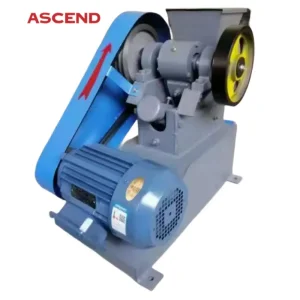
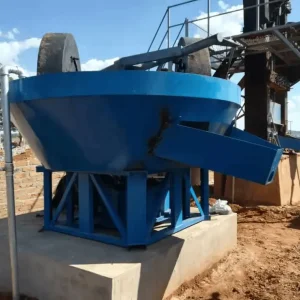
Explore our line of crushing, milling, and fine gravity recovery systems.
 Ascend