Under the transformative framework of Saudi Vision 2030, the Kingdom of Saudi Arabia is executing some of the largest infrastructure and megaprojects in human history. Developments such as the NEOM smart city, the Red Sea Project, Qiddiya, and the massive expansion of urban housing and transportation networks in Riyadh and Jeddah have generated an unprecedented demand for construction aggregates. Billions of tons of high-grade granite, basalt, limestone, and sandstone must be processed into precise fractions of coarse aggregate, fine aggregate, and manufactured sand to support high-strength structural concrete and asphalt concrete paving.
This massive infrastructural boom has shifted the focus of procurement managers and quarry operators toward reliable, heavy-duty mining machinery. Cone crushers, which operate on the principle of compressive crushing to yield highly cubic shapes, represent the backbone of secondary and tertiary crushing circuits in Middle Eastern crushing plants. Since Chinese crushing technology manufacturers have made monumental advancements in materials science, metallurgy, and automated hydraulic control systems, direct-from-factory partnerships between China and Saudi Arabia have become the gold standard for procurement optimization.
The strategic sourcing of cone crushers from Chinese factories like Henan Ascend Machinery provides Saudi Arabian mining concessions with direct access to advanced industrial engineering. By bypassing intermediary trading networks, Saudi buyers secure optimized capital expenditure (CAPEX) while benefiting from custom configuration designs that handle the highly abrasive and challenging regional geologies. From hard volcanic basalt to highly abrasive silica sands, Chinese cone crushers are manufactured to deliver reliable product size distributions under harsh, continuous-duty cycles.
Operating crushing machinery in the Arabian Desert presents severe mechanical, hydraulic, and thermal challenges. Ambient temperatures in summer regularly exceed 50°C, and dry windstorms introduce extremely fine silica dust into every moving interface. Standard industrial crushing plants designed for temperate zones will experience rapid component fatigue, hydraulic fluid breakdown, and seal failures under these conditions. Consequently, Chinese manufacturers engineering cone crushers for Saudi export implement specific high-temperature, high-dust adaptations.
Traditional water-cooling jackets are impractical in the water-scarce desert regions of Saudi Arabia. Factories resolve this by upgrading the hydraulic control station with dual-circuit, forced-air oil heat exchangers paired with dust-resistant, high-static-pressure fans. The hydraulic lubrication unit utilizes premium synthetic lubricants with elevated viscosity indexes (typically ISO VG 150 or higher) to guarantee that a robust lubricating film is maintained within the eccentric sleeve and inner bushings at operating oil temperatures reaching 65°C to 75°C.
By implementing a secondary loop that continuously monitors fluid temperatures, the control system can automatically modulate oil flow through the heat exchanger, keeping thermal fluctuations within a critical 5°C margin to avoid micro-cracking in the bronze bushings.
To prevent airborne dust from contaminating the lubrication system, standard felt or water seals are replaced with advanced multi-labyrinth grease-lubricated seals, supplemented by a positive-pressure air blower system. This blower maintains a continuous positive air pressure inside the crusher's eccentric housing, pushing dust out and away from the critical sliding contact zones between the mantle, bowl liner, and eccentric drive gear.
Saudi granite and basalt deposits exhibit high compressive strength (often exceeding 250 MPa) and massive silica content. To maximize the operational life of the mantles and bowl liners, Chinese factories utilize premium high-manganese steel alloys containing 18% to 22% manganese (Mn18Cr2 or Mn22Cr2). This alloy work-hardens under the intense impact forces of the crushing chamber, creating a tough, wear-resistant exterior shell while retaining a resilient, ductile core to resist cracking.
| Parameter / Feature | Standard Specification | Saudi Desert Customized Specification |
|---|---|---|
| Ambient Temperature Limit | Up to 40°C | Continuous Operation up to 55°C |
| Dust Sealing System | Standard Water Seal / Single Ring | Multi-Labyrinth Seal + Positive Air Pressure Blower |
| Manganese Alloy Grade | Mn13Cr2 | Mn18Cr2 to Mn22Cr2 (Enhanced Work-Hardening) |
| Cooling System Type | Standard Plate Heat Exchanger | Heavy-Duty Dual-Circuit Air-Oil Coolers with Dust Filters |
| Lubrication Instrumentation | Basic Pressure Gauge | Digital PLC Flow, Temperature, and Viscosity Sensors |
When procurement managers for Saudi construction companies or international mining conglomerates purchase cone crushers from China, they evaluate more than just the initial purchase price. The focus is on the Total Cost of Ownership (TCO), which includes procurement capital expenditures (CAPEX), shipping and logistics costs, customs tariffs, operational energy efficiency, wear parts consumption, and the availability of localized support. Sourcing directly from Chinese heavy machinery hubs like Zhengzhou (where Henan Ascend Machinery is headquartered) offers a unique balance of cost efficiency, manufacturing scale, and customizable technological options.
By working directly with Chinese factories, engineering parameters can be customized for specific aggregate sizes. The closed-side setting (CSS) and eccentric stroke can be set precisely before dispatch to ensure optimal output curves upon arrival.
Logistics corridors from Qingdao, Tianjin, and Shanghai to major Saudi ports like Jeddah Islamic Port and King Abdulaziz Port in Dammam are highly developed. Shipping transit times average 20-30 days, backed by flatbed container and breakbulk options for oversized crusher components.
To avoid costly downtime in remote Saudi mining concessions, advanced procurement agreements include critical wear-parts kits (spare mantles, bowl liners, brass bushings, and seal kits) packaged directly with the primary equipment shipment.
Furthermore, working with an experienced exporter ensures that all shipping documents—including certificates of origin, commercial invoices, and packing lists—are formatted precisely to clear Saudi customs efficiently. This minimizes port storage fees and keeps major project schedules on track.
A cone crusher does not operate in isolation; it is the core of an integrated processing circuit. For maximum efficiency, primary, secondary, and tertiary stages must be balanced. In Saudi quarry sites processing hard granite or abrasive basalt, the material flow is engineered to optimize throughput and reduce wear. Henan Ascend Machinery designs and supplies complete processing systems that integrate various specialized machines for different materials and output requirements.
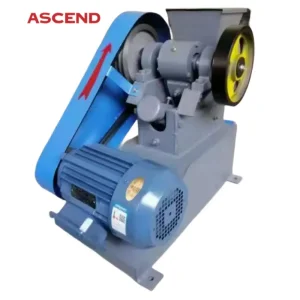
Primary Crushing: Run-of-mine (ROM) material up to 750mm is fed via a vibrating grizzly feeder into a heavy-duty Primary Jaw Crusher (such as the Ascend PE Series) to reduce the feed size to under 150mm.
Secondary Crushing: The crushed material is conveyed to a surge bin that feeds a Multi-Cylinder Hydraulic Cone Crusher. The cone crusher compresses and breaks the rock, reducing the material size to less than 40mm.
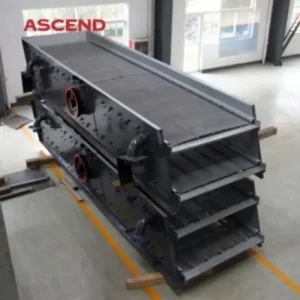
Sizing and Screening: The material from the cone crusher is sent to high-efficiency Circular Vibrating Screens. Oversized materials are returned to the cone crusher in a closed-loop system, while correctly sized particles are separated.
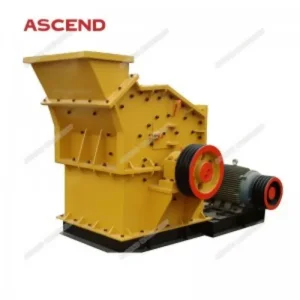
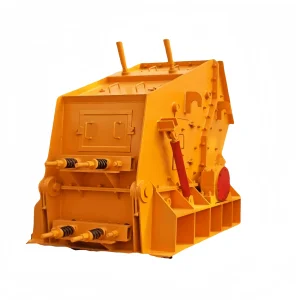
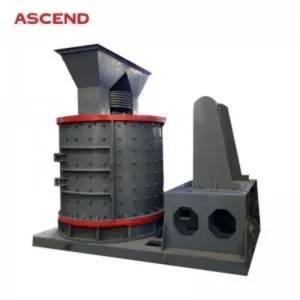
Fine Crushing & Sand Shaping: For premium concrete and asphalt production, fine material is processed through a Vertical Shaft Impact (VSI) Crusher to improve the particle shape (aspect ratio) and produce clean, manufactured sand.
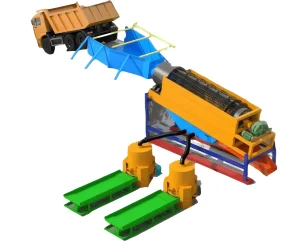
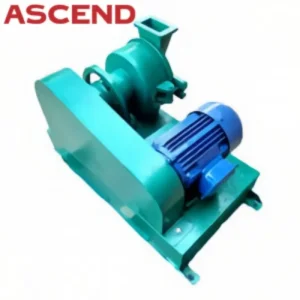
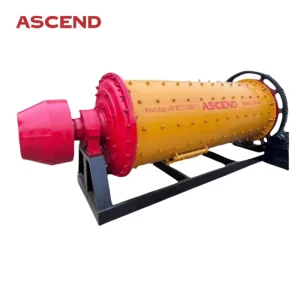
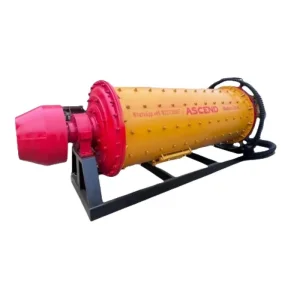
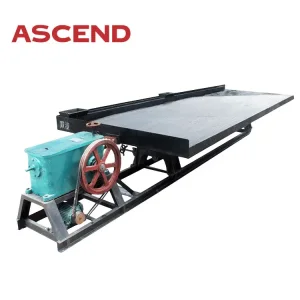
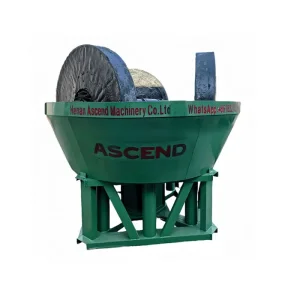
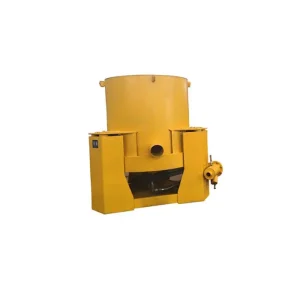
For specialized mineral processing, such as gold ore recovery or industrial silica washing, the plant configuration incorporates other advanced processing equipment. This includes wet pan mills for fine grinding, Knelson centrifugal concentrators for gravity separation, and high-recovery shaking tables to maximize mineral recovery rates. Adapting these diverse configurations to the specific target material ensures high operational efficiency for every project.
Importing industrial mining machinery into the Kingdom of Saudi Arabia requires strict adherence to national quality and safety standards. The Saudi Standards, Metrology and Quality Organization (SASO) regulates all machinery imports through the SABER electronic platform. Sourcing from experienced Chinese manufacturers ensures that all equipment undergoes proper conformity assessment procedures before leaving the factory.
Under the SABER system, every crusher model must be registered under its specific HS code. Conformity verification requires detailed testing of electrical motors (ensuring compliance with SASO's strict 3-phase, 60Hz voltage regulations), pressure vessel certifications for hydraulic accumulator tanks, and structural integrity evaluations of safety guards. Factory engineers coordinate directly with international inspection bodies (such as SGS, Intertek, or TÜV) to conduct pre-shipment inspections and issue the Product Certificate of Conformity (PCoC) and Shipment Certificate of Conformity (SCoC).
Saudi Arabia operates its electrical grid at 60 Hz. This is a critical factor for imported Chinese machinery, as China's standard domestic grid is 50 Hz. Sourcing from an established manufacturer ensures the crusher motors, starter panels, and soft starters are designed, wound, and tested specifically for 380V/400V/415V at 60Hz, preventing motor overheating and premature insulation failure.
E-E-A-T (Experience, Expertise, Authoritativeness, and Trustworthiness) is demonstrated through localized after-sales support. Certified field engineers are dispatched from the factory to Saudi Arabia to oversee structural foundation placement, assembly, alignment of the drive systems, and electrical integration. Furthermore, on-site training is provided to local operators, covering preventative maintenance, calibration of the closed-side setting (CSS), and correct grease lubrication schedules to maximize crusher lifespan.
The quarrying and mineral processing industries in Saudi Arabia are increasingly adopting automation and sustainable technologies. As part of this transition, Chinese crushing factories are integrating modern control systems and energy-efficient designs into their new product lines. This technology roadmap focuses on reducing energy consumption and operational downtime through digital monitoring and modular designs.
Modern cone crushers feature intelligent control systems that monitor operating parameters in real-time. Temperature, oil pressure, motor load, and wear liner thickness are tracked by digital sensors integrated into a central PLC system. If a piece of uncrushable tramp iron enters the chamber, the automated hydraulic relief system instantly opens to release it, preventing damage and returning the crusher to its original setting automatically.
In line with Saudi Arabia's sustainability goals, new crushing plant designs focus on reducing environmental impact. This includes enclosed conveyor structures, integrated dust collection systems, and wet suppression systems at major transfer points. Additionally, high-efficiency electric motors meeting modern efficiency standards help reduce fuel consumption when operating on generator power in remote areas.
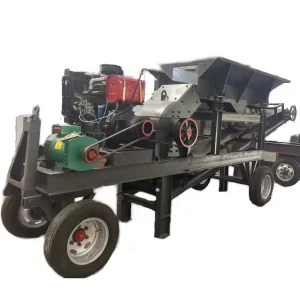
For large-scale infrastructure projects like road construction and pipeline development, mobile crushing plants offer significant logistical advantages. Wheel-mounted or crawler-mounted mobile crushers can be moved directly to the construction site, reducing haulage costs and streamlining material processing workflows.
Due to the high silica content and compressive strength of Saudi basalt, standard Mn13 liners typically last 200 to 300 hours. Upgrading to high-manganese Mn18Cr2 or Mn22Cr2 liners, along with correct feed control to prevent packing, can extend liner life to 450 to 600 hours of continuous operation.
The registration process is managed using the specific HS codes for each equipment type. The manufacturer provides the necessary electrical schematics, motor test certificates, and structural reports. These documents are verified by an accredited certification body to issue the required shipment certificate for Saudi customs.
All equipment motors and control systems must be configured for the Saudi standard 3-phase, 60Hz power grid. Standard operating voltages include 220V, 380V, or 400V. Crucially, motors must be specifically rated for 60Hz operation to prevent overheating and insulation issues under local conditions.
Our crusher designs use precise tolerances for the bronze eccentric bushings to account for high-temperature thermal expansion. Coupled with high-capacity air-oil coolers and high-viscosity synthetic lubricants, this ensures consistent performance even when ambient temperatures reach 50°C.
Yes, many projects in remote locations rely on diesel generator sets. Our control panels are designed with integrated soft-starters or variable frequency drives (VFDs) to reduce initial starting currents, allowing for stable operation with smaller generator capacities.
To ensure stable operation and prevent chamber packing, the maximum feed size should not exceed 80-85% of the crusher's feed opening. Maintaining a consistent "choke-fed" chamber helps optimize the shape of the crushed product and ensures even wear on the liners.
Established in 2005 in the High-Tech Industrial Development Zone of Zhengzhou, China, Henan Ascend Machinery & Equipment Co., Ltd. has grown into a leading manufacturer of mining, crushing, and mineral processing machinery. With projects spanning over 130 countries, our systems are engineered to perform reliably in diverse and challenging environments worldwide.
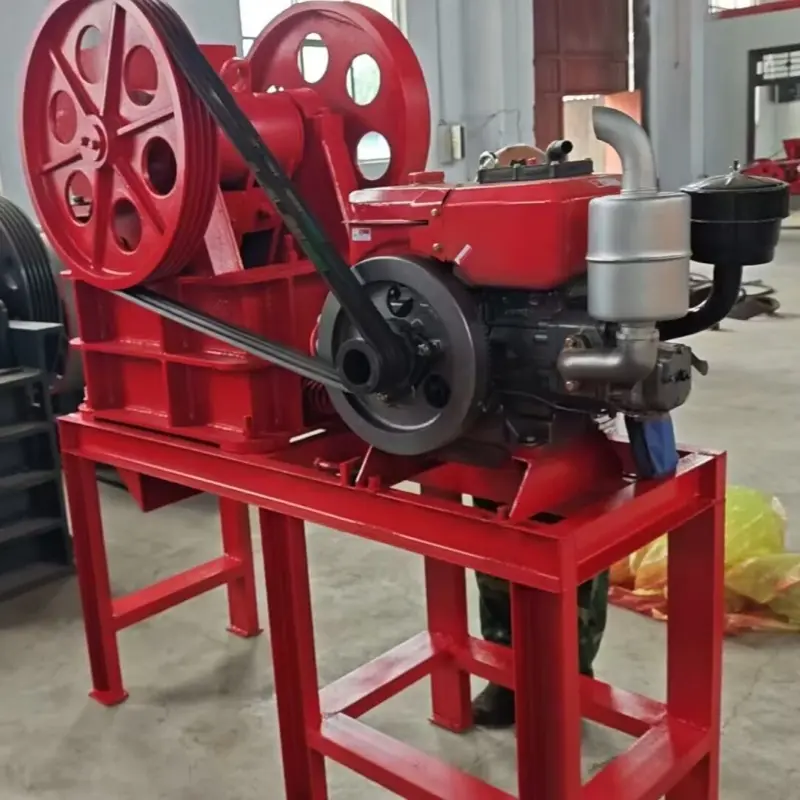
Heavy-duty diesel jaw crushers designed for remote infrastructure development projects in Papua New Guinea, operating independently of grid power.
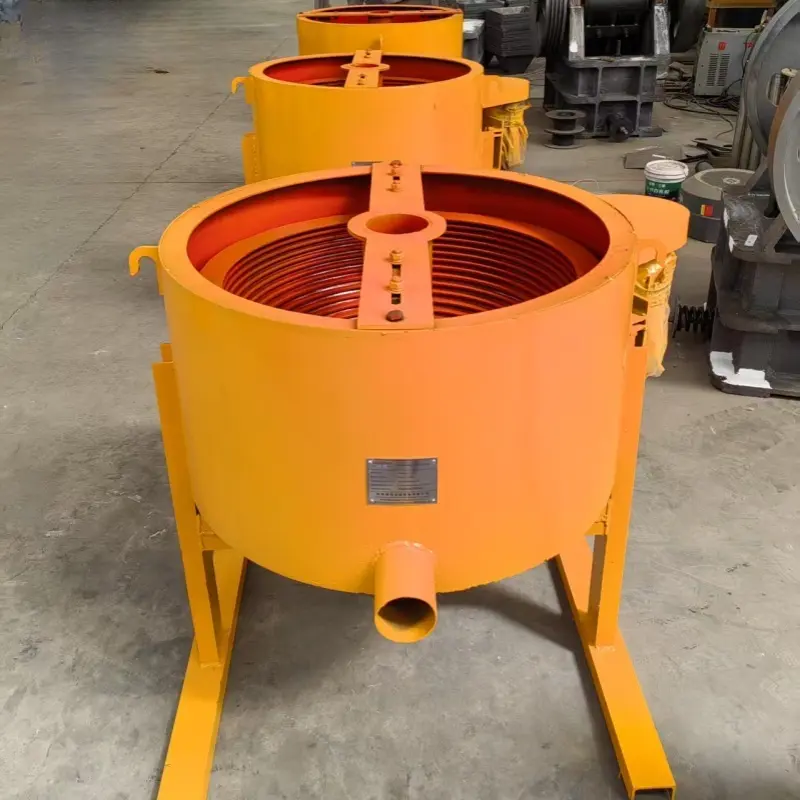
High-recovery centrifugal gravity separation circuits optimized for artisanal and medium-scale gold recovery operations in Zambia.
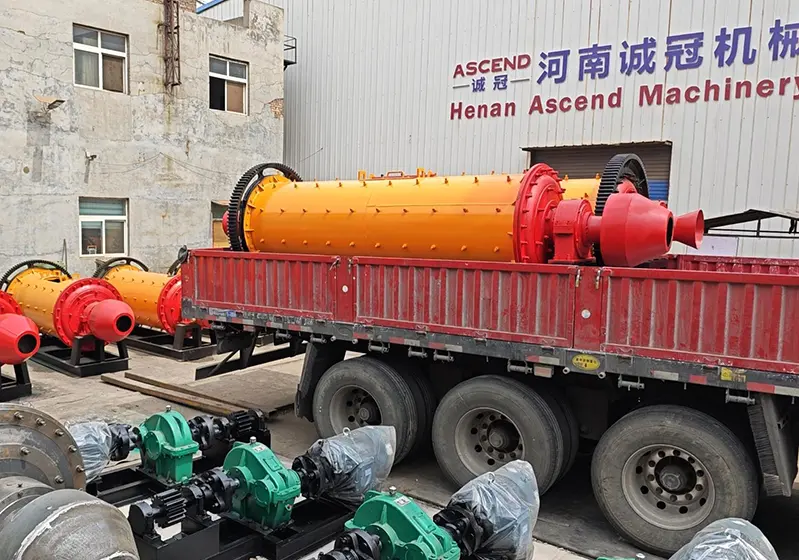
Supplying gravity separation equipment for fine-grained mineral recovery, ensuring high recovery rates in remote operations.
 Ascend