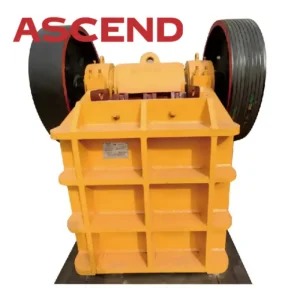
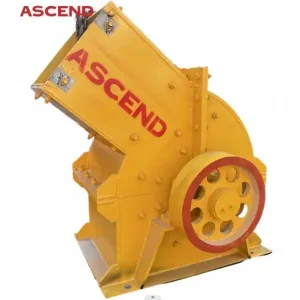
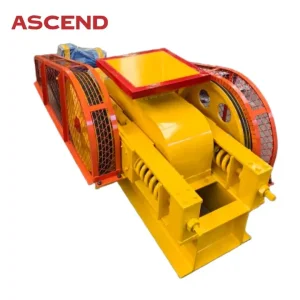
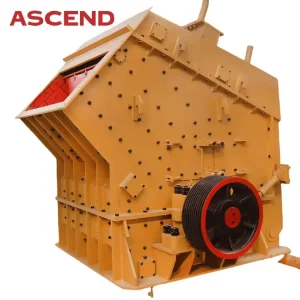
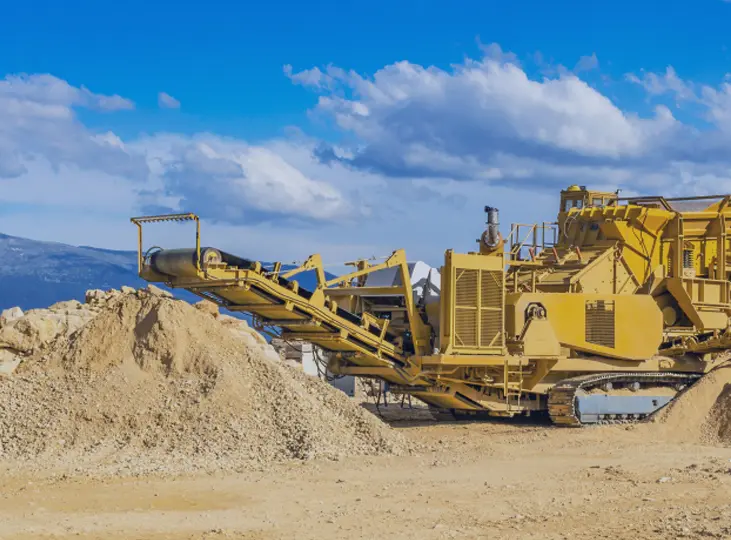
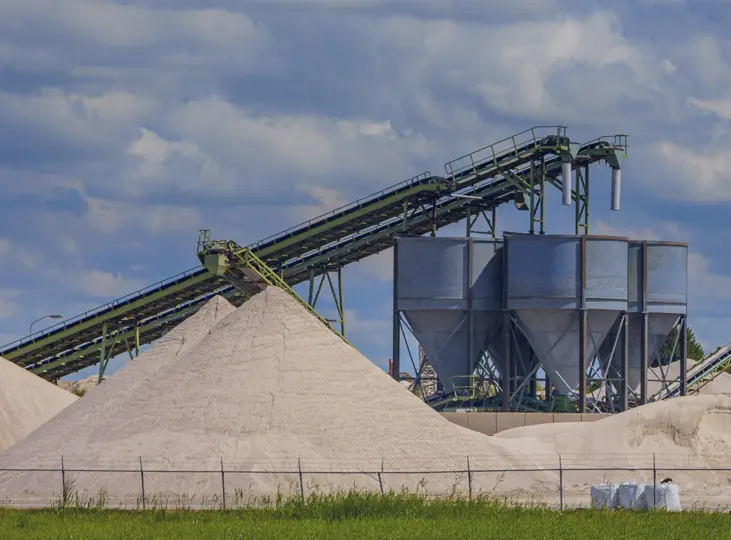
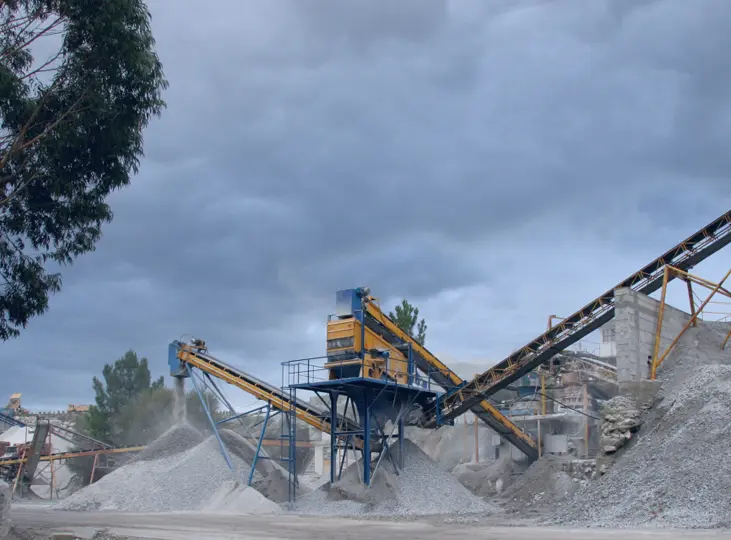
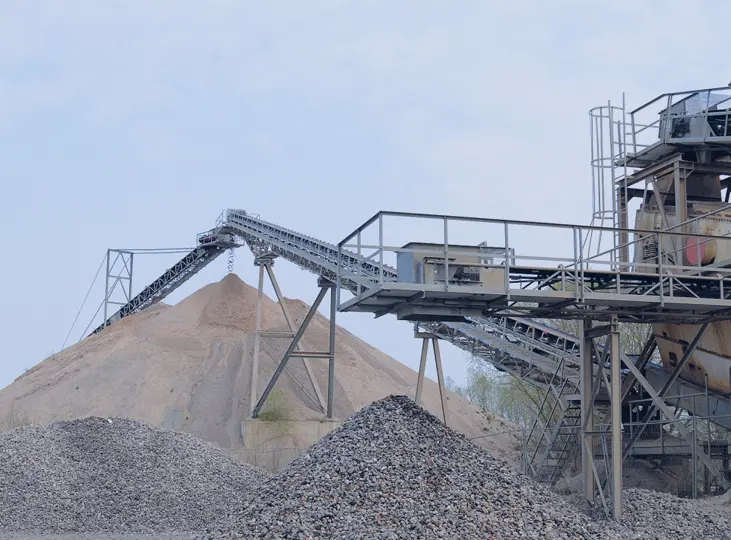
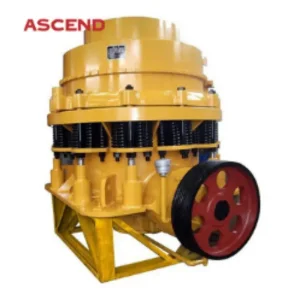
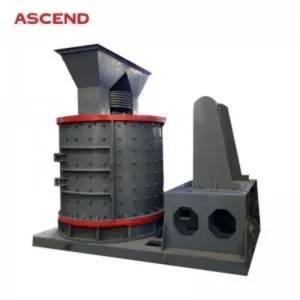
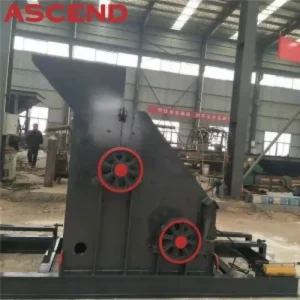
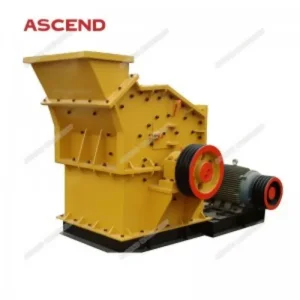
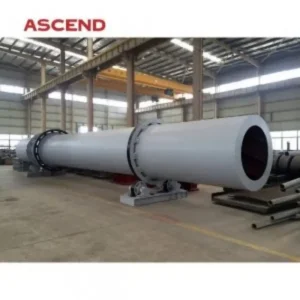
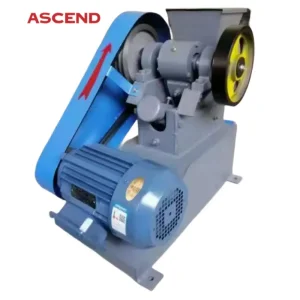
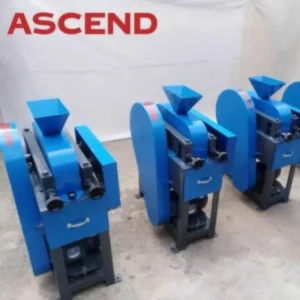
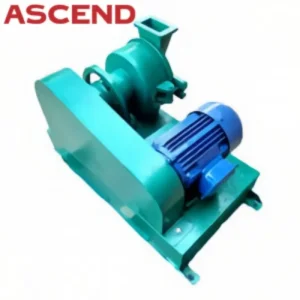
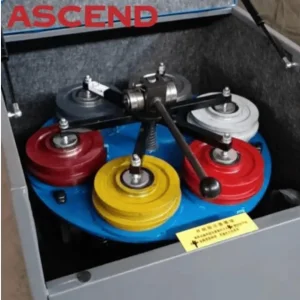
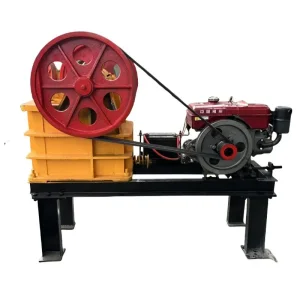
Engineered to withstand highly abrasive California granites and dense construction aggregates. These four core models form the backbone of modern comminution circuits.
Premium secondary crushing design configured to yield excellent particle distribution curves and cubical product shapes required for superpave asphalt.
The Los Angeles & California Industrial Aggregates Landscape
The Southern California metropolitan region, centering on the Los Angeles Basin, constitutes one of the most demanding aggregate consumption markets globally. Sustained by continuous civil infrastructure renewal, transit corridor expansions (such as the LA Metro extension projects), and port infrastructure developments at the Port of Los Angeles and Port of Long Beach, the regional demand for high-specification construction aggregates remains critical. However, supplying this market is subject to some of the most stringent environmental regulations worldwide.
Quarry operators and aggregate processors serving Los Angeles must navigate rigid regulatory frameworks established by the South Coast Air Quality Management District (SCAQMD) and the California Air Resources Board (CARB). Specifically, SCAQMD Rule 1157 mandates comprehensive fugitive dust control for aggregate operations, while CARB's Tier 4 Final standard governs off-road diesel engine emissions. Consequently, old-generation, low-efficiency crushing plants are no longer viable. Today's operators require state-of-the-art stone crusher machines equipped with advanced dust suppression, low-noise electric drives, and high comminution efficiency to maximize throughput while minimizing the local environmental footprint.
Simultaneously, the industry is witnessing a structural shift toward the processing of Recycled Concrete Aggregate (RCA) and reclaimed asphalt pavement. As local sand and gravel deposits in areas like the San Gabriel Valley face progressive depletion and stringent zoning constraints, the processing of Construction and Demolition (C&D) waste has emerged as a primary local resource. Modern crushing plants in Los Angeles must be versatile, capable of transitioning between crushing high-abrasion local granites and processing steel-reinforced demolition concrete without excessive wear or downtime.
98.4%
Operational Uptime
500+ TPH
Maximum Throughput
Zero-Emissions
Electric Drive Options
SCAQMD
Rule 1157 Ready
Global Commercial Trends in Comminution Technology
On a global scale, the stone crushing and mineral processing industries are undergoing a major shift driven by digitalization, automation, and ESG (Environmental, Social, and Governance) targets. Modern comminution circuits are increasingly evaluated by their carbon intensity per ton of finished product. This has catalyzed the development of hybrid diesel-electric and direct-grid electric mobile crusher configurations, reducing direct diesel consumption by up to 45% on major mine and quarry sites.
Furthermore, smart comminution systems are integrating Industrial Internet of Things (IIoT) sensors. These sensors monitor bearing temperature, mechanical vibration, and lubricating oil quality in real time. They feed predictive maintenance algorithms that detect failure patterns weeks before an unplanned shutdown occurs. Continuous hydraulic Closed Side Setting (CSS) adjustment systems allow operators to compensate for wear on jaw plates or cone mantles on the fly. This guarantees a highly consistent particle size distribution (PSD) without manual intervention, maintaining product quality and maximizing downstream process efficiency.
Customize Your Solution for Southern California
Ascend has developed steadily since its establishment. Its business covers more than 130 countries and regions around the world, especially in Africa and Southeast Asia. Also, Ascend machine quality and after-sales service have won widespread praise from international customers.
Mining & Recovery
Gold Ore Mining Project & Comminution Circuit
High-grade recovery circuits utilizing primary jaw crushers and secondary cone crushers configured to maximize mineral liberation and downstream flotation efficiency.
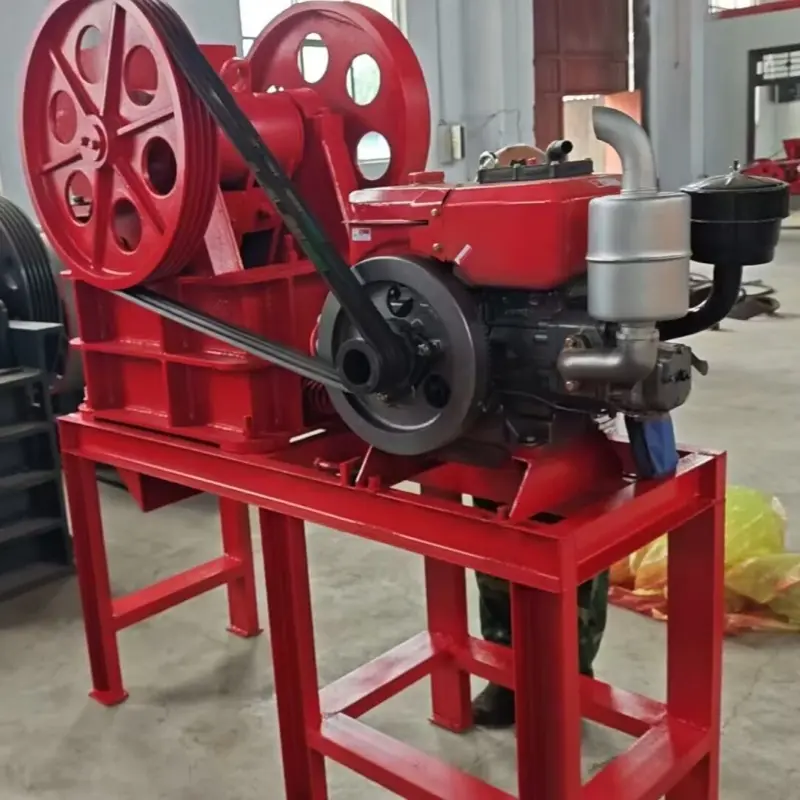
A specialized primary jaw crushing circuit designed for extremely abrasive quartz minerals, reducing mechanical wear and optimizing particle gradation.
A stationary plant design incorporating advanced water spray systems, enclosed conveyor belts, and electric drives to meet strict SoCal air quality rules.
Localized Application Scenarios in Southern California
The application of crushing systems in the Southern California basin varies based on geological shifts and urban requirements. We categorize the deployment of our stone crushing systems into three primary local application profiles:
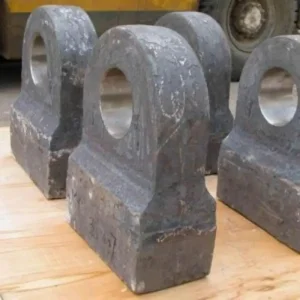
Urban Demolition & Recycled Concrete Aggregate (RCA) Production: High-density urban areas like downtown Los Angeles, Santa Monica, and Pasadena produce millions of tons of C&D waste annually. Our Impact Crusher series is ideal for this application, designed with three crushing chambers that reduce concrete chunks containing rebar into high-quality base materials. High-strength blow bars and magnetic separators remove rebar smoothly, protecting downstream equipment.
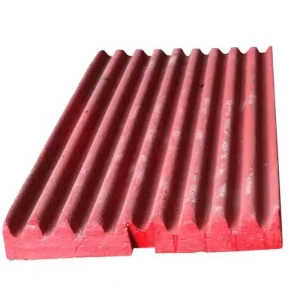
High-Abrasion Granitic Rock Quarries: In the hard rock quarries of Riverside, San Bernardino, and the Antelope Valley, the stone hardness often exceeds Mohs scale 7. Crushing this material requires heavy-duty Jaw Crushers configured with premium high-manganese steel jaw plates (ranging from 18% to 22% Mn content with chrome alloying). These jaws provide the high compressive force necessary for primary reduction, feeding secondary cone crushing circuits.
Fine Sand Production for Concrete & Asphalt Batching Plants: With strict environmental regulations limiting dredging in natural riverbeds across Southern California, manufactured sand (M-Sand) is essential. Our Vertical Shaft Impact (VSI) Crushers use a rock-on-rock crushing mechanism to shape cubical sand particles. This particle shape reduces water and cement requirements in concrete mixes, saving local ready-mix suppliers significant material costs.
Technical Roadmap & Engineering Outlook
Ascend is committed to pushing the boundaries of material science and mechanical engineering. Our technical roadmap focuses on three main pillars of research and development:
Advanced Metallurgy & Alloy Selection: To extend wear life in high-abrasion applications, we are testing composite inserts (such as titanium carbide matrices embedded in high-manganese steel). This technology increases wear plate life by up to 2.5 times compared to standard castings, significantly reducing operating costs per ton.
Intelligent Variable Frequency Drives (VFD): By utilizing high-power VFDs to run our crushing rotors, operators can match the rotor speed to the specific feed material characteristics. This saves energy and allows real-time adjustment for shifting moisture levels, block sizes, and rock hardness.
Zero-Leak Dust Containment and Suppression: We are designing fully integrated dust containment structures. These feature negative pressure dust extraction ports, high-pressure misting nozzles, and rubberized skirting systems. This makes it easier for operators to obtain SCAQMD Permits to Construct (PTC) and Permits to Operate (PTO) in California.
Typical Performance Configurations for Hard Rock Aggregates
Crusher Class
Primary Material Match
Throughput Capacity (TPH)
Reduction Ratio
Emission Standard Compliance
Heavy-Duty Jaw
Basalt, Granite, Hard Ore
50 – 800 TPH
6:1
CARB Tier 4 Final / Electric Option
Hydraulic Cone
River Gravel, Granite, Quartzite
30 – 600 TPH
5:1
Fully Enclosed Electric
Secondary Impact
Limestone, Asphalt, Concrete (RCA)
50 – 500 TPH
10:1 to 15:1
Integrated Dust Suppressor Ready
VSI Sand Maker
Fine Aggregates, Silica Sand
40 – 450 TPH
N/A (Saping/Sizing)
Dual-Drive Electric Motor
Industrial Equipment Range & Design Criteria
Our machinery is engineered to deliver reliable mechanical reduction ratios across complex mineral processing and quarrying applications.
Stone Crusher Machine & Impactors
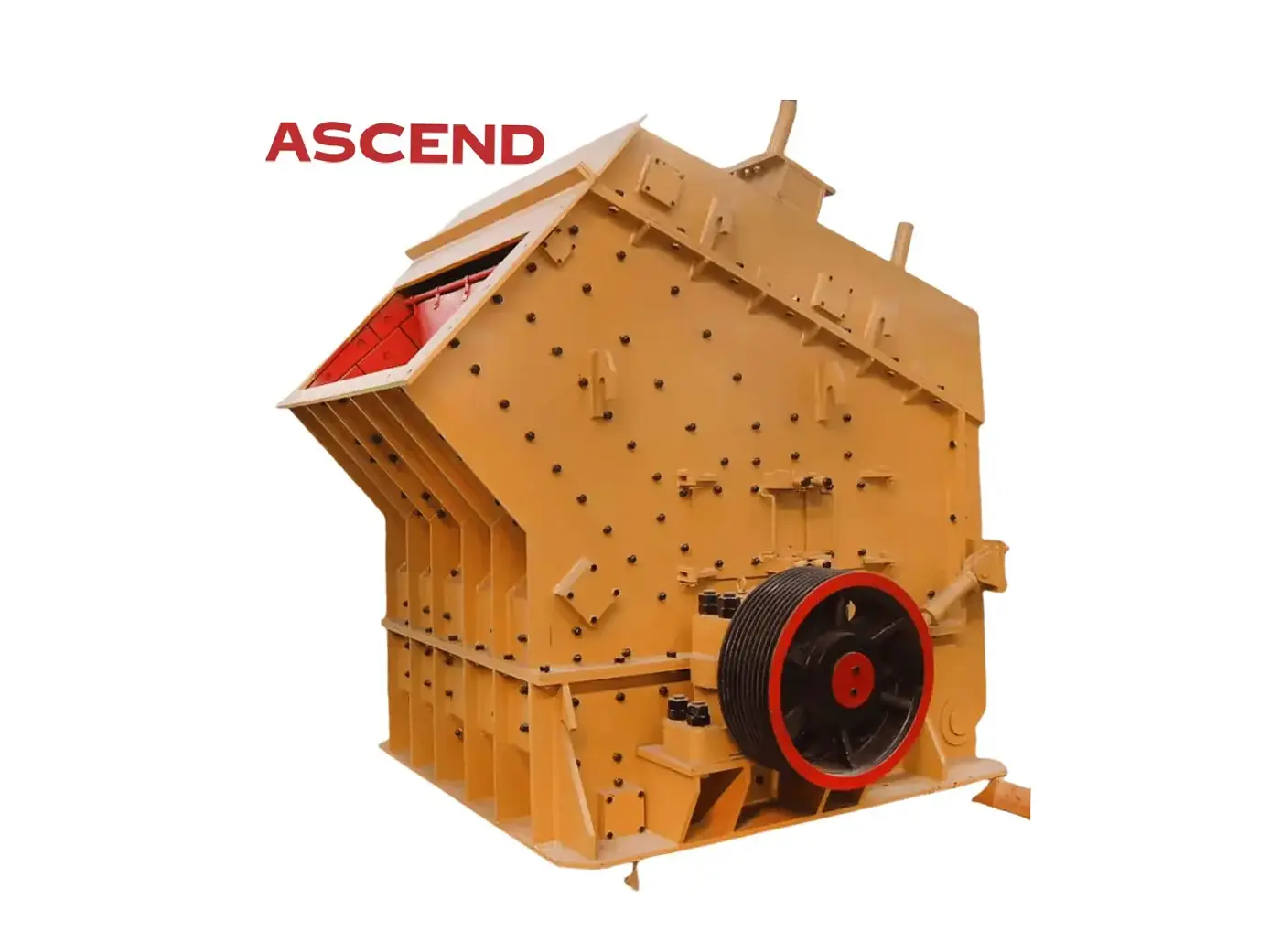
Impact crusher is a kind of secondary crushing equipment which uses impact power to crush materials. Impact crusher is characterized by easy maintenance, high reduction ratios and high efficiency to produce precisely cubic shape products. It is designed with three crushing chambers, seamlessly connected rotor, wear-resistant blow bar and installation of insert type.
Moreover, it has tooth type liner, gradient designed bearing seat, frame with several openings and screws or hydraulic start-up devices. Impact crushers can be used in all different stages of size reduction from primary crushing to the last step of the crushing process. This versatility makes it a perfect fit for recycling operations and quarry sites alike across the Western United States.
Get professional answers to technical queries regarding stone crushers, crushing systems, and environmental compliance rules.
What parameters determine the selection between a Jaw Crusher and an Impact Crusher for primary reduction?
Selection primarily depends on the material’s **Mohs hardness**, **abrasiveness index (Ai)**, and the **target gradation curve**. Jaw crushers are positive-displacement machines that excel in processing hard, highly abrasive stones (like granite, quartzite, and hard basalt) because they use a pressing force. This mechanical design reduces wear on parts, lowering operating costs.
In contrast, impact crushers use dynamic impact energy. They are best suited for soft-to-medium hard minerals (such as limestone, gypsum, and concrete rubble). While impactors produce a more cubical shape and a higher reduction ratio in a single pass, using them on highly abrasive materials (silica content > 10%) significantly increases wear on the blow bars, leading to higher operating costs.
How do Ascend stone crushing plants comply with California's SCAQMD Rule 1157?
SCAQMD Rule 1157 mandates strict PM10 dust control for aggregate production and processing operations. To comply, Ascend integrates specific environmental solutions directly into our plant designs:
High-Pressure Dust Misting Systems: Positioned at the crusher feed inlet, discharge chute, and conveyor transfer points to bind fine particulates without oversaturating the material.
Complete Enclosures: We design hoods and covers for conveyors, screen boxes, and surge bins to contain dust and prevent wind carry.
Electric Drivetrains: Replacing diesel engines with heavy-duty electric motors eliminates local exhaust emissions, simplifying the permit approval process with California regulators.
Why is the cubical shape of aggregate particles critical for Southern California construction specs?
Caltrans and local municipal construction standards require aggregates to have high structural strength. Elongated or flaky particles break easily under traffic loads, compromising the concrete matrix. Cubical particles, produced by our Impact and VSI crushers, pack together more tightly. This improves the structural load-bearing capacity of the asphalt or concrete mix.
Additionally, cubical aggregates require less cement paste or asphalt binder to coat their surface area, reducing material costs for concrete and asphalt batch plants while ensuring compliance with local build specifications.
What support services does Ascend provide for installation, wear parts, and maintenance?
Ascend provides end-to-end service support. We supply replacement parts—including high-manganese jaw plates, chromium blow bars, cone mantles, and replacement screens. Our engineering team assists with plant layouts, structural designs, installation supervision, and commissioning. We work closely with our clients' technical teams to keep their operations running smoothly and minimize downtime.
Corporate Profile
About Henan Ascend Machinery & Equipment Co., Ltd.
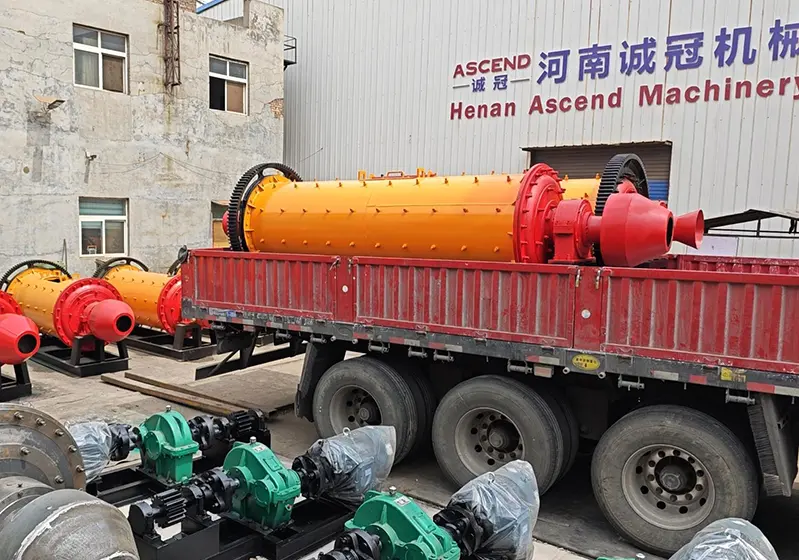
Established in 2005, Henan Ascend Machinery & Equipment Co., Ltd. is located in the High-Tech Industrial Development Zone of Zhengzhou City, Henan Province. For nearly two decades, Ascend has committed to the research, development, engineering design, manufacturing, and support of heavy-duty industrial machinery. Our product range includes crushing, grinding, screening, and mineral dressing equipment.
With equipment running in over 130 countries and regions, we design reliable machines that withstand demanding field conditions. Our engineering teams work closely with operators to deliver customized setups, reliable wear parts, and prompt service. Whether processing hard granite, mineral ores, or recycled concrete, Ascend helps operators keep their plants running efficiently.
Need an Engineered Crushing System or an Estimate?
Get in touch with our engineering team for layout design, equipment pricing, and help with SCAQMD compliance. We design plants to meet your specific capacity and material requirements.
 Ascend