Highly optimized gravity separators, froth flotation cells, and sizing classification circuits designed for sustainable resource recovery.
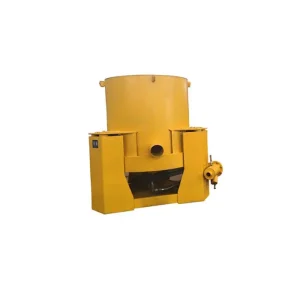
Utilizes enhanced gravitational fields (up to 60G) to capture ultra-fine free gold and heavy minerals without chemical additives, crucial for strict UK environmental permitting.
Technical Specs & Prices →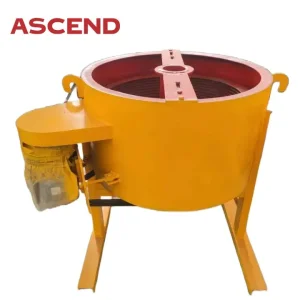
Compact, highly efficient gravity concentrators configured for fast cleanups and alluvial gold recovery. An ideal solution for exploratory and small-scale operations across the UK.
Technical Specs & Prices →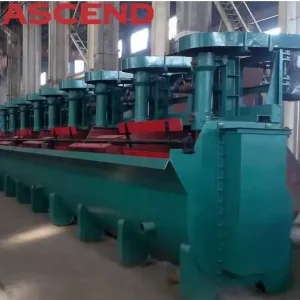
Implements micro-bubble generator tech to optimize recovery of fine minerals such as fluorite, barite, and lithium-bearing mica from complex British ores.
Technical Specs & Prices →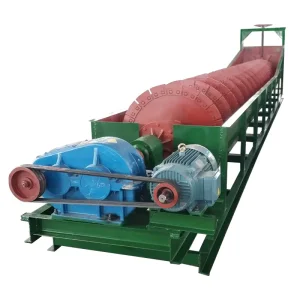
Ensures accurate classification of mineral sands, desliming, and closed-circuit grinding control, reducing recirculating loads and energy consumption.
Technical Specs & Prices →Modern ore dressing, or mineral processing, is the vital link between raw run-of-mine (ROM) materials and pure metallurgy. In the United Kingdom, where mining history dates back to the Bronze Age, the industry is undergoing a structural renaissance. Driven by the UK Critical Minerals Strategy and the push for domestic battery materials (such as lithium and tin in Cornwall), mining operators must deploy highly selective, energy-efficient, and chemically benign technologies.
Traditional mining regions like Cornwall, Devon, Northern Ireland, and parts of Wales and northern England are experiencing renewed exploration. However, the modern UK mining environment differs greatly from historical eras. The key challenge lies in the mineralogy of residual ores—often complex, low-grade, and deeply integrated with gangue minerals. Under the UK's strict regulatory guidelines enforced by the Environment Agency and Local Planning Authorities, chemical processing (such as cyanidation or sulfuric leaching) faces significant hurdles. Therefore, physical separations—specifically gravity concentration, magnetic separation, and advanced froth flotation—are the preferred solutions.
For example, recovering tin from historical tailings or extracting lithium from granite pegmatites in the South West requires advanced classification and multi-stage gravity concentration. High-capacity Knelson-style centrifugal concentrators and precise spiral classifiers are essential for separating fine heavy minerals from silica-rich host rock without releasing hazardous process water into the environment.
Globally, the mining sector is transitioning from high-volume, high-emissions operations to high-efficiency, low-impact processes. Key global trends include:
Integrating various equipment into a unified, high-performing processing circuit is critical to success. A typical modern flow sheet begins with primary size reduction (utilizing heavy-duty jaw crushers), followed by secondary wet grinding (via ball mills or wet pan mills). Classified outputs from spiral classifiers are then fed into gravity separators (shaking tables or centrifugal concentrators) for primary gold, tin, or tungsten recovery. Any remaining base metals or industrial minerals are recovered in downstream flotation cells. By linking these stages, operators achieve maximum recovery rates while maintaining a compact physical footprint.
The transition toward zero-carbon mining and intelligent processing plants.
Integrating variable-frequency drives (VFD) and sensor-based controls in jaw crushers and ball mills to adjust energy inputs dynamically based on real-time feed hardness.
Deploying centrifugal separation systems capable of recovering sub-10 micron mineral fractions from legacy tailings, transforming waste dumps into viable assets.
Constructing integrated modular wash plants that recycle up to 95% of process water, reducing tailing pond footprints and meeting local UK environmental standards.
Explore our engineering cases, designed by specialists to handle complex ore compositions.
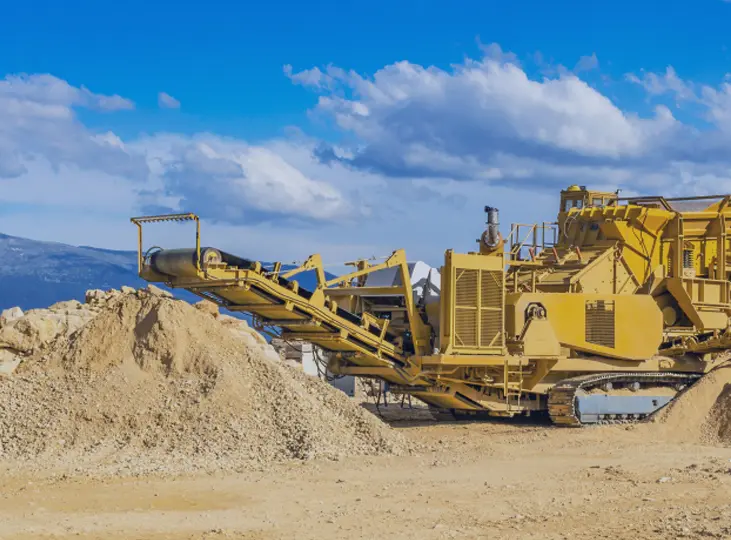
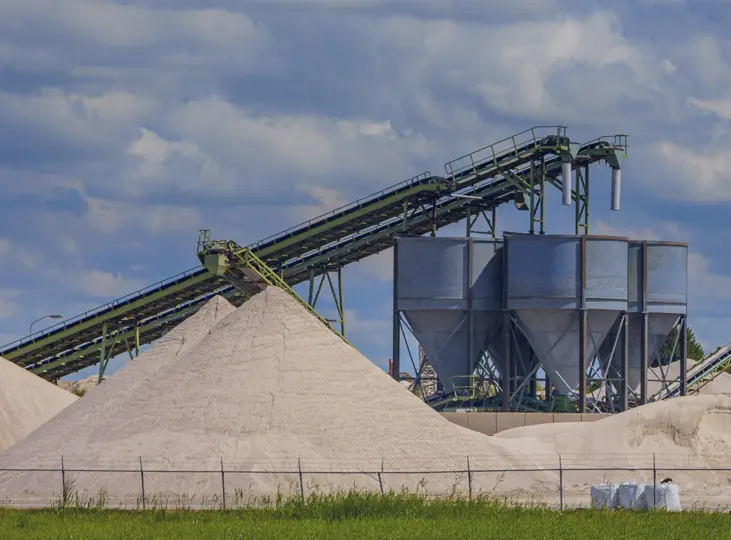
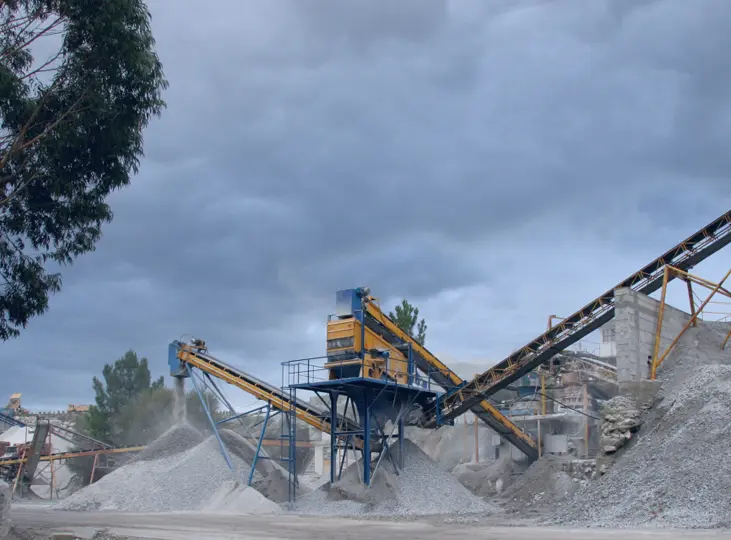
Robustly engineered components designed to withstand harsh operating conditions while maintaining peak metallurgical recovery rates.
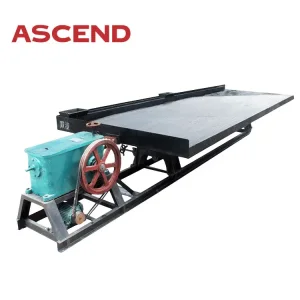
Offers high selectivity for fine and micro-fine mineral separation. Excellent for processing tin, tungsten, tantalum, and precious metals.
Technical Specs & Prices →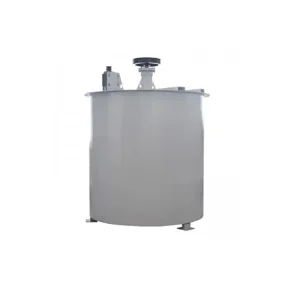
Maintains solid minerals in suspension while ensuring thorough contact between ore particles and chemical flotation reagents.
Technical Specs & Prices →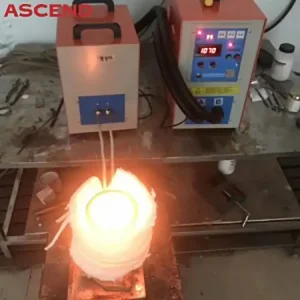
Designed for melting and refining high-grade metallurgical concentrates. Features precise temperature control and low power consumption.
Technical Specs & Prices →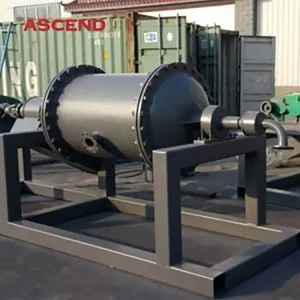
Achieves optimal target liberation sizes. Available in dry and wet discharge variants to suit diverse metallurgical flow sheets.
Technical Specs & Prices →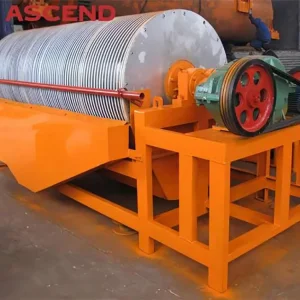
Employs high-intensity permanent magnets to process iron ore and remove tramp iron from industrial sands and feed materials.
Technical Specs & Prices →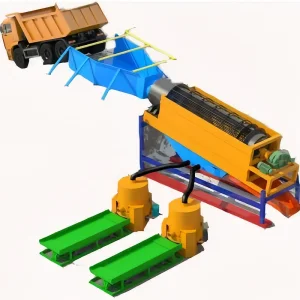
Integrates feed hopper, washing trommel, and recovery sluices on a single mobile chassis for rapid deployment at remote sites.
Technical Specs & Prices →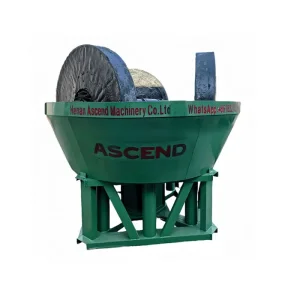
A cost-effective solution combining wet grinding, mixing, and rolling. Popular among small-scale miners for its simple maintenance.
Technical Specs & Prices →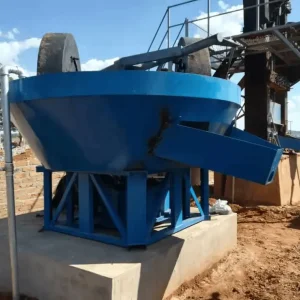
Engineered with cast-iron rollers and high-wear-resistant alloy plates to ensure reliable 24/7 mineral grinding cycles.
Technical Specs & Prices →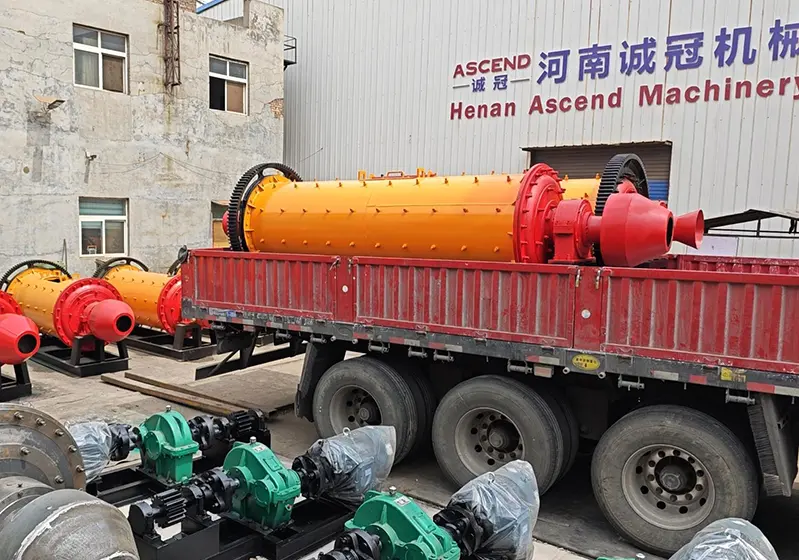
Established in 2005 and located in the High-Tech Industrial Zone of Zhengzhou City, Henan Province, **Henan Ascend Machinery & Equipment Co.,Ltd.** is a leading enterprise in mining machinery research, development, and manufacturing.
Our business covers more than 130 countries and regions worldwide, particularly in Africa, Southeast Asia, and Europe. Our product range includes heavy-duty crushing, grinding, screening, feeding, and conveying equipment for various materials, including limestone, granite, aggregates, and precious metals.
We operate our own state-of-the-art production facilities, which allows us to guarantee high build quality, maintain competitive prices, and offer tailored engineering advice to meet your specific operational needs.
Send Inquiry NowExpert answers to common questions about mineral recovery, plant optimization, and environmental compliance.
Gravity separation systems (such as Knelson concentrators and shaking tables) are highly efficient and run entirely on physical principles, requiring zero chemical agents like cyanide or acids. This makes them ideal for the UK’s strict environmental permitting process, which prioritizes clean, eco-friendly discharge water and minimal tailings impact.
Flotation is sensitive to particle sizing. If the feed is too coarse, the weight of the minerals can overcome the bubble attachment force, causing them to sink. If it is too fine, the particles can coat larger ones (a phenomenon called slime coating), reducing selectivity. Spiral classifiers and hydrocyclones are essential to regulate feed sizes, ensuring they stay within the optimal range (typically 10 to 150 microns).
Yes, centrifugal concentrators excel at recovering fine, liberated metals from tailings. By generating centrifugal forces up to 60 times gravity, these units capture fine gold, silver, and platinum group metals that might bypass standard sluices or shaking tables.
Wet grinding (typically done in ball mills or wet pan mills) creates a pumpable slurry that is easy to classify and feed into downstream gravity or flotation separation stages. Dry grinding, while reducing water consumption, requires complex air classification systems and is usually reserved for industrial minerals that are sensitive to water contact.
Get in touch with our metallurgical engineers to discuss your project requirements, request a custom flow sheet design, or obtain a quote for our heavy machinery.
Send Inquiry Now Ascend