Explore our high-performance manufacturing lineup, serving high-throughput processing environments globally.
An authoritative review of market dynamics, material characteristics, and processing efficiency parameters.
Limestone (calcium carbonate, CaCO₃) stands as the foundational raw material for modern infrastructure, cement manufacturing, chemical processing, and metallurgical applications. Globally, the demand for high-purity limestone aggregate is rising rapidly due to extensive urbanization and infrastructure rehabilitation programs. To capitalize on these requirements, operators need to understand the mechanical behavior of limestone, which can range from highly friable, low-silica deposits to highly abrasive, high-quartz variations. Selecting and deploying a wholesale limestone stone crushing plant requires analyzing geological composition, processing capacity, and particle size distribution (PSD) requirements.
Unlike harder materials like granite or basalt, limestone features a lower Mohs hardness index (typically 3 to 4), making it highly suitable for impact reduction. However, impurities such as silica (SiO₂) dramatically increase tool wear. If the quartz content exceeds 5%, standard blow bars in impact crushers wear out quickly, leading to high operational costs (OpEx). Under these conditions, a configured compression-crushing circuit (integrating jaw and cone crushers) is required. Henan Ascend Machinery helps operators balance capital expenditure (CapEx) and long-term operating costs by designing custom systems tailored to specific rock properties.
A step-by-step breakdown of high-efficiency comminution and classification pathways.
Raw limestone extracted from quarries often exceeds 500mm in size. Heavy-duty jaw crushers (such as the PE series) perform the initial primary reduction. Utilizing compressive force between a fixed and moving jaw die, the system reduces run-of-mine (ROM) materials down to 100–150mm. Correctly adjusting the closed-side setting (CSS) is essential to maximize output and avoid downstream bottlenecks.
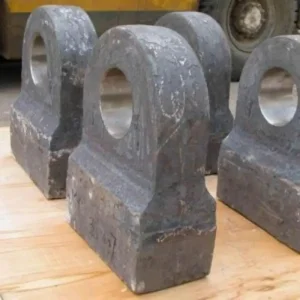
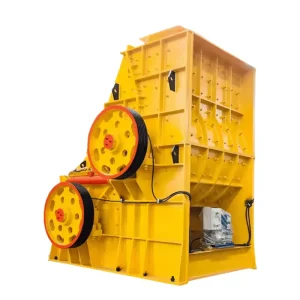
To produce highly cubic aggregate, the material is fed into secondary impact crushers. These machines use heavy blow bars on a high-speed rotor to break the stone along natural cleavage planes. The resulting cubic product fits well in concrete and asphalt specifications. For highly abrasive deposits, high-manganese alloy blow bars with ceramic inserts are used to extend service life.
Following secondary crushing, products pass through circular vibrating screens (like the YK series) to segregate distinct size fractions (e.g., 0-5mm, 5-10mm, 10-20mm). Oversized fractions are returned to the secondary crusher in a closed-circuit configuration. If manufactured sand is required, Vertical Shaft Impactors (VSI) are used to shape particles and produce clean, high-strength sand.
Discover our customized solutions engineered for challenging geological environments.
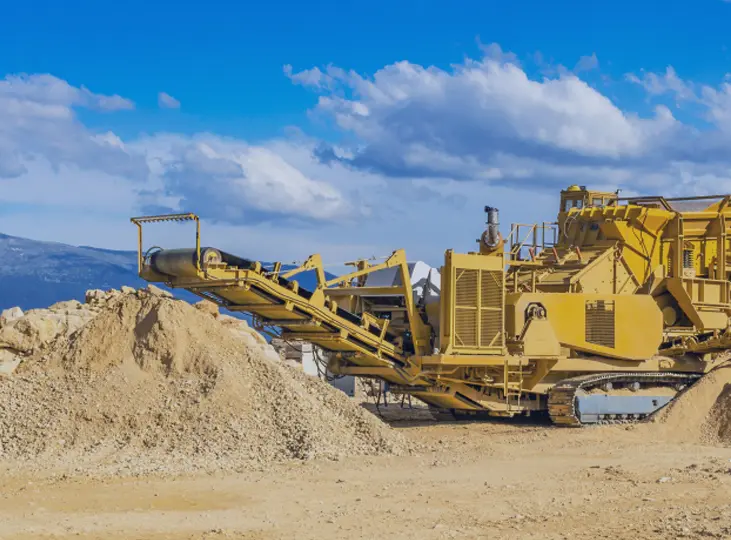
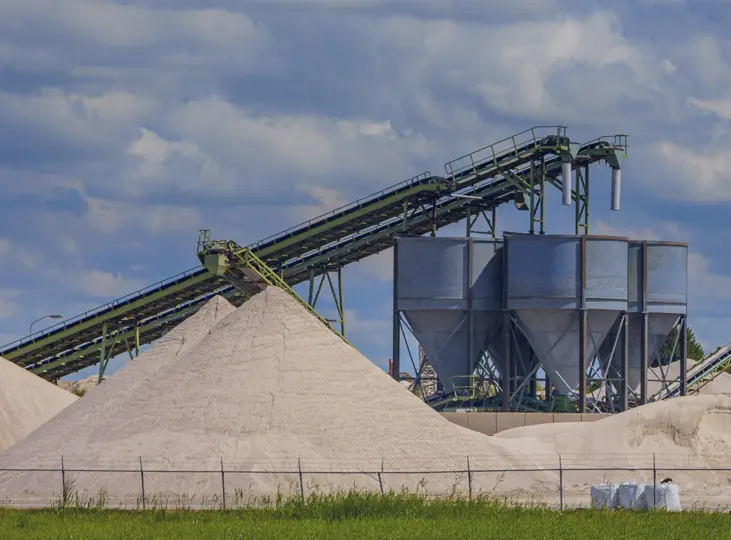
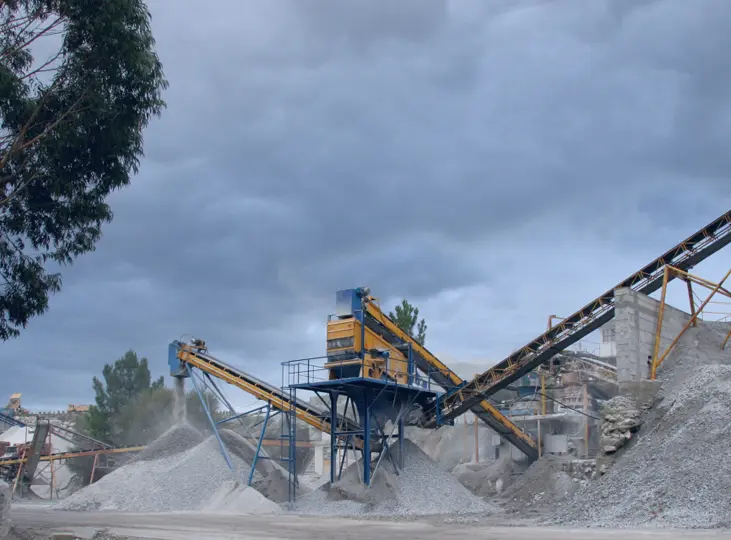
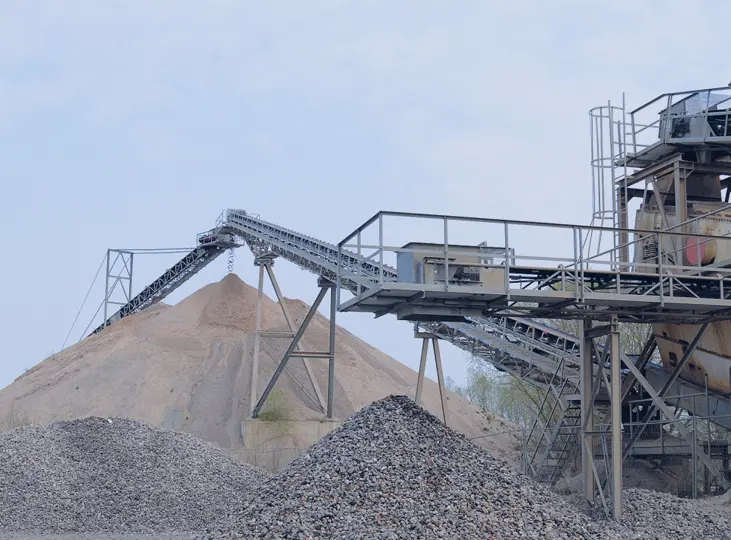
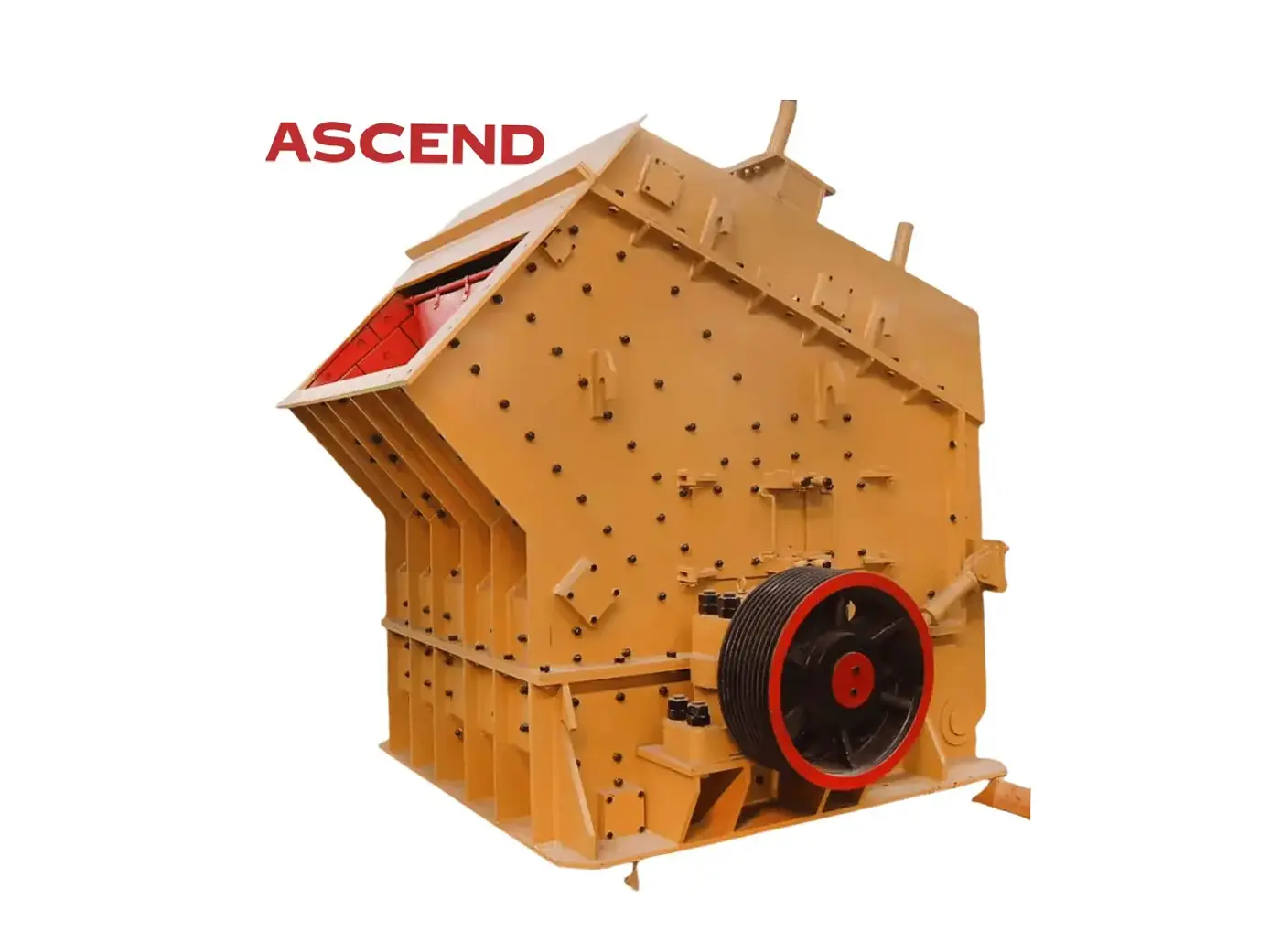
Our primary and secondary impact crushers are engineered to handle high crushing ratios with minimal energy consumption. They feature robust, balanced rotor structures, heat-treated alloy steel shafts, and adjustable impact aprons to control product size distributions.
Equipped with quick-change blow bar locking mechanisms and hydraulic opening assemblies, these systems reduce routine maintenance downtimes from days to hours, ensuring high operational availability in demanding aggregate production lines.
How Henan Ascend leverages industrial integration to deliver cost-effective, high-reliability equipment.
Based in Zhengzhou's industrial hub, we access specialized steel foundries to source high-manganese (Mn13Cr2, Mn18Cr2) components and heavy steel castings. This ensures structural frames can withstand continuous shock loads in tough conditions.
Our CNC machining centers process shafts, eccentric bearings, and toggle seats to tight tolerances. Precision machining prevents overheating under load, extending bearing service life.
With direct links to major shipping ports like Qingdao and Tianjin, and rail access to Central Asia, we manage shipping, customs clearance, and heavy-cargo logistics to over 130 countries efficiently.
Adapting crushing plant configurations to regional conditions and environmental constraints.
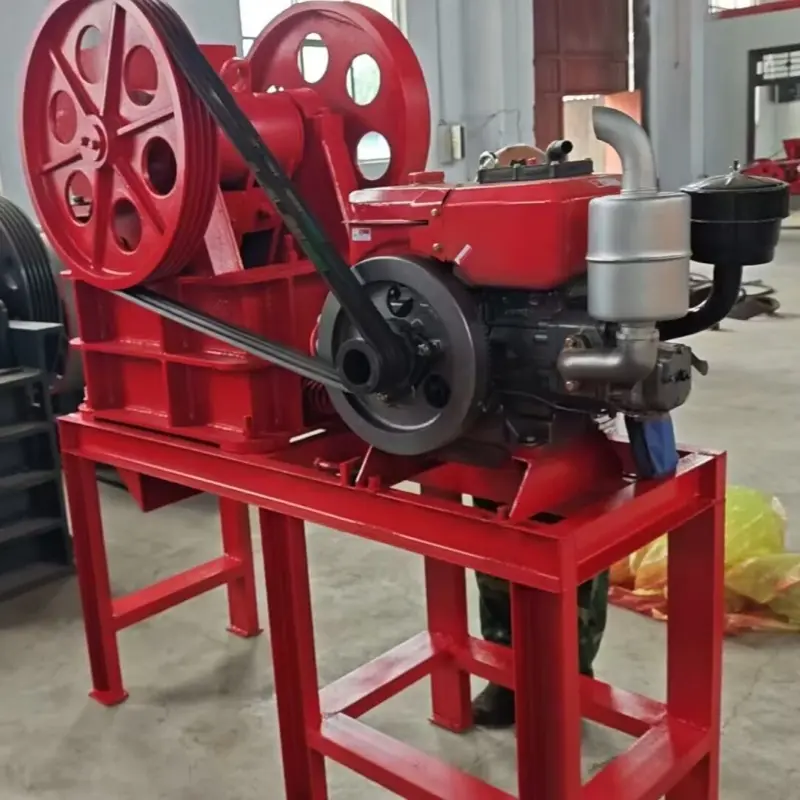
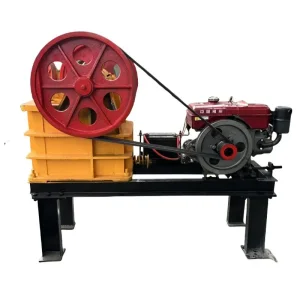
Operating environment characteristics vary significantly by region. In Sub-Saharan Africa (such as Zambia, Sudan, and Tanzania), mining projects are often located in remote areas with unstable grid infrastructure. Here, we configure plants using diesel-driven engines or integrated mobile trailer platforms. This setup allows operators to generate aggregate close to site, eliminating dependency on local utilities.
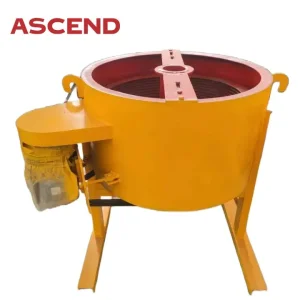
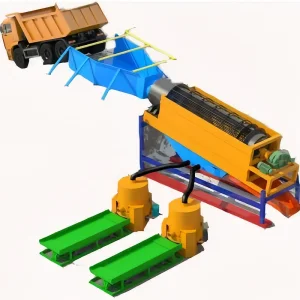
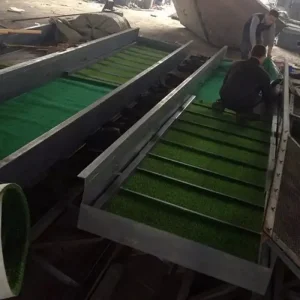
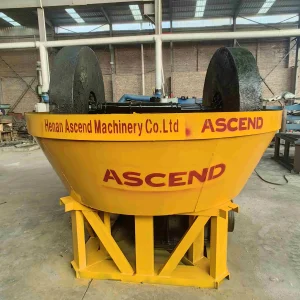
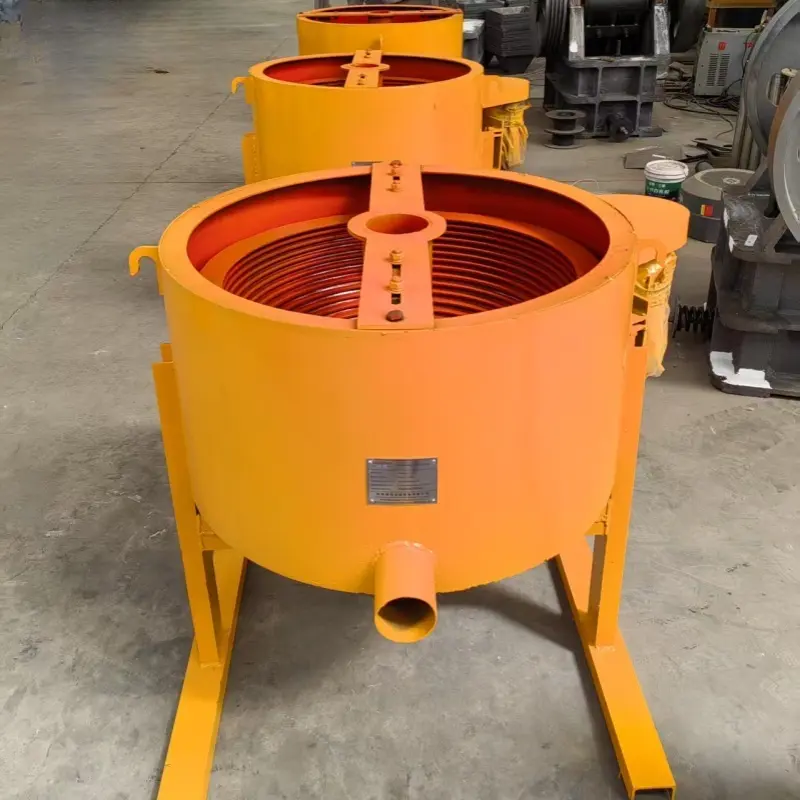
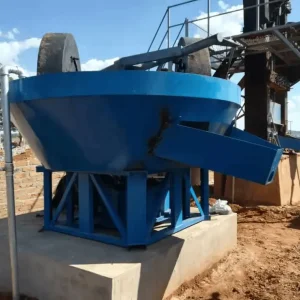
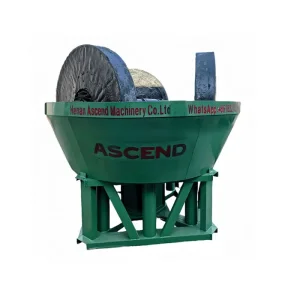
In contrast, projects in Southeast Asia must contend with high-moisture clay and heavy tropical rainfall, which can clog screens and choke hopper chutes. To address these issues, we deploy wet-pan mills, high-frequency washing trommels, and custom screening surfaces to process sticky limestone without material buildup.
Real-world installations operating across diverse geological conditions.
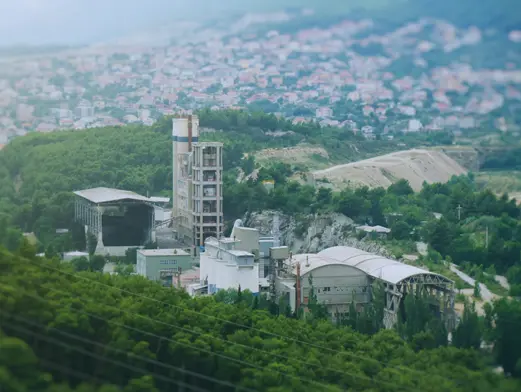
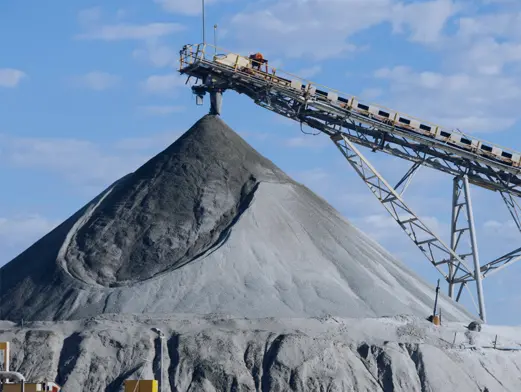
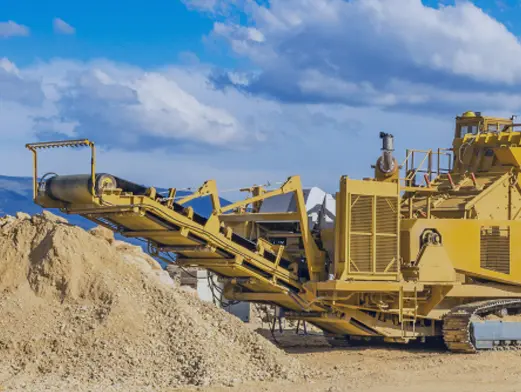
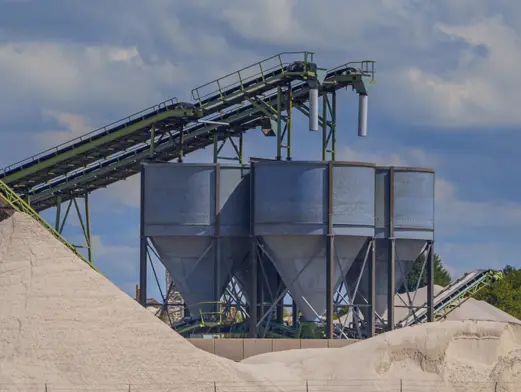
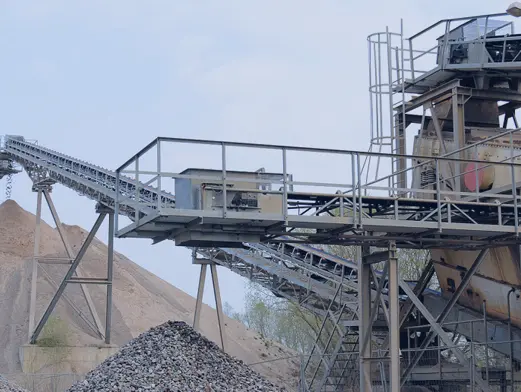
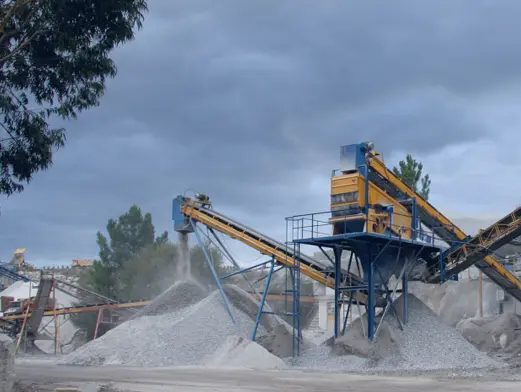
Keep track of our latest project dispatches and global site installations.
 November 2025
 August 2025
Henan Ascend Machinery & Equipment Co., Ltd. was established in 2005 and is located in the High-Tech Zone of Zhengzhou City, Henan Province. For two decades, Ascend has focused on the research, development, manufacture, and global service of industrial crushing, grinding, screening, feeding, and conveying systems.
Whether processing limestone, granite, river gravel, or extracting precious minerals, our engineering teams provide customized processing routes to meet target particle sizes and throughput. Our in-house manufacturing facilities guarantee quality control and cost-efficiency.
Key engineering and design considerations for limestone processing operations.
The decision depends on the silica (SiO₂) content of the feed rock. If the silica content is below 5%, an impact crusher is typically preferred because it produces highly cubic products with lower energy consumption. If silica content exceeds 5%, the material becomes abrasive, making a cone crusher a more cost-effective secondary reduction method due to lower wear parts costs.
Silica is significantly harder than calcium carbonate. High silica levels lead to abrasive wear on blow bars and liner plates. High-manganese alloys (such as Mn18Cr2) or chrome-alloy matrix composites with ceramic inserts are typically recommended for feedstocks with elevated silica content to prolong operational life.
A standard 200 TPH circuit consists of a vibrating feeder with a grizzly bypass section, a primary jaw crusher (PE750x1060), a secondary impact crusher (PF1315), a triple-deck vibrating screen (3YA2160), and a return conveyor system for closed-circuit sizing.
Diesel-driven crushers eliminate the need for high-voltage grid connections, reducing upfront infrastructure costs and project setup times. This makes them highly suitable for remote road building, aggregate production, and mining sites.
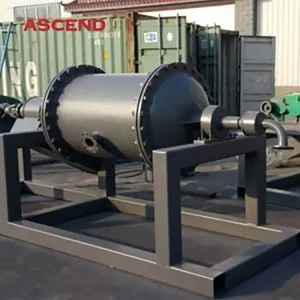
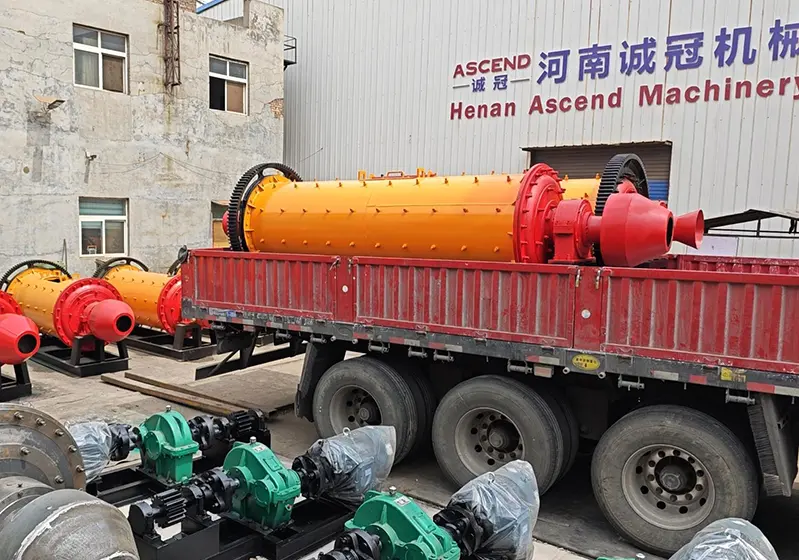
Key maintenance practices include regular lubrication of main bearings, monitoring gear alignment, ensuring correct ball-charge volume, and conducting ultrasonic thickness testing on internal shell liners to prevent structural cracks.
Closed-circuit crushing recirculates oversized material from the screens back into the secondary or tertiary crusher. This setup controls the maximum size of the discharge and increases the yield of desired product fractions.
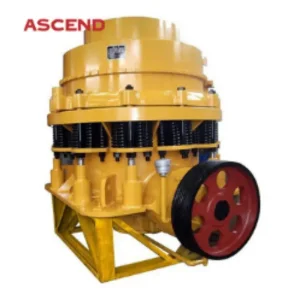
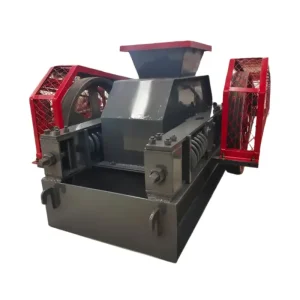
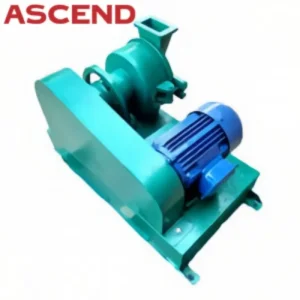
Heavy equipment configurations engineered for high throughput and reliable performance.
 Ascend