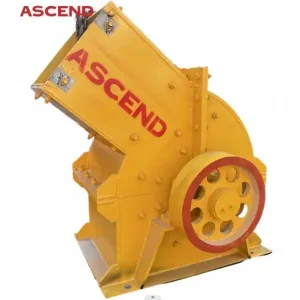
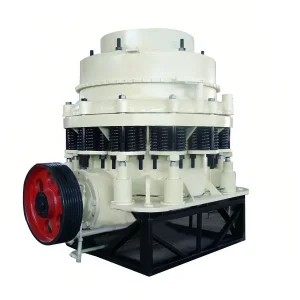
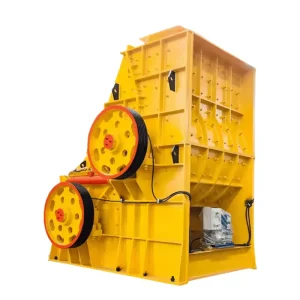
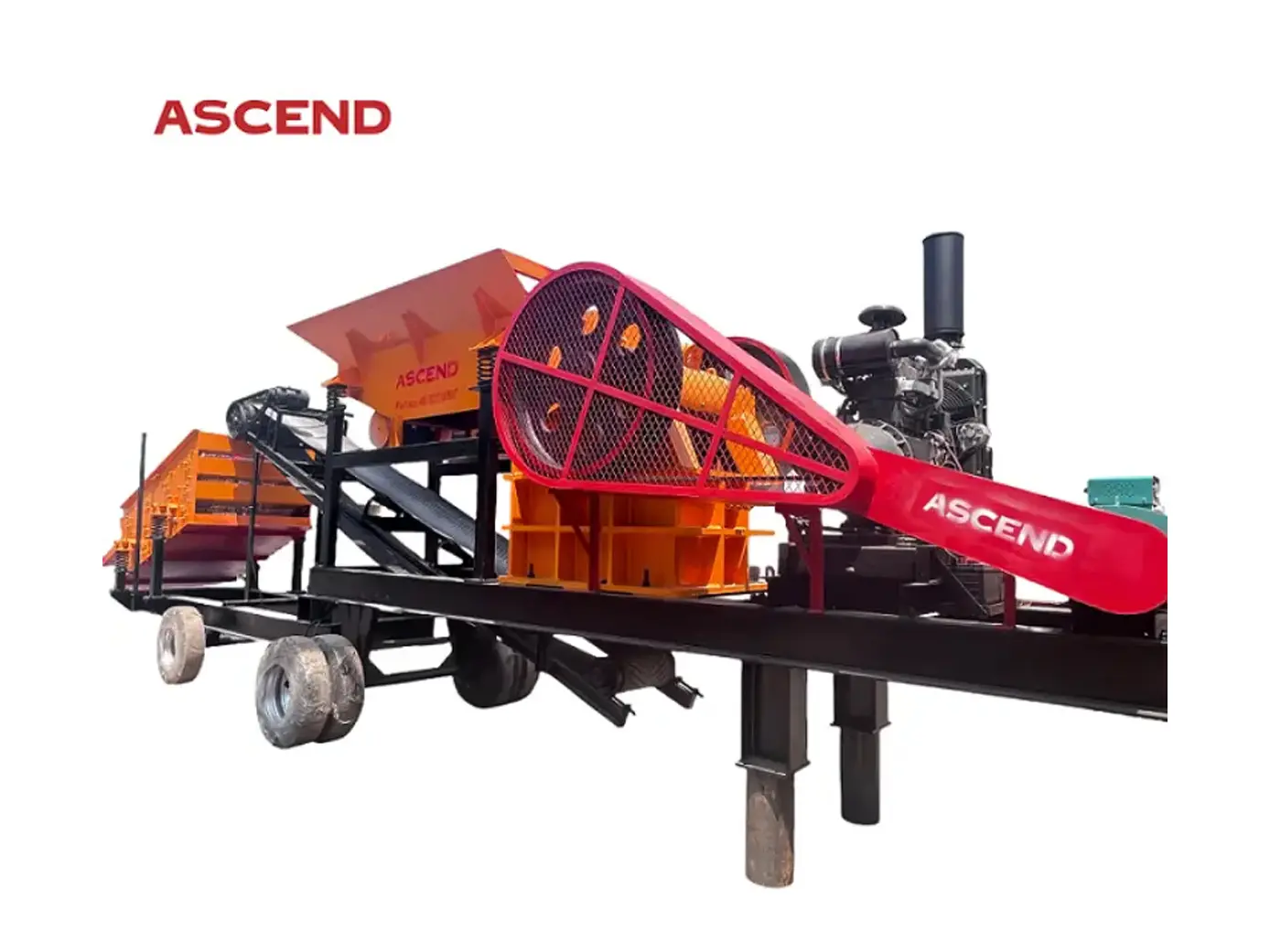
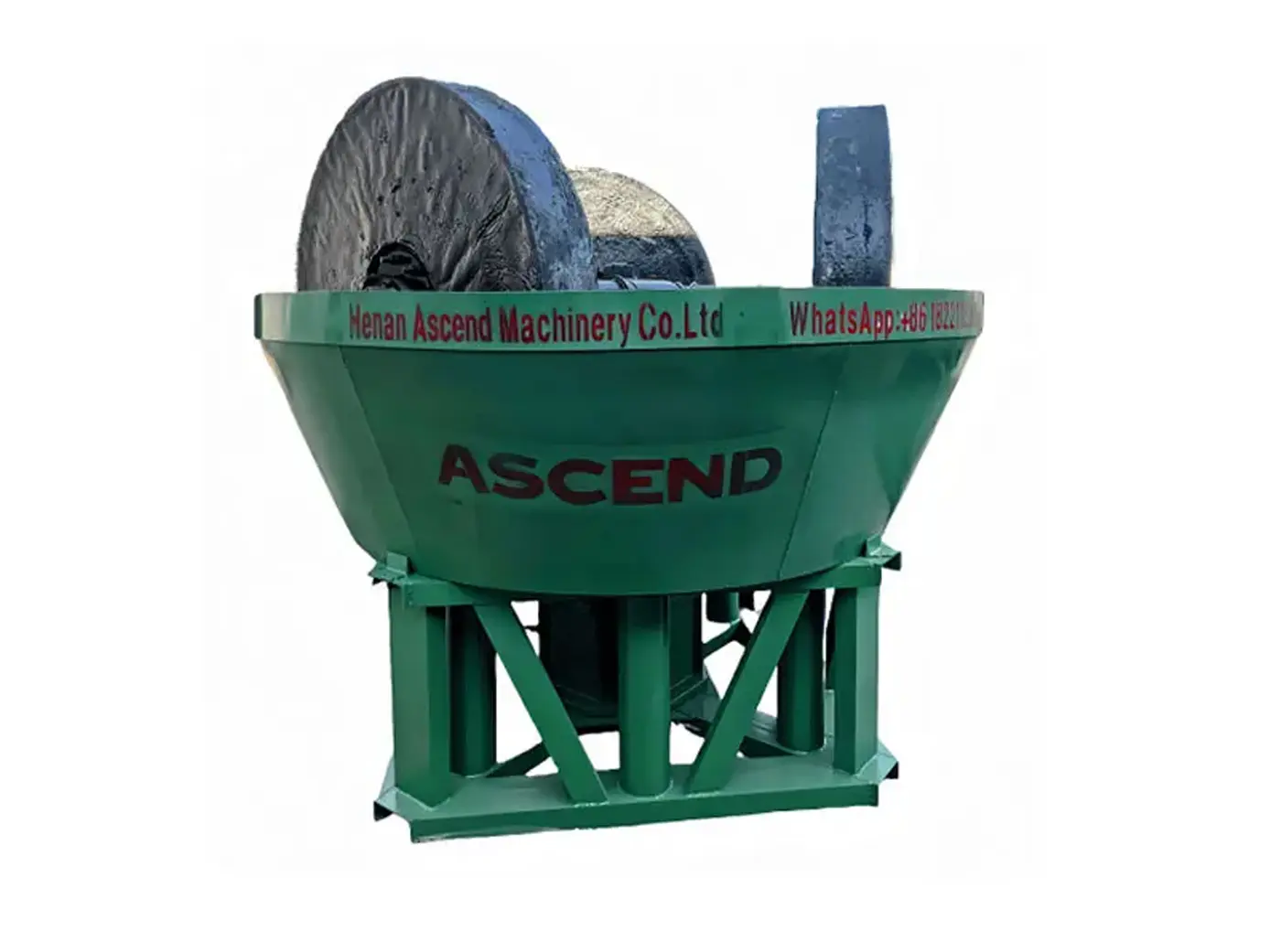
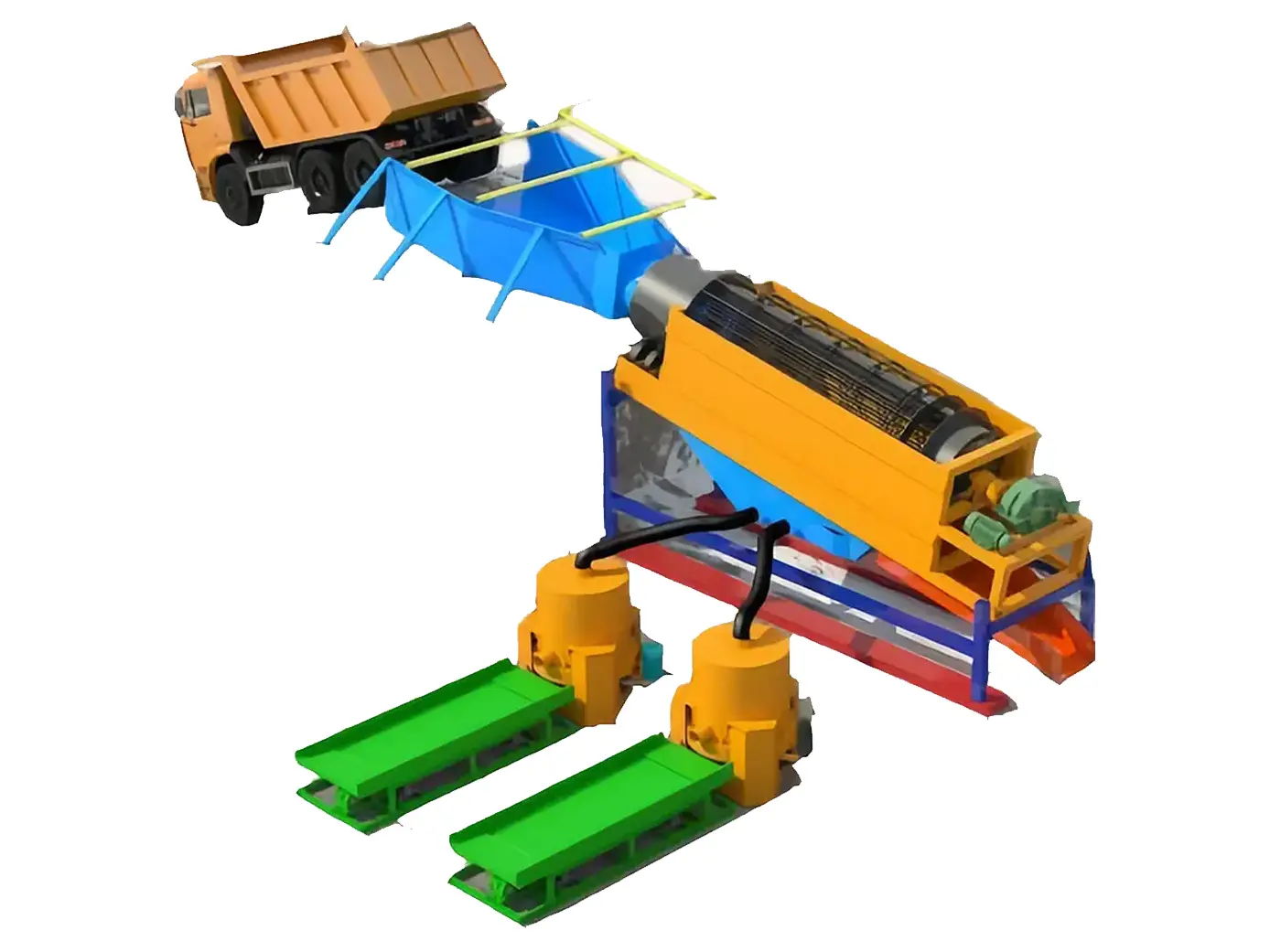
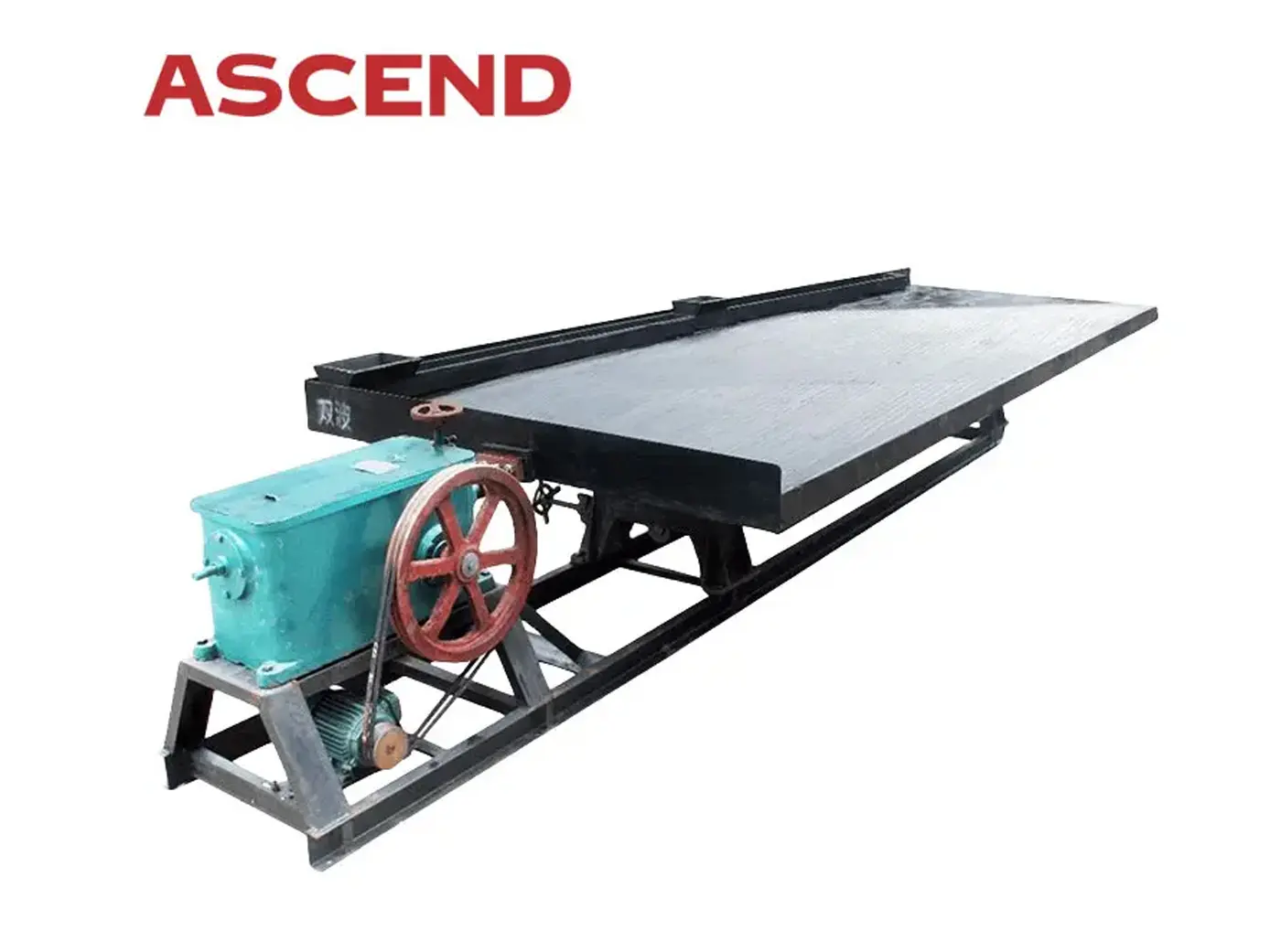
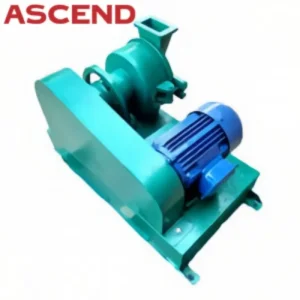
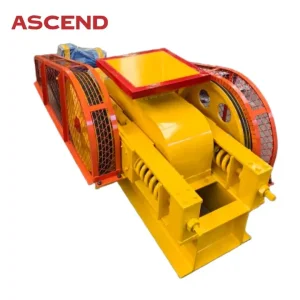
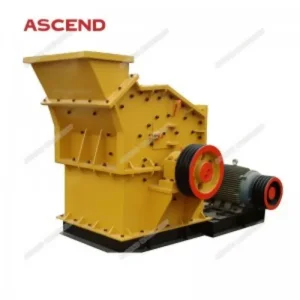
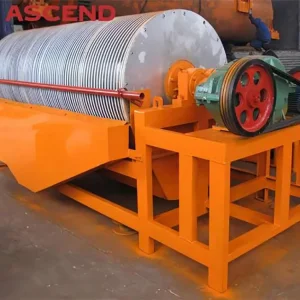
Explore our advanced inventory of industrial mills, crushers, and recovery equipment tailored for performance-critical environments.
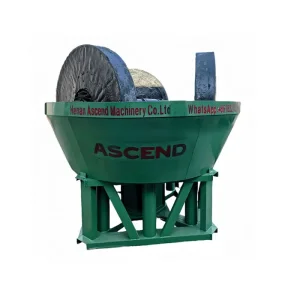
Navigating Supply Chain Volatility, Material Selection, and Strategic Sourcing in Heavy Infrastructure Applications
In the primary stage of mineral reduction and aggregate processing, jaw crushers function as the initial, high-stress gatekeepers of production. Consequently, the demand for replacement wear items—such as jaw plates (both swing and fixed), toggle plates, pitman assemblies, side liners, and eccentric shafts—remains dynamic. Industry metrics confirm that aggregate demand in fast-developing economic corridors, combined with steady extraction of iron ore, copper, gold, and lithium worldwide, is pushing operations to increase equipment run-times. Procuring parts directly from reputable wholesale manufacturers is no longer just a purchasing choice; it is a vital strategy to prevent unplanned shutdowns and secure reliable cost-per-ton metrics.
Countries Reached
Year Established
OEM Compatible
Maximum Alloy Grade
Sourcing strategies have changed from simple, reactive ordering to planned, long-term procurement programs. Industrial mines in South America, North America, Sub-Saharan Africa, and Southeast Asia need parts that arrive quickly and fit perfectly with original equipment layouts. High-grade alloys are preferred because typical lower-cost castings often fail early under high pressure. This failure can result in frame stress, uneven wear, and a drop in overall throughput.
Modern mineral extraction requires specialized materials that can handle different levels of rock hardness and abrasiveness. Authentic crushing machinery relies on high-manganese steel alloys, which work-harden under heavy impact. This hardening helps extend the component's working life.
Additionally, modern manufacturing uses Finite Element Analysis (FEA) to redesign jaw tooth profiles. By modifying tooth patterns—such as heavy-duty, quarry, sharp, or corrugated designs—engineers can optimize material flow, prevent packing at the discharge opening, and ensure even wear across the face of the plate. This improves crushing efficiency and lowers the overall cost per ton of processed material.
Beyond material selection, structural design plays a crucial role in preventing premature failures. The toggle plate serves as a mechanical fuse, designed to buckle or break under extreme, non-crushable loads (such as tramp iron) to protect the costly eccentric shaft and crusher frame. Standard castings must fail reliably at a calculated shear pressure, whereas the jaw plates require uniform structural support behind the tooth profiles. Improperly machined backs of jaw plates lead to localized stress concentrations, resulting in micro-fractures and loose plates during operation. Our partner foundries employ precision planar milling to ensure the rear surfaces of the jaw plates are perfectly flat, allowing full contact with the crusher frame and pitman backing plates.
By utilizing premium manganese alloys and tailored tooth geometries, mine operators reduce maintenance cycles and increase cumulative tonnage throughput.
Every spare part, from cheek plates to eccentric shafts, is engineered according to exact dimensional tolerances, ensuring hassle-free onsite installation.
Foundry practices utilize computerized thermal modeling and ultrasonic non-destructive testing (NDT) to prevent internal shrinkage cavities and casting voids.
Global infrastructure initiatives demand massive volumes of high-quality aggregates. Operators face the challenge of meeting these volume requirements while operating under tight regulatory margins. Implementing a preventative wear management program is essential. By tracking operating hours and measuring tooth wear indicators, site managers can schedule maintenance during planned plant shut-downs rather than reacting to catastrophic in-pit failures. Transitioning to reliable, high-integrity wear components directly translates to stabilized yield outputs, predictable operating expenditures (OPEX), and consistent feed sizing for secondary and tertiary cone crushers.
The industry is moving toward "smart crushing" setups, which use sensors embedded in the crusher frame and toggle seats to monitor real-time stress levels, operating temperature, and wear patterns. By pairing this data with historical performance, predictive algorithms can warn operators when parts are near failure or when jaw plates need to be flipped. The next generation of manganese liners may feature integrated wear indicators, allowing operators to track performance remotely and coordinate replacement deliveries automatically.
Tailored heavy mining machinery solutions designed to meet the demands of operations worldwide.
Ascend has developed steadily since its establishment. Its business covers more than 130 countries and regions around the world, especially in Africa and Southeast Asia. Also, Ascend machine quality and after-sales service have won widespread praise from international customers.
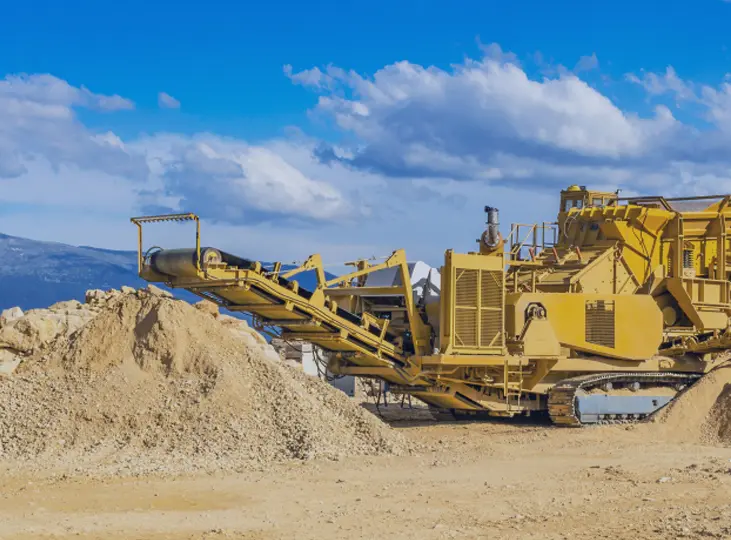
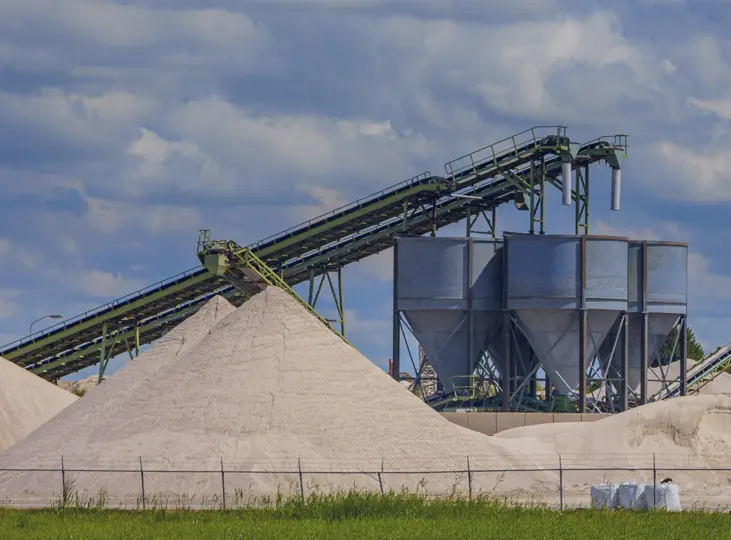
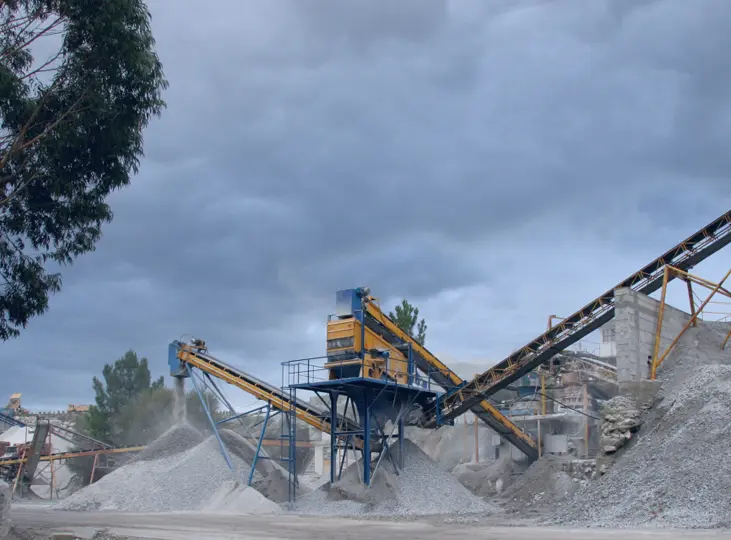
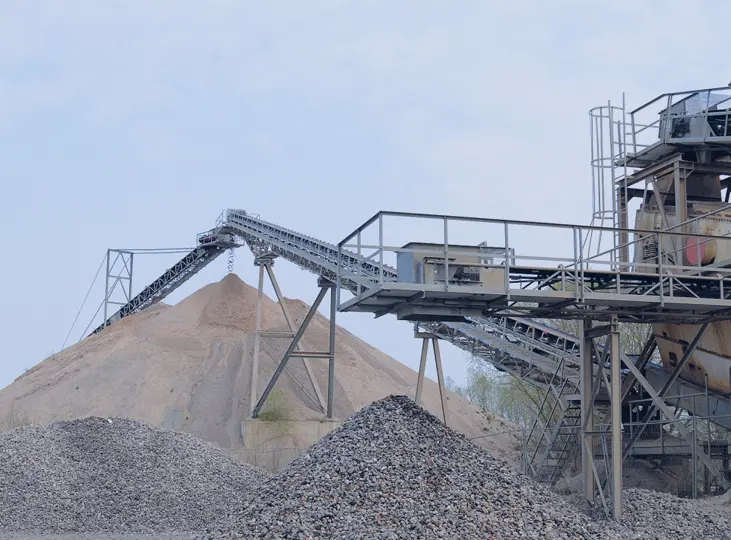
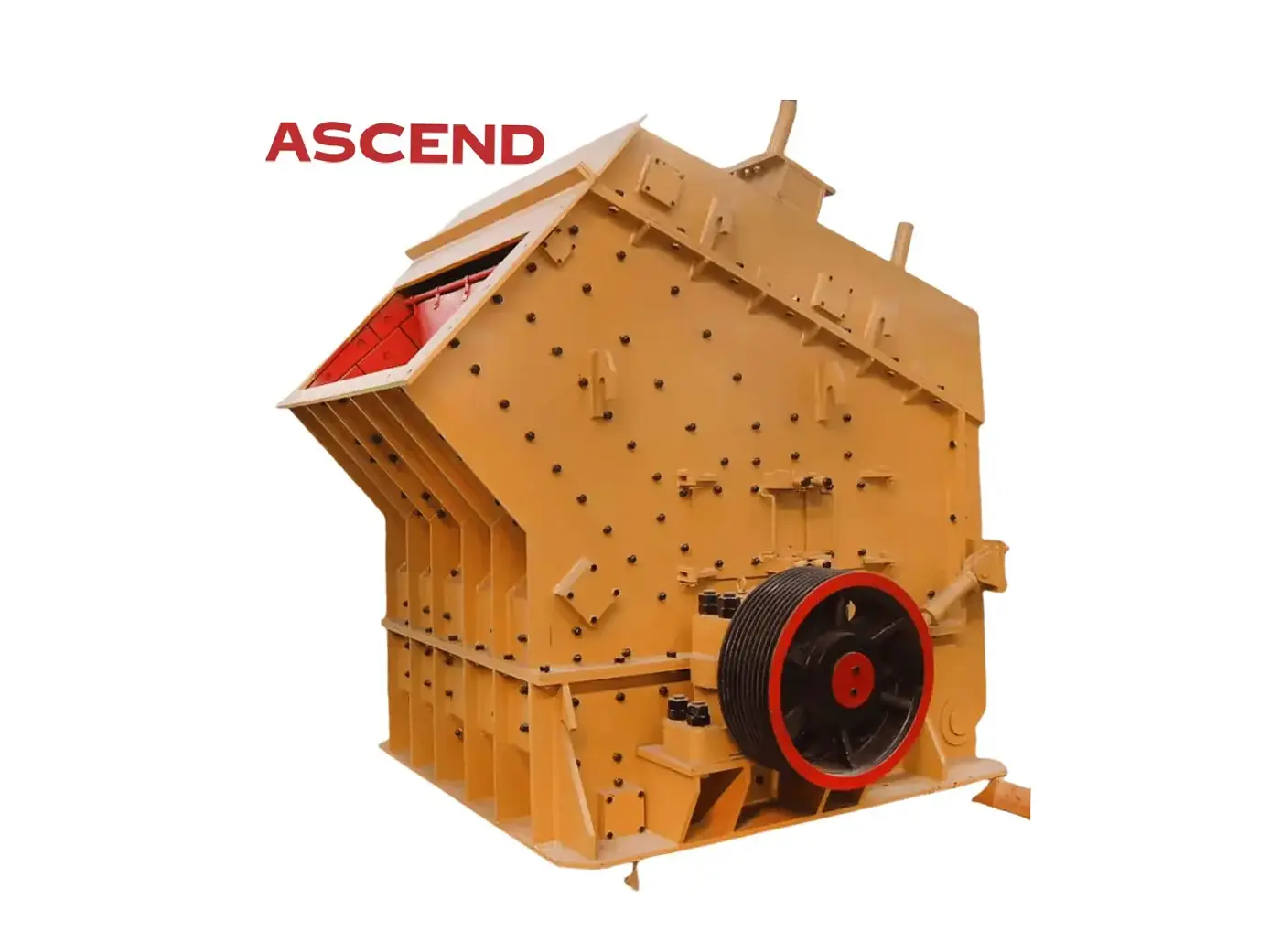
Reliable secondary, tertiary, and portable systems for variable size reduction operations.
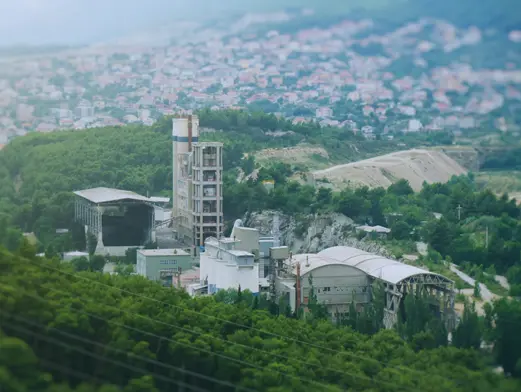
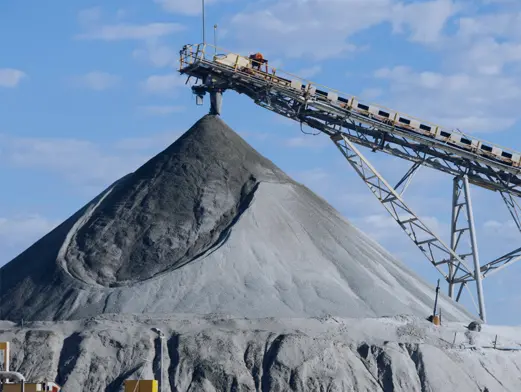
Proven project sites operating globally, showcasing reliable material reduction and mineral concentration.
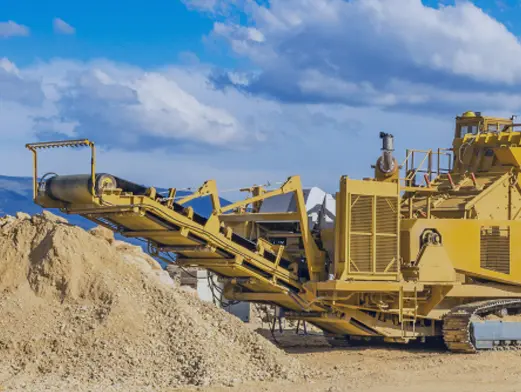
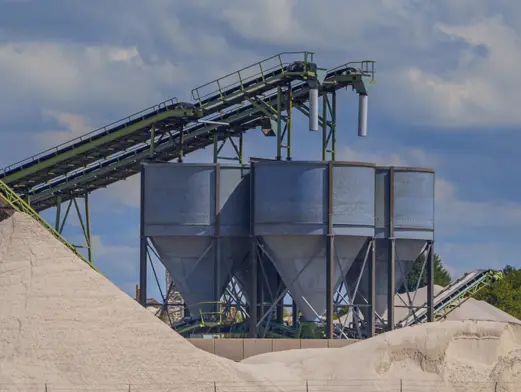
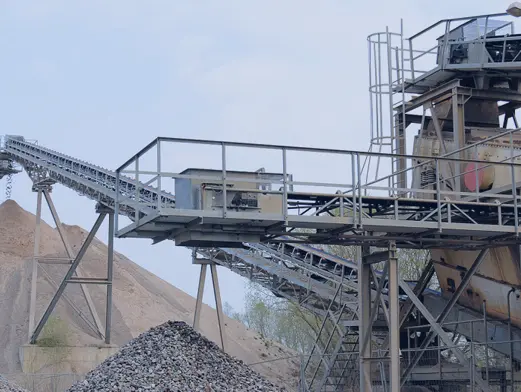
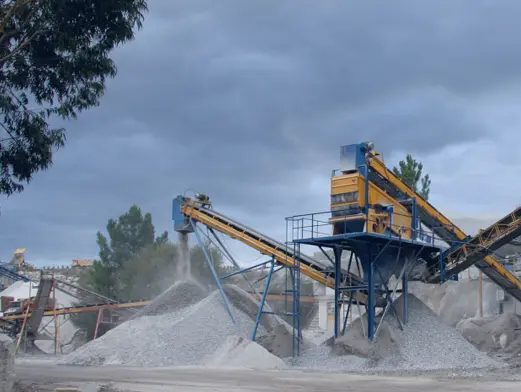
Track our global distribution operations, production updates, and machinery shipments to worldwide mining sites.
 Nov 2025
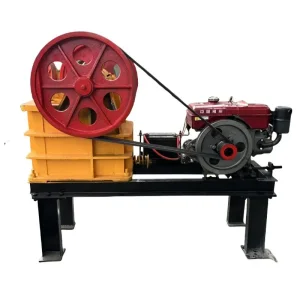
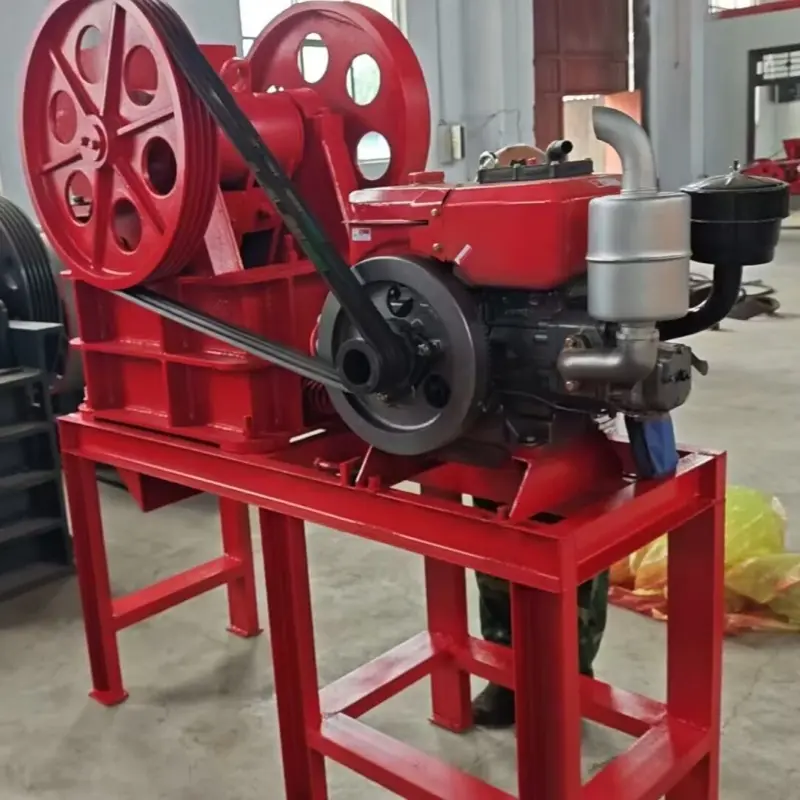
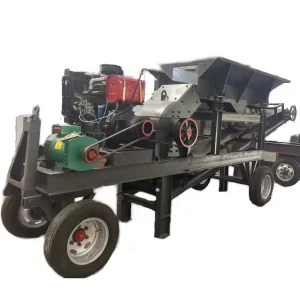
Successfully packaged and loaded PE250x400 modular crushers powered by remote diesel engines, designed for reliable gold ore preparation in PNG.
Aug 2025
 Jul 2025
Jul 2025
Jun 2025
Jul 2025
Jul 2025
Jul 2025
Jun 2025
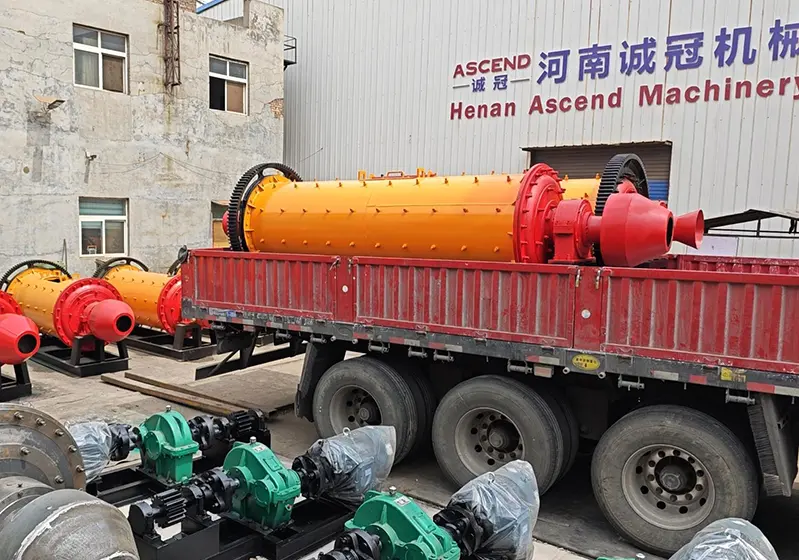
Henan Ascend Machinery & Equipment Co.,Ltd. was established in 2005 and it is located in the high-tech zone of Zhengzhou City, Henan Province.
Ascend is mainly engaged in the research and development, manufacturing, sales and after-sales service of complete sets of crushing, grinding, screening, feeding and conveying heavy mining machinery. If you need to crush limestone, granite, gravel or other stone, or grinding them into powder, or extract gold, please feel free to contact us. Just tell us your needs and our engineers can provide you with professional advice. And we have our own factory, the quality of the machine is guaranteed, the price is more advantageous. We believe that we will be your good choice.
Read More →Insights from metallurgical specialists and quarry managers regarding common maintenance challenges and purchasing requirements.
The choice depends on the Feed material's Mohs hardness and silica content. For soft limestone, Mn13% is adequate as it work-hardens sufficiently under low-to-moderate impact. For hard river gravels or granite, Mn18% offers the optimal combination of wear life and structural stability. When processing highly abrasive ores (such as quartz or high-grade iron ores), Mn22% is recommended to prevent rapid abrasion of the tooth profile.
Cracking is often caused by an uneven or non-machined backing plate, which creates point-load stresses against the pitman or main frame. Alternatively, casting voids or improper heat treatment at the foundry can leave the manganese brittle, leading to structural failure under heavy impact.
A jaw plate should be rotated when the teeth in the lower third (corrugated wear zone) have worn down by 50% to 60%. Flipped plates utilize the unworn upper teeth, extending total component life. The plate must be replaced before the wear begins to degrade the backing plate or the crusher's cast iron structural frame.
Yes. By utilizing precision laser scanning and 3D CAD modeling, engineers can replicate original dimensions for legacy equipment. This custom approach optimizes tooth profiles and geometry to suit changes in feed materials or production requirements.
The toggle plate acts as a mechanical fuse. It must be cast from high-quality gray iron with a precise shear rating. If the toggle plate is made from too tough an alloy, it won't break when uncrushable material enters the chamber, which can damage the expensive pitman or crack the crusher's main frame.
Our quality control process includes ultrasonic testing (UT) and magnetic particle testing (MT) to detect internal cracks or air pockets. Every batch of castings undergoes chemical analysis and hardness testing to ensure alignment with international metallurgical standards before shipment.
Explore our complete range of classifiers, washers, mills, and crushing systems designed to optimize your recovery process.
 Ascend