Engineered to deliver high throughput and long-life reliability under extreme mining conditions.
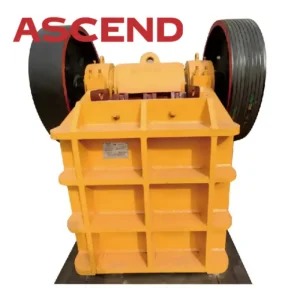
The global mining sector is shifting toward extreme operational environments where safety, raw processing capacity, and energy conservation dictate project viability. The jaw crusher, serving as the critical primary step in comminution circuits, is undergoing intense technological transformations. Modern engineering demands focus heavily on finite element analysis (FEA) optimized frames, shifting from welded structures to single-unit cast steel configurations that successfully absorb high levels of stress.
Automation and Industrial IoT (Internet of Things) integration have redefined real-time diagnostics. Predictive maintenance sensors now actively monitor hydraulic fluid temperature, eccentric shaft vibrations, and eccentric bushing wear. This digital ecosystem eliminates unexpected downtime, enabling site operators to maximize machine lifetime values while scheduling replacements for liners and toggle plates systematically. Furthermore, modular portable jaw stations are capturing market share rapidly, bypassing concrete foundation costs and offering agile relocations directly at the blast face.
Maximizes fatigue life and eliminates weld stresses under heavy structural shock loads.
Real-time thermal and vibration tracking prevent cataclysmic bearing failures.
Enables safe and rapid setting changes to match down-stream sizing needs instantly.
Improves crushing ratios and throughput at the lower chamber section.
Procuring heavy-duty mining machinery involves complex considerations that extend far beyond initial factory price tags. Industrial purchasers and EPC contractors continuously balance Capex (Capital Expenditure) constraints against long-term Opex (Operating Expenses). The primary challenge lies in matching the specific compressive strength of the target rock (e.g., abrasive granite, hard basalt, gold-bearing quartz) to the correct metallurgical composition of the jaw plates.
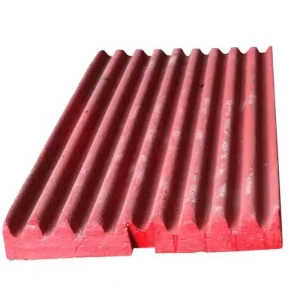
Standard manganese steel jaw liners wear down rapidly in highly abrasive silica mines, leading to excessive maintenance cycles and reduced output. Procurement teams must request manganese alloys with added chromium (such as Mn18Cr2 or Mn22Cr2) to extend life expectancy. Additionally, logistics lead times, the availability of localized spare parts inventories, and direct access to original manufacturer engineers during testing remain decisive selection factors.
Ascend has developed steadily since its establishment. Its business covers more than 130 countries and regions around the world, especially in Africa and Southeast Asia. Also, Ascend machine quality and after-sales service have won widespread praise from international customers.
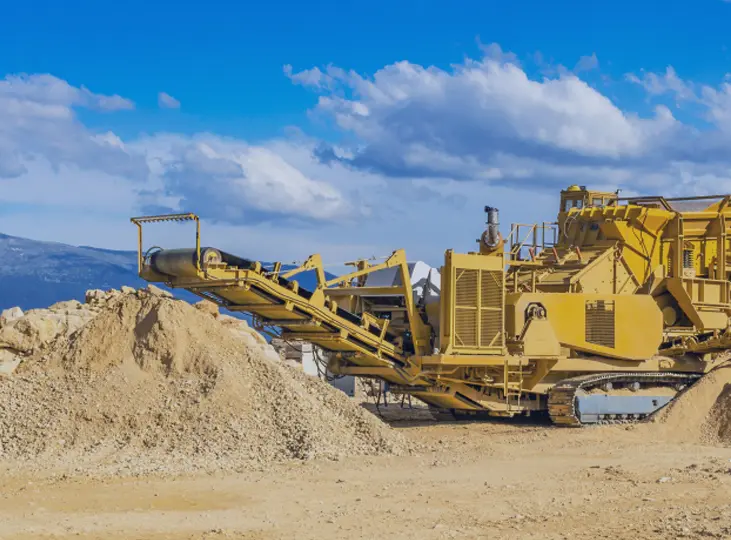
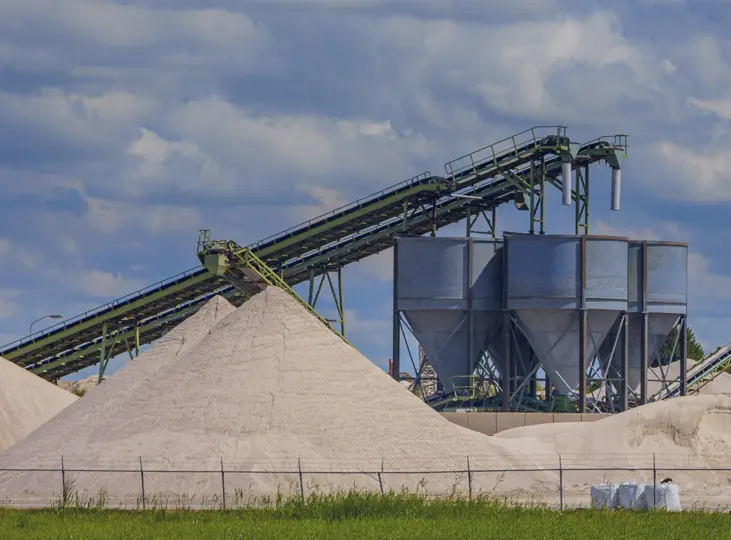
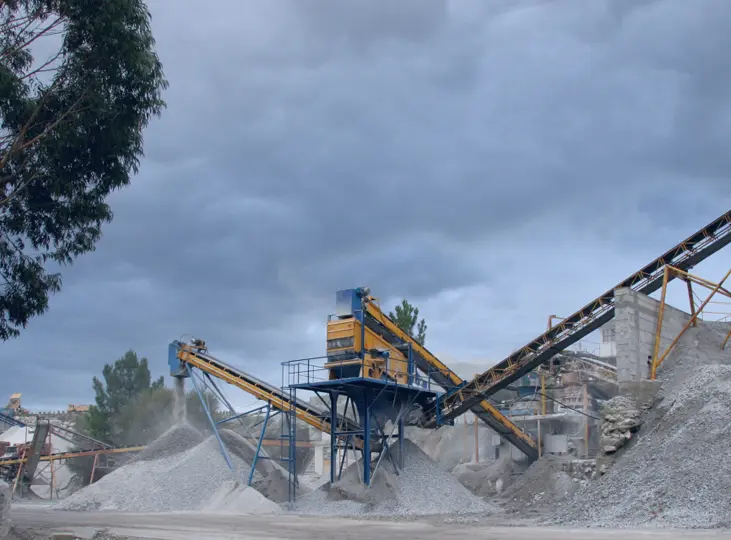
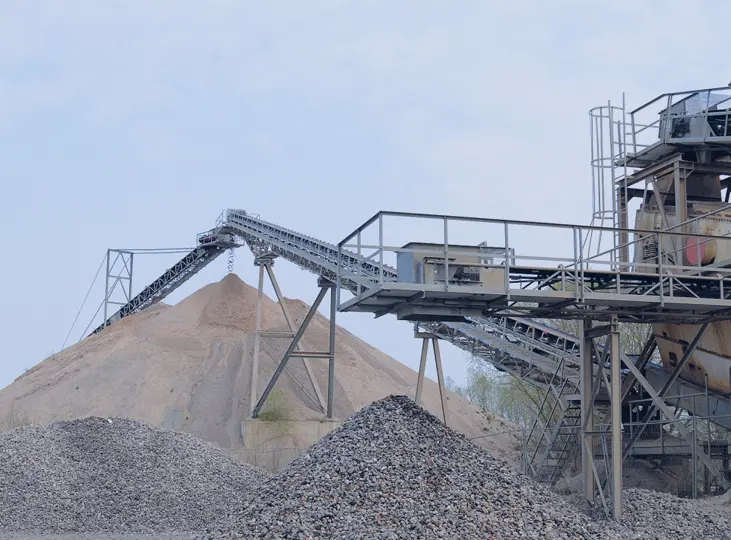
Achieving optimal plant output relies on systemic design and balance across the entire crushing plant, rather than the raw capacity of the primary jaw crusher alone. A well-designed crushing configuration matches the primary jaw unit to appropriate secondary machines, such as cone crushers or impactors, linked via robust screening steps. When working with gold ore projects or aggregates, ensuring an even feed rate is key to avoiding bottlenecks.
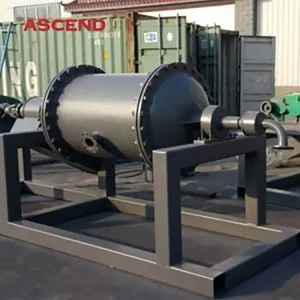
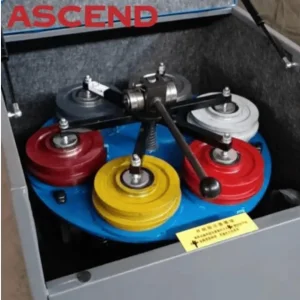
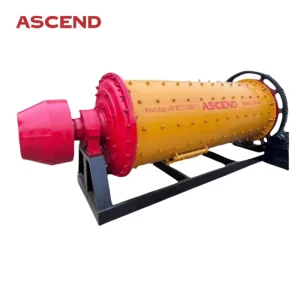
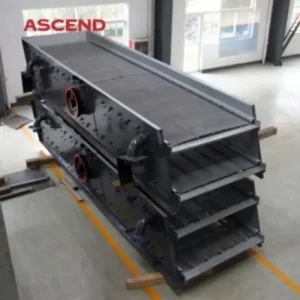
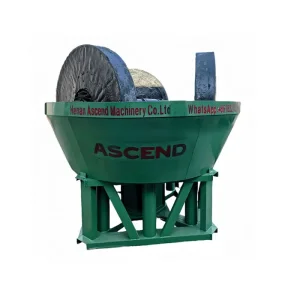
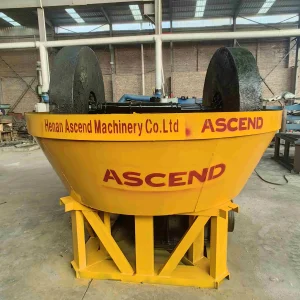
For gold extraction circuits, the primary jaw crusher prepares material for gravity systems, wet pan mills, or ball mills by reducing large run-of-mine rocks to a uniform feed size. If the jaw output is inconsistent, it places uneven loads on subsequent grinding and classification steps, lowering recovery rates. That is why Ascend engineers emphasize customized layouts, integrating heavy-duty vibrating grizzlies to bypass pre-screened fines, which saves energy and extends the service life of the main crushing chamber.
The roadmap for crushing technology centers on sustainable energy consumption, emissions reduction, and advanced wear-resistant alloys. Next-generation jaw crushers will transition away from traditional mechanical toggle configurations in favor of dual hydraulic cylinder systems. This design provides built-in overload protection, instantly clearing uncrushable objects (like tramp iron) and returning the machine to normal operation without human intervention or safety risks.
Additionally, manufacturers are making components more interchangeable to simplify parts sourcing across different machine sizes. High-grade bearings with enhanced dust sealing are becoming standard, extending operation times in dusty desert or underground mining sites. As environmental regulations tighten, electric and hybrid drives are also replacing older diesel configurations to lower carbon footprints across mining operations.
Explore our main processing lines designed for mining and construction projects.
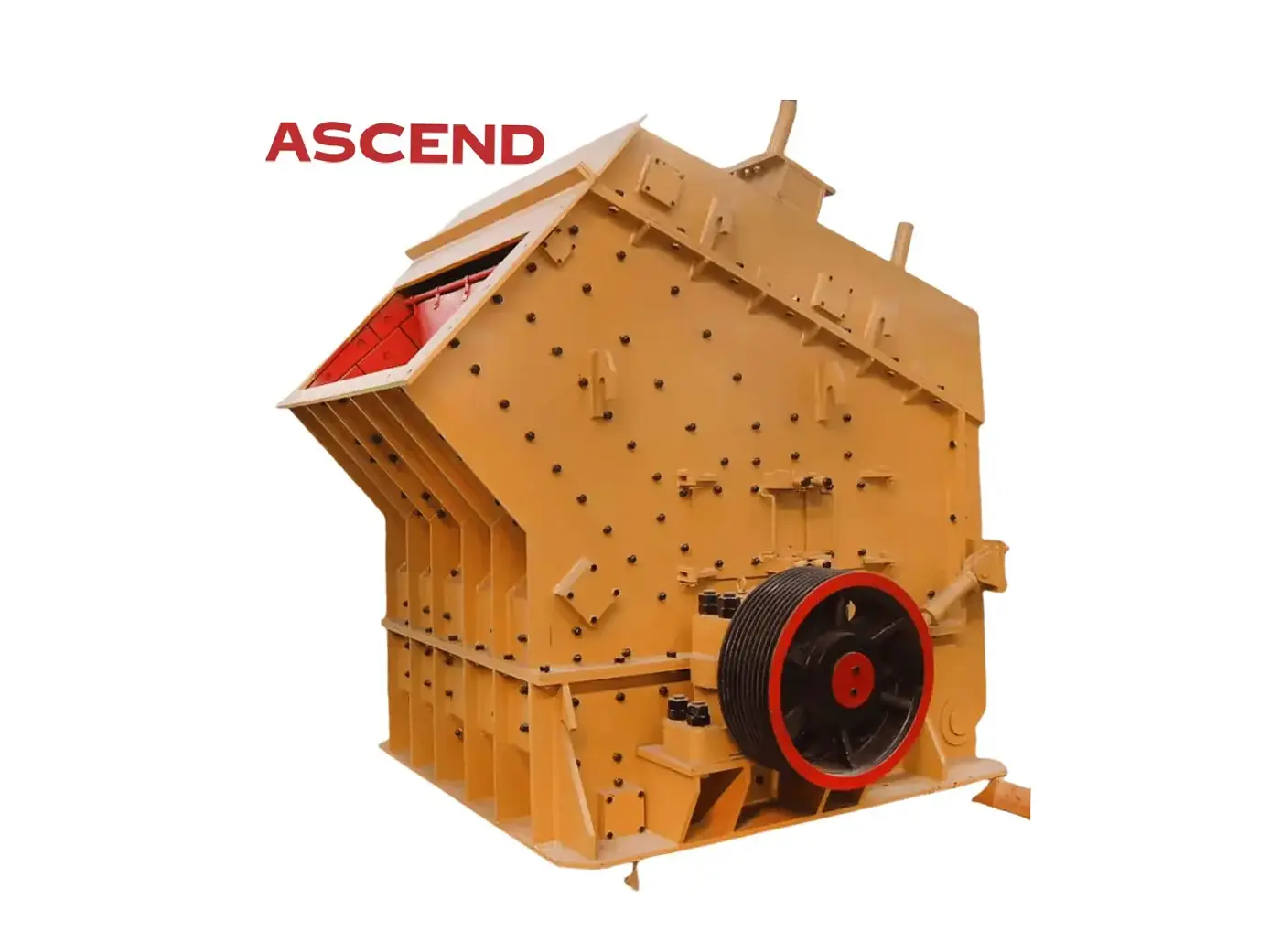
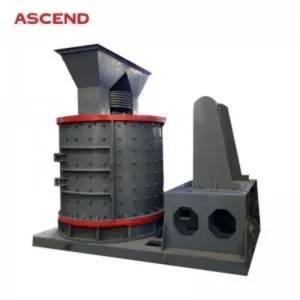
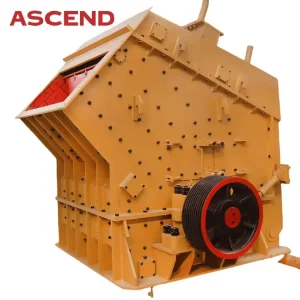
Impact crushers act as highly efficient secondary stage machines, using impact force to crush tough minerals. The unique design features three crushing chambers, a heavy-duty rotor, and highly wear-resistant blow bars. It produces a cubic final product shape with minimal stress fractures, which is ideal for road building and concrete aggregates.
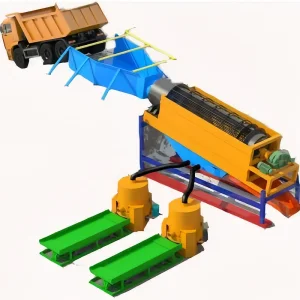
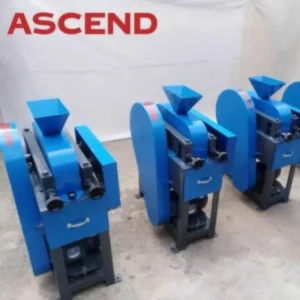
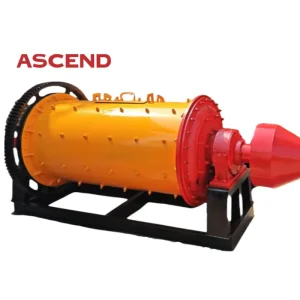
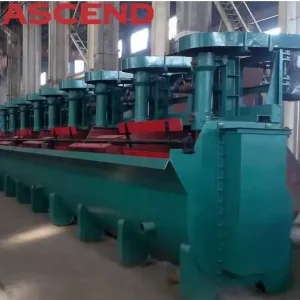
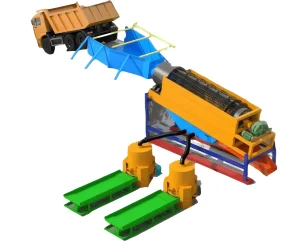
Additionally, our product range covers mobile plants, stone grinding mills, gold washing systems, and flotation machinery to cover the complete processing cycle from raw ore to fine powder recovery.
View Crusher Range →Operational data and references from active sites in Africa, Southeast Asia, and South America.
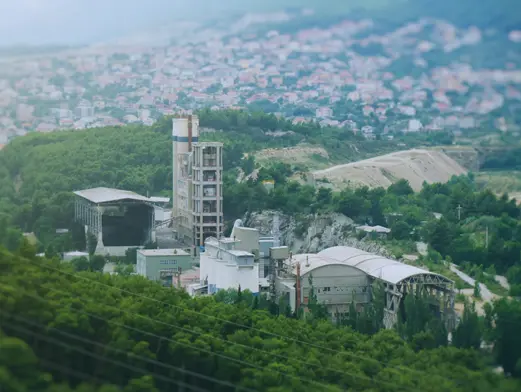
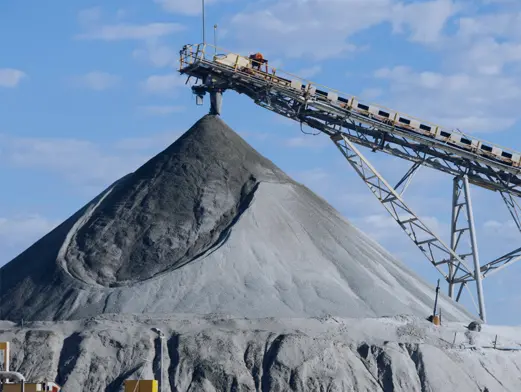
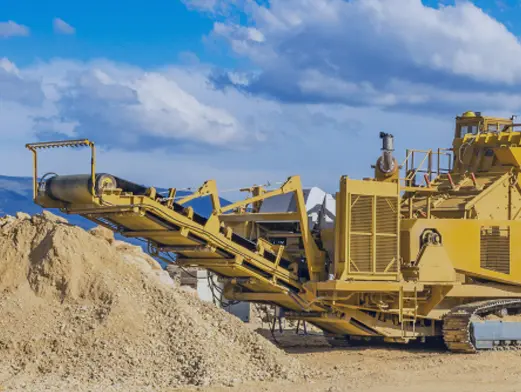
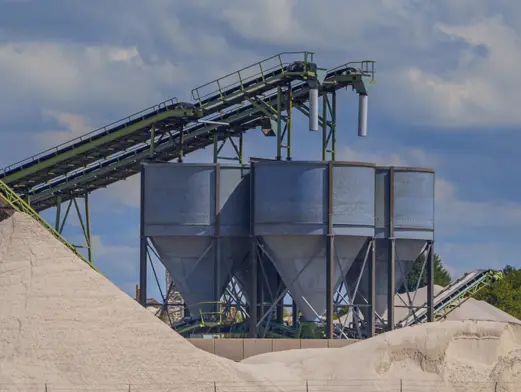
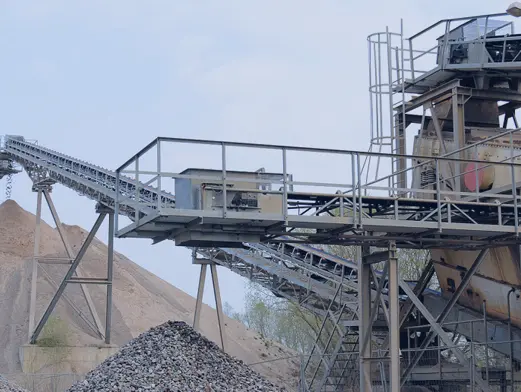
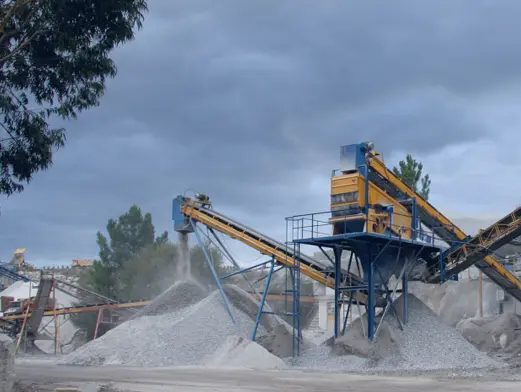
Stay updated with our latest shipments, on-site commissioning reports, and product announcements.
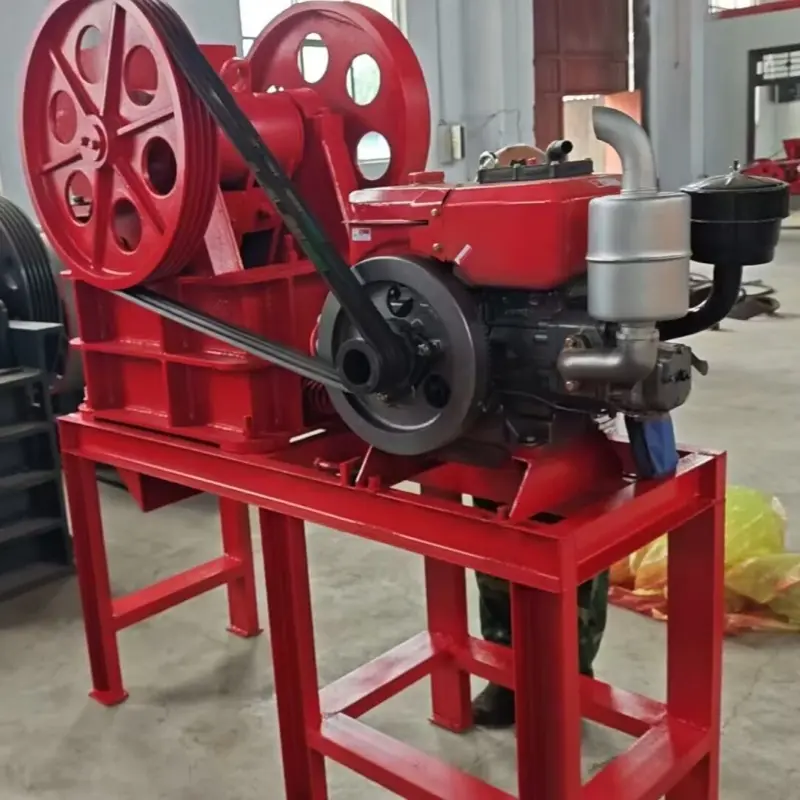
Reliable primary crushing units engineered with onboard diesel drives, customized for remote operations lacking reliable electrical grids.
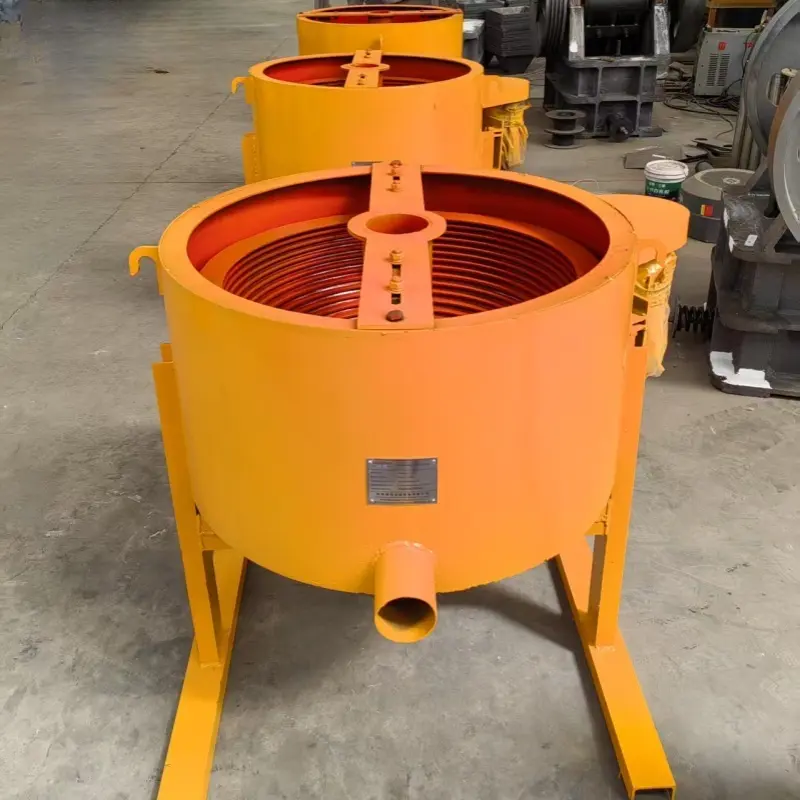
Expanding processing setups for small-to-medium gold mining operators focusing on maximum gravity recovery efficiency.
For international mining projects, local regulatory compliance is essential. Heavy industrial machinery must meet strict mechanical standards, including the European Union's CE directives, Eurasian EAC standards, and regional mine safety acts in markets like South Africa, Australia, and South America. These compliance requirements ensure structural safety under continuous loads, electrical isolation protocols, and reliable emergency systems.
Ascend supports operations globally by supplying comprehensive documentation, technical certificates, and on-site engineering services. We ensure quick access to critical spare parts—such as toggle seats, pitmans, and eccentric shafts—reducing operational risk and keeping your processing circuits running smoothly.
Direct technical feedback from our engineering department.
Established in 2005 and situated in the High-Tech Industrial Zone of Zhengzhou City, Henan Province, Ascend is a leading heavy machinery manufacturer specializing in R&D, precision production, and global after-sales support.
We supply complete circuits for primary crushing, fine grinding, classification screening, feeding, and material transport. Our state-of-the-art facilities ensure quality control, reliable construction, and competitive pricing for projects of all sizes.
Learn More About Ascend →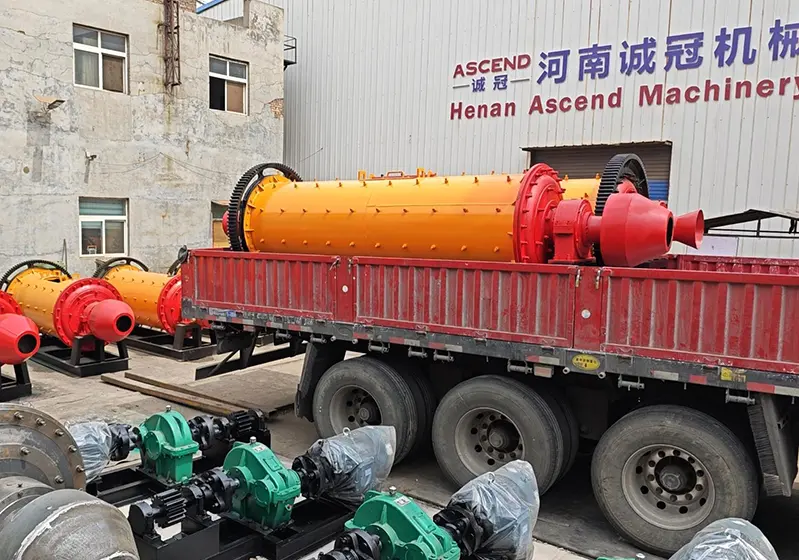
Engineered for high reduction ratios and reliable operation in demanding processing sites.
 Ascend