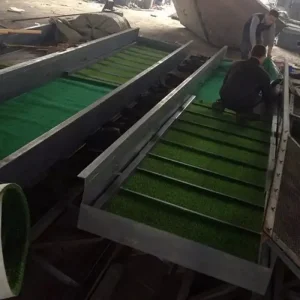
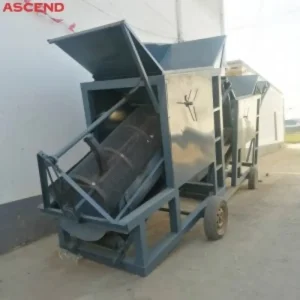
Explore our heavy industrial crushing, grinding, and sizing equipment designed to optimize throughput and yield maximum recovery rates.
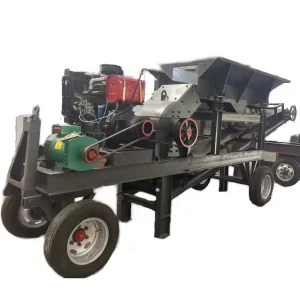
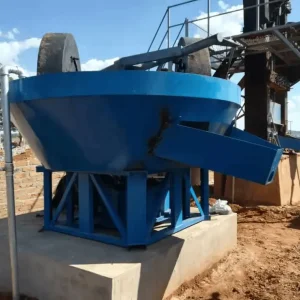
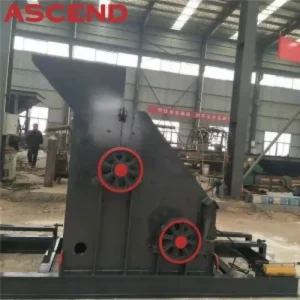
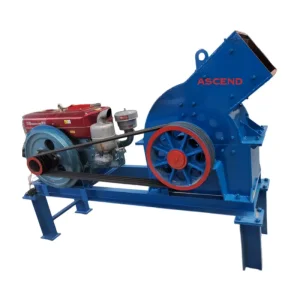
Within heavy mineral and aggregate sizing sectors, the requirement for consistent particle distributions, minimized dust emissions, and predictable yields has positioned the Double Roller Crusher (also known as a roll crusher) as a highly reliable secondary and tertiary comminution technology. Unlike conventional impact-based crushers that rely on high-velocity collisions, double roller systems utilize dual counter-rotating rolls that subject input feeds to high-pressure mechanical shear and compression.
This authoritative report, prepared by the Henan Ascend Machinery & Equipment research group, details the physics of material reduction, chemical composition variations of wear liners, global pricing structures, and industrial logistics matrices. Our goal is to provide procurement teams, engineers, and plant operators with clear engineering metrics and economic criteria to guide their equipment selection process.
Understanding the internal dynamics of roll-to-roll mechanical reduction and hydraulic force application.
As feed materials enter the crushing chamber, they are drawn into the nip angle of the counter-rotating rolls. The mechanical force applied is concentrated along a line of contact, producing direct compressive stress that exceeds the compressive strength of the ore, resulting in fractures with minimal fines production.
Our heavy double roller crushers incorporate specialized hydraulic cylinder assemblies. When uncrushable contaminants (such as tramp iron) enter the chamber, the hydraulic relief valves open instantly. The movable roll retracts to pass the object, and automatically resets to prevent downstream belt damage.
By using premium heavy industrial gearboxes, the roller speeds are optimized between 50 to 150 RPM. This low-speed rotation delivers high torque performance and reduces surface wear on the roller shells compared to high-speed impact crushers.
| Model Name | Roll Size (Diameter x Width) (mm) | Max Feed Dimension (mm) | Adjustable Discharge Gap (mm) | Processing Capacity (Metric Tons / Hr) | Dual Motor Power Rating (kW) |
|---|---|---|---|---|---|
| ASC-2PG0425 | Φ400 × 250 | ≤ 25 | 2 — 8 | 2 — 10 | 5.5 × 2 |
| ASC-2PG0640 | Φ610 × 400 | ≤ 30 | 2 — 10 | 10 — 20 | 15 × 2 |
| ASC-2PG0850 | Φ800 × 500 | ≤ 40 | 3 — 15 | 20 — 40 | 30 × 2 |
| ASC-2PG1060 | Φ1000 × 600 | ≤ 60 | 5 — 25 | 35 — 75 | 55 × 2 |
| ASC-2PG1280 | Φ1200 × 800 | ≤ 80 | 8 — 35 | 60 — 120 | 75 × 2 |
| ASC-2PG1510 | Φ1500 × 1000 | ≤ 100 | 10 — 50 | 110 — 250 | 110 × 2 |
How the physical features of Ascend double roller machinery adapt to diverse site conditions around the globe.
In regions such as Ghana and Mali, tropical weathering produces clay-rich, highly sticky gold saprolite ores. Traditional jaw and cone crushers often clog when processing these wet materials. Double roller crushers with built-in scraper assemblies clean sticky build-ups dynamically, ensuring continuous processing in high-moisture environments.
For power generation plants and coal washeries in Sumatra, Indonesia, and East Kalimantan, generating excess fines during crushing reduces coal value. Roller crushers crush coal along natural cleavage lines, keeping fines generation (under 2mm) below 5%, which optimizes thermal efficiency and furnace feed quality.
Processing iron ore and copper tailing materials in Chile and Peru requires highly wear-resistant components. Ascend's optional High-Chromium alloy roll shells, combined with manganese steel structures, offer durable crushing performance when processing abrasive materials with a Mohs hardness of 7 or higher.
Henan Ascend Machinery & Equipment Co., Ltd. is located in the high-tech industrial development zone of Zhengzhou City, Henan Province. Zhengzhou is a major hub for mechanical engineering and metallurgical casting, giving us a strong manufacturing footprint and logistics base.
High-grade carbon structural steels are selected for shafts, and Mn13Cr2 or customized High-Cr alloys are used for wear shells based on material abrasiveness.
Shafts undergo quenching and tempering heat treatments to relieve residual manufacturing stresses and prevent fatigue failures in high-vibration applications.
Self-aligning spherical roller bearings are fitted onto machined shafts, followed by assembly of hydraulic systems and electrical control panels.
Our commitment to engineering cleaner, smarter, and more energy-efficient crushing systems.
Integrating wireless vibration sensors, continuous temperature monitoring on bearings, and automated oil replenishment cycles. Real-time diagnostic data is transmitted to plant SCADA systems, preventing unexpected downtime and extending equipment lifespan.
Utilizing variable frequency drives (VFDs) and smart motors that adjust roll speeds based on feed rates. This reduces overall energy consumption by up to 20% compared to standard fixed-speed systems during low-feed cycles.
Partnering with metallurgical institutions to develop matrix composite roll shells containing embedded tungsten carbides. This increases component lifespan when crushing highly abrasive quartz and basalt ores.
Real-world performance and operations of Ascend mining and industrial sizing machinery in the field.
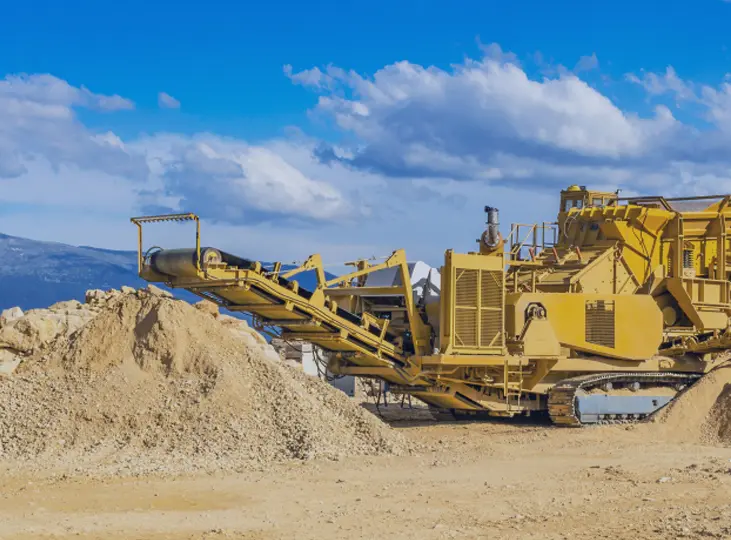
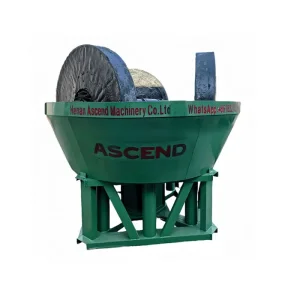
Complete mineral recovery circuits incorporating crushers, wet pan mills, and concentrators for small to medium scale mining operations globally.
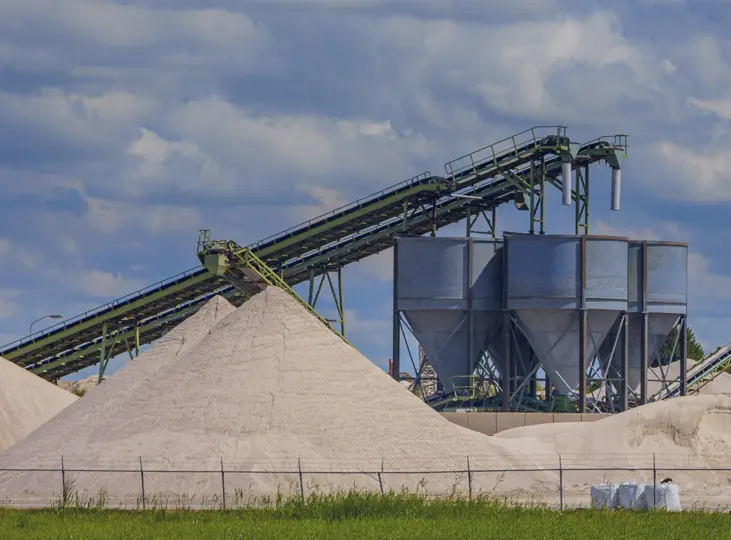
Integrated crushing lines designed for high throughput, minimal fines generation, and reliable, continuous operation in remote mining environments.
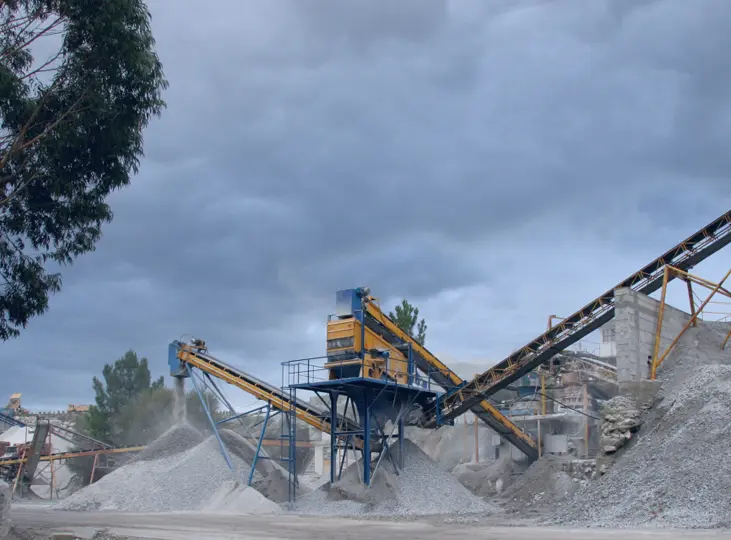
Complete sand and gravel processing lines that deliver consistent grain sizes and cubical product shapes for infrastructure and construction projects.
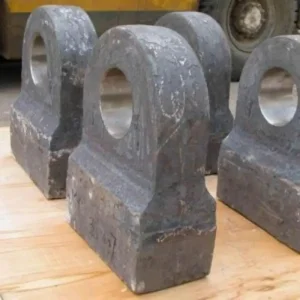
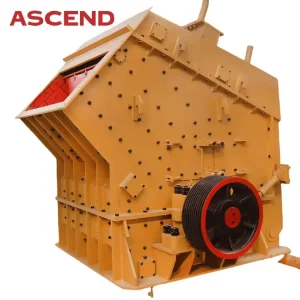
Impact crushers are secondary crushing machines that use impact force to reduce materials. They feature easy maintenance, high reduction ratios, and high efficiency, producing cubic aggregate products. Designed with three crushing chambers, a robust rotor assembly, wear-resistant blow bars, and hydraulic start-up devices, they are used across all sizing stages from primary reduction to final sizing.
When used alongside double roller crushers, the impact crusher handles the initial, coarser reduction stages, while the roller system performs the final sizing. This combined setup extends the lifespan of wear parts and lowers operating costs per metric ton.
An honest guide to understanding the capital expenditure (CAPEX) and operating costs (OPEX) of industrial crushing equipment.
The total purchase cost of an industrial Double Roller Crusher is determined by several core factors: processing capacity (TPH), the hardness of the target material, the required level of automation, and configuration changes for specific wear parts. Below is an estimated price structure based on common configurations:
| Crusher Class | Common Target Materials | Typical Capacity (TPH) | Standard Pricing Range (USD) | Primary Wear Cost Factors |
|---|---|---|---|---|
| Utility Series (e.g., 2PG0425) | Soft minerals, coal, clay ores, laboratory testing | 2 — 10 | $3,500 — $8,500 | Manganese steel shells, manual tension bolts |
| Mid-Range Series (e.g., 2PG0850) | Limestone, gold quartz, wet coal, slag recovery | 20 — 40 | $12,000 — $28,000 | Mn13Cr2 alloy shells, standard spring backup |
| Heavy Duty Industrial (e.g., 2PG1280) | Hard iron ore, abrasive granite, copper mining | 60 — 120 | $45,000 — $95,000 | Hydraulic compression, wear monitoring, VFDs |
| Enterprise Class (e.g., 2PG1510) | Large run-of-mine sizing, high-tonnage processing | 110 — 250+ | $110,000 — $230,000+ | Custom alloy wear segments, complete SCADA support |
While the initial purchase price is important, long-term costs are heavily influenced by wear-part lifespans. Processing abrasive silica or hard granite causes faster wear on roller shells, requiring replacement every 3 to 6 months depending on usage. Sizing soft minerals like coal or limestone can allow roller shells to last 12 to 24 months. Henan Ascend provides custom wear packages, offering standard manganese shells for softer materials and hardfaced carbide alloys for abrasive ores to optimize your return on investment.
Direct technical and commercial answers for engineering firms, purchasing managers, and plant operations.
Double roller crushers are best suited for materials with low-to-medium hardness (Mohs hardness under 6), such as coal, limestone, shale, clay, and soft ores. While they can crush harder minerals (Mohs 7+), wear on the roller shells increases significantly. For highly abrasive ores, we recommend hardfaced carbide roller sleeves and hydraulic protection systems.
Narrower discharge gaps create more contact resistance, reducing overall throughput (TPH) and increasing the power load on the motors. Conversely, wider gaps increase throughput but yield larger product sizes. Balancing feed rates and target gap sizes prevents motor overloads and ensures consistent product quality.
Our systems feature high-strength springs or heavy-duty hydraulic relief valves. When an uncrushable object like tramp metal enters the rolls, the relief system permits the movable roller to slide back, widening the gap so the object can pass safely without damaging the roller shells, shafts, or gearboxes.
Standard models are typically dispatched from our Zhengzhou facility within 15 to 25 business days. Custom systems with specialized alloys or automated control setups require 30 to 45 business days. All machinery is treated with anti-corrosive coatings and secured on heavy steel skids within sea containers for safe transit.
Our complete range of mineral recovery equipment, from primary crushers and gravity tables to chemical processing machinery.
 Ascend