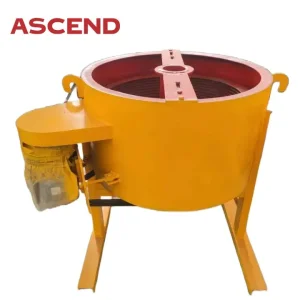
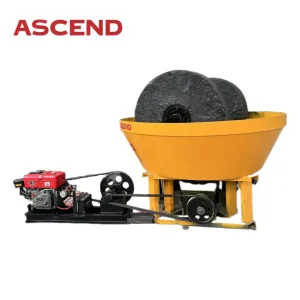
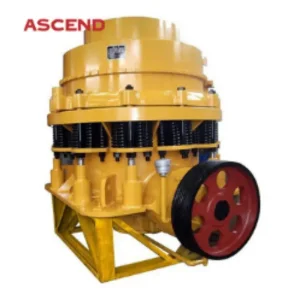
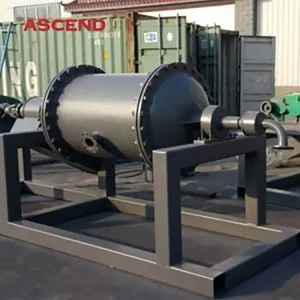
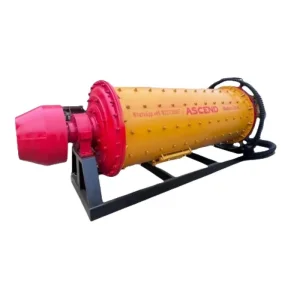
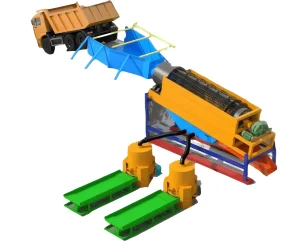
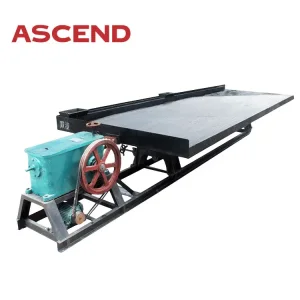
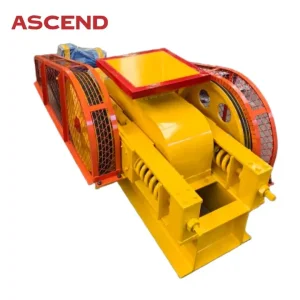
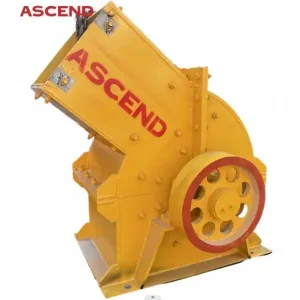
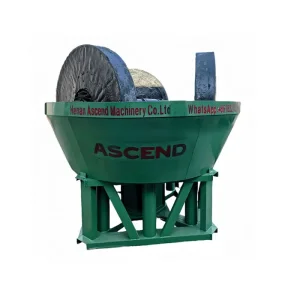
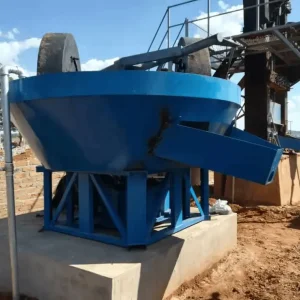
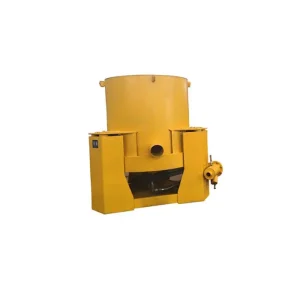
In the modern mining landscape, the stone roller crusher mill represents a pinnacle of secondary and tertiary crushing efficiency. Unlike traditional jaw crushers that rely on compression, modern roller mills utilize a combination of impact, attrition, and shear forces to achieve superior liberation of minerals. As an industry-leading manufacturer, Henan Ascend Machinery has integrated AI-driven wear-monitoring sensors into our latest double-roller designs, ensuring that procurement teams receive not just a machine, but a data-backed production asset.
Navigating international mining regulations requires deep expertise. Our equipment complies with CE, ISO 9001, and specific regional safety standards across Africa and Southeast Asia. From dust suppression systems that meet stringent ESG (Environmental, Social, and Governance) criteria to electrical components designed for unstable grid environments in remote mining sites, we ensure total operational compliance.
Located in the Zhengzhou high-tech zone, Ascend leverages the world's most concentrated mining machinery cluster. This proximity allows for rapid prototyping, access to high-grade manganese steel, and a logistics network that can ship heavy machinery to ports like Tianjin or Qingdao within 48 hours. This efficiency translates directly into cost savings and reduced lead times for our global partners.
A "one-size-fits-all" approach fails in mining. Our engineering team specializes in localized application scenarios. For instance, in the high-altitude mines of the Andes or the humid tropical basins of Southeast Asia, we adjust the cooling systems and alloy compositions of our roller mills to prevent premature failure. We provide on-site installation guidance and local staff training to bridge the gap between technology and operation.
The mining industry is shifting toward "Smart Mines." The next generation of roller crusher mills features remote diagnostic capabilities. By utilizing digital twin technology, we can simulate the wear patterns of a mill in our Zhengzhou lab before the physical part even begins to fail in a Zambian gold mine. This predictive maintenance is the ultimate "Information Gain" for modern mine operators looking to eliminate downtime.
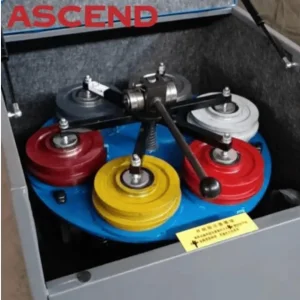
Ascend has developed steadily since its establishment. Its business cover more than 130 countries and regions around the world, especially in Africa and Southeast Asia. For a recent gold ore project, we integrated a diesel-engine wet pan mill with a Knelson centrifugal concentrator, increasing recovery rates by 15% compared to standard setups. Whether you need to crush limestone, granite, gravel or extract gold, our engineers provide professional advice tailored to your Mohs hardness requirements and desired output granularity.
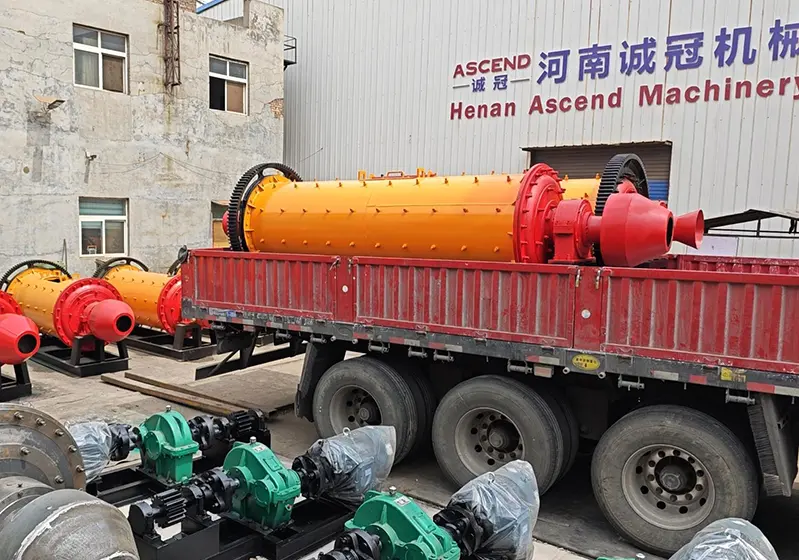
Established in 2005, we are primarily engaged in the research, development, and manufacturing of heavy mining machinery. Impact crusher is a kind of secondary crushing equipment which uses impact power to crush materials. Impact crusher is characterized by easy maintenance, high reduction ratios and high efficiency to produce precisely cubic shape products. It is designed with three crushing chambers, seamlessly connected rotor, wear-resistant blow bar and installation of insert type.
Moreover, it has tooth type liner, gradient designed bearing seat, frame with several openings and screws or hydraulic start-up devices. Our machines are the preferred choice for limestone, granite, and gold ore processing across the globe.
A: Roller mills provide a more uniform product size with fewer fines and are ideal for materials with a lower Mohs hardness or for specific liberation requirements in gold and copper processing.
A: We maintain a network of local technicians in key regions like Zambia, Tanzania, and the Philippines. We also offer 24/7 video support and rapid spare parts dispatch from our Zhengzhou warehouse.
A: Yes, many of our most popular models, including the wet pan mill and jaw crusher, are available with high-torque diesel engine options specifically designed for off-grid mining operations.
A: Depending on the complexity, standard configurations can ship within 15-20 days, while fully customized modular plants typically take 30-45 days from design approval to shipment.
 Ascend