Explore high-precision equipment engineered for robust industrial beneficiation and primary grinding circuits.
Understanding the Mechanics, Dynamics, and Sizing Parameters for Modern Industrial Fine Grinding.
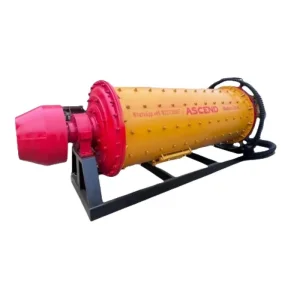
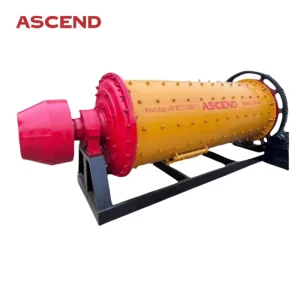
In modern industrial metallurgy, mineral processing, and chemical synthesis, the small ball mill remains a critical component for fine particle reduction. Operating on the principles of impact and attrition, these machines reduce coarse materials into ultra-fine powders. High-quality small ball mills typically range in shell diameter from 900mm to 1500mm, offering an optimal balance between low capital investment, ease of maintenance, and high operational efficiency.
The performance of a small ball mill is fundamentally determined by its rotational speed relative to its critical speed ($N_c$). Critical speed is defined as the velocity at which centrifugal forces equal gravitational forces, causing grinding media to cling to the inner shell:
$N_c = \frac{42.3}{\sqrt{D - d}} \text{ RPM}$
Where $D$ is the inside diameter of the mill (in meters) and $d$ is the maximum diameter of the grinding balls. Typically, high-quality small mills operate at 70% to 78% of their critical speed. This specific range encourages cataracting—where the balls are lifted near the top of the mill and fall in parabolic paths onto the bed of material—maximizing high-energy impact and optimizing particle breakdown.
| Mill Specification Model | Shell Diameter (mm) | Shell Length (mm) | Optimal Charging Load (t) | Feed Particle Size (mm) | Discharge Size (mm) | Power Rating (kW) |
|---|---|---|---|---|---|---|
| 900 × 1800 | 900 | 1800 | 1.5 | ≤ 20 | 0.074 - 0.4 | 18.5 |
| 900 × 3000 | 900 | 3000 | 2.7 | ≤ 20 | 0.074 - 0.4 | 22 |
| 1200 × 2400 | 1200 | 2400 | 3.8 | ≤ 25 | 0.074 - 0.35 | 37 |
| 1200 × 4500 | 1200 | 4500 | 7.0 | ≤ 25 | 0.074 - 0.3 | 55 |
| 1500 × 3000 | 1500 | 3000 | 8.0 | ≤ 25 | 0.074 - 0.4 | 75 |
How Advanced Manufacturing and Regional Integration Guarantee Consistent Machinery Performance.
Purchasing high-quality small ball mills from leading Chinese manufacturers, such as Henan Ascend Machinery & Equipment Co., Ltd., offers significant supply chain and cost benefits. By leveraging advanced manufacturing technologies, Chinese facilities consistently produce mills that meet international standards (including ISO9001 and CE marks) while offering excellent cost-to-performance ratios.
Modern Chinese factories utilize robotic and CNC steel forging for critical wear components, including end caps, gears, and pinion shafts. This automated control ensures uniform material density and eliminates inner structural voids.
Liners (whether high-manganese steel, alloy steel, or rubber) undergo rigorous heat treatment and tempering. This process optimizes surface hardness (HRC 55–62) and core toughness, significantly extending maintenance cycles.
Centralizing raw material sourcing, heavy machining, testing, and shipping logistics within industrial hubs like Henan helps reduce lead times, stabilize pricing, and protect projects from supply chain disruption.
This industrial integration enables rapid production and delivery. Over the last decade, Henan Ascend has built a highly optimized assembly line that handles precise dynamic balancing, bearing alignment, and shell welding. These steps undergo rigorous ultrasound and radiographic inspection to ensure reliable performance under demanding mining conditions.
A Reliable Partner in Global Mineral Grinding and Beneficiation Infrastructure.
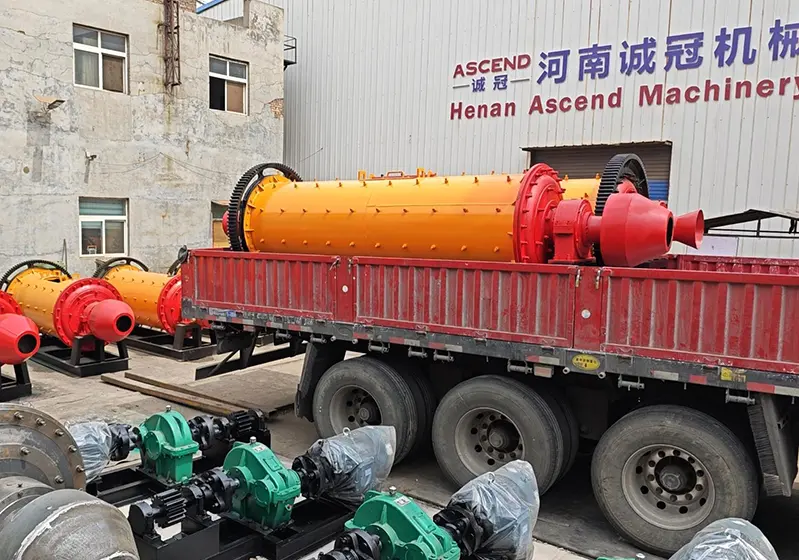
Henan Ascend Machinery & Equipment Co.,Ltd. was established in 2005 and is located in the high-tech zone of Zhengzhou City, Henan Province. Ascend is mainly engaged in the research and development, manufacturing, sales and after-sales service of complete sets of crushing, grinding, screening, feeding and conveying heavy mining machinery.
If you need to crush limestone, granite, gravel or other stone, or grinding them into powder, or extract gold, please feel free to contact us. Just tell us your needs and our engineers can provide you with professional advice. And we have our own factory, the quality of the machine is guaranteed, the price is more advantageous. We believe that we will be your good choice.
Ascend has developed steadily since its establishment. Its business covers more than 130 countries and regions around the world, especially in Africa and Southeast Asia. Also, Ascend machine quality and after-sales service have won widespread praise from international customers.
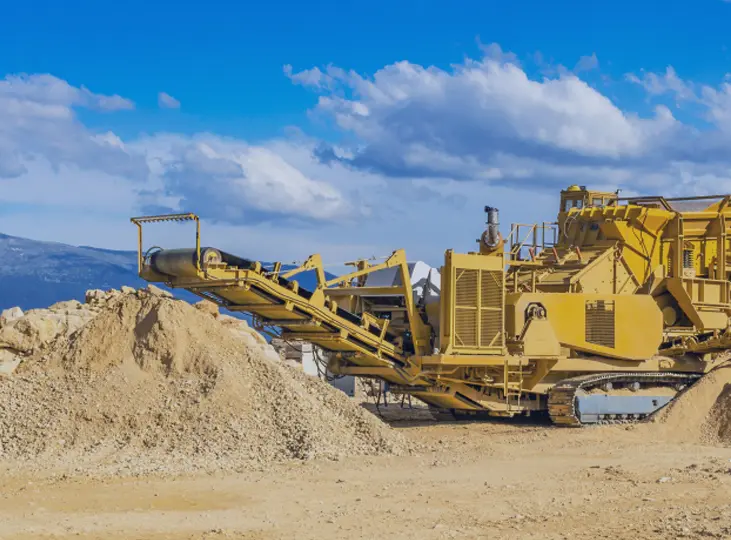
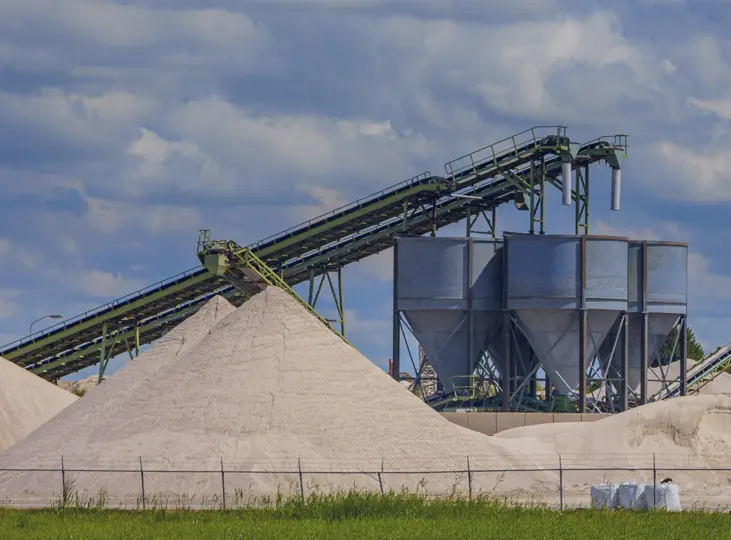
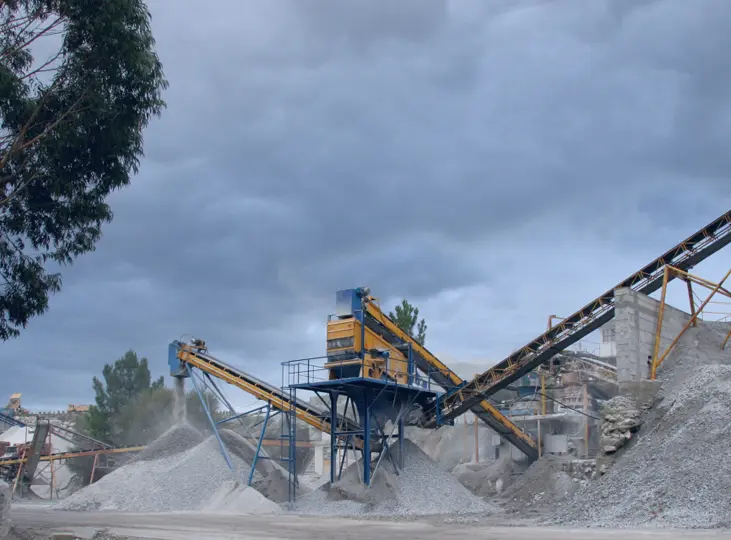
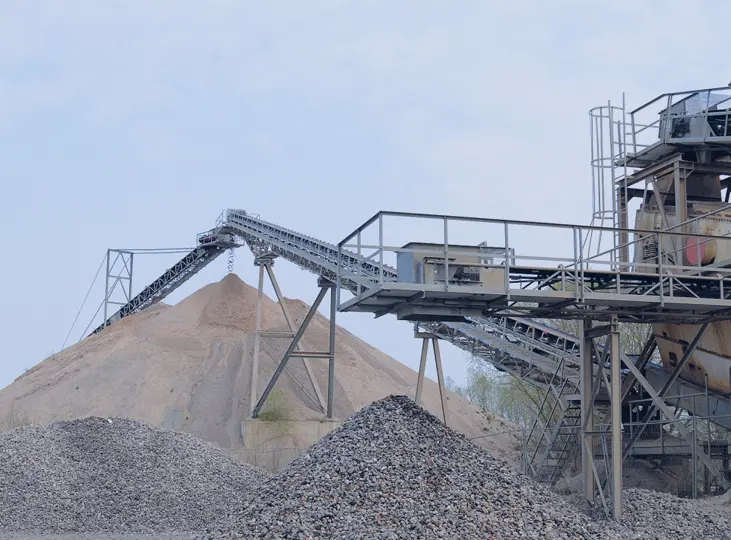
How Small Ball Mills Serve Larger Concentrators, Leaching Circuits, and Industrial Minerals Operations.
A small ball mill rarely operates in isolation. Depending on target liberation size, throughput, and ore mineralogy, it is typically integrated with classifiers, gravity separators, and concentration equipment. Below, we outline three common circuit configurations utilized globally by mining engineers:
Recommended for fine gold liberation. The ball mill discharge is pumped to a hydrocyclone. The underflow (coarse material) returns to the mill feed for regrinding, while the overflow (fine product, usually 80% passing 74 microns) goes straight to flotation or cyanidation.
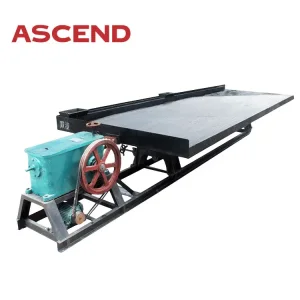
Ideal for alluvial and free-milling lode gold. The mill discharge feeds a centrifugal concentrator or shaking table. Gravity separation recaptures coarse free gold early in the circuit, preventing over-grinding and minimizing chemical losses in leaching steps.
Used for industrial non-metallic minerals (quartz, feldspar, barite). A dry ball mill works with an air classifier. Fine powder is collected by a cyclone collector, and oversized grains return to the mill. This configuration is widely used for cement and silica sand processing.
For secondary size reduction, our range of impact crushers provides a consistent, cubical product that serves as excellent feed for small ball mills:
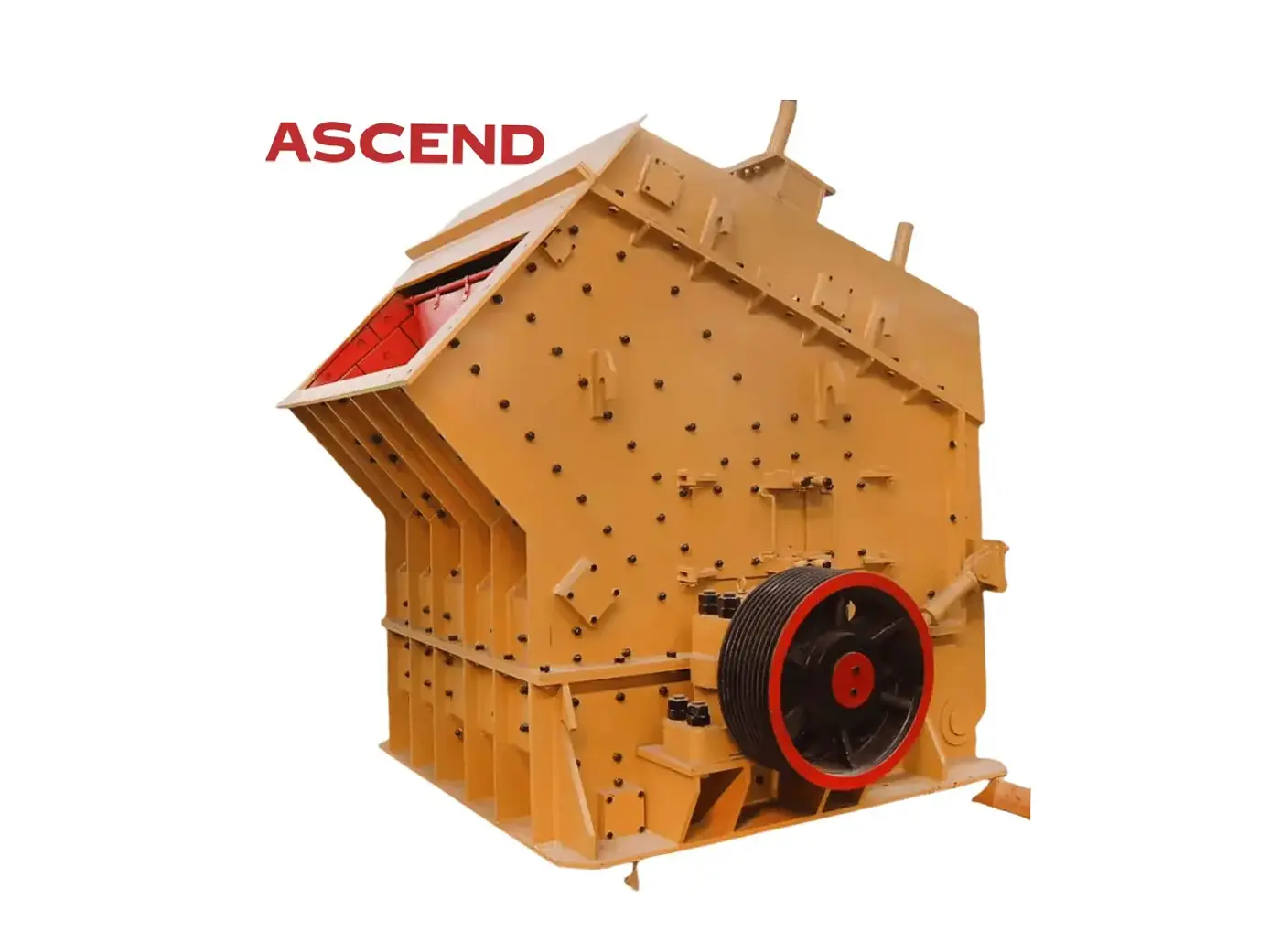
Impact crusher is a kind of secondary crushing equipment which uses impact power to crush materials. Impact crusher is characterized by easy maintenance, high reduction ratios and high efficiency to produce precisely cubic shape products. It is designed with three crushing chambers, seamlessly connected rotor, wear-resistant blow bar and installation of insert type. Moreover, it has tooth type liner, gradient designed bearing seat, frame with several openings and screws or hydraulic start-up devices. Impact crushers can be used in all different stages of size reduction from primary crushing to the last step of the crushing process.
Innovations in Smart Sensing, Materials Science, and Energy-Efficient Grinding Circuits.
As environmental regulations tighten and ore grades decline, the mineral processing industry faces two primary challenges: energy consumption and wear material efficiency. The research division at Henan Ascend is actively developing technologies to address these needs:
Embedding acoustic and vibration sensors along the mill shell. Real-time data logging analyzes collision signatures, enabling operators to optimize ball charge levels and prevent liner damage without shutting down the mill.
Developing dual-metal and ceramic-insert steel liners. These composites combine the impact resistance of alloy steel with the wear-resistant properties of specialized ceramics, extending the service life of small ball mills by up to 40%.
Integrating standard and custom VFDs. Adjusting mill speed dynamically helps match changing ore hardness and feed sizes, reducing electrical usage and preventing high starting torque loads on regional grids.
Replacing traditional steel grates with high-performance polyurethane versions. This reduces screen blinding and corrosion in wet grinding operations, improving mill classification and throughput.
These advancements support more sustainable mining operations. Integrating smart sensors and variable speed control helps reduce energy and water consumption per ton of processed ore, aligning with global industry standards.
Global Operations, Localized On-Site Engineering Support, and International Compliance Standards.
Reliable engineering support is essential for remote operations. Ascend supports international buyers by offering onsite support, commissioning assistance, and local spare parts hubs in key regions across Africa and Southeast Asia.
Our equipment is designed to ship safely in standard containers, reducing freight costs and transit times:
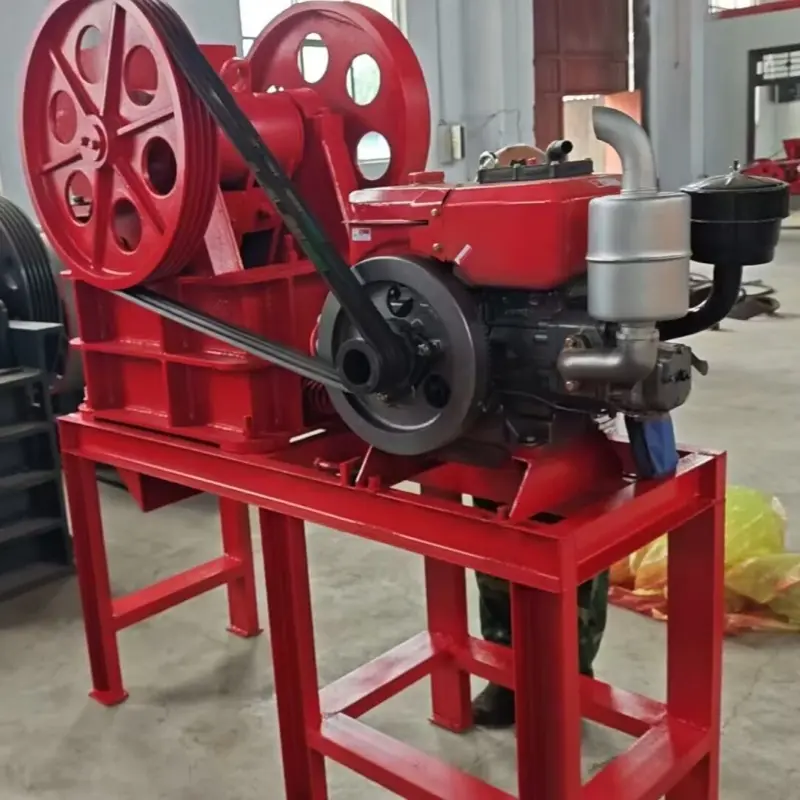
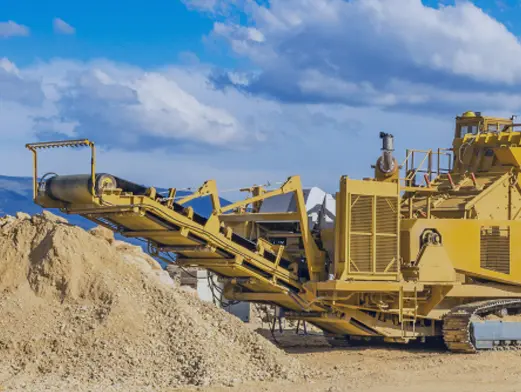
PE250x400 mobile diesel jaw crusher unit prepared and shipped to coordinate with local alluvial mining projects.
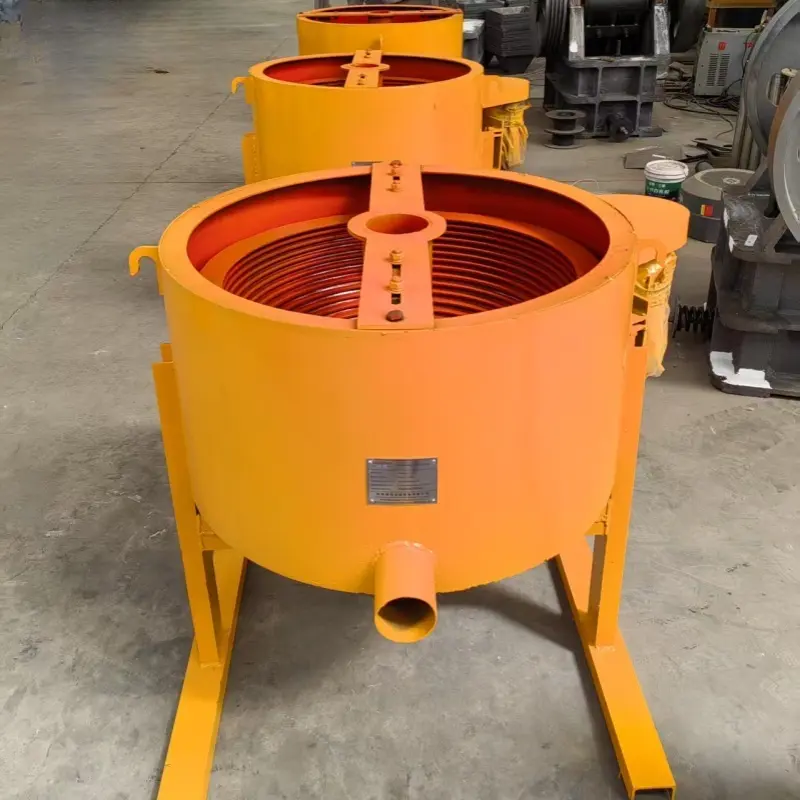
Exported 2 sets of gold kacha centrifugal concentrators with customized screens for a modular gravity circuit.
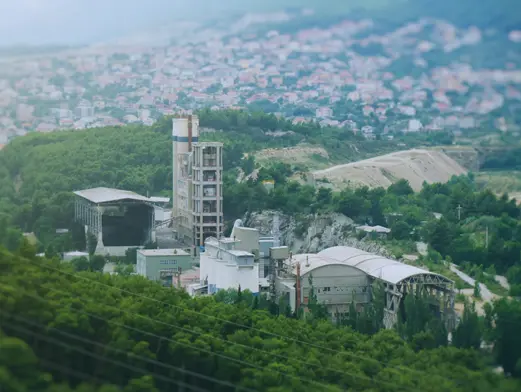
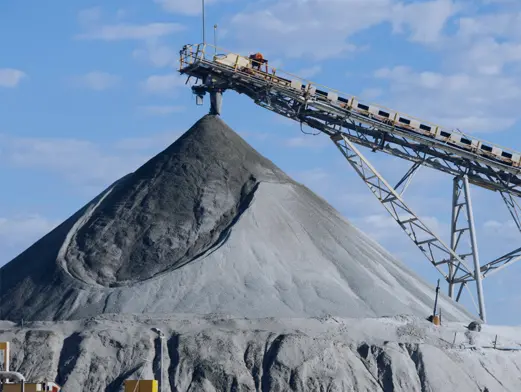
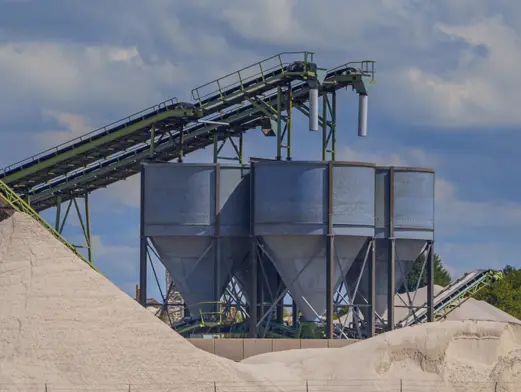
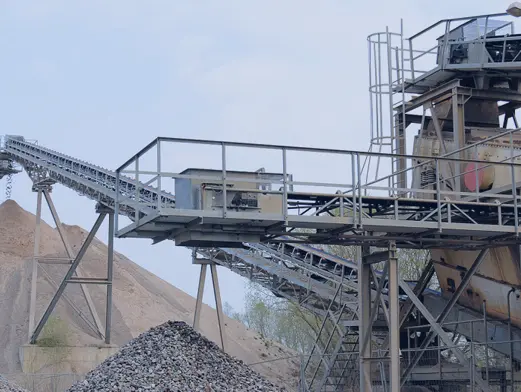
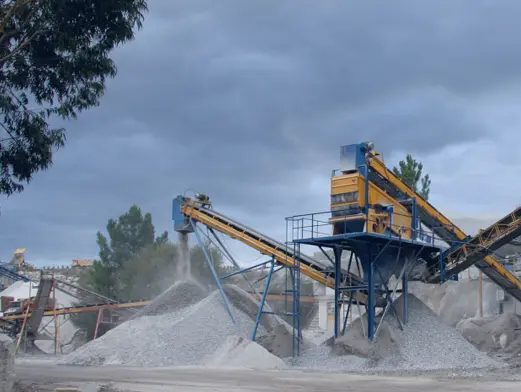
Actual field photos showing installations, shipping preparation, and site layouts from Ascend projects worldwide.
Important Technical Criteria for Sourcing Officers Evaluating Total Cost of Ownership (TCO).
When evaluating small ball mills for an operational facility, procurement teams should focus on total cost of ownership rather than initial purchase price alone. Key metrics to consider include:
Small ball mills can be built with girth gear drives, central shaft reducers, or V-belt systems. V-belt drives offer lower cost and simpler maintenance, while girth gear and pinion designs are more efficient for continuous industrial use.
Rubber liners reduce noise and absorb energy, making them suitable for wet primary milling. High-manganese steel or alloy steel liners are better for hard, abrasive ores where maximum impact resistance is required.
Ensure the mill features dust-proof, oil-bath lubrication systems for the main bearings. Proper bearing sealing is critical in remote or dusty locations to prevent premature failure and unplanned downtime.
To ensure smooth installation, verify that the supplier provides pre-machined foundation templates, detailed anchoring plans, and step-by-step electrical drawings. Henan Ascend coordinates all technical documentation with global buyers to streamline onsite assembly.
Answers to Common Questions on Ball Mill Sizing, Optimization, and Operations.
Discover complementary products to complete your mineral processing circuit.
 Ascend