Explore our highly-regarded, engineered mineral crushing, grinding, and classification assemblies designed to optimize operational efficiency.
A comprehensive review of pulverized material dynamics and thermodynamic efficiencies in contemporary industrial milling environments.
In modern powder engineering, the search for maximum particle refinement combined with low energy input has driven significant innovations in vertical roller mills. Historically invented in the late 19th century by Albert Raymond, the classic Raymond Grinding Mill established a paradigm shift in processing non-metallic minerals. Today, Henan Ascend Machinery & Equipment Co., Ltd. (established in 2005) integrates modern finite element analysis (FEA), high-density dynamic separator classifiers, and soundproof, zero-emission dust isolation shields to transform this traditional mill type into a highly productive industrial platform.
Designed primarily for non-flammable and non-explosive minerals with Mohs hardness ratings below 9.3 and moisture content under 6%, modern Raymond Mills are key components in global processing plants. Whether processing calcium carbonate for paper filler, desulfurizing limestone for thermal power plants, or refining talc and barite for petrochemical additives, selecting a reliable manufacturer is key to achieving optimal plant efficiency and lower total cost of ownership (TCO).
Analyzing key technical shifts and clean-energy adaptations reshaping the global mineral processing industry.
Traditional mills often suffered from excessive power dissipation due to inefficient air flow loops. The industry's focus is shifting toward closed-circuit air recycle loops configured with variable-frequency draft fans. This adjustment allows operators to match aerodynamic flow velocity directly with target particle sizing, reducing net power consumption by up to 15-20%.
Modern plant control panels are adopting industrial IoT telemetry. Remote acoustic sensors and heat-monitoring transceivers placed in roller bearing seats transmit real-time telemetry to edge computers. This system assists operators in monitoring oil viscosity and wear patterns, minimizing unscheduled maintenance events.
Extending component life cycle in abrasive settings remains a primary design goal. Shifting from conventional manganese steels, modern Raymond mill rollers and grinding tracks feature high-chromium cast iron alloys (Cr15, Cr20, and Cr26). Under heavy mechanical loads, these materials extend service life by 2.5 to 3 times compared to legacy steels.
A data-centric look at international buyer standards, logistics requirements, and localized deployment models.
Procuring heavy milling equipment involves reviewing multiple engineering and financial metrics. Global EPC firms and independent quarry operators look beyond the initial purchase price to examine long-term operational metrics:
Henan Ascend Machinery supports buyers across Africa, Southeast Asia, and South America by offering complete, customized grinding systems. Each installation is built for its specific environment, ensuring compatibility with local electrical grids, feed variations, and local regulations.
Explore our targeted industrial flowsheets, customized by our engineers to support mining and chemical projects globally.
A technical review comparing performance metrics, target applications, and investment parameters across key milling platforms.
| Performance Parameters | High-Pressure Raymond Mill | Industrial Ball Mill | Ultrafine Vertical Roller Mill |
|---|---|---|---|
| Output Particle Range (Mesh) | 80 - 400 (Adjustable to 800) | 30 - 200 (Adjustable to 325) | 325 - 2500 (Ultra-fine range) |
| Installation Footprint | Compact & Vertical (Saves Space) | Large Horizontal Layout | Medium to Large Structural Layout |
| Operational Energy Use | Medium-Low (Optimized aerodynamic loop) | High (Constant mechanical tumbling) | Optimized for highly specialized processing |
| Initial Capital Investment | Cost-Effective / Moderate | Moderate to High | Premium / High CAPEX |
| Material Hardness Limit | Mohs Hardness ≤ 9.3 | Virtually unlimited (hard abrasives) | Mohs Hardness ≤ 9 |
| Moisture Tolerance | Strictly ≤ 6% | Can handle wet slurry grinding | ≤ 10% (Using integral hot-gas inlet) |
How we are preparing next-generation milling equipment for smarter, cleaner, and more robust industrial operations.
Our research focuses on modifying rotor blade geometry inside the dynamic separator. Modern aerodynamic profiles minimize vortex turbulence, reducing internal energy losses and preventing oversized particles from entering the finished product stream.
Environmental standards are becoming stricter globally. By using custom-designed pulse jet bag dust collectors paired with anti-static filter media, our grinding systems achieve collection efficiencies of up to 99.9%, meeting local emission standards.
To reduce field maintenance times, our next-generation assemblies feature quick-change roller frames. Grinding rollers can be inspected and replaced with minimal disassembly of the main mill housing, keeping plant uptime high.
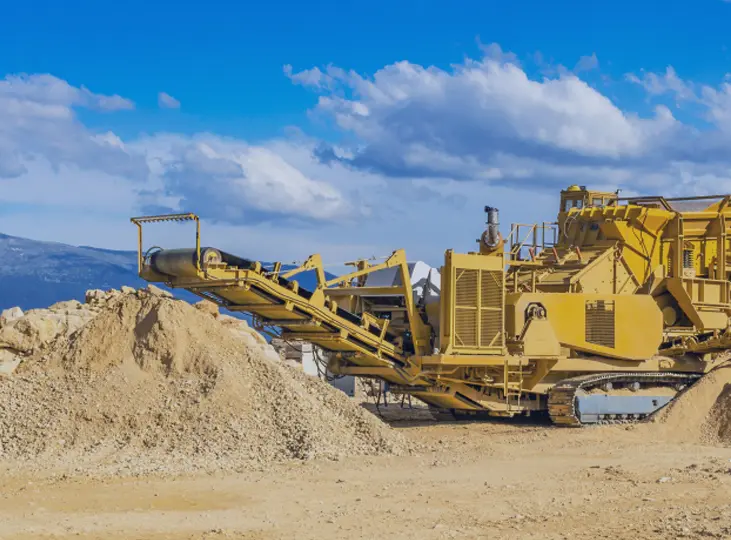
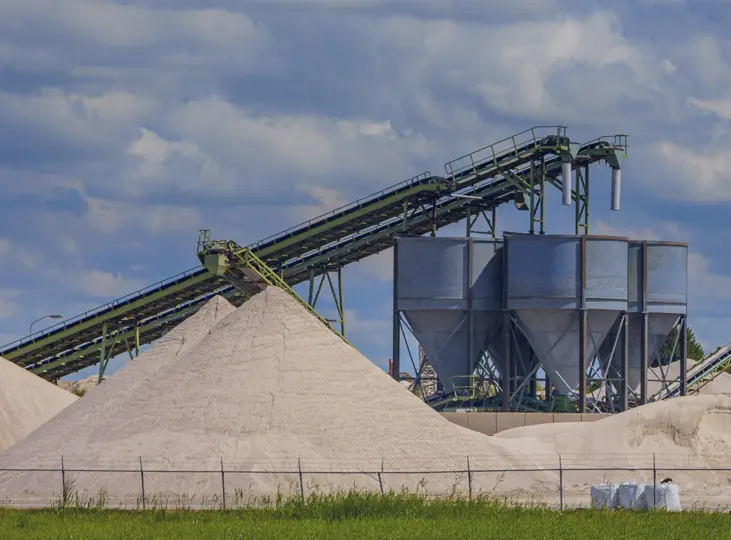
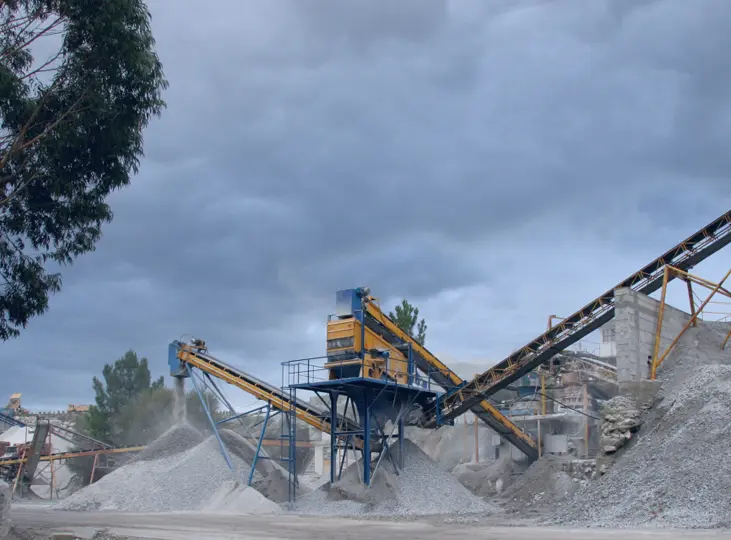
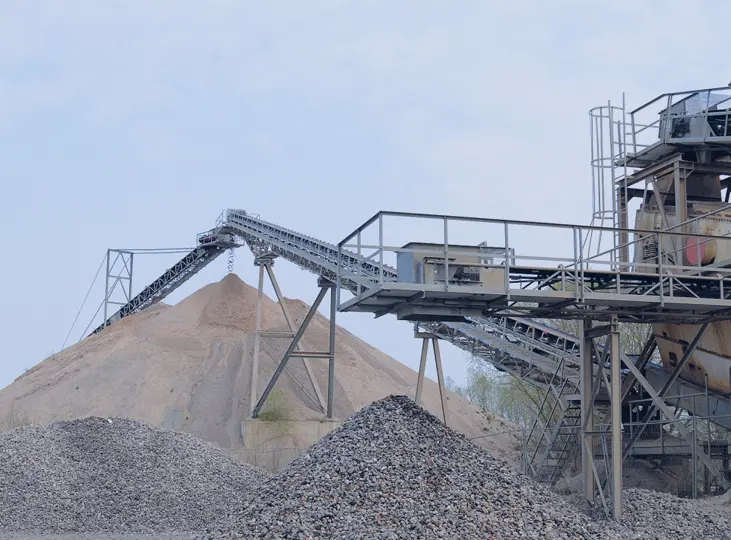
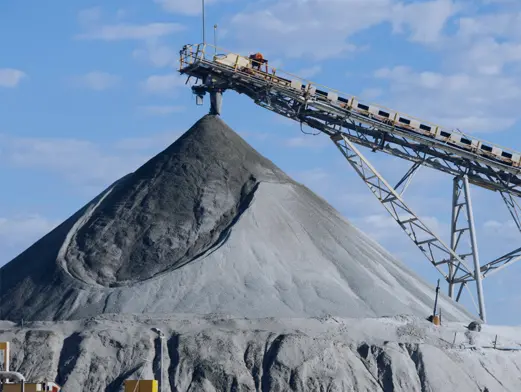
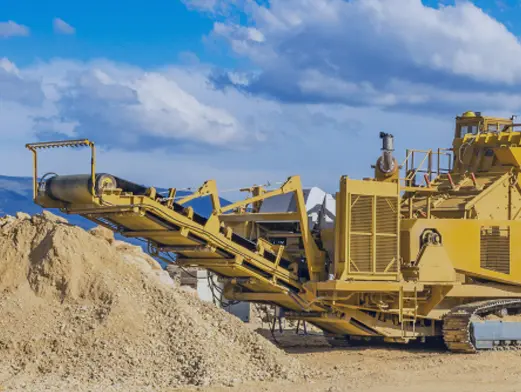
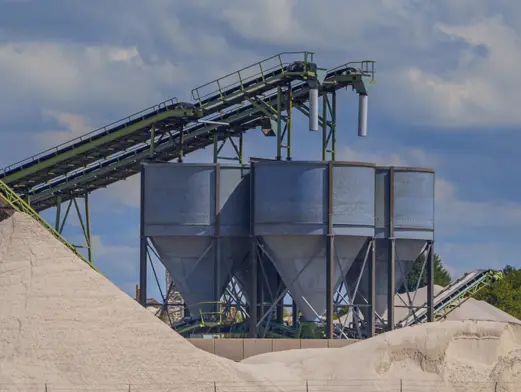
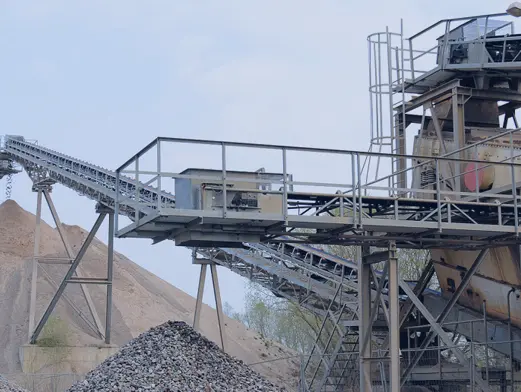
A visual overview of our industrial processing systems deployed in active mine sites and mineral processing plants worldwide.

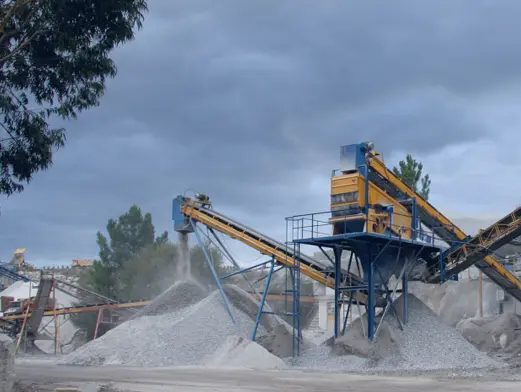
A trusted manufacturer of heavy mining machinery, engineering high-efficiency grinding and crushing systems since 2005.
Headquartered in the High-Tech Industrial Zone of Zhengzhou City, Henan Province, Henan Ascend Machinery & Equipment Co.,Ltd. has developed steadily since its establishment in 2005. Our focus includes the engineering, manufacture, global sales, and after-sales support of comprehensive processing circuits. These circuits range from raw rock crushing and fine grinding mills to materials classification, mineral separation, and conveyor assemblies.
Ascend has built an international footprint, with equipment running in over 130 countries and regions. Our crushing and grinding solutions are widely used in Southeast Asia, Central Asia, and Africa. We ensure reliability by maintaining strict manufacturing controls at our facilities, offering responsive after-sales support, and dispatching engineers directly to job sites for installation, testing, and operator training.
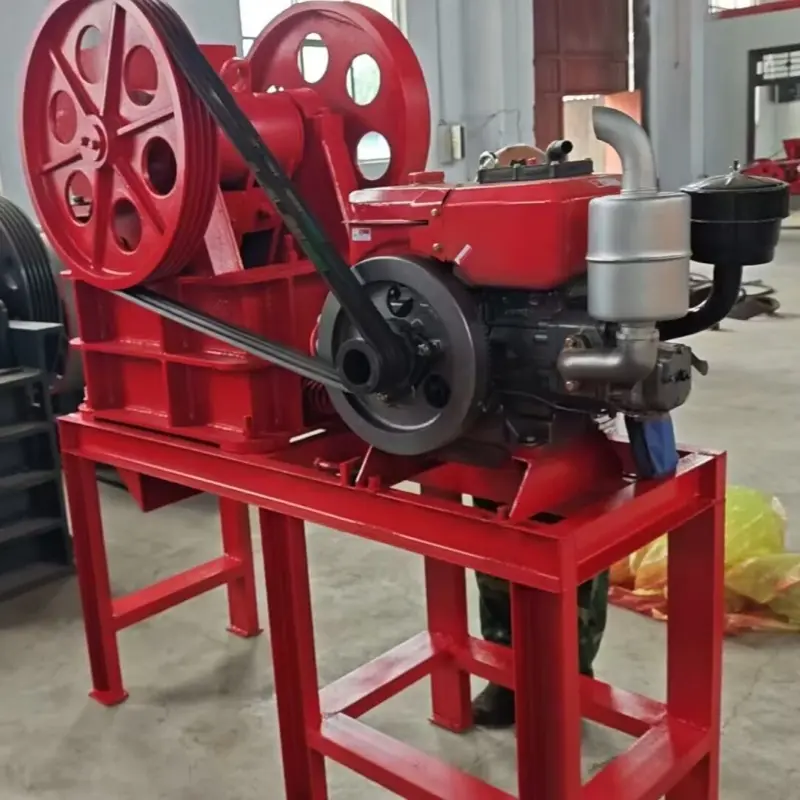
 Nov 2025
Ascend completed the shipment of specialized PE250x400 diesel jaw crushers to Papua New Guinea for alluvial gold project preparations.
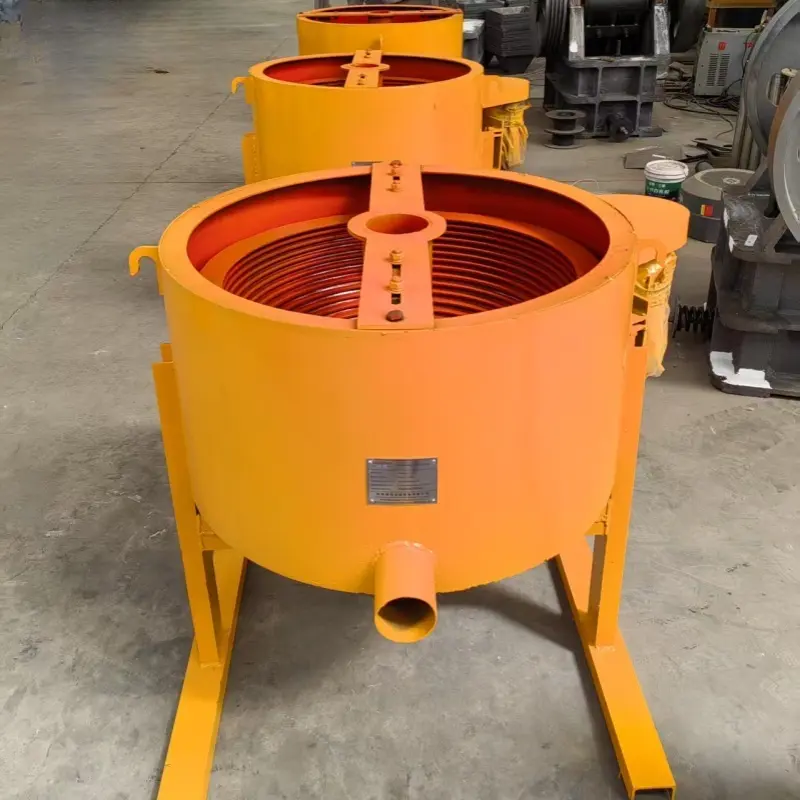 Aug 2025
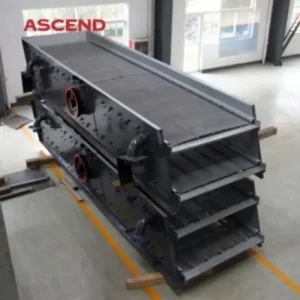
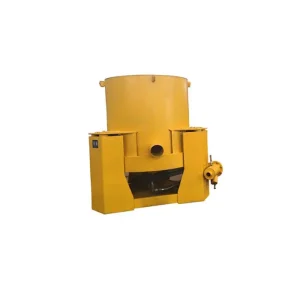
Two sets of high-efficiency Gold Kacha concentrators equipped with integrated screens were dispatched to copper-belt operations in Zambia.
Jul 2025
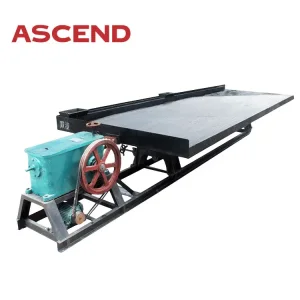
High-recovery gravity separation shaking tables were shipped to key mining companies in Sudan to help improve mineral recovery rates.
Jul 2025
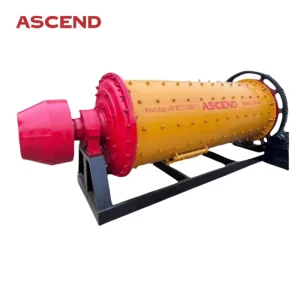
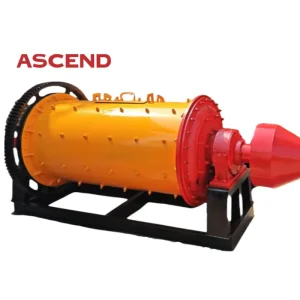
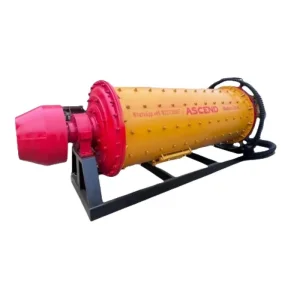
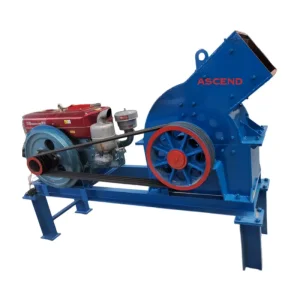
A specialized 900x3000 diesel-powered grinding mill was shipped to Papua New Guinea to support gold recovery projects in remote locations.
Jul 2025
A compact, trailer-mounted mobile jaw crushing plant was shipped to Tanzania to support regional quarry and site development needs.
Jun 2025
Ascend shipped a primary PE600x900 jaw crusher unit to Zambia, designed to handle large-size feeds in limestone and copper ore mines.
Addressing core mechanical, installation, and operating questions on Raymond Mill and industrial grinding circuits.
A Raymond Mill uses vertical roller assemblies that press against a stationary grinding ring to crush materials, using air currents for continuous classification. This design makes it compact and energy-efficient for fine grinding. Ball Mills, on the other hand, are horizontal cylinders filled with steel grinding media. They use mechanical impact and attrition to grind material, making them better suited for highly abrasive ores and wet grinding processes, though they require a larger installation footprint and higher energy input.
The final particle fineness is adjusted by changing the speed of the classifier separator. By using variable-frequency drives (VFD) to adjust the separator rotor speed, operators can control the air classification process. Faster rotor speeds return coarser particles back to the grinding chamber, yielding a finer finished product. Adjusting the air draft rate of the primary blower also helps control the size distribution.
The primary wear parts are the grinding rollers, grinding rings, and scoop shovel blades. These parts are constantly exposed to abrasive contact and should be inspected regularly. Roller bearings must also be greased and sealed properly to prevent fine dust intrusion and maintain bearing life.
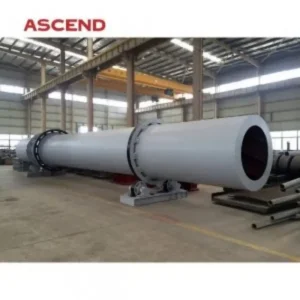
Raymond Mills require the feed moisture content to be under 6%. Higher moisture levels can cause fine powder to stick to the grinding ring, rollers, and separator screens. This build-up blocks the internal airflow and reduces grinding capacity. If you need to process materials with higher moisture levels, we recommend installing a rotary drum dryer upstream of the grinding system.
Explore our wider range of industrial equipment, featuring separation units, grinding mills, and mobile crushers for different processing stages.
 Ascend