Explore our top-performing grinding mills, impact crushers, and gravity concentration machinery manufactured under international quality control standards.
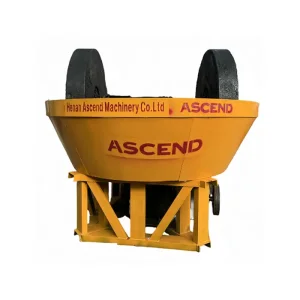
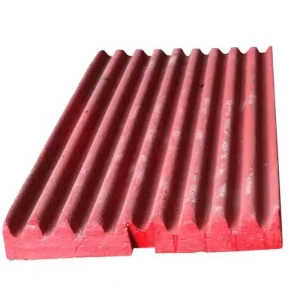
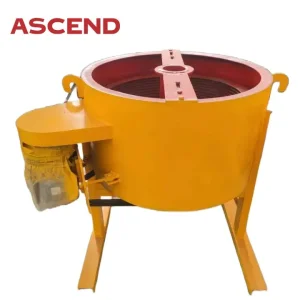
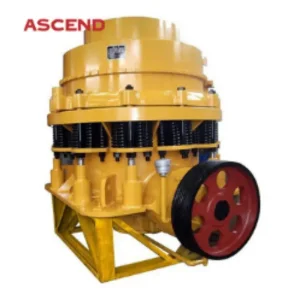
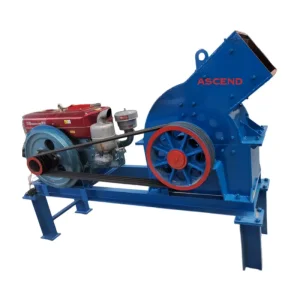
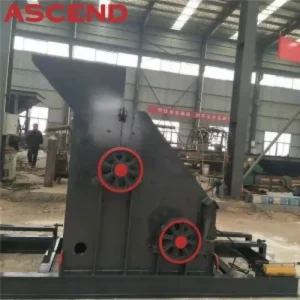
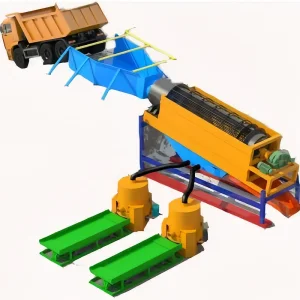
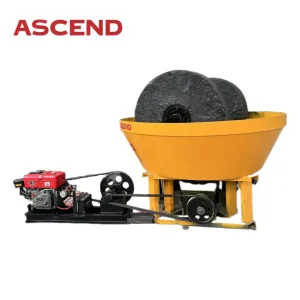
In the global mining sector, comminution—the process of reducing rock size to liberate valuable minerals—remains the most energy-intensive and operationally critical stage of mineral processing. The gold gravity ball mill stands as a foundational machine in this circuit. By relying on a rotating cylinder filled with grinding media (such as forged steel balls) and the force of gravity, these mills break down run-of-mine (ROM) ore into fine particles. This fine-grinding mechanism is essential for liberating microscopic gold particles trapped within quartz veins, sulfides, or complex host rock formations before downstream separation processes like gravity concentration, flotation, or cyanidation can take place.
Achieving the correct mineral liberation size without generating excessive slimes is the primary challenge in gold recovery. Under-grinding leaves gold locked within waste rocks, which significantly lowers recovery rates. Over-grinding, on the other hand, wastes energy and creates ultra-fine gold particles ("slimes") that cannot be recovered by standard gravity concentrators. High-quality gravity ball mills solve this challenge through precise rotation speeds, customized lining configurations, and targeted ball size distributions.
Gravity ball mills operate on the cascading and cataracting principles. As the cylinder rotates, friction and centrifugal forces lift the grinding media and ore to a certain height. Gravity then takes over, causing the materials to cascade back down onto the feed. The impact force generated by this drop, combined with the attrition between tumbling steel balls, breaks the ore. Industrial plant operators choose gravity ball mills for their mechanical reliability, high throughput, and adaptability to varying ore hardness levels, measured by the Bond Work Index (BWI).
Ascend has developed steadily since its establishment. Our operations span more than 130 countries and regions globally, with deep roots in Africa and Southeast Asia. Ascend's equipment quality and dedicated after-sales support have earned long-term partnerships with mining operators worldwide.
Every mining project has unique characteristics based on mineralogy, throughput needs, and site conditions. To help you select the optimal mill size for your project, our engineering team has compiled a detailed reference matrix showing our standard heavy-duty gold gravity ball mill models. Custom modifications are available for motor brands (e.g., Siemens, ABB), drive configurations, and liner material designs.
| Model Spec | Barrel Speed (r/min) | Ball Charge capacity (t) | Feeding Size (mm) | Discharge Size (mm) | Motor Power (kW) | Estimated Weight (t) |
|---|---|---|---|---|---|---|
| Ф900×1800 | 36-38 | 1.5 | ≤ 20 | 0.074 - 0.4 | 18.5 | 5.6 |
| Ф1200×2400 | 32 | 3.0 | ≤ 25 | 0.074 - 0.4 | 45 | 12.5 |
| Ф1500×3000 | 27 | 8.0 | ≤ 25 | 0.074 - 0.4 | 90 | 17.0 |
| Ф1800×4500 | 23 | 15.0 | ≤ 25 | 0.074 - 0.3 | 155 | 28.2 |
| Ф2200×5500 | 21 | 26.0 | ≤ 25 | 0.074 - 0.3 | 280 | 48.5 |
| Ф2700×4000 | 20.7 | 40.0 | ≤ 25 | 0.074 - 0.3 | 380 | 68.0 |
Selecting the correct model requires evaluating the work index of your target ore, the moisture content, and the required downstream separation method. For instance, mills operating in a wet circuit with gravity concentrators (such as shaking tables or centrifugal concentrators) are designed with overflow discharges to prevent the over-grinding of heavy free gold particles.
Liners protect the mill shell from abrasive wear and help lift the grinding balls to generate high-impact falls. The selection of liner material directly affects both maintenance intervals and operating costs:
Best suited for coarse grinding stages and highly abrasive ores with a high quartz content. These liners work-harden under constant impact, which increases their wear resistance over time.
Ideal for fine grinding stages and acidic wet grinding environments. Rubber liners absorb impact energy, reduce operating noise by up to 15 decibels, and weigh up to 80% less than steel liners, which lowers the starting torque required from the motor.
Used primarily in large-diameter mills handling high-tonnage throughput. Chromium alloy offers high wear resistance under severe abrasion, extending the service life of wear parts in continuous operational environments.
Browse our core equipment lines designed to support crushing, grinding, screening, and separation stages across diverse geological projects.
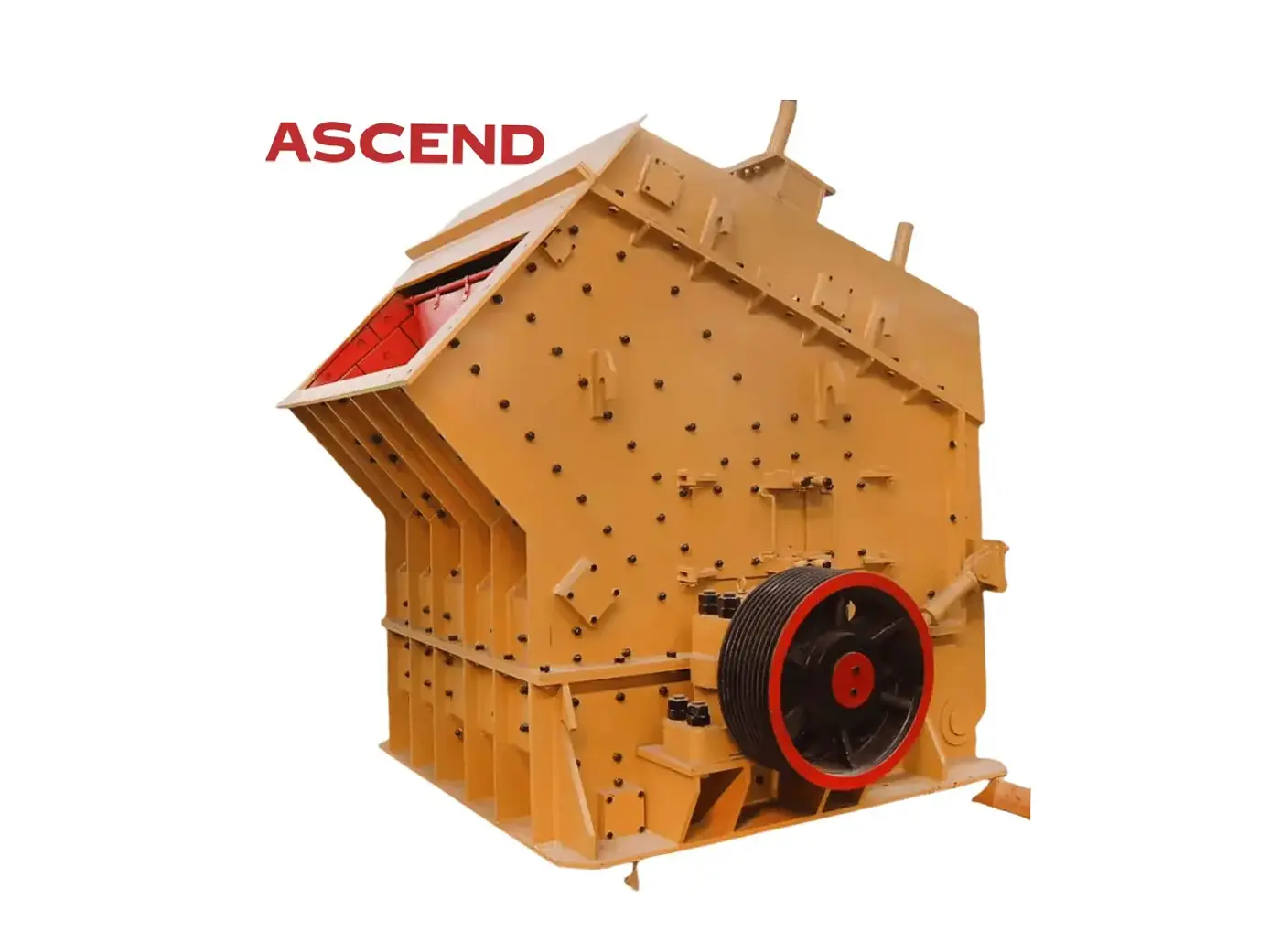
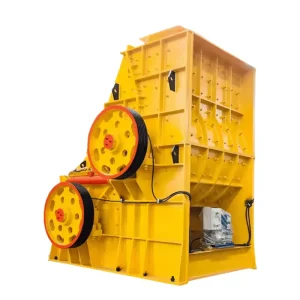
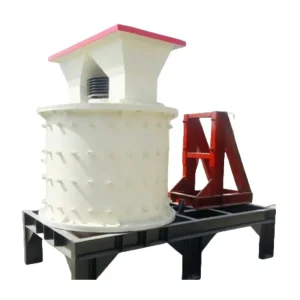
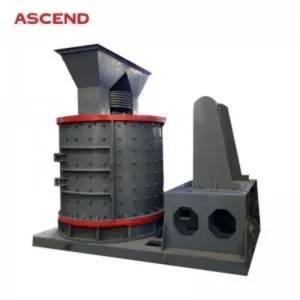
Impact crusher is a kind of secondary crushing equipment which uses impact power to crush materials. Impact crusher is characterized by easy maintenance, high reduction ratios and high efficiency to produce precisely cubic shape products. It is designed with three crushing chambers, seamlessly connected rotor, wear-resistant blow bar and installation of insert type. Moreover, it has tooth type liner, gradient designed bearing seat, frame with several openings and screws or hydraulic start-up devices. Impact crushers can be used in all different stages of size reduction from primary crushing to the last step of the crushing process.
Read More →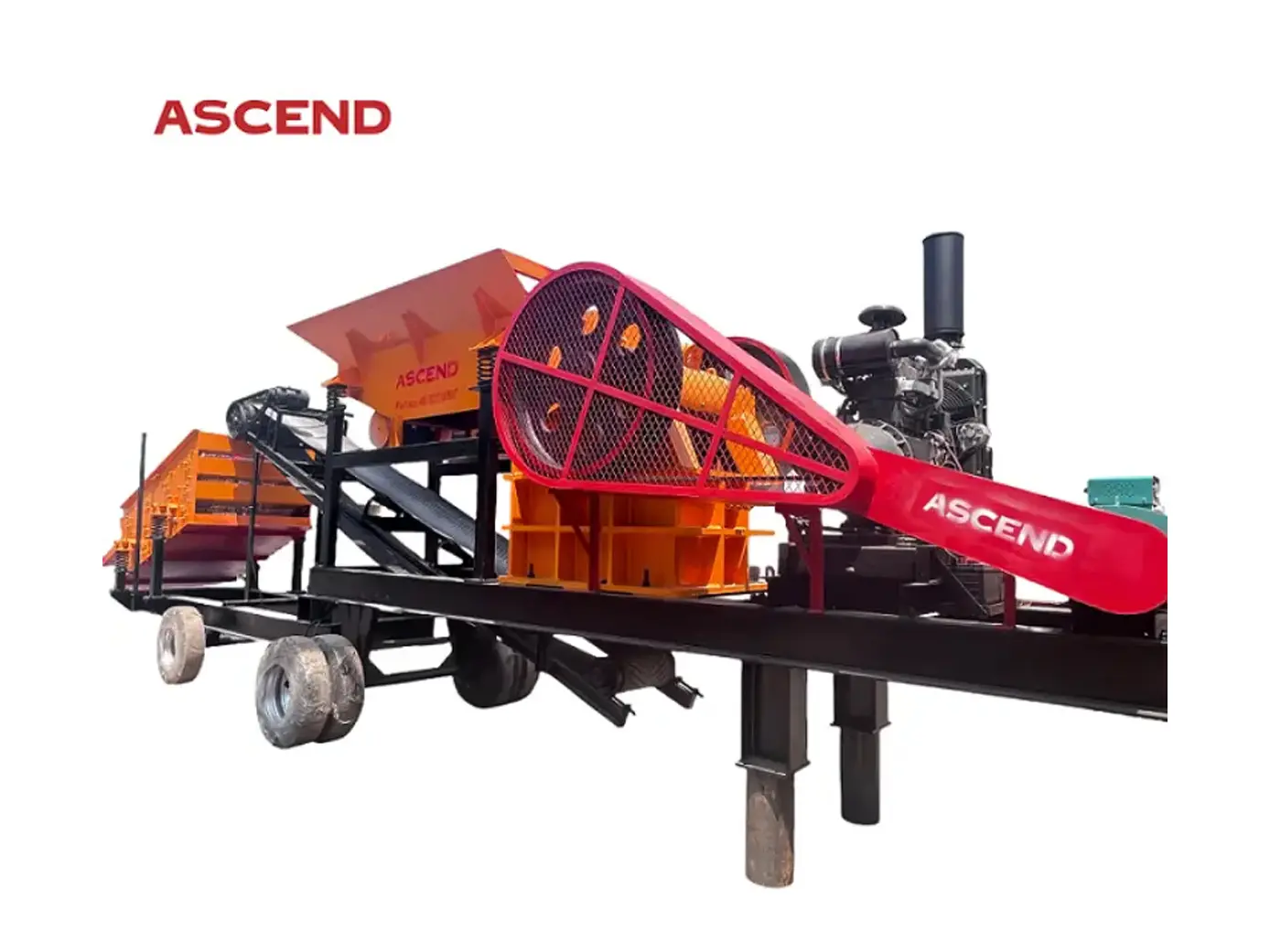
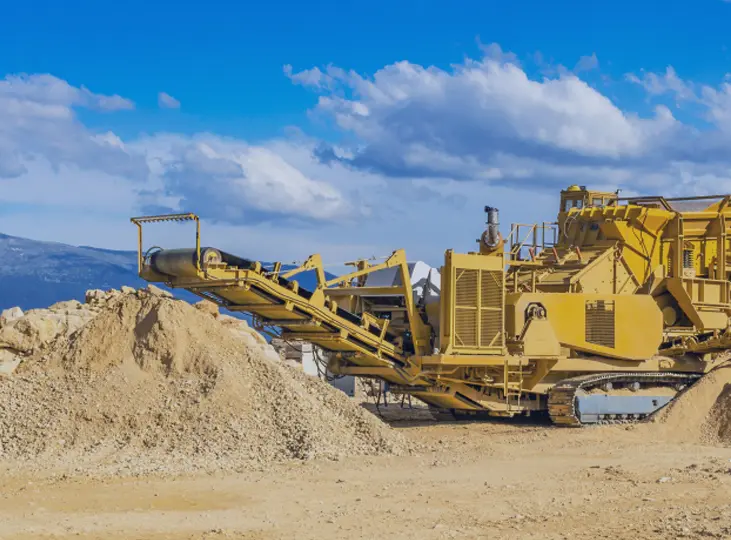
High-performance wheel and crawler mounted mobile crushing stations designed for fast site-to-site transit, rapid setup, and seamless integration with existing processing lines.
Read More →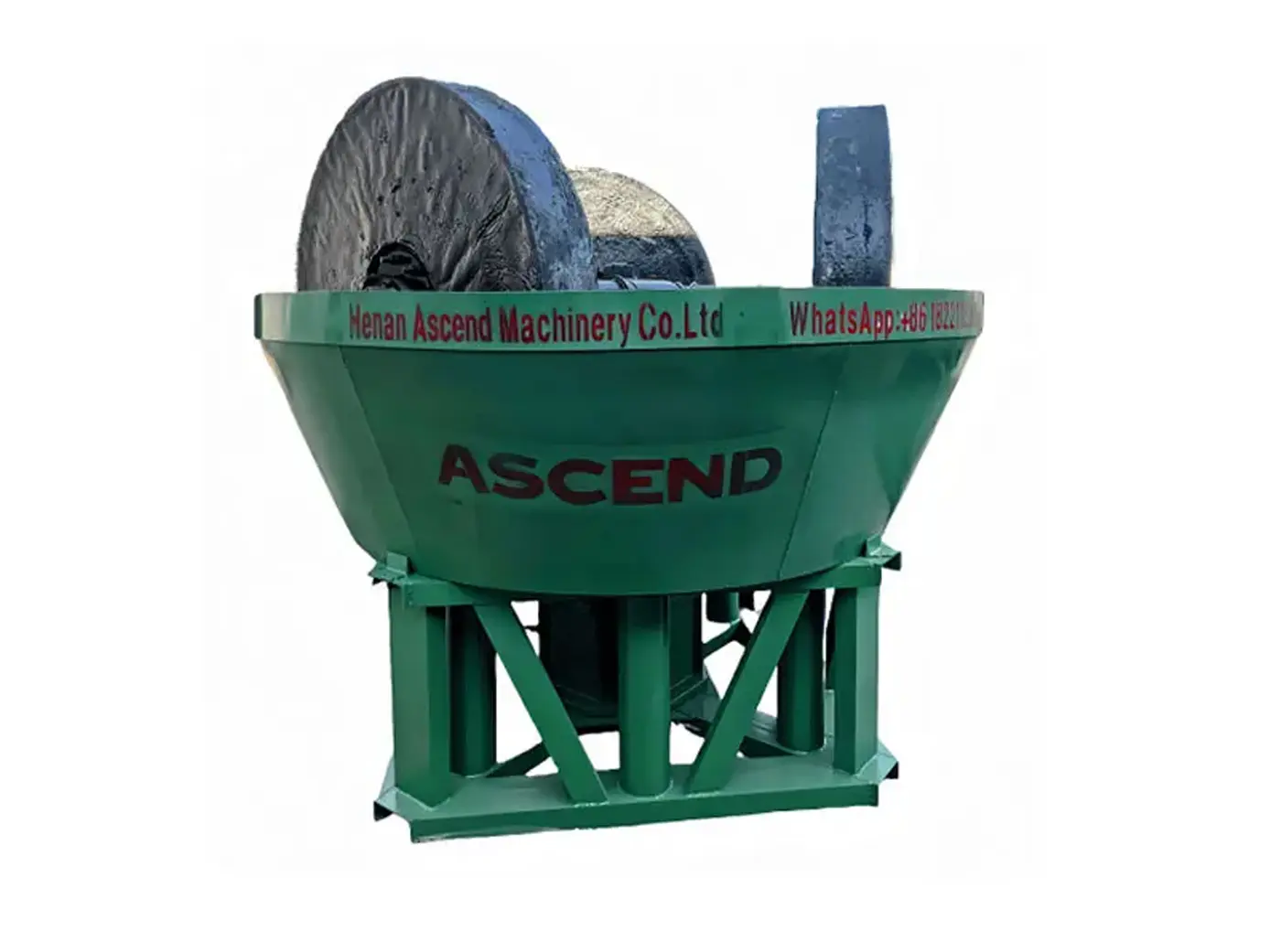
Comprehensive powder grinding systems including Raymond mills, ultra-fine mills, and vertical grinding stations for producing high-grade industrial mineral powders.
Read More →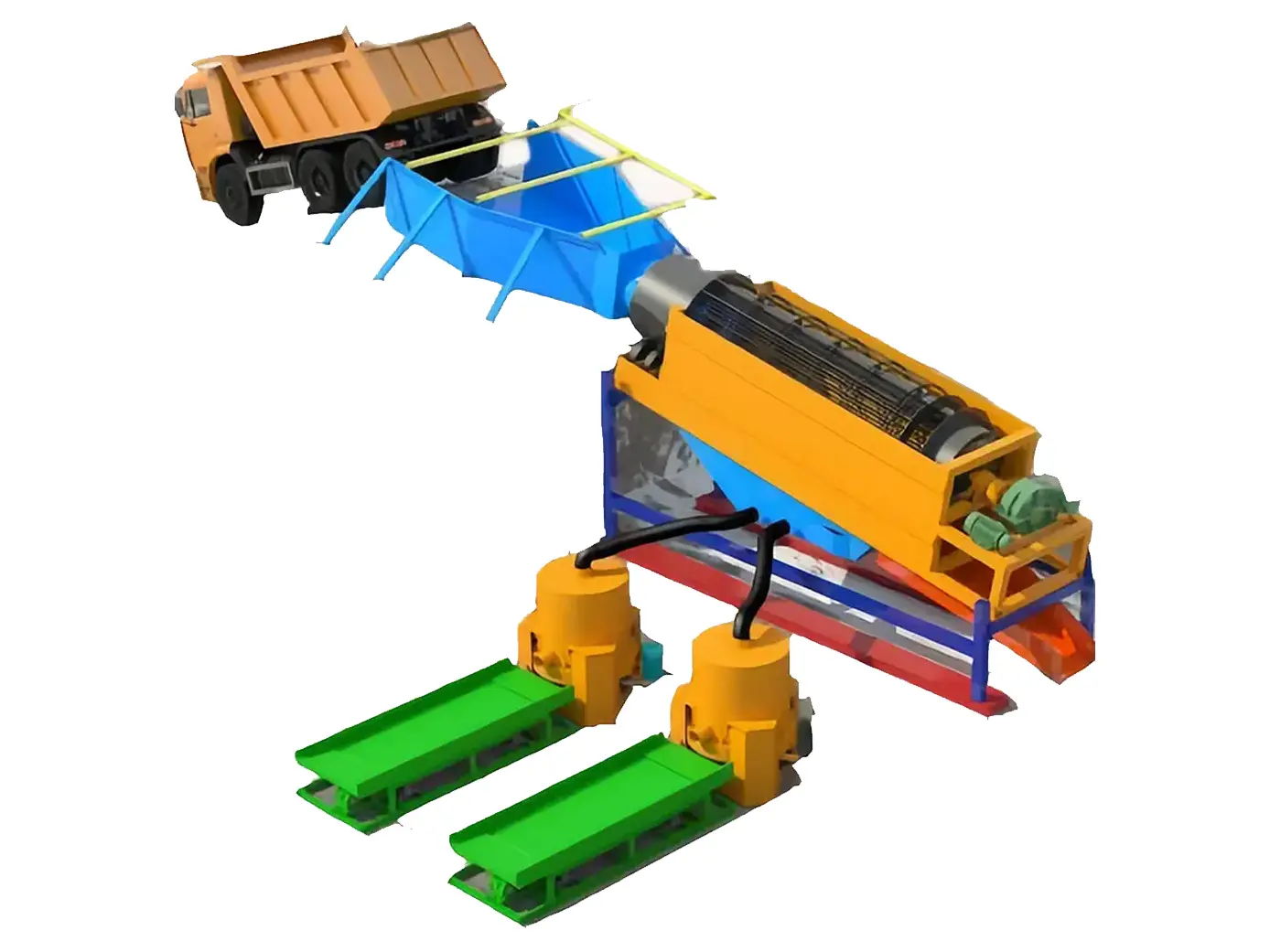
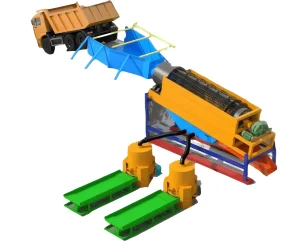
Complete turn-key solutions including screening, wet grinding, gravity separation, and gravity concentration lines. Integrated by Henan Ascend's engineering team to guarantee high recovery rates under diverse geographic and climatic conditions.
Read More →When evaluating the pricelist of a high-quality gold gravity ball mill, it is important to look beyond the base manufacturing cost. The total investment is determined by several core variables: steel grades, motor brands, drive mechanisms, and customization options.
The type of steel used in the mill shell and end covers directly impacts structural integrity. We use Q235B steel plates with thicknesses up to 24mm (depending on the model) and manganese steel alloy gears to ensure long-term durability under heavy cyclic loads.
Options range from classic side-drive systems with modular gearboxes to advanced central-drive systems with variable frequency drives (VFD). VFDs allow operators to adjust the mill's rotational speed, optimizing power consumption based on changes in ore hardness.
For sites without reliable access to the electrical grid, we configure diesel-electric hybrid drive packages or direct diesel-engine driven mills (such as our 900x3000 diesel engine ball mills). This capability enables modern grinding performance even in remote exploration locations.
By purchasing directly from our manufacturing facilities in Zhengzhou, China, clients bypass trading intermediaries. This direct access reduces acquisition costs by 15% to 25%. In addition, direct-factory procurement ensures that all replacement parts—including liners, steel balls, gears, and bearing blocks—match original design tolerances exactly, preventing unplanned operational downtime.
Real-world operational footprints showcasing Ascend crushing and milling lines installed at mineral processing sites worldwide.
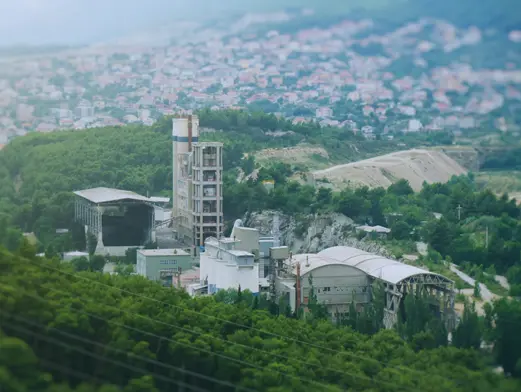
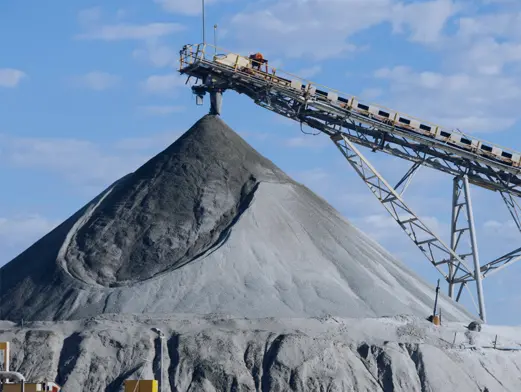
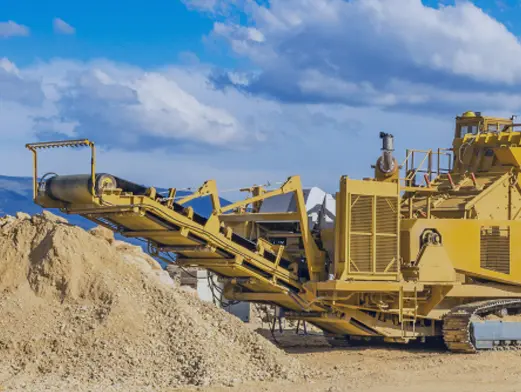
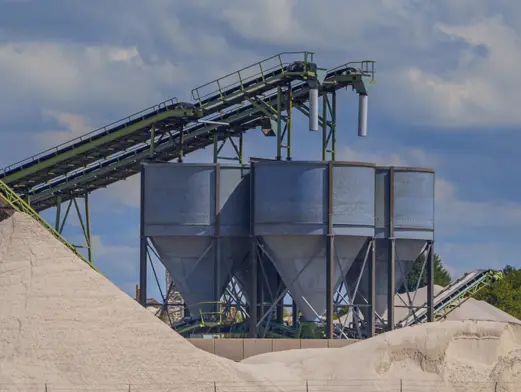
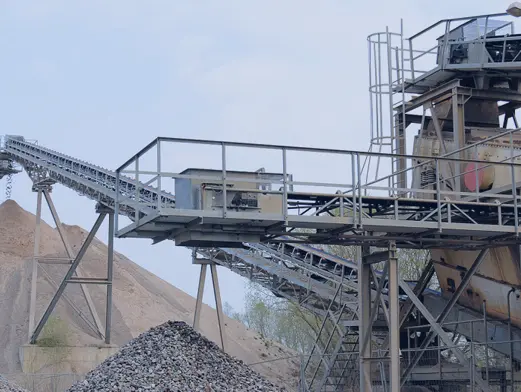
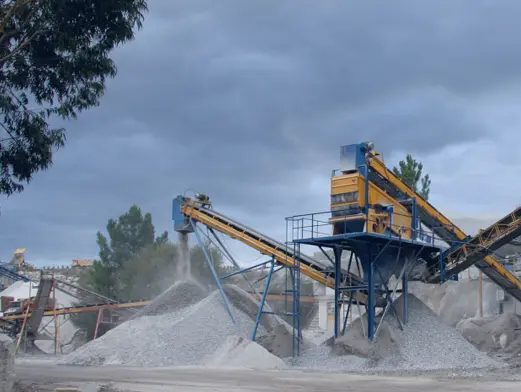
Stay informed with the latest shipping logs, commissionings, and international deployments from our production facilities.
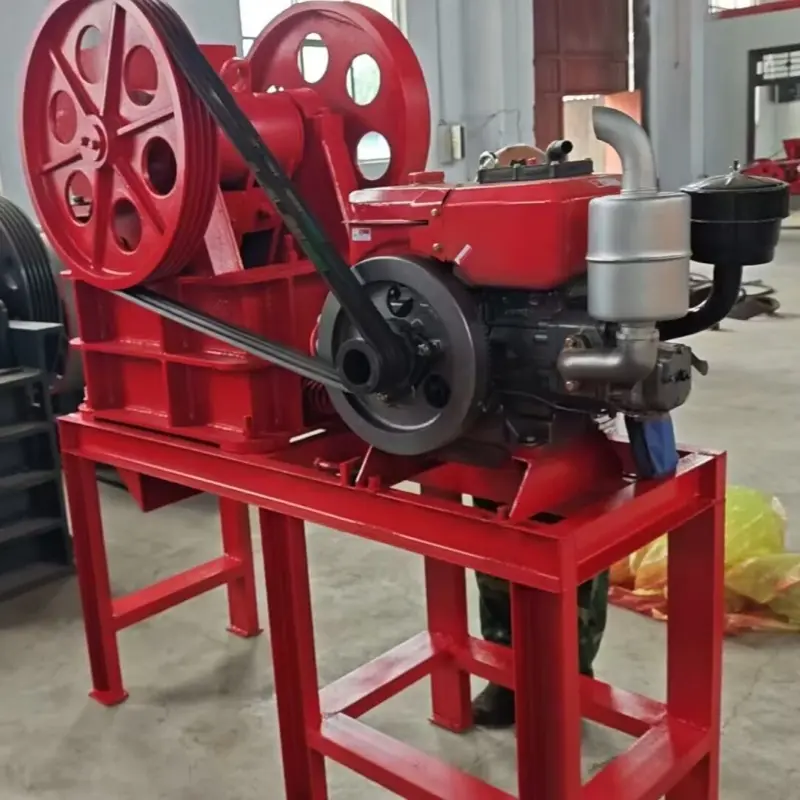 Shipping Dispatch
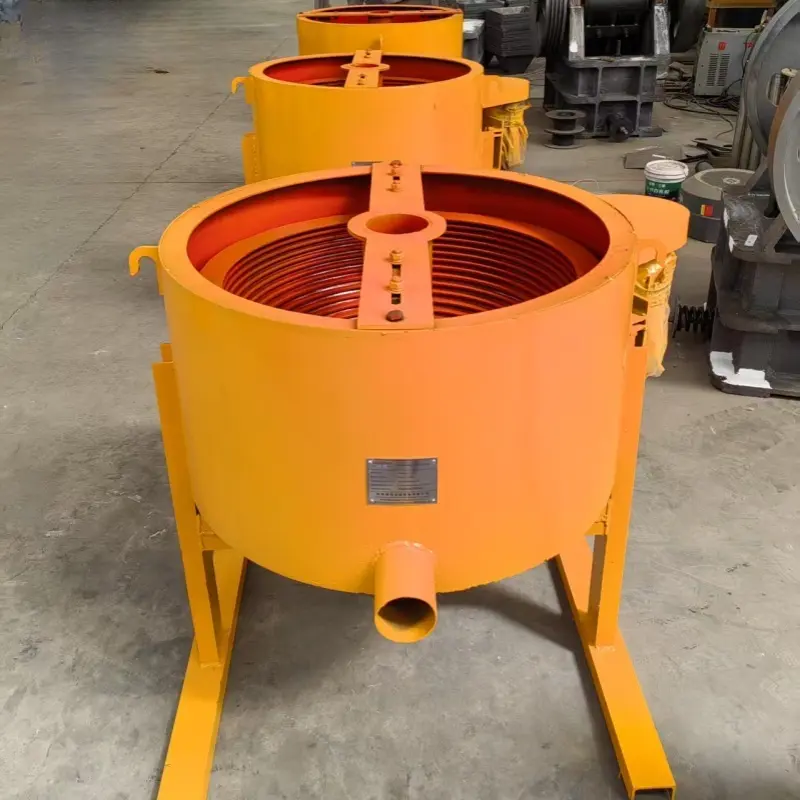 Project Delivery
Achieving peak efficiency in a gravity separation circuit requires integrating your ball mill with downstream separation equipment. For gold recovery, the output from the mill is typically routed to centrifugal concentrators, shaking tables, or spiraling sluices. The key operational metric is managing the recirculating load. Recirculating coarse particles back to the mill ensures that only properly liberated minerals progress to final concentration.
Because gold is highly malleable, coarse free gold can be flattened in a grinding mill rather than broken down. This reduces its recovery rate in gravity circuits. To prevent this, our processing designs feature a jig or a centrifugal concentrator within the grinding loop. This setup removes liberated free gold as soon as it reaches recovery size, preventing it from recycling back through the mill.
Modern mineral processing focuses heavily on energy efficiency and automation. Our engineering teams are working on integrating digital sensors into industrial grinding circuits. These systems use vibration and acoustic sensors to monitor ball charge levels and detect liner wear in real time, helping operators plan maintenance and avoid unexpected shutdowns.
In addition, automated water-to-solid controls maintain consistent slurry density inside the mill. This stabilization ensures uniform particle sizes, which are essential for downstream gravity tables to work efficiently.
Answers to common technical, logistical, and pricing questions about gold gravity ball mills.
Wet pan mills (such as the 1100 and 1200 models) are ideal for small-scale, artisanal operations due to their lower initial cost, simple operation, and capability to handle amalgamation at the point of grinding. Standard gravity ball mills are designed for larger, continuous operations. They offer higher tonnage capacities, automated process control, and superior efficiency in closed-circuit operations.
The price depends on the mill diameter and length, the thickness and grade of the shell steel, the type of inner liners (manganese vs. rubber), motor specifications (such as Siemens or custom electric/diesel configurations), and the inclusion of advanced features like variable frequency drives (VFD) or automated lubrication systems.
Liners typically last between 9 and 24 months, depending on ore abrasiveness, feed size, and whether you use manganese steel or rubber. Grinding steel balls are worn down during operation and are continuously replenished. Operators generally add fresh balls during weekly maintenance checks to maintain the target charge density.
Yes. Henan Ascend provides customized solutions for processing lines globally. Our engineering team designs entire layouts from primary crushing to screening and gravity separation, ensuring all components are sized correctly to match your target throughput and recovery goals.
For mining operations in remote regions with limited access to the electrical grid, diesel-engine systems provide a reliable power source. They eliminate the need for large generator sets, which simplifies your site setup and reduces initial capital costs.
The discharged pulp passes through a spiral classifier or hydrocyclone. The overflow (fine particles) moves on to equipment like centrifugal concentrators and shaking tables. The underflow (coarse material) is recycled back into the ball mill for further grinding to ensure high recovery rates.
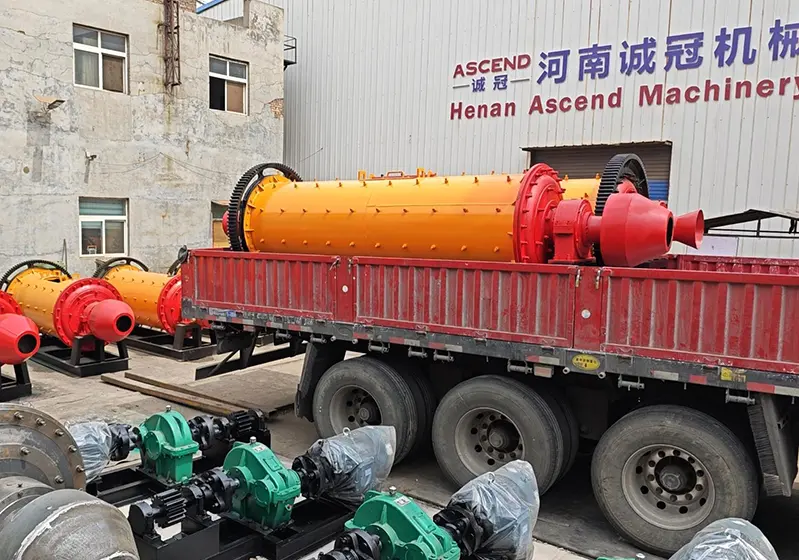
Henan Ascend Machinery & Equipment Co.,Ltd. was established in 2005 and is located in the high-tech zone of Zhengzhou City, Henan Province.
Ascend specializes in the research, development, manufacturing, and support of heavy mining machinery—including complete crushing, grinding, screening, feeding, and conveying systems. Whether you need to process limestone, granite, gravel, or configure a high-recovery gold extraction line, our engineering team is ready to design a solution tailored to your site requirements. Operating our own factory allows us to maintain strict quality control and offer competitive factory-direct pricing.
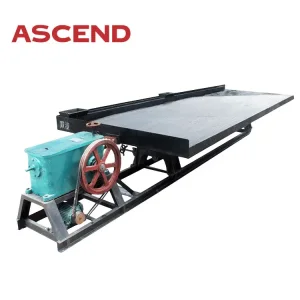
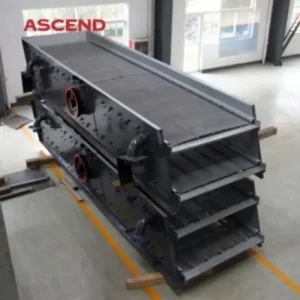
Read More About UsDiscover our comprehensive range of high-efficiency roll crushers, hammer mills, shaking tables, and vibrating screens designed for reliable long-term service.
 Ascend
