Engineered to deliver high throughput, low operational costs, and reliable product shapes for diverse geological feedstocks.
The global construction and mining sectors are experiencing an unprecedented transition. Natural river sand, once the primary fine aggregate for concrete production, is rapidly depleting. Environmental protection policies, combined with strict bans on river dredging worldwide, have created a massive supply deficit. Consequently, manufactured sand (M-sand) has evolved from a secondary alternative into the primary structural choice for major infrastructure, highway, high-speed rail, and real estate projects.
For modern, high-durability concrete (such as C50 and C60 grades), the shape, grading, and fineness modulus of sand are strictly monitored. Natural sand often features unpredictable impurities like clay or organic matter, whereas manufactured sand produced by modern Vertical Shaft Impact (VSI) crushers is highly consistent. The cubical shape, sharp edges, and controlled particle size distribution of VSI-formed M-sand dramatically improve concrete's compressive strength and minimize cement consumption. For international operators, selecting a sand making plant is no longer just about procurement; it is a critical strategy to secure material self-sufficiency, optimize cement-to-aggregate ratios, and maximize returns on investment.
When investigating a China sand making machine price, buyers must analyze structural, metallurgical, and design features rather than just comparing basic list prices. High-quality Chinese manufacturers leverage massive domestic supply chains to offer competitive capital expenditure (CapEx), but pricing varies based on key factors: metallurgical grades, motor brands, bearing setups, and custom auxiliary systems. Investing in high-chrome alloy blow bars and heavy-duty, dynamically-balanced rotors pays off quickly by lowering long-term operating costs (OpEx) and minimizing downtime.
Depending on feed sizes, rock hardness, and target production volumes, different crushing mechanisms are used in a modern sand-making circuit. Below, we compare the primary machines used in these systems:
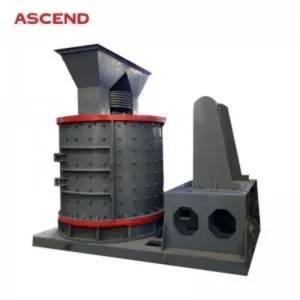
Commonly referred to as the definitive sand maker. Utilizing the "rock-on-rock" or "rock-on-iron" principle, VSI crushers accelerate material through a high-speed rotor to impact a stationary lining. This action shapes the material into cubical particles with a highly uniform fineness modulus, ideal for premium M-sand production.
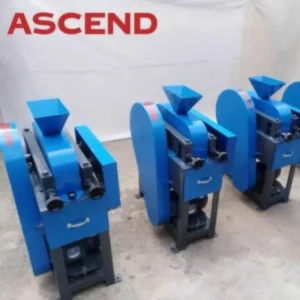
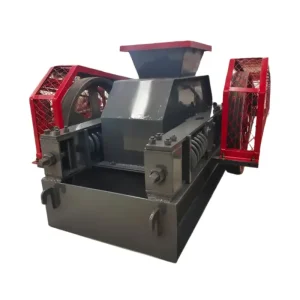
These units squeeze material between two counter-rotating rollers. Ideal for medium to low-hardness ores, industrial wastes, and small-scale operations. Double roller crushers excel in minimizing dust and fines when producing specific, coarser sand sizes and offer very low operating costs.
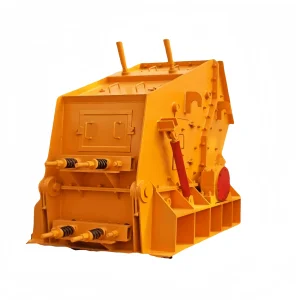
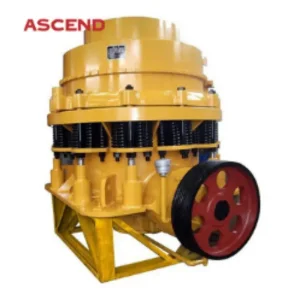
Typically used for secondary crushing of medium-hard materials like limestone. The three-cavity design provides an excellent reduction ratio and helps shape particles before they reach the final VSI sand maker, preventing excessive wear on the downstream tertiary circuit.
For procurement planning, this matrix highlights typical pricing ranges, capacity thresholds, and wear-component life cycles for various Chinese sand-making configurations:
| Equipment Type | Capacity Range | Primary Application | Est. Price (USD) | Key Cost Driver |
|---|---|---|---|---|
| VSI Sand Maker (Standard) | 50 - 150 t/h | River pebble, granite, limestone shaping | $15,000 - $45,000 | Rotor alloy, bearing brand (SKF vs. Domestic) |
| VSI Sand Maker (Heavy-Duty) | 200 - 600+ t/h | Large quarry operations, high-silica granite | $50,000 - $180,000+ | Dynamic balancing, hydraulic lid-lifting system |
| Double Roller Crusher | 10 - 80 t/h | Coal, soft minerals, tailings recovery | $4,000 - $25,000 | Roll shell steel thickness, manganese content |
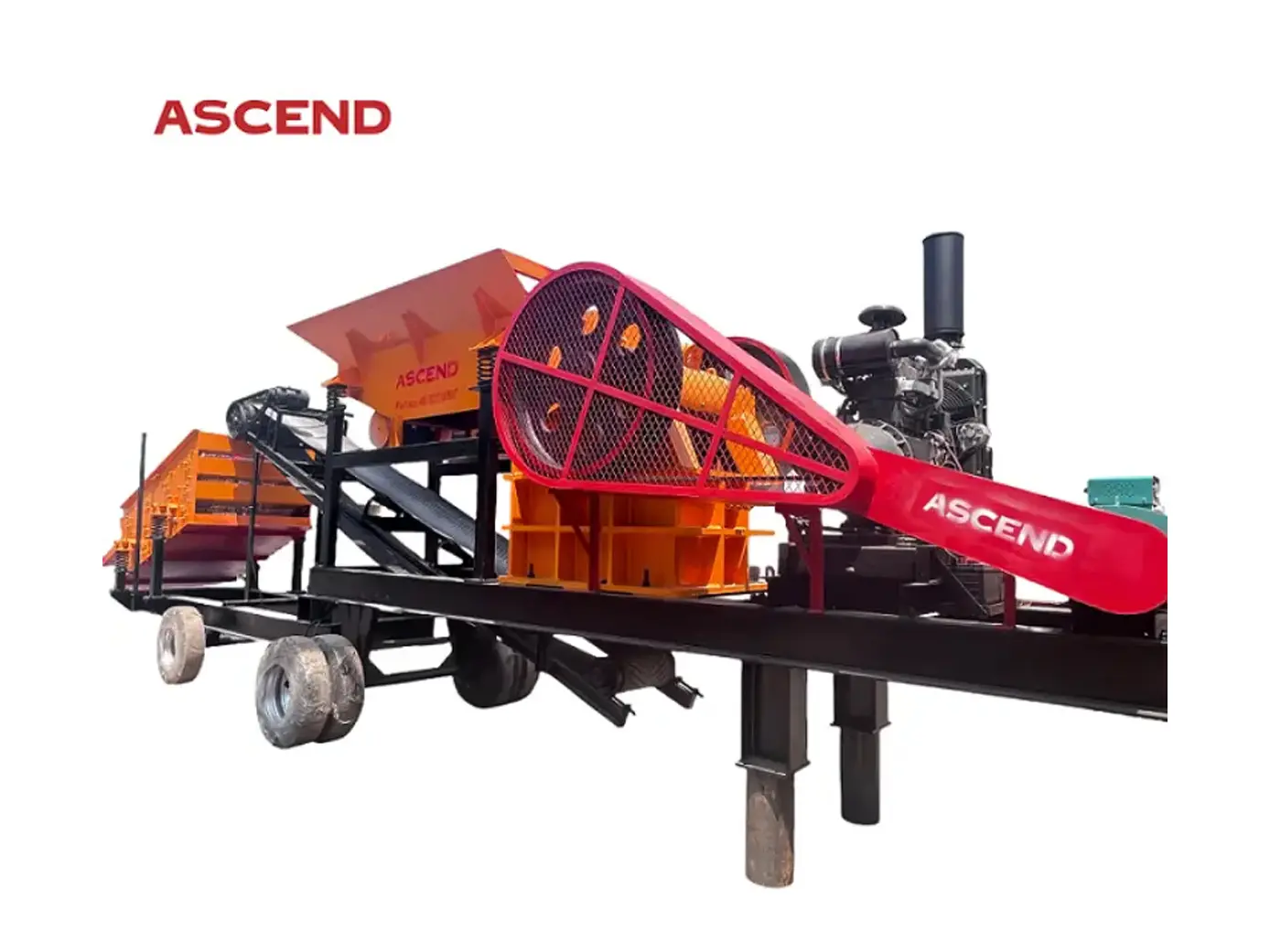
| Diesel Impact Crusher | 30 - 120 t/h | Off-grid operations, limestone roadbase | $8,000 - $35,000 | Diesel engine horsepower, emissions compliance |
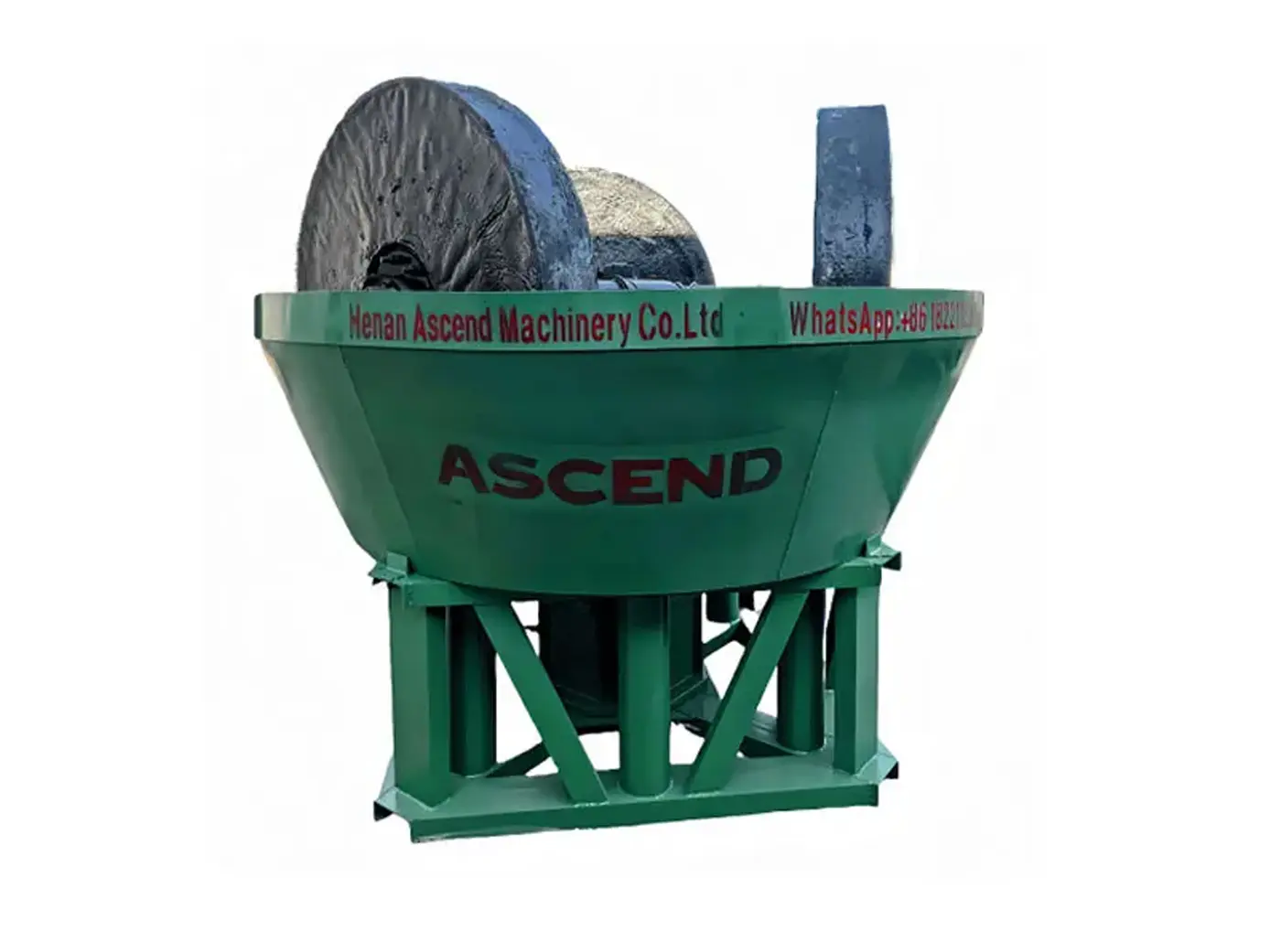
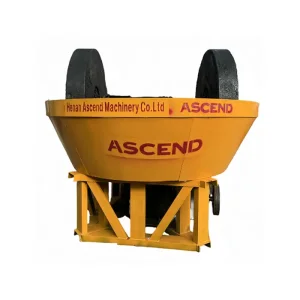
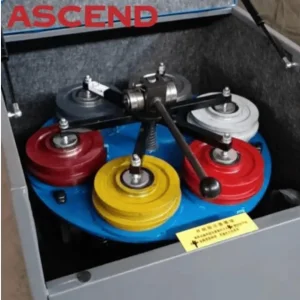
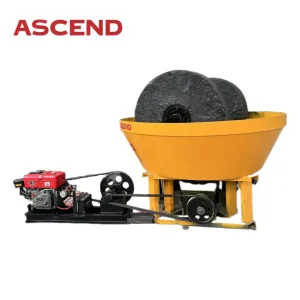
| Wet Pan Mill (Gold/Silica) | 2 - 15 t/h | Fine grinding, artisanal mining, silica sand | $2,000 - $12,000 | Roller weight, frame structural reinforcement |
Ascend has developed steadily since its establishment. Our operations span over 130 countries and regions globally, particularly across Africa and Southeast Asia. Ascend's equipment quality and after-sales service continue to win widespread praise from international mining and aggregate producers.
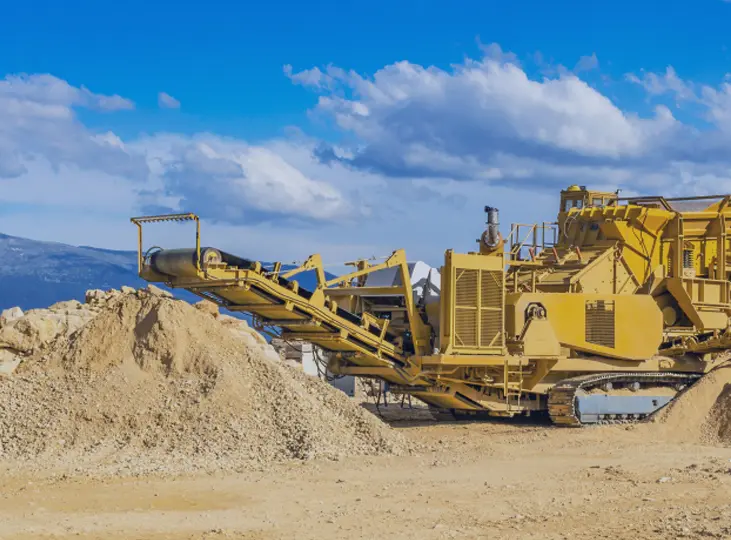
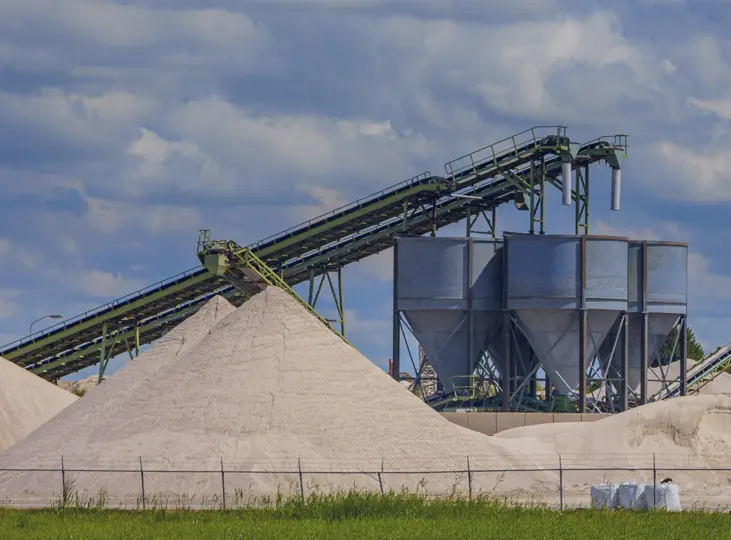
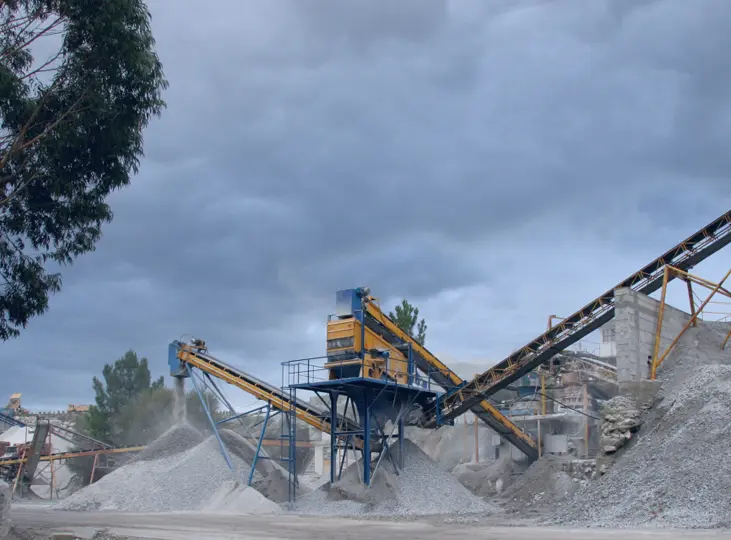
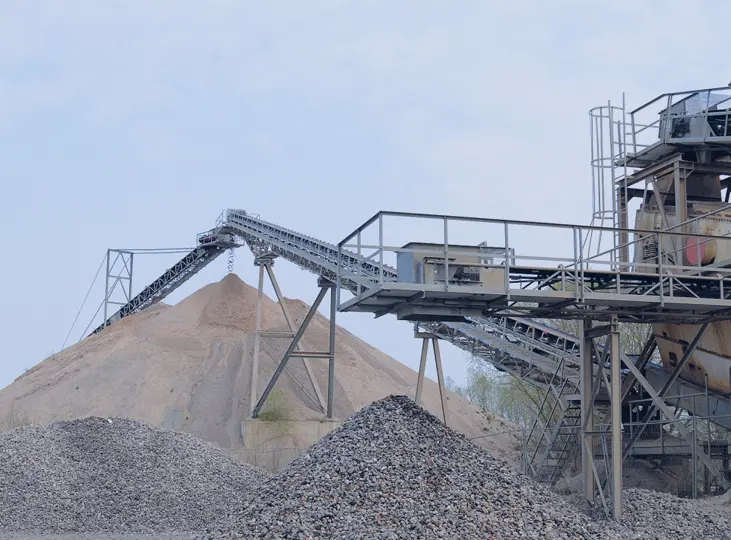
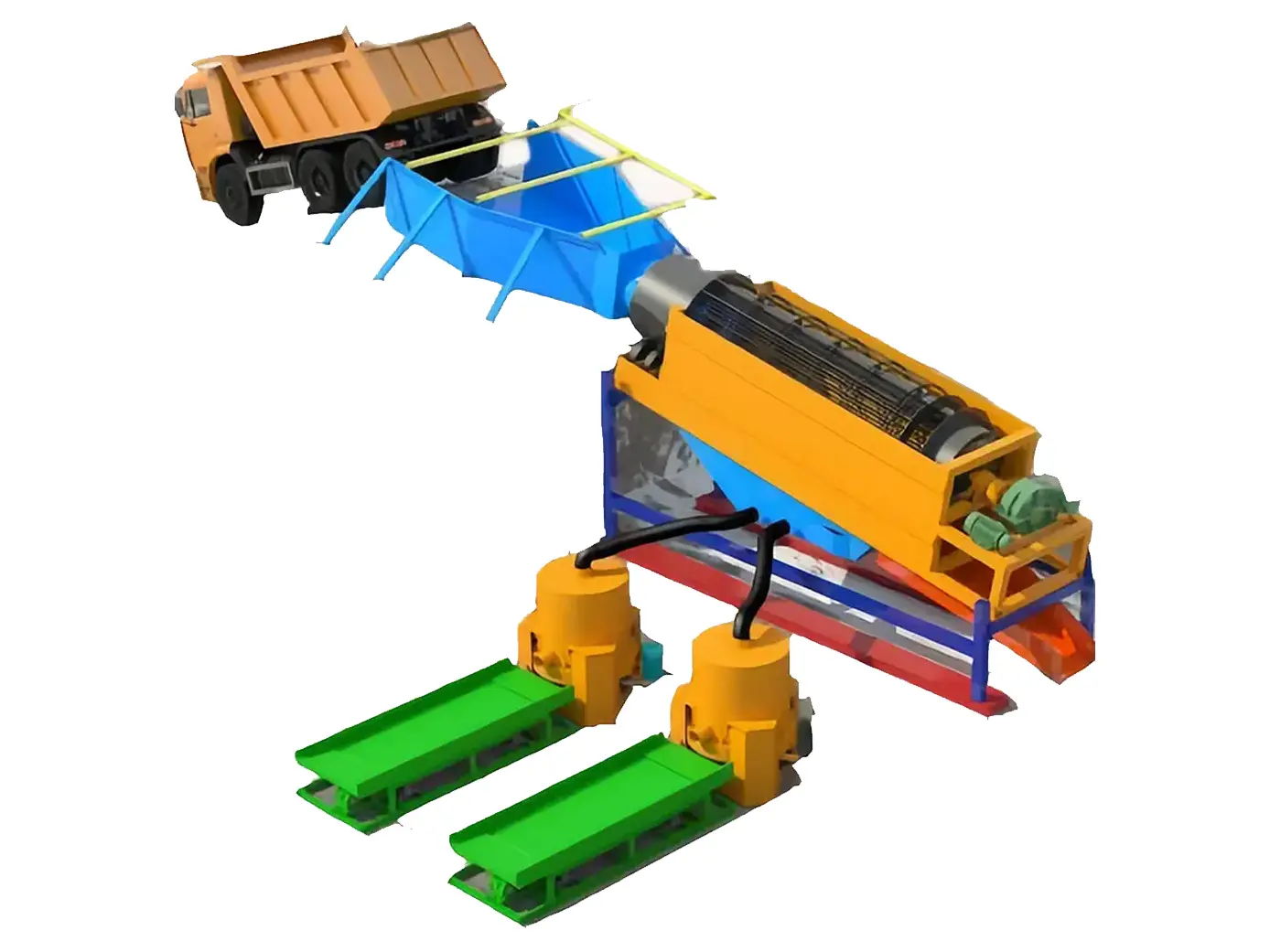
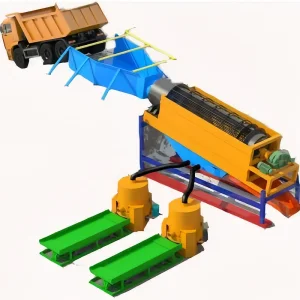
A successful sand production plant requires integrating feeding, primary reduction, secondary screening, tertiary shaping, and optional washing systems into a seamless circuit. Designing these lines involves a balance between the raw material's abrasive qualities and the desired output shape:
Choosing between wet or dry processing depends on local resources. Wet processing uses water to rinse out silt and clay, producing clean sand but requiring settling ponds and water management systems. Dry processing utilizes air classifiers to separate dust. It works well in arid regions, uses less water, and lowers operational complexity, though it requires robust dust-control systems.
Deploying heavy equipment internationally requires meeting local regulations and engineering standards. A reliable manufacturer must support clients through several critical areas:
Explore our main product lines designed for quarries, ore processing, and heavy industrial applications.
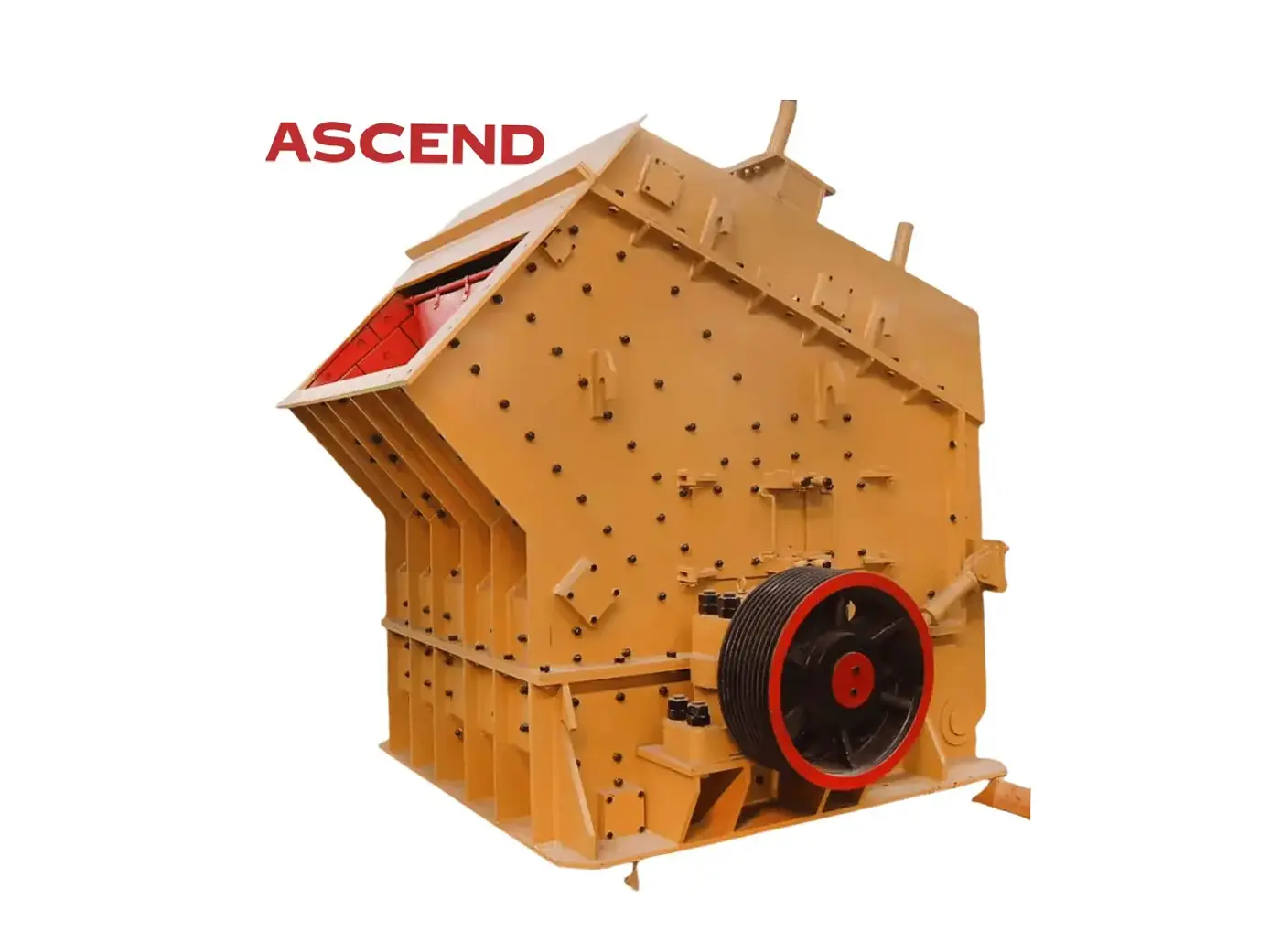
Our impact crushers are secondary crushing machines that use impact force to reduce material. They feature straightforward maintenance, high reduction ratios, and produce a cubical product. Key features include three crushing chambers, a robust rotor assembly, high-wear blow bars, and optional hydraulic opening mechanisms. These crushers are versatile tools for sizing aggregate from primary reduction down to final screening preparation.
Read More DetailsSand making plants face different challenges depending on their operating environments. Here is how configuration choices change across regions:
Southeast Asian operations (such as in Vietnam and Indonesia) frequently process river pebbles. While these materials are highly abrasive due to high silica content, they are pre-washed by the river. For these projects, we design VSI circuits using closed-circuit conveyor loops and polyurethane screens to handle damp, sticky fines, and optimize wear life.
African mining projects often crush tough granite or basalt, frequently in off-grid locations. These installations use heavy-duty jaw crushers followed by cone crushers and a VSI stage. Power is supplied by containerized diesel generators, and structural frames are reinforced to handle heavy continuous vibration.
Faced with stricter environmental regulations, many quarry operators are converting leftover crusher dust and tailings into usable sand. Double-roller crushers and fine screening systems allow companies to turn these waste piles into sellable concrete sand, generating new revenue streams while cleaner site management.
Industrial sand-making technology continues to advance, focusing on three major areas:
Real-world installations showing our equipment operating in quarries, mineral processing lines, and washing plants worldwide.
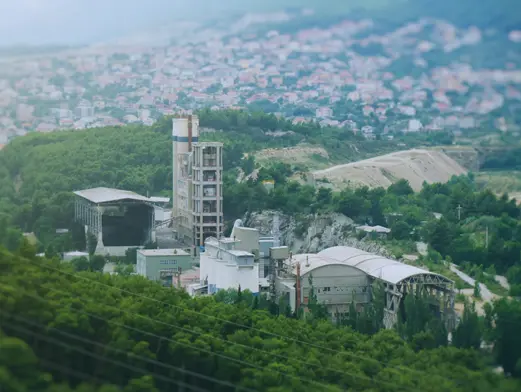
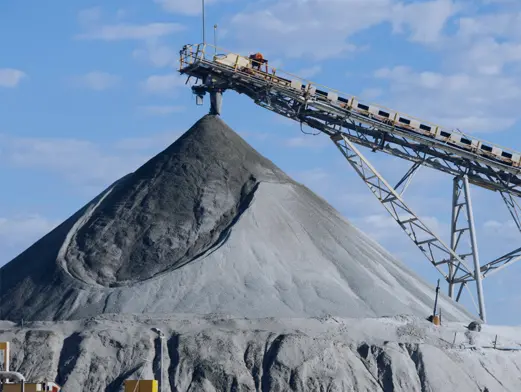
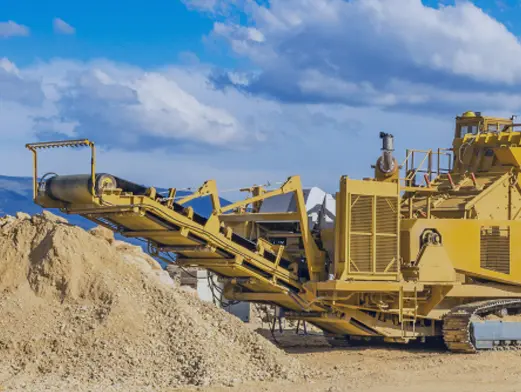
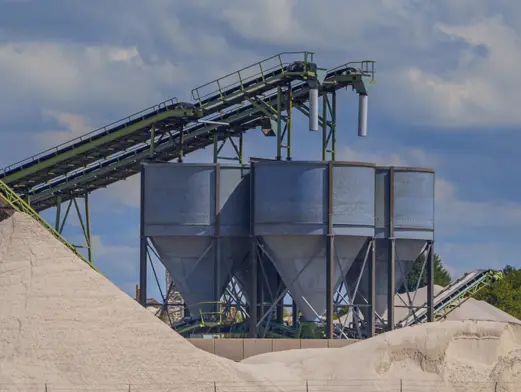
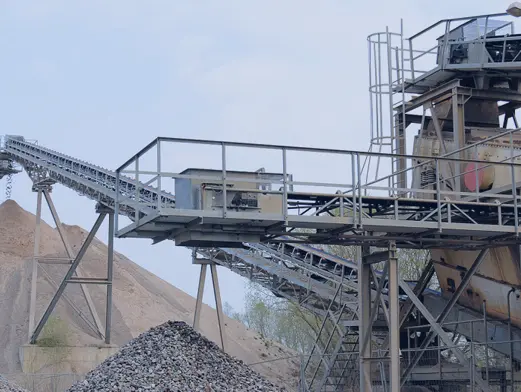
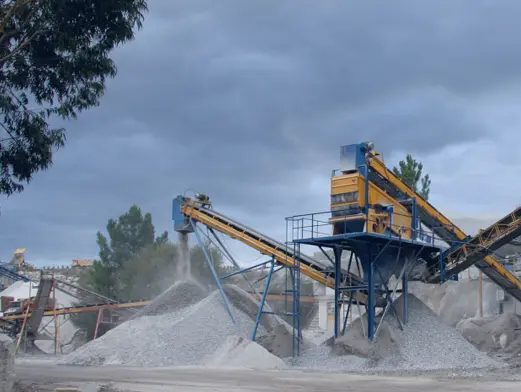
Stay updated on our latest product deliveries, site installations, and international mining projects.
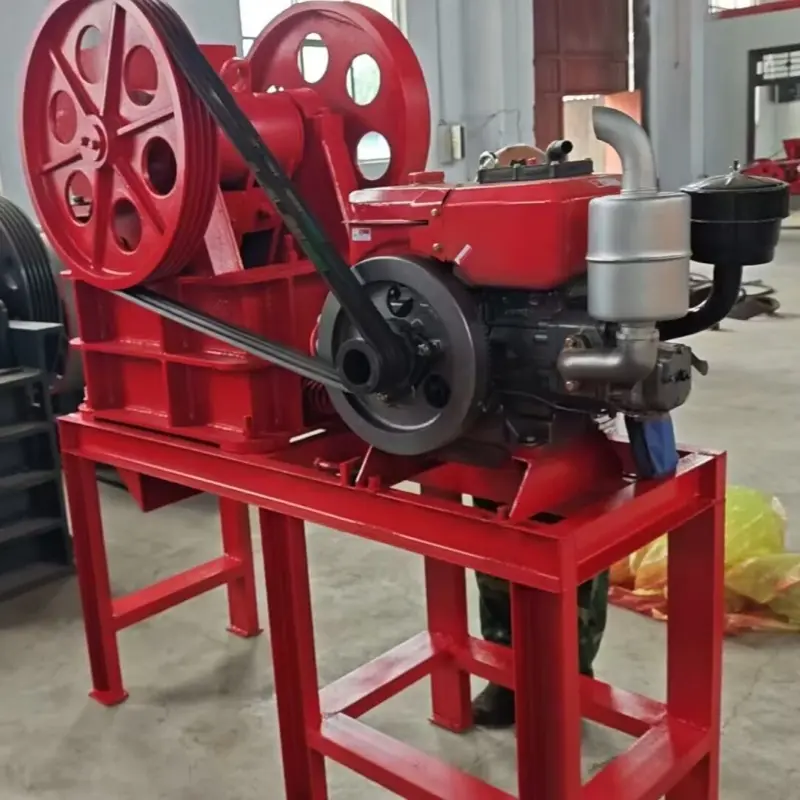
 November 2025
 August 2025
July 2025
July 2025
July 2025
June 2025
August 2025
July 2025
July 2025
July 2025
June 2025
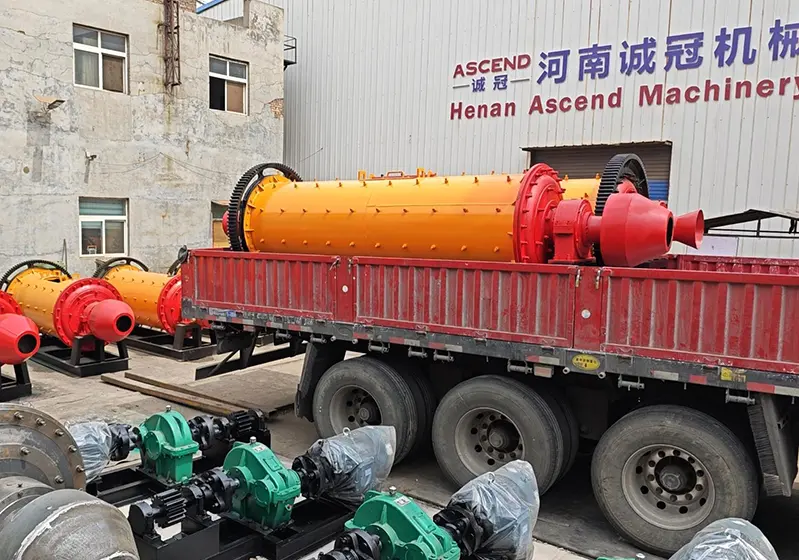
Established in 2005 in the High-Tech Zone of Zhengzhou City, Henan Province, Henan Ascend Machinery & Equipment Co., Ltd. has grown into a leading name in mining engineering.
Ascend focuses on the research, manufacturing, and support of heavy mining equipment, including systems for crushing, grinding, screening, feeding, and transport. Whether you need to process limestone, granite, or river gravel into aggregate, grind minerals to powder, or optimize a gold recovery line, our engineering team can design a solution for your requirements. Operating our own manufacturing facility ensures reliable quality and competitive pricing for our global clients.
Read More About UsExpert answers to common questions about sand machinery selection, operating costs, and plant design.
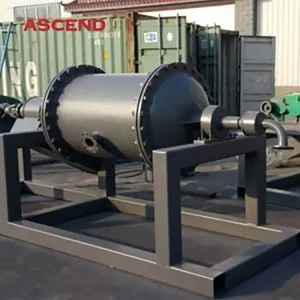
Heavy duty solutions for concentration, grinding, wet classification, and fine crushing.
 Ascend