Explore our high-performance heavy machinery collection, engineered for maximum throughput and prolonged lifecycle wear resistance.
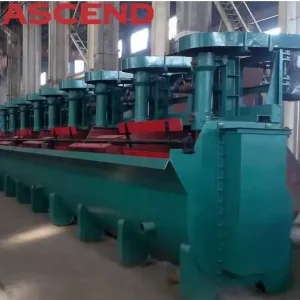
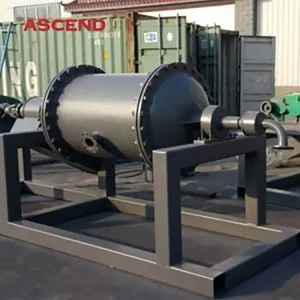
In the contemporary aggregate, cement, and chemical manufacturing sectors, the Limestone Double Hammer Mill has emerged as the cornerstone of secondary and tertiary comminution. Global industrialization drives an insatiable appetite for cement clinker, agricultural lime, and high-purity calcium carbonate. Conventional single-rotor crushers often fall short when processing sticky, wet feed stocks, leading to chronic clogging, drop in throughput, and elevated maintenance overheads.
By implementing a dual-rotor synchronous layout, the double hammer mill utilizes counter-rotating rotors that smash material in mid-air prior to passing through sizing grates. The global market is witnessing an unprecedented transition toward high-efficiency comminution loops. From mega-infrastructure projects in Southeast Asia to mining expansions across Sub-Saharan Africa and Latin America, operators are prioritizing machines that offer low specific energy consumption (kWh/t) and massive reduction ratios.
"The dual-rotor layout is not merely a structural change—it is a paradigm shift in kinetics. By utilizing impact energy from opposing forces, it reduces shear stress on the machine body, ensuring a highly cubic product shape optimized for high-performance concrete."
Current industrial data highlights that over 65% of regional cement kilns are upgrading to double rotor setups. The ability to handle moisture content up to 15% without blinding the grate screen makes it an invaluable asset in tropical climates and monsoon-heavy regions, where processing plants would otherwise face seasonal shutdowns.
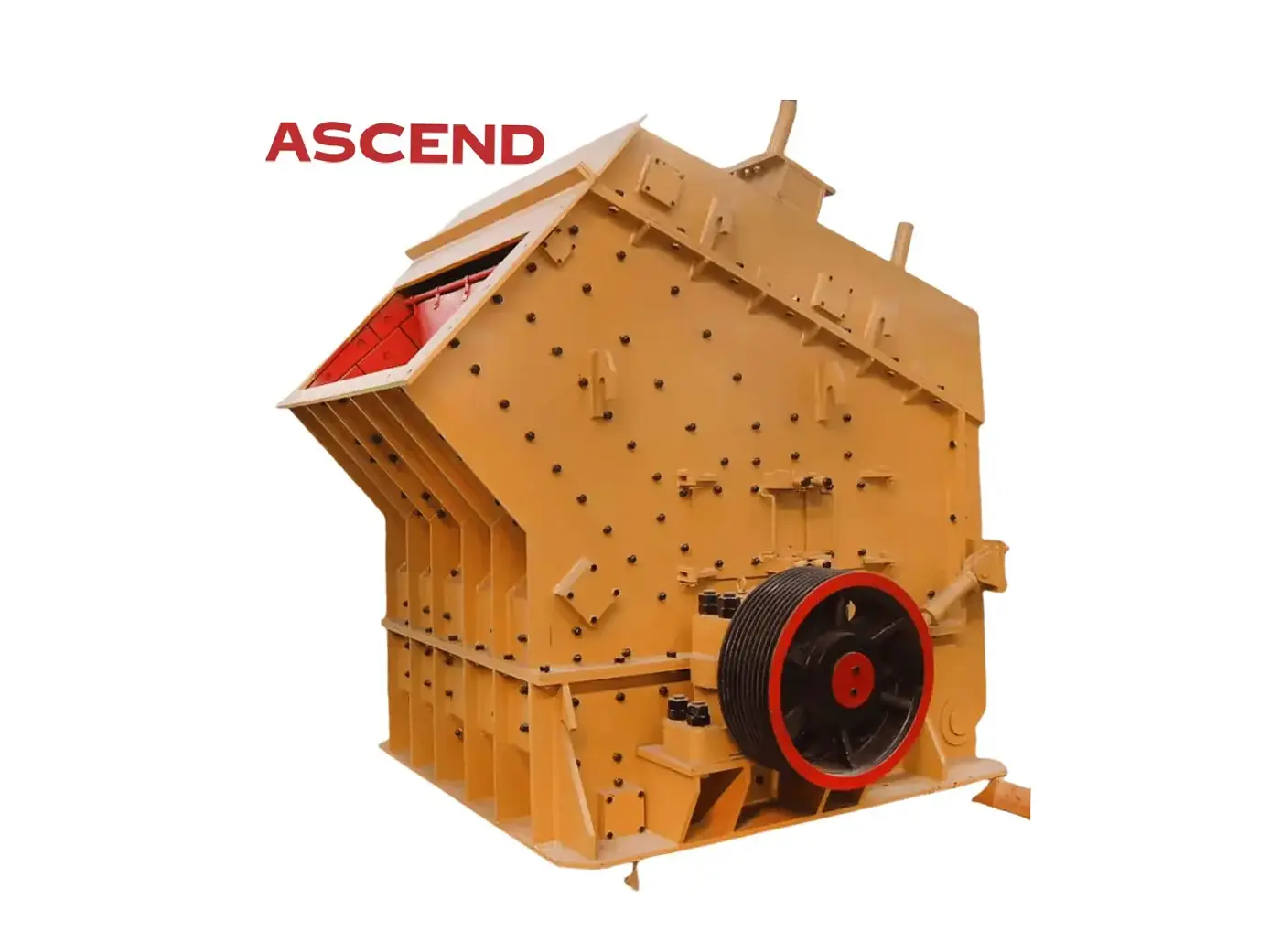
Understanding why Chinese limestone double hammer mill manufacturers dominate the global supply chain with unparalleled quality and cost advantages.
China's heavy industrial manufacturing sector has undergone a profound transformation. Moving far beyond cost-effective production, Chinese fabricators now lead in metallurgical engineering, predictive CNC processing, and localized system integration. Zhengzhou, situated in Henan Province, stands as the global epicenter for mining machinery clusters. This geographical density fosters an ecosystem of continuous innovation, direct supply of premium raw materials, and robust academic-industrial collaboration.
The manufacturing supremacy of Chinese factories is underpinned by several strategic parameters:
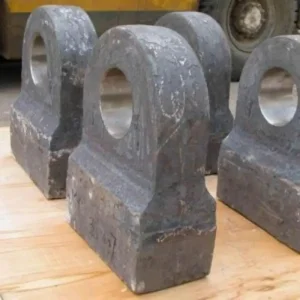
Utilizing high-manganese steel matrices (Mn13Cr2, Mn18Cr2) coupled with chromium-alloy hammer tips. Chinese foundries utilize progressive vacuum casting, resulting in zero internal porosity, which prevents premature fracturing during high-impact loading cycles.
Every dynamic rotor assembly undergoes computerized static and dynamic balancing tests to minimize radial runout and structural vibration. This increases bearing life (SKF or equivalent heavy-duty brands) by up to 40%.
With vertically integrated supply chains, Henan Ascend Machining can source castings, motors, and hydraulic systems locally. This ensures that customized engineering orders are processed, tested, and shipped in a fraction of the time required by European or North American competitors.
Lower initial capital expenditure (CapEx) paired with highly accessible, cost-effective replacement parts (OpEx). Operators achieve ROI within months, not years, accelerating enterprise profit margins.
A data-backed review outlining the performance differences across leading stone crushing systems.
| Performance Metrics | Double Hammer Mill | Single Rotor Hammer Crusher | Cone Crusher (Secondary) | Impact Crusher (HS Series) |
|---|---|---|---|---|
| Feed Moisture Capacity | Up to 15% (Anti-clogging) | Max 5-8% (High risk of blinding) | Max 4% (Dry feed mandatory) | Max 6% (Medium risk) |
| Reduction Ratio | Up to 45:1 | 20:1 - 25:1 | 6:1 - 8:1 | 15:1 - 20:1 |
| Particle Shape (Cubic) | Excellent (>90% cubic) | Good (~80%) | Moderate (Flaky products possible) | Excellent (~92% cubic) |
| Relative Wear Part Cost | Low (Balanced impact wear) | Medium (High localized impact) | High (Expensive liner mantle) | Medium-High (Blow bar replacement) |
| Maintenance Downtime | Very Low (Hydraulic structural split) | Medium | High (Complicated disassembly) | Medium (Requires manual adjustment) |
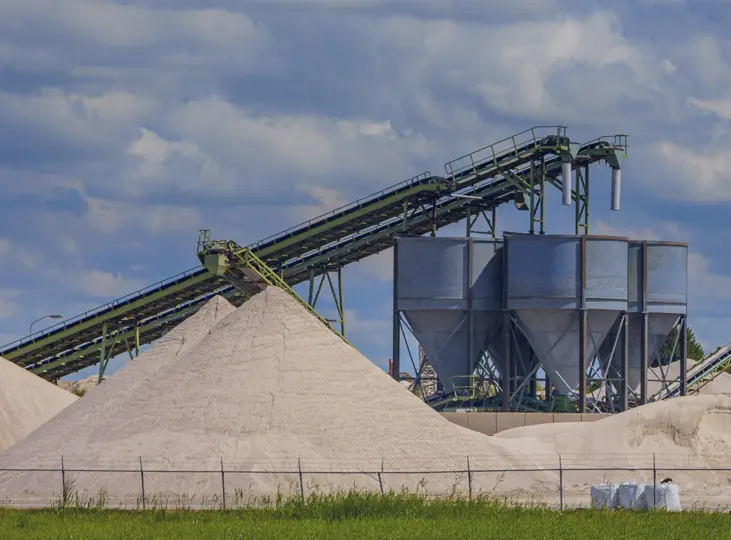
Industrial operations exist in diverse climates, where local soil, geology, and moisture variables demand highly specialized machinery setups. The Limestone Double Hammer Mill is engineered to excel where conventional crushers fail.
Scenario A: Southeast Asian High-Moisture Clay/Limestone Blends
In countries like Indonesia, Vietnam, and Malaysia, limestone quarries often contain interbedded clay and experience heavy tropical monsoons. Traditional crushers easily clog, forcing operators to run at half-capacity. The double hammer mill's dual rotors create a self-cleaning vortex, effectively using centrifugal force and material-on-material impact to keep the grates clear of wet, sticky debris.
Scenario B: East African High-Capacity Gold Ore & Flux Sourcing
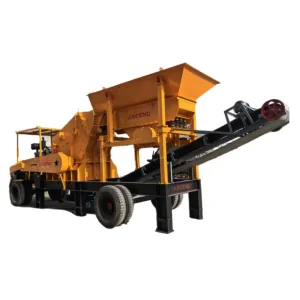
In Zambia, Tanzania, and Zimbabwe, mining enterprises require reliable limestone flux for copper smelting and ore processing. Here, uptime is the ultimate metric. A diesel-powered mobile or stationary double hammer mill ensures uninterrupted production in remote off-grid locations, accepting feed directly from front-end loaders and bypassing primary jaw crushing loops completely.
Scenario C: Sand and Aggregate Production in Central/South America
For road construction and urban development projects throughout Brazil, Peru, and Colombia, achieving concrete aggregate with a low flake index is critical. The high-speed impact of the dual rotors shears limestone along its natural crystal boundaries, producing high-grade sand and aggregate that meets rigorous municipal construction codes.
How technical advancements in machine manufacturing align with the global transition toward environmental sustainability and automated operation.
The global mining industry is under intense pressure to decarbonize, reduce carbon footprints, and improve resource efficiency. This push is driving technological changes in double hammer mill designs, focusing on three key areas:
Henan Ascend Machinery & Equipment Co., Ltd. has developed steadily since its establishment. Our business covers more than 130 countries and regions around the world, especially in Africa and Southeast Asia. Learn about our targeted mineral projects below.
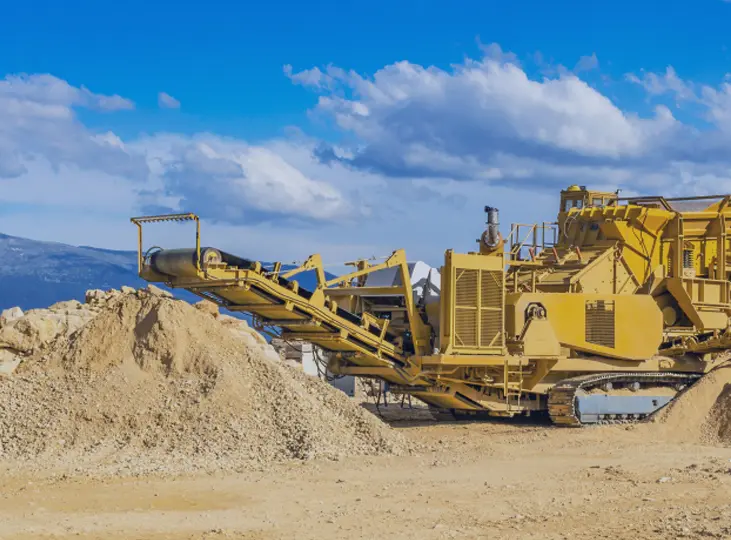
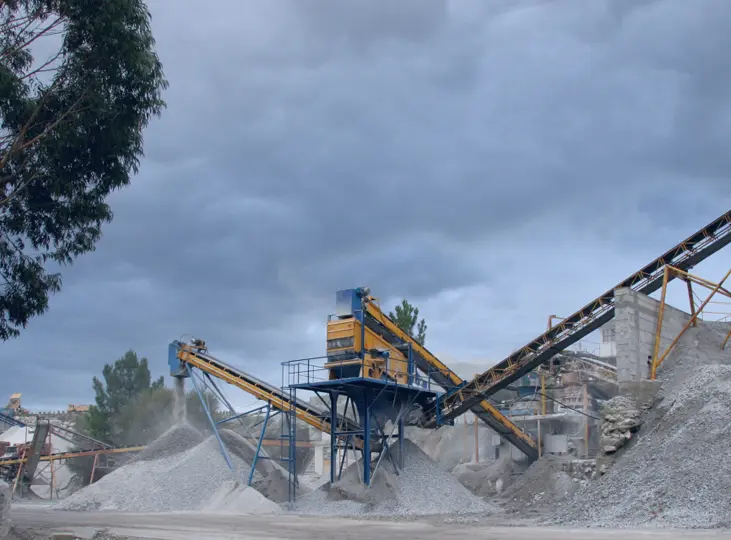
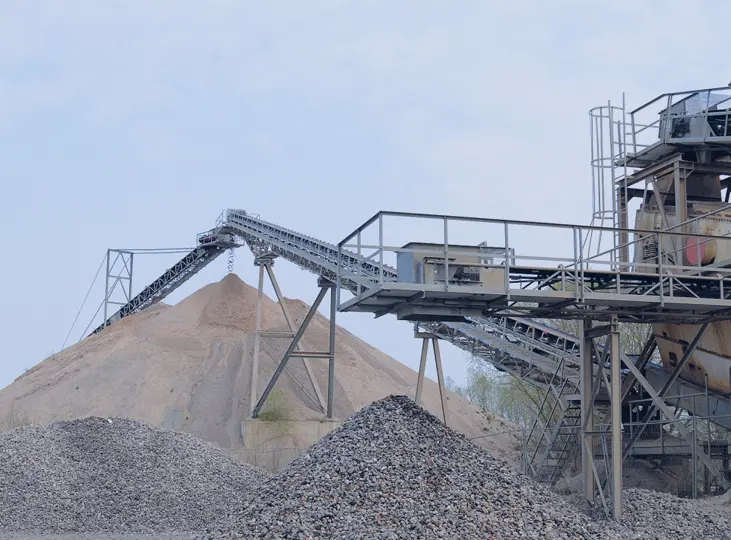
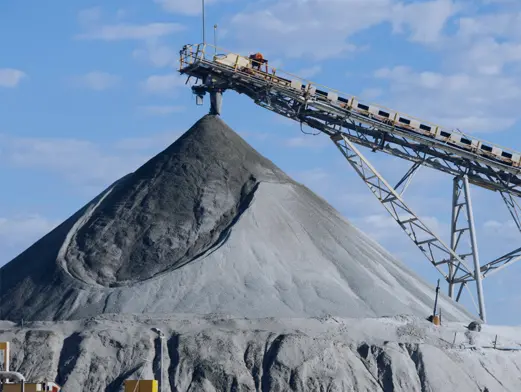
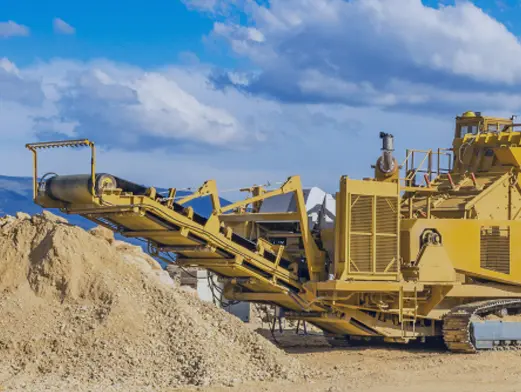
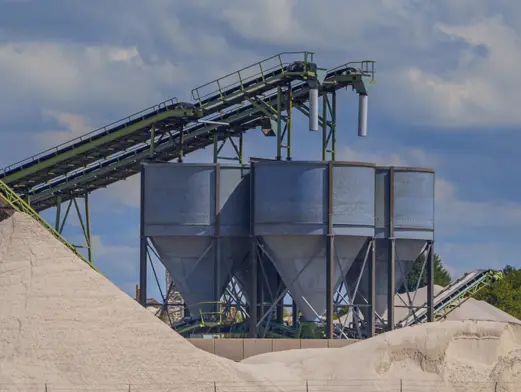
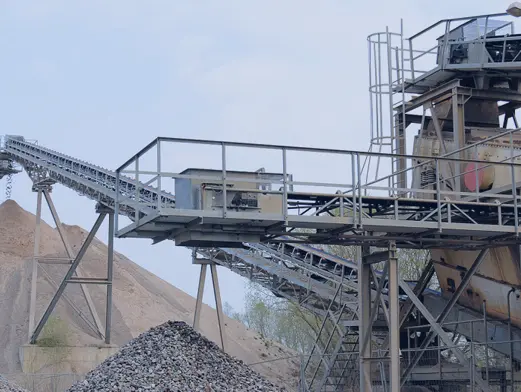
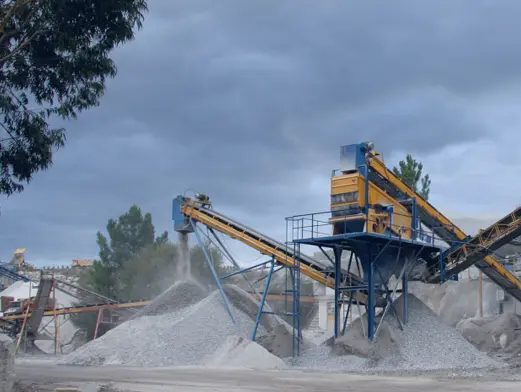
Operational mining and crushing installations delivering consistent aggregate outputs across demanding environments.
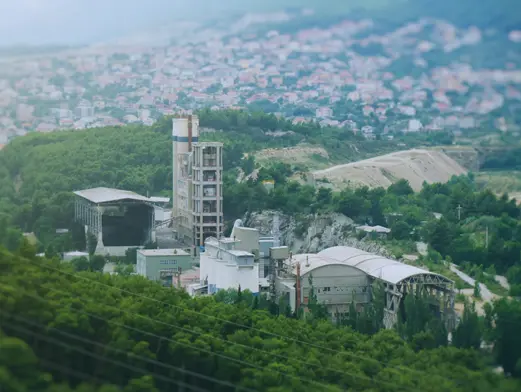
Stay informed about global logistics, export shipments, and new machinery deployments from Henan Ascend.
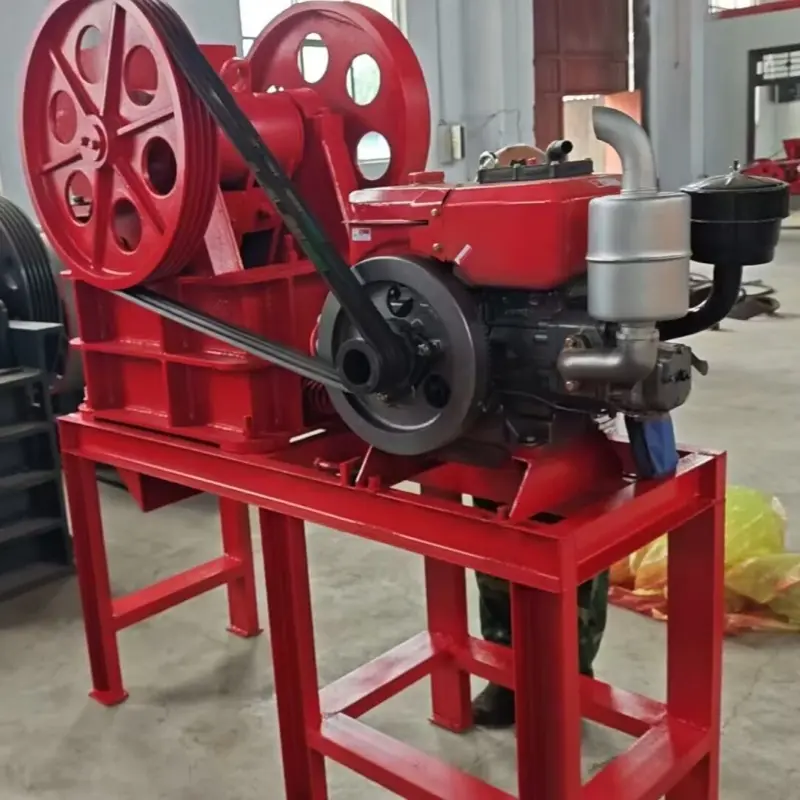
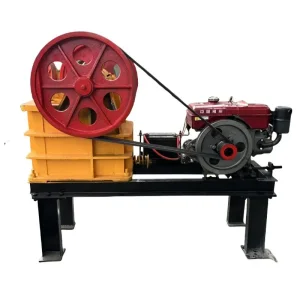
Ascend has successfully packed and dispatched three sets of heavy-duty diesel jaw crushers to Papua New Guinea, providing independent crushing power for remote exploration sites.
Henan Ascend Machinery & Equipment Co.,Ltd. was established in 2005 and is located in the high-tech zone of Zhengzhou City, Henan Province. Over the past two decades, Ascend has committed itself to research, design, production, and after-sales service of complete crushing, grinding, screening, feeding, and conveying configurations.
Whether you require machinery to process limestone, granite, river gravel, quartz, or run gold mining plants, our professional engineers are ready to tailor dynamic configurations to your geological and budgetary constraints. Running our own state-of-the-art casting foundry and CNC production floor ensures we pass maximum quality and direct cost-saving benefits directly to our clients. We believe that our integrity and focus on operational uptime make us your premium partner in industrial size reduction.
Read More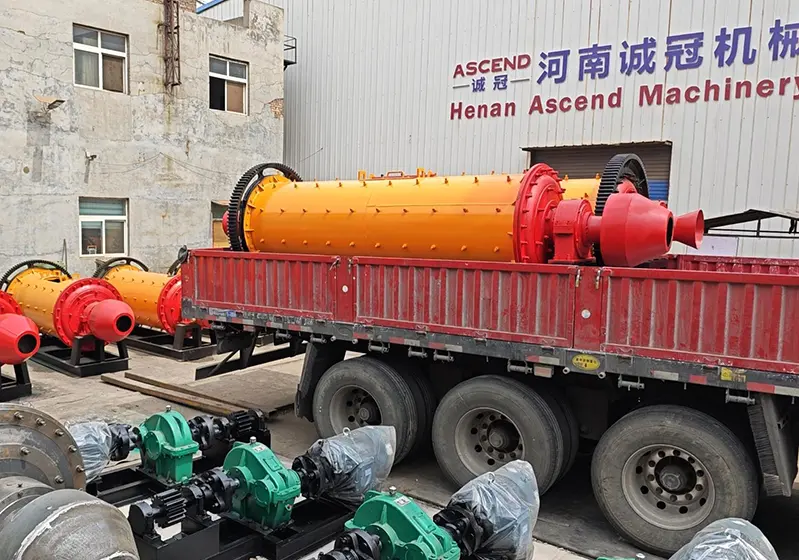
A comprehensive blueprint for engineering procurement officers negotiating international heavy machinery purchases.
Purchasing capital equipment like a Limestone Double Hammer Mill requires careful analysis of long-term operational costs, lead times, and logistical risks. When sourcing internationally, procurement teams should follow a structured risk management process:
Always request dynamic load testing at the manufacturer's facility. Verify bearing housing temperature profiles, vibration metrics, and rotor alignment tolerances before shipping.
Request detailed metallurgical profiles of the hammer heads. A premium Chinese manufacturer should provide certified test reports verifying chromium levels and Rockwell hardness (HRC).
Ensure wear components like hammer heads, grate screens, and liners are shipped alongside the machine to mitigate customs-related downtime later.
Establishing these parameters early safeguards investments and guarantees that the mill meets production targets from day one.
Expert engineering answers to common technical queries regarding Limestone Double Hammer Mills.
The double hammer mill features two counter-rotating rotors that operate in tandem. Material fed into the mill is crushed in mid-air by the collision of particles propelled by both rotors. This material-on-material impact achieves higher reduction ratios and reduces direct wear on liners and hammer heads. In contrast, single hammer crushers rely on material hitting stationary breaker plates, leading to faster wear and high susceptibility to clogging when handling wet feed.
Our double hammer mills can handle feed sizes up to 400mm (depending on the specific model size) and reduce it down to 3mm or less in a single pass. Regarding moisture, because the rotors prevent material buildup, it can comfortably process limestone with up to 15% moisture content without blinding the grates—a scenario where traditional cone or single rotor mills would fail.
We cast our hammer heads using high-manganese steel alloys combined with high-chromium inserts (such as Mn18Cr2 with Mo/V additions). This composition optimizes toughness at the core while providing high surface hardness. The replacement interval depends on feed abrasive indices (SiO2 content) and operational hours, typically ranging from 3 to 6 months in normal limestone operations.
Yes. Henan Ascend offers full engineering customization. We tailor motor horsepower, grate sizing profiles, drive configurations (direct vs. belt drive), housing linings, and structural platforms. We also design fully integrated mobile trailer systems equipped with diesel generators for off-grid operations.
Industry-proven equipment designed to operate under challenging mining environments.
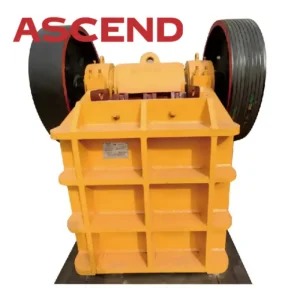
 Ascend