Explore our primary heavy crushing systems, gold concentration units, and replacement parts engineered for continuous mining processes, quarrying, and high-impact aggregates sizing.
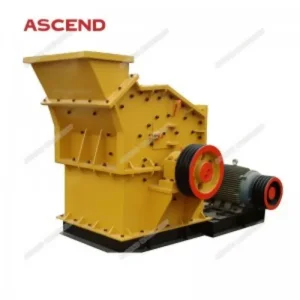
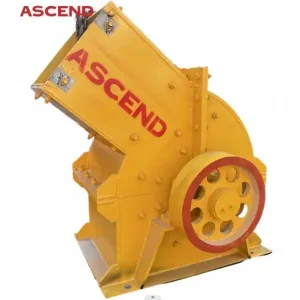
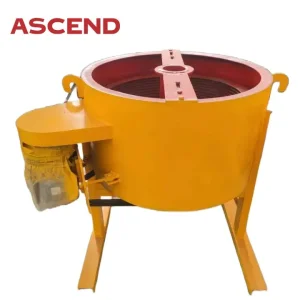
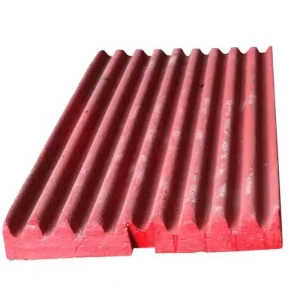
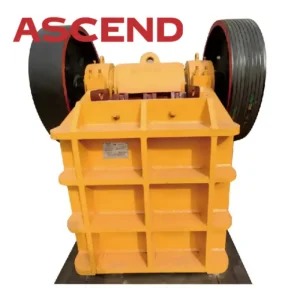
In modern industrial aggregate production, metallurgical mining, and infrastructural development, the primary crushing stage remains a foundational process. The jaw crusher—primarily classified into PE (Primary) and PEX (Secondary) series—is widely preferred for processing hard, abrasive, and highly compressed materials such as basalt, granite, quartz, iron ore, and gold-bearing rock. Understanding jaw crusher capacity, measured in metric tons per hour (TPH), is critical for mining companies, EPC contractors, and quarry owners trying to balance processing efficiency against operational expenditures (OpEx).
Globally, demand for jaw crushers has surged, driven by road construction in emerging economies and gold mineral exploitation across Africa, Latin America, and Southeast Asia. To achieve maximum throughput, procurement teams evaluate jaw crusher capacity parameters, which include feed opening sizes, Closed Side Settings (CSS), swing dynamics, and eccentric shaft speeds. This deep-dive whitepaper addresses how Chinese manufacturing advances, especially from primary industrial zones like Henan, have optimized this equipment's cost-to-performance ratio.
Capacity is not a fixed metric. It relies heavily on physical material characteristics (moisture, fragmentation index, compressive strength) and the operator's mechanical configuration. The matrix below outlines standard PE-series jaw crusher specifications to help procurement engineers size machines based on target tonnage.
| Model Class | Feed Opening Size (mm) | Max Feed Size (mm) | CSS Adjustment Range (mm) | Standard Capacity (TPH) | Eccentric Shaft Speed (RPM) | Electric Motor Power (kW) |
|---|---|---|---|---|---|---|
| PE-150×250 | 150 × 250 | 125 | 10 – 40 | 1 – 3 | 250 | 5.5 |
| PE-250×400 | 250 × 400 | 210 | 20 – 60 | 5 – 20 | 300 | 15 |
| PE-500×750 | 500 × 750 | 425 | 50 – 100 | 40 – 110 | 275 | 55 |
| PE-600×900 | 600 × 900 | 500 | 65 – 160 | 50 – 180 | 250 | 55 - 75 |
| PE-750×1060 | 750 × 1060 | 630 | 80 – 140 | 110 – 320 | 250 | 110 |
| PE-900×1200 | 900 × 1200 | 750 | 95 – 165 | 220 – 500 | 200 | 110 - 132 |
The Closed Side Setting directly controls the final product gradation and total hourly output. Squeezing the CSS reduces output size but limits overall TPH capacity due to narrower discharge tolerances. Conversely, widening the CSS increases capacity but results in coarser primary output, shifting the crushing load onto secondary equipment like impact or cone crushers. Choosing the correct balance prevents premature wear on jaw plates and keeps downstream processes running efficiently.
China is a leading global hub for high-capacity, heavy-duty mining machinery. Manufacturers like Henan Ascend benefit from localized raw steel suppliers, robust casting infrastructure, and high-tech machining complexes. This network keeps capital expenditures down for global buyers without sacrificing durability.
Our jaw plates use Mn18Cr2 and Mn22Cr2 alloys, designed to handle abrasive hard rock under high-stress conditions.
Forged heavy-duty eccentric shafts and dynamically balanced flywheels reduce structural vibration, optimizing power transmission.
Deep crushing chambers and steep toggle plate angles increase nip angles, preventing blockages and improving feed throughput.
Henan Ascend Machinery & Equipment Co.,Ltd. has expanded steadily since its establishment in 2005. Today, our engineering services reach operations in over 130 countries, with a heavy presence in Africa, the Middle East, and Southeast Asia.
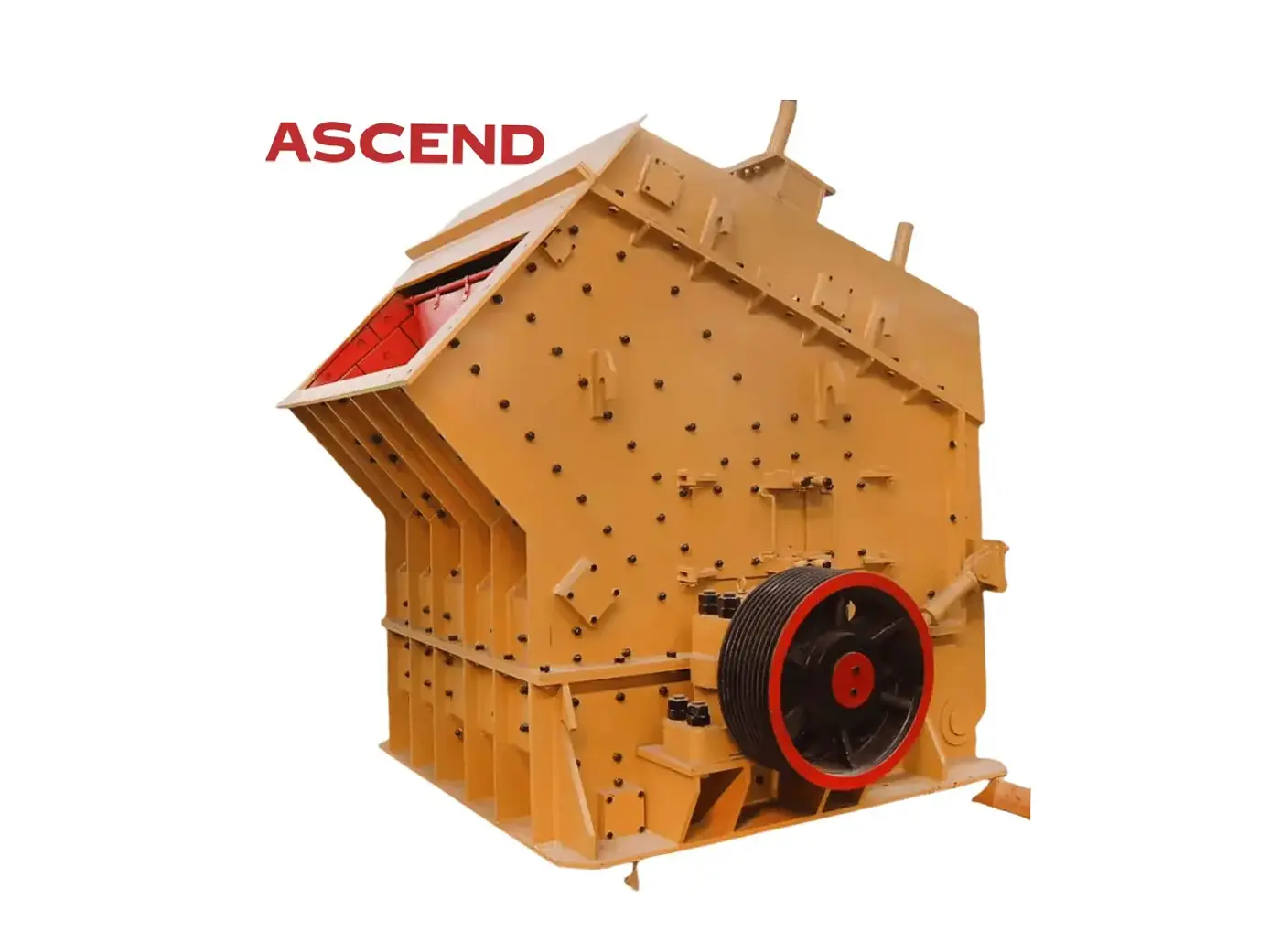
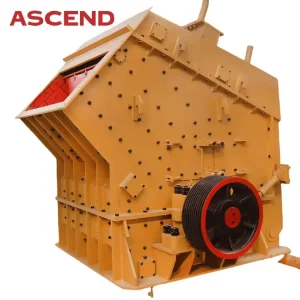
An impact crusher is a secondary machine designed to shape processed materials. By using high-speed rotational impact force rather than compression, it creates cubic products with fewer internal fractures.
Our impact crushers feature a three-chamber design, heavy-duty rotors, and highly wear-resistant blow bars. Simplified hydraulic start-up assists and gradient bearing seats ease routine maintenance, helping operators maximize uptime in multi-stage setups.
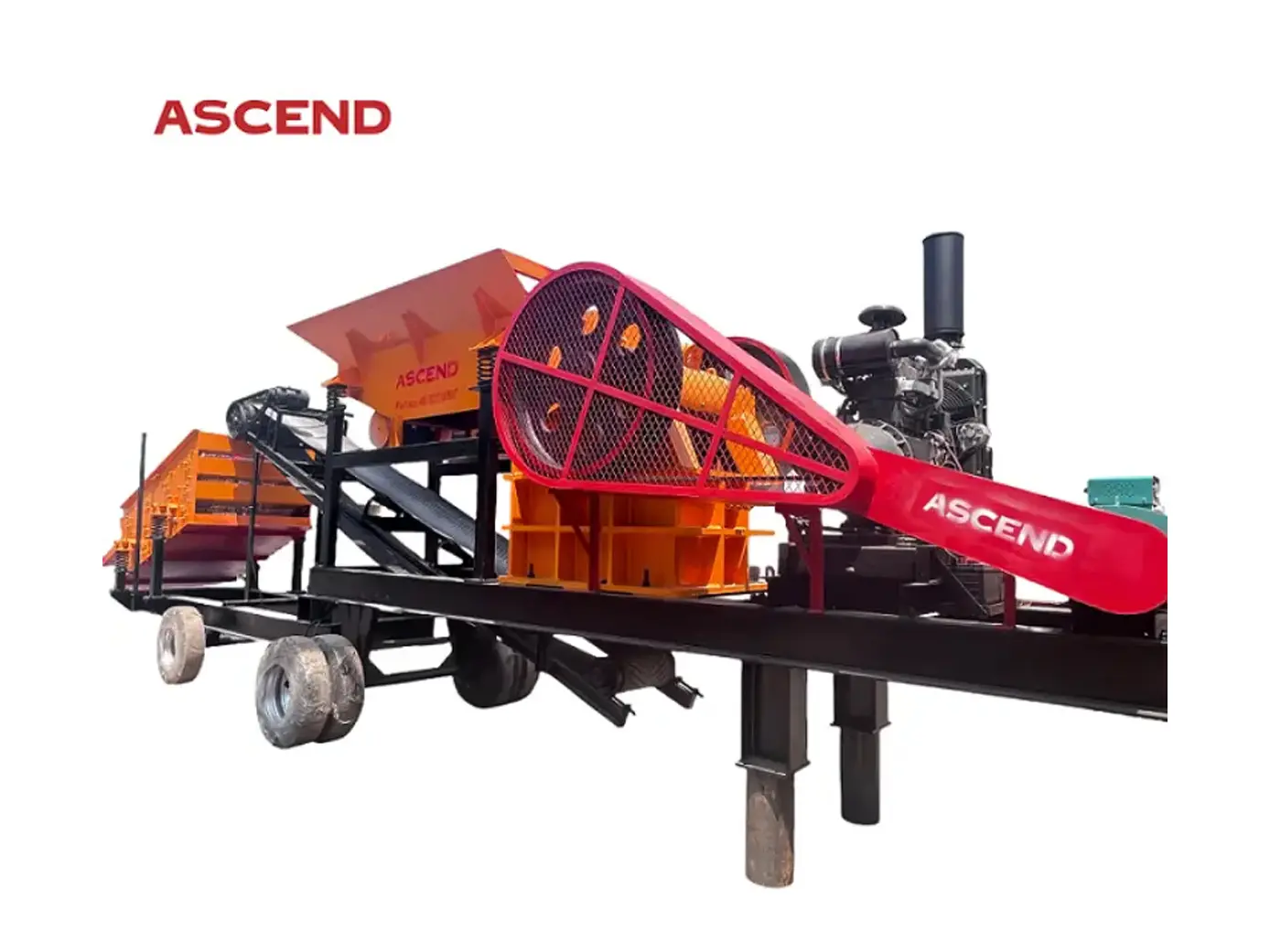
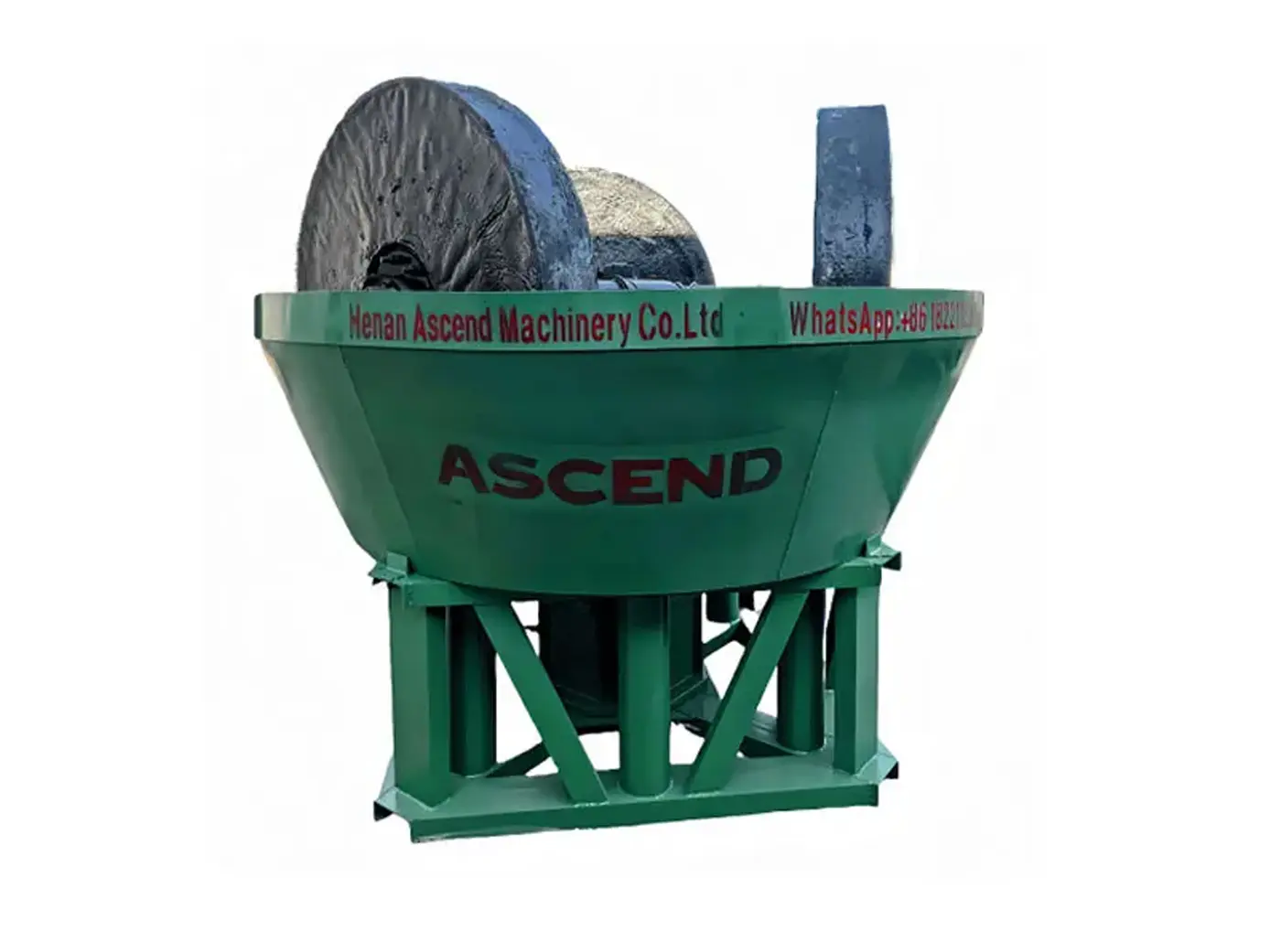
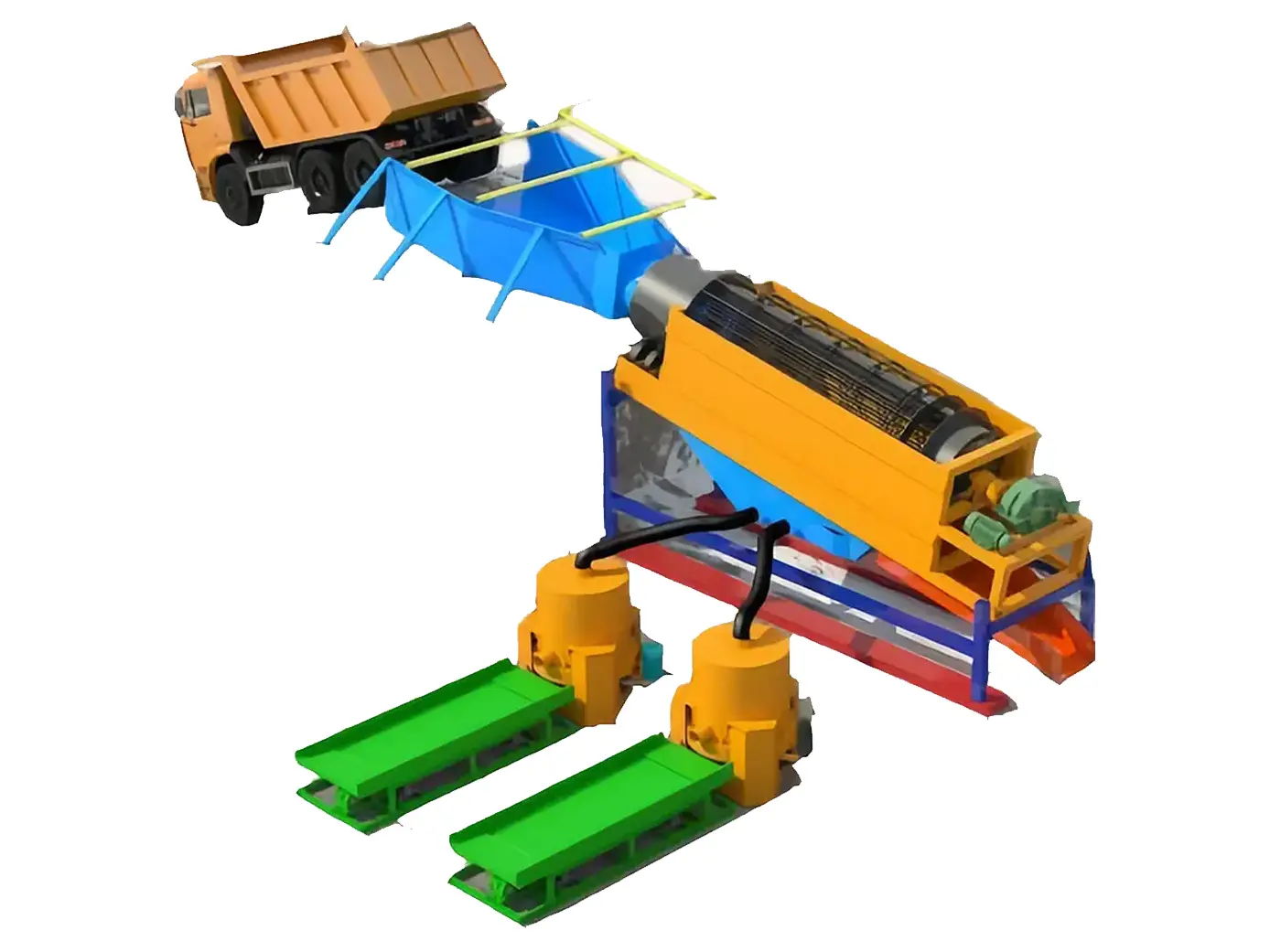
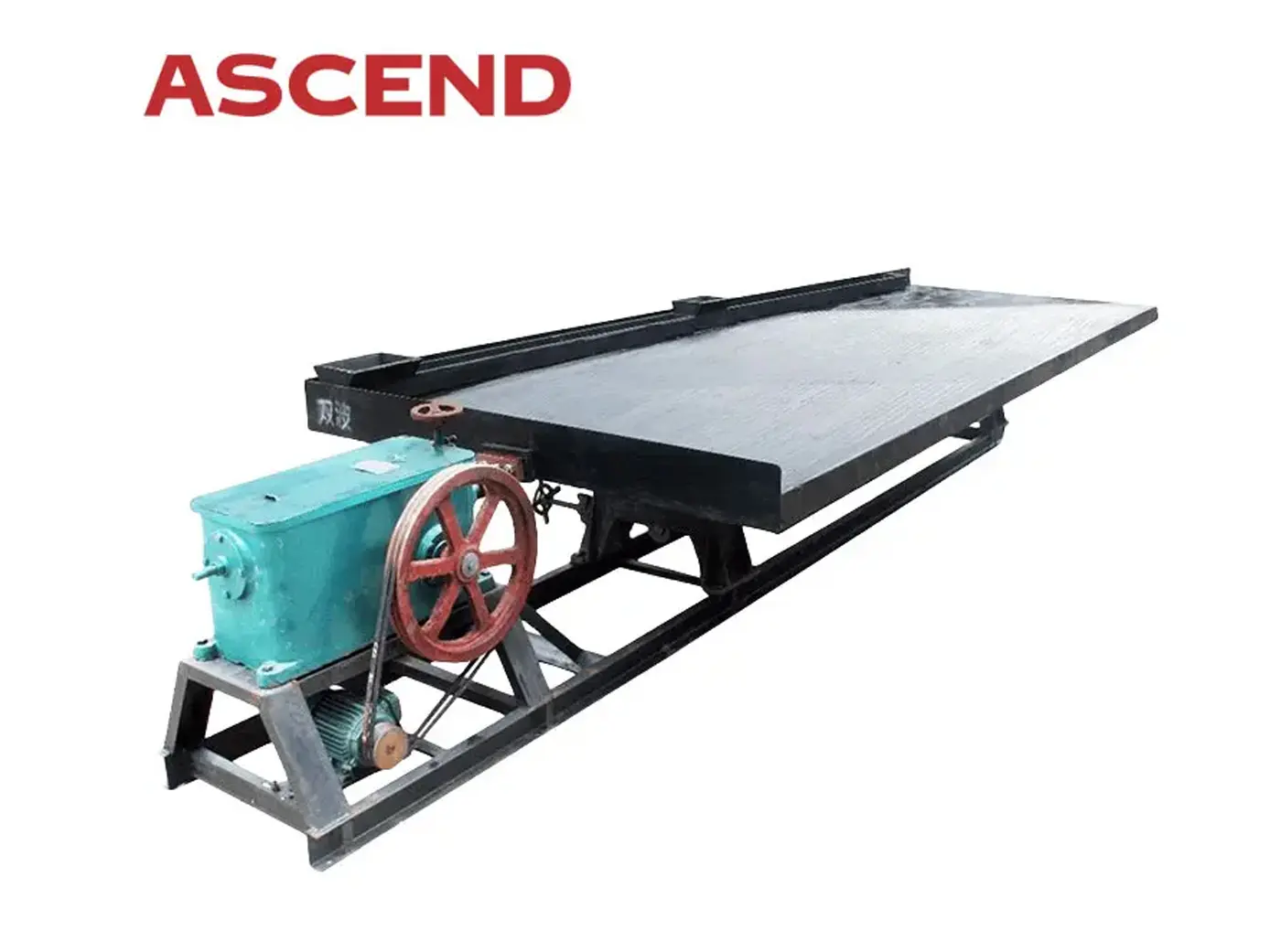
We design and ship high-capacity mining and crushing equipment globally. These real-world configurations demonstrate how our machinery processes tough ores under challenging operating conditions.
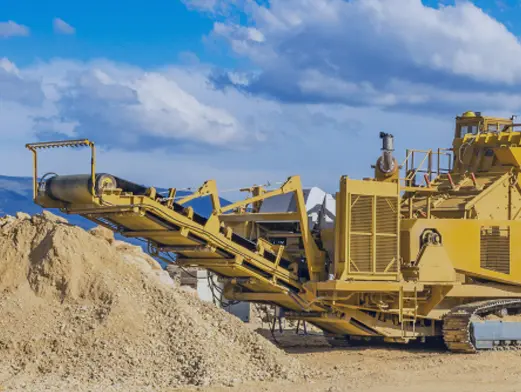
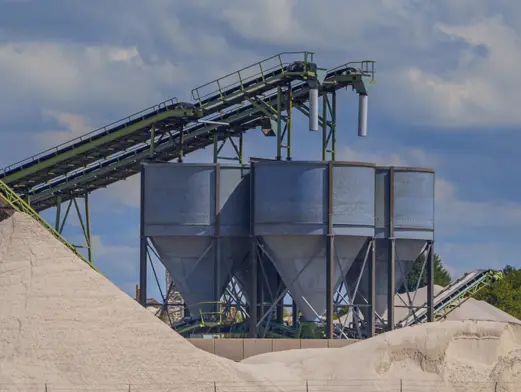
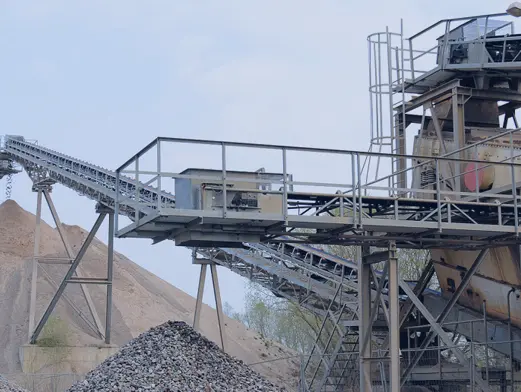
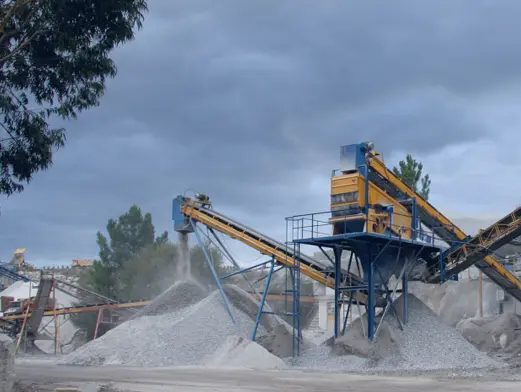
We track every batch configuration, assembly test, and custom shipping run. These real-world updates show our systems heading out to global mining sites.
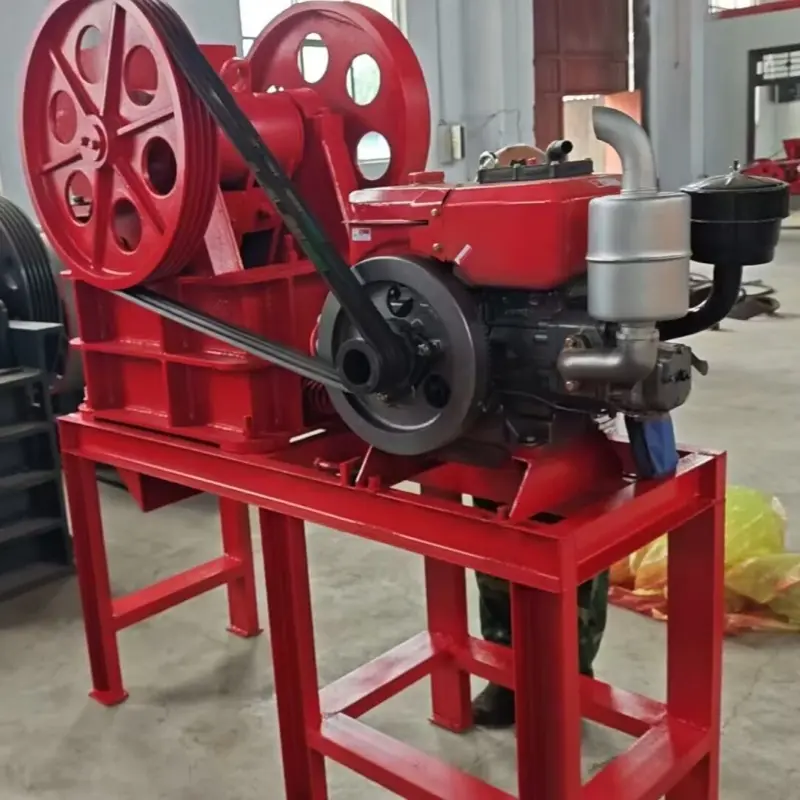
 Nov 2025
Shipment Log
Nov 2025
Shipment Log
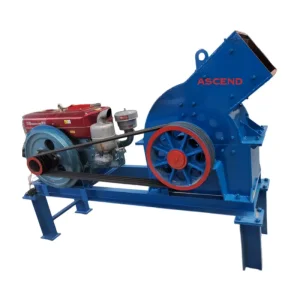
Custom diesel engine configurations were dispatched for a remote alluvial gold mining project in Papua New Guinea, where grid electricity is unavailable.
 Aug 2025
Shipment Log
Aug 2025
Shipment Log
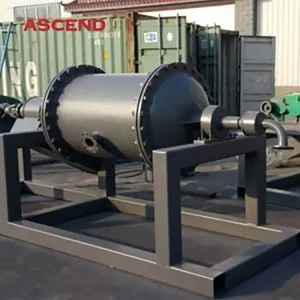
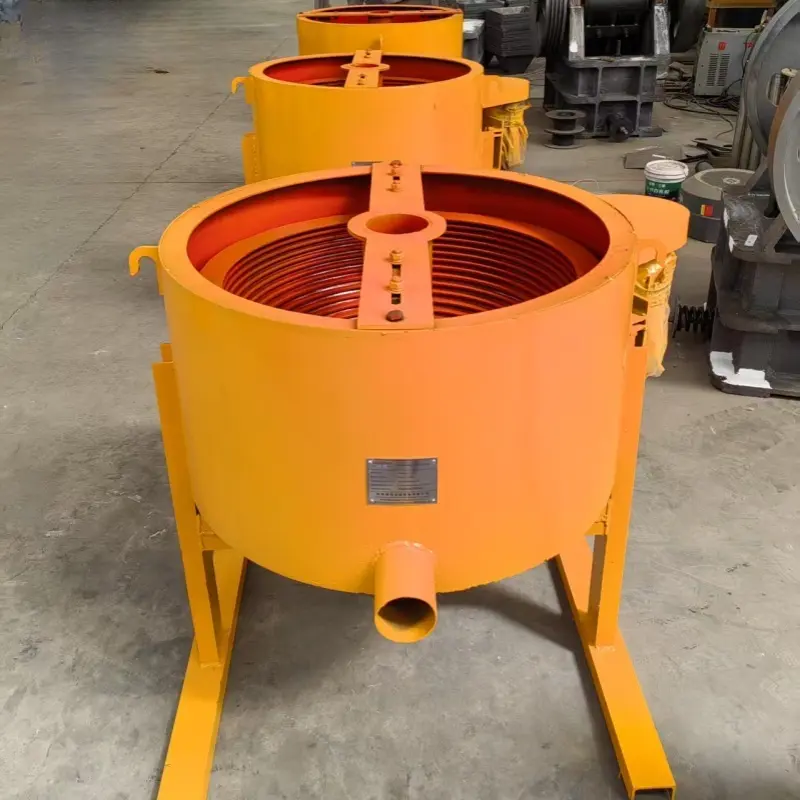
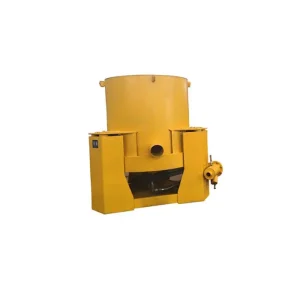
These compact centrifugal separators are built for high-rate gold gravity recovery from milled fines, helping local operators maximize throughput.
Jul 2025
Gravity concentration tables optimized for recovering fine-grained gold particles.
Jul 2025
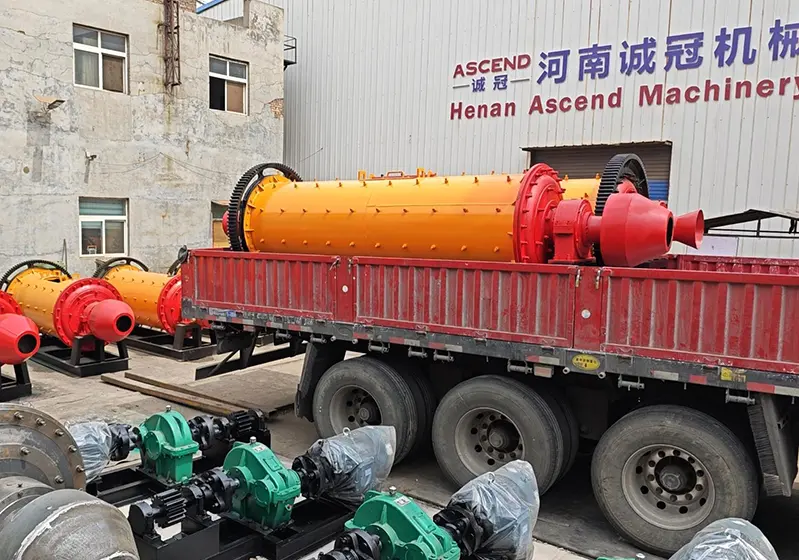
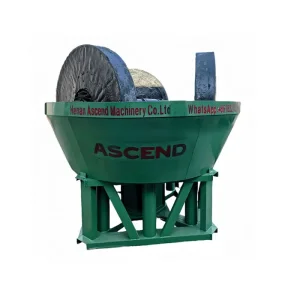
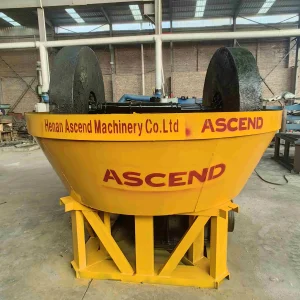
Heavy milling equipment configured with independent diesel drives for off-grid operations.
Jul 2025
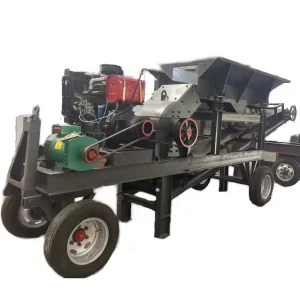
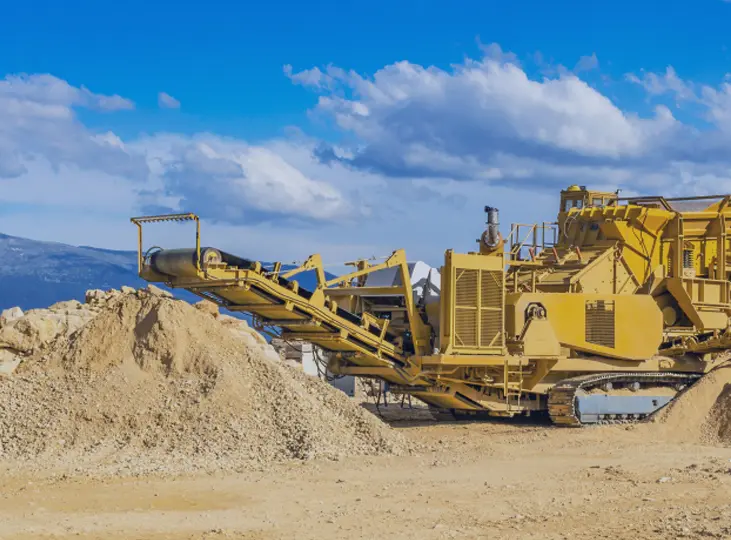
A trailer-mounted primary crushing unit designed for aggregates production on regional roads.
Jun 2025
High-capacity primary station built to handle hard rock sizing in a copper mine processing circuit.
Founded in 2005, Henan Ascend Machinery is headquartered in the High-Tech Industrial Zone of Zhengzhou City, Henan Province, China. Our facilities handle the research, engineering, manufacturing, and support of heavy-duty crushing, grinding, screening, and mineral processing machinery.
We help operators process limestone, granite, quartz, gold ore, and aggregate materials. By manufacturing in-house, we maintain tight control over component quality and pricing, helping mining companies, engineering groups, and quarry owners build efficient operations.
Modern mining plants require reliable throughput, minimal mechanical downtime, and clean final product sizing. Recent updates to jaw crusher designs focus on:
Traditional manual shims are being replaced by hydraulic dual-wedge adjustments. Operators can modify the CSS in minutes, reducing downtime during maintenance.
Two-piece bearing housings can flex under extreme loads. Cast steel, heavy-duty housing blocks keep eccentric bearings aligned, preventing failure when handling tough material.
Custom dynamic elastomer pads and pin-anchor bases absorb shock loads, protecting concrete foundations from stress fractures.
Find answers to common questions about capacity formulas, operation, and maintenance.
Throughput depends on rock hardness, moisture content, feed size, and the CSS setting. Wet, clay-heavy material can stick in the chamber and slow down production.
Manganese steel work-hardens under continuous impact. The surface toughs up while the core remains ductile, preventing crack propagation during heavy crushing.
Diesel drives are ideal for remote exploration sites, road construction, and mobile plants lacking grid access. Electric motors are more efficient for stationary, permanent quarry lines.
PE models feature wide, square feed openings for primary crushing. PEX models use wide, rectangular openings with a shallow nip angle, built for secondary reduction of smaller materials.
The nip angle is the space between the fixed and swing jaw plates (usually 18° to 22°). If the angle is too wide, rocks can slip and bounce, slowing feed rate and capacity.
Contact Henan Ascend with your material type, feed size, target output gradation, and desired hourly capacity (TPH). Our engineering team will outline a suitable configuration.
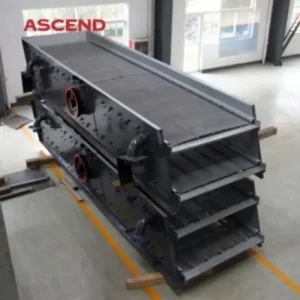
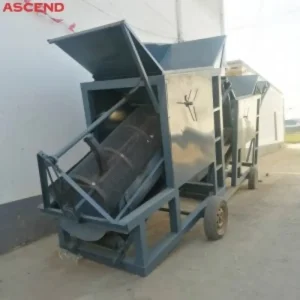
Review our downstream classification, milling, washing, and gravity recovery equipment to complete your processing layout.
 Ascend