Explore our premium machinery array engineered to optimize your recovery rate and mineral processing throughput.
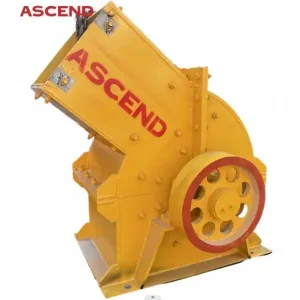
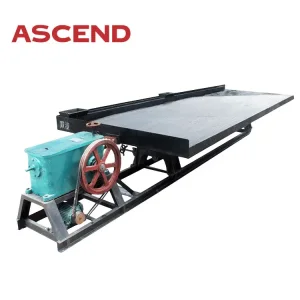
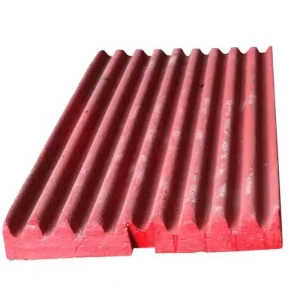
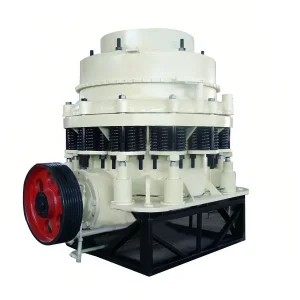
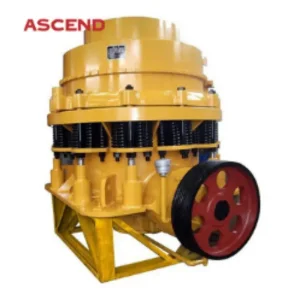
Modern mineral extraction and aggregate manufacturing ecosystems operate under intense margin pressures, changing ore-grade characteristics, and demanding environmental ESG benchmarks. At the heart of these extraction processes is the comminution circuit. For mineral processing plants and quarries aiming to scale production while cutting kilowatt-hour (kWh) per ton usage, the hydraulic cone crusher is a cornerstone technology.
This whitepaper analyzes the engineering evolution, economic metrics, global sourcing strategies, and localized implementation of high-capacity hydraulic cone crushers. It is structured for project engineers, procurement managers, and operations directors looking to scale heavy-crushing efficiency.
The transition from mechanical/spring adjustment systems to hydraulic actuation represents a quantum leap in mineral processing technology. While traditional spring-based systems (like the classic Symons layout) offered basic durability, they fell short in automated control, tramp iron release, and load compensation. Modern hydraulic cone crushers resolve these limitations through integration of three critical sub-systems:
A hydraulic cone crusher cannot operate as an isolated machine; it is a critical stage in the comminution circuit. To maximize performance, the machine must be integrated into the plant design, factoring in the feed system, screen configurations, recirculating loads, and upstream jaw crushing stages.
Depending on the chamber cavity (Fine, Medium, Coarse, or Extra Coarse), hydraulic cone crushers are used across different crushing stages:
| Crushing Stage | Typical Feed Size | Product Target (CSS) | Chamber Configuration | Primary Industrial Purpose |
|---|---|---|---|---|
| Secondary | 100 mm – 300 mm | 25 mm – 50 mm | Coarse / Extra Coarse | Reduction of primary jaw output for mill feed or coarse aggregate. |
| Tertiary | 35 mm – 100 mm | 10 mm – 25 mm | Medium / Fine | Production of fine aggregate base, ballast, or direct feed for wet ball mills. |
| Quaternary | 10 mm – 35 mm | 3 mm – 8 mm | Super Fine (Shorthead style) | Pre-milling size reduction to reduce overall kWh/ton power draw in ball mills. |
In closed-circuit layouts, the cone crusher works in tandem with high-frequency vibrating screens. The oversize material (+25mm, for example) is routed back to the crusher. Throughput optimization depends on maintaining a steady choke-feed condition. Choke feeding ensures that the crushing chamber is filled to capacity, forcing rock-on-rock crushing action. This process produces a cubical final aggregate shape and reduces wear on the manganese liners.
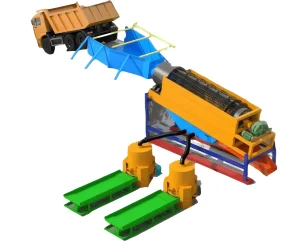
Integrating cone crushers with specialized mineral dressing lines for gold, iron, and quarry operations.
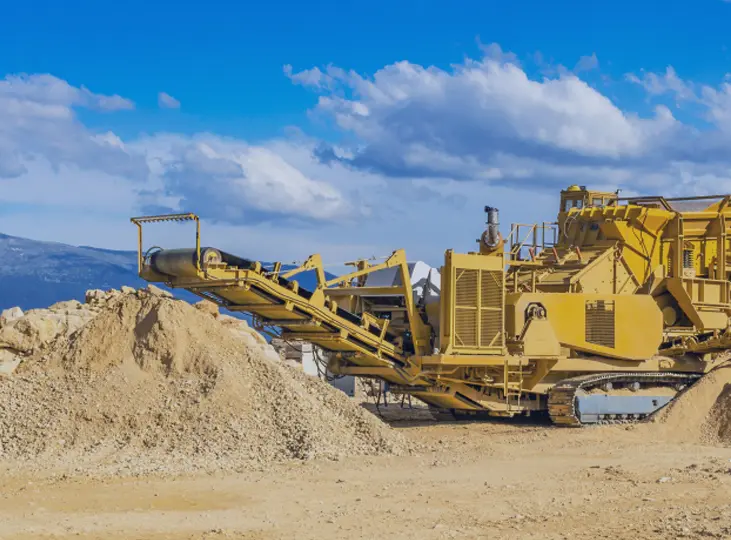
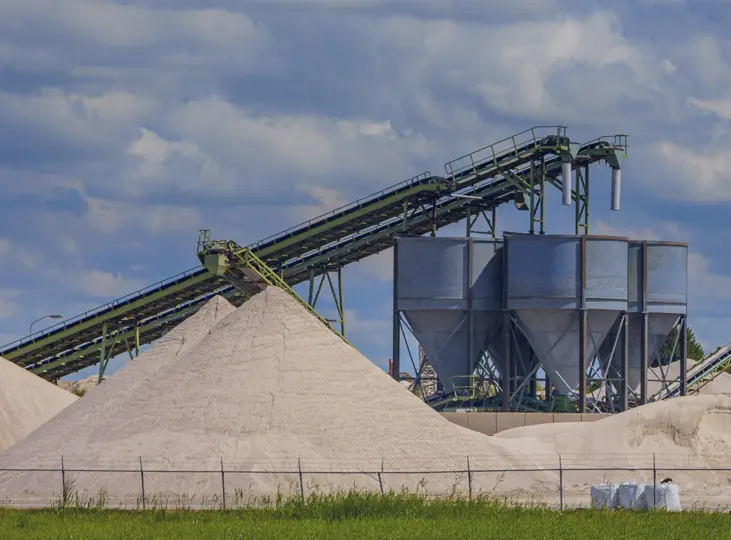
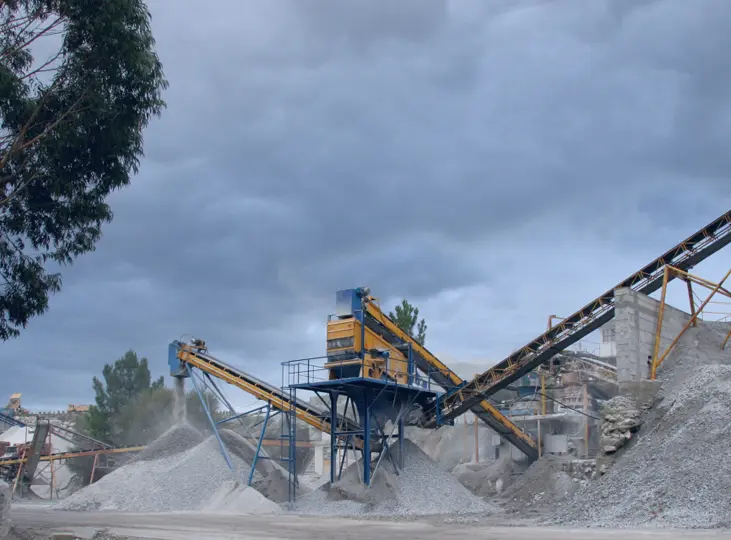
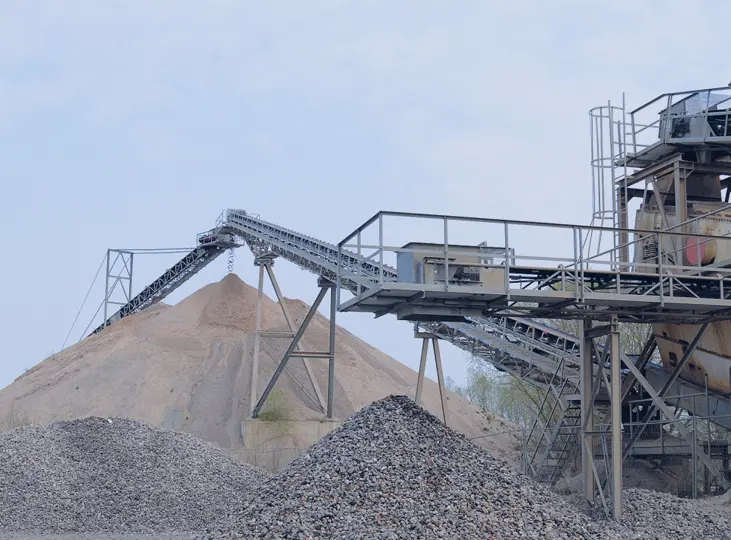
When selecting a hydraulic cone crusher, operations directors face a key technical choice: choosing between Single-Cylinder and Multi-Cylinder designs. Both architectures have distinct performance advantages depending on the material hardness, feed size, and output goals.
In single-cylinder designs (like the GP/HST series), a single hydraulic cylinder at the bottom of the machine supports the main shaft. This cylinder adjusts the vertical position of the shaft to control the closed-side setting (CSS) and handles tramp release. Key benefits include:
Multi-Cylinder designs (like the HP/HPT series) feature multiple hydraulic cylinders arranged around the perimeter of the mainframe. The main shaft is fixed in place, and adjusting the setting or clearing tramp material is handled by rotating the bowl. Key benefits include:
Modern hydraulic cone crushers use high-manganese steel alloys (Mn14Cr2, Mn18Cr2, and Mn22Cr2) to extend the lifespan of the mantle and concave liner. Sourcing from a manufacturer with custom foundries ensures that liner configurations are matched to the specific abrasiveness and silica content of your ore body.
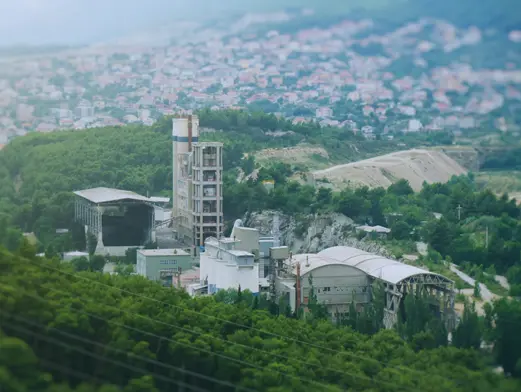
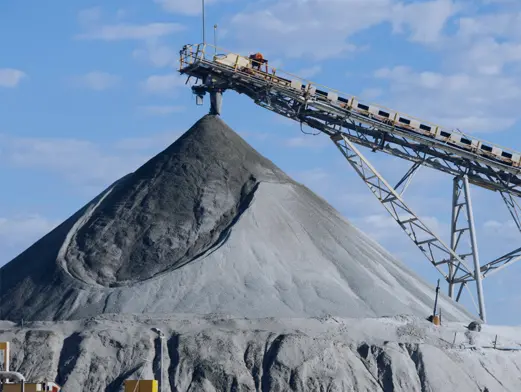
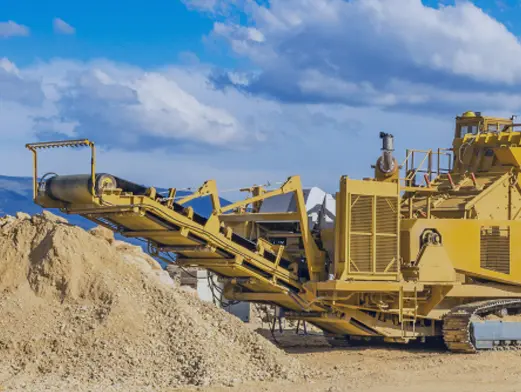
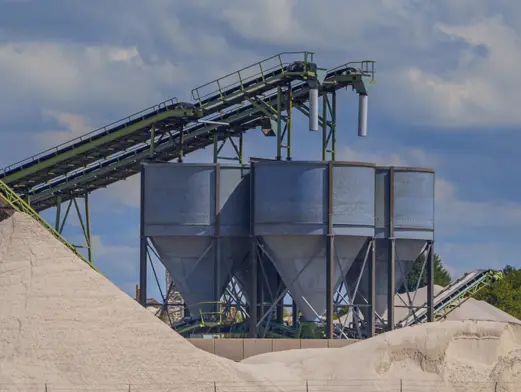
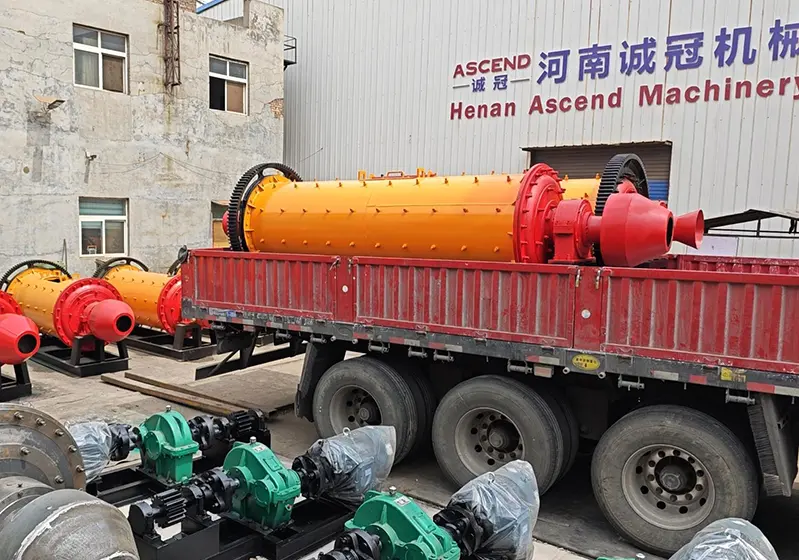
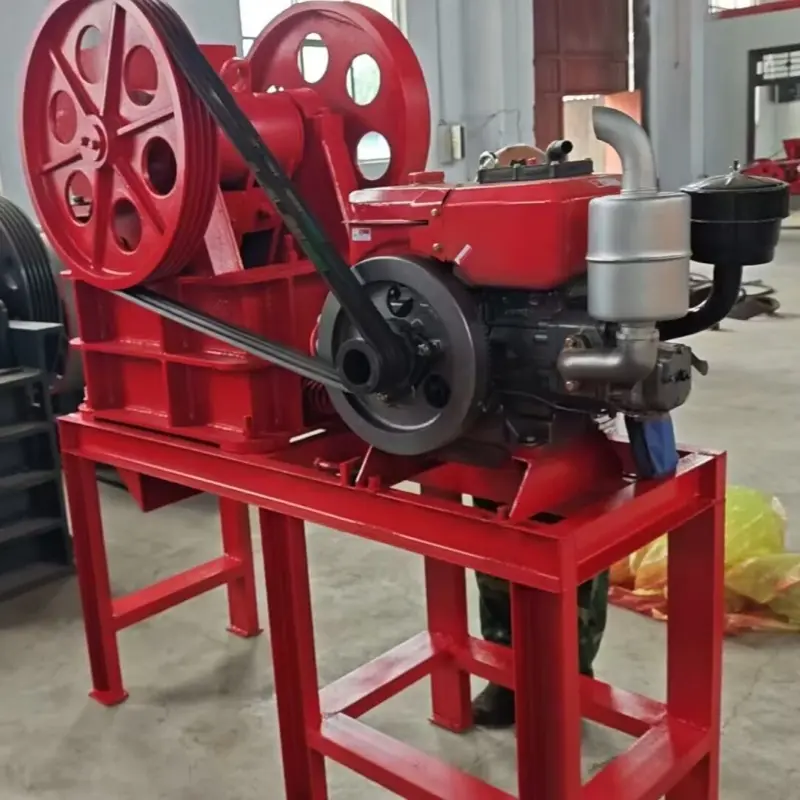
Operational installations showcasing durability, capacity, and recovery efficiency in tough terrains.
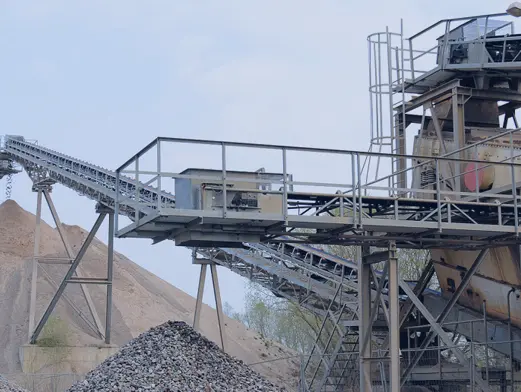
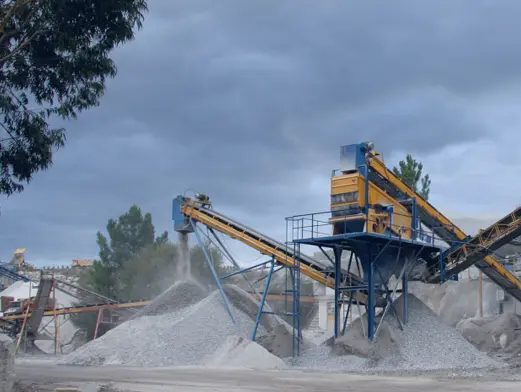
Navigating the global capital equipment market requires an understanding of Total Cost of Ownership (TCO). Procurement managers often focus solely on the initial Purchase Order (PO) value. However, an analysis of China-sourced heavy mining equipment shows that capital expenditure (CAPEX) savings must be weighed against operational expenditure (OPEX) metrics.
Quotation structures for hydraulic cone crushers are not fixed. They are determined by the configuration of several key variables:
By sourcing from manufacturers based in China's industrial hubs, such as Henan, operators can achieve 30% to 50% savings on CAPEX compared to North American or European OEMs. To ensure these savings translate to lower total costs, operations should verify:
Expert answers to critical operational, structural, and procurement questions to help you run a more efficient plant.
Complete your milling circuits with our high-grade mineral processing machinery.
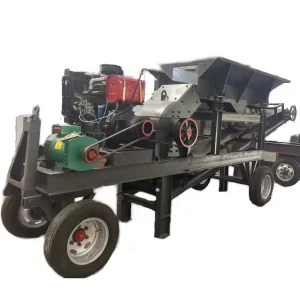
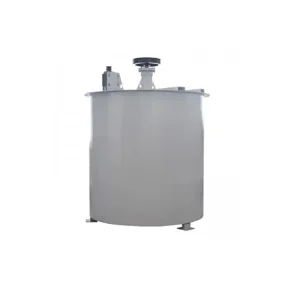
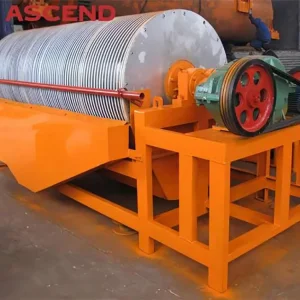
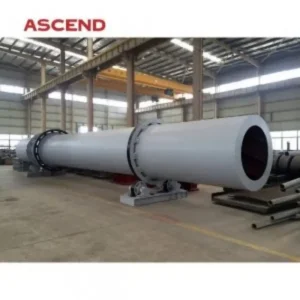
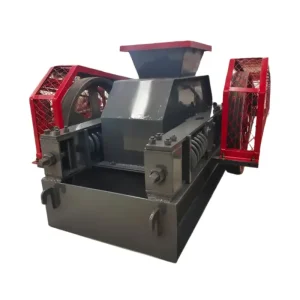
Established in 2005 in Zhengzhou City's High-Tech Development Zone, Henan Ascend Machinery & Equipment Co., Ltd. has grown into a leading manufacturer of mineral processing, heavy mining, crushing, and aggregate crushing plants.
Our business covers more than 130 countries and regions globally, with a strong presence in Africa and Southeast Asia. We support operators processing gold ore, limestone, iron, gravel, and quartz. With our own manufacturing facilities, we deliver high equipment quality, competitive pricing, and reliable after-sales engineering support.
 Nov 2025
 Aug 2025
 Ascend