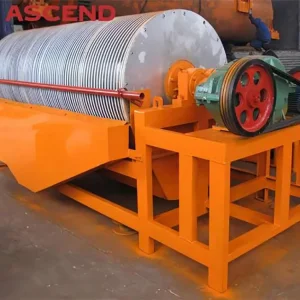
Explore our premium grade heavy mineral concentrators, industrial mills, and impact extraction equipment engineered for high-yield mineral processing.
A comprehensive metallurgical analysis of fluidized centrifugal technology, operations, and economics in the global mining sector.
Gravity gold concentration remains the most cost-effective and environmentally sound mechanism for recovering free metallic gold within both hard rock and alluvial deposits. Under standard gravitational acceleration (1G), fine gold particles (specifically those below 74 microns or 200 mesh) struggle to settle out of slurry flows due to dynamic drag forces and viscosity. The introduction of Centrifugal Concentrators (commonly referred to as Knelson-style concentrators) resolves this limitation by utilizing an enhanced gravitational force field ranging from 60G up to 120G.
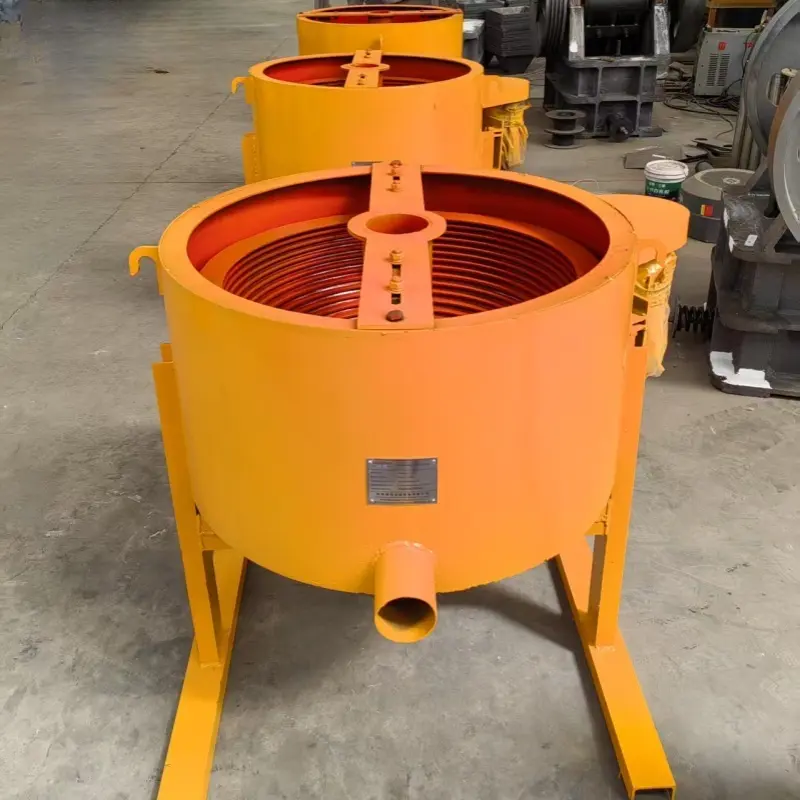
During operation, slurry is introduced via a central feed pipe into a rapidly rotating cone containing concentric fluidization rings. As the centrifugal force drives the slurry outward against the inner walls of the cone, the heavier gold particles (density of ~19.3 g/cm³) are pinned into the ribbed channels. Simultaneously, pressurized fluidization water is forced through fluidization ports from the water jacket surrounding the cone. This water keeps the bed of heavy minerals in a fluidized, loose state, allowing gold particles to penetrate the bed while lighter gangue minerals (silica, silicates, density ~2.7 g/cm³) are washed out over the lip of the cone.
Achieving optimum metallurgical recovery is highly dependent on balancing the centrifugal force (controlled via rotation speed) with the counter-fluidization water pressure. Too much pressure washes out fine gold; too little pressure leads to bed compaction, causing the concentrator to act as a smooth drum and allowing gold to slide out into the tailing stream.
Modern Chinese manufacturing has refined the classic Knelson design. Originally, mechanical concentration systems suffered from frequent downtime during clean-up cycles. Today, advanced metallurgy plants utilize automatic discharge systems (often referred to as Auto-Discharge Centrifugal Concentrators) controlled by a central PLC unit. The transition from manual concentrate extraction to fully automated cycles has decreased operational downtime from 20 minutes per cycle to under 3 minutes, significantly boosting daily throughput.
Material science advancements have also increased the lifespan of the fluidizing cones. Standard polyurethane cones have been upgraded using custom composite polyurethane formulations, offering double the abrasion resistance of standard urethanes when handling highly abrasive quartzitic ores.
Comparative structural matrix detailing capacity, water demand, and sizing metrics across major industrial models.
| Model Designation | Capacity (Dry Solids t/h) | Slurry Throughput (m³/h) | Fluidization Water Req. (m³/h) | Feed Particle Size Max (mm) | G-Force Range | Motor Power (kW) |
|---|---|---|---|---|---|---|
| CC-20 (Batch) | 0.5 – 3.0 | 5 – 10 | 1.5 – 3.0 | < 2.0 | 60 - 90G | 2.2 |
| CC-30 (Batch) | 3.0 – 10.0 | 10 – 25 | 3.0 – 6.0 | < 4.0 | 60 - 100G | 4.0 |
| CC-60 (Auto-Discharge) | 10.0 – 30.0 | 25 – 60 | 8.0 – 15.0 | < 5.0 | 70 - 110G | 7.5 |
| CC-100 (Auto-Discharge) | 40.0 – 80.0 | 80 – 150 | 20.0 – 40.0 | < 6.0 | 80 - 120G | 18.5 |
| CC-120 (Industrial) | 80.0 – 150.0 | 150 – 280 | 45.0 – 75.0 | < 6.0 | 80 - 120G | 37.0 |
Ascend has developed steadily since its establishment. Its business covers more than 130 countries and regions around the world, especially in Africa and Southeast Asia. Our machinery quality and after-sales service have won widespread praise from international customers.
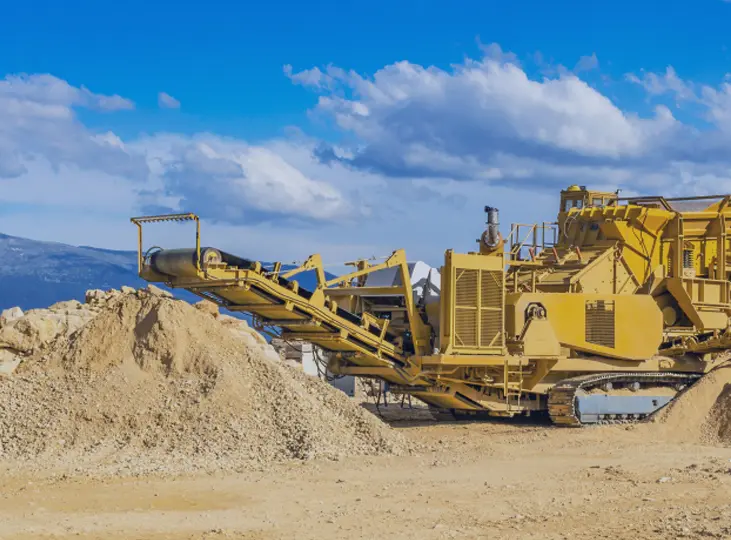
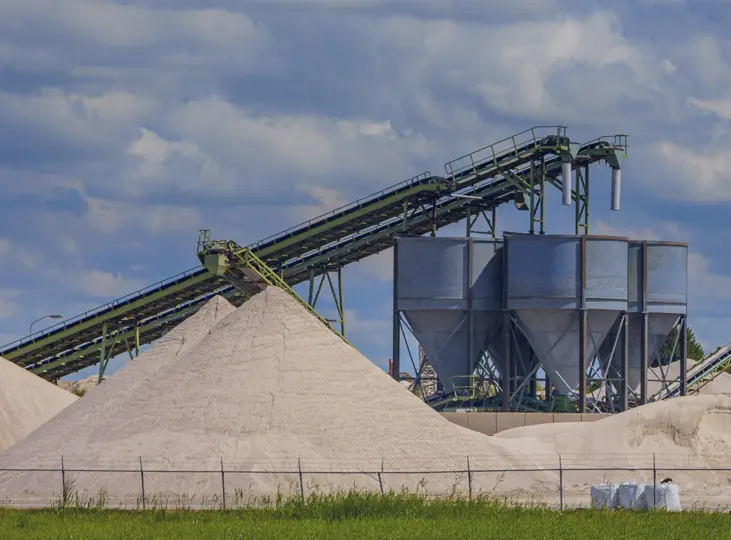
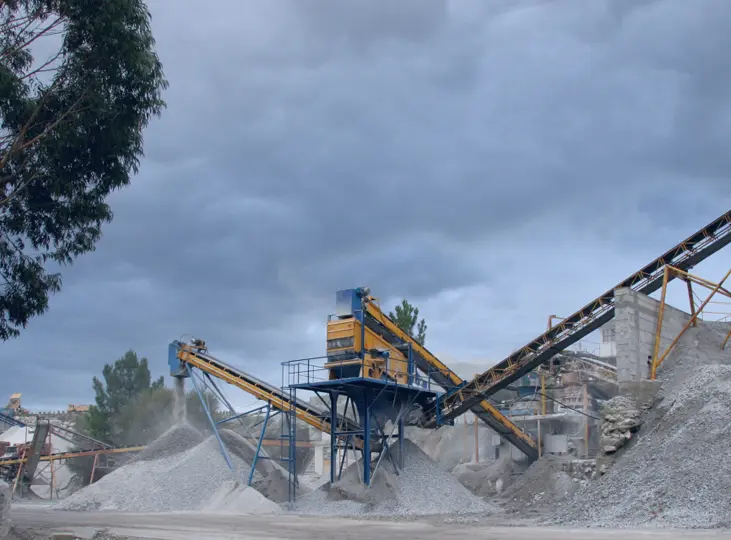
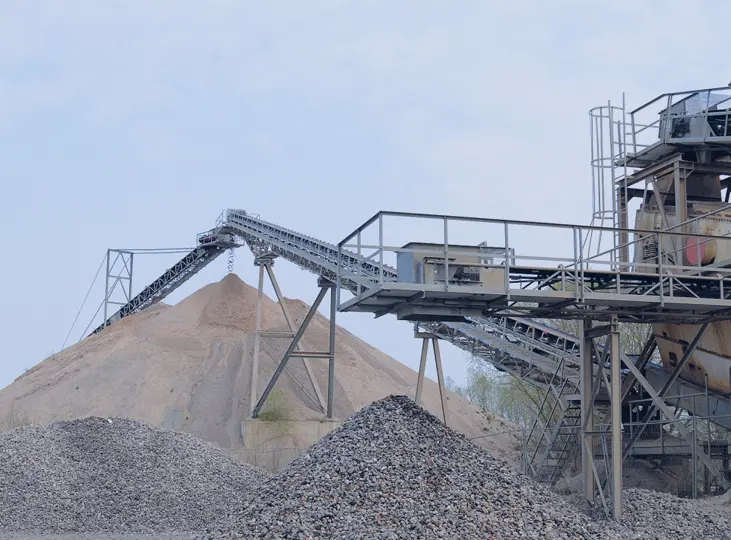
The global demand for high-G gravity separation units is largely driven by regional regulatory shifts away from mercury and cyanide compounds in artisanal and small-scale gold mining (ASGM), alongside the push for higher recovery rates in large-scale hard rock operations. Procurement profiles vary significantly by region:
A centrifugal concentrator is rarely operated in isolation. Optimum metallurgical recovery is achieved by integrating the machine into a comprehensive comminution, sizing, and concentration circuit. The processing path typically follows this progression:
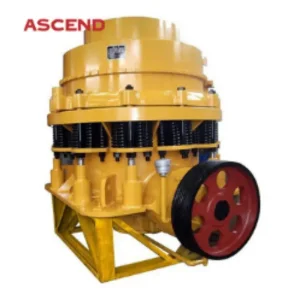
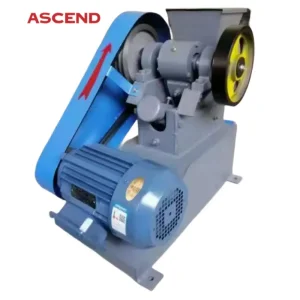
Step 1: Primary and Secondary Comminution: Large run-of-mine ore is reduced to manageable sizes. Depending on the scale, jaw crushers (such as the PE series) perform primary crushing, followed by cone crushers or impact crushers for secondary crushing.
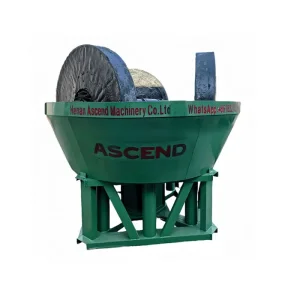
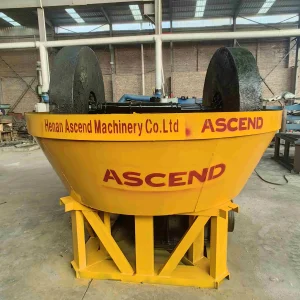
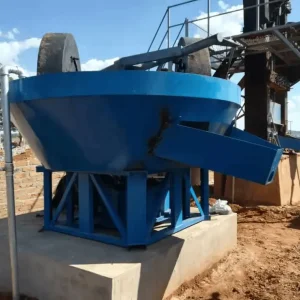
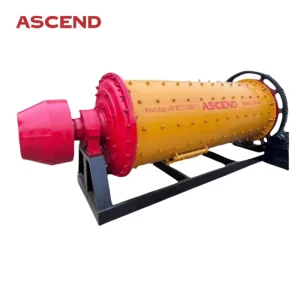
Step 2: Grinding and Liberation: Gold particles must be liberated from the host rock matrix. This is achieved using wet pan mills (highly popular in medium-scale setups due to their low cost and grinding-amalgamation efficiency) or industrial-scale ball mills operating in a closed circuit with spiral classifiers or hydrocyclones.
Step 3: Centrifugal Classification and Gravity Separation: Slurry containing liberated gold is fed into the centrifugal concentrator. The tails from the concentrator can be sent to secondary recovery systems like 6-S shaking tables or sluice boxes to ensure minimal loss.
A full range of crushing, grinding, and concentration equipment engineered for demanding mining environments.
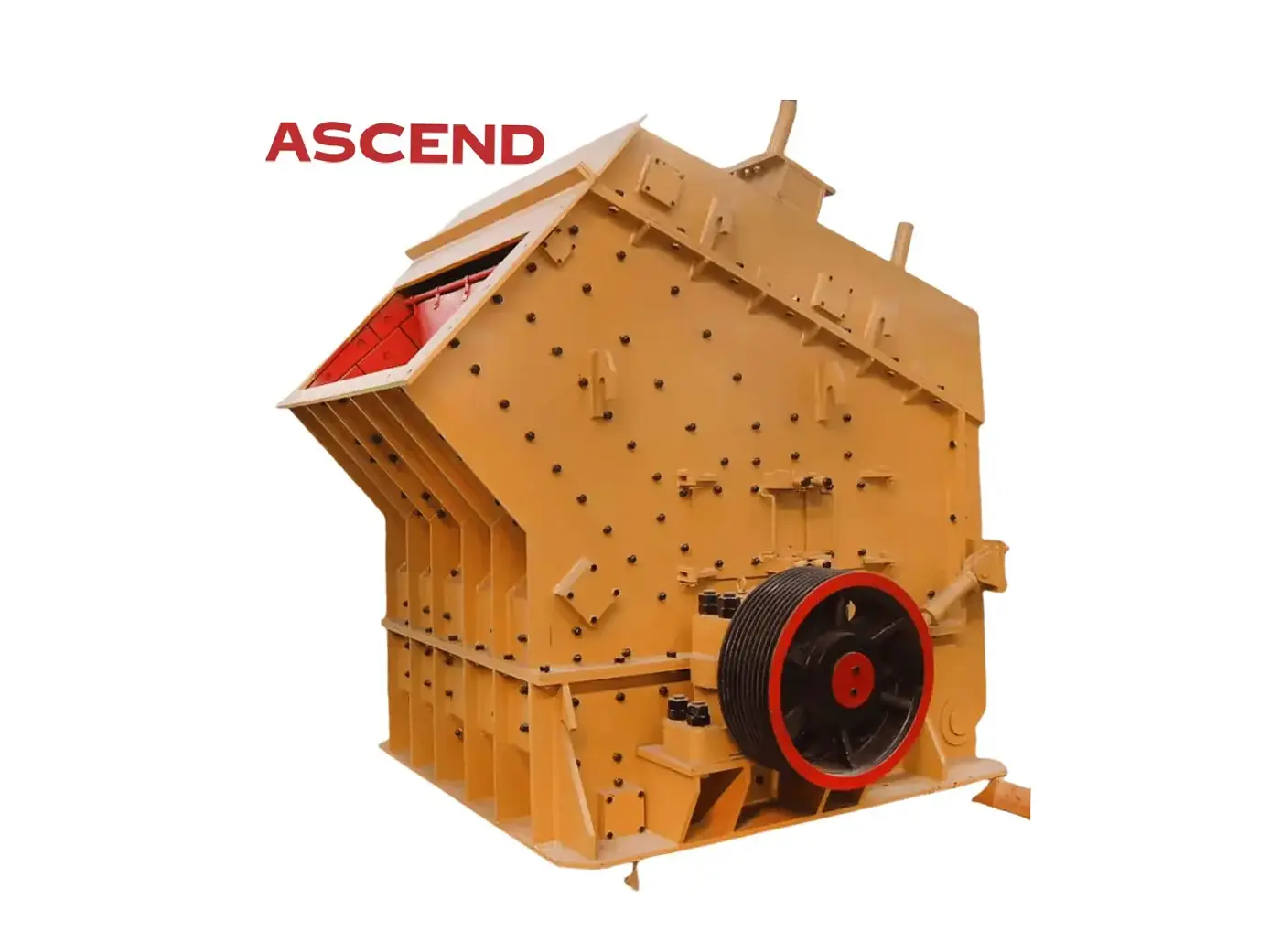
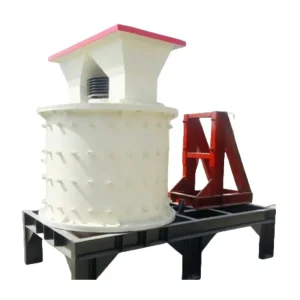
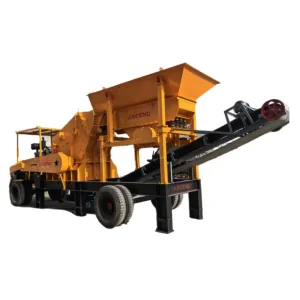
Impact crusher is a kind of secondary crushing equipment which uses impact power to crush materials. Impact crusher is characterized by easy maintenance, high reduction ratios and high efficiency to produce precisely cubic shape products. It is designed with three crushing chambers, seamlessly connected rotor, wear-resistant blow bar and installation of insert type. Moreover, it has tooth type liner, gradient designed bearing seat, frame with several openings and screws or hydraulic start-up devices. Impact crushers can be used in all different stages of size reduction from primary crushing to the last step of the crushing process.
Read MoreDevelopment milestones and future horizons in high-G centrifugal gravity separation technology.
Early generation development centered around manual discharge cycles. Material engineering focused on reducing cone wear with early cast polyurethanes.
Automation of rinse cycles utilizing pneumatic/hydraulic valves. Implementation of Siemens PLC modules to control rinse timing based on feed tonnage.
Widespread integration of Variable Frequency Drives (VFD) to dynamically adjust G-force depending on mineral density fluctuations in feed stock.
Development of online density sensors connected to automatic fluidization valves, dynamically adjusting water pressure in real-time to maintain optimal bed density.
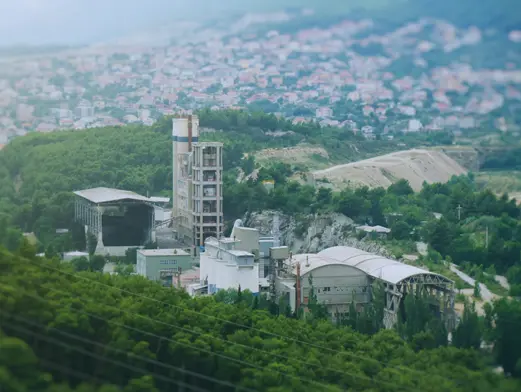
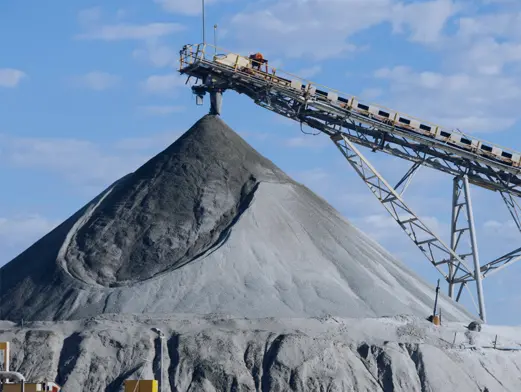
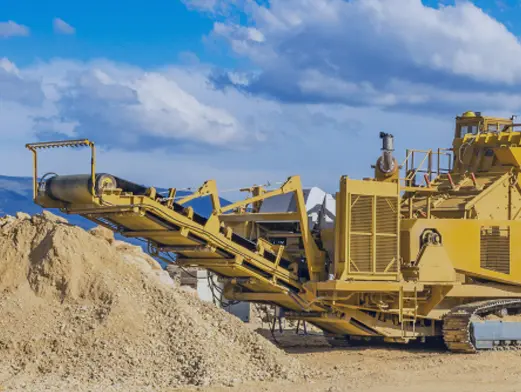
Real-world application environments showcasing processing equipment deployed globally.
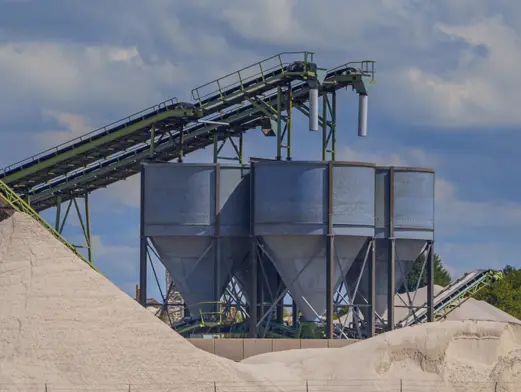
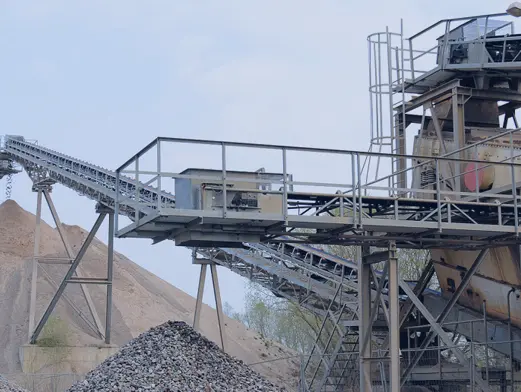
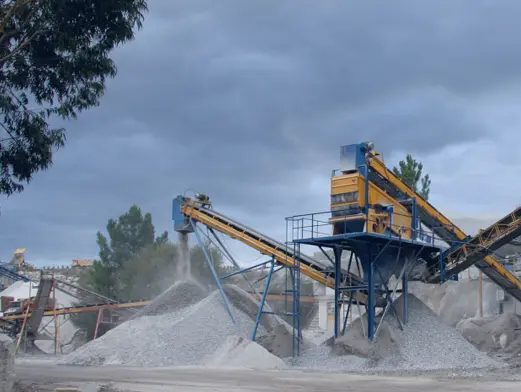
Stay up to date with our recent equipment deliveries, export milestones, and commissioning operations worldwide.
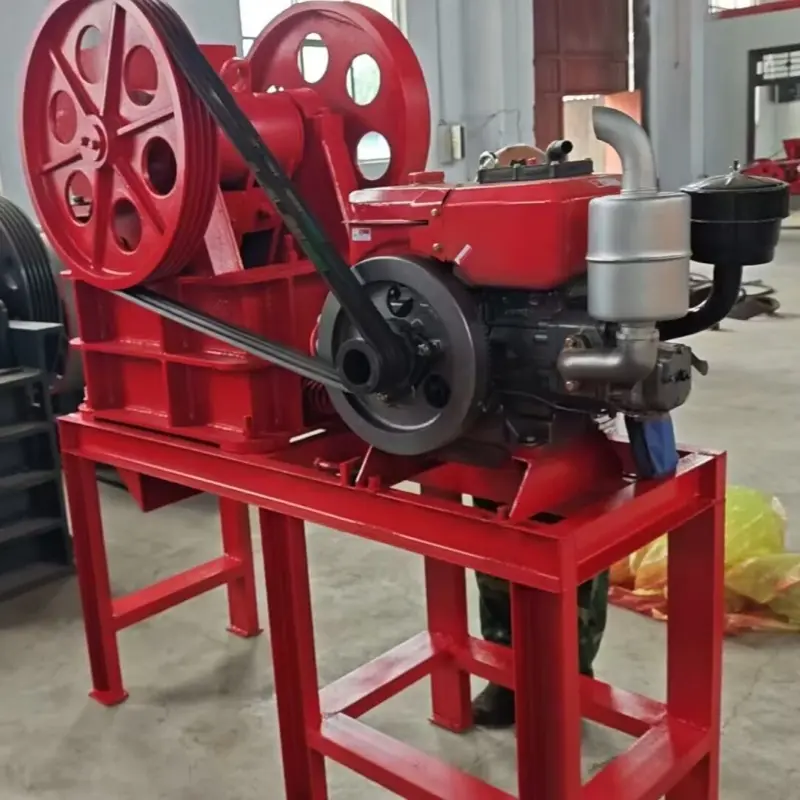
 Nov 2025
Expanding mining efficiency in PNG's alluvial gold reserves. Shipment details, mechanical configuration, and commissioning schedules.
 Aug 2025
These specialized gravity collectors were configured to recover fine particles from old tailing sites in the Copperbelt Province.
Jul 2025
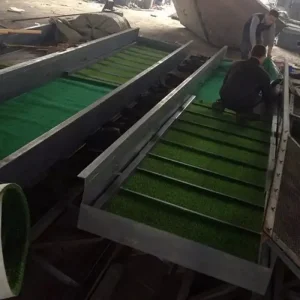
Providing final concentration tables to work downstream from primary centrifugal circuits.
Jul 2025
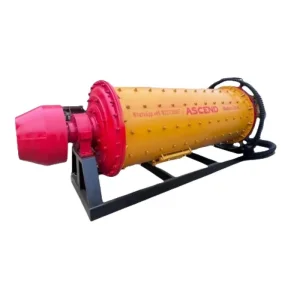
Heavy duty diesel powered ball mills built for remote, off-grid locations.
Jul 2025
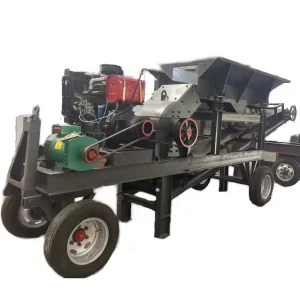
Designed for mobile track crushing on artisanal and medium scale concessions.
Jun 2025
High capacity industrial crushing installation designed for primary iron ore processing.
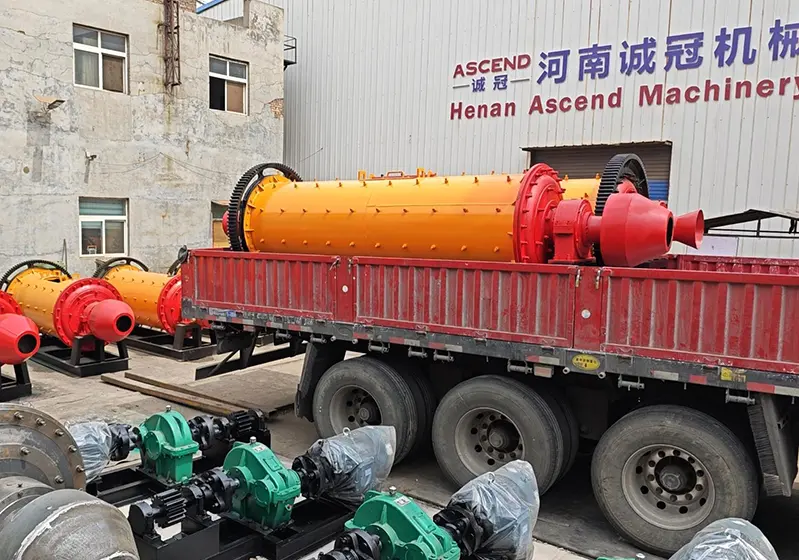
Henan Ascend Machinery & Equipment Co.,Ltd. was established in 2005 and is located in the high-tech zone of Zhengzhou City, Henan Province.
Ascend is mainly engaged in the research and development, manufacturing, sales and after-sales service of complete sets of crushing, grinding, screening, feeding and conveying heavy mining machinery. If you need to crush limestone, granite, gravel or other stone, or grinding them into powder, or extract gold, please feel free to contact us. Just tell us your needs and our engineers can provide you with professional advice. And we have our own factory, the quality of the machine is guaranteed, the price is more advantageous. We believe that we will be your good choice.
Read MoreWhen evaluating the capital expenditure (CapEx) and operational expenditure (OpEx) of importing a Chinese Knelson-style centrifugal concentrator, mineral processors must model returns based on recovery improvements compared to traditional static sluices or shaking tables.
Capital Expenditure (CapEx) Structure: A high-quality Chinese centrifugal concentrator costs roughly 35% to 50% less than its Canadian or South African manufactured equivalents. This price differential is driven by optimized supply chains, local steel sourcing, and specialized engineering clusters in Henan Province. For example, a 15-30 tph manual concentrator typically ranges from $4,500 to $9,000 USD, whereas automated, PLC-controlled equivalents range from $12,000 to $28,000 USD.
Operational Cost (OpEx) Efficiency: OpEx is primarily determined by fluidization water consumption and electrical inputs. In remote locations, power is usually supplied by diesel generators. Standard power draws range from 2.2 kW for pilot units to 37 kW for high-capacity systems. Because centrifugal concentration does not use reagents, there are no ongoing costs for chemical inputs, significantly lowering the overall cost per ton processed.
Assume a medium-scale operation processing 50 tons per hour of dry solids containing 2.5 g/t of free gold. Traditional sluicing recovers 65% of the gold ($203,125 USD monthly yield at current spot prices). Upgrading to a Centrifugal Concentrator with 95% recovery increases monthly yield to $296,875 USD. This yields an incremental monthly gain of $93,750 USD, paying back the initial CapEx of an automated CC-60 system within the first 15 days of operational commissioning.
Global environmental regulations (such as the Minamata Convention on Mercury) have put pressure on mining operations to eliminate mercury usage. Historically, mercury was added directly to sluice boxes or copper plates to capture gold.
Centrifugal concentration is an entirely physical separation technique that utilizes only water and centrifugal force. Recovered concentrate is highly enriched (often over 10% gold content) and can be directly melted or treated using high-security shaking tables and direct smelting, completely eliminating the need for mercury.
Technical answers to common queries regarding installation, operations, and procurement of centrifugal concentrators.
The optimal pulp density typically ranges between 20% and 40% solids by weight. Operating at a density above 45% increases slurry viscosity, which dampens centrifugal separation and leads to fine gold losses in the tails. Operating below 15% solids reduces throughput capacity.
Fluidization water pressure must overcome the outward centrifugal force within the rotor rings. Typically, pressure is maintained between 0.05 and 0.25 MPa. If the pressure is too low, the sediment bed in the rings will compact and harden, preventing gold recovery. If the pressure is too high, the upward velocity of the water will wash fine gold out of the recovery rings.
Batch concentrators accumulate concentrates within the rotor rings and must be periodically stopped and rinsed (typically every 1 to 4 hours). Continuous/Auto-Discharge units (often used for lower-grade feeds or higher concentrations of heavy minerals) use automated valves to flush concentrates without stopping the machine, allowing for continuous processing.
Depending on the model, maximum feed size ranges from 2.0 mm to 6.0 mm. Larger stones can damage the polyurethane lining of the rotor cone and block the fluidization nozzles. Upstream screening (using trommels or vibrating screens) is critical to remove oversize materials.
Under standard operating conditions processing non-corrosive silica sands, a high-quality polyurethane cone will last between 12 to 24 months. Feeding oversized rock or highly acidic pulp will reduce this timeframe. Cones are designed to be easily swappable to minimize downtime.
Explore auxiliary equipment, lab flotation devices, and primary milling stations designed to support your main centrifugal circuit.
 Ascend