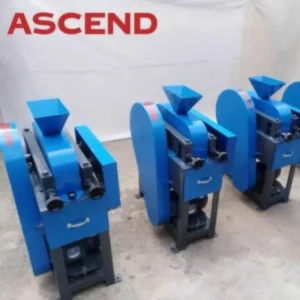
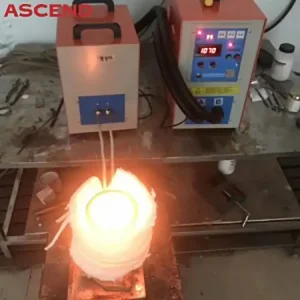
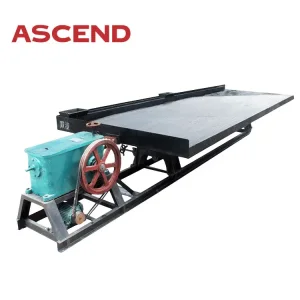
High-reliability machines engineered for heavy-duty primary and secondary size reduction.
In the modern era of renewable energy, high-grade metallurgy, and eco-conscious manufacturing, the charcoal hammer crusher mill stands as a pivotal technological link. This versatile machinery processes bulky carbonized biomass, mineralized charcoal, and agricultural waste byproducts into finely controlled powders. As international environmental mandates force industries to pivot toward carbon-neutral fuels, the demand for high-performance pulverizing equipment is accelerating at an unprecedented rate.
Unlike conventional rock crushers, charcoal crushing presents distinct mechanical challenges. Carbonized materials, while brittle, require precision processing to minimize waste generation in the form of micro-fine dust, while maximizing output uniformity for briquetting, chemical absorption, and metallurgical purposes. Standard impact devices fail to maintain size distribution integrity, underscoring the necessity of specialized hammer mill configurations engineered to balance torque, velocity, and grate clearance.
Key Industrial Objective: Reducing raw carbon materials to controlled sub-millimeter fractions with minimal tool wear and optimal thermal management.
Chinese manufacturers have established themselves at the center of this technological revolution. Leveraging integrated industrial supply chains, advanced metallurgy, and robust raw-material ecosystems, China-based engineering firms like Henan Ascend Machinery construct hammer mills that combine extreme structural durability with cost-effective operations. This comprehensive analysis details the mechanical principles, procurement paradigms, and application horizons defining today's industrial charcoal crushing landscape.
Ascend has developed steadily since its establishment. Our business covers more than 130 countries and regions around the world, especially in Africa and Southeast Asia.
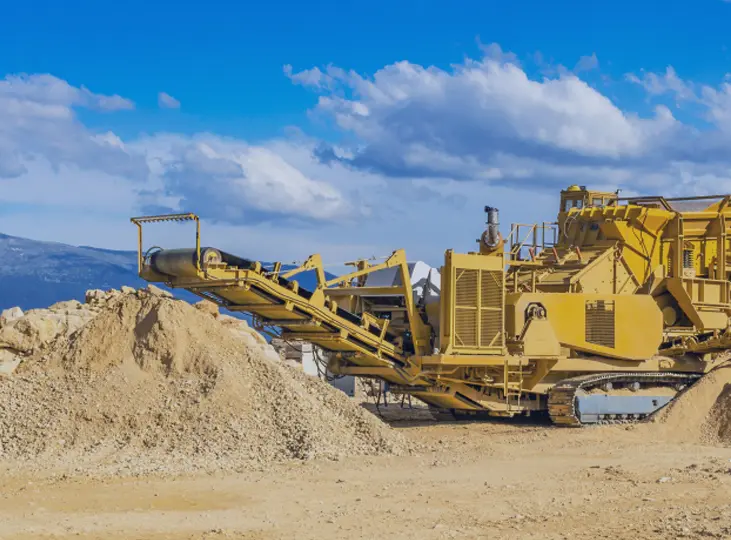
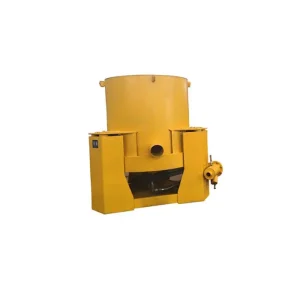
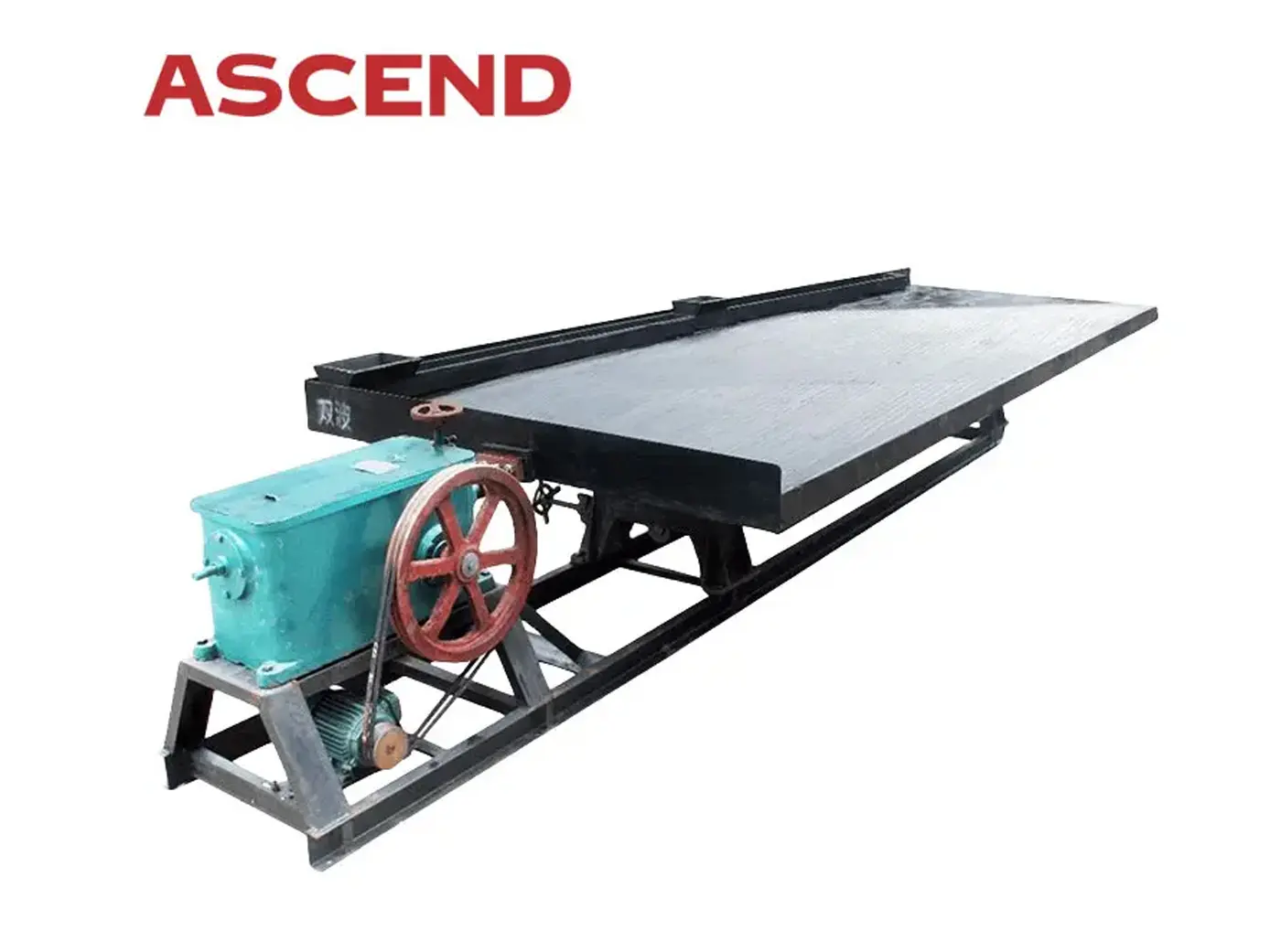
Complete recovery plant design including grinding mills, gravity separation shaking tables, and Knelson concentrators for optimal yield.
Learn More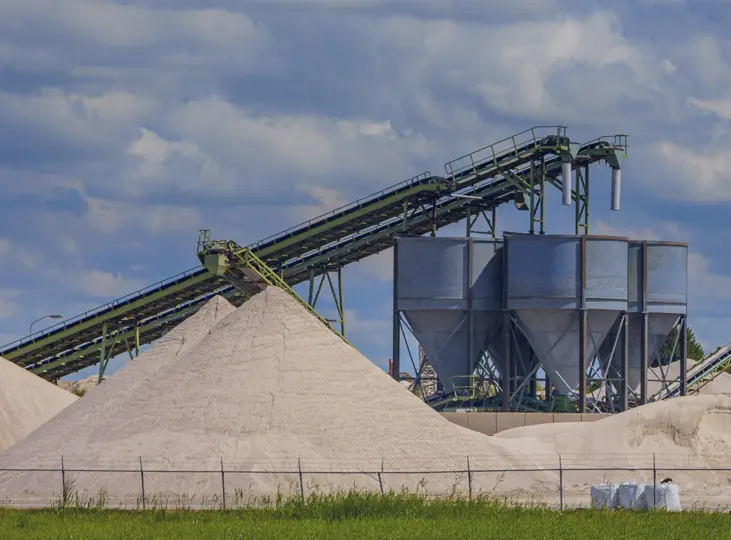
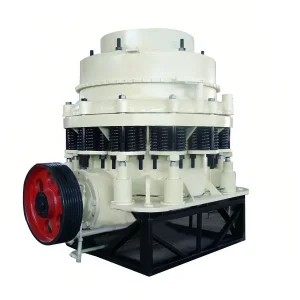
High-efficiency jaw, impact, and cone crushing systems configured for demanding quarry operations and mineral ore preparation.
Learn More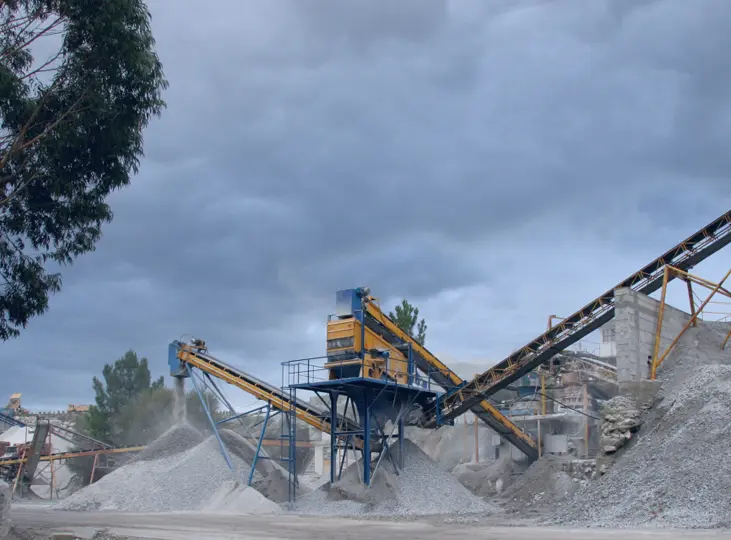
Complete pathways from raw hardwood, coconut shell, and organic briquetting inputs to refined pulverization and packaging.
Learn More
From initial laboratory testing and design blueprints to on-site assembly, commissioning, and preventive maintenance programs.
Learn MoreProcurement teams seeking charcoal hammer crusher mills prioritize a complex balance of uptime reliability, energy usage metrics, and screen configuration flexibility. Key buying groups range from activated carbon manufacturers in Southeast Asia to domestic heating briquette plants in Europe and metallurgical reduction facilities across Africa and South America. Understanding these diverse user intents is vital for optimizing machine performance and supply chain logistics.
In the activated carbon sector, processing coconut shells and hardwood charcoal requires minimal dust generation to protect filtration pore structures. Hammer mills equipped with variable frequency drives (VFD) allow operators to fine-tune rotor speeds, matching material dynamics to maximize yield. In contrast, heavy-duty briquetting plants prioritize high throughput, demanding robust carbon steel construction and rapid-change screens to minimize maintenance downtime.
Geographic challenges also shape procurement needs. Remote operations in developing markets require systems that can withstand grid instability and heavy debris in raw materials. Engineering solutions must incorporate heavy duty tramp metal separators to protect internal components, alongside simplified, tool-free access mechanisms for quick on-site maintenance.
The technology behind charcoal hammer mills is evolving from simple mechanical impact systems to smart, high-efficiency processors. Key innovations focus on extended tool lifespans and advanced dust control. Modern hammer mills utilize specialized alloys, incorporating tungsten carbide overlays and high-manganese steel backings. This composite design combines excellent core impact resistance with outstanding surface wear life, even when processing abrasive, silica-rich agricultural charcoal.
The integration of smart sensors represents a major leap forward in operational reliability. Real-time vibration monitoring, bearing temperature sensors, and load-sensing feeders connect directly to centralized control systems. These diagnostic networks detect imbalances, screen blockages, or worn hammers early, allowing operators to schedule maintenance proactively and prevent costly unplanned shutdowns.
Innovation Focus: Computational Fluid Dynamics (CFD) modeling of internal airflow patterns is driving the development of hammer mills that run cooler, consume less power, and generate significantly less waste fines.
Eco-friendly dust control is another key area of innovation. Fully enclosed milling chambers, negative-pressure baghouse systems, and integrated cyclone collectors keep work environments clean and safe. By capturing airborne particulate matter, these systems protect operator health while recovering valuable superfine product that would otherwise be lost.
Engineered for high performance, ease of maintenance, and maximum recovery across processing applications.
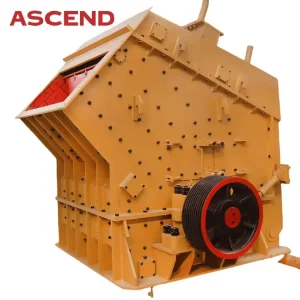
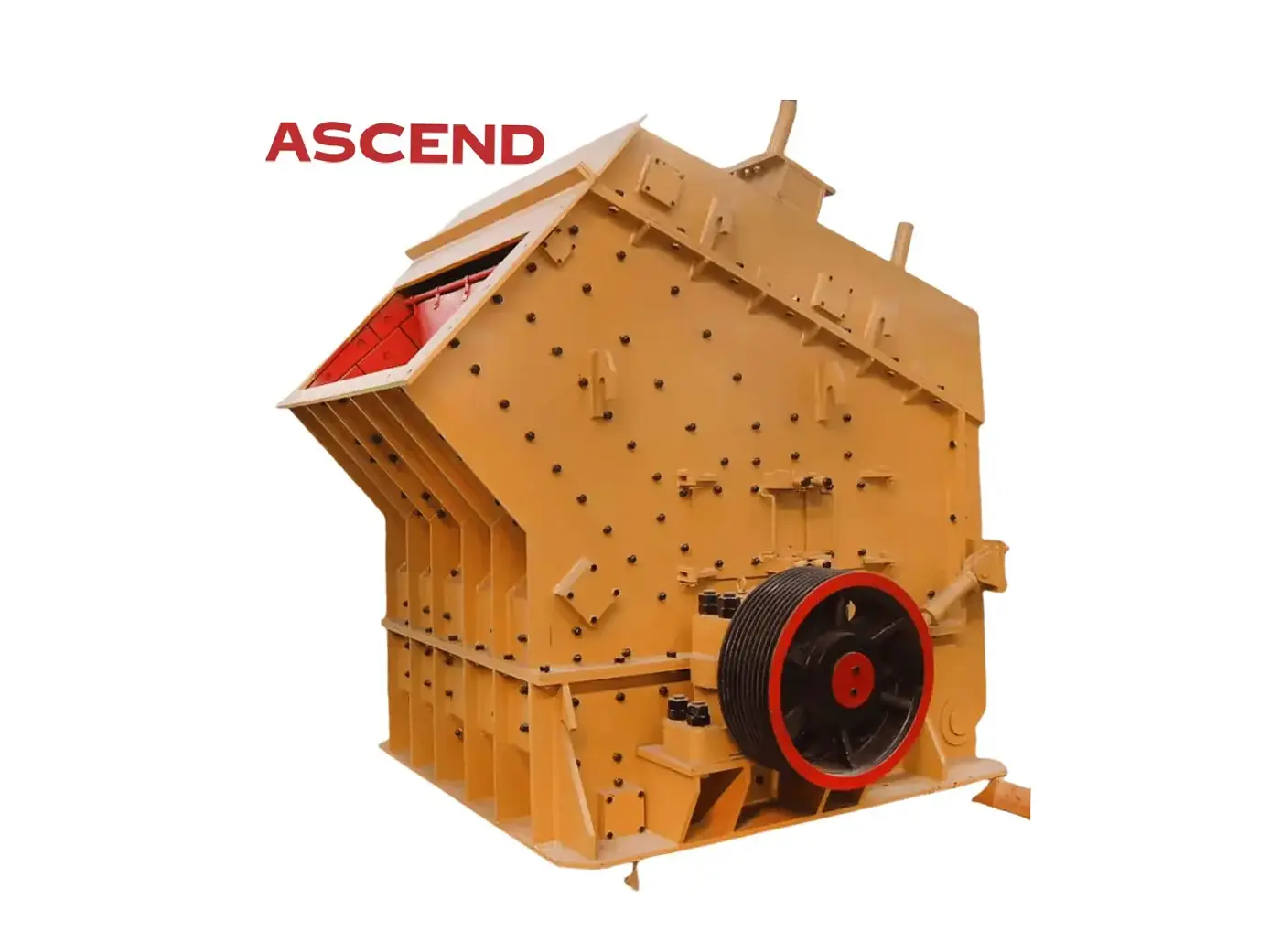
Our impact crusher is a premier secondary crushing system utilizing advanced impact forces to reduce material sizes. Characterized by simple maintenance, high reduction ratios, and superior cubical product shape, it integrates three crushing chambers, a seamless rotor, and wear-resistant blow bars.
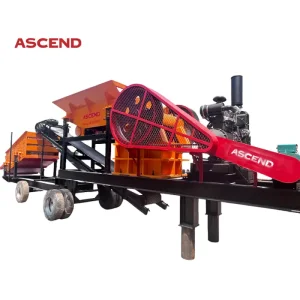
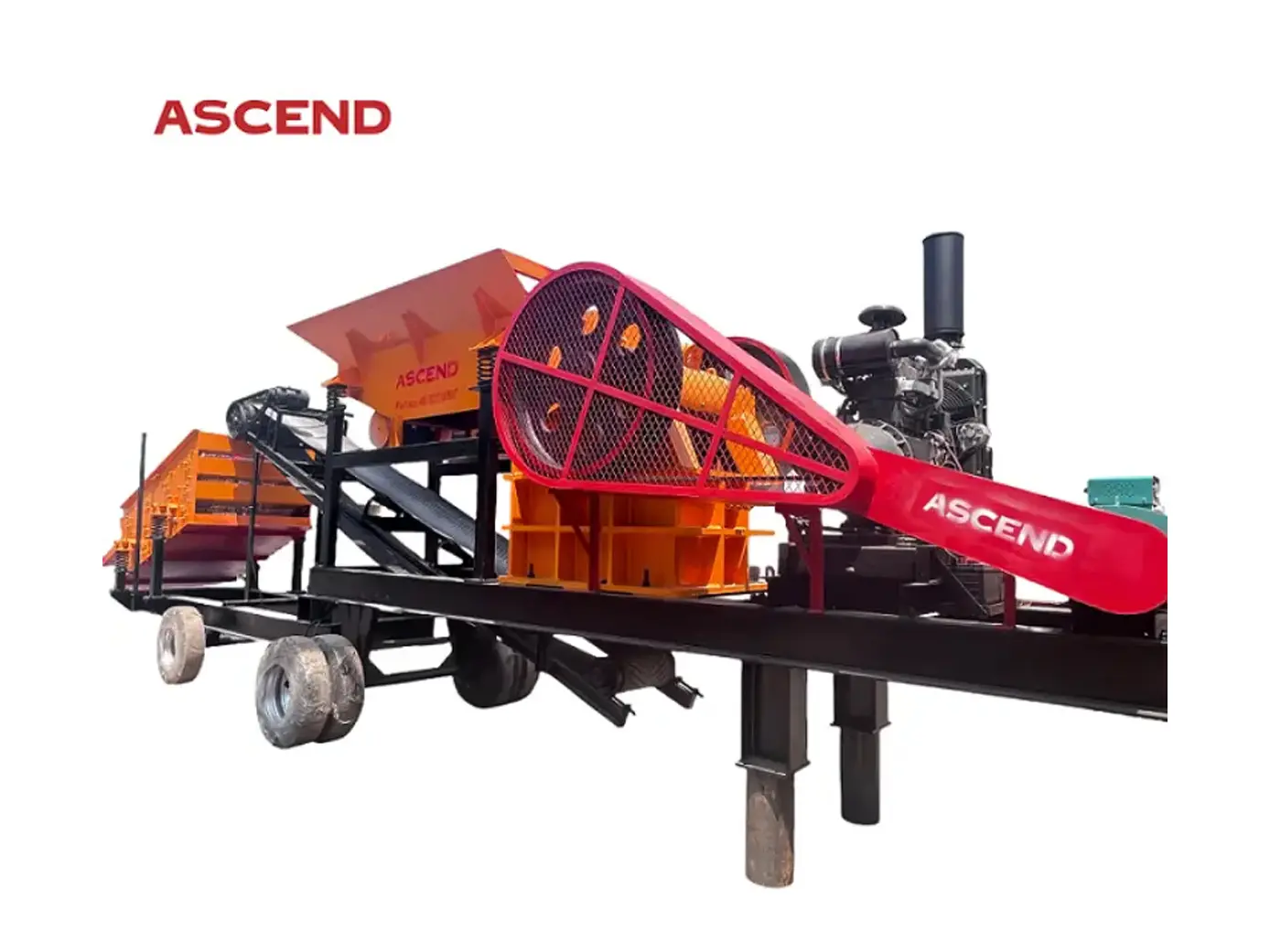
Fully mobile wheel and crawler mounted crushing systems configured with jaw, cone, or impact components, providing on-site mineral extraction and waste processing with minimal transport overheads.
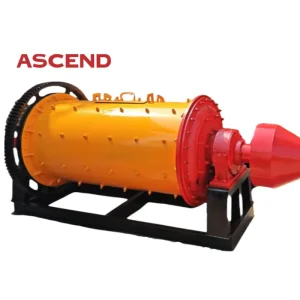
High-efficiency fine powder grinding machines. Perfect for reducing talc, barite, limestone, and charcoal to ultra-fine dust ranges from 100 mesh down to 2500 mesh.
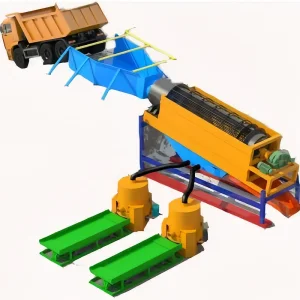
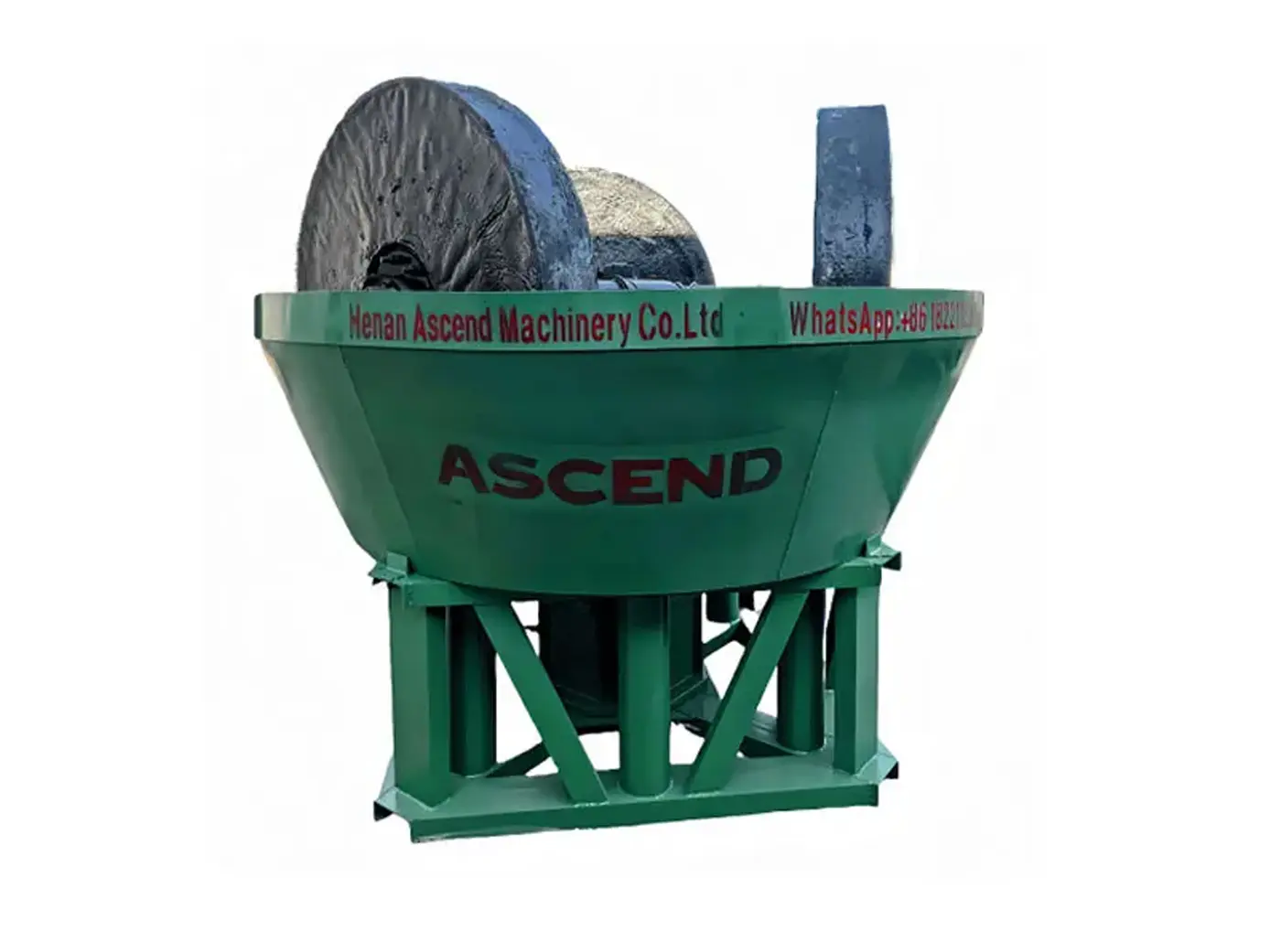
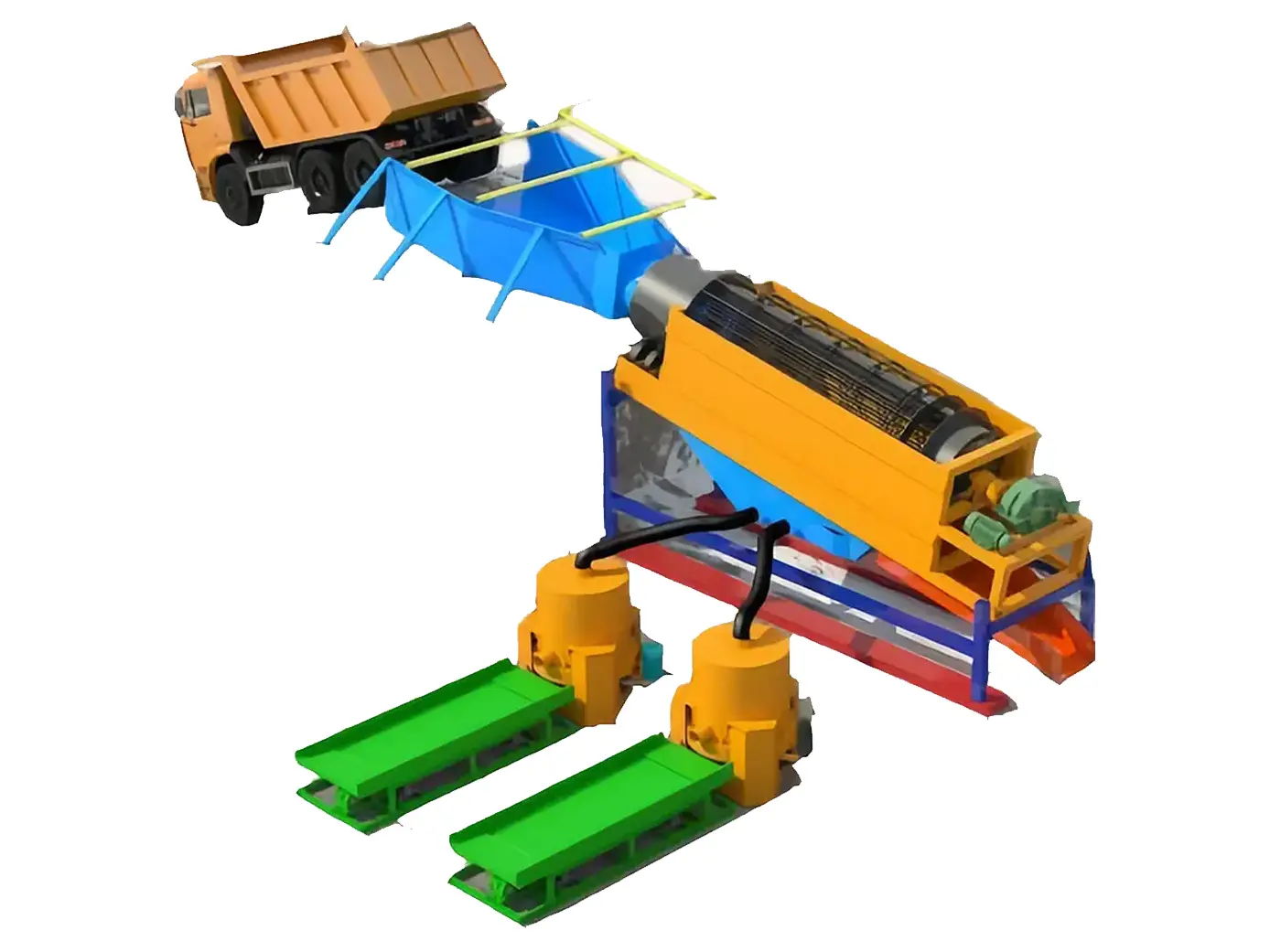
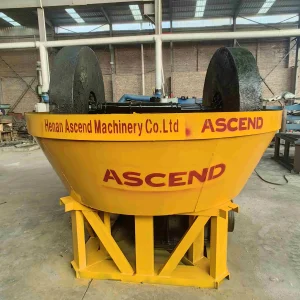
A total metallurgical configuration package consisting of gravity separators, centrifuges, washing trommels, and wet pan mills, designed to maximize gold particulate recovery.
Magnetic separators, flotation machines, thickeners, and rotary dryers engineered to separate valuable target minerals from host gangue materials with high reliability.
Exporting heavy machinery requires more than just engineering expertise; it demands deep compliance knowledge. Chinese manufacturers navigate complex international standards, ensuring equipment meets CE directives for Europe, OSHA safety regulations for the US, and national guidelines across African and Southeast Asian markets. From electrical configurations to shielding layouts, every machine is designed for seamless local integration.
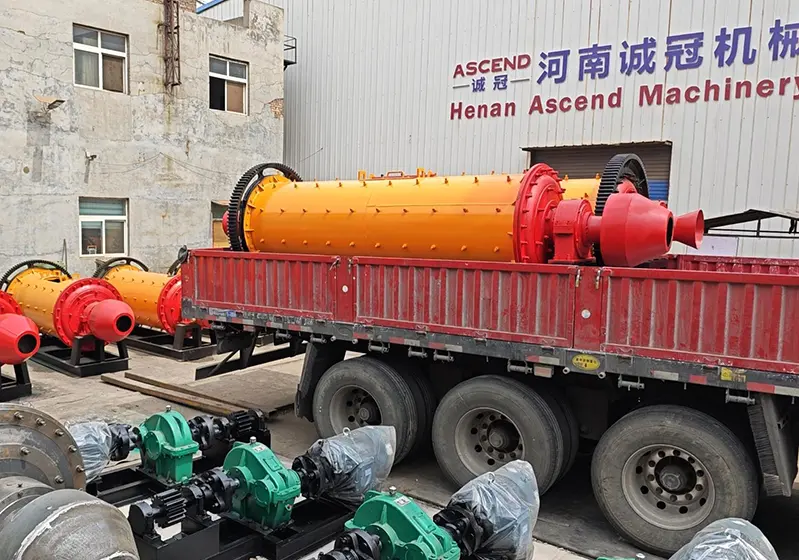
Heavy vibration machinery requires specialized shipping preparation to prevent damage during transit. Shafts are locked to protect bearings, exposed metal surfaces receive anti-corrosive treatments, and components are secured in moisture-resistant sea freight containers. Close collaboration with major global shipping lines ensures reliable delivery to ports in Durban, Jakarta, Callao, and beyond, with complete customs support for hassle-free clearance.
On-site setup and long-term support are key to minimizing downtime. Remote engineering services, detailed assembly guides, and readily available spare parts help local operators maintain high productivity. By establishing local parts depots and certified technician networks in primary markets, manufacturers can quickly resolve issues and keep processing lines running smoothly.
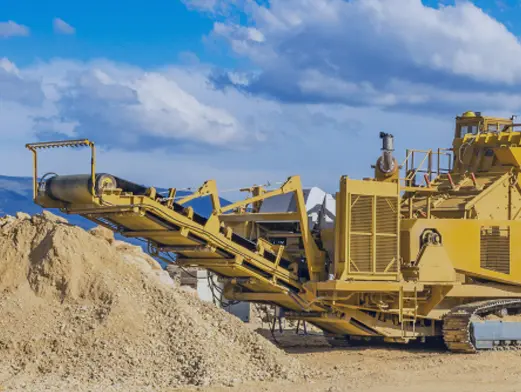
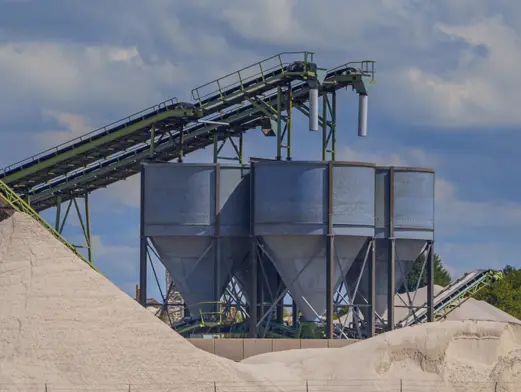
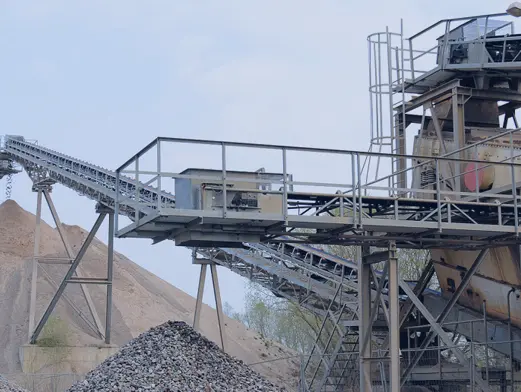
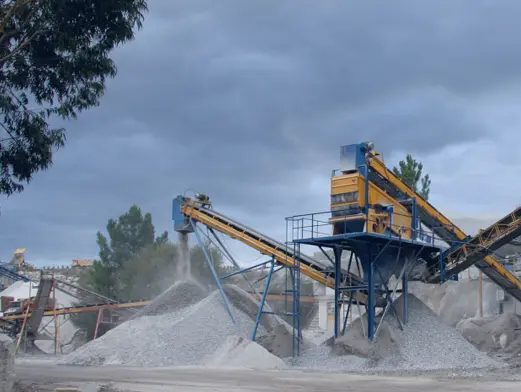
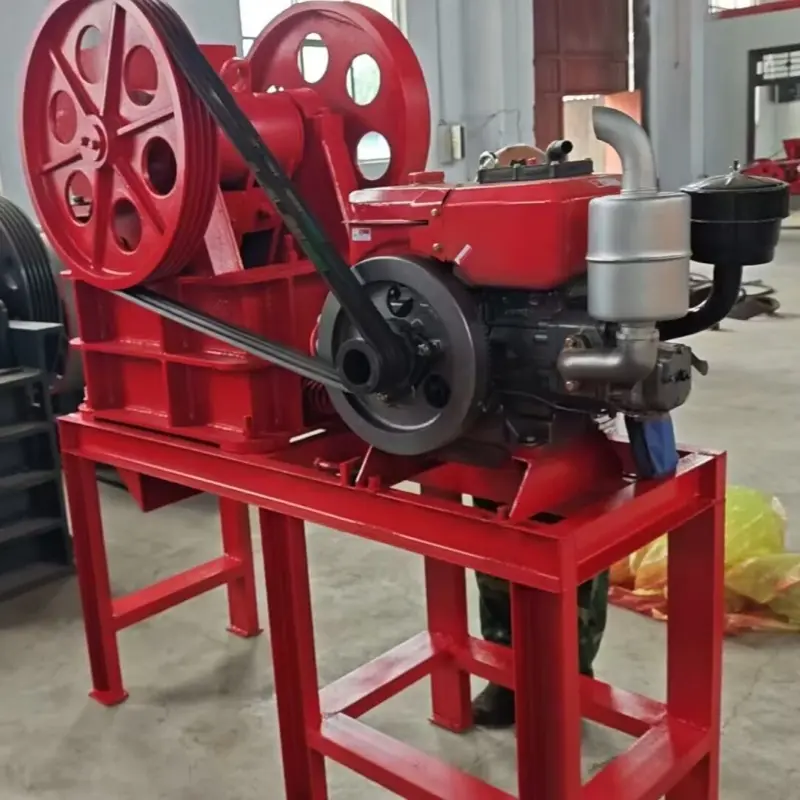
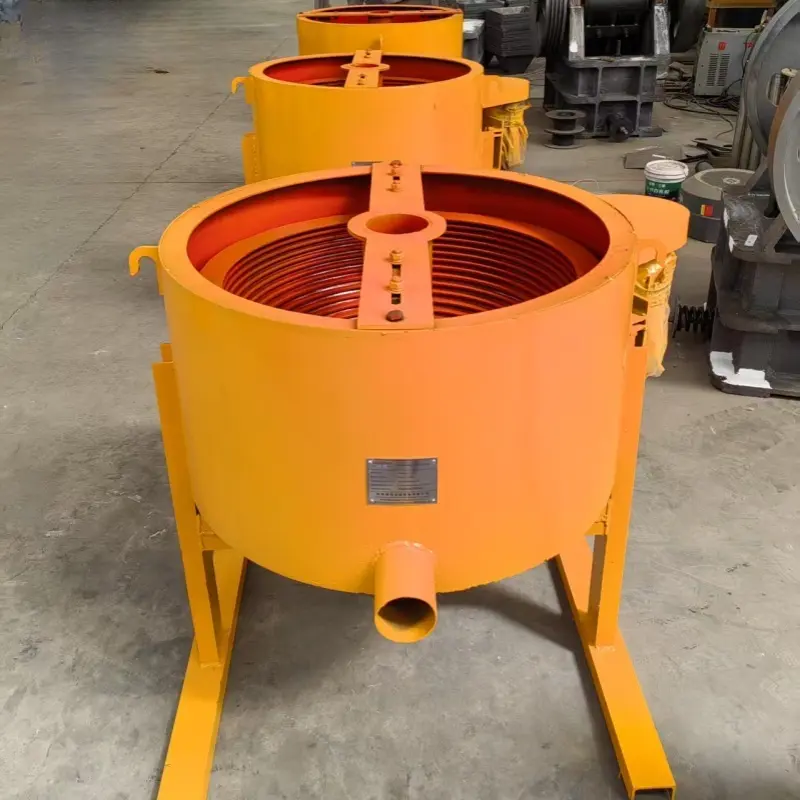
Discover our crushing and separation systems running in actual mine sites and processing facilities.


Real-time delivery logs showcasing our ongoing machine installations and global operations.
 November 2025
 July 2025
Get answers to common technical, operational, and maintenance questions about industrial charcoal crushers.
The speed of the rotor is directly related to the hardness of the carbon input and the target output particle size. For fine powder production (e.g., coconut shells under 0.5 mm), rotor speeds between 2200 and 2800 RPM are typically used. For coarser briquetting feedstocks (2-5 mm), a lower speed of 1450 RPM helps minimize power consumption and reduce the generation of excessive dust.
Moisture levels are a key factor in crusher performance. Materials with more than 15-18% moisture can stick to internal components and clog screen discharge grates, which increases heat buildup and motor load. For best results, wet charcoal should be dried to below 12% before processing, or the mill should run with a specialized comb-tooth design rather than standard mesh screens.
Standard steel wear elements wear down quickly when processing carbon materials. Premium mills use high-manganese steel alloys (such as Mn13Cr2) or bimetallic composites with tungsten carbide inserts at the main wear points. This design extends the lifespan of the hammers by 3 to 5 times compared to carbon steel, significantly reducing operational costs.
Finely ground charcoal dust presents a serious ignition risk. To address this, modern processing systems use fully enclosed machinery, static-dissipative grounding links, and explosion relief venting. These are combined with negative-pressure air extraction ducting and pulse-jet baghouses to keep dust concentrations safely below combustible limits.
Based in the high-tech development zone of Zhengzhou City, Henan Province, Henan Ascend Machinery & Equipment Co., Ltd. is a leading manufacturer specializing in heavy mining equipment. Our expertise spans research and development, manufacturing, and global after-sales support for complete crushing, grinding, screening, feeding, and conveying systems.
Whether you are crushing granite, limestone, or iron ore, processing coal and charcoal into fine powders, or setting up recovery systems for gold extraction, our engineering team designs customized plants tailored to your specifications. Our direct-from-factory business model ensures guaranteed equipment quality and competitive pricing.
Read Our Company ProfilePremium processing equipment built for reliable material reduction and mineral separation.
 Ascend