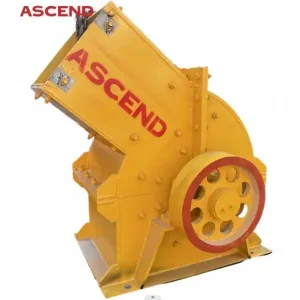
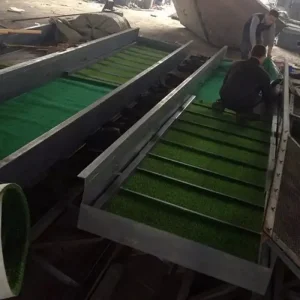
Explore our top-tier heavy-duty industrial machinery, designed to maximize throughput and achieve exceptional reduction ratios in demanding quarry and mining setups.
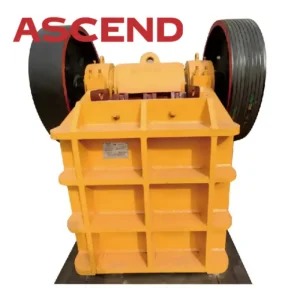
Within large-scale aggregate and minerals processing circuits, secondary crushing acts as the vital transition between coarse primary reduction and fine powder grinding. High-capacity secondary crushing cone crushers play a key role in handling hard materials like granite, basalt, quartzite, and various metalliferous ores (including copper, iron, gold, and manganese). By applying precise compressive forces within a specialized crushing chamber, these machines shape incoming primary run-of-mine materials into uniform fractions, protecting downstream mills and fine-crushers from oversized feed and excessive wear.
Globally, the demand for secondary cone crushers has risen dramatically due to expanding infrastructure initiatives, high-capacity road construction projects, and large-scale mining operations. Mining and quarry operators look to maximize reduction ratios, lower energy consumption per ton, and maintain consistent particle distribution. Achieving these goals requires heavy-duty machines built to run continuously with minimal unplanned maintenance. High-efficiency cone crusher plants are essential for keeping operational throughput steady in both gold extraction plants in Africa and limestone quarries in Southeast Asia.
Industrial procurement departments prioritize specific key metrics when investing in secondary crushing machinery to optimize return on investment (ROI):
How Chinese heavy machinery plants integrate high-tech manufacturing, robust supply chains, and advanced metallurgy to offer premium cone crushing solutions at competitive wholesale prices.
Our heavy equipment plants leverage specialized local steel and iron casting networks, allowing us to source premium materials like high-manganese steel (Mn18Cr2, Mn22Cr2) and high-grade copper alloys for critical parts. Our proprietary heat-treatment techniques refine grain structures to maximize tensile strength and impact resistance, ensuring components can withstand continuous, high-stress impacts without premature cracking.
We manufacture and source complete crushing plants within major industrial hubs like Zhengzhou, Henan. This strategic clustering brings together steel casting, hydraulic assembly, electronics, and global shipping ports into a single, cohesive workflow. Reducing inter-provincial shipping times and lowering raw material handling costs helps us deliver high-performance equipment without the premium price markup of Western manufacturers.
Our production facilities feature multi-axis CNC machine centers, automated robotic welding stations, and specialized ultrasonic testing equipment for inspecting internal welds. Standardizing these processes helps eliminate human error in crucial components, ensuring precise fits for components like the main shaft, eccentric sleeve, and gear drive systems, which prolongs the operating life of every machine.
Standard parameters for industrial-grade medium and fine cone crushers designed for continuous, high-intensity operations.
| Model Name | Feed Opening Size (mm) | Closed Side Setting (CSS) (mm) | Capacity Range (t/h) | Motor Power (kW) | Total Weight (t) |
|---|---|---|---|---|---|
| ASC-HP100 | 90 - 115 | 6 - 22 | 45 - 140 | 90 | 7.5 |
| ASC-HP200 | 120 - 185 | 8 - 29 | 90 - 250 | 160 | 10.5 |
| ASC-HP300 | 150 - 220 | 10 - 38 | 115 - 380 | 220 | 15.8 |
| ASC-HP500 | 180 - 250 | 13 - 50 | 180 - 630 | 370 | 33.0 |
| ASC-HP800 | 240 - 320 | 16 - 64 | 240 - 1050 | 600 | 68.5 |
No two crushing sites are identical. The efficiency of a secondary crushing plant depends directly on how well it adapts to local geology, climate conditions, and specific downstream separation processes. Ascend works closely with international partners to calibrate machinery for localized geological and environmental conditions.
In regions processing highly abrasive materials like volcanic basalt, river gravel, and granite for infrastructure projects, rapid wear on components is a common challenge. Ascend configures cone crushers with specialized chambers and high-manganese mantles, ensuring reliable operation, consistent product shape, and fewer maintenance interruptions when crushing hard, abrasive stone.
For mining operations processing gold, copper, or iron ore in remote areas, equipment uptime is critical. Ascend builds secondary crushers with simplified mechanical parts and reliable hydraulic adjustment systems. These designs make it easy for local technicians to adjust setting clearances and handle uncrushable objects safely, reducing reliance on specialized field service technicians.
We optimize chamber configurations based on the physical properties of the target rock:
How intelligent automation, remote diagnostics, and energy-efficient designs are transforming modern crushing plants.
Modern cone crushers feature integrated PLC systems that monitor operation metrics like motor load, oil temperature, pressure, and vibrations in real-time. By automatically adjusting settings to match feed variations, these systems maintain peak crushing performance and help prevent damage from overload conditions.
Newer eccentric drive mechanisms and chamber geometries maximize crushing forces while reducing power consumption per ton. By optimizing drive dynamics, modern crushers lower overall energy draw, helping operations meet stricter regional environmental regulations and reduce utility costs.
Hydraulic relief systems protect the crusher by allowing uncrushable materials (like tramp iron) to pass safely through the chamber. If the machine stalls under load, hydraulic cylinders lift the bowl to quickly clear the chamber, reducing downtime compared to older mechanical spring systems.
Ascend has developed steadily since its establishment. Its business covers more than 130 countries and regions around the world, especially in Africa and Southeast Asia. Also, Ascend machine quality and after-sales service have won widespread praise from international customers.
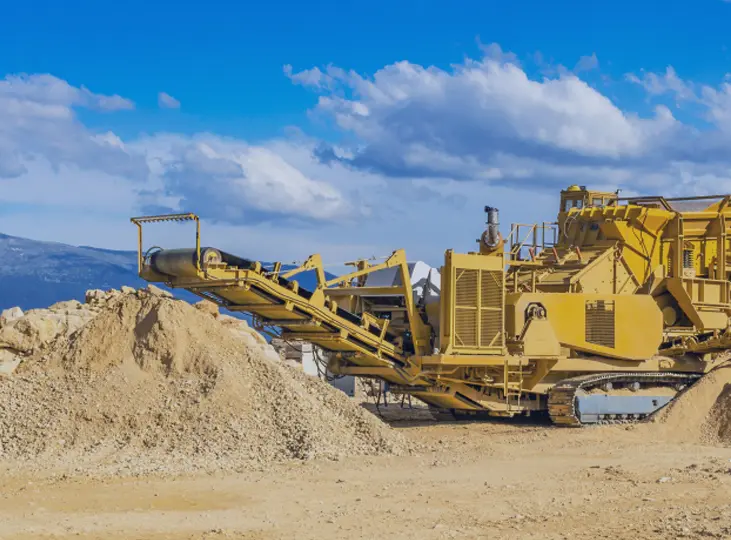
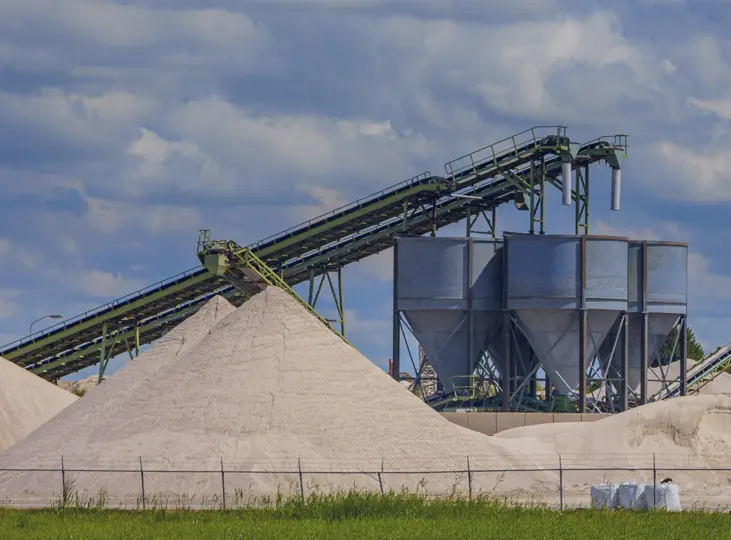
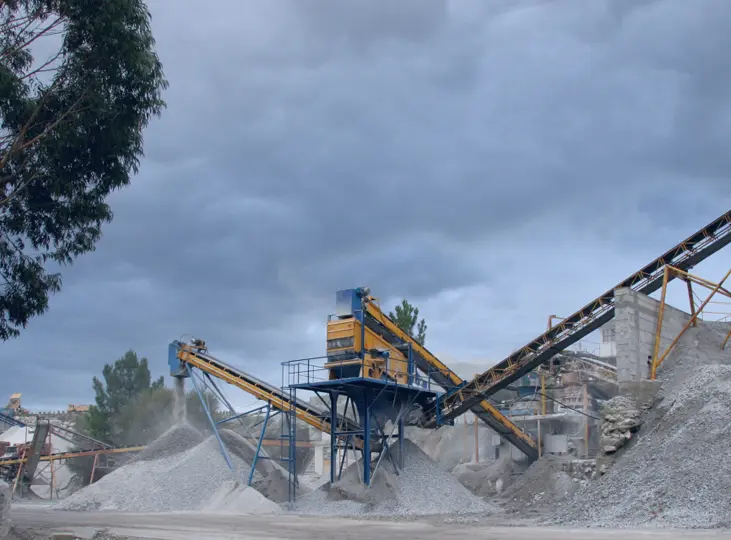
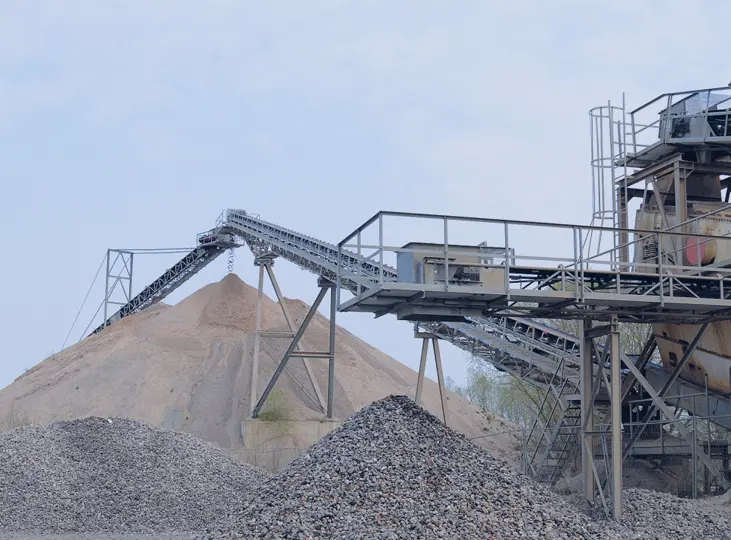
Our primary line of stone crushing, screening, and milling solutions utilized in core mining markets globally.
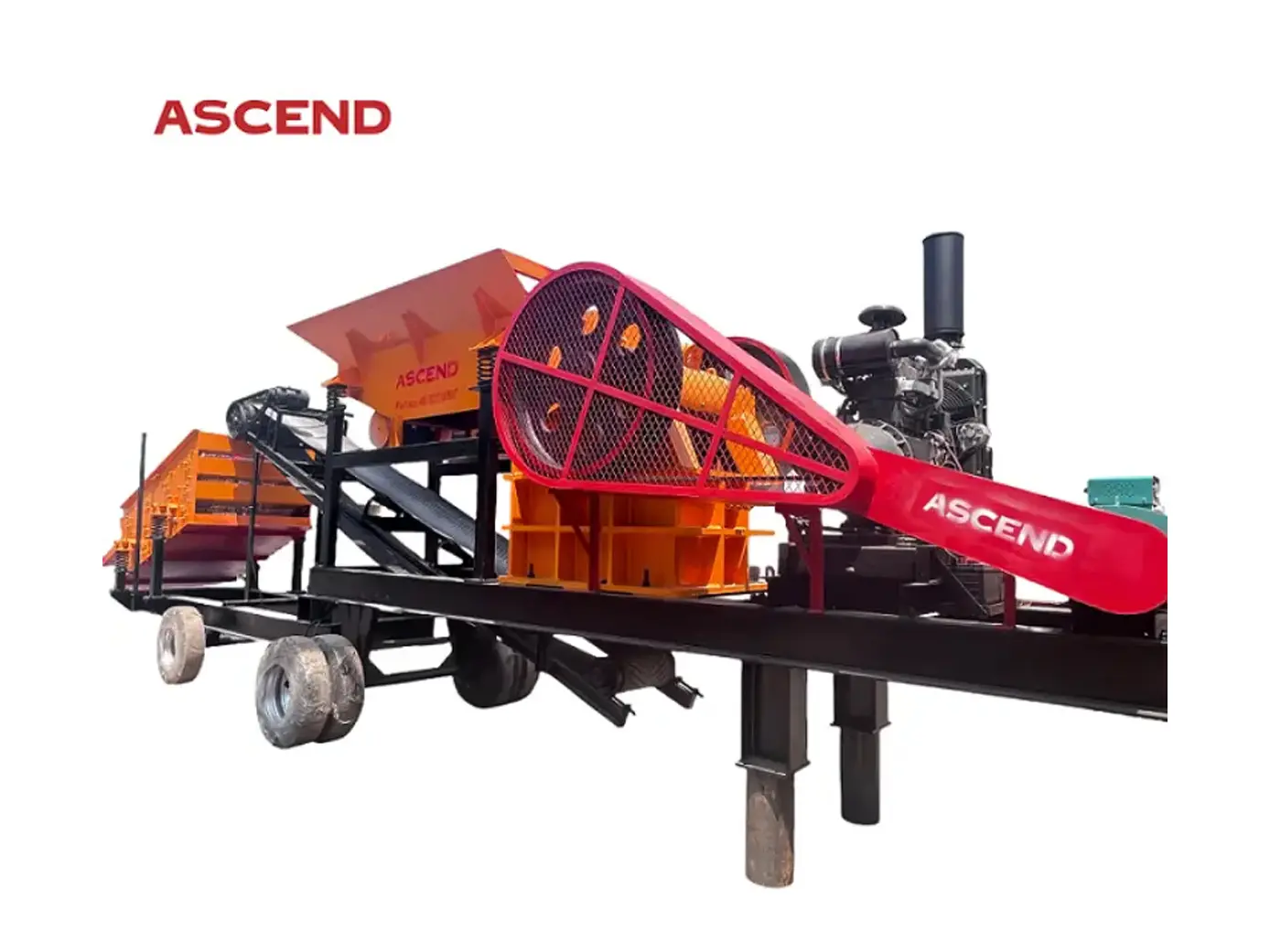
High-mobility crushing plants for rapid, flexible site setup and stone reduction.
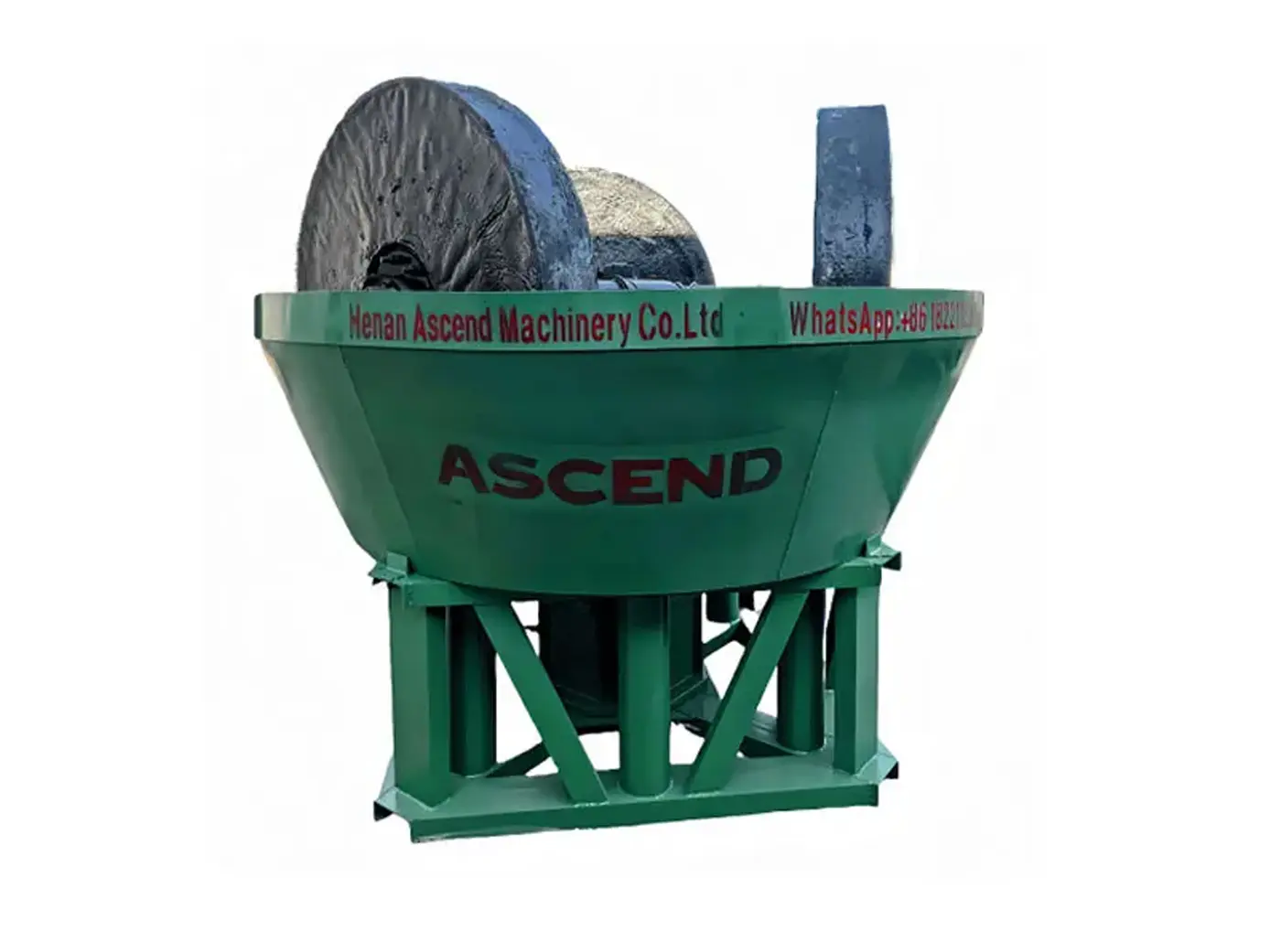
Fine powder production mills designed for mineral and chemical processing plants.
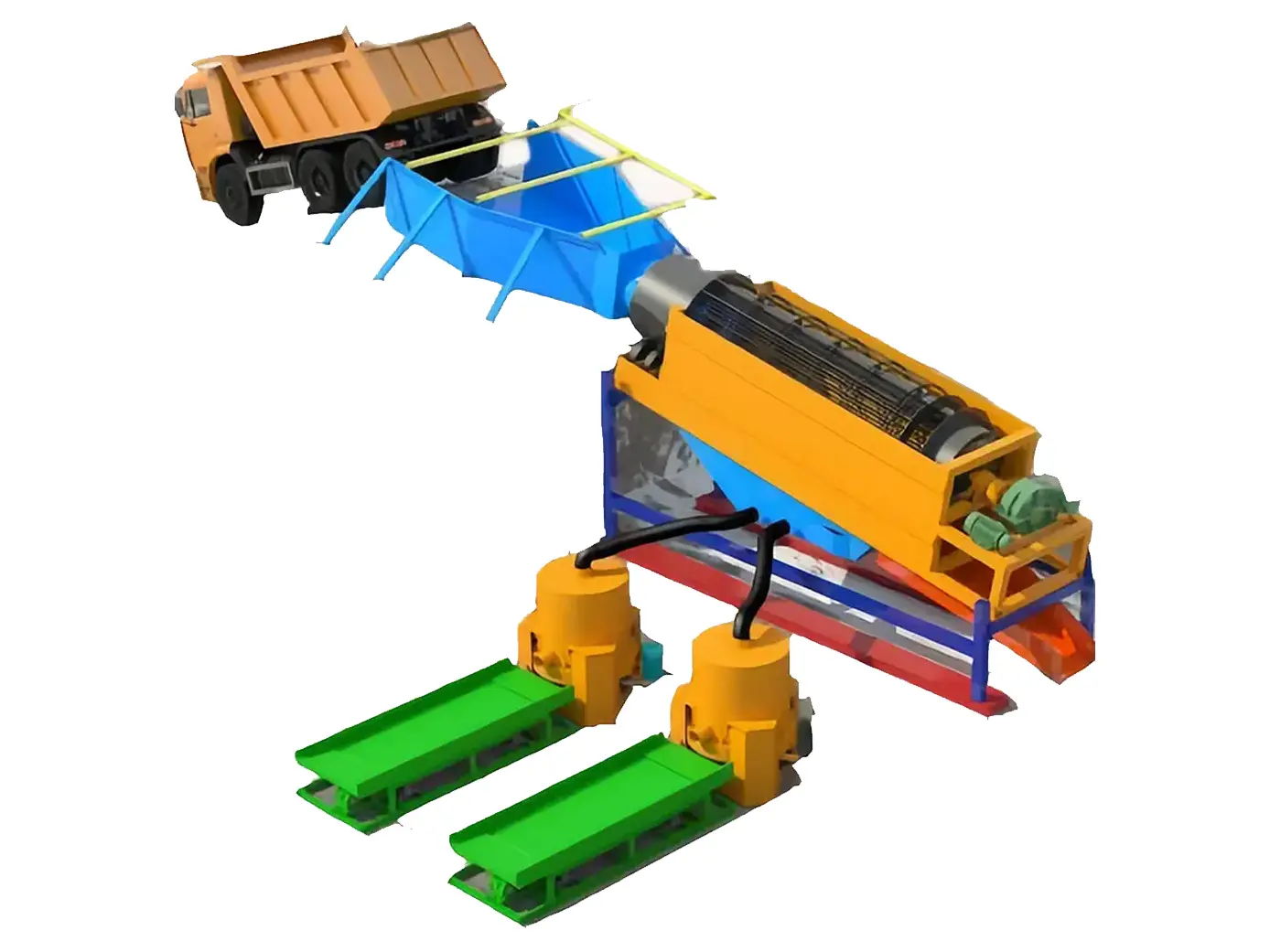
Comprehensive gold separation and recovery plant systems for maximum yields.
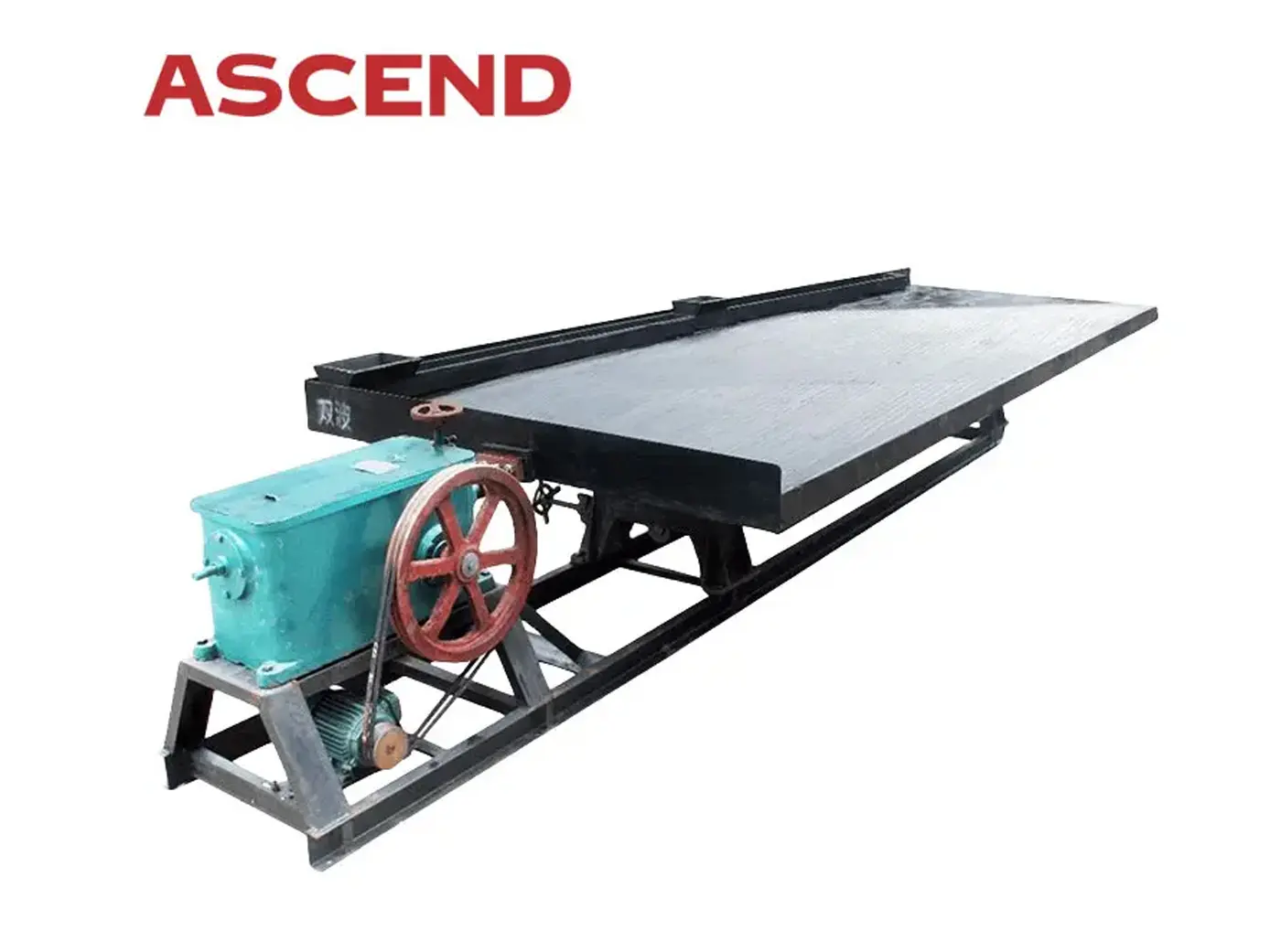
Gravity separation and ore washing machinery designed for reliable metal extraction.
Witness our machinery operating under demanding field conditions across key international sites.
Stay informed on our latest product shipments, site installations, and technical milestones worldwide.
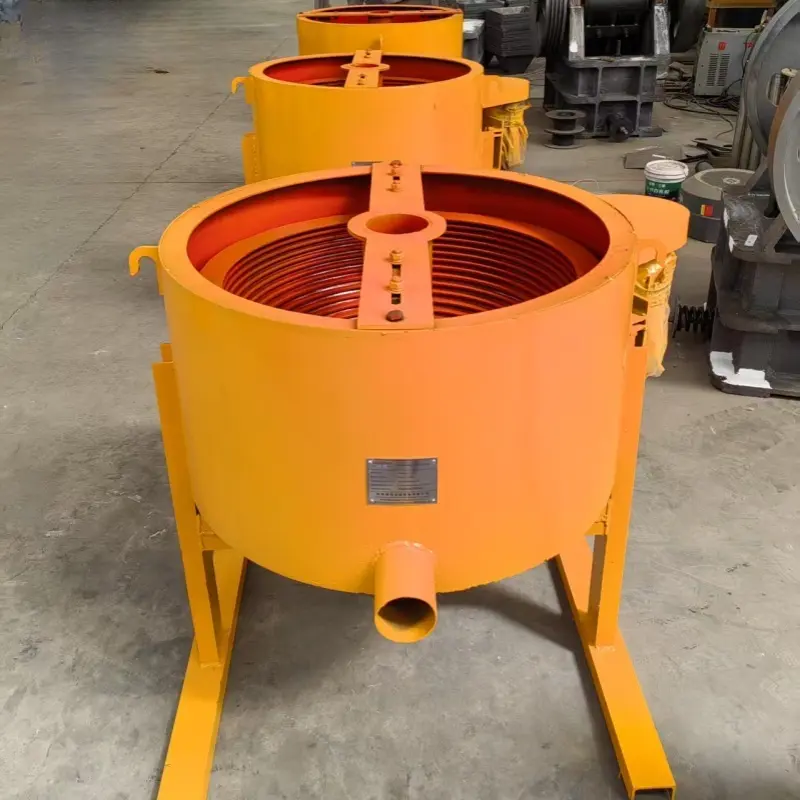
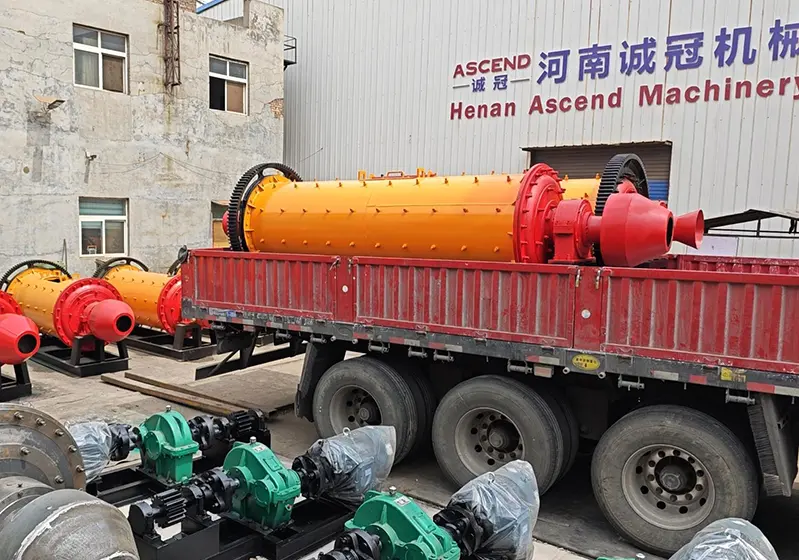
Henan Ascend Machinery & Equipment Co.,Ltd. was established in 2005 and it is located in the high-tech zone of Zhengzhou City, Henan Province. Ascend is mainly engaged in the research and development, manufacturing, sales and after-sales service of complete sets of crushing, grinding, screening, feeding and conveying heavy mining machinery. If you need to crush limestone, granite, gravel or other stone, or grinding them into powder, or extract gold, please feel free to contact us. Just tell us your needs and our engineers can provide you with professional advice. And we have our own factory, the quality of the machine is guaranteed, the price is more advantageous. We believe that we will be your good choice.
Read MoreA guide to navigating technical options, assessing factory quotes, and selecting matching auxiliary plant layouts.
Before requesting manufacturer quotes, verify your ore's Bond Work Index (Wi) and Abrasiveness Index (Ai). High-abrasiveness ores require heavy-duty manganese mantles and specialized liners to ensure acceptable component life. Sharing these core mineral metrics with manufacturers helps them match the right chamber configuration to your feed material.
The Closed Side Setting directly controls the final product size and determines the feed size for downstream mills or tertiary crushers. Modern hydraulic cone crushers allow operators to adjust settings easily via control panels, keeping the product size consistent as the crushing liners wear.
Downtime in major operations can be costly. When evaluating wholesale quotes, ensure the manufacturer has a dependable supply chain for wear parts, including mantles, concaves, bronze bushings, and seals, along with the technical support needed to assist with major repairs.
Focusing solely on the upfront purchase price can lead to higher operational costs later. Evaluate the overall investment, including energy efficiency ratings, shipping dimensions, ease of on-site assembly, and the expected lifespan of wear parts to understand the true long-term cost.
Detailed answers to technical and operational questions regarding industrial cone crushers.
Primary jaw crushers are designed to handle large, raw feed sizes directly from mining blasting, using a compressive force to reduce the material down to a manageable size. Secondary cone crushers, on the other hand, receive this pre-crushed material and use a rotating mantle within a concave chamber to achieve finer, more uniform reductions, preparing the material for downstream grinding mills or final screening.
A hydraulic relief system uses pressurized cylinders to support the crusher bowl. When an uncrushable object (such as a piece of drill steel or scrap iron) enters the chamber, the system allows the bowl to lift and let the object pass safely. This automated response prevents severe shaft deflection and structural damage, returning the machine to its preset setting immediately afterward.
Wear part service life depends primarily on the hardness and silica content of the material, feed distribution, and operating consistency. Maintaining a fully choked cavity ensures rock-on-rock crushing, which optimizes energy use and helps prevent uneven, localized wear on the liners.
Choke feeding involves keeping the crushing chamber completely filled with material. This configuration facilitates rock-on-rock crushing, which improves the cubical shape of the output, helps wear liners last longer, and maximizes throughput capacity.
Compound cone crushers use a combination of spring or hydraulic cylinders to handle tramp relief and adjust settings, offering a traditional, robust mechanical layout. Single-cylinder hydraulic cone crushers feature a single cylinder at the bottom to adjust settings and clear the chamber, simplifying mechanical complexity and making automated controls easier to integrate.
The CSS defines the narrowest opening between the mantle and concave during the crushing cycle, directly setting the maximum size of the output product. Correctly managing this setting ensures downstream equipment receives a consistent feed size, preventing issues like mill overloading.
Extreme climates require dedicated lubrication adjustments. High-temperature environments need external air-to-oil cooling systems to keep viscosity stable, while operations in cold climates require heating elements to prevent the oil from thickening and restricting flow to the bearings.
To receive a precise recommendation and quote, provide the manufacturer with your target material type, feed size distribution, required output size (CSS), desired hourly throughput (t/h), and local power supply specifications (voltage and frequency).
Complete your minerals processing circuit with our reliable grinding, washing, sizing, and beneficiation machinery.
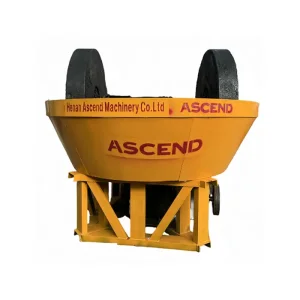
 Ascend