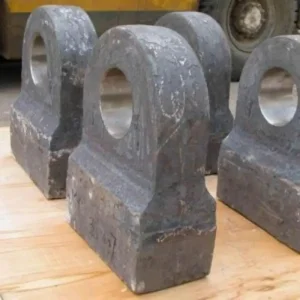
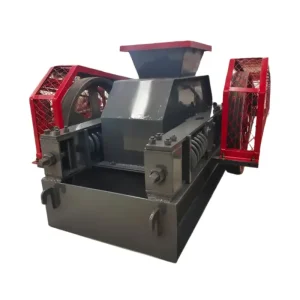
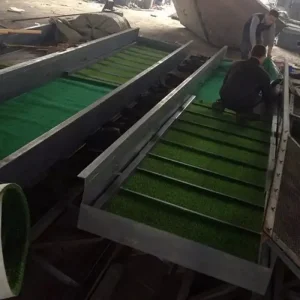
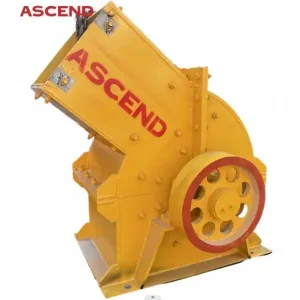
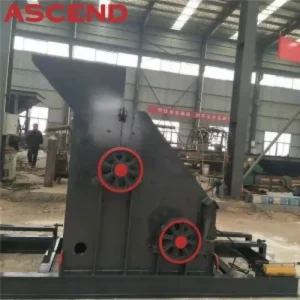
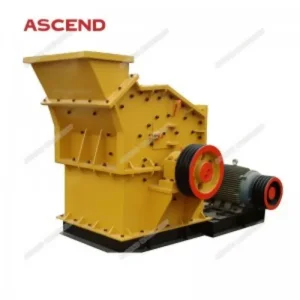
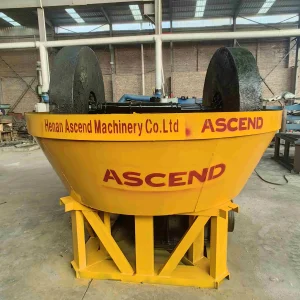
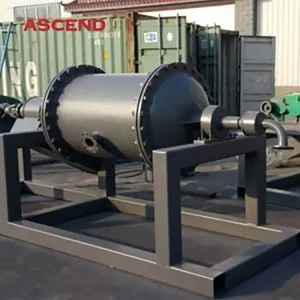
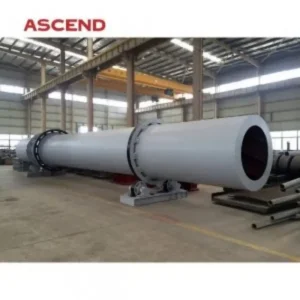
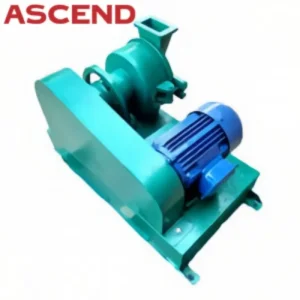
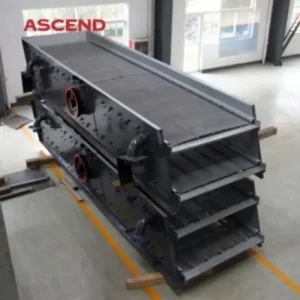
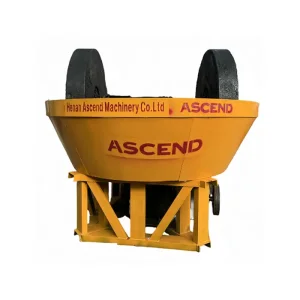
Highly optimized industrial crushing, grinding, screening, and wet pan mill configurations serving global operations.
Understanding the physics of multi-dimensional centrifugal forces and their applications in ultra-fine micro and nano-materials synthesis.
A planetary ball mill operates on a fundamentally different kinetic principle compared to traditional rotary drum mills. The grinding jars are arranged eccentrically on a sun wheel (supporting disc). When the sun wheel rotates, each jar rotates around its own axis in the opposite direction. This multidirectional centrifugal field generates alternating forces: the centrifugal forces arising from the rotation of the jar and those from the rotation of the sun wheel work together to rapidly accelerate the grinding balls.
This dynamic interaction results in what is known as Coriolis acceleration. The grinding balls fly across the jar interior, impacting the sample material on the opposite wall at extremely high velocities. The combination of high-energy impact, friction, and shear forces reduces feed materials to sub-micron or even nanometer-scale particle size distributions ($d_{50} < 100\text{ nm}$). This high-energy impact is crucial for mechanical alloying, mechanochemistry, and structural disruption of tough materials.
Advanced planetary mills generate acceleration rates exceeding 30G to 95G (G-force), enabling processing times that are up to 100 times faster than gravity-fed tumbling ball mills.
Used to trigger solid-state chemical reactions. The intense localized pressure and friction disrupt crystal lattices, enabling synthesis without organic solvents.
Available in Agate, Zirconia ($ZrO_2$), Tungsten Carbide (WC), Alumina ($Al_2O_3$), and Stainless Steel to prevent cross-contamination and match the hardness of the material being milled.
Key parameters for operations managers, laboratories, and mineral processing enterprises when selecting a manufacturing partner.
For research labs, testing facilities, and industrial mineral processing firms, acquiring planetary ball mills requires examining the manufacturing process. A qualified Planetary Ball Mill Exporter must provide scalable options that transition smoothly from benchtop laboratory units (e.g., 2x50ml, 4x100ml) to pilot-scale production units (e.g., 4x5L or 4x10L configurations).
Crucial procurement check-points include: drive system reliability (VFD speed controls), continuous run-time capabilities, thermal management (integrated air ventilation or water-cooling jackets), and acoustic dampening enclosures. Purchasing from direct manufacturers guarantees access to precision-engineered replacement parts—specifically jars and grinding media—reducing operational downtime.
How high-energy planetary grinding integrates into larger scale mineral ore dressing and metallurgy workflows.
In heavy industrial operations—such as gold ore extraction, cement processing, and advanced metallurgy—milling is rarely a single-step operation. Instead, it is a multi-stage process designed to balance throughput with energy efficiency.
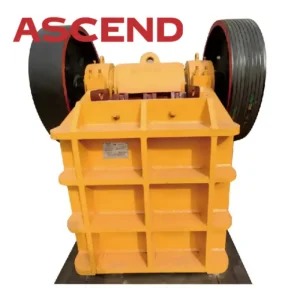
Stage 1: Primary and Secondary Crushing: Heavy-duty equipment like Jaw Crushers or Double Roller Crushers reduce run-of-mine ores down to a manageable size (typically under 10-20mm).
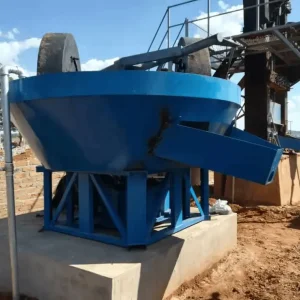
Stage 2: Coarse Grinding: Machines such as Wet Pan Mills or standard industrial Ball Mills reduce the material to a fine powder (around 75 microns or 200 mesh).
Stage 3: Ultrafine/Nano Processing: Finally, Planetary Ball Mills are deployed in quality control laboratories and specialized additive manufacturing lines to achieve nanoscale particle size reduction or to perform mechanochemical alloying on rare earths and precious metal concentrates.
Henan Ascend Machinery provides integrated solutions covering the entire size reduction chain, ensuring compatibility from large scale open-pit mining setups to clean-room material testing environments.
We work closely with mining operations and material scientists to design custom processing workflows. This includes configuring the grinding jar materials, selecting the correct ball-to-charge ratios, and optimizing the operational parameters to maximize energy efficiency while keeping contamination below detectable limits.
Explore our field-proven solutions deployed across diverse mineral-rich regions worldwide.
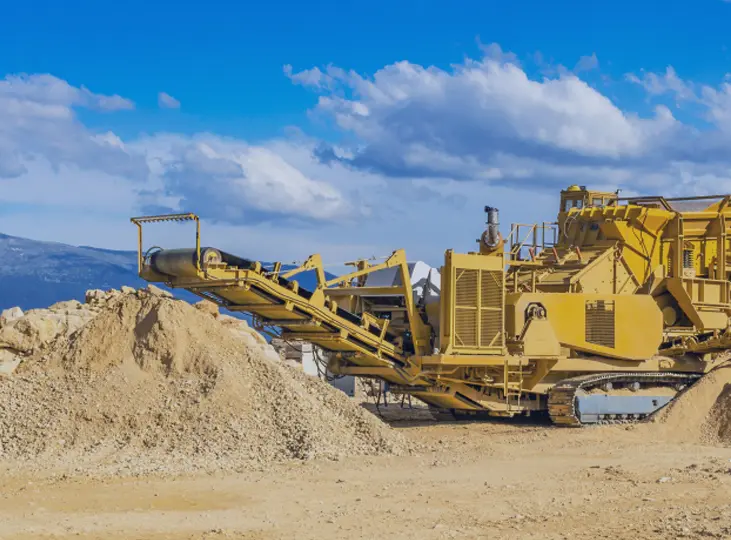
Custom turnkey recovery systems designed for alluvial and rock gold extraction operations, optimizing throughput and recovery rates.
Learn More →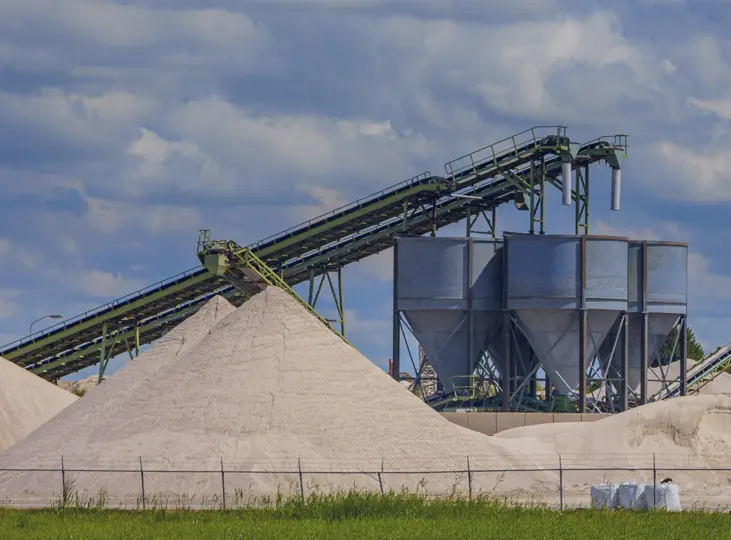
Integrated crushing, screening, and sizing setups designed to prepare feed materials for downstream wet chemistry extraction.
Learn More →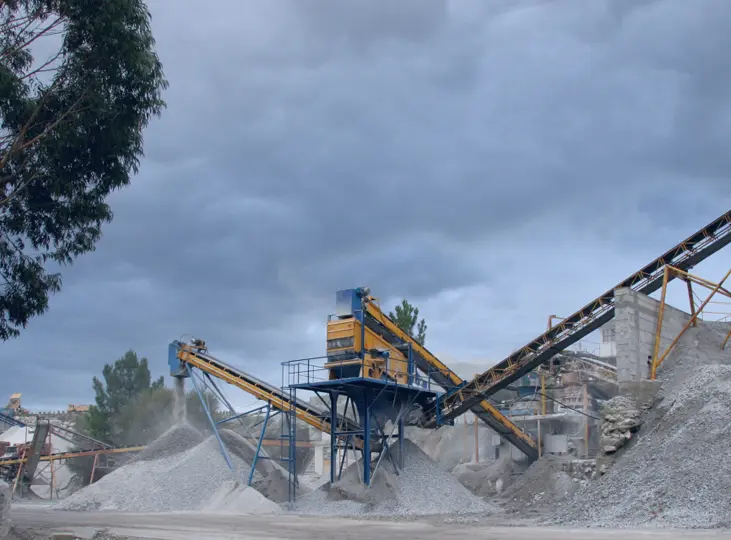
High-efficiency crushing plants configured for granite, limestone, and basalt to produce precisely graded construction aggregates.
Learn More →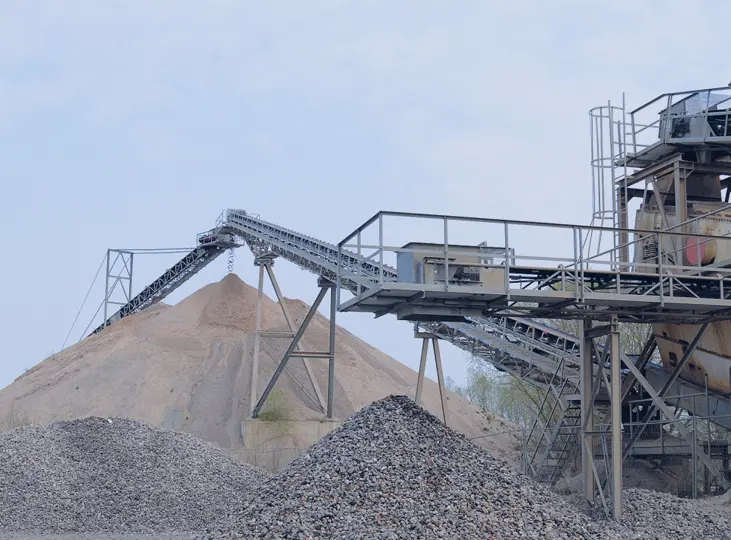
Advanced slag and tailing processing equipment designed for secondary metal recovery and environmental remediation.
Learn More →Adapting to the requirements of Solid-State Battery production, Advanced Ceramics, and Smart Lab automation.
Next-generation planetary mills are integrating liquid nitrogen cooling jackets and vacuum-sealed gas purging systems. This prevents thermal degradation and oxidation of sensitive battery materials during high-energy runs.
Future setups will feature internal pressure and temperature sensors located inside the grinding jars. These sensors transmit real-time telemetry data to a centralized PLC unit, ensuring process repeatability.
To reduce wear on the drive bearings and motors, modern planetary ball mills use adaptive electronic balancing. This system compensates for slight mass variations between jars automatically.
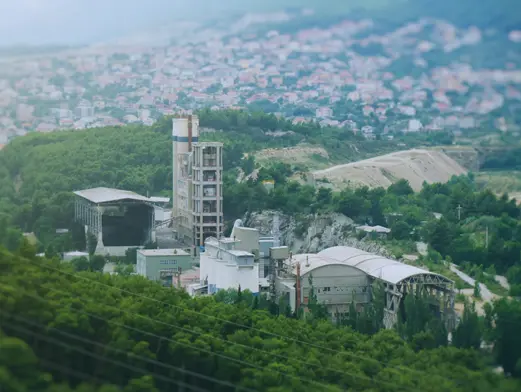
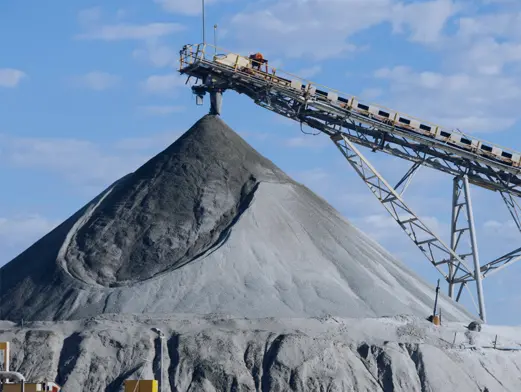
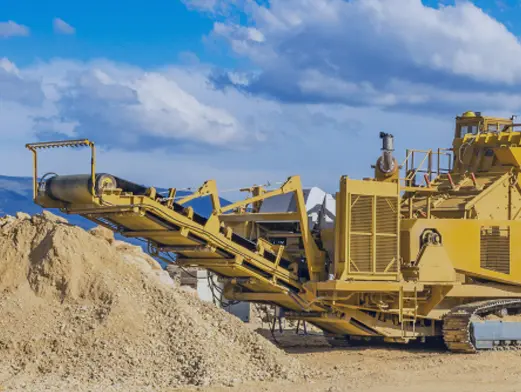
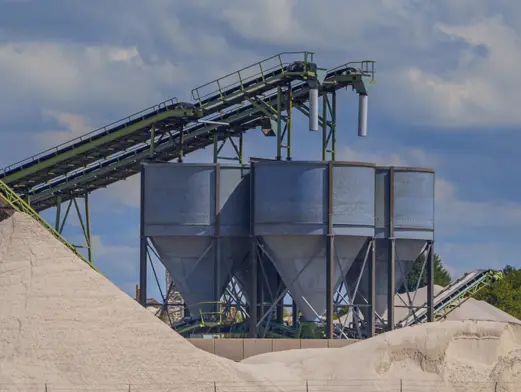
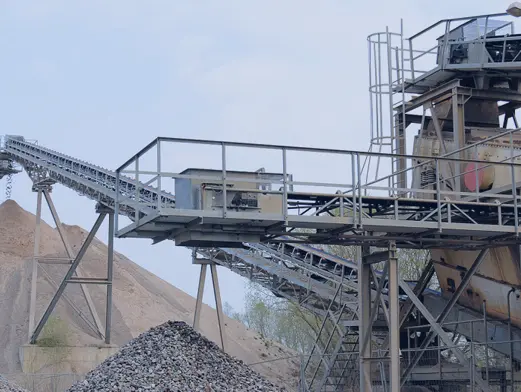
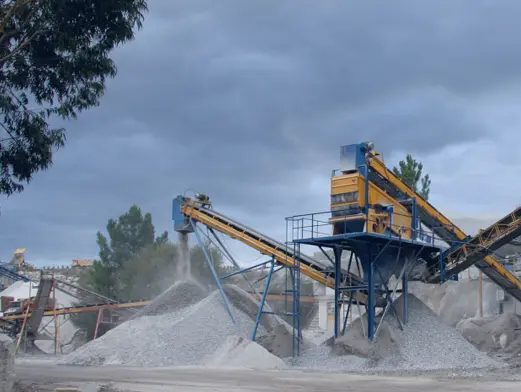
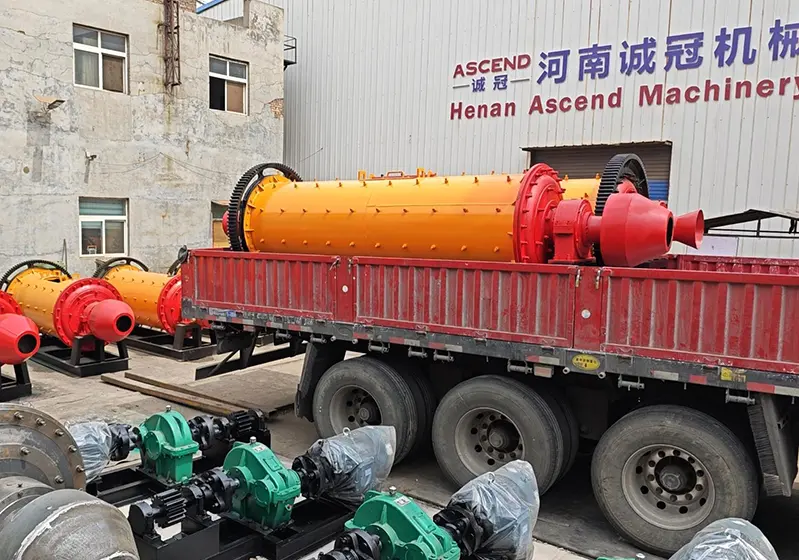
A visual showcase of our processing units and machinery installations worldwide.
Meeting requirements across global jurisdictions from the European Union to African mining hubs.
Exporting high-precision grinding and milling equipment globally requires strict adherence to international electrical, mechanical, and safety regulations. Equipment must feature comprehensive safety interlock switches, automated overload protection, and CE/UL certifications for electrical safety.
Henan Ascend Machinery & Equipment Co.,Ltd., established in 2005 and located in the High-Tech Development Zone of Zhengzhou City, Henan Province, manages its manufacturing processes under an ISO 9001:2015 quality control program. Our distribution networks cover over 130 countries, including key regions in Africa, Southeast Asia, South America, and Oceania. This global presence is supported by local maintenance networks, rapid spare parts fulfillment, and comprehensive documentation in multiple languages.
Stay updated on our latest shipments, on-site commissioning, and international developments.
Our heavy-duty diesel jaw crushers have been dispatched to Papua New Guinea to support regional aggregate production and mining operations.
 Nov 2025
Custom-configured concentration units designed for fine gold recovery were shipped to clients in Zambia to enhance primary gold recovery circuits.
Aug 2025
A batch of high-efficiency gravity separation shaking tables was dispatched to Sudan, optimized for fine mineral processing and gold ore recovery.
Jul 2025
Our large-scale diesel engine ball mill was delivered to a remote mineral processing site in Papua New Guinea to ensure stable off-grid operations.
Jul 2025
Mobile aggregate and mining crusher plant configured with trailer mounts was shipped to Tanzania for local infrastructure construction.
Jul 2025
Our heavy-duty PE600x900 jaw crusher has arrived in Zambia, expanding the client's copper and gold mining primary reduction circuits.
Jun 2025
Answers to common technical and logistical questions from engineers and procurement managers.
The choice of jar material depends on your sample's hardness and the risk of contamination. Agate is ideal for general soil and organic samples because it is metal-free. Zirconia ($ZrO_2$) offers high wear resistance and is excellent for ceramics and battery materials. Tungsten Carbide (WC) provides maximum density and impact energy for hard metals but can introduce trace cobalt contamination. Stainless Steel is a durable, cost-effective option for routine, non-critical milling.
A common starting ratio is 10:1 (by weight). If you need higher energy input, you can increase this ratio to 20:1 or 30:1. It is best to use a mix of ball sizes (such as 10mm, 5mm, and 3mm) to optimize both impact energy (larger balls) and shear/friction (smaller balls), preventing dead zones inside the jar.
High-energy milling generates significant heat from friction. To manage this, our machines feature programmable interval runs with automatic direction reversal, allowing the jars to cool between cycles. For temperature-sensitive materials, we offer specialized cryo-cooling jackets or gas-flushed atmosphere jars.
Conventional ball mills rely on gravity, limiting their grinding energy. Planetary ball mills use centrifugal force to generate acceleration rates exceeding 30G. This significantly reduces processing times—from days to hours or minutes—and enables the production of nanoscale particles ($d_{50} < 100\text{ nm}$).
Yes. By using specialized vacuum jars equipped with gas inlet and outlet valves, you can mill samples under vacuum or in an inert gas atmosphere (such as Argon or Nitrogen). This is critical for preventing oxidation or chemical reactions in oxygen-sensitive materials like lithium battery components.
We offer comprehensive global export support, including sea freight coordination, custom clearing documentation, localized installation, and operator training. Our global field network and remote diagnostics team ensure that operational support and spare parts are always available.
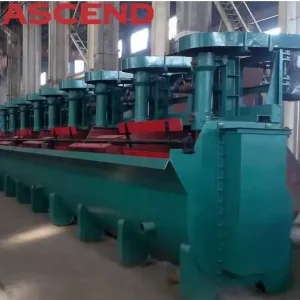
Heavy duty gravity separation, flotation, drying, and reduction equipment manufactured for long-term operations.
 Ascend