Explore our highly integrated systems designed for mineral extraction, milling, and heavy-duty refining operations.
Calcite, a carbonate mineral and the most stable polymorph of calcium carbonate (CaCO3), represents one of the foundational raw materials across global infrastructure, chemical synthesis, agriculture, and filler manufacturing. Mechanically, calcite possesses a Mohs hardness of 3 and a specific gravity ranging between 2.71 and 2.94. While relatively soft compared to minerals like quartz or granite, calcite exhibits perfect rhombohedral cleavage, which significantly influences its fracture dynamics.
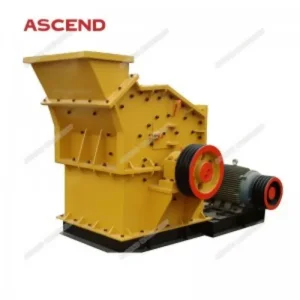
When subjected to mechanical forces, calcite cleaves along structural planes rather than fracturing randomly. For wholesale manufacturers and design engineers, this characteristic demands a crushing mechanism that minimizes the creation of excessive micro-fines while optimizing the target particle size distribution (PSD). Traditional jaw or cone crushers are often inefficient or overly energy-intensive for calcite. Instead, the application of high-velocity dynamic impacts—delivered by specialized Hammer Crusher Machines for Calcite—proves to be the optimal technological standard.
Under high-speed dynamic impacts, calcite is shattered along its natural crystalline boundaries. The mechanical energy delivered by the high-speed rotating hammers transfers directly into kinetic fracture energy, yielding cubical particles with excellent structural stability. For compounding and milling companies, obtaining this cubical product shape is vital; it dramatically reduces wear on secondary and tertiary ultra-fine grinding systems like roller mills or ball mills.
The operating principle of a calcite hammer crusher centers on a high-speed rotor assembly. Power is transmitted from the electric motor or diesel engine via heavy-duty V-belts to the main shaft, driving the rotor to spin at linear velocities exceeding 40 to 60 meters per second. The rotor is equipped with sets of free-swinging, high-inertia hammerheads.
Upon entering the upper crushing chamber, gravity-fed run-of-mine (ROM) calcite block meets the spinning hammers. The primary stage of comminution is Impact: the absolute kinetic energy transfer from the moving hammerhead fractures the incoming blocks instantly.
"Modern calcite processing requires a strict balance between hammer design, rotor velocity, and grate clearance. When these variables are aligned, operators see a substantial reduction in both maintenance downtime and power consumption."
The second stage is Collision: the newly broken calcite shards are thrown against the internal breaker plates lining the frame. This wall impact causes additional fracture. The third stage is Attrition and Shear: as the calcite pieces rebound back into the path of the rotating hammers, they grind against one another and the grate bars situated at the bottom of the chamber. Only when the calcite particles are reduced below the clearance spacing of the grate plates do they discharge out of the machine.
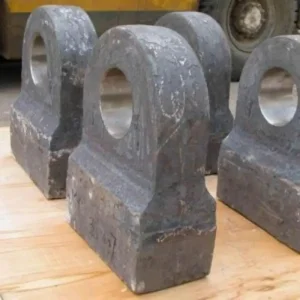
To ensure operational longevity and reliable performance, manufacturers of high-quality industrial hammer crushers optimize the machine's metallurgy based on the specific abrasive characteristics of the calcite being processed. Despite calcite's low Mohs hardness, it often co-exists with geological impurities like quartz, silica, or hard silicates. If not managed properly, these inclusions can lead to accelerated wear on the hammers.
Henan Ascend Machinery delivers customizable mineral and crushing solutions developed since 2005. Present across 130+ nations.
Selecting the appropriate calcite hammer crusher model requires a detailed analysis of operational metrics. The machine's productivity depends on the feed material's characteristics, the rotor speed, and the screen size. Below is an engineering overview of performance parameters for calcite processing:
These parameters are highly dependent on the moisture content of the input calcite. If the raw material contains more than 5% free water, particles can accumulate on the grates, leading to clogging and reducing hourly production. In these cases, operators can run the hammer crusher without grates, acting as a primary impact disintegrator, and then route the material through a wet vibration screen system.
Procurement leads face a range of challenges when identifying reliable wholesale partners. Understanding user intent involves analyzing regional demands and specific industry priorities:
This group prioritizes output sizing reliability and minimal fines generation. They focus on hammer mill options that allow quick replacement of screen components and grate plates to match target specifications.
These buyers require complete mechanical schematics, structural integration guidelines, and direct plant automation support, prioritizing CE/ISO compliance and reliable quality testing protocols.
Total Cost of Ownership (TCO) is a critical metric. A lower upfront cost for a crusher can quickly be offset by high maintenance expenses if the hammers or grates require frequent replacement. Procuring machines directly from established manufacturers like Ascend ensures that spare parts remain available, minimizing downtime.
Engineered to handle abrasive crushing and fine sizing operations in demanding plant environments.
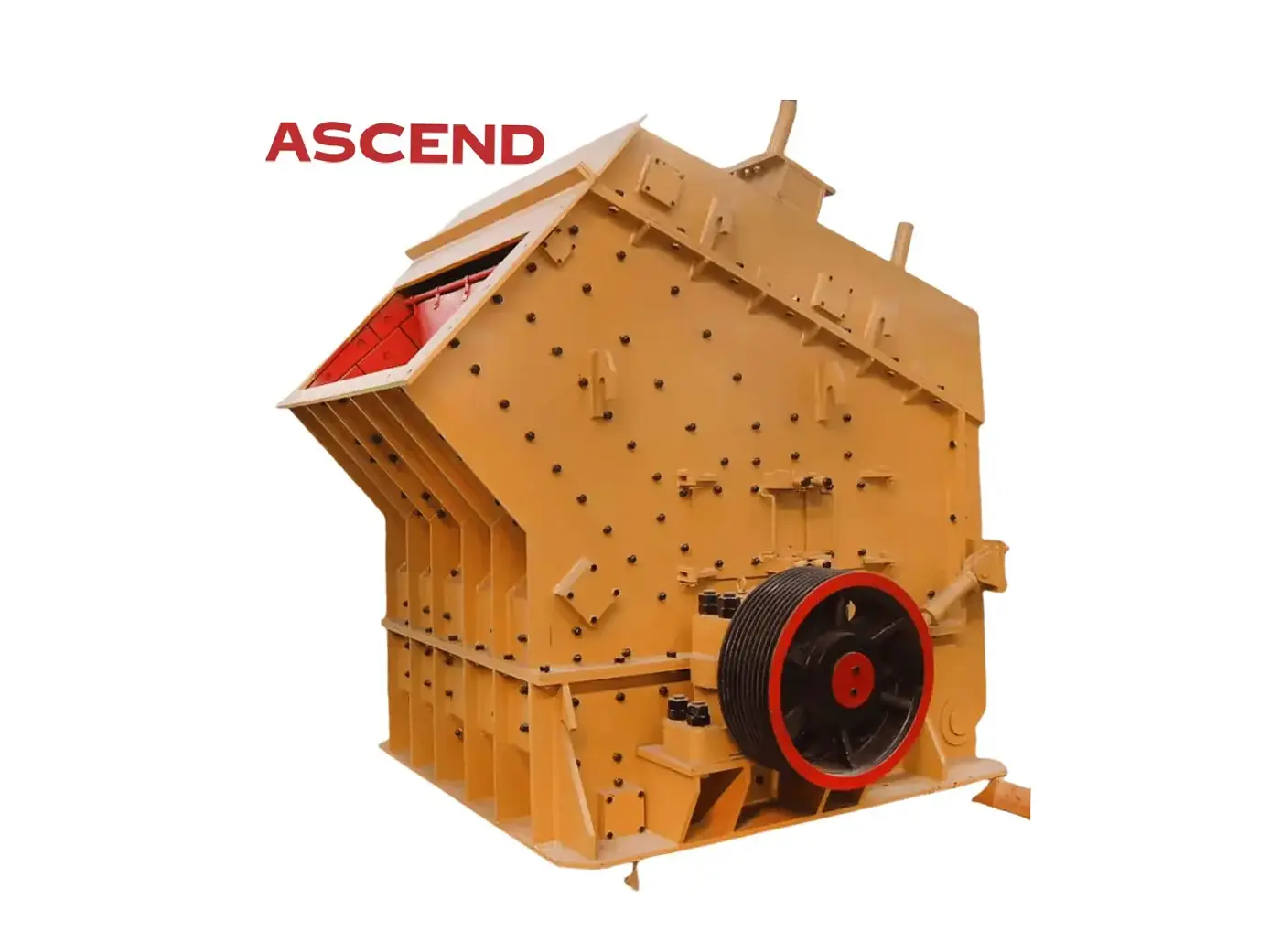
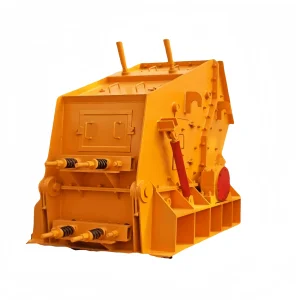
Impact crusher is a kind of secondary crushing equipment which uses impact power to crush materials. Impact crusher is characterized by easy maintenance, high reduction ratios and high efficiency to produce precisely cubic shape products. It is designed with three crushing chambers, seamlessly connected rotor, wear-resistant blow bar and installation of insert type. Moreover, it has tooth type liner, gradient designed bearing seat, frame with several openings and screws or hydraulic start-up devices. Impact crushers can be used in all different stages of size reduction from primary crushing to the last step of the crushing process.
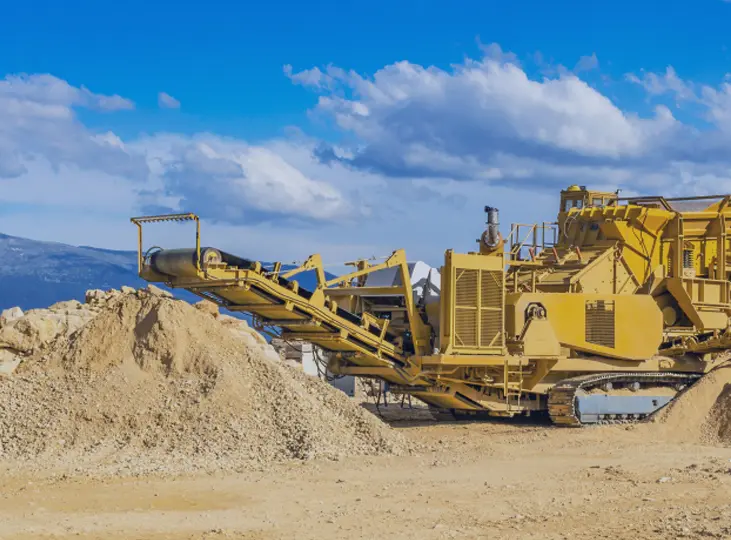
Whether setup as stationary plant configurations or integrated into mobile tracks, these designs provide high yield ratios for calcite, limestone, gypsum, and related mineral aggregates.
The industrial comminution landscape is evolving rapidly, driven by sustainability targets and the push for higher automation. Calcite processing plants are moving away from manual adjustment systems toward smarter, more efficient crushing platforms.
Vibration and temperature sensors mounted on the main bearings monitor bearing wear and thermal levels. If indicators show anomalies, the system flags maintenance teams before failure occurs.
VSD systems allow operators to adjust rotor speed dynamically. This enables real-time tuning of product size distributions to match shifting upstream material conditions.
Integrated spray systems and dust-extraction manifolds capture airborne particles directly at the feed throat and discharge chute, keeping operations clean and compliant.
Operating in international markets requires complying with diverse standards, including European CE directives, regional environmental laws, and national electric codes. Equipment exported to Africa, Latin America, and Southeast Asia must be built to withstand rugged working environments and fluctuating power grids.
With over two decades of manufacturing history, Henan Ascend Machinery provides comprehensive parts support, field servicing, and custom system engineering globally. Keeping inventory levels stocked with critical wear items like hammers, grate liners, and rotor shafts ensures replacement parts can be dispatched quickly, reducing operational risk.
Operational layouts and processing plants installed across global mining locations.
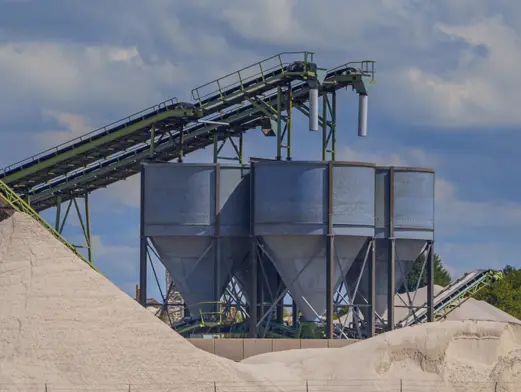
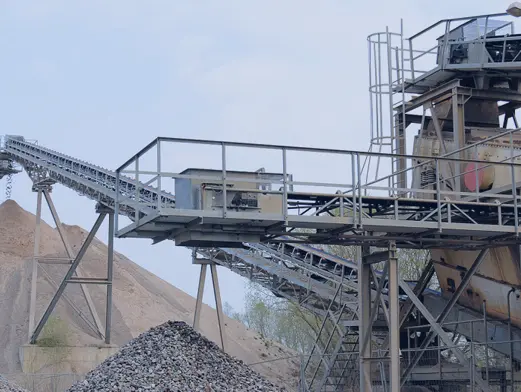
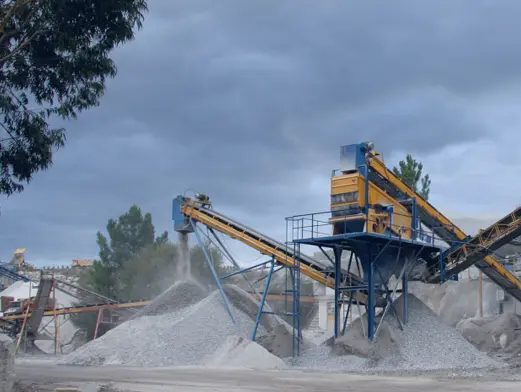
Recent equipment shipments and installations across our global network.
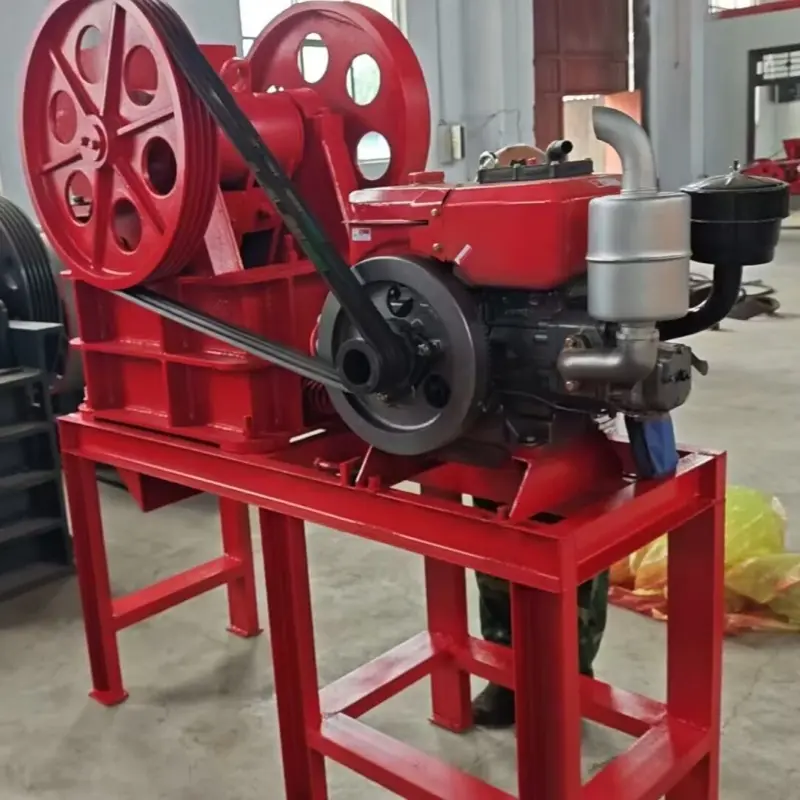
 Nov 2025
 Aug 2025
Posted: Jul 2025
Posted: Jul 2025
Posted: Jul 2025
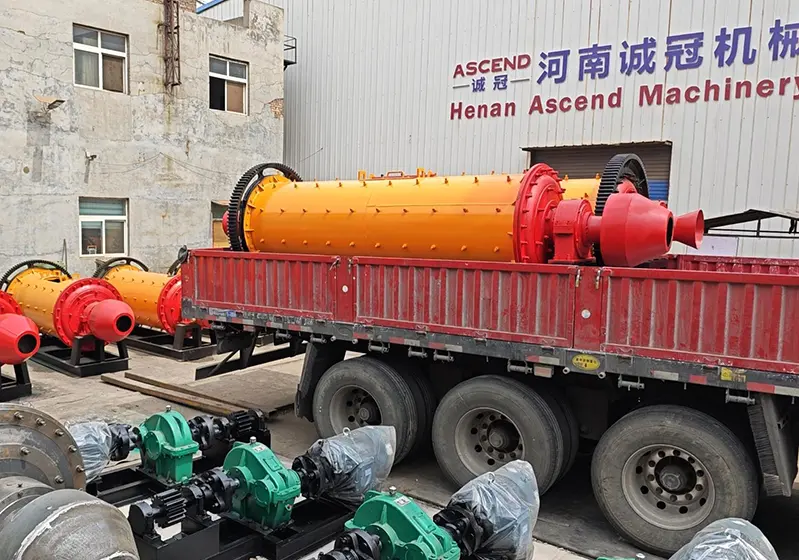
Henan Ascend Machinery & Equipment Co.,Ltd. was established in 2005 and it is located in the high-tech zone of Zhengzhou City, Henan Province.
Ascend is mainly engaged in the research and development, manufacturing, sales and after-sales service of complete sets of crushing, grinding, screening, feeding and conveying heavy mining machinery. If you need to crush limestone, granite, gravel or other stone, or grinding them into powder, or extract gold, please feel free to contact us. Just tell us your needs and our engineers can provide you with professional advice. Because we operate our own manufacturing facilities, we can offer reliable quality standards and competitive factory-direct pricing. We believe that we will be your good choice.
Read More About UsTechnical answers to common questions about operating and maintaining calcite hammer mill machinery.
The lifespan of a hammerhead is determined by the calcite's purity and silica content. When processing clean, low-silica calcite (silica < 1%), high-manganese or high-chrome hammerheads typically last between 3 and 6 months in double-shift operations. If the calcite contains higher silica levels, the wear rate increases, requiring the use of tungsten carbide hardfacing to maintain durability.
Hammer mills are sensitive to sticky materials. When calcite moisture exceeds 5%, fine particles can adhere to the internal grates, restricting the discharge and reducing overall production. If you are processing wet material, removing the bottom discharge grates or installing a heated air stream can help prevent clogging.
It depends on your target output. A hammer crusher is highly effective for producing fine sizes (under 10-15 mm) in a single pass due to its internal grates. An impact crusher is better suited for producing coarser aggregates (10-40 mm) at higher volumes, as it uses heavy blow bars and lacks discharge grates, which minimizes the production of fine powder.
To reduce excess fines, operators can decrease the rotor speed, widen the spacing of the discharge grate bars, or install lighter hammers. These adjustments minimize the attrition stage of crushing, allowing material to discharge as soon as it meets the target size.
Heavy-duty systems built to support primary crushing, fine grinding, and materials handling.
 Ascend