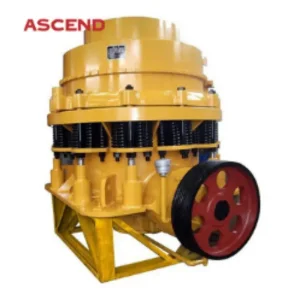
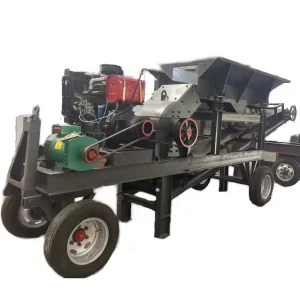
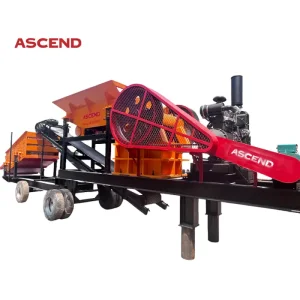
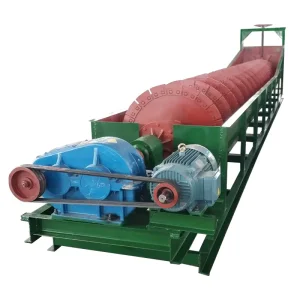
Explore our heavy-duty industrial machinery engineered for maximum output, mineral recovery, and particle classification.
In the field of artisanal, small-scale, and medium-scale gold mining (ASGM), selecting the right milling and grinding equipment is critical to controlling operational expenditure (OpEx) while maximizing gold recovery rates. Among the various industrial machinery solutions, the 1100 Wet Pan Mill—often designated as a gold round mill or gold grinding machine—remains a standard choice for mine operators across Africa, Central Asia, and Latin America. Its popularity is driven by its low capital expenditure (CapEx), reliable mechanics, and simplicity of maintenance in off-grid, harsh environments.
Sourcing a high-performance 1100 Wet Pan Mill directly from wholesale factories requires understanding technical configurations, steel quality grades, manufacturing origins, and the logistics that determine final landed costs. This comprehensive guide serves as an industry whitepaper, examining technical specifications, global supply chains, financial pricing models, operational metrics, and future technical roadmaps to help your procurement division secure optimal machinery quotes.
Procurement professionals often face challenges due to inconsistent product descriptions, fluctuating steel prices, varying motor efficiencies, and differing customs procedures across continents. By analyzing the engineering design of the 1100 model, operators can verify if a manufacturer is providing a high-grade industrial-grade system or an under-engineered alternative that may fail prematurely under heavy loads.
The "1100" designation indicates the inner diameter of the grinding pan, which is 1100 millimeters. This size offers a balanced combination of throughput capacity, power consumption, and portability, making it suitable for transport into remote mining sites where heavy logistics infrastructure is unavailable.
| Technical Parameter | Standard Configuration | Heavy-Duty Premium Configuration | Operational Impact |
|---|---|---|---|
| Pan Diameter | 1100 mm | 1100 mm (Reinforced Base) | Determines maximum volume of slurry processed per batch. |
| Roller Diameter & Width | 1000 mm x 180 mm | 1000 mm x 200 mm (High Chrome Alloy) | Thicker rollers extend working life and improve crushing force. |
| Roller Weight (Per Unit) | ~1200 kg | ~1400 - 1500 kg | Heavier rollers increase crushing force for harder quartz host rocks. |
| Motor Rating | 5.5 kW / 7.5 HP | 7.5 kW / 10 HP (IP55 Mining Grade) | Ensures consistent torque during high-viscosity mineral runs. |
| Gearbox Type | Single-Stage Spur Gearbox | Dual-Stage Planetary / Reinforced Bevel Gearbox | Protects against transmission failures caused by sudden stalls. |
| Throughput Capacity | 1.0 - 1.5 Tons / Hour | 1.5 - 2.0 Tons / Hour | Directly impacts daily mill production and overall ROI. |
| Discharge Granularity | 80 - 120 mesh | Up to 200 mesh (with proper classifier setup) | Finer grinding increases exposed surface area for gravity recovery. |
A wet pan mill grinds ore through compaction and shear forces. The motor drives the central shaft via a transmission system, causing the heavy vertical rollers to rotate around the central axis. As they travel over the steel liner plate of the pan, the raw quartz or ore slurry is crushed. Water is continuously introduced to wash the fine particles over the discharge screen once they reach the required size.
Ascend has developed steadily since its establishment. Its business covers more than 130 countries and regions around the world, especially in Africa and Southeast Asia. Ascend machinery quality and after-sales service have won widespread praise from international customers.
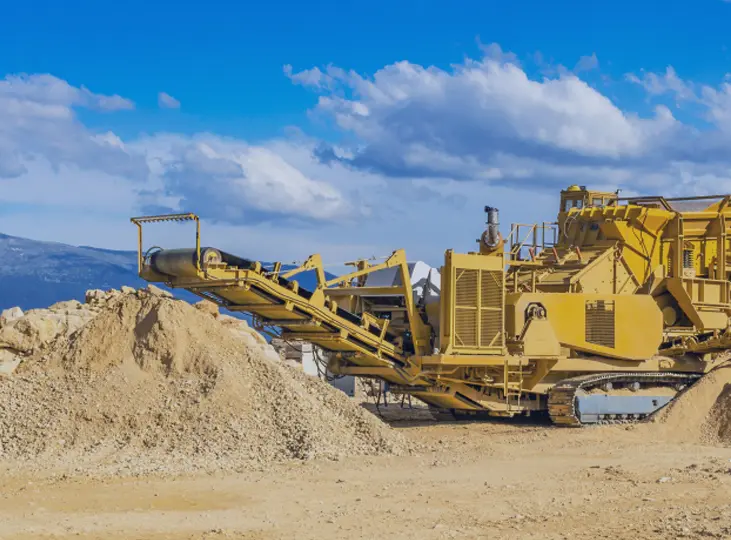
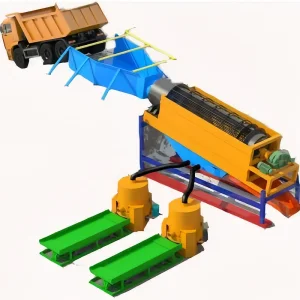
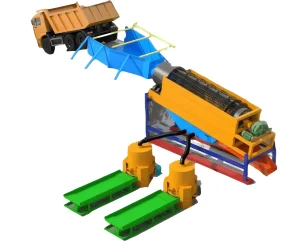
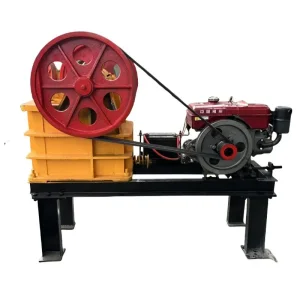
Turnkey layouts integrating jaw crushers, 1100 wet pan mills, and centrifugal concentrators for gold recovery.
Learn More →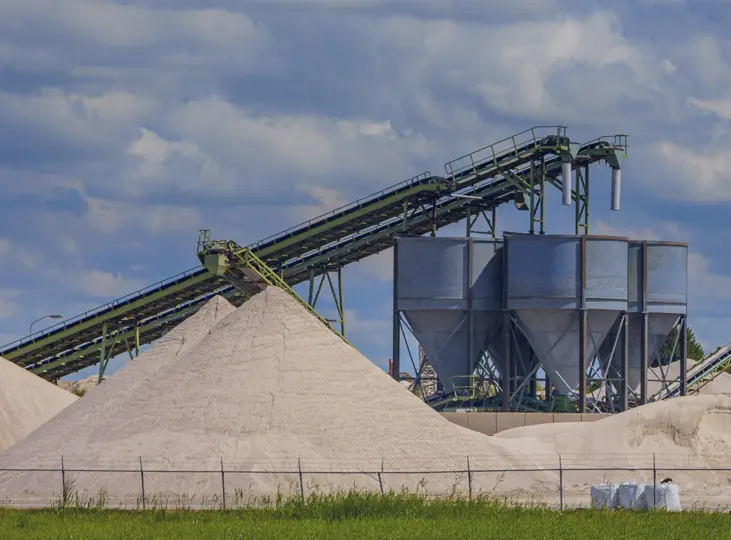
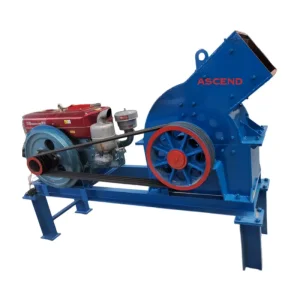
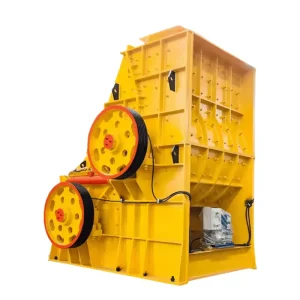
High-durability grinding solutions designed for abrasive ores like granite, basalt, and iron-bearing quartzites.
Learn More →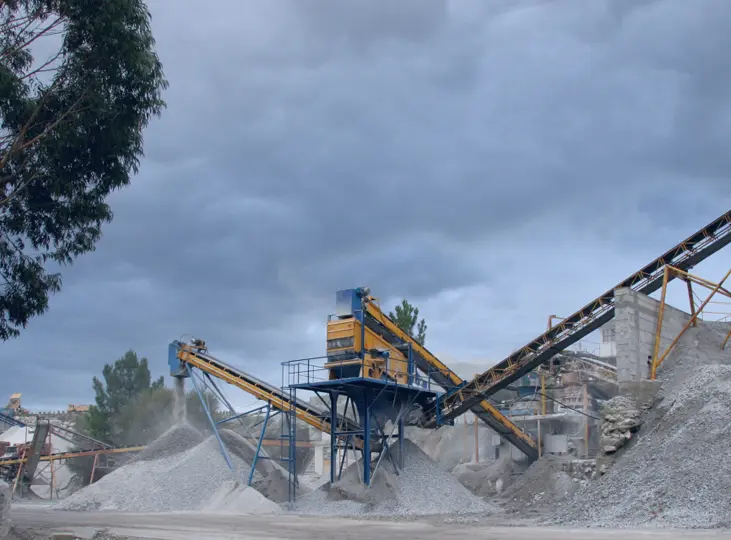
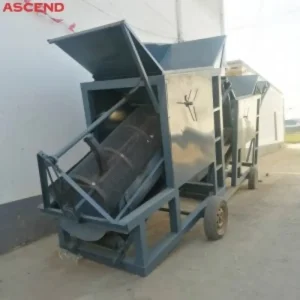
Mobile washing, screening, and concentration systems designed for rapid deployment in remote locations.
Learn More →In developing gold-producing regions, the choice of grinding technology influences both corporate margins and community development. The 1100 Wet Pan Mill provides an intermediate solution between manual grinding and large-scale industrial ball mills. By mechanizing the grinding process at a lower cost, local cooperatives and mining enterprises can increase their throughput without excessive capital investment.
Regional Market Integration:
From an operational standpoint, a single 1100 Wet Pan Mill can support a small processing circuit, producing up to 15 tons of ground ore per 10-hour shift. When run in parallel batteries (e.g., 4 to 6 units fed by a central conveyor), they offer a modular alternative to large ball mills. This modularity ensures that if one mill requires maintenance, the rest of the circuit remains operational, minimizing downtime.
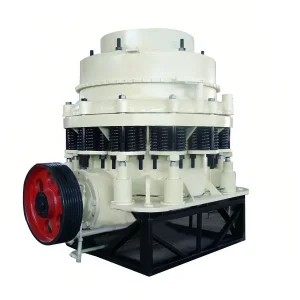
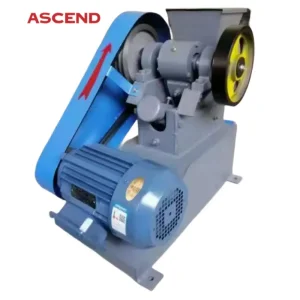
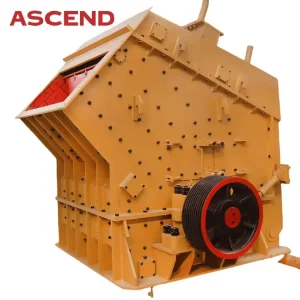
Review the details of our core reduction and crushing systems. The impact crusher is a primary component used before the grinding stage in wet pan mills.
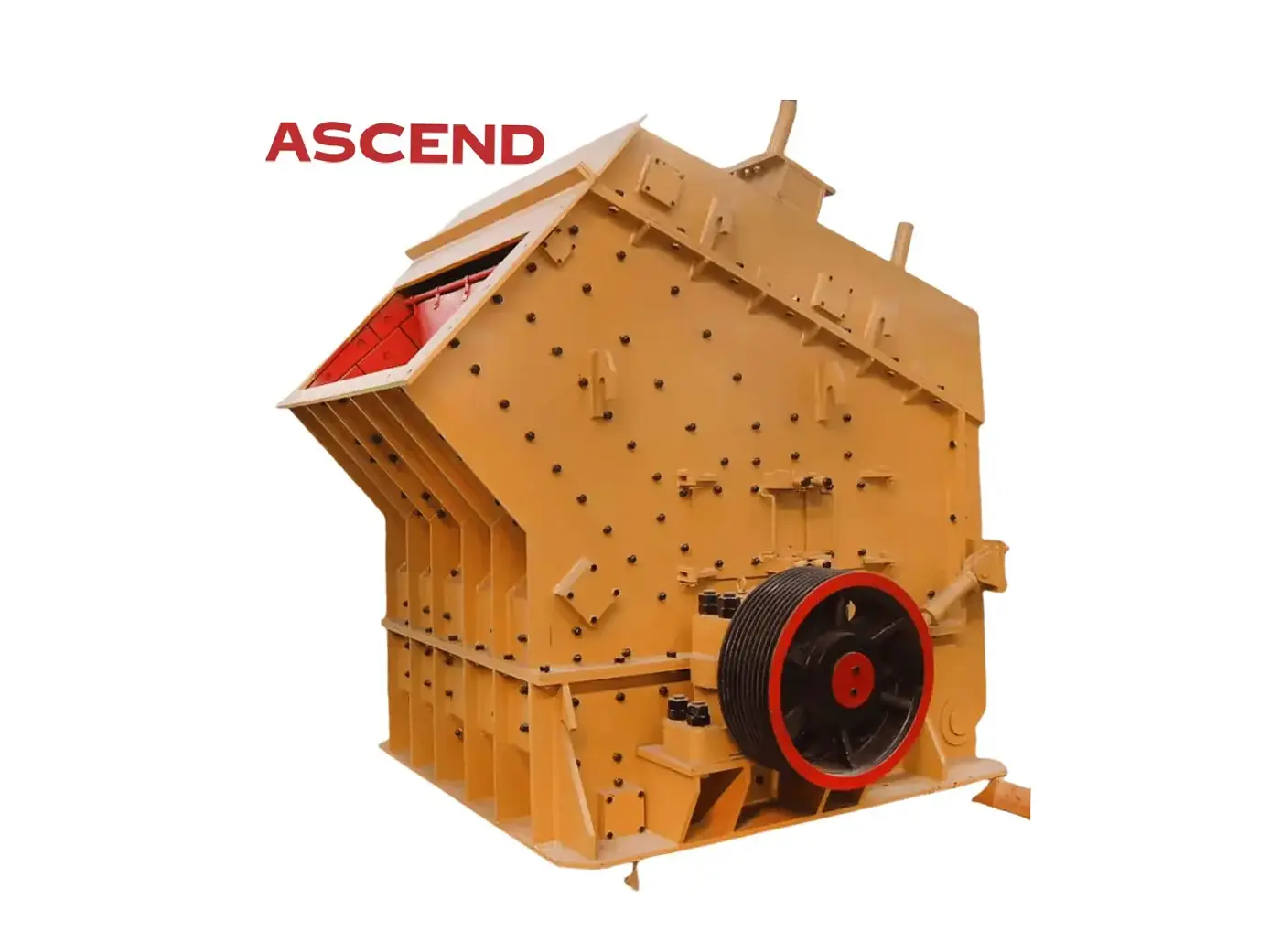
Impact crusher is a kind of secondary crushing equipment which uses impact power to crush materials. Impact crusher is characterized by easy maintenance, high reduction ratios and high efficiency to produce precisely cubic shape products. It is designed with three crushing chambers, seamlessly connected rotor, wear-resistant blow bar and installation of insert type. Moreover, it has tooth type liner, gradient designed bearing seat, frame with several openings and screws or hydraulic start-up devices. Impact crushers can be used in all different stages of size reduction from primary crushing to the last step of the crushing process.
Read Technical DocumentationThe main operational cost of running a wet pan mill is the replacement of wear parts, specifically the roller tires and the pan liner plate (ring). Because these parts continuously crush abrasive quartz, standard carbon steel components can wear out quickly, leading to frequent maintenance shutdowns and lost production time.
Recent developments in material science have led to improvements in these wear parts:
By investing in high-alloy components, mine operators can reduce downtime and improve long-term profitability, even if the initial purchase price is higher.
Review our operational installations and processing projects implemented globally.
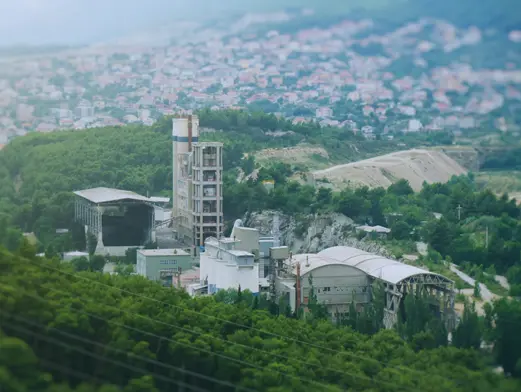
Installation of a 1100 Wet Pan Mill circuit for processing gold-bearing quartz ore.
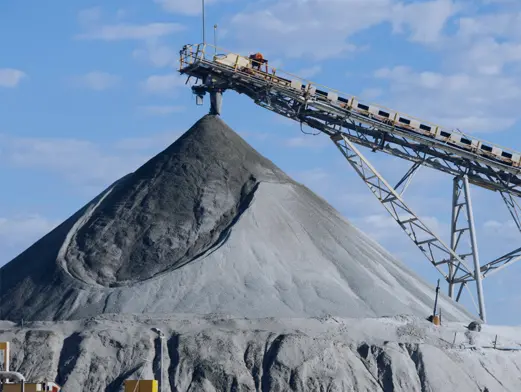
A modular milling setup designed for local artisanal cooperatives, focusing on ease of operation.
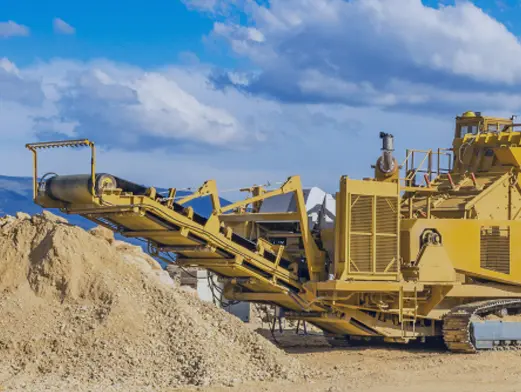
Integrating fine grinding units with gravity concentration equipment to maximize recovery.
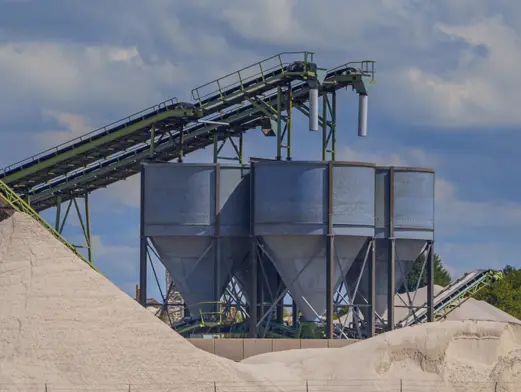
High-durability roller mills configured for hard rock quartz reduction.
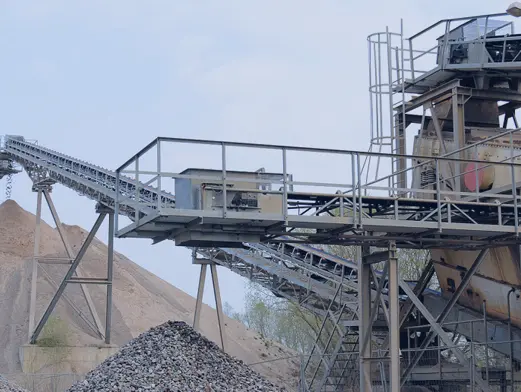
A wet-grinding system optimized for processing sulfur-rich ores in volcanic regions.
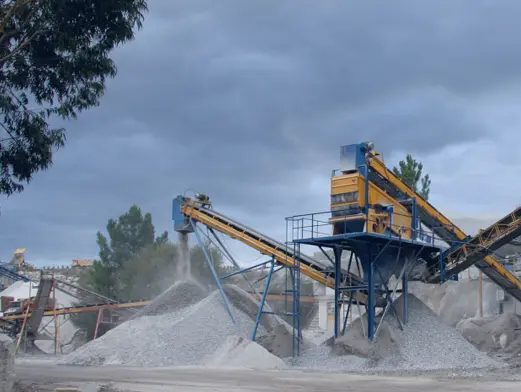
Integrating wet pan mills with sluice runs and shaking tables for chemical-free gold extraction.
In many regions, wet pan mills have historically been linked to the practice of adding mercury directly into the grinding pan during operation. This method, while simple, presents significant health and environmental risks, leading to regulatory bans on mercury use in many jurisdictions.
To meet modern environmental standards and comply with the Minamata Convention on Mercury, operators are adapting their processing methods:
Implementing these practices helps operators secure environmental permits, protect worker safety, and maintain a sustainable mining footprint.
When requesting quotes for a wholesale 1100 wet pan mill, it is important to review the components included in the price. A lower initial quote may exclude the motor, gearbox, or replacement wear parts, which can lead to higher final costs.
Common Sourcing Structures:
To get an accurate estimate, request a detailed breakdown of the steel grades, gear configurations, and spare parts packages included in the quote.
Track our global deliveries, factory shipments, and new project startups.
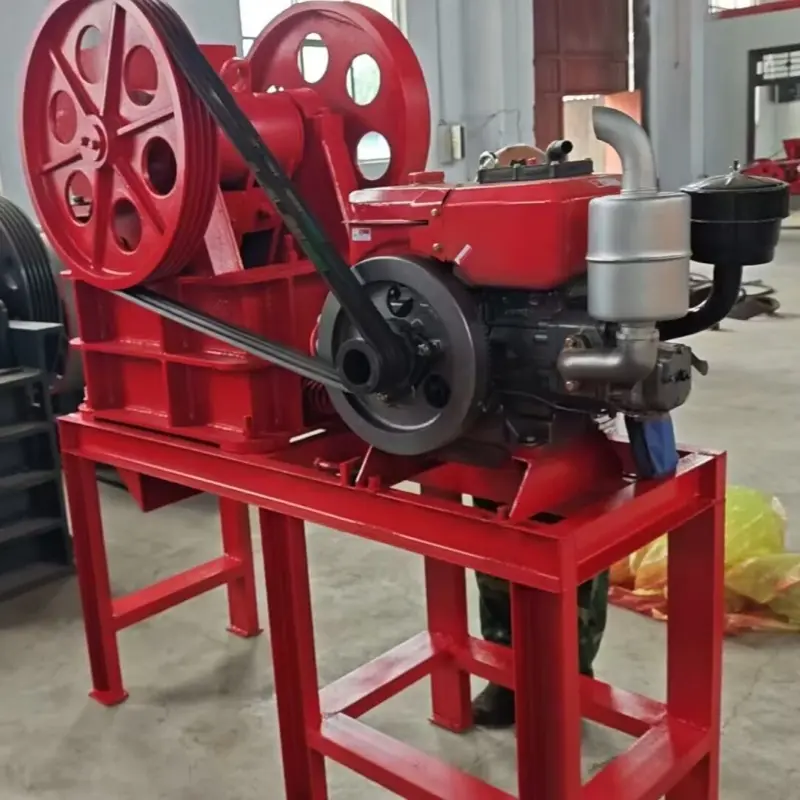
 Nov 2025
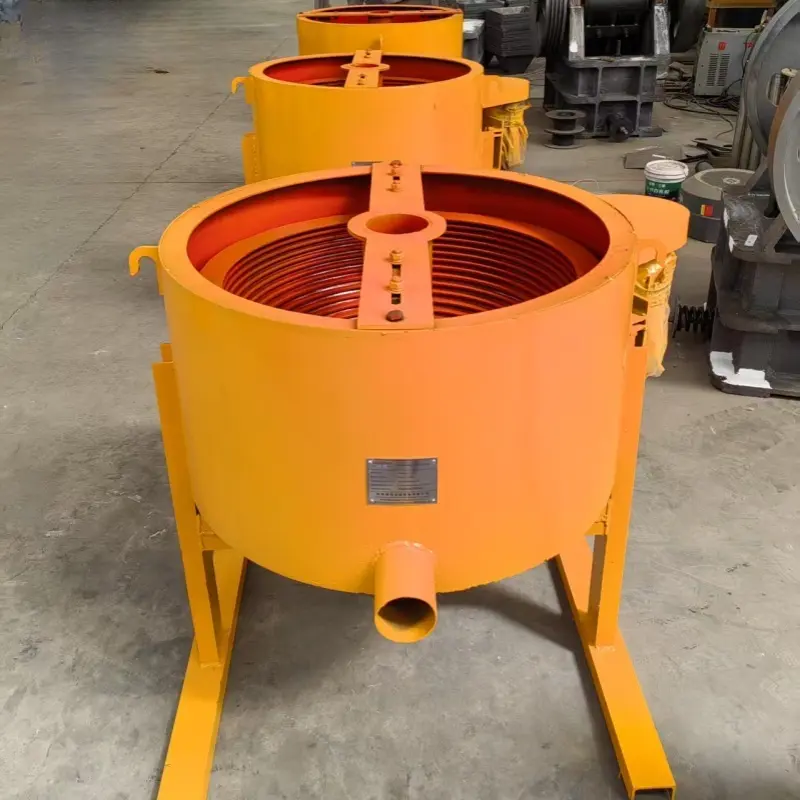 Aug 2025
Established in 2005 | Located in Zhengzhou High-Tech Zone, Henan Province
Ascend is engaged in the research, development, manufacture, sales, and service of complete sets of crushing, grinding, screening, feeding, and conveying machinery for the mining sector. Whether processing limestone, granite, gravel, or grinding ores for gold extraction, our engineering team can provide technical guidance and equipment specifications.
Operating our own manufacturing facility allows us to manage quality control directly and offer competitive factory pricing for global shipments.
Contact Our Engineering Team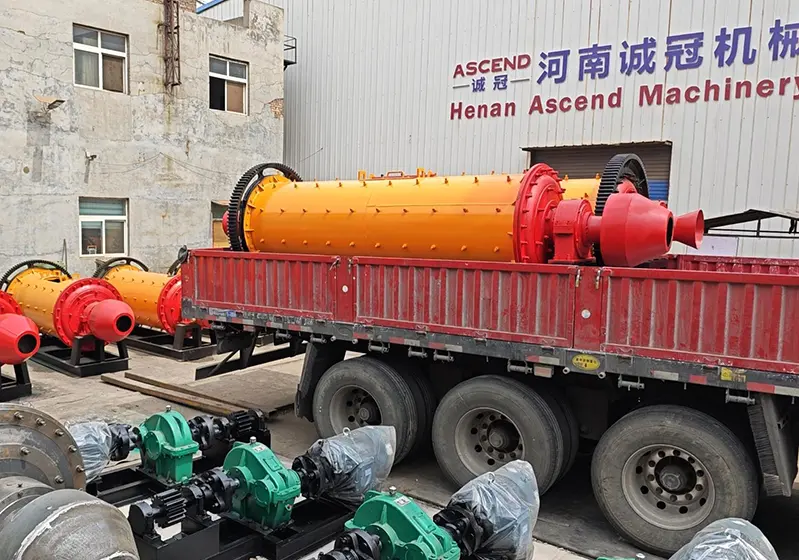
Find answers to common questions about sourcing, operating, and maintaining 1100 Wet Pan Mills.
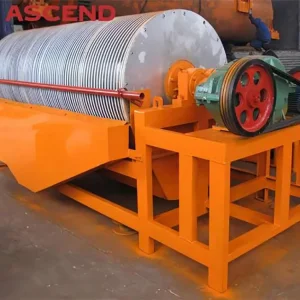
Explore our wider range of sorting, grinding, and concentration machinery designed to complete your processing circuit.
 Ascend