Premium auxiliary machinery supporting our high-purity silica sand processing configurations globally.
Global Export Countries
Years Engineering Expertise
Purity Grinding Optimization
Iron Contamination Rate (Lined Systems)
Silica sand, primarily comprised of quartz (SiO₂), is one of the most critical industrial raw materials on the planet. From architectural glass and solar energy panels to foundry molds, high-precision ceramics, and semiconductor wafers, the demand for high-purity silica sand has surged exponentially over the past decade. Within this value chain, the Silica Sand Ball Mill stands out as the core mechanical device tasked with reduction and purification. Achieving precise particle size distribution (PSD) without introducing iron impurities is the key operational objective.
The global commercial landscape for silica sand has transformed. Historically localized, the supply chain is now globalized, driven by the explosive growth of photovoltaic (PV) glass manufacturing and semiconductor-grade silicon precursors. Industrial operators no longer ask for generic grinding mills. Instead, the focus has shifted toward high-performance, lined ball mills capable of continuous, automated operation under rigorous environmental and chemical limits.
Several major macro-trends are driving technical innovations in the design of silica sand grinding systems:
Ascend has developed steadily since its establishment. Our business covers more than 130 countries and regions around the world, especially in Africa and Southeast Asia. Ascend machine quality and after-sales service have won widespread praise from international customers.
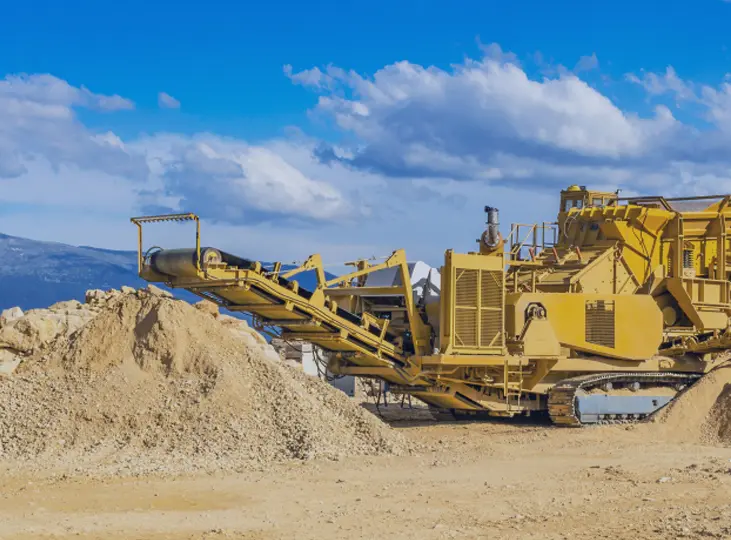
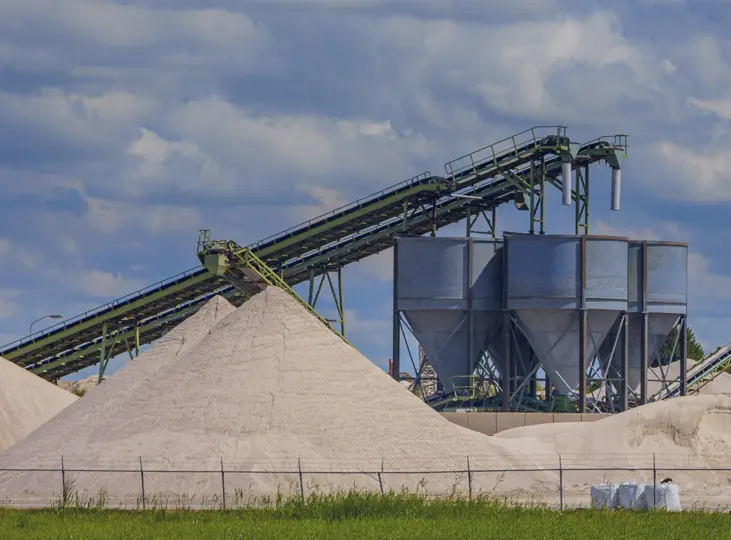
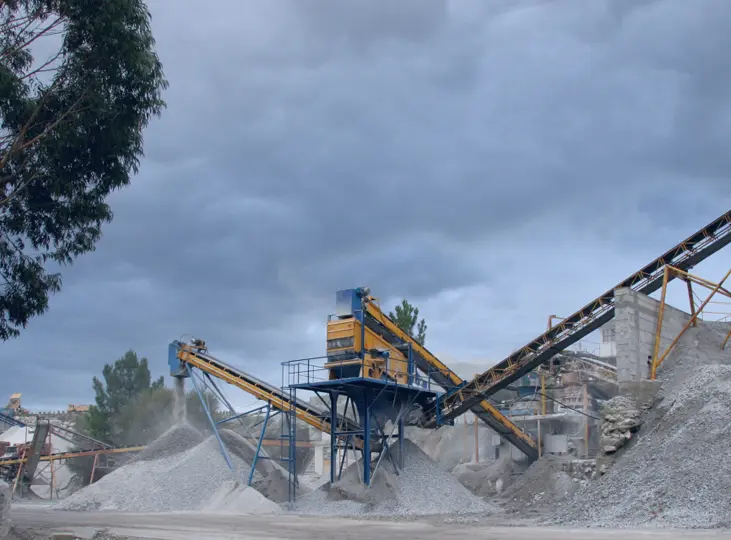
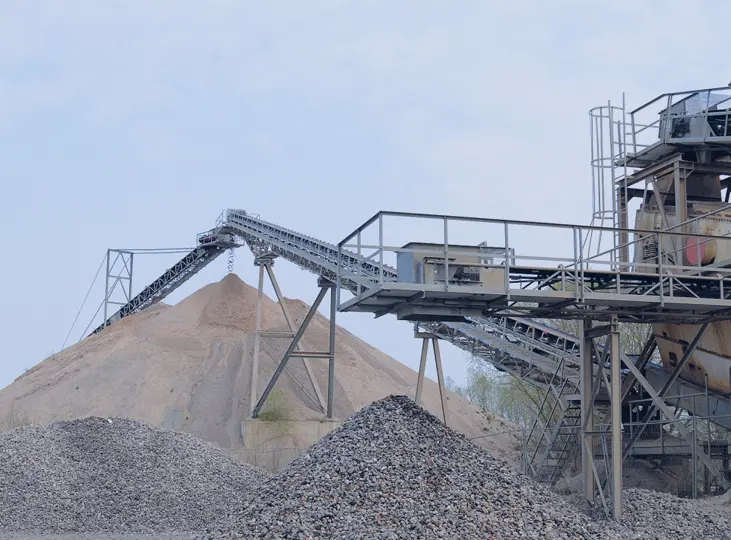
When selecting or configuring a Silica Sand Ball Mill, several complex variables must be calculated. The physical hardness of quartz (Mohs hardness of 7) requires robust mechanical engineering. Here is an overview of the key design factors:
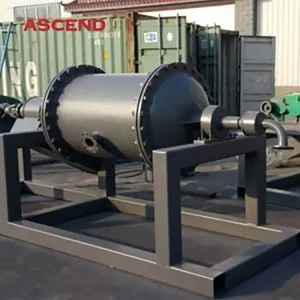
To avoid iron contamination, we install high-alumina (92% or 95% Al₂O₃) ceramic lining bricks. Silica sand grinding is thus kept completely free from steel contact, maintaining high purity.
Using a calculated mix of alumina grinding balls (ranging from 30mm to 60mm in diameter) yields the optimal kinetic energy for impact and shear grinding, reducing energy usage.
Variable speed gearboxes and heavy-duty electric motors are matched to target throughputs, ensuring stable grinding circuits with minimal downtime.
We supply mills tailored for both Wet Ball Milling and Dry Ball Milling processes:
Explore our main machinery solutions designed for size reduction, aggregate classification, and beneficiation.
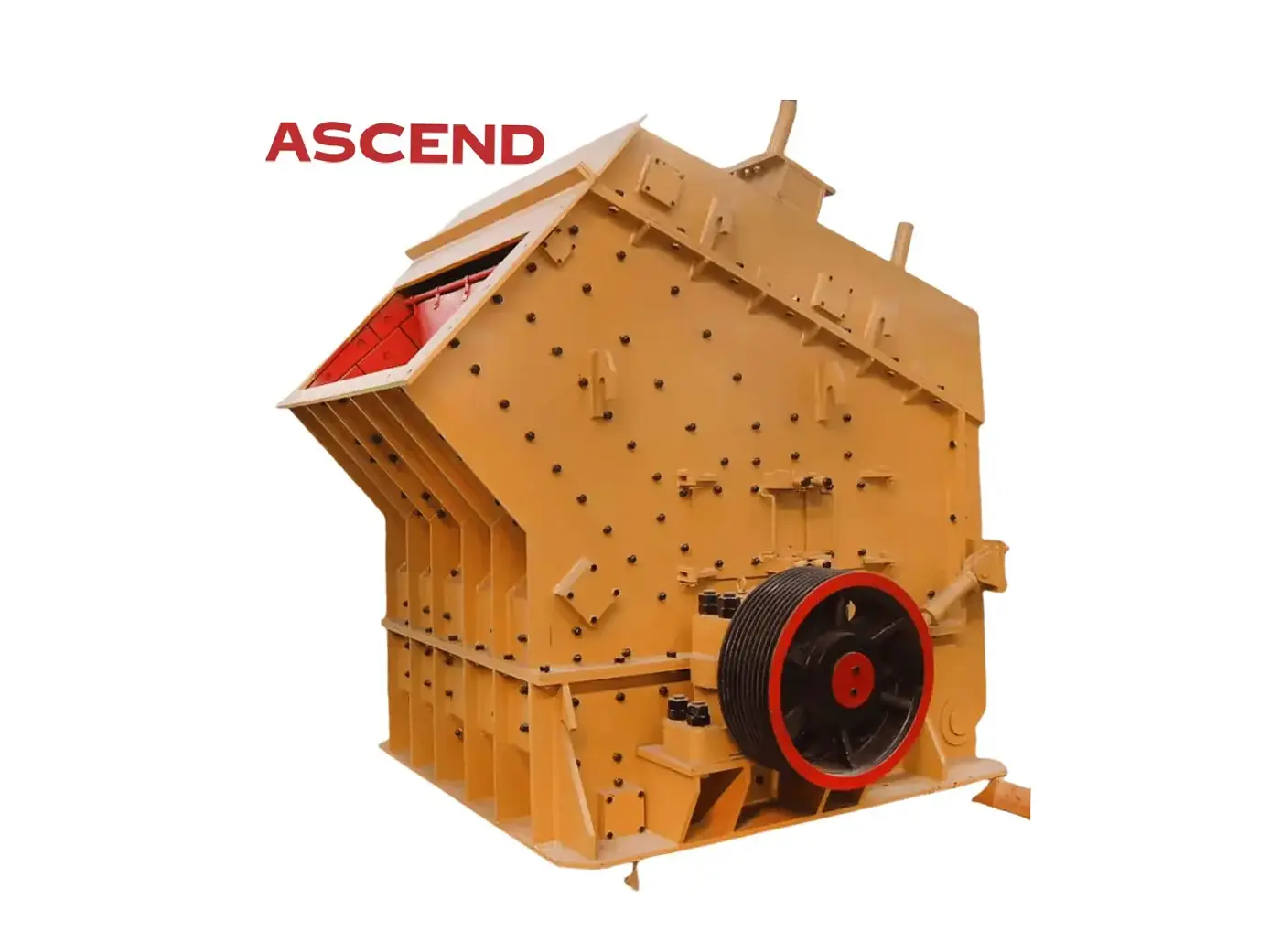
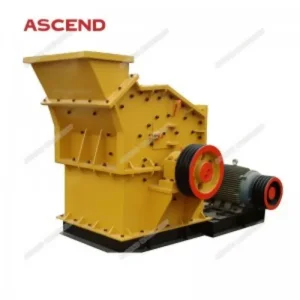
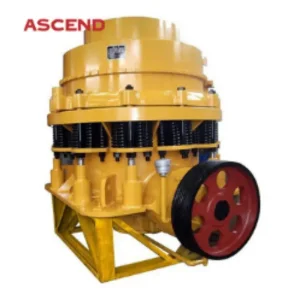
Impact crusher is a kind of secondary crushing equipment which uses impact power to crush materials. Impact crusher is characterized by easy maintenance, high reduction ratios and high efficiency to produce precisely cubic shape products. It is designed with three crushing chambers, seamlessly connected rotor, wear-resistant blow bar and installation of insert type. Moreover, it has tooth type liner, gradient designed bearing seat, frame with several openings and screws or hydraulic start-up devices. Impact crushers can be used in all different stages of size reduction from primary crushing to the last step of the crushing process.
Read More About Crushing Solutions →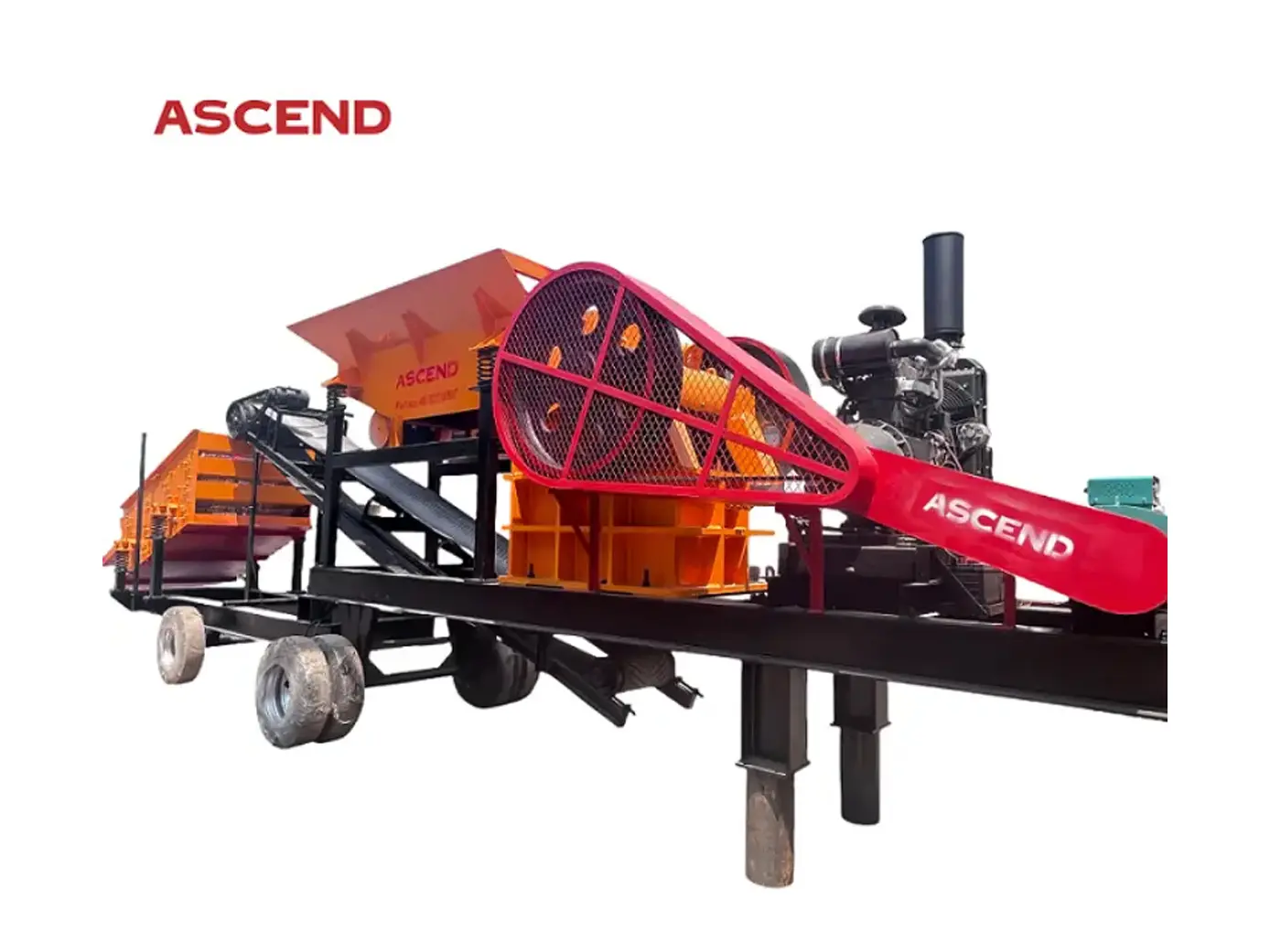
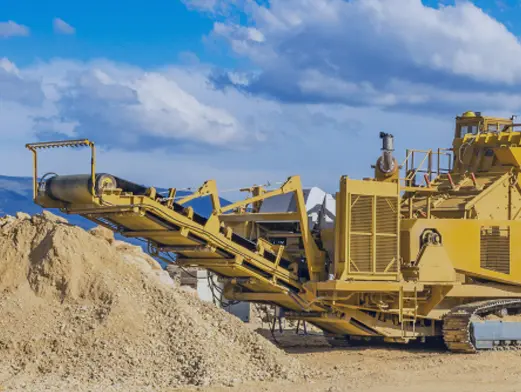
Highly versatile mobile units configured for onsite primary and secondary stone crushing applications.
Details →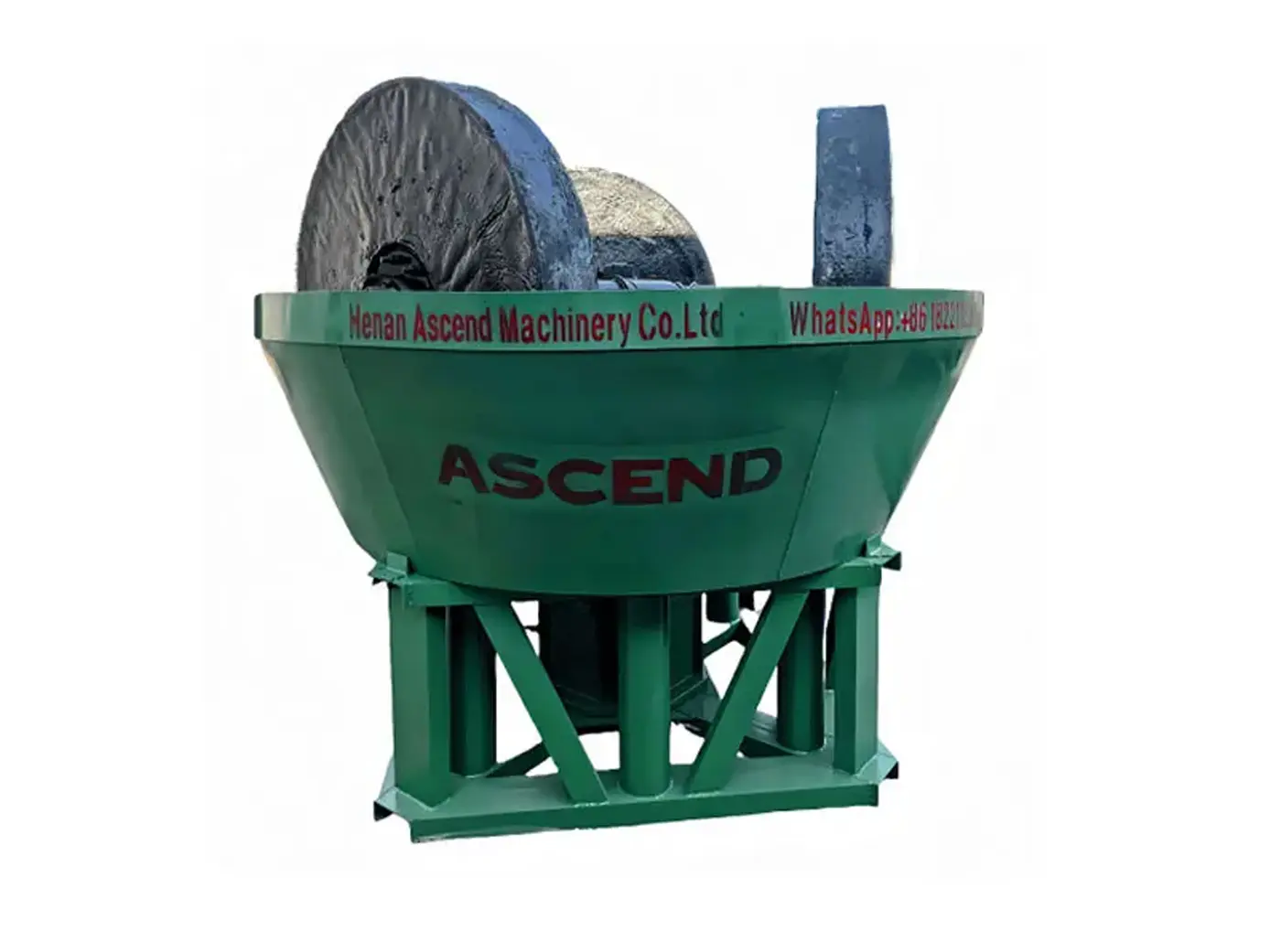
Fine grinding systems optimizing mineral powder outputs for high value applications.
Details →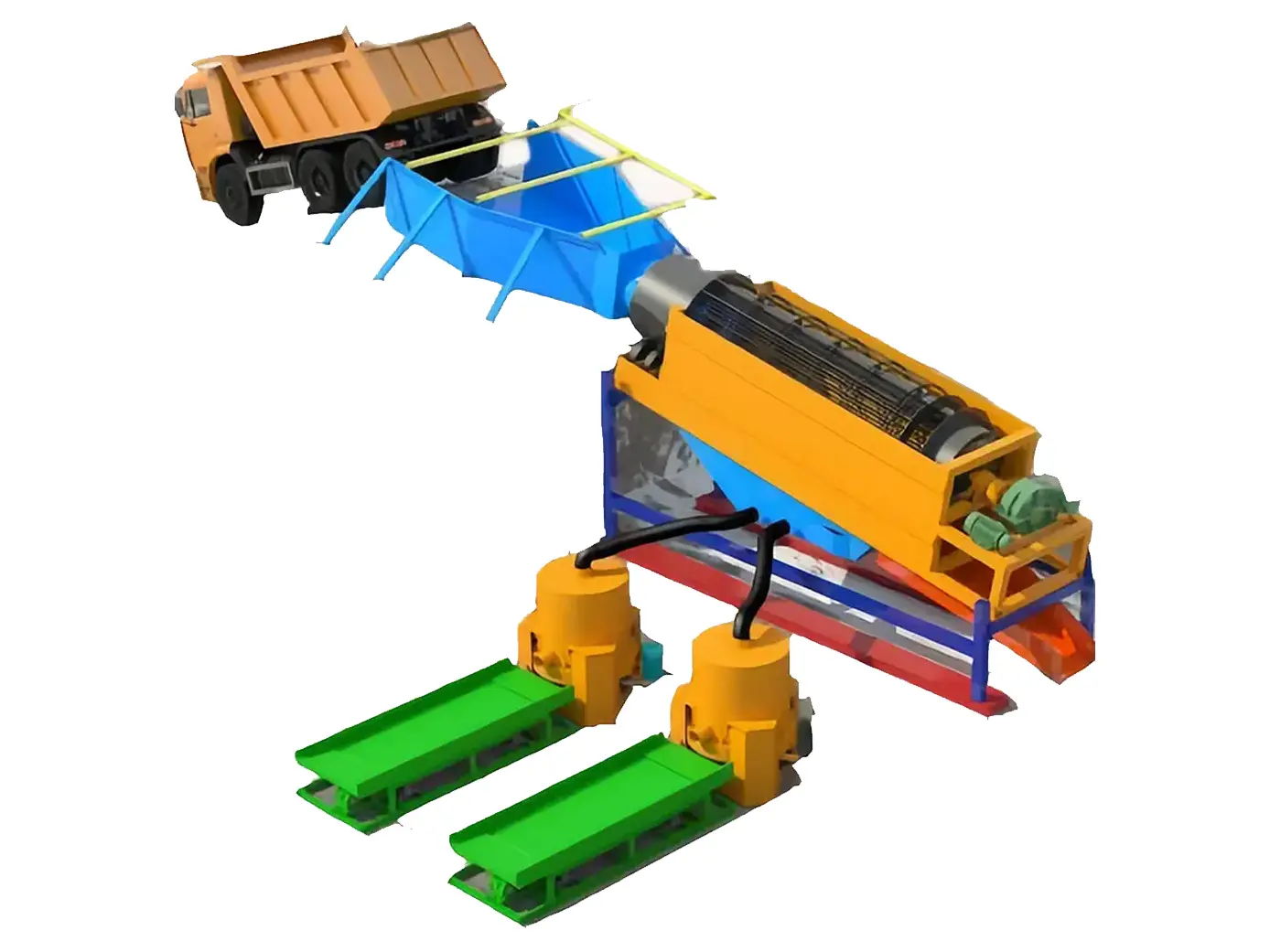
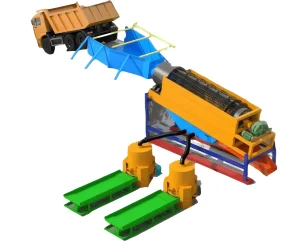
Turnkey mineral beneficiation circuits integrating milling, gravity separation, and flotation.
Details →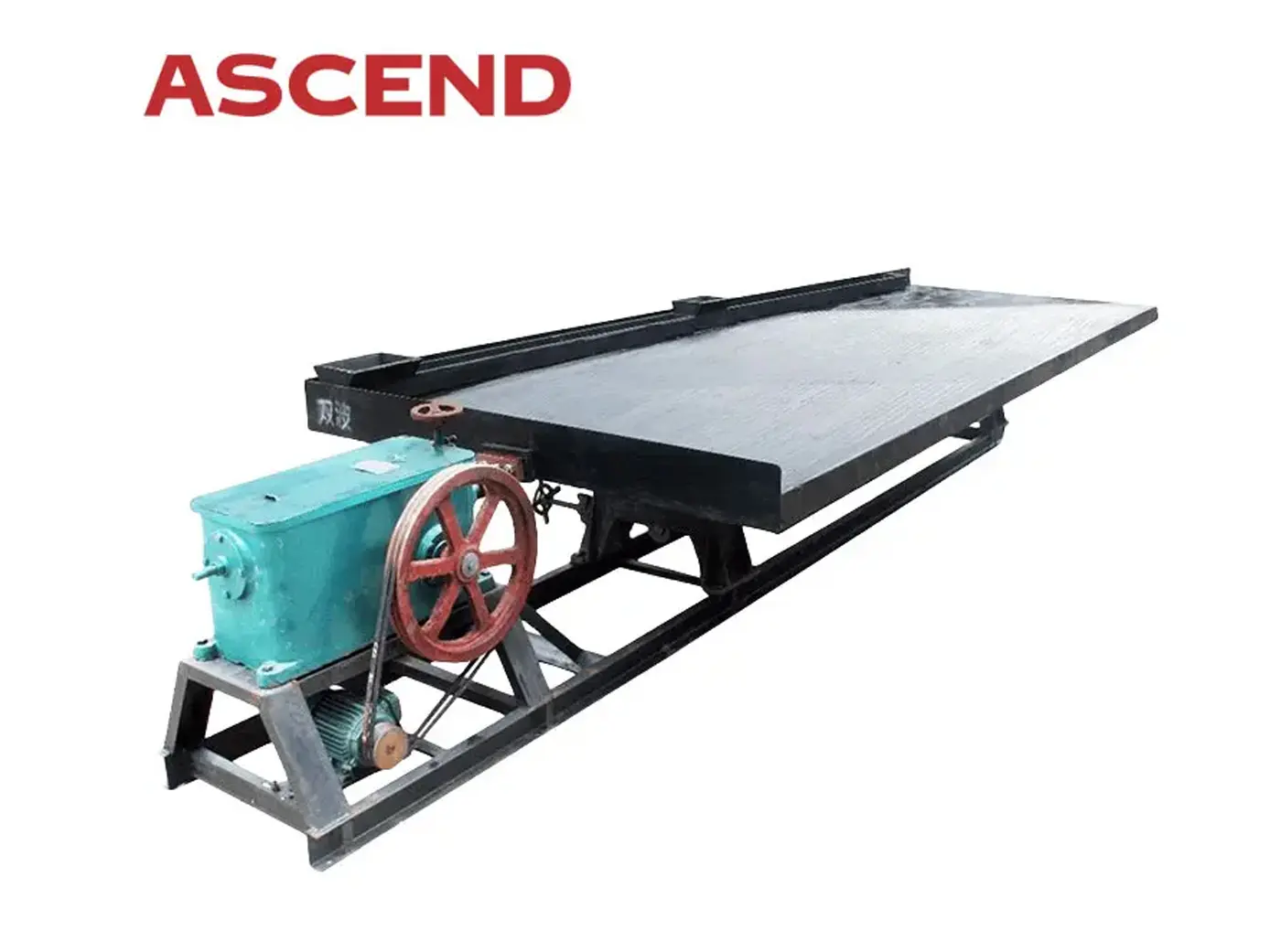
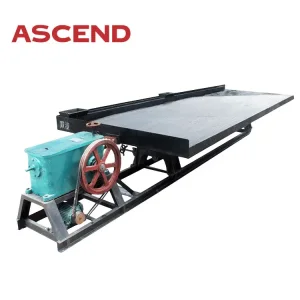
Professional classification, separation, and concentration units for industrial minerals.
Details →Silica sand processing is rarely a standalone milling operation. Rather, it is a component of a macro-level integrated solution. Henan Ascend Machinery designs complete processing plants that begin at the raw feed pile and conclude at the bagged ultra-fine quartz warehouse.
Operating requirements vary depending on geography and environmental conditions:
A high-purity silica sand production line designed by Ascend engineers incorporates the following steps:
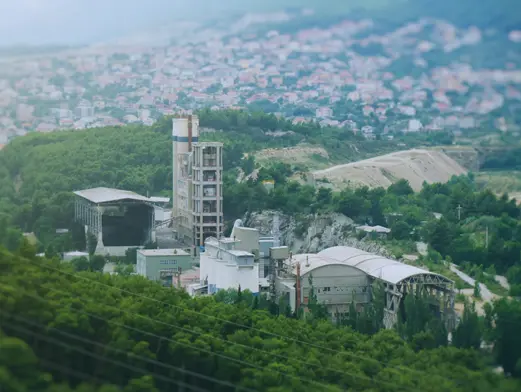
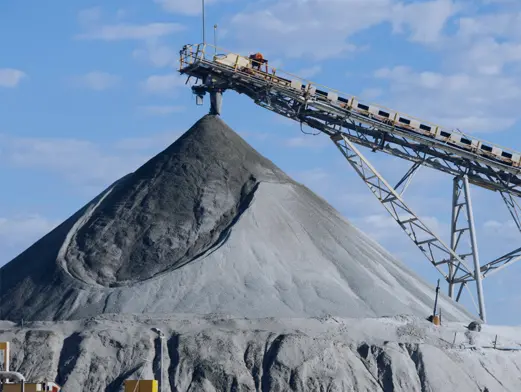
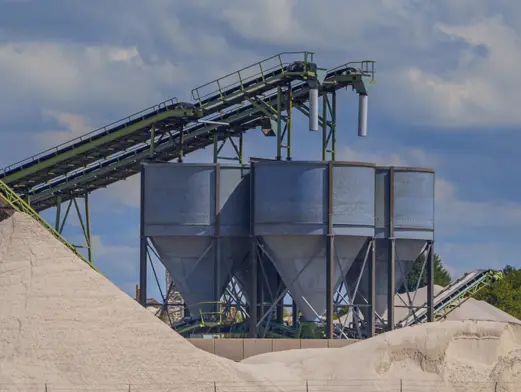
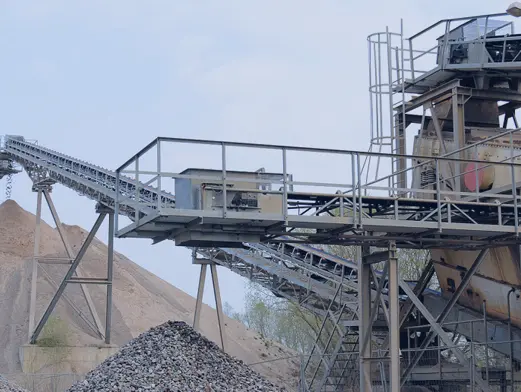
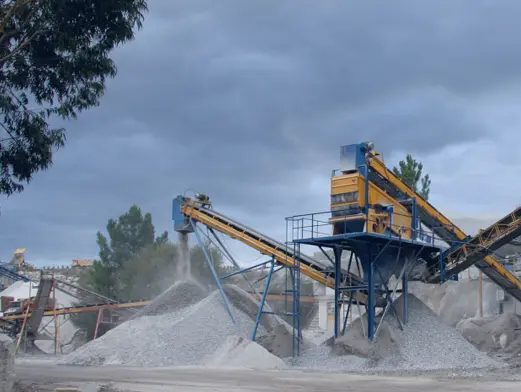
Explore real-world installations of Ascend beneficiation solutions, crushing circuits, and grinding operations across global mining hubs.
Keep track of our machinery deliveries, commissionings, and product announcements worldwide.
 Nov 2025
 Jul 2025
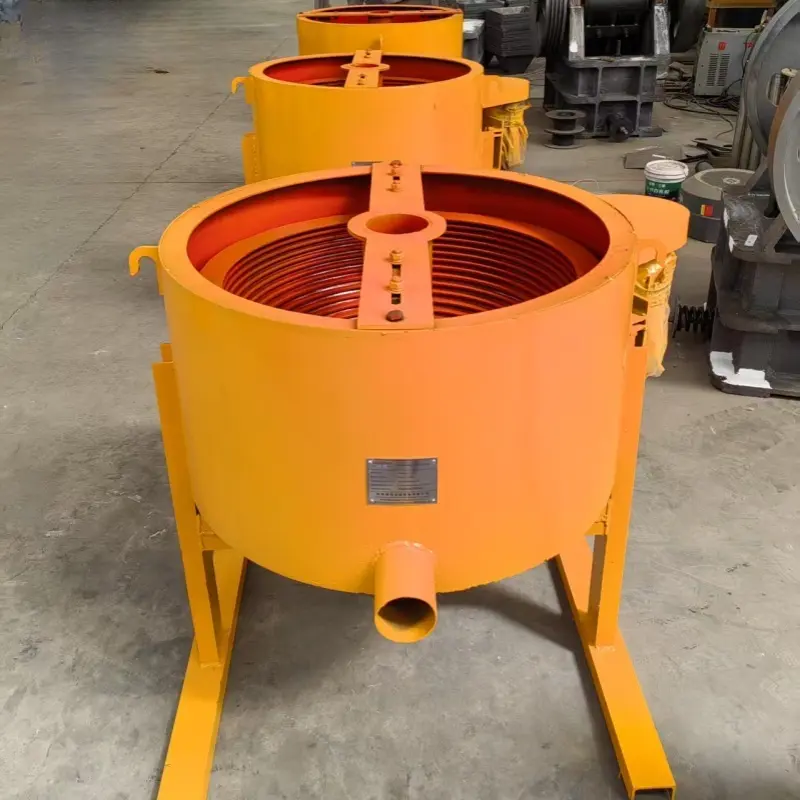
Shipped our high performance gravity concentration tables to our gold processing partners in Sudan.
Jul 2025
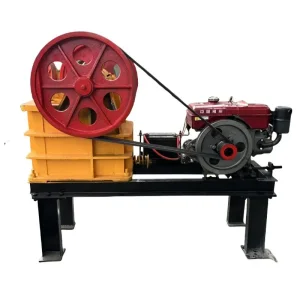
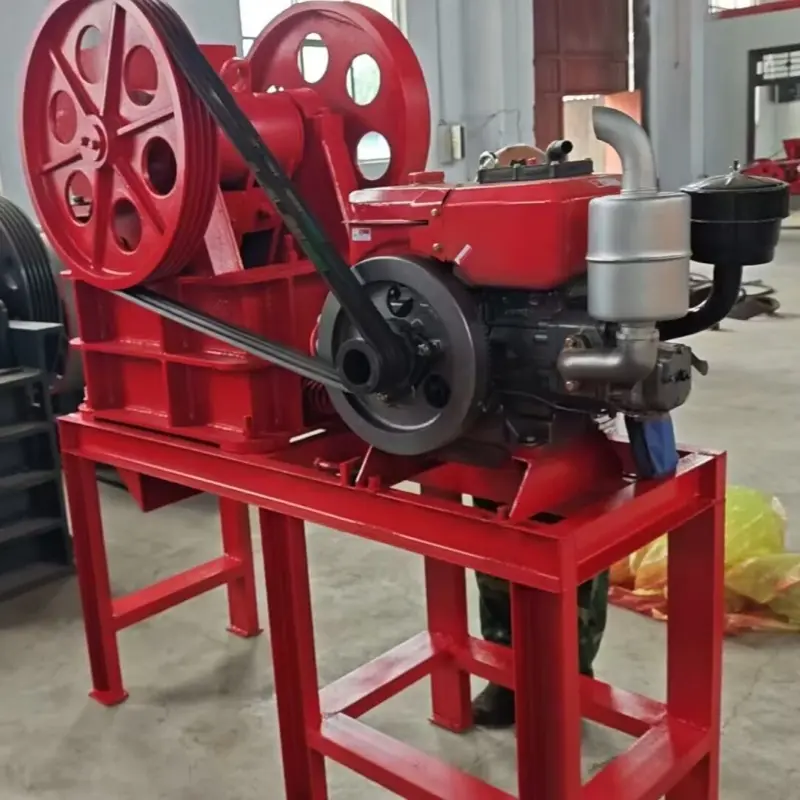
Delivery of medium-scale grinding mill for rural mine sites needing diesel-driven independence.
Jul 2025
Robust mobile processing units optimized for rapid deployment and setup in local quarries.
Jun 2025
Primary crushing system shipped to copper mine facility to enhance size-reduction efficiency.
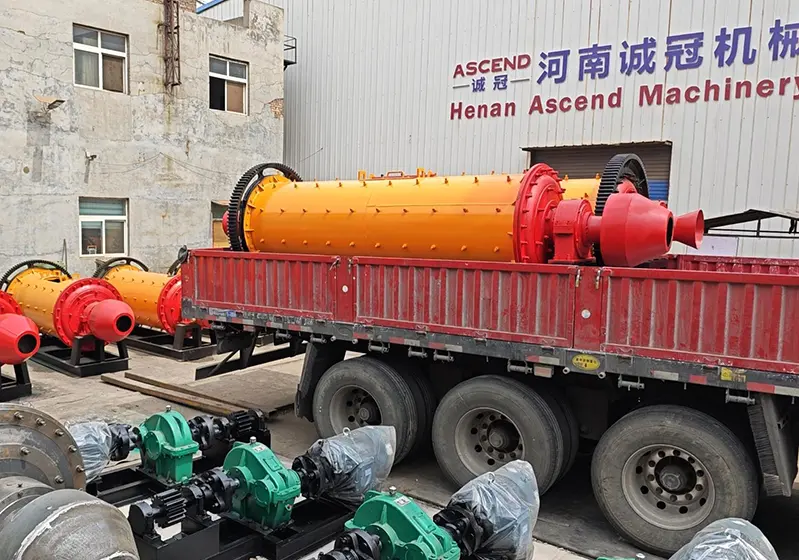
Henan Ascend Machinery & Equipment Co., Ltd. was established in 2005 and is located in the high-tech zone of Zhengzhou City, Henan Province.
Ascend is mainly engaged in the research and development, manufacturing, sales and after-sales service of complete sets of crushing, grinding, screening, feeding and conveying heavy mining machinery. If you need to crush limestone, granite, gravel or other stone, or grind them into powder, or extract gold, please feel free to contact us. Just tell us your needs and our engineers can provide you with professional advice. We have our own factory; therefore, the quality of our machines is guaranteed, and the price is more advantageous. We believe that we will be your good choice.
Read More About UsExpert answers addressing the most common design and operational questions from plant engineers.
Quartz has a Mohs hardness of 7, which makes it highly abrasive. In standard ball mills using carbon steel liners and steel balls, the continuous friction and impact cause fine steel particles to wear off. These steel particles contaminate the silica sand, increasing its iron oxide (Fe₂O₃) content. Even trace amounts of iron (above 0.02%) can ruin the transparency of optical and solar glasses.
High-alumina ceramic lining tiles (typically 92% to 95% Al₂O₃ content) are the industry standard. They possess extreme wear resistance, are chemically inert, and their minor wear does not introduce color-changing metal ions. For niche applications, natural quartz lining stones (also known as silica blocks) or high-density polyurethane liners are used.
Wet grinding generally consumes 20-30% less energy per ton than dry grinding. It also simplifies dust management. However, dry grinding is required when producing fine fillers or dry chemicals, as it avoids a costly drying stage. Dry grinding systems must be paired with high-efficiency air classifiers to remove fine products instantly and minimize over-grinding.
Depending on feed size and operating hours, a premium 92% Al₂O₃ lining tile of 50mm thickness generally lasts between 1.5 to 3 years under continuous industrial load. Consistent monitoring of ball charge volume and slurry density helps extend this lifespan.
Advanced classification, crushing, and separating equipment to complete your industrial quartz production plant.
 Ascend