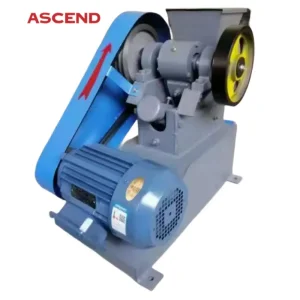
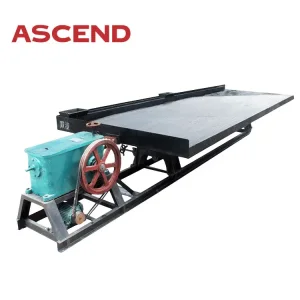
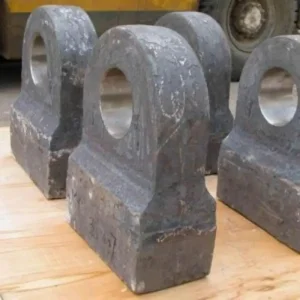
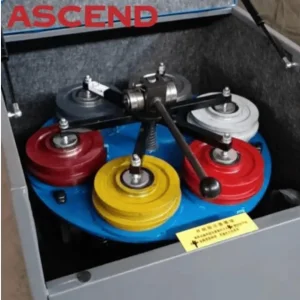
Featured primary crushing and sorting technologies engineered for ready-mix concrete suppliers and metallurgical processing operations.
Understanding the critical nexus between primary stone crushing and high-performance concrete production.
The global concrete supply chain is heavily dependent on the efficiency and reliability of high-quality aggregates. Concrete is the most consumed construction material in the world, with global production exceeding 10 billion tons annually. Because aggregates (sand, gravel, and crushed stone) make up roughly 70% to 80% of the volume of concrete, the mechanical properties of these aggregates dictate the compressive strength, durability, and workability of the final concrete product. Consequently, primary crushing machines, specifically heavy-duty jaw crushers, represent the foundational gatekeeper of ready-mix concrete quality.
From a commercial perspective, concrete suppliers face mounting pressure from skyrocketing material costs, strict infrastructure regulations, and competitive bidding processes. To maintain profit margins, operators must process high volumes of raw quarry rock—such as granite, basalt, limestone, and recycled concrete aggregates (RCA)—at minimal cost per ton. The initial breakdown of run-of-mine (ROM) materials requires an incredibly rugged machine capable of accepting large feed sizes and delivering a uniform crushed output. This makes jaw crushers the logical primary choice across processing plants globally.
Geographically, regional dynamics shape aggregate production specifications. In developing markets across Southeast Asia and Africa, rapid urbanization requires high-throughput jaw crushers to build out roads, dams, and residential structures. Conversely, in mature markets such as Western Europe and North America, environmental constraints and urban renewal have pushed the focus toward the processing of recycled concrete aggregates. Modern jaw crushers must be adaptable enough to handle clean quarry deposits as well as reinforced concrete debris containing rebar and structural steel without suffering catastrophic machine failure.
A deep engineering dive into eccentric motions, high-manganese metallurgy, and compression crushing dynamics.
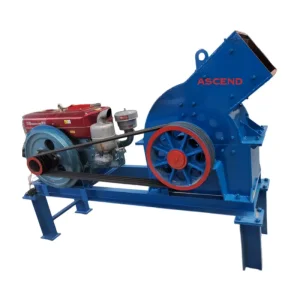
From an engineering standpoint, a jaw crusher uses compressive force for breaking down hard rocks. The mechanism relies on a fixed jaw plate and a moving swing jaw plate. An eccentric shaft driven by a heavy-duty motor creates an elliptical movement of the swing jaw, forcing it toward the fixed jaw during the downward stroke. This crushing chamber configuration is carefully engineered based on the nip angle, which is the angle between the fixed and swing jaw. Maintaining an optimal nip angle (typically between 18° and 22°) is critical; too large an angle will cause materials to slip upwards and reduce feed rate, while too narrow an angle will lead to premature wear of the jaw plates and limit capacity.
High-quality jaw crushers employ advanced Finite Element Analysis (FEA) to design modular, non-welded frames. Traditional welded frames are susceptible to stress cracking over thousands of hours of processing hard rock. Cast steel components, coupled with high-tensile structural bolts, provide the necessary elasticity and high fatigue strength to withstand high-impact loads. Furthermore, the selection of metallurgy for wear components is paramount. High-manganese steel alloys (such as Mn18Cr2 or Mn22Cr2) are standard for jaw liners because they undergo work hardening—meaning the steel actually increases in surface hardness as it encounters compressive impact, while the core remains ductile to prevent catastrophic fracturing.
Ascend has developed steadily since its establishment. Its business covers more than 130 countries and regions around the world, especially in Africa and Southeast Asia. Also, Ascend machine quality and after-sales service have won widespread praise from international customers.
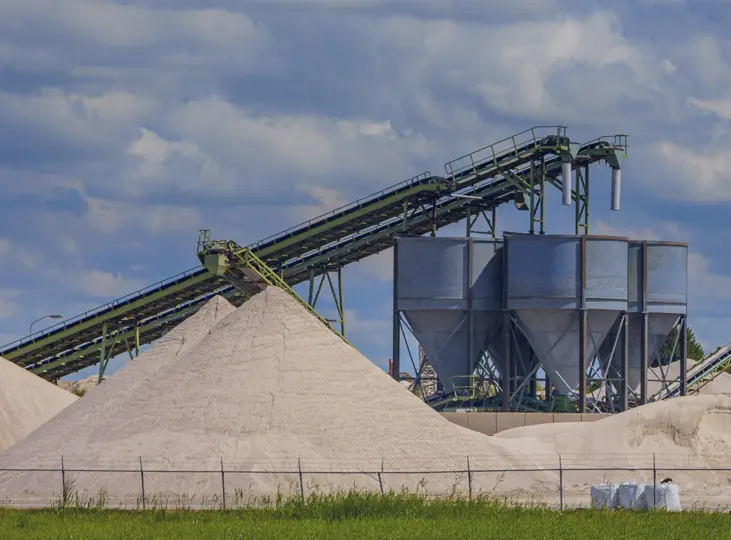
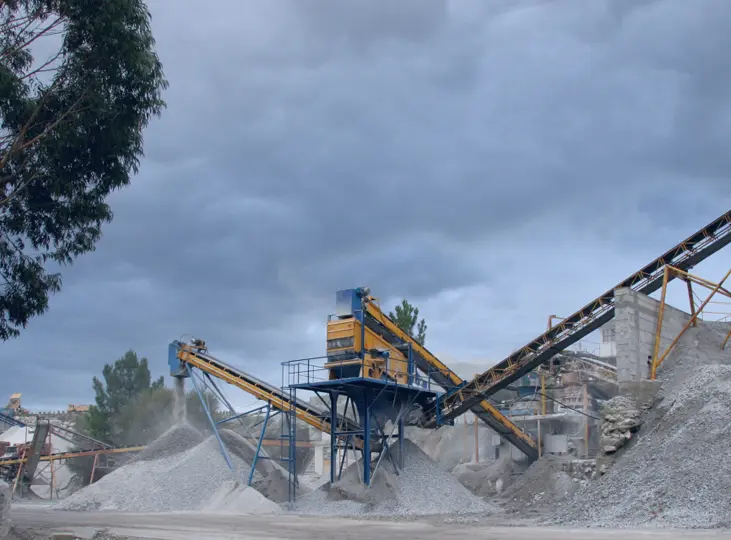
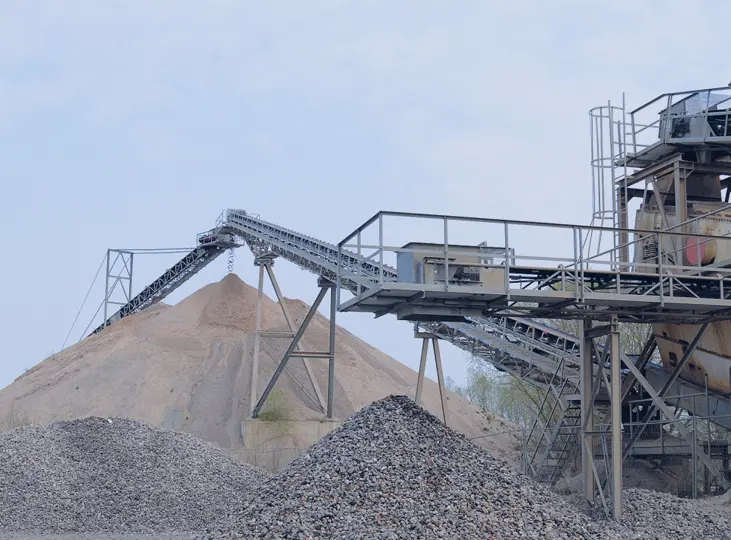
Adapting heavy crushing systems to work under diverse geographical, climate, and structural limitations.
Crushing operations vary significantly based on local environments. Environmental regulations, aggregate characteristics, and geographical limits demand tailored jaw crusher designs. Let's analyze key operational scenarios:
Processing materials like granite, quartzite, and basalt requires jaw plates that can handle intense abrasion. In markets with hard rock, crushers must run at lower speeds with deeper crushing chambers. Heavy-duty toggle plates protect the frame if uncrushable materials (like metallic excavator teeth) enter the chamber, acting as a reliable mechanical fuse.
Processing old concrete requires built-in magnetic separators and dust suppression systems. The primary jaw crusher must accept concrete slabs embedded with rebar. The jaw profile is modified to slice through metal without jamming. It outputs clean, recycled aggregate suitable for base materials in road construction.
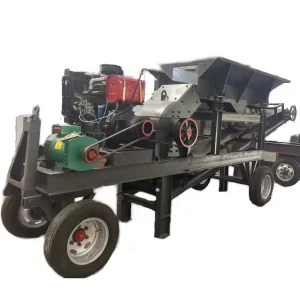
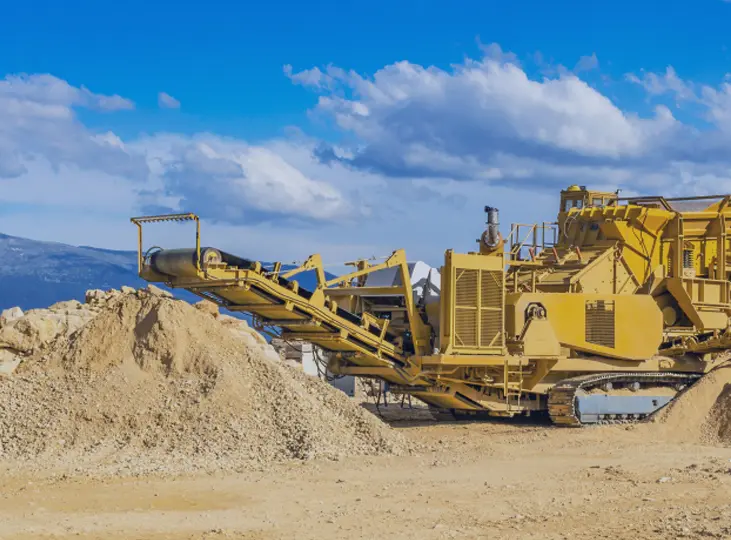
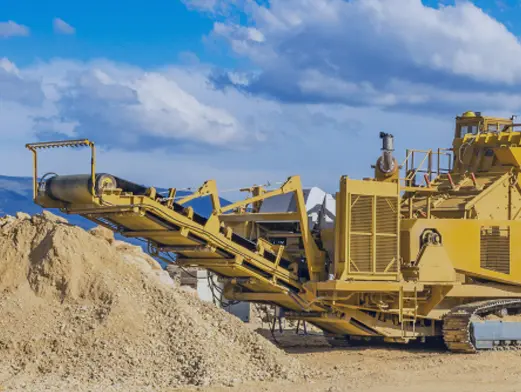
In regions like Sub-Saharan Africa or South America, access to a stable power grid is often limited. Here, diesel-powered mobile jaw crusher plants are essential. These units combine the jaw crusher, feeder, and screen onto a single tracked or wheeled chassis, allowing operators to run primary crushing setups directly at remote road or dam building sites.
Explore our highly-sought-after heavy machinery designed for maximum crushing efficiency.
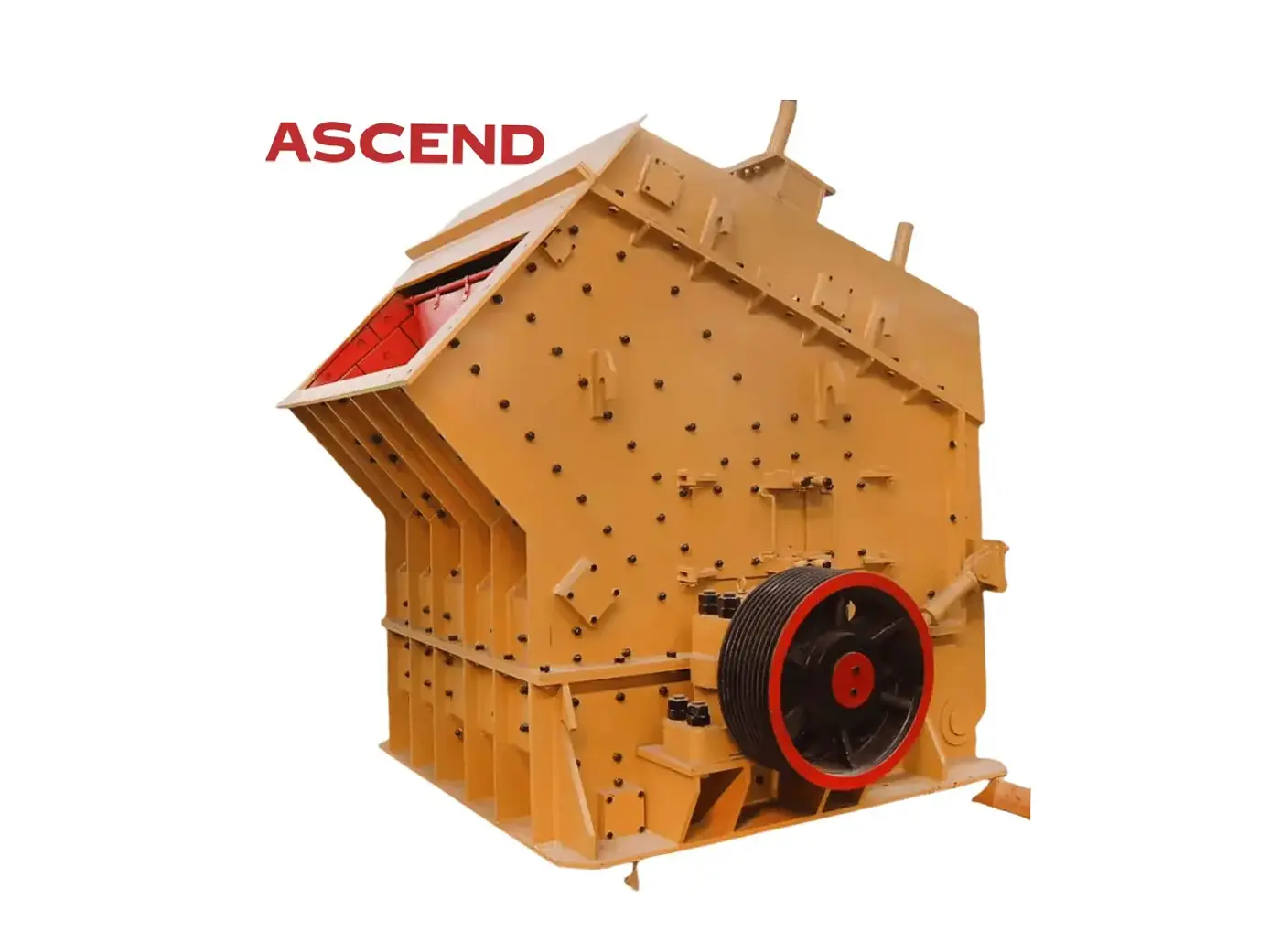
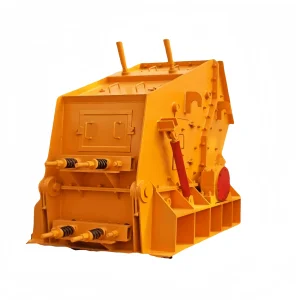
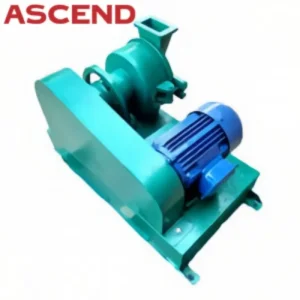
Impact crusher is a kind of secondary crushing equipment which uses impact power to crush materials. Impact crusher is characterized by easy maintenance, high reduction ratios and high efficiency to produce precisely cubic shape products. It is designed with three crushing chambers, seamlessly connected rotor, wear-resistant blow bar and installation of insert type. Moreover, it has tooth type liner, gradient designed bearing seat, frame with several openings and screws or hydraulic start-up devices. Impact crushers can be used in all different stages of size reduction from primary crushing to the last step of the crushing process.
Read MoreCombining primary, secondary, and tertiary stages into an efficient closed-loop crushing operation.
While the primary jaw crusher is crucial, it is only the first step in a complete aggregate production line. Designing an efficient crushing plant requires matching the capacity of the jaw crusher with downstream machinery. A mismatched setup can lead to bottlenecks, excessive wear, and high energy costs. The goal is a balanced process flow that minimizes material handling and maximizes final product yield.
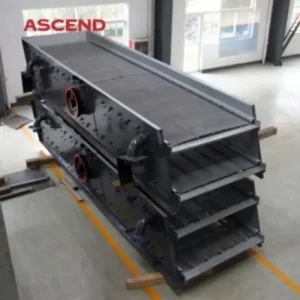
In a typical aggregate plant layout, raw material is fed into the primary jaw crusher via a vibrating grizzly feeder, which bypasses small material to prevent over-crushing and screen wear. The jaw crusher reduces the rock to a manageable size (usually under 150mm), which is then conveyed to a secondary crusher, such as an impact or cone crusher. A circular vibrating screen then separates the material into different size fractions. Oversized material is returned to the secondary crusher, while the correct sizes are sent to final storage piles. If clean aggregate is required for high-grade concrete, a rotary washing screen may be added at the end of the line.
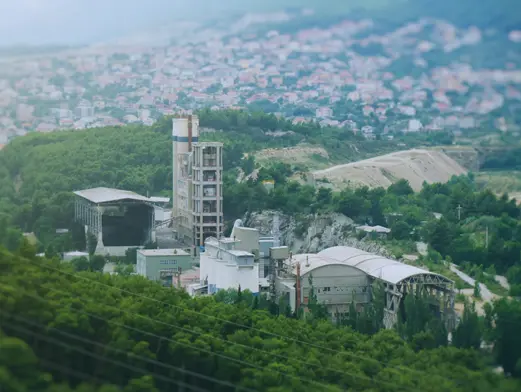
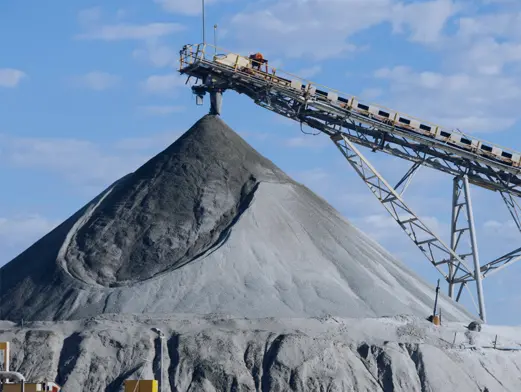
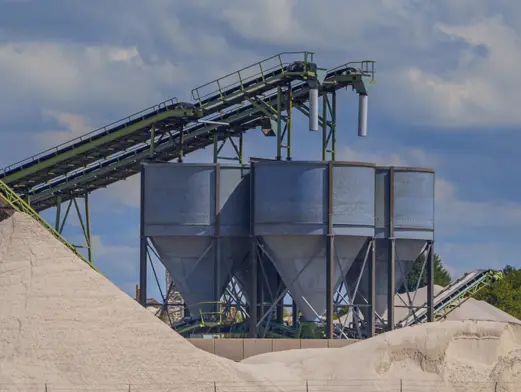
Proven installations delivering high-efficiency aggregate crushing and mining processing across global sites.
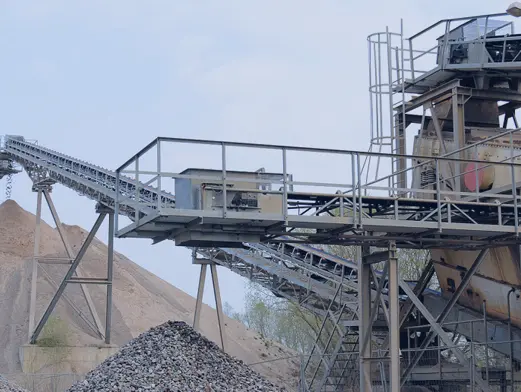
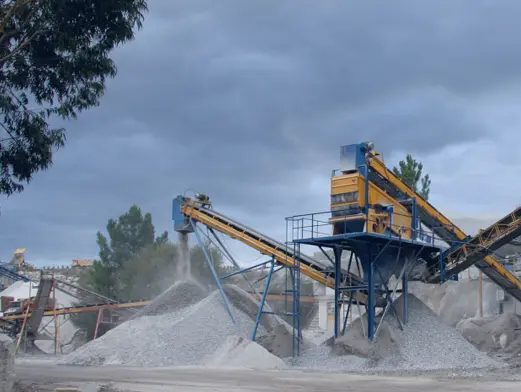
Follow our latest updates, product deployments, and international project completions.
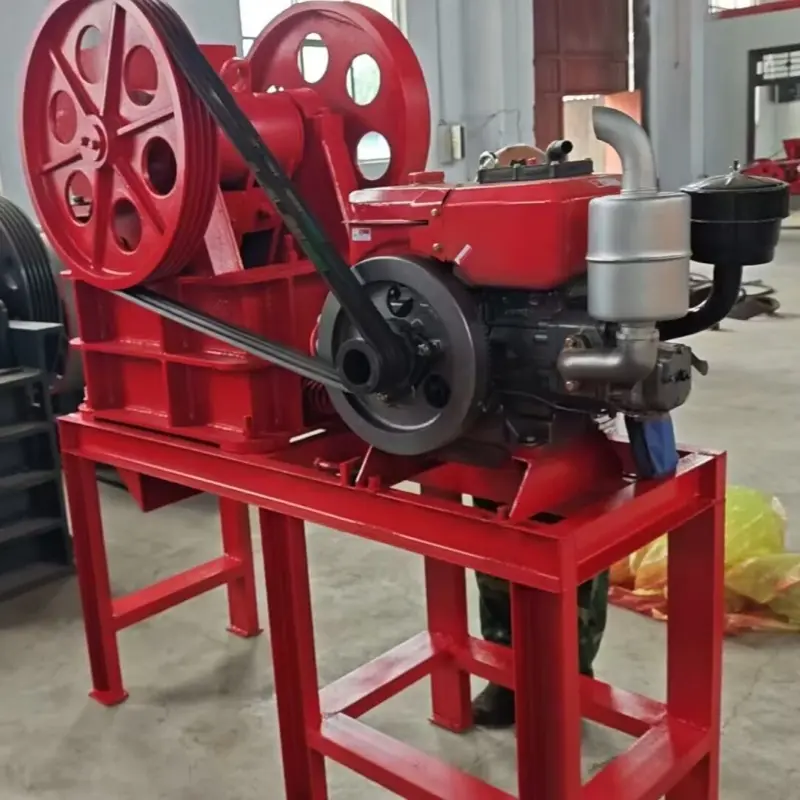
 Nov 2025
Successfully delivered heavy-duty diesel jaw crushers to PNG, providing reliable primary crushing capacity in off-grid infrastructure locations.
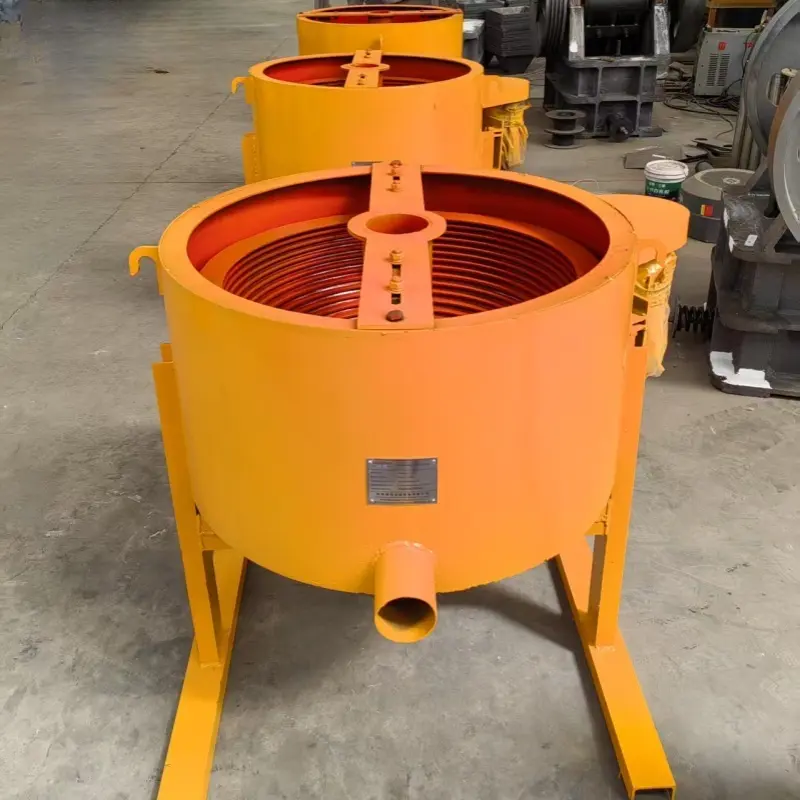 Aug 2025
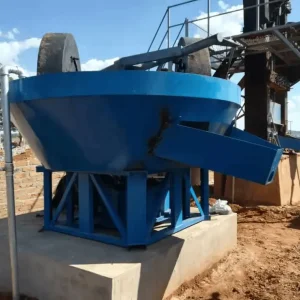
Expanding beneficiation footprints in Zambia with our gold concentrators, optimizing output and material recovery metrics.
Exploring mechanical design trends: Smart monitoring, hydraulic protection, and carbon-reduction initiatives.
As the construction and concrete production sectors push for higher efficiency and lower carbon footprints, jaw crusher designs are incorporating smarter technologies. The focus is shifting from simply increasing mechanical force to optimizing aggregate production through digital and hydraulic controls.
Key developments in modern jaw crusher technology include:
Henan Ascend Machinery & Equipment Co.,Ltd. was established in 2005 and is located in the high-tech zone of Zhengzhou City, Henan Province.
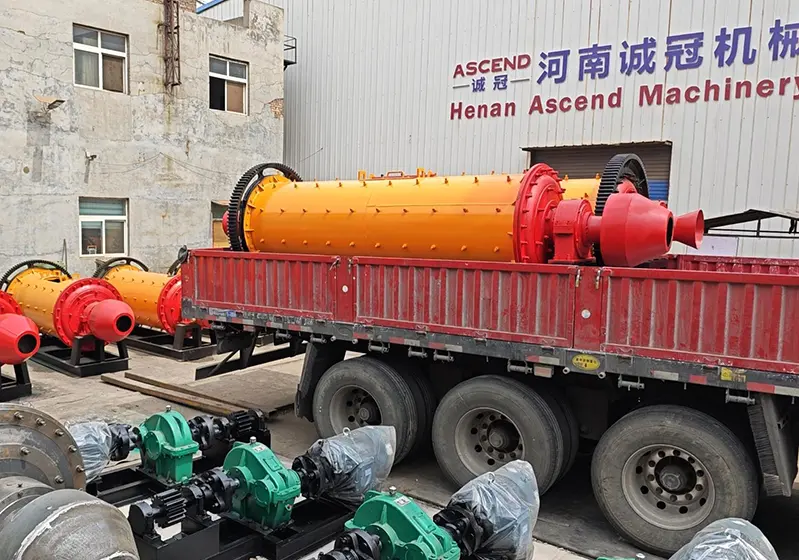
Ascend is mainly engaged in the research and development, manufacturing, sales and after-sales service of complete sets of crushing, grinding, screening, feeding and conveying heavy mining machinery. If you need to crush limestone, granite, gravel or other stone, or grinding them into powder, or extract gold, please feel free to contact us. Just tell us your needs and our engineers can provide you with professional advice. And we have our own factory, the quality of the machine is guaranteed, the price is more advantageous. We believe that we will be your good choice.
Read MoreExpert answers to common technical and operational questions regarding primary jaw crushers.
High-efficiency mills, separators, and impact crushers engineered to meet rigorous industrial specifications.
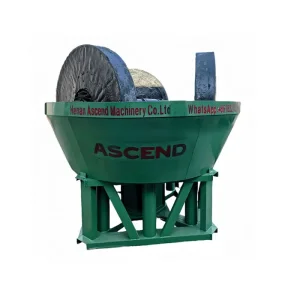
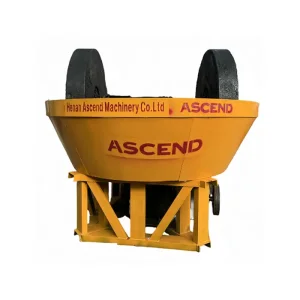
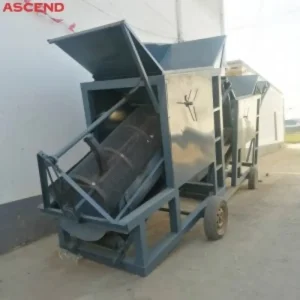
 Ascend