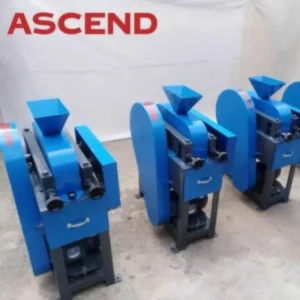
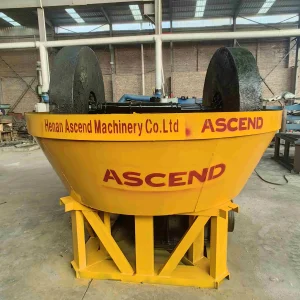
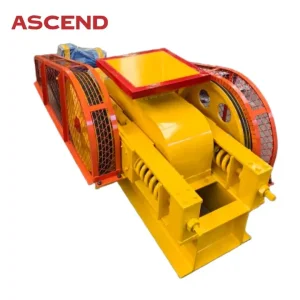
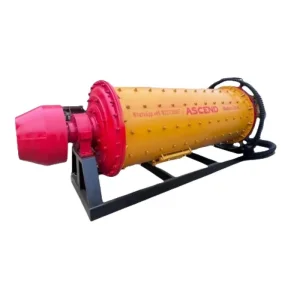
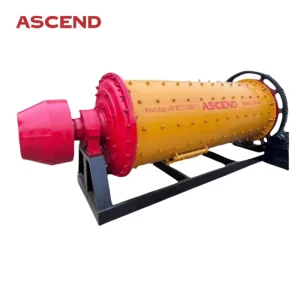
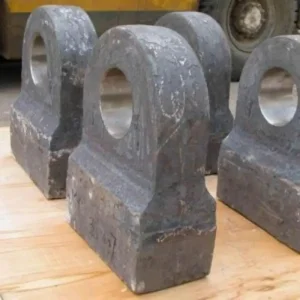
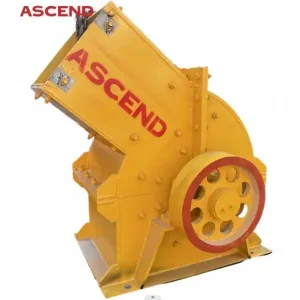
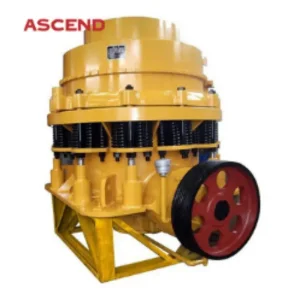
Explore our selection of top-performing primary crushers, pan mills, concentrators, and secondary crushing units engineered for heavy ore dressing and quarrying operations.
Jaw crushers serve as the primary defensive line in modern mining, quarrying, and recycling circuits. To understand their performance, one must look deep into the kinematics of their operation. By utilizing an eccentric shaft to drive a swinging jaw in a crushing stroke, these machines apply massive compressive stress to incoming boulders, reducing hard feed materials down to a manageable size before downstream secondary mills take over.
Industrial jaw crushers are categorized primarily into two types based on their toggling mechanism: single-toggle and double-toggle designs. Single-toggle jaw crushers feature a simpler, lighter, and more compact frame where the moving jaw hangs directly from the eccentric shaft. This yields a compound crushing motion, resulting in higher throughput since materials are forced down not just by compression but by a subtle downward rubbing force. However, double-toggle crushers, which feature a stationary pivot at the top of the swing jaw, are preferred for extremely abrasive ores since they eliminate the shearing motion, minimizing jaw plate wear.
When selecting a jaw crusher, procurement officers must analyze the physics of the crushing chamber, often known as the "cavity layout." A deep crushing chamber with an optimized nip angle—typically between 18 and 22 degrees—is crucial to prevent rock slippage. Slipped feed reduces crushing efficiency, accelerates wear, and risks spitting rocks dangerously out of the hopper. Advanced toggle plate alignments and hydraulic wedge adjustments allow operators to fine-tune the Close Side Setting (CSS) on the fly, balancing final product sizing against throughput requirements.
Additionally, modern heavy-duty frames are shifting from traditional cast-welded structures to modular, non-welded, bolted frame configurations. By eliminating welding stresses within the structure, these modular cast steel components resist fatigue and shock loading, ensuring reliability across multi-decade lifecycles in rugged mineral sectors.
Ascend has developed steadily since its establishment. Its business covers more than 130 countries and regions around the world, especially in Africa and Southeast Asia. Also, Ascend machine quality and after-sales service have won widespread praise from international customers.
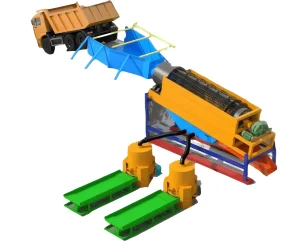
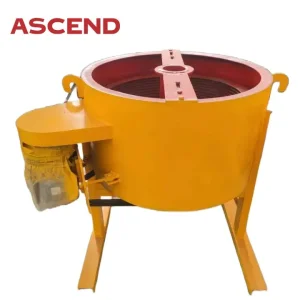
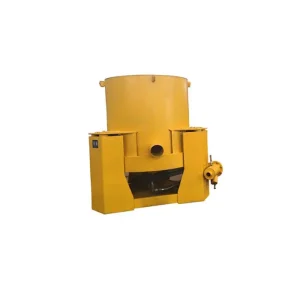
Tailored extraction circuits integrating primary jaw crushers, wet pan mills, and Knelson centrifugal concentrators for gold recovery.
Learn More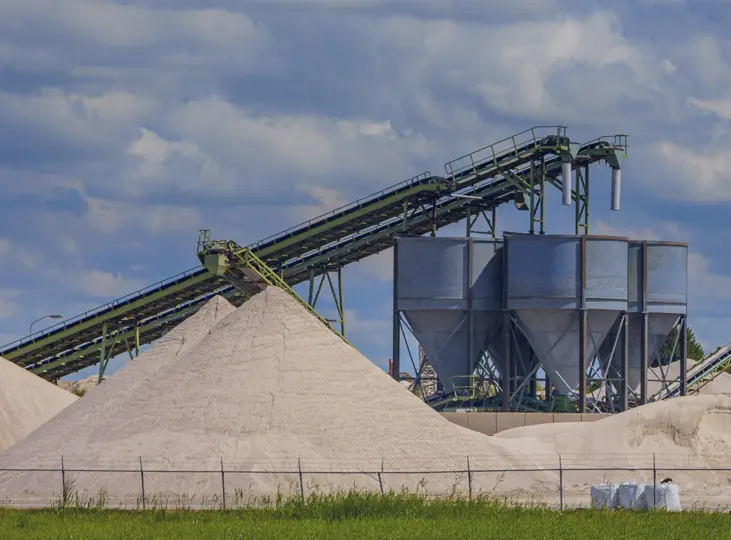
Complete material reduction lines combining primary jaw crushers with secondary impact or cone crushing circuits.
Learn More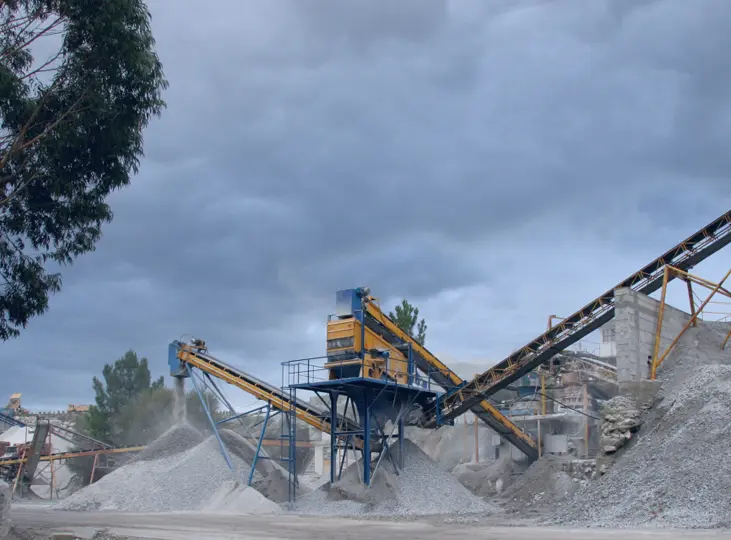
Custom designs for basalt, granite, limestone, and recycled concrete aggregates, achieving precise cubical particle shapes.
Learn More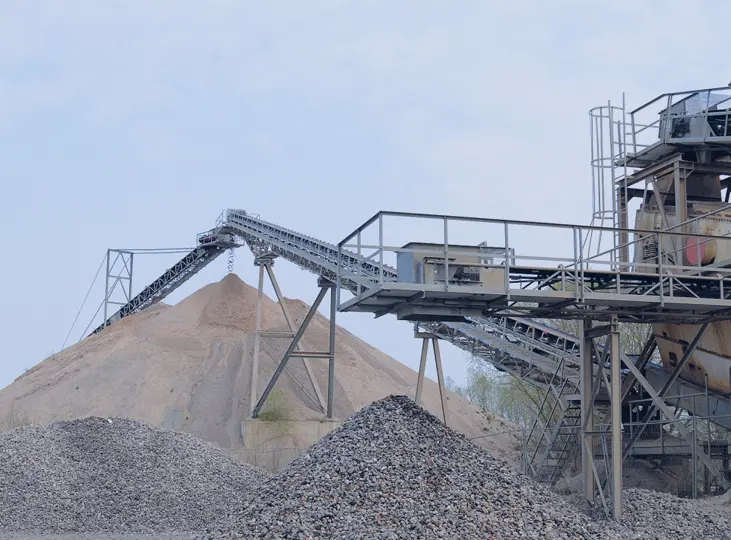
Engineered to handle hard, abrasive feedstocks and provide seamless continuous feeding, crushing, and screening cycles.
Learn MoreNo two mineral bodies are alike. Factors such as compressive strength, silica content, moisture level, and target output size determine the configuration of your plant. Ascend's mechanical engineering team analyzes customer-specific mineral assays to build crushing and grinding systems that maximize operational uptime.
For international buyers looking to balance capital expenditure (CAPEX) with long-term operational performance (OPEX), the Chinese manufacturing model presents distinct advantages. Henan Province—specifically the high-tech industrial hub of Zhengzhou—stands as the world’s leading hub for crushing machinery production. This dense manufacturing cluster facilitates rapid prototype development, material science iterations, and structural assembly optimization.
Because Henan possesses integrated steel mills, precision casting foundries, and advanced machining workshops in close proximity, shipping times for raw materials are reduced to hours. This seamless supplier base allows factories like Ascend to secure premium manganese steel (Mn18Cr2) for jaw plates and forged high-grade alloys for eccentric shafts at lower material overheads. The savings achieved through this metallurgical ecosystem are passed directly to buyers without compromising quality.
Furthermore, China’s industrial ecosystem operates with scale. Massive manufacturing runs allow factories to invest in automated robotic welding booths, heavy-duty CNC boring mills, and automated quality testing rigs. These tools eliminate the micro-flaws that often occur with manual fabrication.
Combined with China's robust infrastructure, logistics networks, and direct freight rail links (such as the China-Europe Railway Express) alongside global ocean shipping routes, heavy machineries can be dispatched quickly to remote mining zones in Africa, Central Asia, and Latin America. This logistics framework ensures that large-scale mining equipment and replacement parts reach destinations within tight project deadlines.
Discover our primary and secondary processing machinery lines. Our systems are engineered to withstand the harshest field conditions while optimizing material reduction ratios.
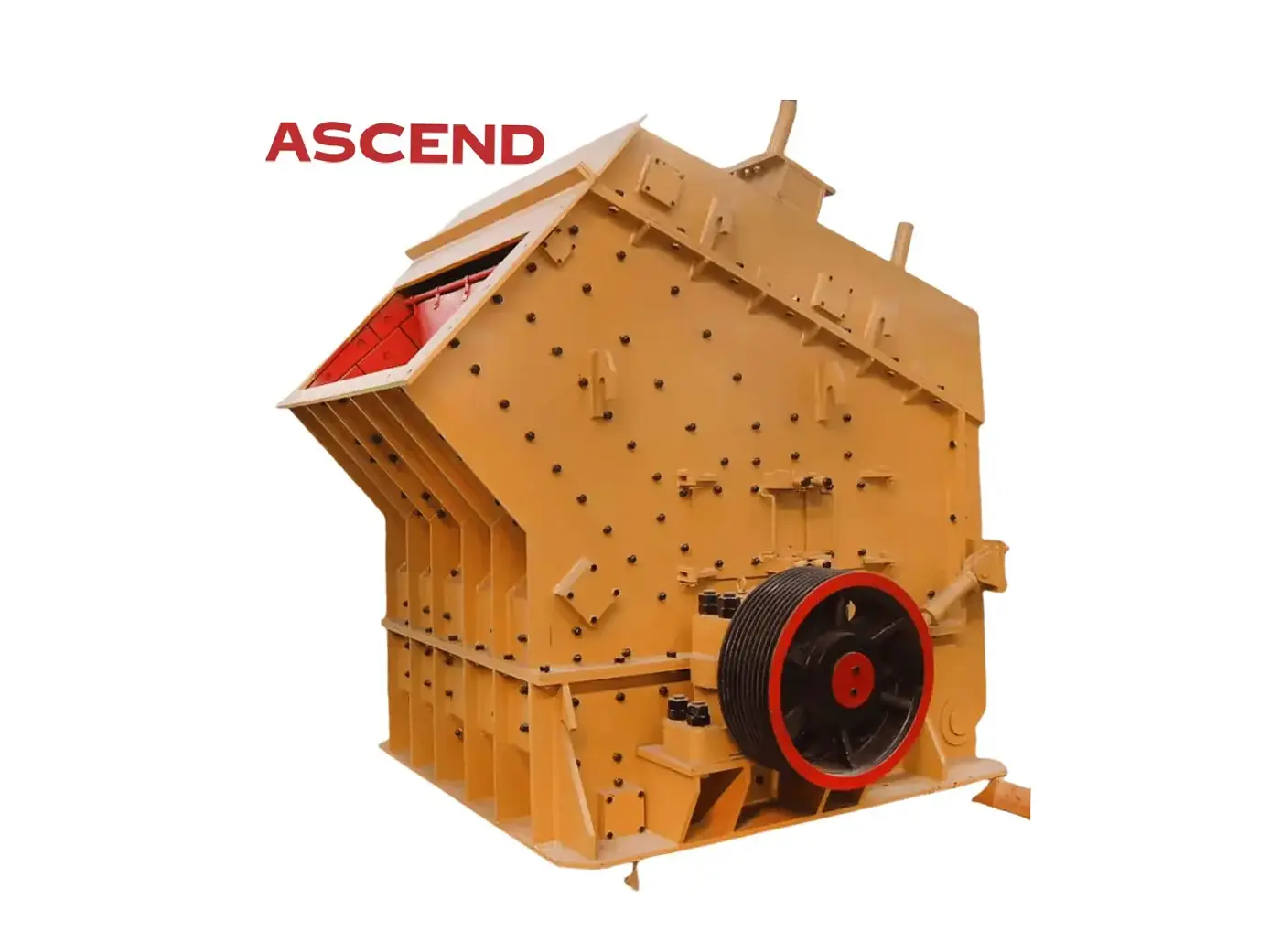
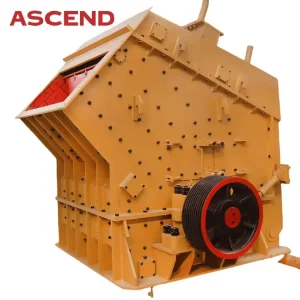
Impact crusher is a kind of secondary crushing equipment which uses impact power to crush materials. Impact crusher is characterized by easy maintenance, high reduction ratios and high efficiency to produce precisely cubic shape products. It is designed with three crushing chambers, seamlessly connected rotor, wear-resistant blow bar and installation of insert type. Moreover, it has tooth type liner, gradient designed bearing seat, frame with several openings and screws or hydraulic start-up devices. Impact crushers can be used in all different stages of size reduction from primary crushing to the last step of the crushing process.
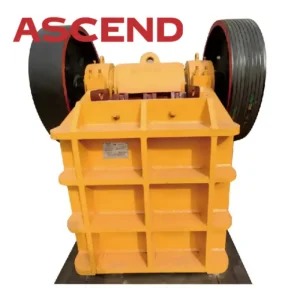
For primary crushing requirements, we offer heavy-duty jaw crushers designed to process hard ores, rock, and concrete. This setup creates an efficient, continuous circuit when paired with our secondary impact and cone crushers.
Read More Details| Model Name | Feed Opening (mm) | Max Feed Size (mm) | CSS Adjustment Range (mm) | Capacity (t/h) | Power Rating (kW) |
|---|---|---|---|---|---|
| PE-150×250 | 150 × 250 | 125 | 10 - 40 | 1 - 3 | 5.5 |
| PE-250×400 | 250 × 400 | 210 | 20 - 60 | 5 - 20 | 15 |
| PE-500×750 | 500 × 750 | 425 | 50 - 100 | 40 - 110 | 55 |
| PE-600×900 | 600 × 900 | 500 | 65 - 160 | 50 - 180 | 75 - 110 |
| PE-900×1200 | 900 × 1200 | 750 | 95 - 165 | 220 - 500 | 110 - 132 |
Deploying heavy equipment into remote areas requires adherence to regulatory compliance and local operating parameters. Mining regulations differ across jurisdictions. In European and American zones, compliance with CE and UL safety marks is mandatory. In developing mining markets across Africa and Southeast Asia, operators place primary emphasis on mechanical reliability, local parts availability, and ease of maintenance in locations lacking grid power.
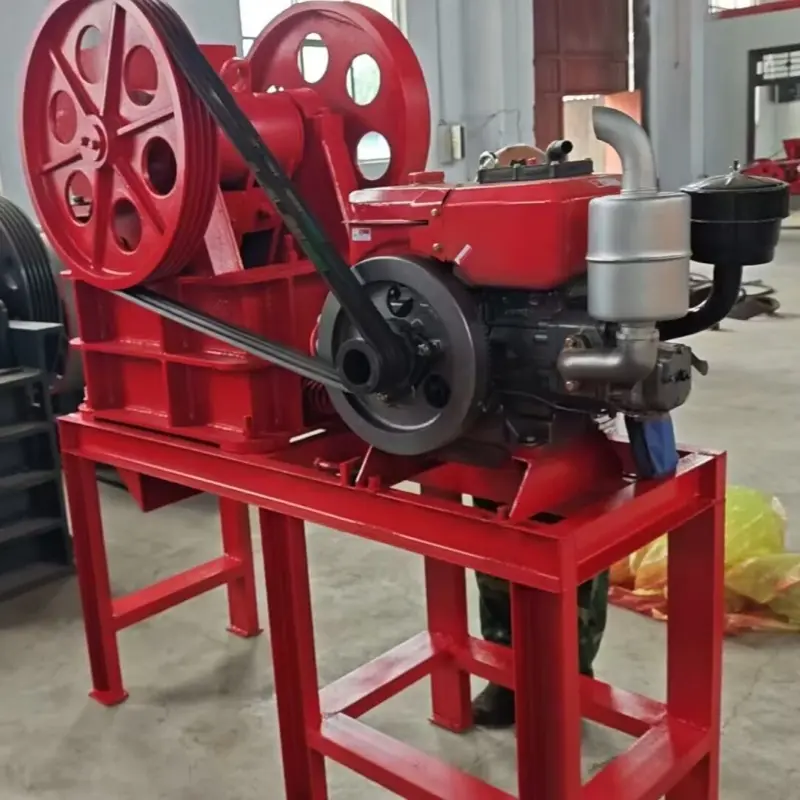
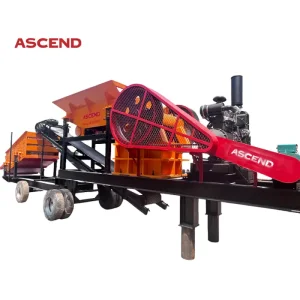
To support these markets, Ascend integrates rugged mechanical diesel engine options into its jaw crusher range, including the PE250x400 and PE600x900 models. By removing reliance on complex electrical grids and frequency drives, these diesel-hydraulic units operate reliably in off-grid exploration zones. They also feature mechanical bypass valves and simple lever-actuated clutches that are easy for local technicians to maintain without specialized digital diagnostic tools.
Furthermore, E-E-A-T principles require equipment suppliers to act as dependable lifecycle partners rather than simple transactional sellers. High-quality crusher suppliers maintain local spare parts inventories (including jaw plates, toggle plates, pitmans, and bearings) in key regional hubs like Lusaka, Zambia, and Dar es Salaam, Tanzania.
By stocking replacement parts close to site locations, suppliers can reduce downtime from weeks to days. Additionally, our field service engineers provide on-site structural assembly, foundation design guidance, and local operator safety training. This helps mining companies align their operations with modern HSE (Health, Safety, and Environment) standards while optimizing the life of their machinery.
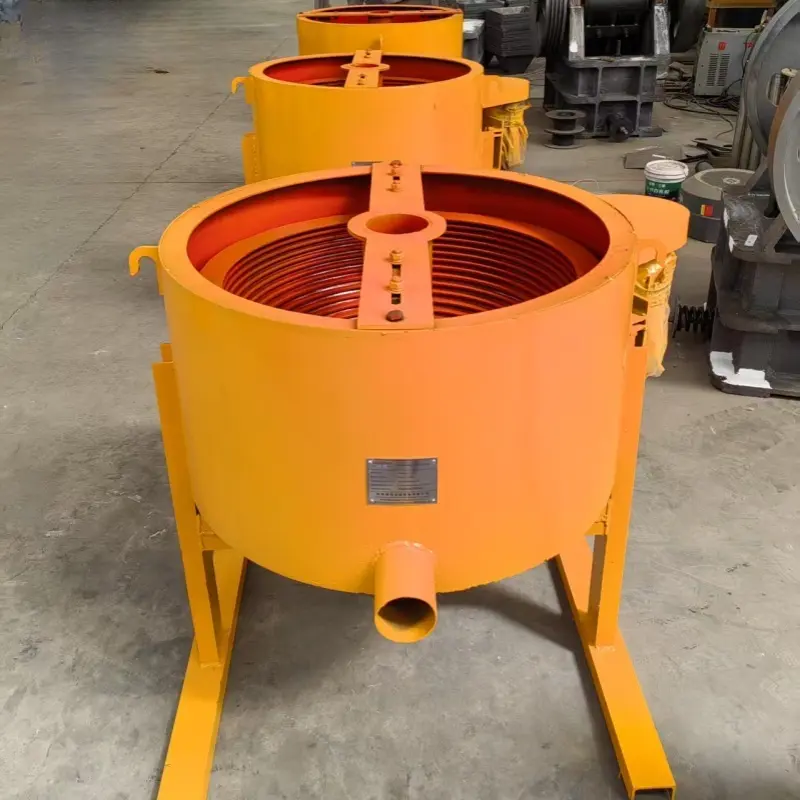
Stay updated with the latest cargo dispatches, plant installations, and product shipments sent directly from our manufacturing facilities to international client sites.
 Shipment
 Nov 2025
 Delivery
Aug 2025
Delivery
Aug 2025
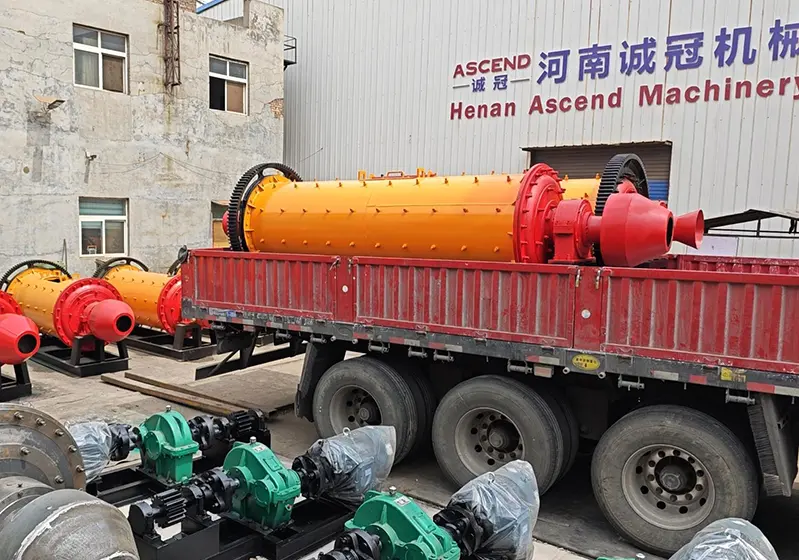 Project
Jul 2025
Project
Jul 2025
Henan Ascend Machinery & Equipment Co.,Ltd. was established in 2005 and is located in the high-tech zone of Zhengzhou City, Henan Province. For two decades, Ascend has remained at the forefront of China's heavy mining equipment sector, serving global mining groups and aggregate producers with robust processing equipment.
Ascend is mainly engaged in the research and development, manufacturing, sales and after-sales service of complete sets of crushing, grinding, screening, feeding and conveying heavy mining machinery. If you need to crush limestone, granite, gravel or other stone, or grinding them into powder, or extract gold, please feel free to contact us. Just tell us your needs and our engineers can provide you with professional advice. And we have our own factory, the quality of the machine is guaranteed, the price is more advantageous. We believe that we will be your good choice.
Our facilities house heavy machining workshops, modern testing labs, and assembly bays. This infrastructure allows us to build machines that deliver stable performance under heavy load, ensuring reliability for your investment.
The global comminution sector is undergoing changes driven by environmental standards, energy efficiency demands, and digitization. Crushing circuits account for a substantial portion of energy consumption at typical mine sites. As energy costs rise, mining operators are turning to high-capacity primary jaw crushers designed with optimized flywheels and toggle linkages to reduce power consumption per ton of processed rock.
In addition, the integration of IoT sensors within the crusher's critical zones is transforming maintenance approaches. Thermocouples installed in the eccentric shaft bearings can monitor temperature fluctuations in real-time, sending automatic alerts to the control room before heat damage occurs. Accelerometers mounted on the crusher frame track eccentric vibrations, allowing operators to detect irregularities caused by broken toggle plates or loose pitman bolts.
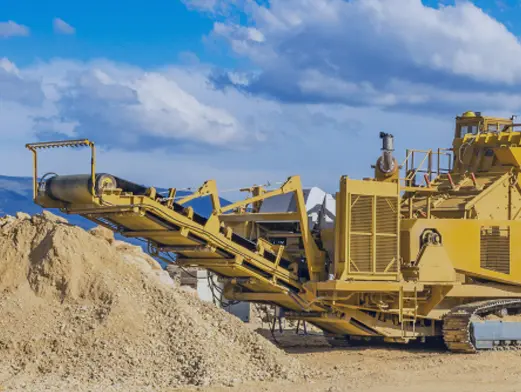
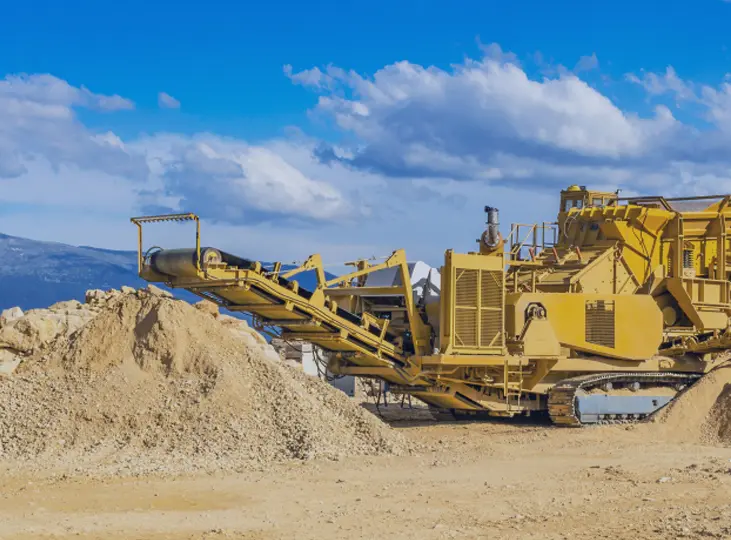
Additionally, modular mobile track jaw crushers are seeing wider adoption in civil construction recycling and remote quarry sites. These mobile plants can be moved directly to the blast face, reducing the haul distances for heavy dump trucks. This layout helps lower fuel consumption and carbon emissions, while streamlining transport logistics.
Furthermore, dust suppression and noise control have become key priorities in modern plant design. Modern jaw crusher hoppers are frequently configured with integrated water spray bars and dust enclosures to capture airborne particulate matter. High-efficiency primary crushing setups play a crucial role in helping operators achieve cleaner, safer, and more productive processing lines.
Read through common technical queries regarding installation, CSS adjustments, metallurgical options, and diagnostic troubleshooting for primary jaw crushers.
The optimal CSS is determined by your target output size and the requirements of the downstream crushing stages. Typically, the CSS should not be set smaller than the minimum value indicated on the manufacturer's spec plate (e.g., 20mm for a PE-250x400 crusher). Setting the CSS too tight causes excessive compression and hydraulic pressure, which can accelerate wear on the jaw plates or trigger premature toggle plate failure.
Manganese steel alloys (such as Hadfield steel, containing 13% to 22% Mn) feature an austenitic crystal structure. Under repetitive heavy impact and compressive loads, this structure undergoes a surface-level phase transformation, creating a hard outer wear layer while maintaining a ductile core. This allows the jaw plate to resist abrasive wear while retaining the toughness needed to handle heavy impacts without fracturing.
Plugging occurs when the feed material has high moisture levels mixed with clay fines, causing it to stick within the crushing chamber instead of passing through the CSS. It can also occur when feed sizes exceed the maximum intake dimensions, preventing the rock from reaching the active crushing zone. Solutions include installing a grizzly feeder to scalp out sub-size fines before the crushing chamber, and keeping the feed size within 85% of the intake opening.
The toggle plate is designed as a mechanical shear pin or fuse for the crusher. If an uncrushable object (such as a drill tooth or tramp iron) enters the chamber, the toggle plate buckles or shears to prevent damage to the eccentric shaft, pitman, and frame. It should be replaced immediately if it shows structural bending, cracking, or seating wear. Never weld or reinforce a toggle plate, as this bypasses its protective release function.
The heavy rolling-element bearings on a jaw crusher's eccentric shaft operate under extreme loads, low speeds, and dusty conditions. It is important to use high-viscosity mineral oils or grease containing lithium-complex thickeners with Extreme Pressure (EP) additives. These additives maintain an oil film under heavy load, preventing metal-to-metal contact, overheating, and bearing failure.
A single-toggle jaw crusher features a simpler structure where the swing jaw hangs from the eccentric shaft, creating an elliptical crushing stroke. This downward motion helps draw material through the chamber, increasing throughput. In a double-toggle jaw crusher, the swing jaw pivots from a fixed shaft at the top, generating a purely compressional, perpendicular stroke. This reduces wear on the jaw plates, making it suitable for extremely hard and abrasive ores.
Welded steel frames can contain residual stresses from the welding process, which can lead to fatigue cracks under heavy, repetitive crushing loads. Modular, non-welded frames utilize cast steel corner segments secured by high-tensile bolts. This design distributes structural loads more evenly and resists fatigue, ensuring long-term reliability in high-capacity mining operations.
To minimize wear costs, operators should flip jaw plates top-to-bottom once the teeth on the lower portion show significant wear. This extends the service life of the plates. It is also important to maintain consistent feed distribution across the width of the chamber to ensure even wear, and to regularly verify that the tension rod springs are correctly adjusted to prevent the toggle plate from rattling in its seats.
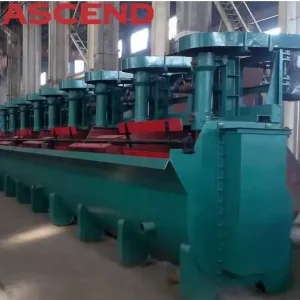
Browse the remainder of our mining machinery line, including mobile jaw plants, gold concentrators, hammer mills, flotation machines, and spare parts.
 Ascend