Explore our high-efficiency engineering equipment designed to maximize recovery rates in modern gold mining and gravity beneficiation operations.
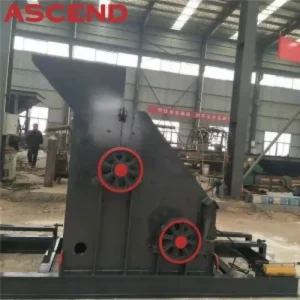
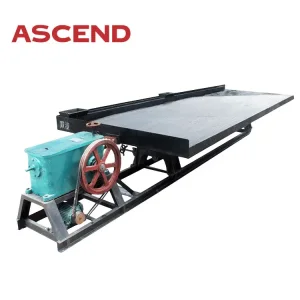
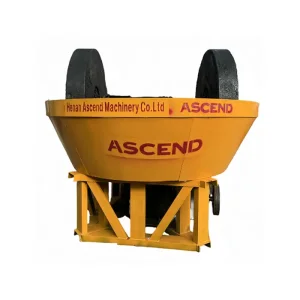
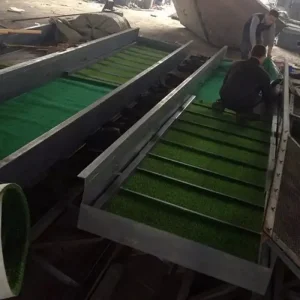
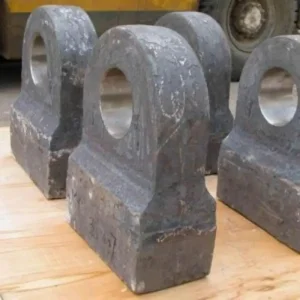
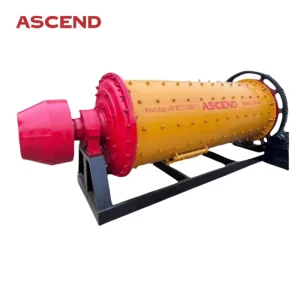
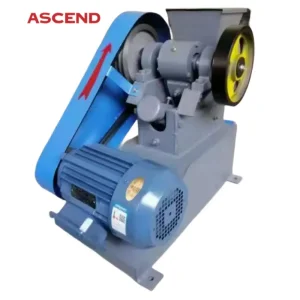
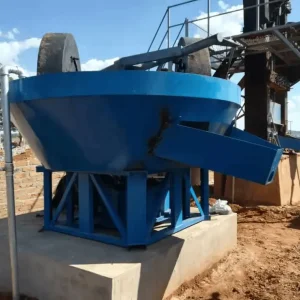
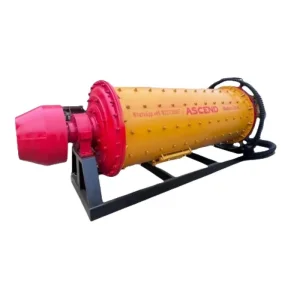
In the global mining sector, comminution—the process of reducing ore size to liberate valuable minerals—represents one of the most capital-intensive and energy-demanding phases. The Gold Ball Mill remains the undisputed workhorse of the milling circuit, responsible for processing raw run-of-mine ore down to the micron ranges required for optimal downstream gravity recovery, flotation, cyanidation, or Carbon-in-Pulp (CIP) processing. As gold grades decline worldwide, the industry requires precise grinding technologies that balance energy input with high-yield recovery metrics. China has consolidated its position as the leading hub for high-performance ball mill manufacturing, combining robust metallurgical engineering with scalable manufacturing capacities.
Over-grinding creates excessive "slimes" which hamper downstream separation, while under-grinding fails to unlock gold grains locked in host sulfide matrices. China's top exporters focus on optimizing the mill's internal parameters—shell dimensions, drive power, liner chemistry, and grinding media composition—to deliver predictable grind curves tailored to specific mineral characteristics.
For international buyers, identifying qualified China Gold Ball Mill exporters requires assessing more than raw production capabilities. It demands evaluating the manufacturer’s design methodology, metallurgical validation, and post-installation support infrastructure. This industrial whitepaper serves as an operational blueprint for procurement officers, plant engineers, and project developers looking to integrate high-efficiency Chinese milling machinery into global processing circuits.
Providing global operations with verified metrics that support sustainable mineral processing operations.
An in-depth look at the engineering parameters defining next-generation ball milling performance.
In gold beneficiation, wet grinding ball mills are generally preferred due to their capability to integrate smoothly with downstream flotation and gravity circuits. The liquid medium prevents particle agglomeration and facilitates the transportation of ultra-fine fractions. Dry grinding systems, however, find application in specialized regions with severe water scarcity or when subsequent processing steps require bone-dry moisture profiles. Modern Chinese manufacturing platforms design optimized overflow and grate-discharge mills to handle both configurations based on custom client requirements.
Navigating the logistics, specifications, and economic variables when purchasing industrial mills.
Procurement departments tasked with acquiring a gold ball mill must look beyond upfront capital expenditure (CAPEX). Total Cost of Ownership (TCO) calculation is critical. High-quality machinery utilizes high-manganese liners, premium alloy steel pinions, and efficient motors. These components reduce structural degradation, lowering long-term operating costs (OPEX) and minimizing downtime. Purchasing from accredited Chinese suppliers allows mines to acquire European-standard equipment at competitive costs, optimizing project economics.
When requesting quotes, operational specifications must be defined. Essential details include the Bond Work Index (BWi) of the target ore, maximum feed size (F80), target discharge product size (P80), and daily milling capacity requirements. Chinese engineers use these metrics to simulate grinding circuits, determining the required mill dimensions (diameter x length) and matching them with appropriate motor ratings.
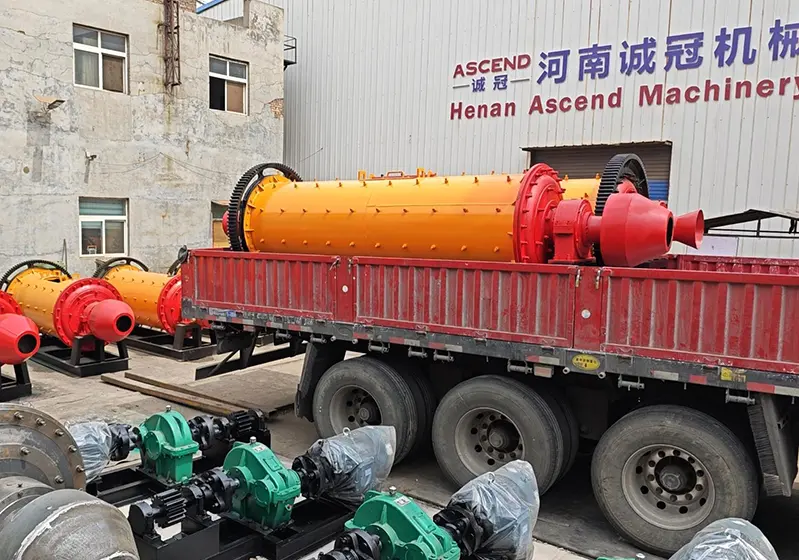
Established in 2005 and headquartered in the high-tech zone of Zhengzhou City, Henan Province, Henan Ascend Machinery & Equipment Co., Ltd. has developed steadily into a leading industrial partner for mine operators worldwide. We focus on research, design, production, and after-sales support for comprehensive crushing, grinding, screening, feeding, and mineral transport machinery.
Whether processing hard stone like granite and gravel, milling fine minerals, or separating precious gold ore, our engineers construct tailored production plants. Having built our own manufacturing facility, we manage assembly quality and guarantee competitive pricing profiles, providing reliable production solutions across international jurisdictions.
Ascend has established a solid track record across 130+ nations. Our machines and support options are highly rated by mining businesses in Africa, Southeast Asia, and beyond.
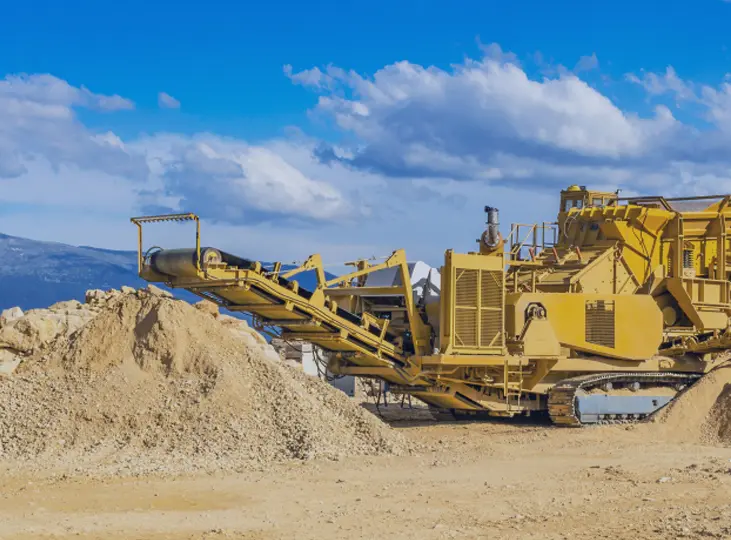
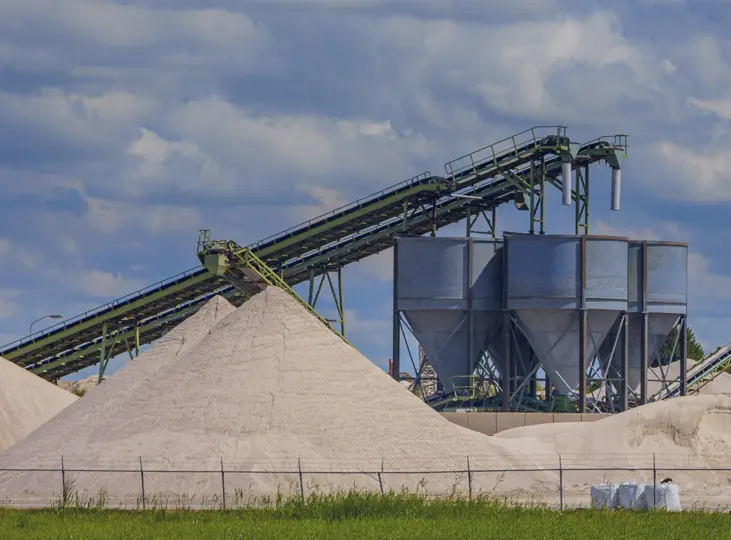
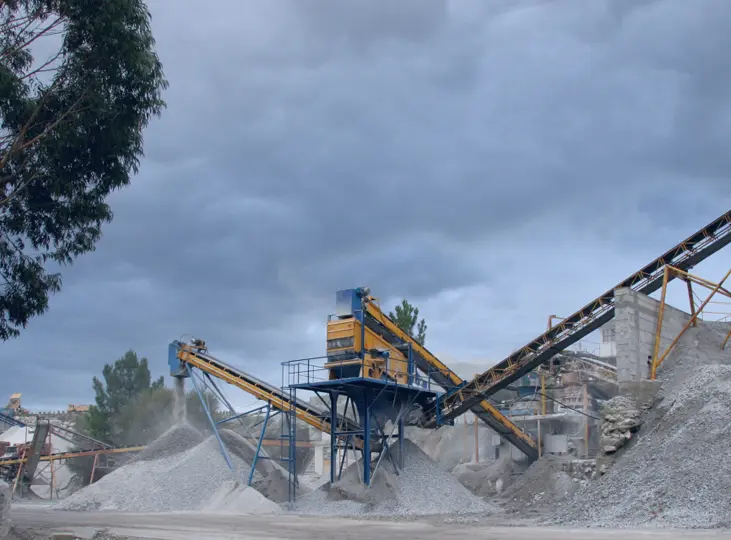
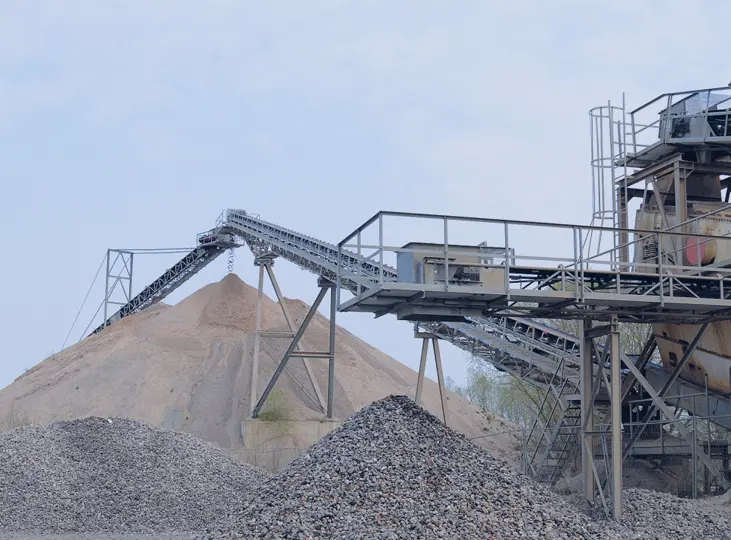
Operational updates showing our machinery operating under demanding mining conditions globally.
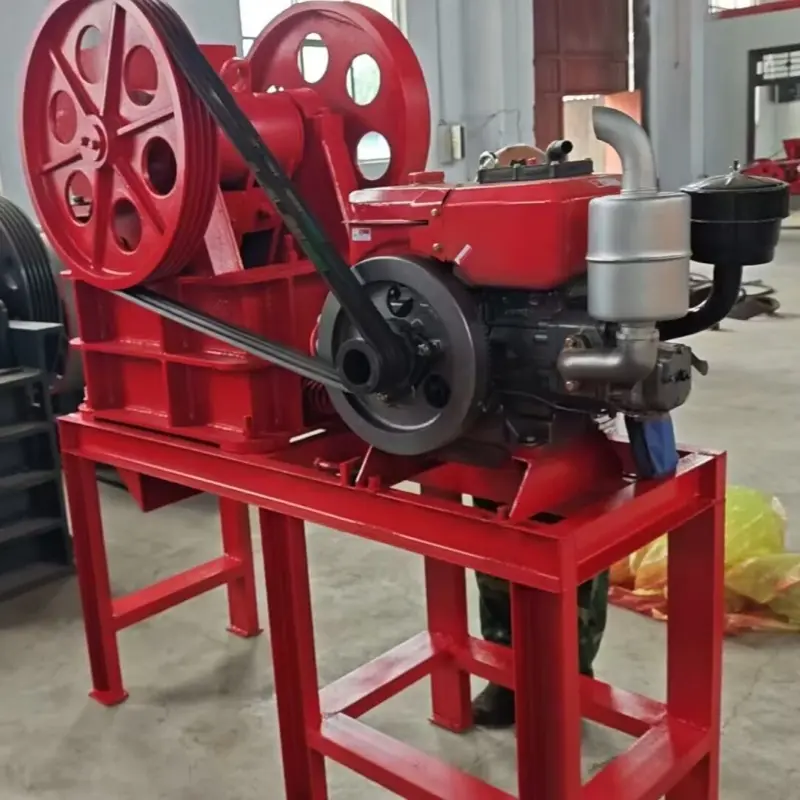
Our global supply chain guarantees delivery to remote mining facilities. Below are recent highlights from our logistical operations:
 Nov 2025
Aug 2025
Jul 2025
Jul 2025
Jul 2025
Nov 2025
Aug 2025
Jul 2025
Jul 2025
Jul 2025
In-depth responses from our technical support team regarding installation, wear parts, and efficiency.
Proper sizing is calculated using the Bond Work Index (BWi) of the target ore, in combination with the required feed size (F80) and target discharge size (P80). Our engineering team applies mathematical models to establish the correct diameter and length of the milling shell, ensuring the motor has sufficient capacity to handle startup and continuous loads without overheating.
For primary crushing where feed sizes are larger, high-manganese steel liners are used for their high impact resistance. In secondary and fine grinding stages, rubber liners or chrome-moly steel alloys are preferred to extend wear life. Liner longevity ranges from 6 to 18 months, depending on ore abrasiveness and the speed of the milling operation.
Yes, we design and build diesel-engine driven ball mills, such as our 900x3000 diesel-powered model. These units are configured with heavy-duty clutches and custom gear ratios, allowing operations in remote regions without access to high-voltage electrical grid infrastructure.
Open-circuit configurations discharge the slurry directly, whereas closed-circuit setups utilize classification equipment (like hydrocyclones or spiral classifiers) to return oversized particles for re-grinding. Closed-circuit operation prevents over-grinding, controls product sizing, and reduces energy consumption per processed ton.
We use high-grade alloy steel pinions that undergo precise heat treatment to improve tooth surface hardness. In addition, our systems include automated, pressure-monitored spray lubrication units that maintain a consistent oil film across the girth gear and pinion mesh, preventing direct metal-on-metal wear.
We work with specialized industrial freight forwarders to manage shipping for large-diameter mill components. Using specialized flat-rack containers and breakbulk transport, we coordinate sea transit, custom clearance documentation, and inland transport to deliver machinery directly to mining operations.
Complete your milling circuit with our engineered separators, centrifugal concentrators, and secondary crushers.
 Ascend