Premium Ore Comminution, High Recovery Rates, and Strategic Gravity Separation Solutions for Global Mining Operations
Explore our highly integrated equipment series engineered for maximum recovery, high durability, and ultimate cost efficiency.
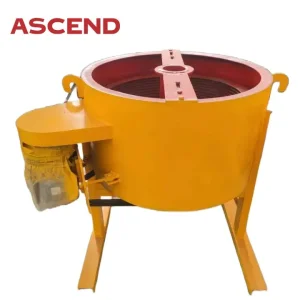
In the global gold and mineral processing sectors, comminution is critical to mineral liberation. The selection of milling technologies defines the operational success and capital expenditures of modern gold extraction. As high-grade ore bodies diminish globally, operators face the challenge of extracting values from lower-grade vein systems. This requires high recovery rates at low operating costs. Under these conditions, the 1600 Wet Pan Mill has evolved from basic gravity separation gear to a highly engineered grinding machine. It bridges the gap between primary crushing and concentrate cleaning.
Information Gain Insight: While traditional metallurgy relies heavily on ball mills for fine grinding, modern mineralogical mapping indicates that over-grinding (producing excessive slimes below 20 microns) often results in severe losses on gravity tables and flotation cells. The 1600 Wet Pan Mill uses a continuous rolling-compression mechanism. This provides precise size reduction that preserves liberated coarse gold flakes, preventing excessive particle disintegration and improving gravity circuit recovery rates by up to 15%.
Industrial mining procurement has shifted from focusing purely on capital expenditure to prioritizing the total cost of ownership (TCO) and environmental sustainability. Across Africa, Latin America, and Southeast Asia, small-to-medium enterprises (SMEs) and artisanal scale miners (ASM) are moving away from chemical-heavy leaching circuits toward gravity-dominated flowsheets. Strict regulations on mercury usage demand grinding equipment that can liberate gold without requiring chemical inputs during the milling stage.
In response, international buyers require mills with thicker wear plates, higher-grade alloy casting, and low electrical power draw per ton. The 1600 Wet Pan Mill is a preferred choice in these markets. By using two heavy manganese rollers running over a cast-iron basin, it delivers three operations in a single step: mixing, grinding, and continuous gravity-based classification. This eliminates the need for expensive cyclone classifiers and high-pressure slurry pumping networks, reducing initial equipment costs for new operations.
Located in the Henan industrial hub, China's modern heavy machinery factories have transitioned from manual fabrication to Industry 4.0 standards. Advanced manufacturing starts with raw material selection. Heavy-duty 1600 wet pan mills use alloyed castings, featuring roller tires and die rings cast from high-chromium and manganese steel alloys. Automated tempering processes produce a hardened surface layer that resists abrasive wear from hard quartz ores while retaining a core tough enough to absorb mechanical shocks without fracturing.
Modern production facilities use robotic welding cells, CNC machining stations, and automated dynamic balancing platforms for the main vertical shafts and rotating brackets. This precision prevents offset wear on gear assemblies, reducing drive failures. Henan Ascend Machinery's supply chain integration enables global delivery of spare parts (such as replacement rollers, gears, and pan plates) to remote locations in Africa and South America. This minimizes unplanned downtime and helps keep operations on schedule.
Operating a wet pan mill requires adjusting parameters based on the local geology. In the goldfields of East Africa (e.g., Tanzania and Sudan), ores are often composed of highly weathered saprolite and ferruginous quartz. These clay-heavy materials can cause ball mills to experience "ball coating," which cushions impacts and reduces grinding efficiency. The 1600 Wet Pan Mill uses heavy rollers that apply constant pressure to break up sticky clays, releasing fine gold particles without clogging the grinding media.
In hard rock mines, such as those found in mining districts of Colombia and Peru, the mill acts as a secondary grinder downstream of a jaw crusher. Water flow rates are adjusted to match the target liberation size. High flow rates allow fine particles to overflow the discharge screens quickly, while heavy, unliberated gold particles remain in the grinding path. This design creates a closed-loop system that prevents over-grinding, helping to optimize downstream gravity concentration processes.
Ascend has developed steadily since its establishment. Our business covers more than 130 countries and regions around the world, especially in Africa and Southeast Asia. Ascend machine quality and after-sales service have won widespread praise from international customers.
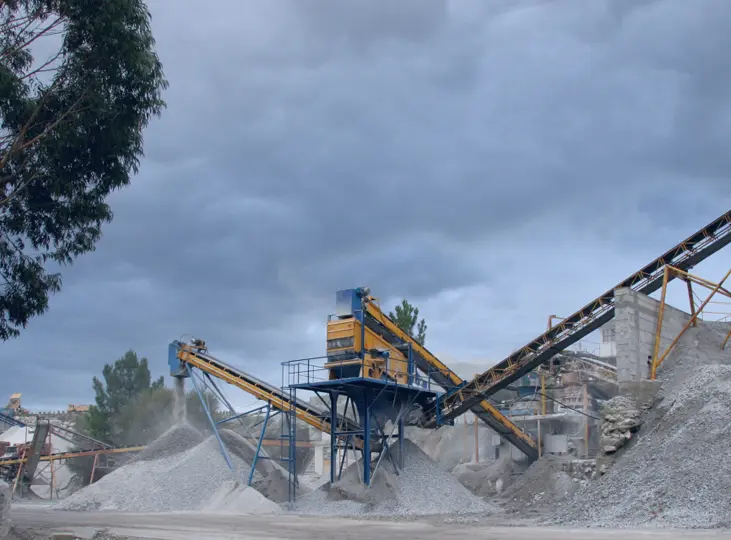
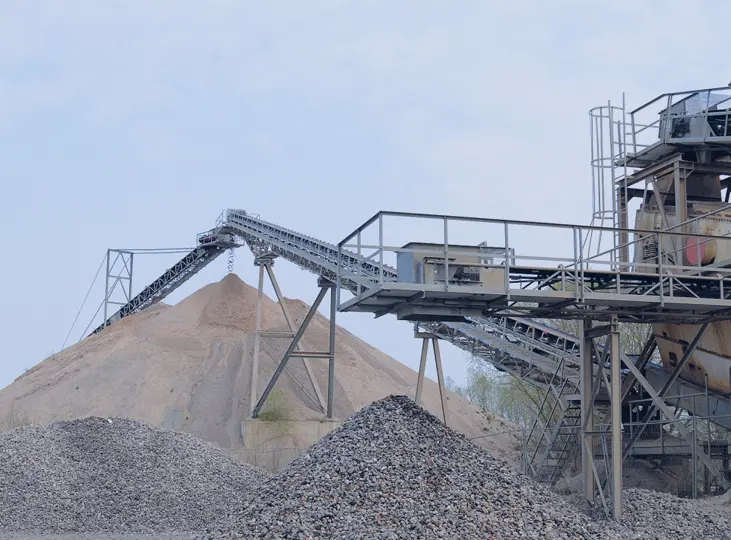
Explore our specialized industrial solutions designed for heavy aggregate production, mineral processing, and ore reduction.
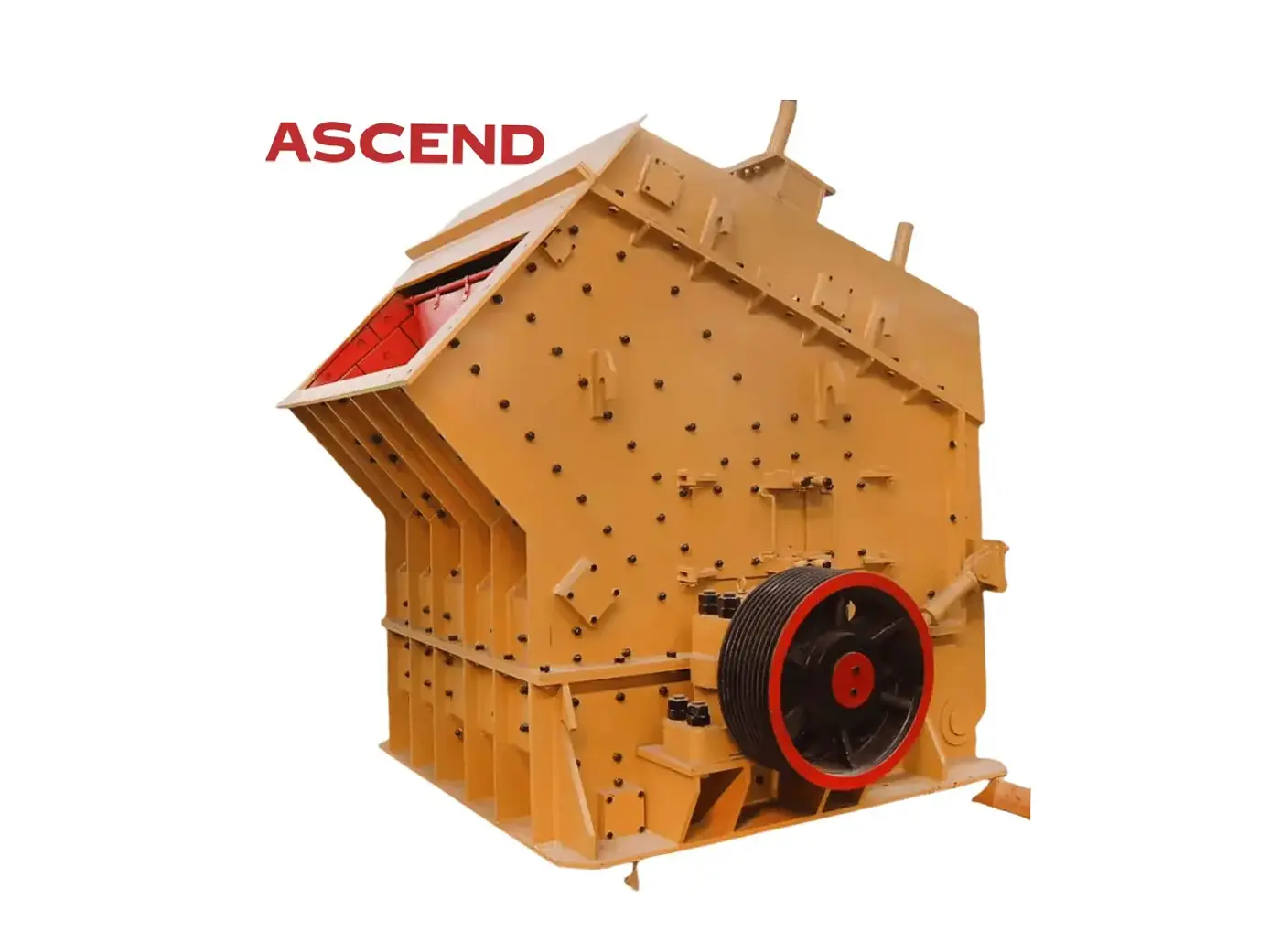
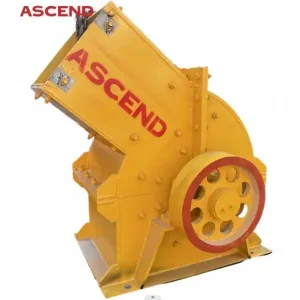
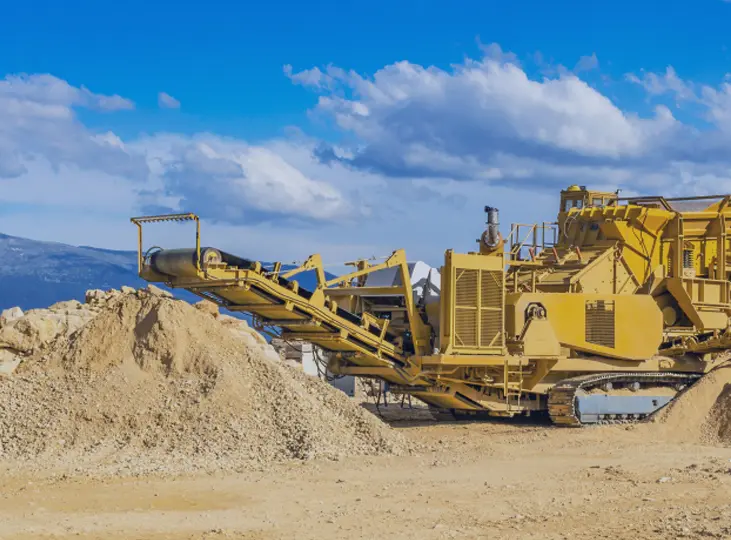
Impact crusher is a kind of secondary crushing equipment which uses impact power to crush materials. Impact crusher is characterized by easy maintenance, high reduction ratios and high efficiency to produce precisely cubic shape products. It is designed with three crushing chambers, seamlessly connected rotor, wear-resistant blow bar and installation of insert type. Moreover, it has tooth type liner, gradient designed bearing seat, frame with several openings and screws or hydraulic start-up devices. Impact crushers can be used in all different stages of size reduction from primary crushing to the last step of the crushing process.
Read MoreProven reliability and performance on site. Discover our international mining projects implemented across complex geological environments.
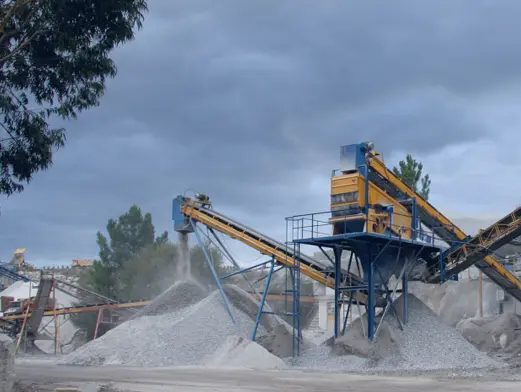
Keep up with Henan Ascend's latest shipments, site commissions, and new equipment launches around the globe.
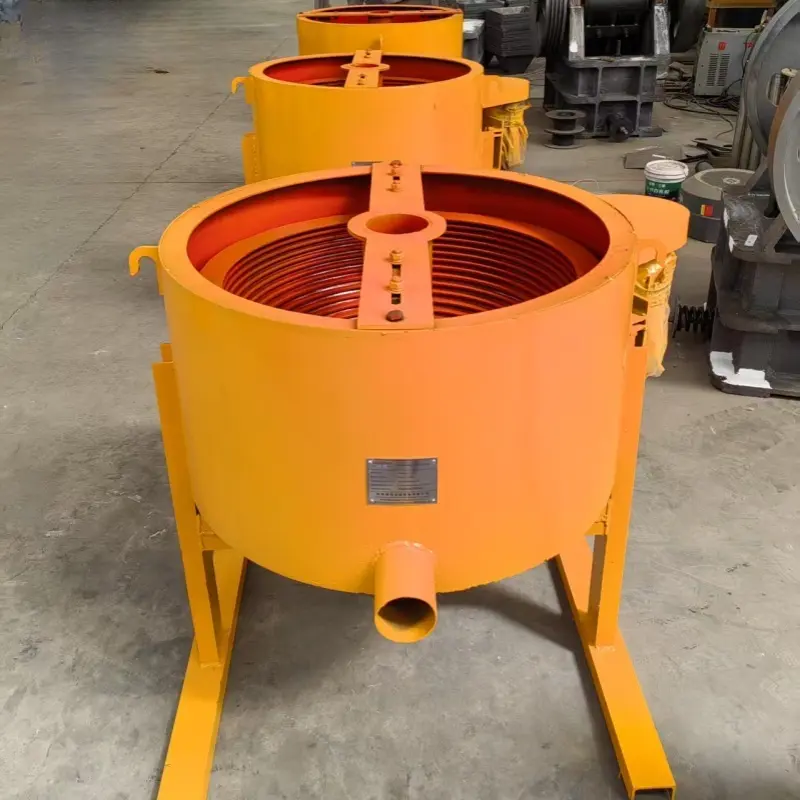 News
News
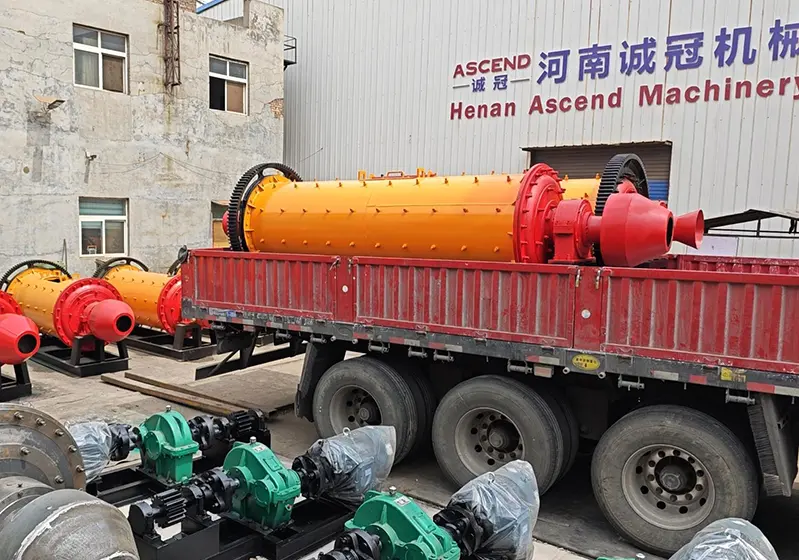
Henan Ascend Machinery & Equipment Co.,Ltd. was established in 2005 and is located in the high-tech zone of Zhengzhou City, Henan Province. Ascend is mainly engaged in the research and development, manufacturing, sales and after-sales service of complete sets of crushing, grinding, screening, feeding and conveying heavy mining machinery. If you need to crush limestone, granite, gravel or other stone, or grinding them into powder, or extract gold, please feel free to contact us. Just tell us your needs and our engineers can provide you with professional advice. And we have our own factory, the quality of the machine is guaranteed, the price is more advantageous. We believe that we will be your good choice.
Learn More About UsFind technical insights and professional answers regarding 1600 wet pan mills and ore processing optimization.
Explore our comprehensive range of processing and crushing equipment designed to support your operations from primary reduction to final concentration.
 Ascend