In the rapidly transforming industrial landscape of India, modern infrastructure expansion, mineral extraction, and aggregates classification demand unparalleled technological precision. Efficient screening stands as the foundational operation in mineral beneficiation and aggregate preparation. Every production stage, from high-capacity primary stone crushing to the processing of high-purity industrial sands, relies heavily on the performance, capacity, and longevity of the vibrating screen machine. This whitepaper analyzes the mechanical, geological, and economic facets of industrial screening solutions, tailored specifically to the subcontinent's high-demand projects.
Engineered for high-volume extraction and classification within major Indian mining zones
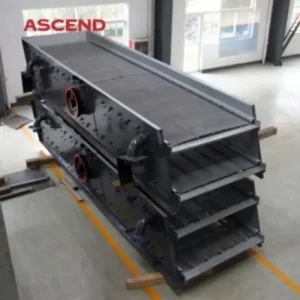
Designed with high-amplitude eccentric exciters to handle coarse iron ore, granite aggregates, and high-silica stone sizing with maximum throughput.
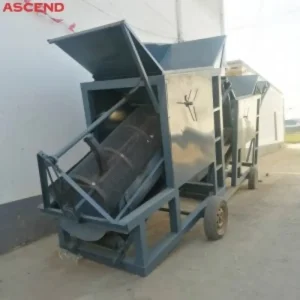
Perfect for classifying clay-heavy minerals, sand washing, and sorting wet alluvial ores typical in the coastal regions of Gujarat and Odisha.
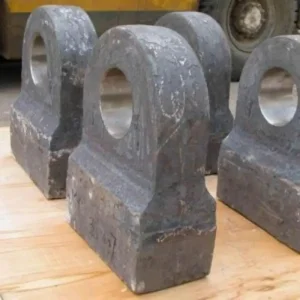
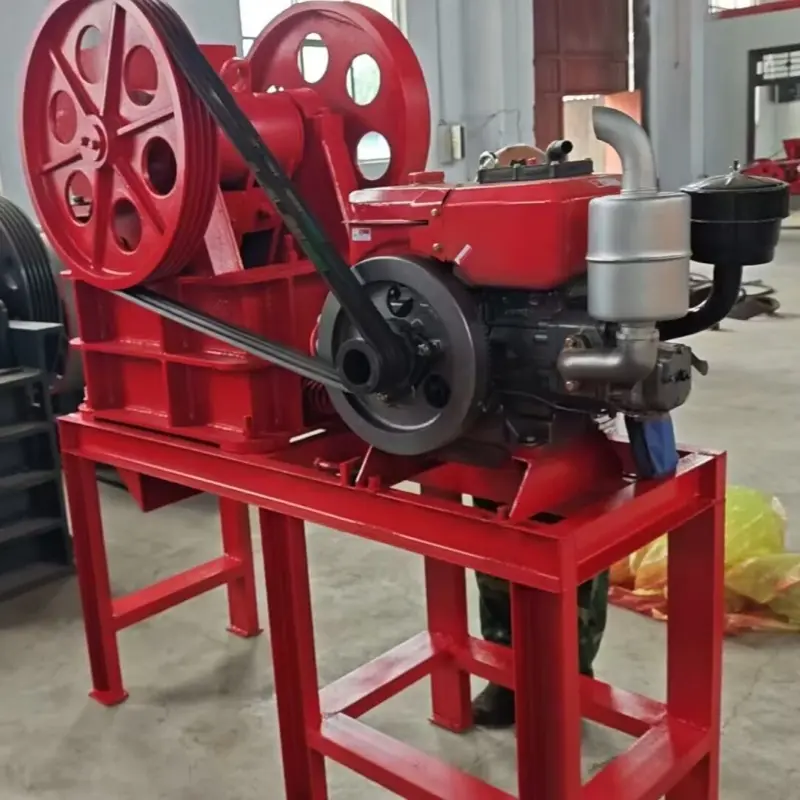
Forged from high-manganese and high-chrome alloys, engineered to withstand abrasive Indian stones, basalt, and coal crushing applications.
High-capacity scrubbing drums featuring modular screen panels, optimal for silica sand, river gravel, and gold-bearing alluvial sand screening.
India is currently experiencing an unprecedented industrial expansion. Backed by government infrastructure policies such as the PM Gati Shakti National Master Plan, the Bharatmala Pariyojana, and extensive railway corridor developments, the consumption of high-grade construction aggregates, iron ore, and cement has reached an all-time high. Consequently, mineral classification machinery has evolved from basic auxiliary components to core production bottlenecks.
The geological diversity of the Indian subcontinent places unique physical demands on material processing machinery. The iron ore belts of Odisha, Jharkhand, and Chhattisgarh feature highly abrasive hematite with variable moisture profiles, which frequently lead to material blinding in conventional screening systems. Conversely, aggregate quarries in the Deccan Trap basalt zones of Maharashtra demand components with extreme structural strength and superior dampening capabilities to absorb high impact loads.
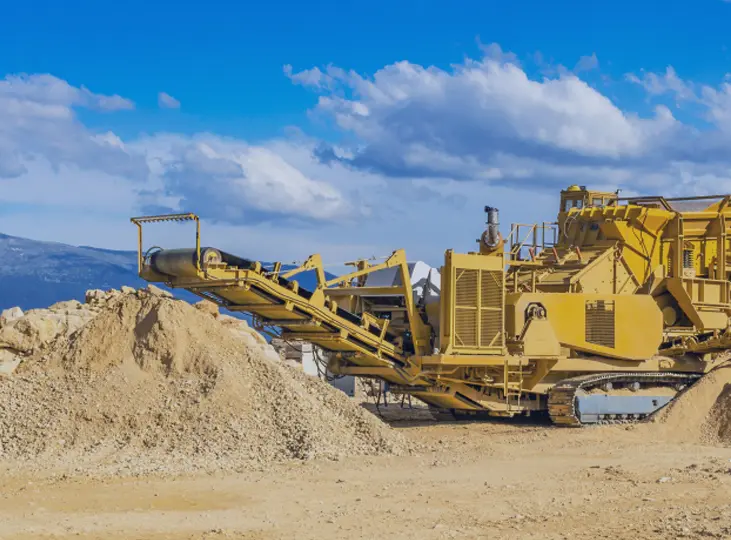
To optimize mineral processing plants, mechanical engineers must align the physical properties of the feed material with the dynamics of the vibrating screen. The selection process depends heavily on particle size distribution, moisture percentage, feed rate, and density.
Circular vibrating screens operate on an elliptical/circular trajectory powered by a single eccentric shaft with unbalanced counterweights. The circular motion lifts the particles vertically at a sharp angle, promoting rapid stratification. This separation method allows fine particles to quickly pass through the mesh, making it highly effective for dry quarry aggregate screening and coarse ore grading.
Linear screens utilize dual synchronous exciter motors rotating in opposite directions. The resulting centrifugal forces cancel each other horizontally while combining vertically, creating a linear throw. This directional movement transports materials horizontally, making linear screens ideal for dewatering, desliming, and precise sizing of fine-grained industrial sands.
Trommel screen machines utilize a rotating cylindrical drum configured with customizable internal screen plates. As material tumbles inside the inclined rotating drum, smaller particles fall through the openings while oversized materials discharge at the far end. Trommels are highly efficient for washing sticky ores, coal separation, and municipal waste treatment.
Due to the high seasonal rainfall (monsoon) in regions like Kerala, West Bengal, and Assam, open-air screening plants often experience heavy "pegging" (moisture-bound fines clogging the screen deck). Ascend's circular screens can be configured with anti-blinding polyurethane modular decks and dynamic spray bars. These additions convert a standard dry screen into a high-capacity wet washing module, maintaining processing rates even in adverse conditions.
Expanding processing capabilities beyond basic classification for high-grade mineral recovery
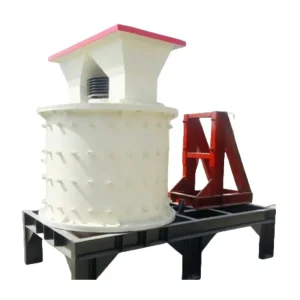
A high-ratio fine crushing machine designed to produce artificial sand (M-Sand) from tough aggregates like granite and basalt.
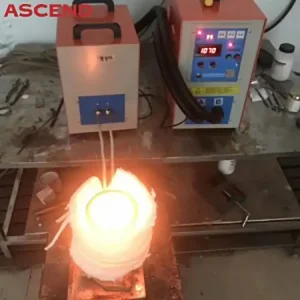
An advanced, high-temperature thermal furnace designed for melting and refining gold, silver, and copper concentrate with minimal energy loss.
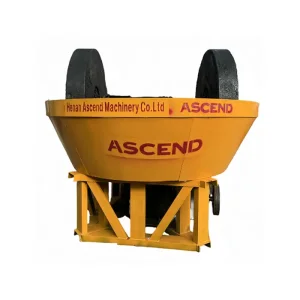
Heavy-duty 1100 and 1200 model wet pan mills designed to crush gold-bearing quartz and separate concentrates efficiently.
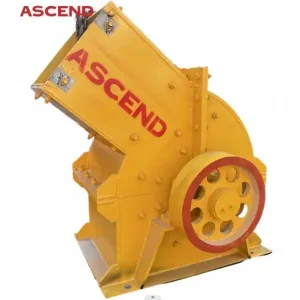
High-speed rotary hammer mill engineered to crush brittle materials, such as coal, gypsum, limestone, and agricultural materials.
When selecting a vibrating screen machine, buyers must look beyond the initial purchase price and evaluate total cost of ownership. Calculating return on investment (ROI) requires balancing purchase cost with runtime efficiency, maintenance frequency, and wear life.
| Screen Type | Typical Throughput (TPH) | Relative Maintenance Cost | Primary Media Types | Target Applications |
|---|---|---|---|---|
| Circular Vibrating | 50 - 650 TPH | Low to Moderate | Steel Mesh / Polyurethane | Hard Rock, Iron Ore, Basalt |
| Linear Vibrating | 20 - 300 TPH | Low | Polyurethane / Wedge Wire | Fine Sand, Coal Dewatering |
| Rotary Trommel | 10 - 250 TPH | Moderate | Perforated Steel Plate | Clay Washing, Alluvial Sifting |
In the Indian screening market, operational efficiency hinges on three variables:
Real-world applications of Ascend crushing and screening plants across demanding global and local environments
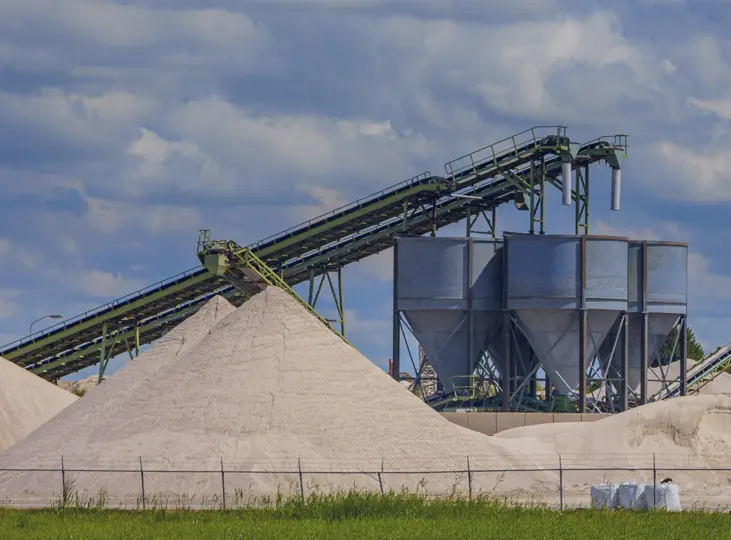
An iron ore wash plant in Keonjhar, Odisha required a screening solution to replace a worn deck that suffered from frequent blinding. Ascend supplied a custom-engineered 3YA2160 multi-deck Circular Vibrating Screen, incorporating high-amplitude eccentric exciters and polyurethane screen plates.
Due to environmental regulations on riverbed sand mining in India, quarry operators in Tamil Nadu have transitioned to manufactured sand production. Fine grading of granite and basalt aggregates requires precise screening configurations to remove unwanted superfines under 75 microns.
Ascend integrated high-frequency linear dewatering screens with wet classification systems, ensuring final product compliance with the strict grading limits of IS 383 (Indian Standard for aggregates).
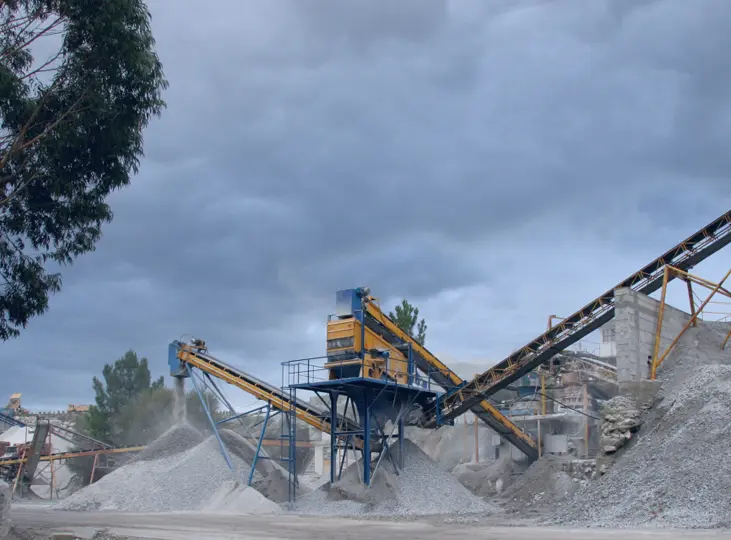
High-capacity machinery for crushing, fine grinding, and gravity concentration
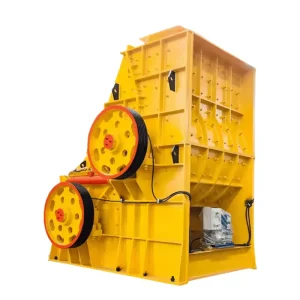
No screen-grate bottom design ensures clog-free operation when processing high-moisture clays, shales, and coal.
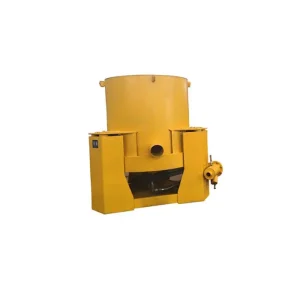
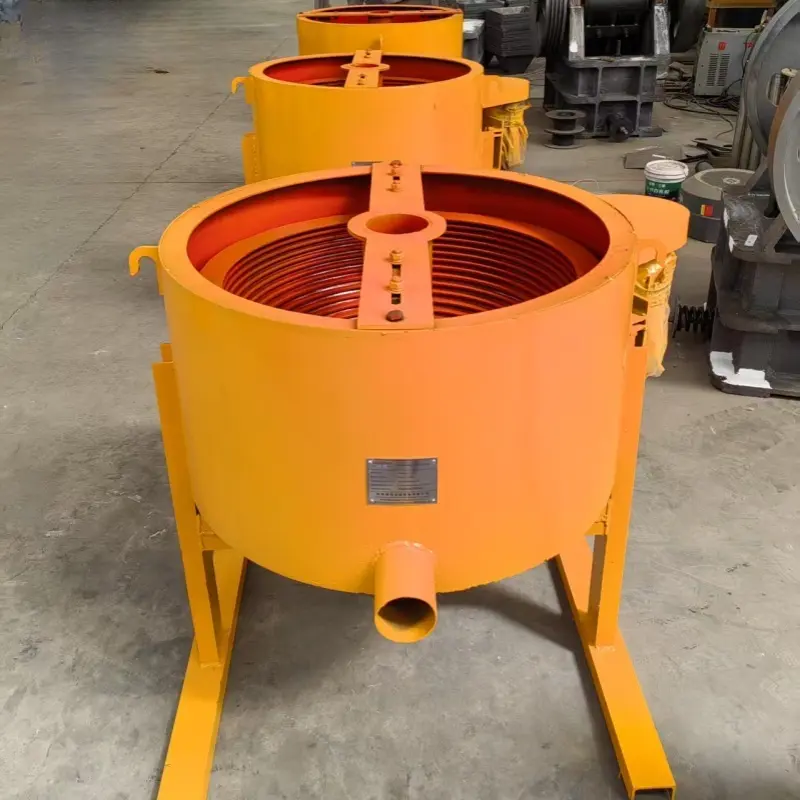
Utilizes high-G centrifugal force to recover fine, free gold particles from ore slurries without chemical leaching.
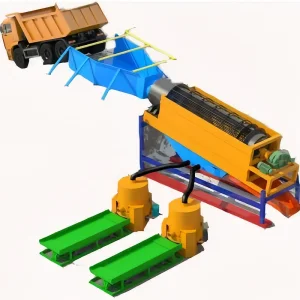
A complete mobile processing unit featuring a wet washing trommel, sluice boxes, and integrated diesel generators.
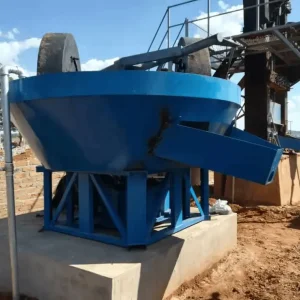
Features heavy, cast-iron rollers designed to grind ore feed down to ultra-fine sizes, optimizing gold recovery rates.
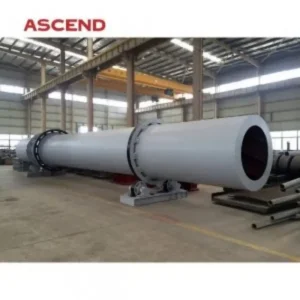
Designed to dry wet sands, slag, fly ash, and minerals, utilizing optimized flight configurations to maximize heat transfer.
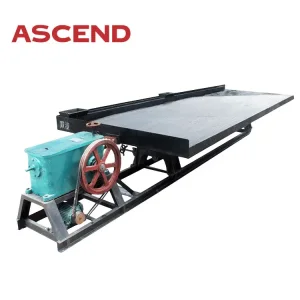
Designed for fine mineral processing, utilizing a reciprocating deck to separate minerals based on density differences.
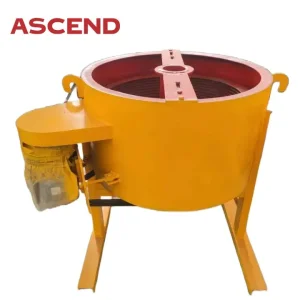
A compact, high-efficiency centrifugal concentrator designed for recovery of fine gold from placer and alluvial ores.
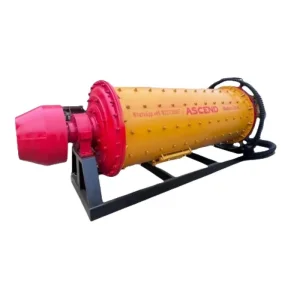
Engineered for remote sites lacking electrical infrastructure, this diesel-driven mill is ideal for grinding quartz, gold, and limestone.
Established in 2005, Henan Ascend Machinery & Equipment Co., Ltd. is based in the high-tech zone of Zhengzhou City, Henan Province. For nearly two decades, Ascend has specialized in the research, development, manufacture, and servicing of complete crushing, grinding, screening, feeding, and conveying systems.
Ascend has established global partnerships across more than 130 countries, with a strong presence in Africa, Central Asia, and Southeast Asia. Our machinery, manufacturing quality, and dedicated after-sales service have earned widespread praise from international mining firms and infrastructure contractors. Whether processing limestone, granite, gravel, or gold ores, Ascend engineers configure customized systems to achieve production targets.
By managing our own manufacturing facility, Ascend ensures quality control and competitive pricing. We provide comprehensive mechanical warrantees, parts supply, and site support to maintain plant uptime.
The industrial separation sector is transitioning from mechanical operation to intelligent, adaptive processing. Our research and development focuses on three primary fields:
By mounting tri-axial accelerometers and thermal sensors directly to the side plates of vibrating screen machines, operators can monitor vibration amplitude, frequency, and bearing temperature in real-time. This dynamic telemetry identifies mechanical anomalies, preventing bearing failure and structural fractures.
Future vibrators will feature automated, real-time counterweight adjustments. By analyzing feed moisture and belt weight scale data, internal controllers adjust exciter force to optimize material speed and thickness. This maintains consistent screening efficiency across varying geological deposits.
Developing composite polyurethane formulations embedded with ceramic wear tiles provides a balance between high open area and abrasion resistance. These composite panels withstand the high-impact stress of large aggregate screening while maintaining a service life that matches or exceeds traditional cast irons.
As Indian quarries and mining operations scale to meet international demands, integrating these smart technologies will help lower operating costs and ensure consistent product quality.
Common operational questions answered by Ascend's technical engineering department
Contact Henan Ascend's technical engineering team today. We provide free aggregate test sizing, screen sizing calculations, and itemized quotations tailored to your operational specifications.
 Ascend