Featured field-proven plants optimized for high-recovery alluvial extraction and hard-rock grinding circuits.
The South African gold mining landscape represents one of the most historically significant yet geologically challenging mining environments globally. From the deep-level quartzites of the Witwatersrand Basin to the complex greenstone belts of Barberton, extracting gold profitably requires an advanced understanding of mineralogy, metallurgy, and heavy machine engineering. As manufacturers of customized gold processing plants, Ascend delivers engineered-to-order solutions designed to maximize recovery rates, lower energy footprint, and stand up to the rigorous abrasive conditions of South African gold ore body types.
Information Gain Indicator: Standard mineral processing plants often suffer from high wear rates and processing bottlenecks when treating South Africa's deep-mine ores due to high concentrations of pyritic sulfur and abrasive quartz. Our localized systems incorporate advanced pre-milling classification and gravity concentration matrices to reduce overall grinding costs by up to 22%.
Mining in South Africa has entered a mature phase where simple extraction routes are no longer sufficient. Operators face two primary geological realities: super-deep underground deposits containing highly consolidated quartz-pebble conglomerates, and extensive tailing storage facilities (TSFs) requiring reclamation. Furthermore, junior miners and artisanal cooperatives working around the Barberton and Giyani greenstone belts require modular, highly efficient systems to bypass chemical leaching (cyanidation) where environmental permits are tightly controlled.
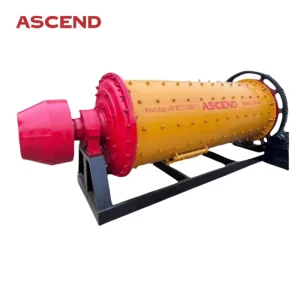
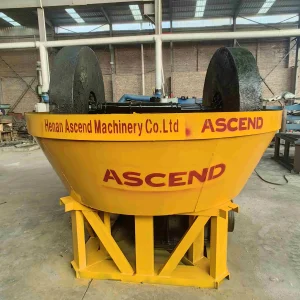
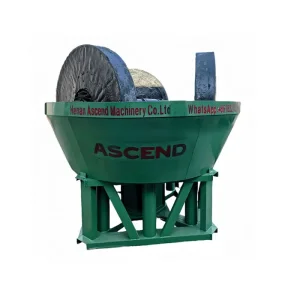
The silica content in South African Witwatersrand ores exceeds 80% in many reefs, causing massive wear on crushers, impact plates, and grinding liners. Standard manganese steel components degrade rapidly under these conditions. Ascend addresses this problem by integrating premium chromium alloy components and heavy-duty, direct-drive ball mills. Our gold wet pan mills and grinding systems use thick, water-cooled rollers to prevent thermal stress and wear fatigue during continuous wet-milling protocols.
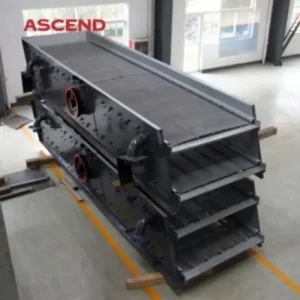
With millions of tons of historical gold tailings across the Witwatersrand, tailing reclamation projects are surging. However, the gold trapped in these tailings is extremely fine (often under 20 microns) and locked within pyrite matrices. Processing these feeds requires specialized hydrocyclone classification and ultra-fine gravity separation equipment, such as centrifugal concentrators and high-frequency circular vibrating screens, to separate gravity-recoverable gold (GRG) before chemical recovery.
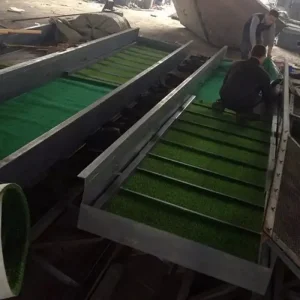
Optimum recovery for placer and free-milling ores using high-G centrifugal force and specialized sluice riffle designs.
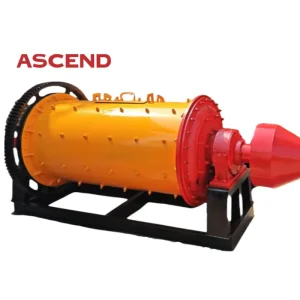
High-efficiency ball mills and wet pan mills that minimize kW/t consumption under high-bond work index configurations.
No two gold deposits are identical, which is why Ascend rejects the "one-size-fits-all" approach. Our engineering division works closely with metallurgical laboratories to map out the ideal mineral processing route before proposing equipment. The typical gold recovery process flowsheet we implement in South Africa is structured through three principal stages:
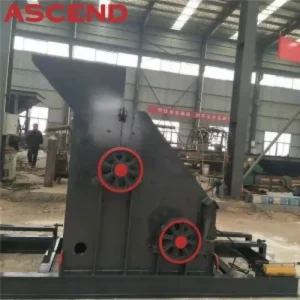
The primary objective is liberating the gold particles from the waste rock. Our primary diesel jaw crushers reduce run-of-mine (ROM) ore to manageable sizes, followed by secondary impact crushers or double-stage hammer mills. The crushed product is then fed into our overflow or grate-discharge ball mills, reducing the particle size to typically 75% passing 74 microns (200 mesh), depending on the gold liberation analysis.
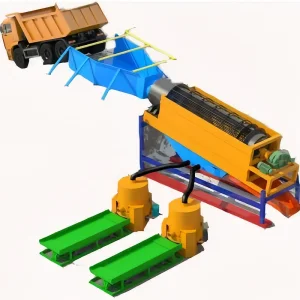
For ores with coarse, free-milling gold, gravity recovery is the most cost-effective technique. By running the cyclone underflow through our high-capacity centrifugal gold concentrators and shaking tables, operators can immediately extract up to 50-70% of the gold in a high-grade concentrate, skipping expensive downstream leaching processes. Our portable alluvial gold washing plants integrate trommel screens and high-recovery sluice boxes, ideal for rapid-deployment placer projects along South African river basins.
When dealing with refractory gold (where gold is encapsulated within sulfides like pyrite or arsenopyrite), we configure specialized froth flotation plants. Our ball mills grind the mineral to an ultra-fine state, facilitating maximum contact between the sulfide particles and flotation reagents. The resulting gold-bearing sulfide concentrate can then be processed via intensive cyanidation or shipped to centralized smelting facilities.
Ascend has developed steadily since its establishment. Our mining machinery and metallurgical systems operate in over 130 countries and regions, featuring field-proven performance in the challenging terrains of South Africa, Zambia, Sudan, and Papua New Guinea.
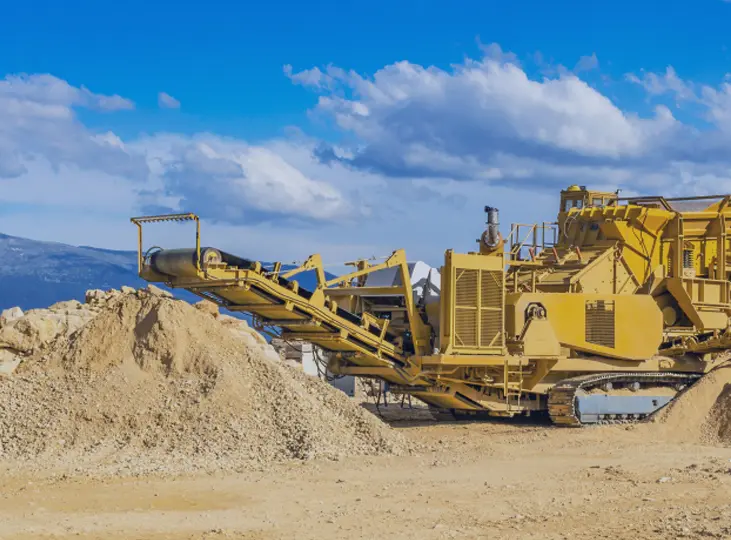
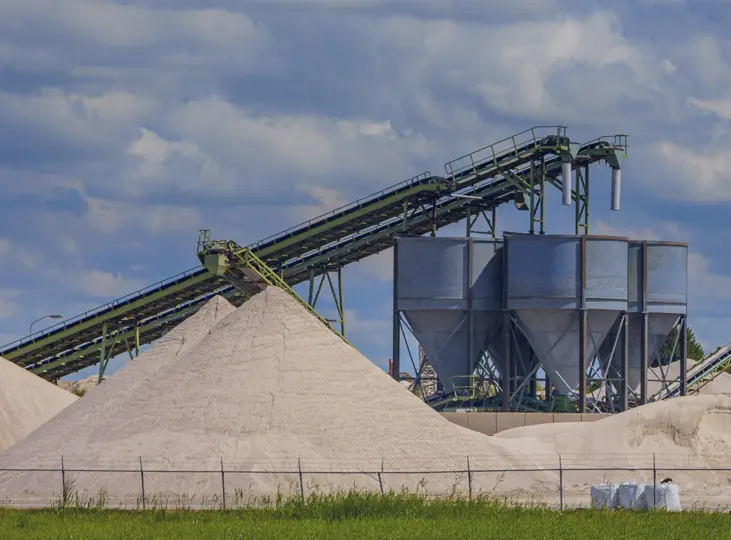
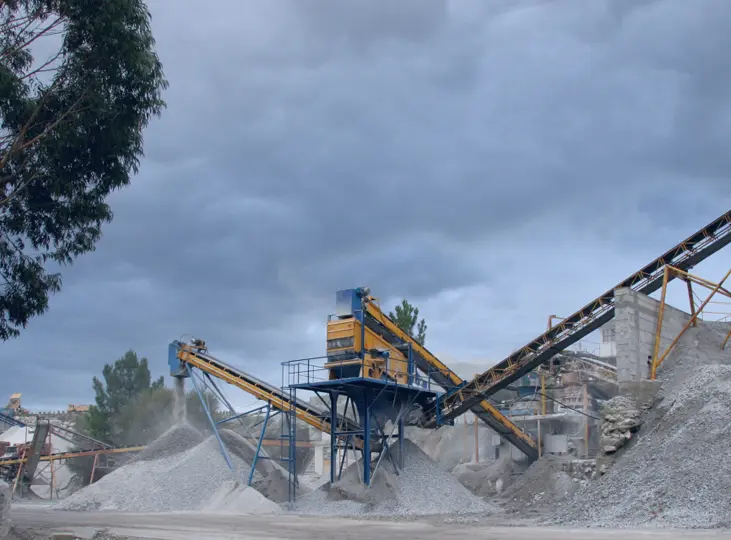
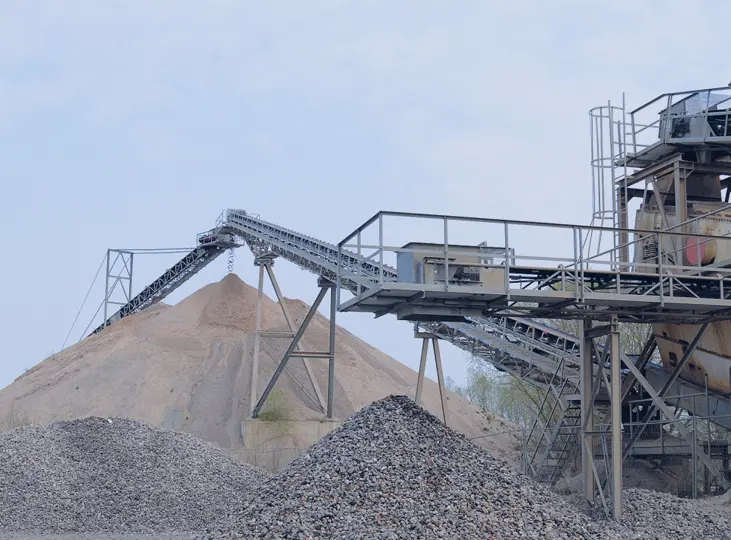
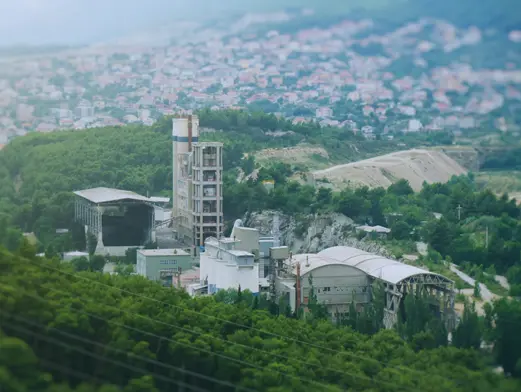
Custom configured alluvial washing system deployed for high-clay gravel processing in goldfields.
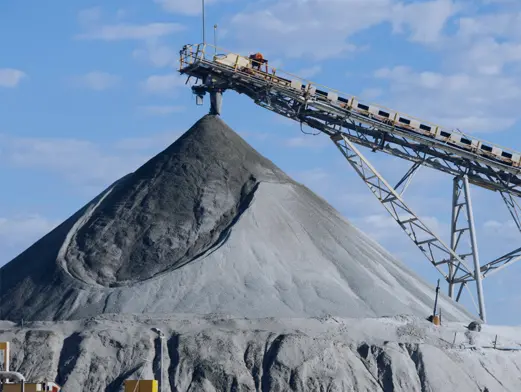
Complete comminution line utilizing heavy-duty jaw and impact crushers for abrasive quartzite gold ore.
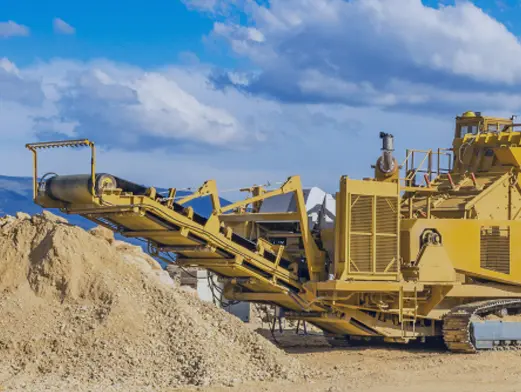
Integrated ball milling and centrifugal concentration circuit achieving high recovery rates without chemical additives.
South Africa’s mining regulatory framework is governed by the Department of Mineral Resources and Energy (DMRE) and guided strictly by the Mine Health and Safety Act (MHSA). Any plant entering the South African market must satisfy stringent design criteria, particularly regarding noise control, dust suppression, electrical certifications (SANS/IEC standards), and environmental impact mitigation.
Water scarcity is a critical limiting factor for mining operations in South Africa. Our gold processing plants are engineered with thickeners and filter presses to recycle up to 90% of processing water. This closed-loop design ensures that mining operations comply with the Department of Water and Sanitation (DWS) regulations and avoid costly waste-water discharge fines.
In response to international efforts to phase out mercury under the Minamata Convention, Ascend designs gravity-only processing lines. For larger operations using cyanidation, we build custom carbon safety circuits, automated cyanide detoxification systems, and robust tailing management solutions to meet the International Cyanide Management Code (ICMC) guidelines.
When purchasing a gold processing plant, global mining groups evaluate beyond the initial capital expenditure (CAPEX). Operating expenses (OPEX)—including power usage, liner wear rates, maintenance downtime, and reagent consumption—comprise over 70% of a plant's lifetime cost. Our heavy engineering focuses on lowering TCO through:
Countries Deployed
Manufacturing Experience
Average Gold Recovery Rate
Remote Engineering Support
Keep up with Ascend's global deployments, technical advancements, and heavy mining machinery innovations.
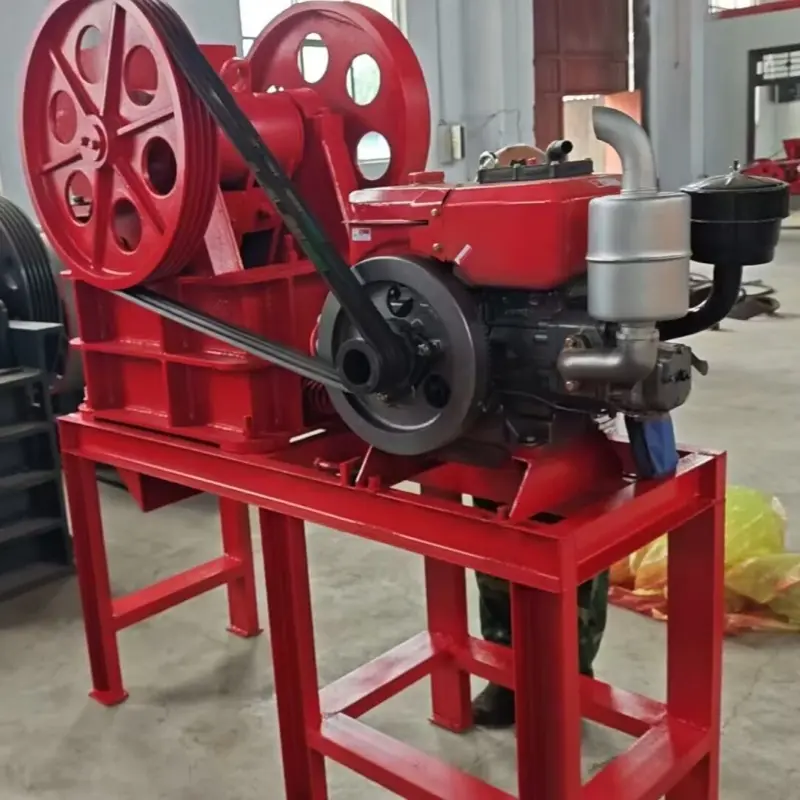
Supporting remote gold mining operations with heavy-duty diesel engine primary crushers designed for rugged environments.
Expanding local gravity separation efficiency for artisanal mining cooperatives in Central Africa.
Gravity separation tables engineered for high-precision separation of fine gold concentrates.
Off-grid energy-efficient grinding mills optimized for remote hard-rock operations.
Highly maneuverable mobile crushing plants designed for multi-site exploration and trial mining.
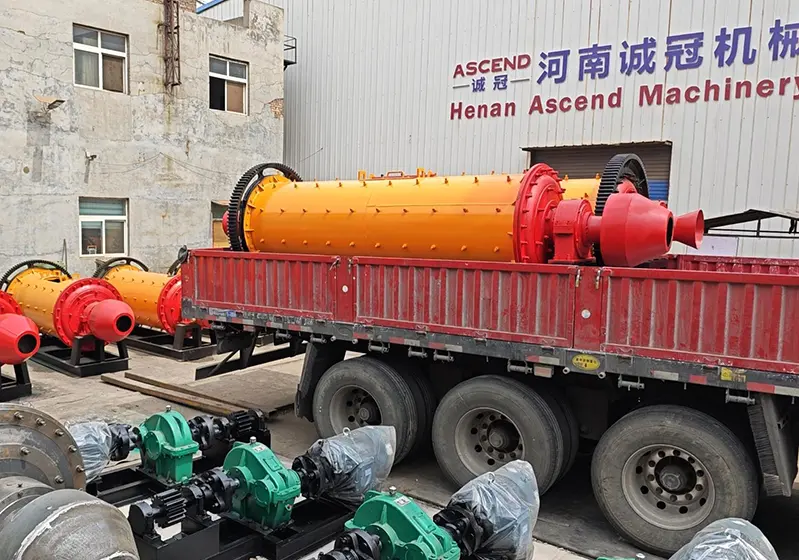
Henan Ascend Machinery & Equipment Co.,Ltd. was established in 2005 and is located in the high-tech zone of Zhengzhou City, Henan Province. For over two decades, Ascend has been dedicated to the research, development, manufacturing, sales, and after-sales service of complete sets of crushing, grinding, screening, feeding, and conveying heavy mining machinery.
If you need to crush limestone, granite, gravel, or other hard stones, grind them into fine powder, or extract gold from complex alluvial and rock ores, our experienced engineering team is ready to provide customized equipment and tailored metallurgical flowsheets. With our state-of-the-art manufacturing facilities, product quality is strictly controlled, and we offer direct-from-factory pricing that ensures a competitive advantage for your mining operations.
Expert answers addressing the primary technical, operational, and regulatory inquiries regarding gold processing plants in South Africa.
Our plants typically achieve a gold recovery rate between 85% and 98%, depending on the mineralogy of the ore. For free-milling, coarse gold processed through our gravity concentration circuits (centrifugal concentrators and shaking tables), recovery rates easily exceed 90%. For refractory ores containing fine gold locked in sulfide minerals, we integrate flotation and fine-grinding ball mills to optimize recovery.
We configure our equipment with high-chromium alloy and manganese steel casting components. Our jaw crushers, impact crushers, and wet pan mills use heavy-duty wear-resistant liners designed to withstand silica content exceeding 80%. This specialized metallurgy reduces liner replacement cycles, minimizes downtime, and lowers the operating cost per ton of processed ore.
Yes. Our structural, electrical, and environmental engineering designs comply with the South African Mine Health and Safety Act (MHSA) and Department of Mineral Resources and Energy (DMRE) guidelines. We use IEC-standard electric motors, include robust dust suppression and noise isolation systems, and configure water recycling systems to meet the regulations of the Department of Water and Sanitation (DWS).
Absolutely. We supply modular plants equipped with heavy-duty diesel engine drives for our crushers, wet pan mills, and screening systems. This diesel configuration is ideal for sites without reliable utility grid access, allowing operators to run primary crushing and gravity concentration systems directly on-site with minimal electrical infrastructure.
The process begins with an ore sample analysis. We evaluate the gold grade, particle size distribution, presence of sulfides, and clay content. Our engineers then design a custom flowchart (comminution, screening, gravity separation, or flotation). Once approved, we manufacture the components, assemble the modular plant in our factory, and ship it directly to your site.
Yes, Ascend maintains a comprehensive inventory of spare parts, including hammer plates, blow bars, grinding balls, wet pan rollers, and screen meshes. We offer fast shipping to South Africa and provide remote video assembly support, as well as on-site engineers for installation, commissioning, and staff training.
Premium heavy-duty machinery designed to support continuous mill operations and tailing reclamation circuits.
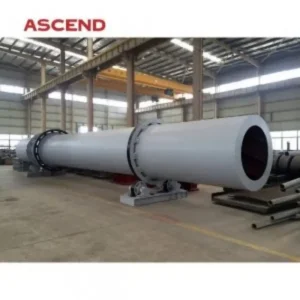
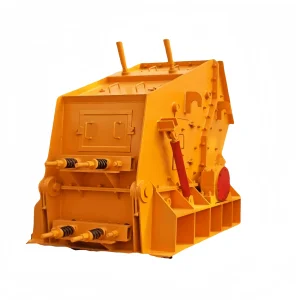
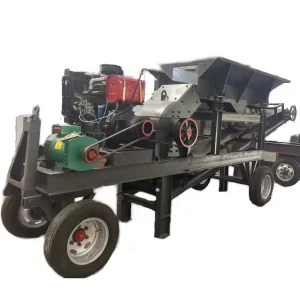
Get in touch with our team of metallurgical engineers today. We offer custom flowsheet calculations, site layout design, and comprehensive manufacturing quotes tailored to your exact mineral assay.
 Ascend