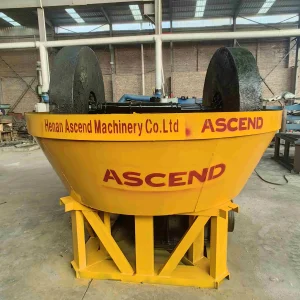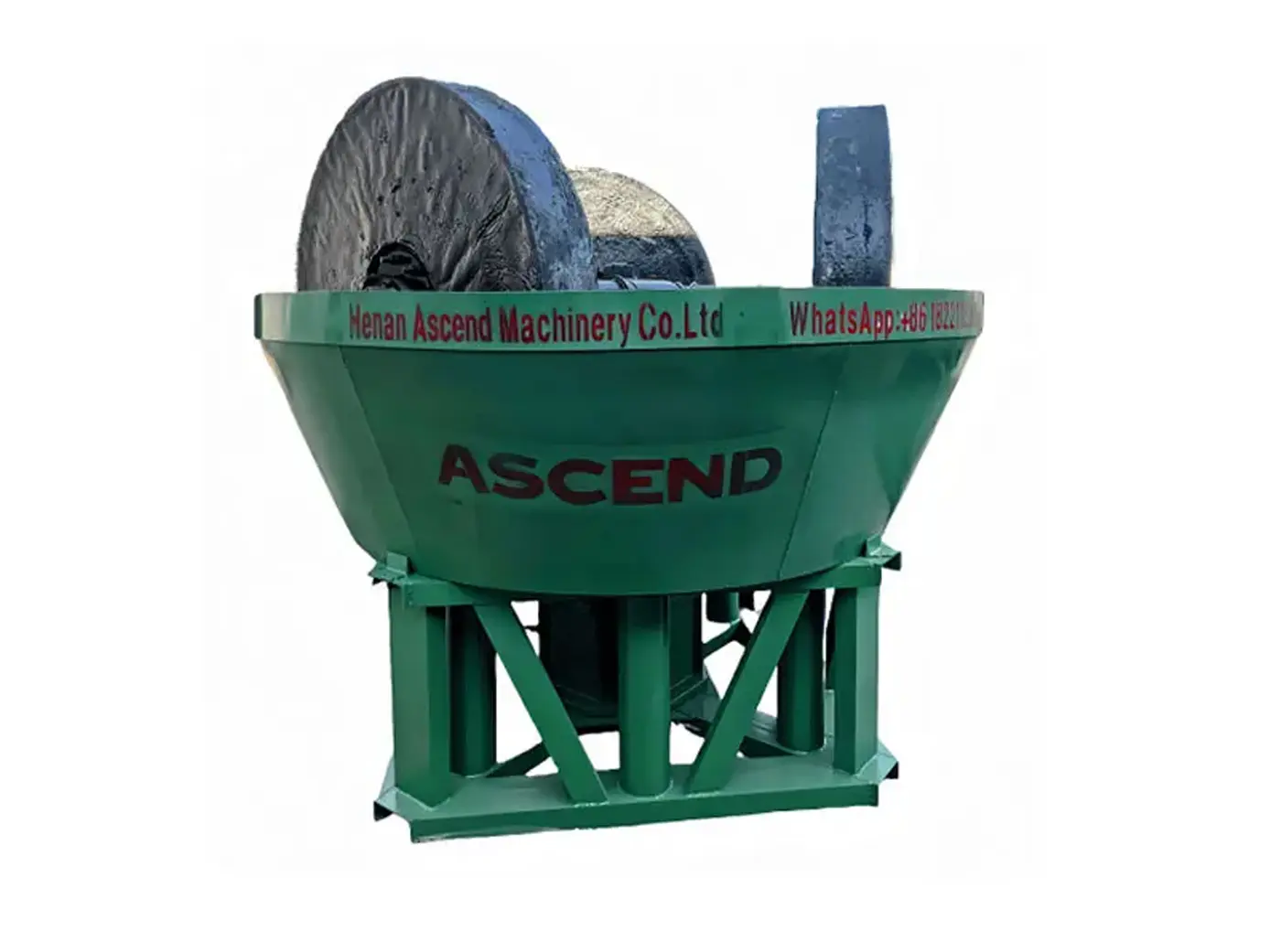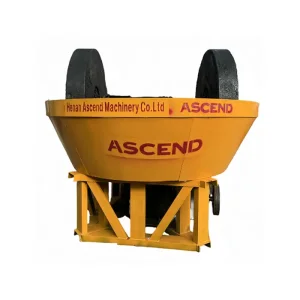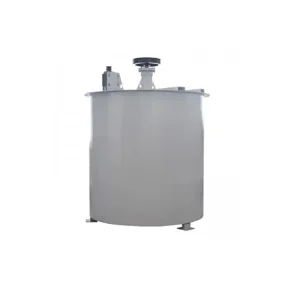
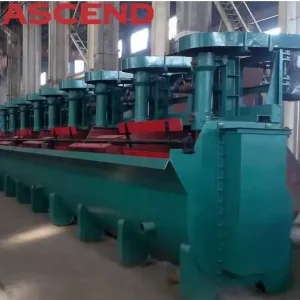
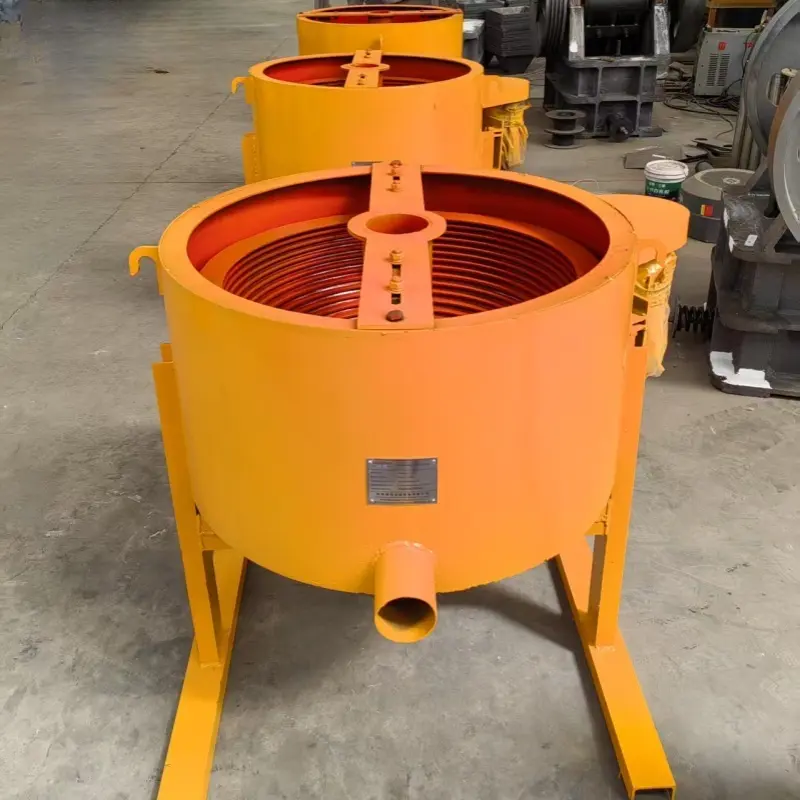
In the globalized mining landscape, the transition from artisanal ore recovery to standardized, high-yield beneficiation presents substantial technological hurdles. The Small Wet Pan Mill, also historically documented as the Chile Mill, stands as a cornerstone of gravity concentration circuits. Representing an elegant, mechanically simple yet physically complex approach to comminution, it integrates grinding, crushing, and mixing kinetics within a single closed-loop unit.
Key Process Advantage: Unlike standard ball mills that rely purely on high-energy impact cascades, the wet pan mill executes continuous compression and rolling shear. This unique force vector prevents over-grinding of heavy target minerals (e.g., native gold, cassiterite) and drastically minimizes the production of unrecoverable slimes, optimizing down-stream concentration.
For decades, small-to-medium enterprises (SMEs) and localized mining projects across sub-Saharan Africa, South America, and Southeast Asia have favored wet pan mills due to their low capital expenditure (CapEx) profile and simple maintenance. As planetary resource grades decline, the modern mining sector requires these mills to demonstrate enhanced metallurgy, higher throughput efficiencies, and alignment with global environmental mandates—particularly regarding mercury-free gravity separation schemes.
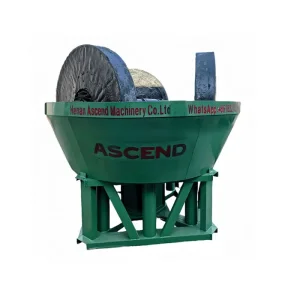
The mechanical reliability of a wet pan mill is dictated by the structural integrity of its main shaft, the alloying of its grinding rollers (runners), and the alignment tolerances of its driving gears. Unlike light-duty mills, industrial-grade small wet pan mills utilize heavy-duty cast steel bases and wear plates composed of high-chromium/manganese alloys (e.g., Mn13Cr2 or customized Mn18Cr2).
During operation, raw material is introduced to the pan basin filled with water. As the dual or triple rollers orbit the central axis, their sheer vertical mass crushes the ore particles against the bottom ring. Crucially, the differential speed between the inner and outer diameters of the wide rollers creates a localized sliding friction, facilitating intense abrasive grinding. The resulting particles are suspended in the slurry and overflow the weir when they reach the desired target mesh size.
| Model Series | Roller Diameter (mm) | Roller Width (mm) | Feed Size (mm) | Discharge Size (mesh/mm) | Processing Capacity (t/h) | Motor Power (kW) |
|---|---|---|---|---|---|---|
| Model 1100 | 1100 | 200 | < 20 | 80 - 150 (0.18 - 0.09) | 0.8 - 1.2 | 5.5 / 7.5 |
| Model 1200 | 1200 | 250 | < 25 | 100 - 200 (0.15 - 0.074) | 1.5 - 2.5 | 7.5 / 11 |
| Model 1300 | 1300 | 300 | < 25 | 100 - 200 (0.15 - 0.074) | 2.0 - 3.5 | 11 / 15 |
| Model 1400 | 1400 | 350 | < 30 | 120 - 250 (0.125 - 0.061) | 3.0 - 5.0 | 15 / 18.5 |
| Model 1500 | 1500 | 400 | < 30 | 120 - 300 (0.125 - 0.048) | 4.5 - 7.5 | 18.5 / 22 |
Selecting the correct motor configuration and transmission ratio is a critical operational decision. High-quality manufacturers like Henan Ascend implement heavy-duty gearboxes with helical tooth profiles to distribute radial loads evenly. This design choice prevents catastrophic tooth breakage during startup sequences when the pan basin contains high levels of settled solids.
Ascend has developed steadily since its establishment. Its business covers more than 130 countries and regions around the world, especially in Africa and Southeast Asia. Also, Ascend machine quality and after-sales service have won widespread praise from international customers.
When analyzing the Small Wet Pan Mill Pricelist, raw machinery costs represent only the tip of the procurement iceberg. Sourcing managers must evaluate total cost of ownership (TCO), integrating inland transport, overseas sea-freight packaging, duty compliance, structural steel frames, and spare part sets (specifically spare rollers and rings) required for continuous operation.
Typical base prices for wet pan mills scale relative to the model size and quality standard:
Procuring from verified Chinese suppliers allows companies to benefit from standardized manufacturing, lower labor-related production costs, and streamlined logistic interfaces. Heavy mining machines must ship inside specialized open-top containers or be securely crated on heavy steel skids to prevent alignment warping during maritime transit.
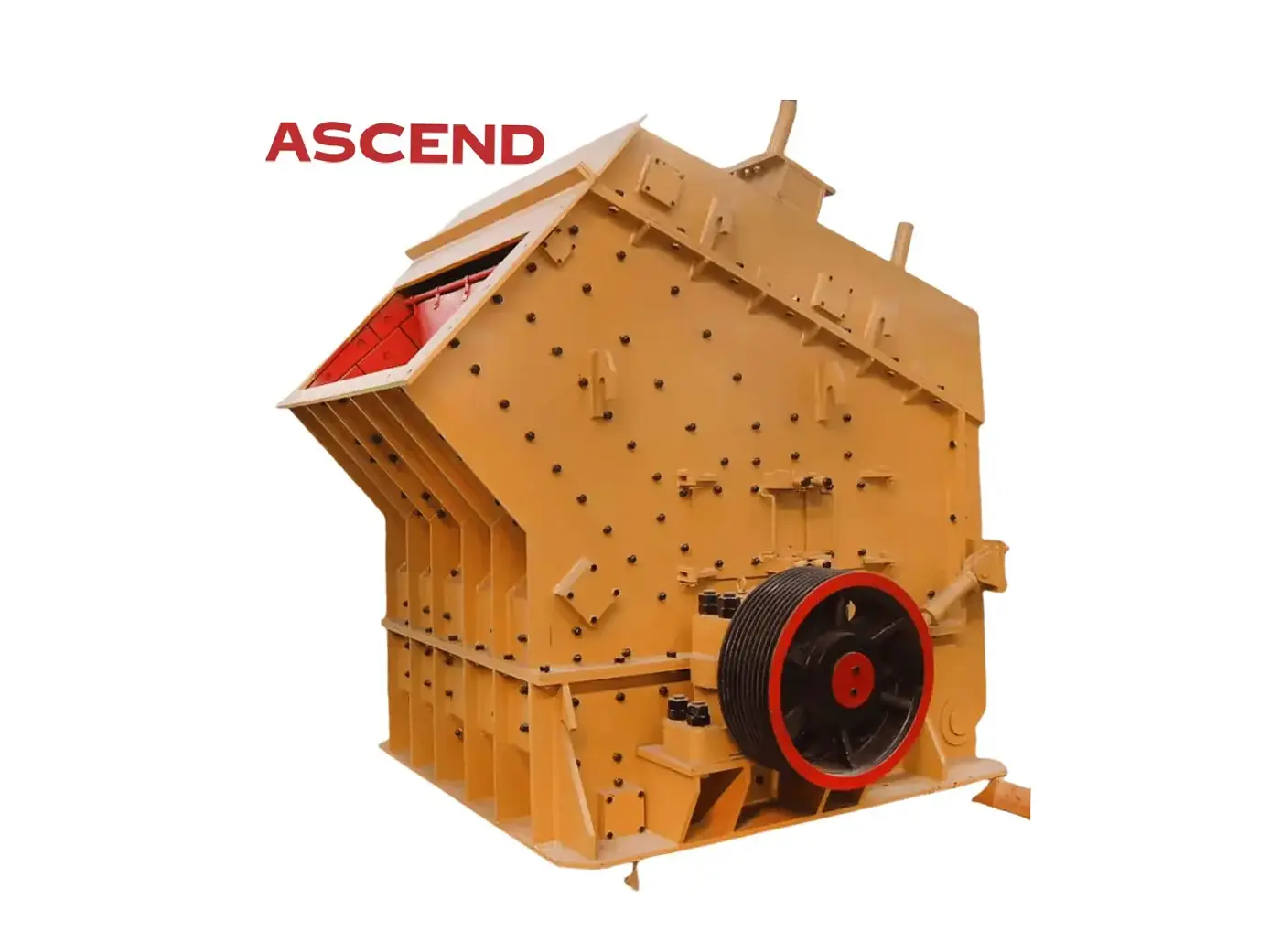
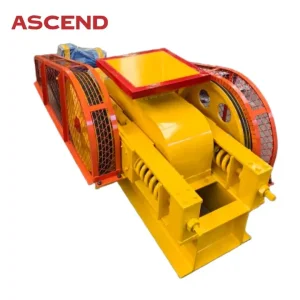
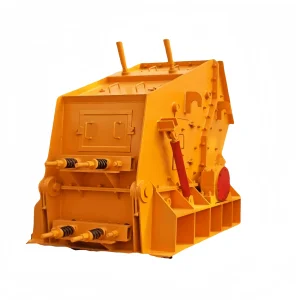
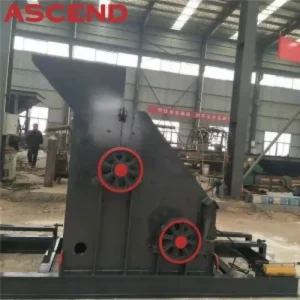
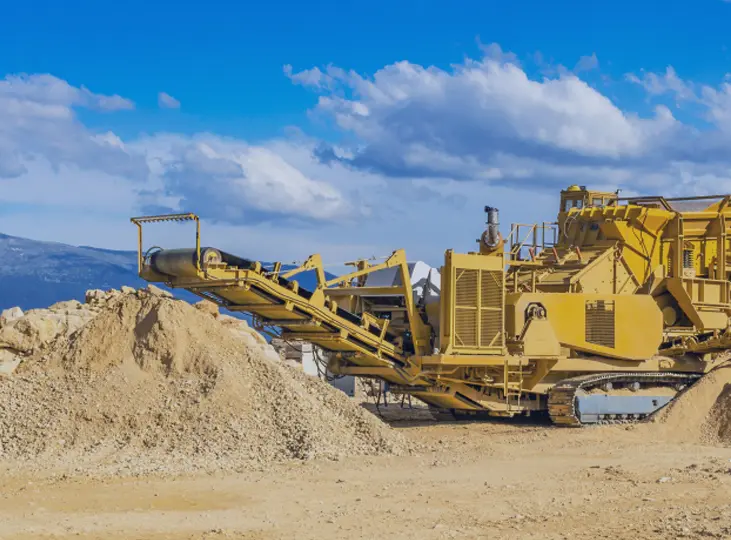
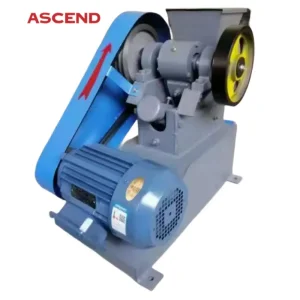
Impact crusher is a kind of secondary crushing equipment which uses impact power to crush materials. Impact crusher is characterized by easy maintenance, high reduction ratios and high efficiency to produce precisely cubic shape products. It is designed with three crushing chambers, seamlessly connected rotor, wear-resistant blow bar and installation of insert type. Moreover, it has tooth type liner, gradient designed bearing seat, frame with several openings and screws or hydraulic start-up devices. Impact crushers can be used in all different stages of size reduction from primary crushing to the last step of the crushing process.
Modern mineral operations rarely isolate the grinding stage. The wet pan mill operates within a broader, multi-phase concentration flowsheet designed to maximize recovery percentages.
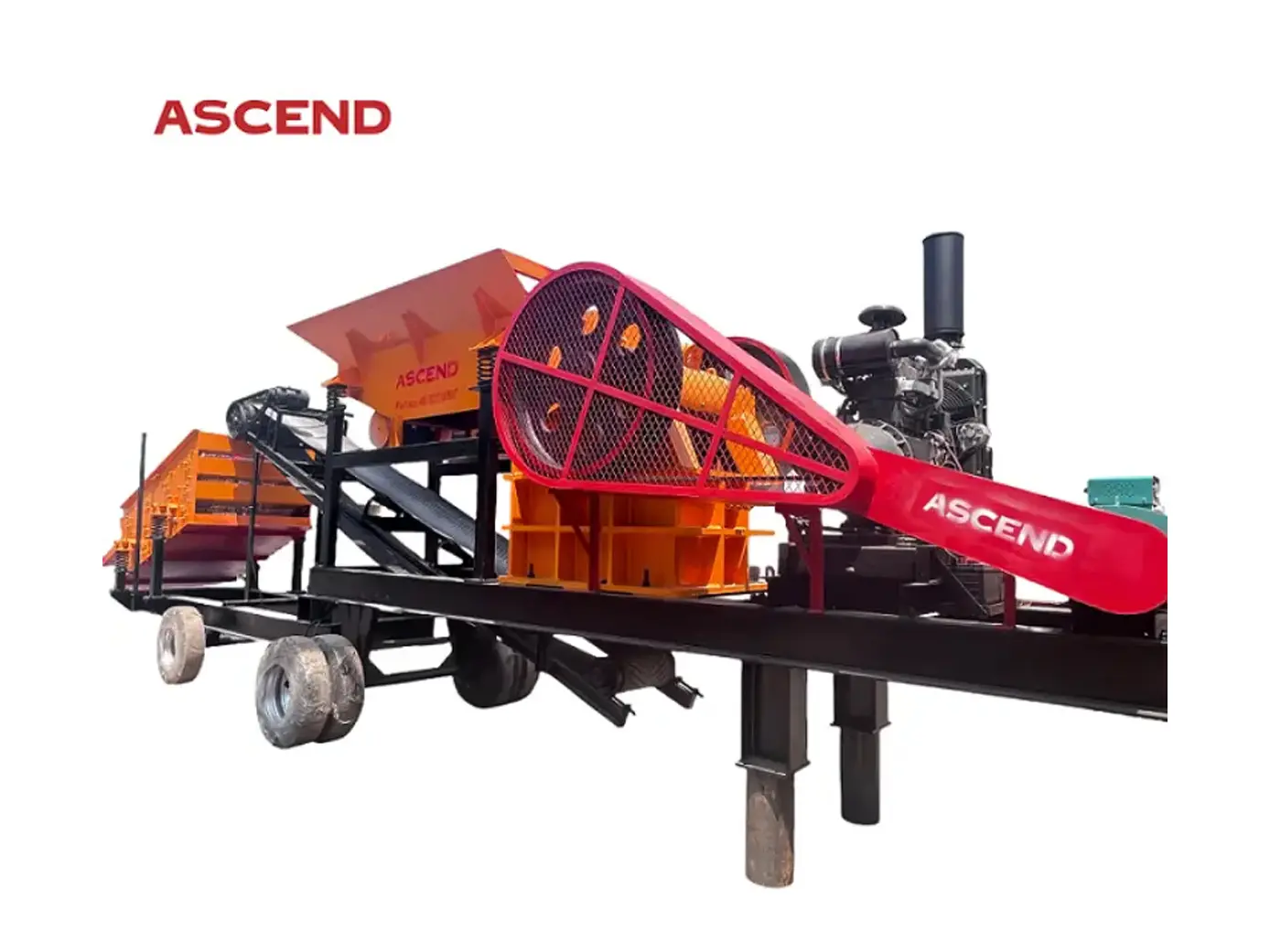
In typical hard-rock gold systems, the material flow progresses from a primary jaw crusher to reduce run-of-mine ore to less than 25mm. It is then fed continuously to the wet pan mill. Water addition is carefully adjusted to maintain a pulp density of approximately 30-40% solids. The rolling friction releases lock-up gold particles from their silica or sulphide matrices.
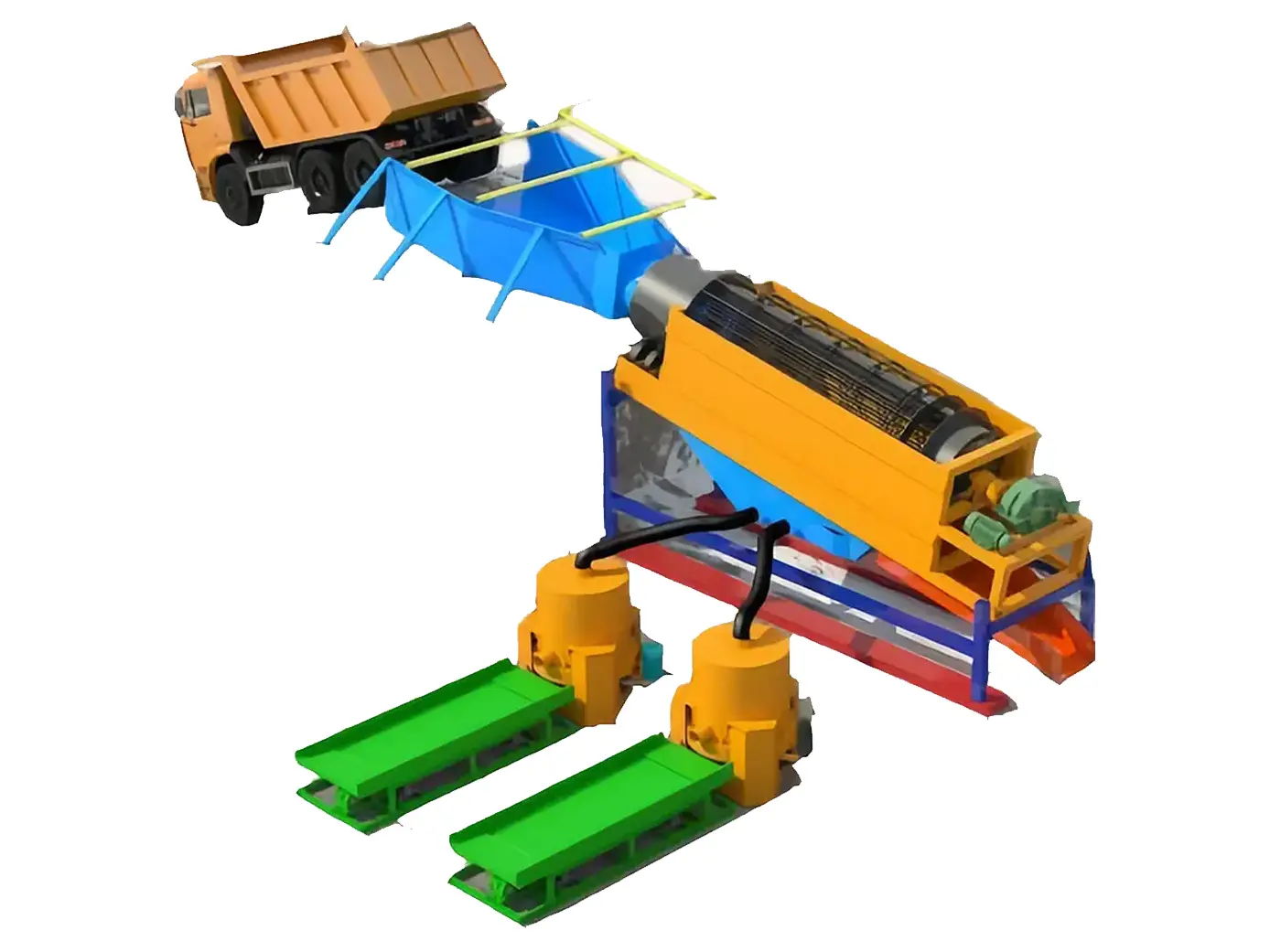
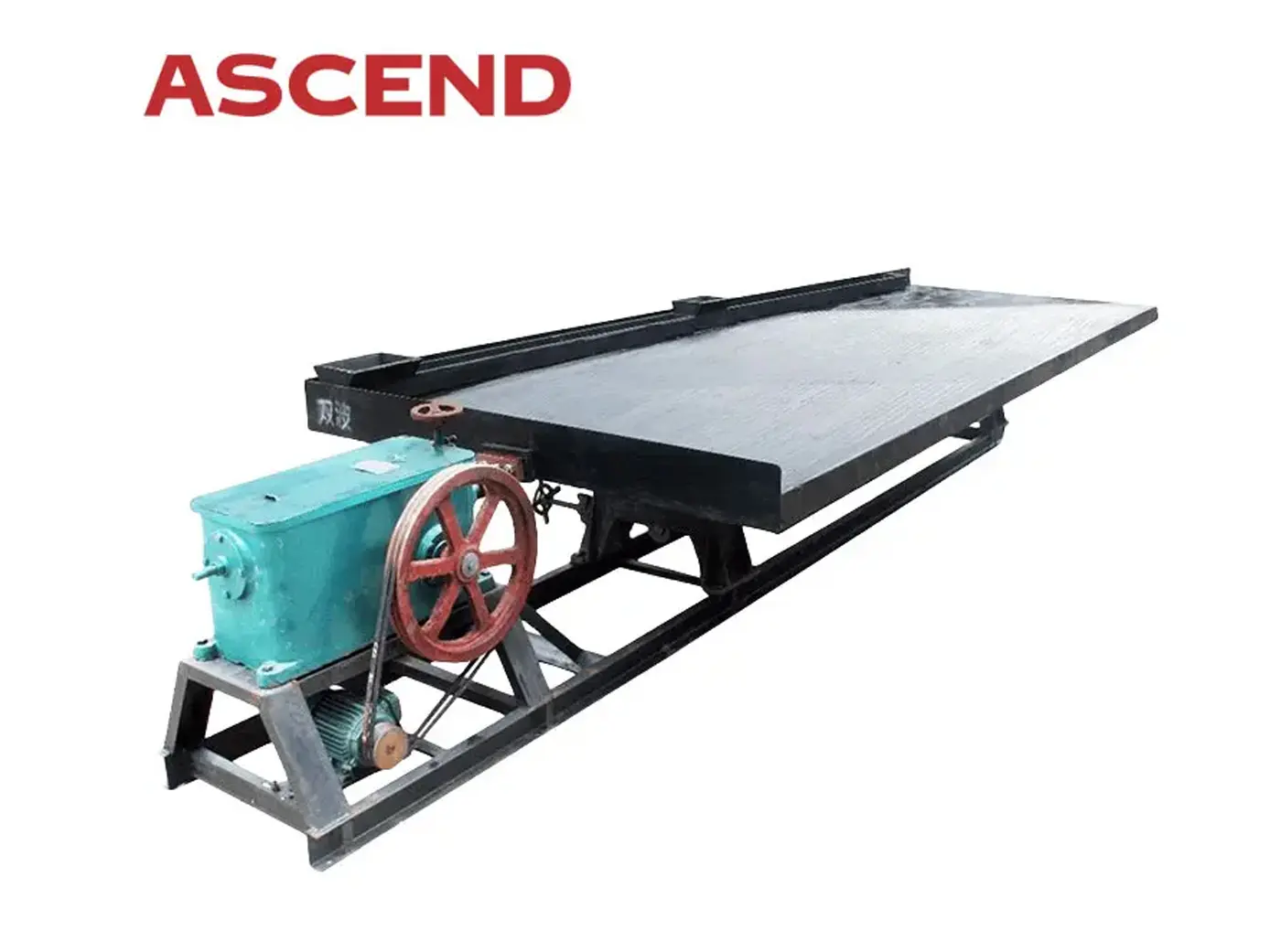
The slurry continuously flows over a discharge lip, directed straight onto a series of 6-S Shaking Tables or gold centrifugal concentrators. This gravity-based recovery bypasses cyanidation processes, enabling a cost-effective solution with a minimal environmental footprint.
Wet pan mills are equally viable for non-metallic processing, such as separating high-grade quartz sands, grinding wet coal, or processing iron ore. Because the wet pan mill relies on mechanical compression, it avoids the high iron contamination caused by ball drop impact wear in traditional steel ball mills—preserving the purity of silica sands used for optical applications.
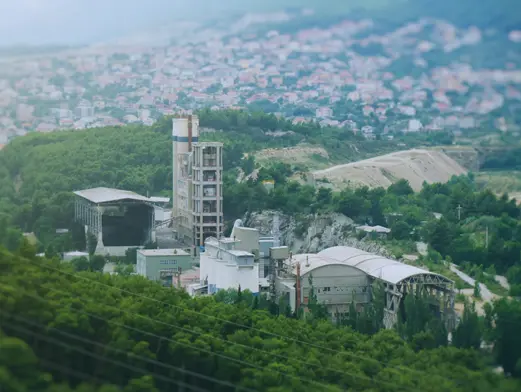
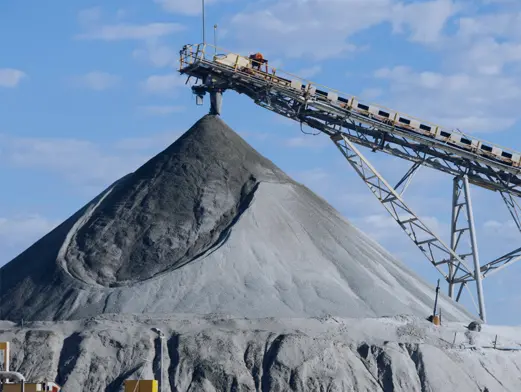
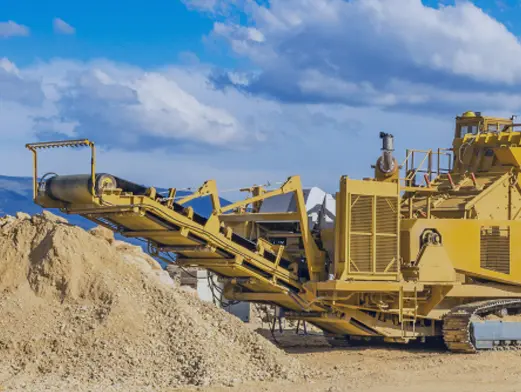
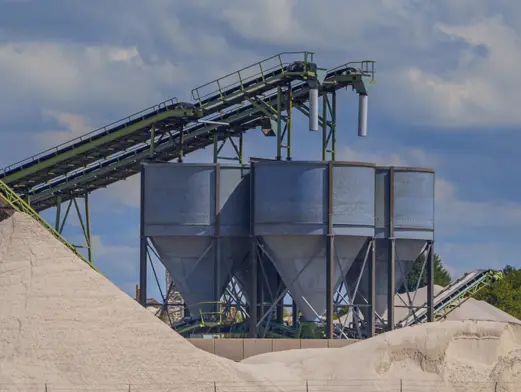
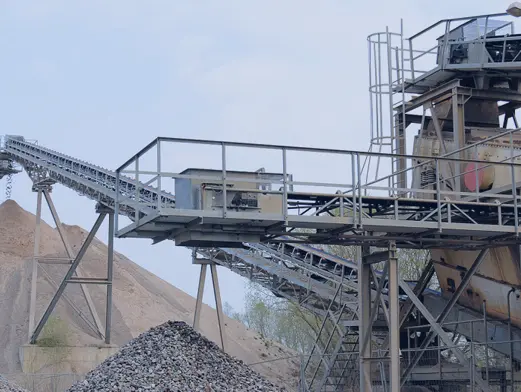
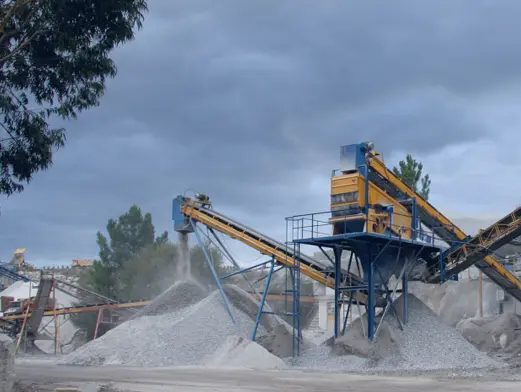
Zhengzhou City in Henan Province stands as the premier hub for heavy industrial manufacturing in China. Henan Ascend Machinery utilizes a Factory 4.0 model, integrating advanced metallurgic castings, precision CNC machining centers, and automated thermal treatments.
The manufacturing of the roller tire and the pan basin track requires casting techniques that prevent air inclusions or structural weaknesses. Standard local foundries use basic grey iron, which can crack within 6 months of continuous operation. In contrast, Ascend implements an electrical induction melting process, alloying structural carbon steel with high manganese, chromium, and vanadium.
The Stress-Relief Protocol: After casting, all critical grinding tires undergo controlled thermal annealing. This stress-relief heating process eliminates internal micro-structural stresses, significantly increasing resistance to cracking and wear under load. This treatment extends the operating lifespan of the components by 40% to 60%.
By consolidating casting facilities, gear hobbing lines, and engineering assembly within Henan's industrial economic zones, we maintain structural supply-chain resilience. This consolidation allows us to bypass global component bottlenecks and offer a reliable price-to-performance ratio for international procurement managers.
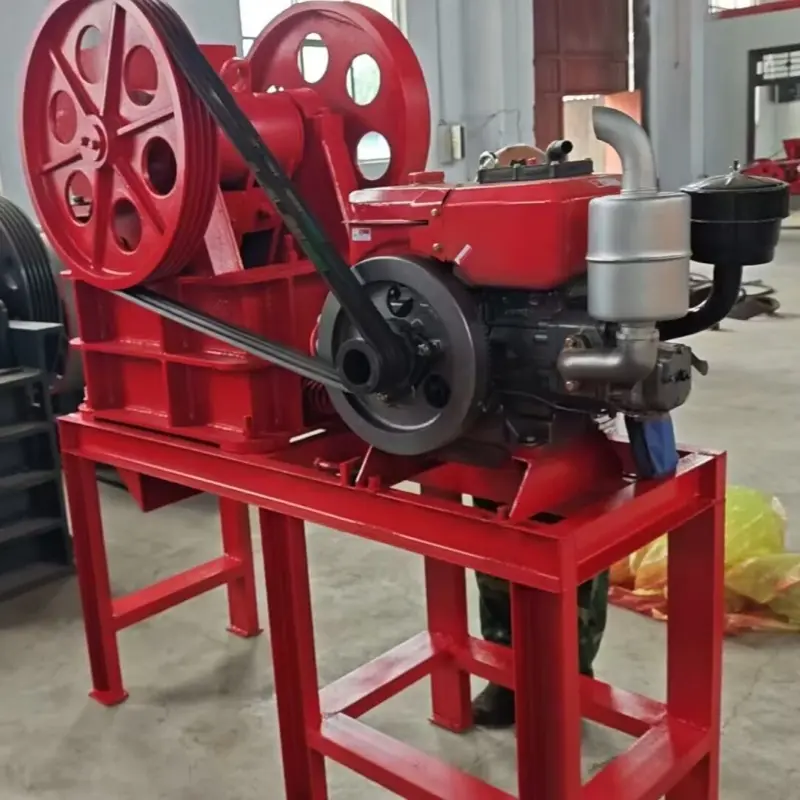
 Nov 2025
Delivering primary mechanical crushing stations to regional mining sites in Oceania.
 Aug 2025
Deploying efficient processing units for gravity concentrator lines in Africa.
Jul 2025
Expanding fine mineral recovery capacities in regional operations.
Jul 2025
Custom power systems built to operate in remote, grid-deficient mining districts.
Jul 2025
Mobile secondary units sent to small-scale gold hubs in Tanzania.
Jun 2025
Industrial workhorse crusher units delivered to global mining operations.
As environmental compliance standards tighten globally, the industrial machinery sector faces new operational pressures. The United Nations' Minamata Convention on Mercury calls for the rapid elimination of mercury amalgamation in small-scale gold mining (ASGM). This regulatory shift is driving the modernization of traditional wet pan mill designs.
The next generation of wet pan mills will serve as pre-treatment units for clean, chemical-free extraction processes. By integrating continuous water classification, the milling stage can feed directly into centrifugal concentrators. This setup achieves high recovery rates without the need for toxic amalgamation reagents.
Traditional wet pan mills operate at fixed rotational speeds, which can waste energy when processing varying hardness grades. Ascend's R&D team is developing Variable Frequency Drive (VFD) controllers. These drives adjust the rotational speed in real time based on raw material feed sensors, lowering power draw during periods of soft ore processing.
To reduce maintenance downtime, our technical roadmap includes the test phase deployment of embedded wireless temperature and vibration sensors within the bearing seats. Additionally, we are exploring laser cladding technology to apply tungsten carbide matrices directly onto roller surfaces, targeting a potential doubling of standard operation run times.
Deploying mining machinery in remote locations requires robust, localized technical support and reliable parts availability. Without a fast path to replacement parts, downtime can quickly impact project profitability.
Henan Ascend supports its equipment through established localized distribution hubs in major mining districts across Africa (including Zambia, Tanzania, and Sudan) and South Asia. Our global support framework focuses on three main areas:
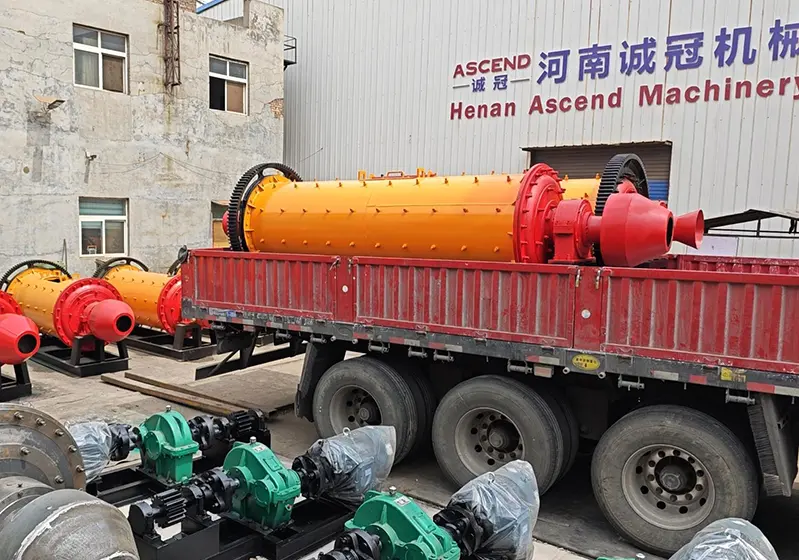
Established in 2005 and located in the High-Tech Industrial Zone of Zhengzhou City, Henan Province, Henan Ascend Machinery & Equipment Co.,Ltd. specializes in the research, development, and manufacture of heavy mining machinery.
Our product line includes complete systems for crushing, grinding, screening, feeding, and mineral concentration. Whether you are processing hard rock granite, abrasive iron ores, or working on gravity concentration circuits for gold, our engineering teams can design custom processing paths to fit your project requirements. Operating our own foundry and assembly facilities allows us to maintain strict quality standards while offering competitive pricing.
Learn More About Us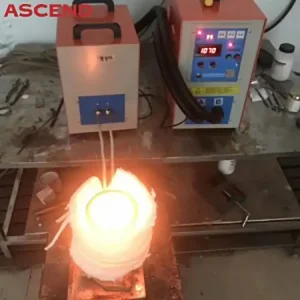
 Ascend