Engineered for maximum throughput, high wear resistance, and precise output shape control.
An engineering analysis of natural sand depletion and the rise of high-specification manufactured aggregates.
In contemporary global infrastructure construction, the demand for concrete aggregates has reached an unprecedented scale. Historically, river sand has been the primary fine aggregate of choice due to its natural roundness and ease of extraction. However, the ecological impact of unchecked sand dredging from river beds has led to strict environmental prohibitions across major developing and developed zones. Governments throughout Southeast Asia, Sub-Saharan Africa, and the Americas have restricted river mining to prevent riverbank erosion, ground-water depletion, and habitat destruction.
Consequently, the industry is witnessing a structural shift from natural sand to Manufactured Sand (M-Sand). Unlike river sand, which contains unpredictable levels of organic matter, silts, and clays that degrade concrete strength, engineered sand is produced under controlled conditions. This ensures consistent particle size distribution, strict compliance with international grading standards such as ASTM C33 and BS 882, and a reliable chemical makeup.
Engineered M-Sand must exhibit a fineness modulus (FM) between 2.6 and 3.0. The shape must be cubical with minimal elongated or flaky particles to reduce void ratios, optimizing the cement-to-water ratio. Under these parameters, high-quality VSI (Vertical Shaft Impact) sand makers have transitioned from optional machinery to essential production core components.
Modern civil engineering projects, from high-rise commercial structures to transport corridors, require high-performance concrete (HPC). This demands aggregates with a cubical shape and a well-balanced particle size distribution. Our line of sand making machines is designed to meet these requirements, ensuring that producers can achieve precise specifications for any project.
Under the hood of Vertical Shaft Impact (VSI) technology: The physics of rock-on-rock impact.
The underlying mechanical principle of the Vertical Shaft Impact (VSI) sand maker is the transfer of kinetic energy. The raw material enters the machine through the center feeding hopper, falling directly onto the high-speed rotating impeller. The impeller accelerates the material to linear velocities exceeding 70-85 meters per second before discharging it into the crushing chamber.
In the "Rock-on-Rock" configuration, the accelerated stones collide with a dense, natural cushion of material lining the outer walls of the chamber. This causes impact, attrition, and cleavage along natural fault lines, producing cubical sand with minimal internal stress cracks. For less abrasive rocks, a "Rock-on-Anvil" setup replaces the rock lining with alloy metal anvils to increase the primary reduction ratio.
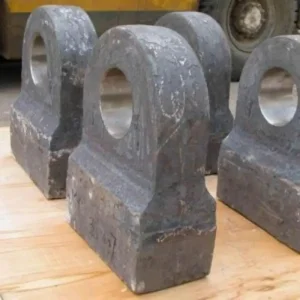
The primary cost factor in sand manufacturing is the wear of consumables within the rotor. Ascend uses high-chromium alloys and tungsten carbide inserts at critical contact points. The three-chamber rotor design streamlines flow, reducing internal drag and lowering electricity costs per ton of produced sand.
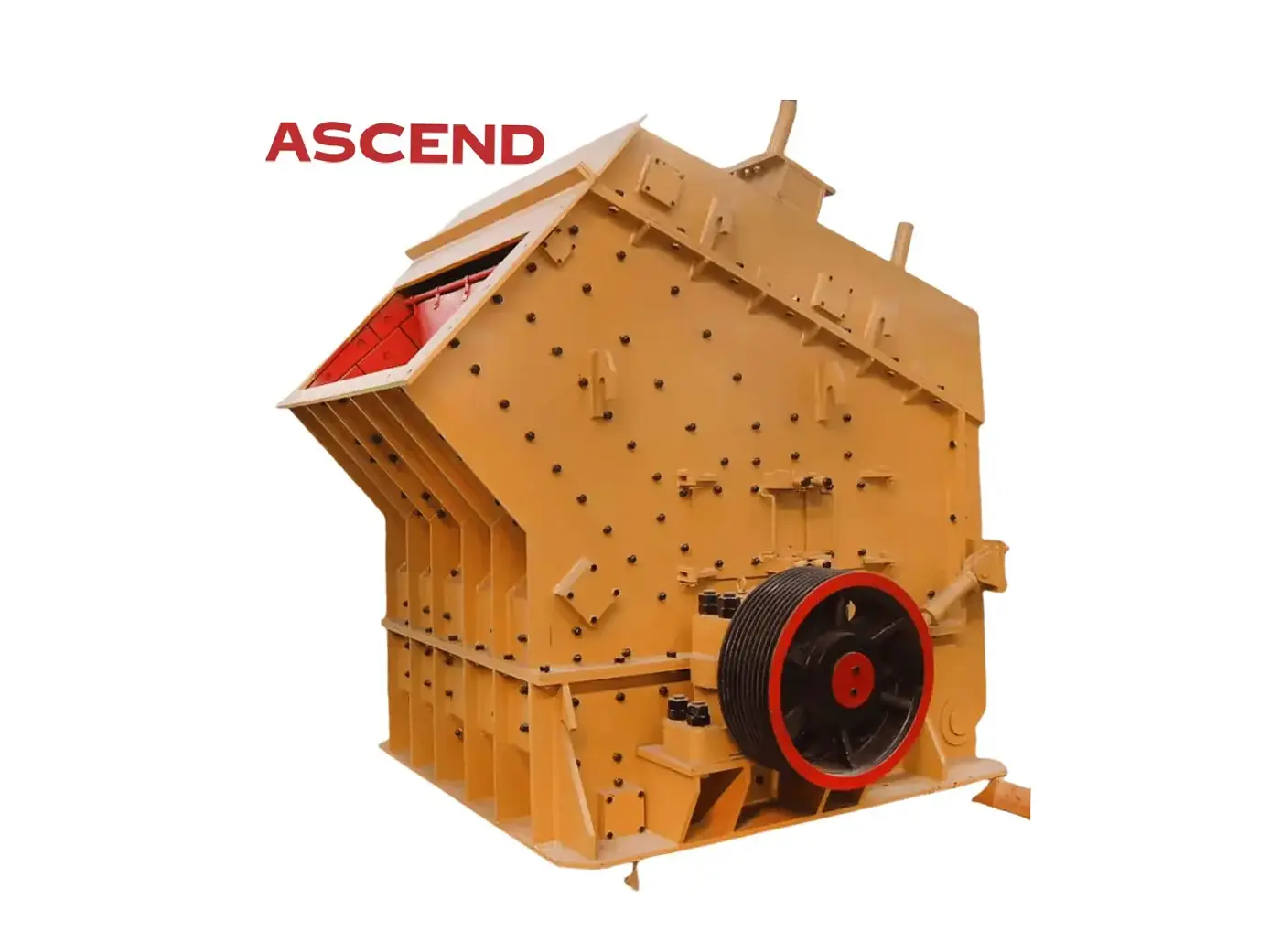
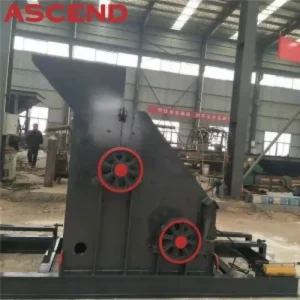
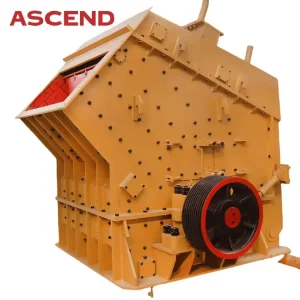
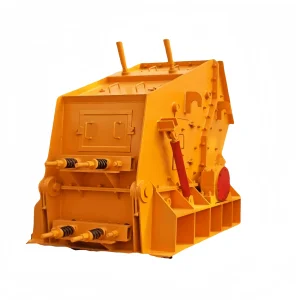
Figure 1: Secondary Impact Crushing Chamber showcasing the high-durability blow bars and wear-resistant liners.
Our secondary impact crushers utilize three crushing chambers, a seamlessly connected rotor, and an installation insert-type configuration. This design allows for easier maintenance, higher reduction ratios, and a cubical product shape, optimizing the material flow before it enters the final VSI shaping phase.
From single industrial plants to heavy-duty mining systems, we deliver tailored machinery solutions.
Optimized for medium-hard rocks, our secondary impact crushers are engineered with tooth-type liners and gradient-designed bearing seats for performance under load.
Deploying custom crushing, grinding, screening, and conveying circuits tailored to mineralogy profiles in Africa, Asia, and Latin America.
Extended wear life via advanced alloys, lowering downtime and operating expenses (OPEX) in abrasive granite and basalt quarrying operations.
A comparative evaluation of washing circuits and dry air classification systems.
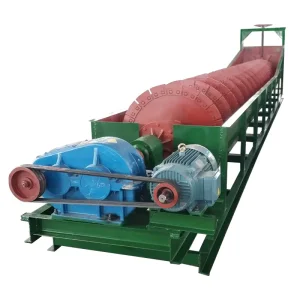
Commonly applied in regions with high silt, clay, or soil content in the raw material, the wet process relies on water to clean and classify the aggregates. The crushed material from the VSI sand maker is transferred to high-frequency vibrating screens. Fines are directed to a spiral classifier or hydrocyclone system, where excess clay particles (<75 microns) are washed out, leaving clean, premium sand.
While the wet process produces clean aggregates, it requires high water volumes and sand washing plants, along with tailings pond management. Ascend addresses this challenge by integrating high-efficiency dewatering screens and slurry recycling filters that recover up to 85% of process water.
Applied in arid regions, such as parts of North Africa and the Middle East, the dry process uses air classification instead of water. After passing through the VSI machine, the aggregate mixture is separated using a specialized gravity air classifier. This system uses controlled airflow to separate the ultra-fine stone dust from the usable sand particles.
Key Advantages of Dry Sand Production:
• No water supply or settling pond infrastructure required.
• Precise control over the filler content (fines <75µm) in the final mix.
• Reduced environmental impact and simplified permit processes in dry climates.
• Lower overall energy consumption as water pumping systems are eliminated.
Ascend's business covers more than 130 countries and regions globally, with a strong presence in Africa and Southeast Asia. Our engineering team customizes solutions based on local raw materials, environmental regulations, and moisture levels, ensuring optimal performance for every quarry location.
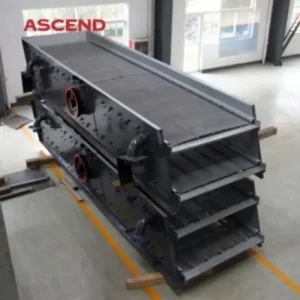
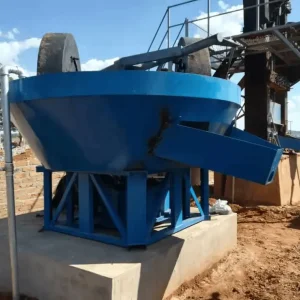
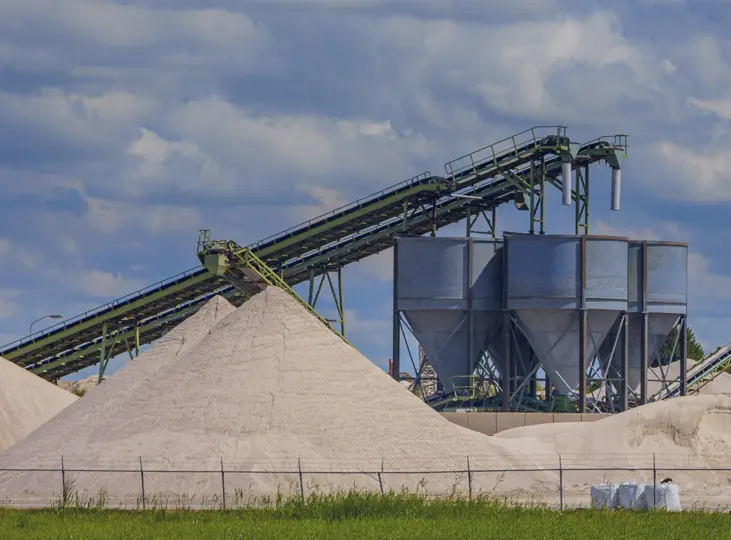
Comprehensive concentration and gravity separation layouts designed for regional mining ventures.
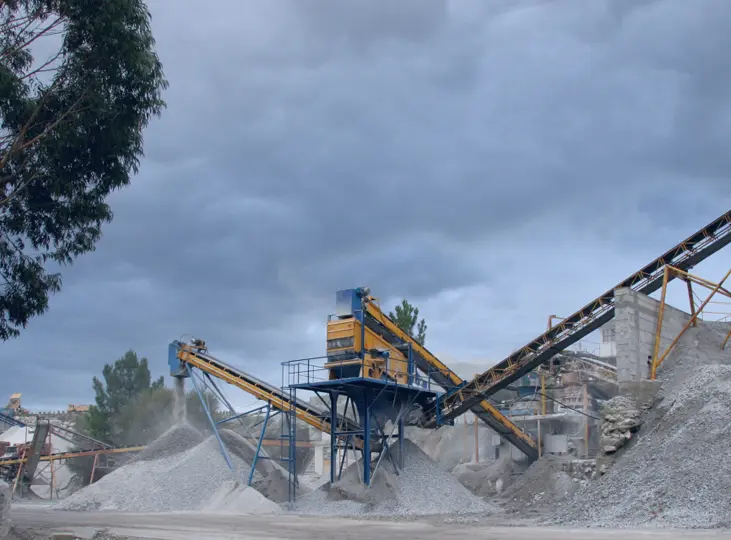
Multi-stage crushing plants engineered for high-silica and high-abrasion stone crushing.
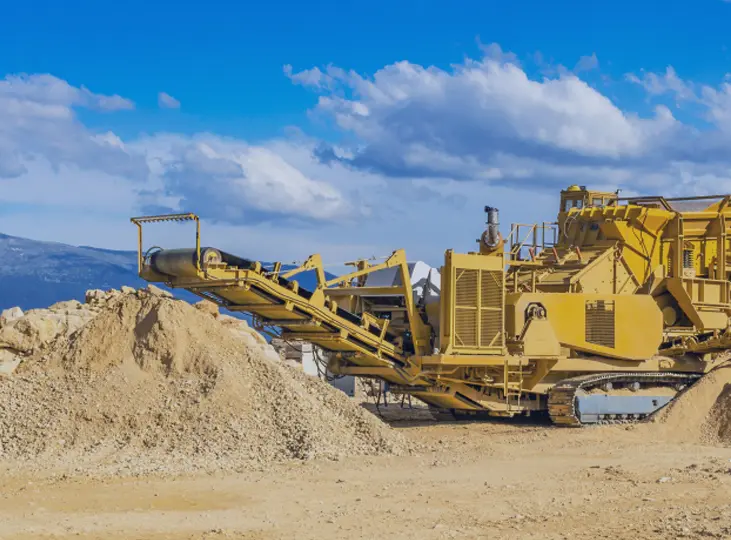
Tracked and wheeled modular setups for flexible, on-site infrastructure development.
From Papua New Guinea to Zambia: Engineering equipment performance in challenging topographies.
Industrial performance is demonstrated through field applications under harsh climatic conditions and high continuous workloads. Ascend's equipment is designed for mining and quarrying sites globally, including installations in Africa, Southeast Asia, Oceania, and Latin America. We focus on matching our mechanical designs with the specific geology, climate, and infrastructure constraints of each installation site.
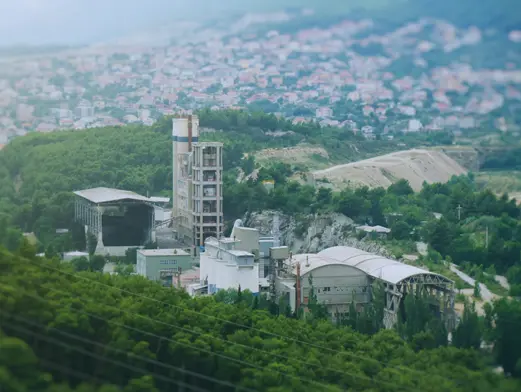
Basalt sand production facility delivering premium aggregates for regional transport corridors.
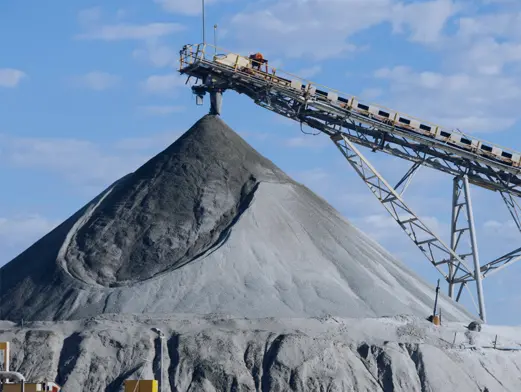
High-capacity limestone grinding plant designed for industrial mortar production.
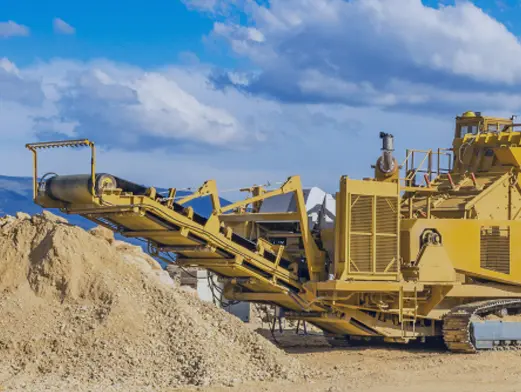
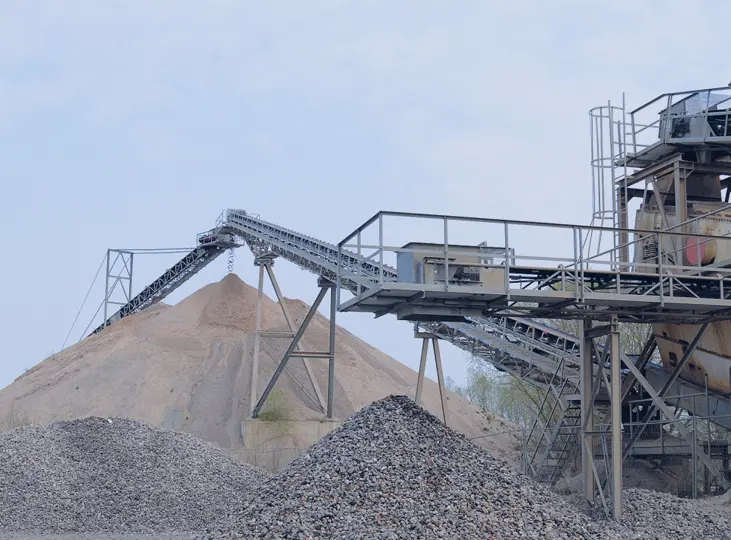
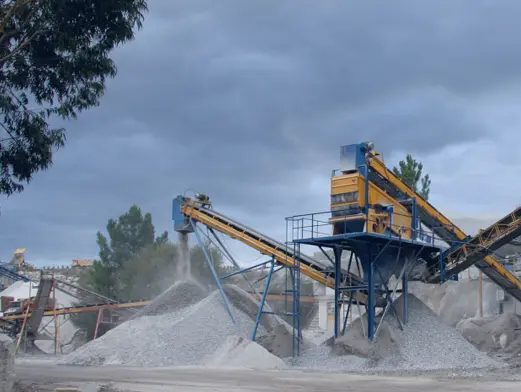
Granite aggregate VSI plant producing cubical concrete sand for high-rise builds.
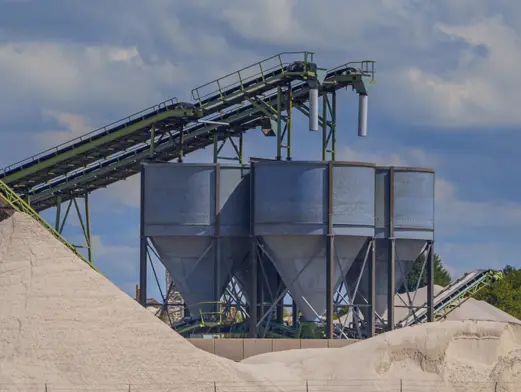
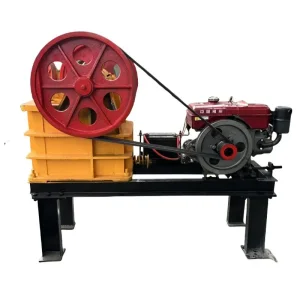
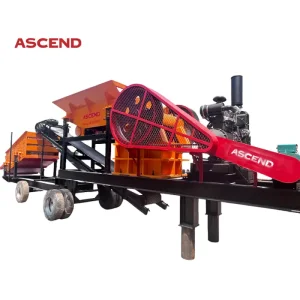
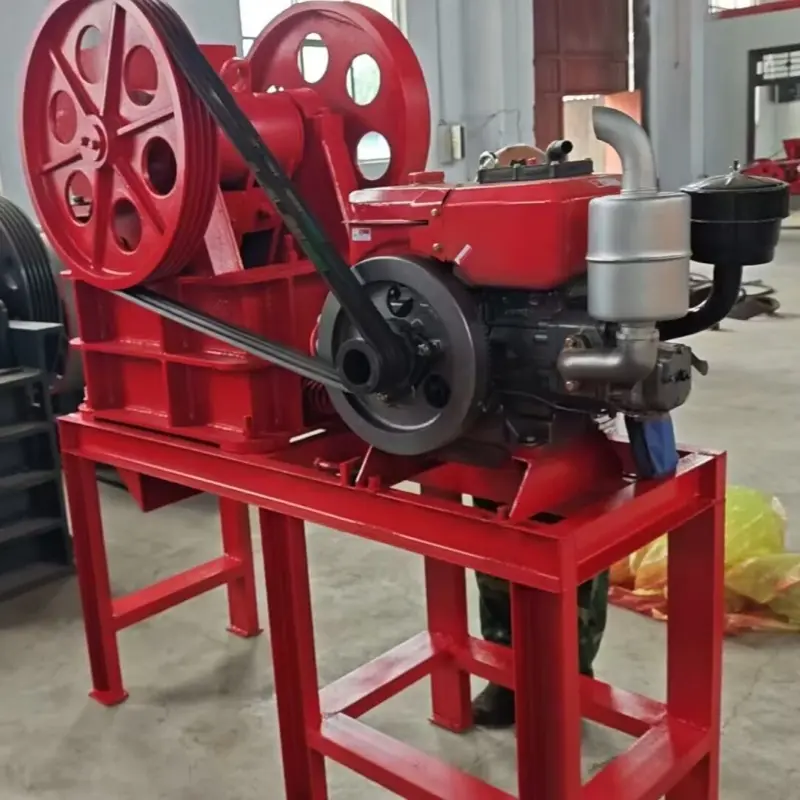
Mobile diesel crushing unit active in remote infrastructural projects.
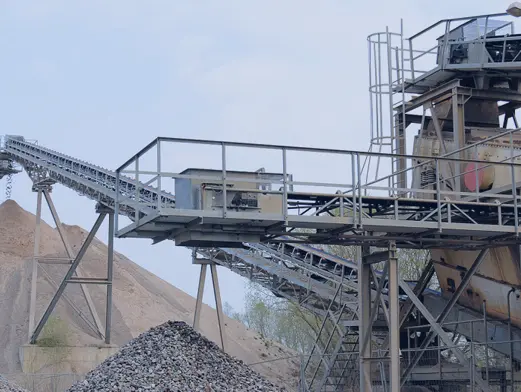
Large scale wet sand classifying system featuring dual spiral classifiers.
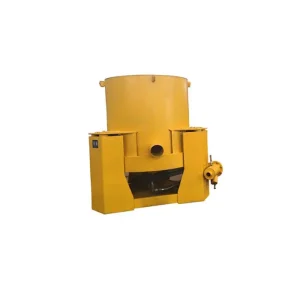
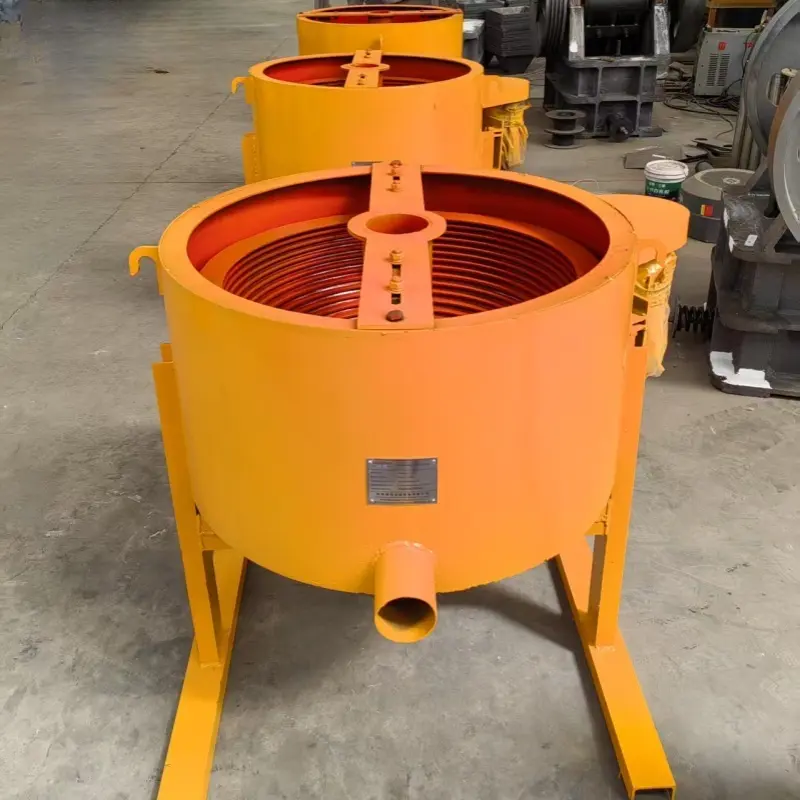
Gold gravity recovery plant layout combining centrifugal concentrators and spiral washes.
 November 2025
 August 2025
The integration of IoT diagnostics, automated lubrication, and low-carbon operation.
As aggregate production scales globally, equipment manufacturers are focusing on intelligent control and environmental integration. The transition from reactive maintenance to predictive maintenance is a major driver of this change. Ascend's R&D roadmap focuses on incorporating IoT vibration sensors and bearing temperature monitors directly into our heavy-duty VSI rotors.
These smart modules capture high-frequency operational telemetry. By feeding vibration and bearing temperature data into an edge processing system, operators can detect wear profile changes before a mechanical failure occurs.
Another development focus is automated lubrication technology. Bearing failure due to dust entry is a common issue in quarries. Positive pressure dust-sealing rings, combined with continuous, micro-dosed automated grease pumps, keep bearings clean, reducing lubrication consumption and extending bearing service life by up to 40%.
Additionally, environmental requirements are shifting the industry toward low-carbon operations. Electrification is replacing auxiliary diesel engines in configurations where grid power is accessible. This transition reduces localized carbon emissions and lowers processing costs per ton of material.
Direct answers to technical queries raised by quarry managers and engineering decision-makers.
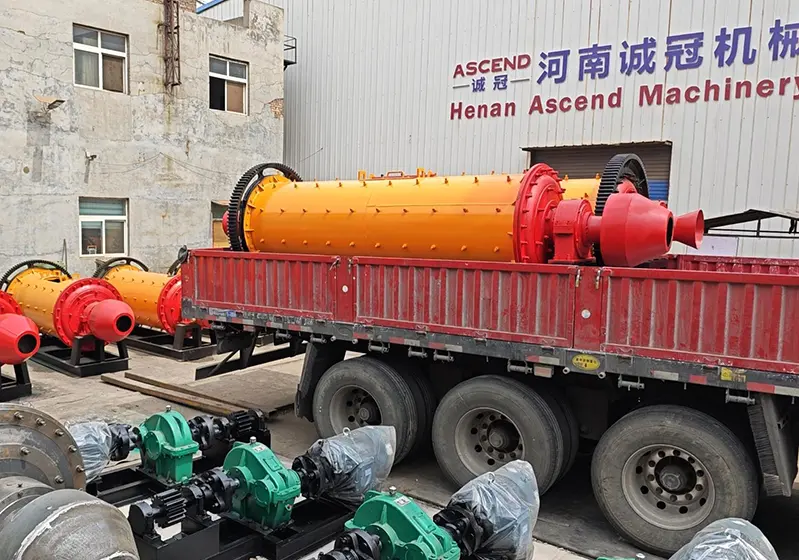
Established in 2005 and located in the High-Tech Industrial Zone of Zhengzhou City, Henan Province, Henan Ascend Machinery & Equipment Co., Ltd. has developed over two decades into an engineering exporter in the heavy mining equipment sector.
Ascend is engaged in the R&D, manufacturing, sales, and support of crushing, grinding, screening, feeding, and conveying machinery. Whether your project requires processing limestone, granite, gravel, or gold gravity concentration circuits, our engineering division design tailored setups to meet your operational requirements. We manage our own manufacturing plant, ensuring quality control and direct pricing.
Premium replacements, laboratory mills, and specialized processing plants engineered to heavy-duty industrial specifications.
 Ascend