Exceptional yield performance in capturing micro-fine placer gold particles down to 74 microns.
Powerful centrifugal fields maximize dense mineral separation from complex tailings and slurries.
Extensive presence spanning Africa, Southeast Asia, Latin America, and Oceania.
Advanced water jacket pressure system eliminates bed compaction for continuous mineral capture.
Explore our top-performing centrifugal separators, wet pan mills, and ore dressing systems built to international compliance standards.
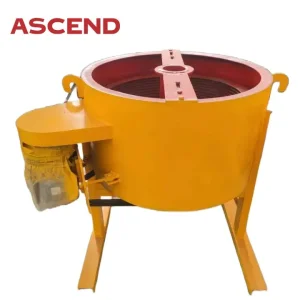
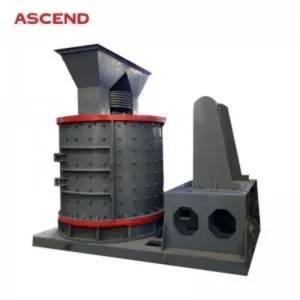
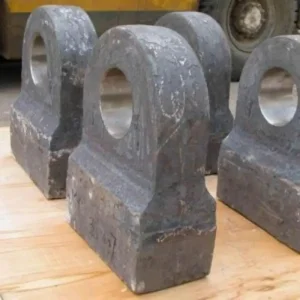
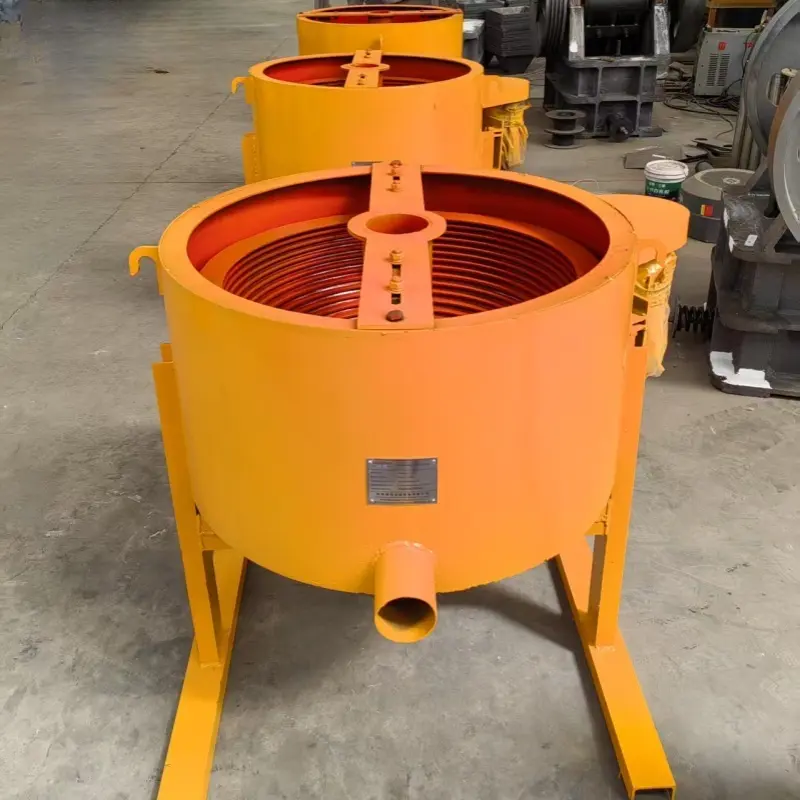
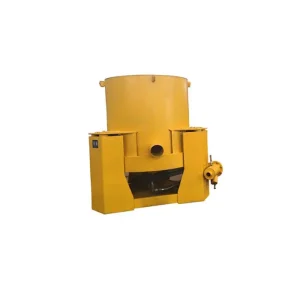
In modern industrial mineral processing, the recovery of fine elemental gold presents a severe physical challenge. Traditional gravity separation techniques—such as jigs, sluices, and shaking tables—depend heavily on the differential settling rates of minerals in water under 1G of gravity. When dealing with particulate gold smaller than 100 microns (often referred to as flour gold, micro-fine gold, or tailing fractions), these traditional systems yield to hydraulic drag forces, causing high levels of mineral loss. This is where STL (Batch Type) and STLB (Fluidized Continuous Type) Centrifugal Concentrators step in, harnessing artificial gravitational fields to achieve separation.
Industrially, these machines are integrated directly into closed grinding loops, tailing treatment plants, and alluvial mineral washing operations. Historically pioneered by the Knelson design, Chinese manufacturers have refined the internal cone structures and fluidization dynamics of STL/STLB models to lower operating overheads. Globally, mining enterprises operating in Africa's gold belt (Ghana, Sudan, Tanzania, Zimbabwe), Latin America (Peru, Colombia, Brazil), and Southeast Asia (Indonesia, Philippines) rely on STL/STLB configurations to maximize output. They offer an eco-friendly alternative to mercury amalgamation in artisanal mine sites and serve as high-yield pre-treatment machinery ahead of cyanidation tanks in major industrial setups.
Generating forces up to 120G, the rotation forces heavier particles (gold density ~19.3 g/cm³) outward into the concentrate ring grooves while lighter quartz matrix (density ~2.65 g/cm³) is swept away to the overflow launders.
Pressurized water injected through specialized micro-apertures in the inner cone wall keeps the heavy concentrate bed in a fluidized, dynamic state, preventing the target minerals from packing solid.
As a purely physical gravity separation method, the STL/STLB series requires no chemicals (e.g. cyanide or mercury), minimizing environmental impact and aligning with global green mining standards.
China’s manufacturing clusters in Henan Province—specifically Zhengzhou’s High-Tech Industrial Zone—have consolidated the global mining machinery supply chain. Chinese factories leverage massive scale, localized alloy steel casting, and advanced CNC tooling to engineer centrifugal concentrators that meet or exceed European and North American performance benchmarks at a fraction of the cost.
The core of China’s engineering superiority in the STL/STLB product lines lies in material science innovations:
| Model Parameter | STL20 / STLB20 | STL30 / STLB30 | STL60 / STLB60 | STL80 / STLB80 | STL100 / STLB100 |
|---|---|---|---|---|---|
| Capacity (Dry Solids) | 0.5 - 2.0 t/h | 2.0 - 5.0 t/h | 10 - 20 t/h | 30 - 50 t/h | 80 - 120 t/h |
| Feeding Size Range | 0 - 6 mm | 0 - 6 mm | 0 - 6 mm | 0 - 6 mm | 0 - 6 mm |
| Optimal Concentrate Size | -0.074 mm (74μm) | -0.074 mm (74μm) | -0.074 mm (74μm) | -0.074 mm (74μm) | -0.074 mm (74μm) |
| Water Pressure Requirement | 0.05 - 0.15 MPa | 0.05 - 0.20 MPa | 0.10 - 0.25 MPa | 0.15 - 0.30 MPa | 0.20 - 0.40 MPa |
| Rotor Motor Power | 0.75 kW | 2.2 kW | 5.5 - 7.5 kW | 15 kW | 30 - 37 kW |
Ascend has developed steadily since its establishment. Its business covers more than 130 countries and regions around the world, especially in Africa and Southeast Asia. Our machine quality and after-sales service have won widespread praise from international customers.
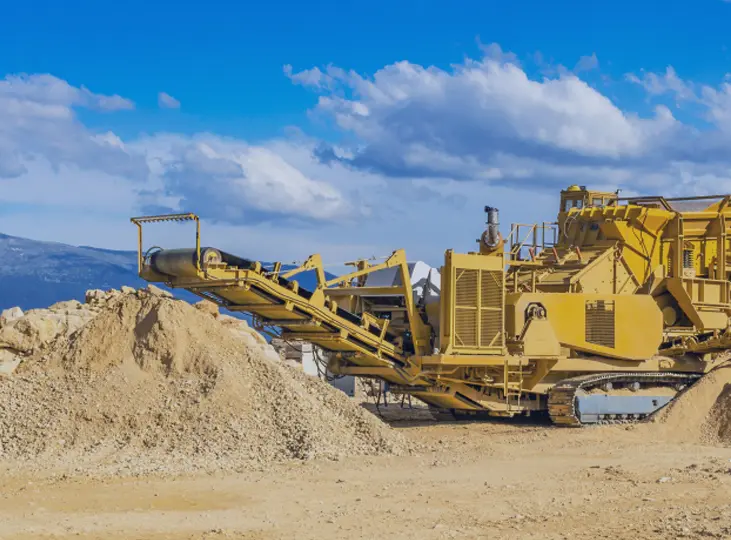
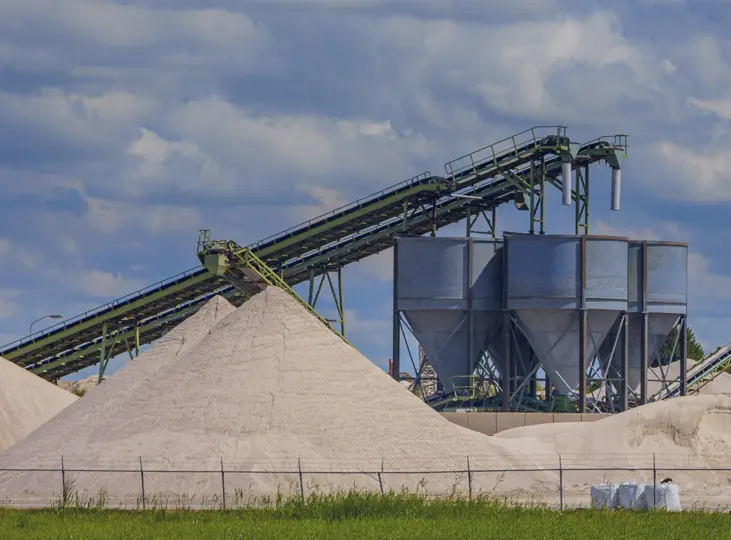
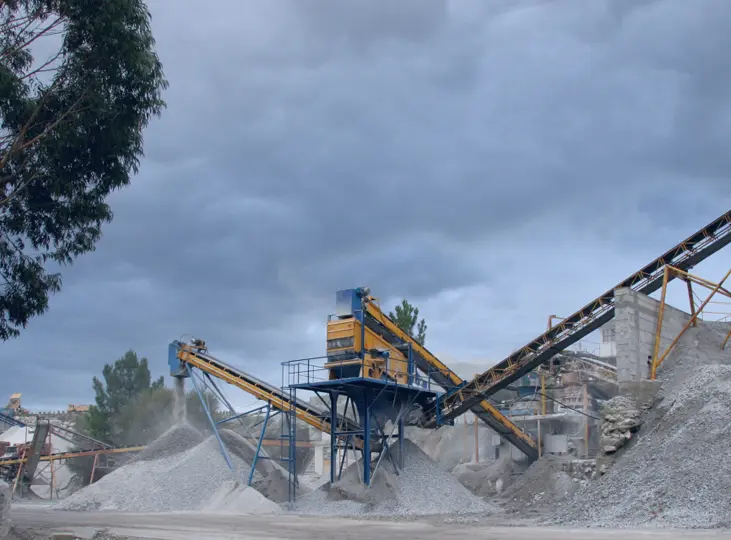
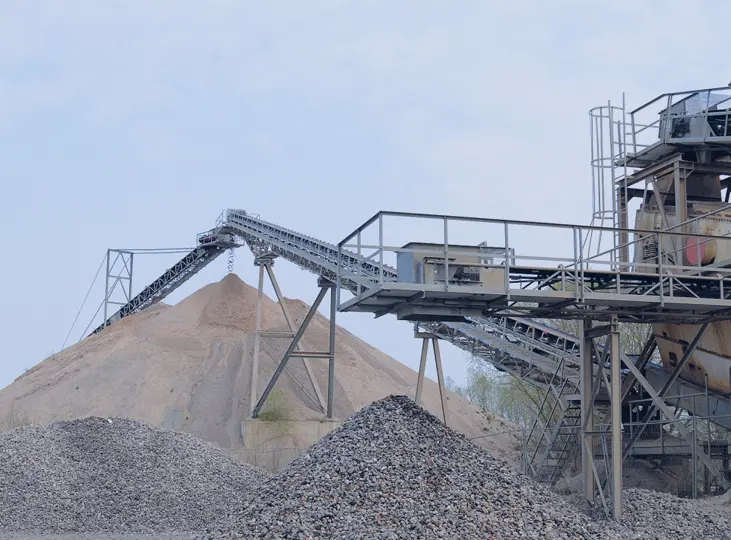
Select a category below to explore technical parameters, material standards, and recommended application configurations.
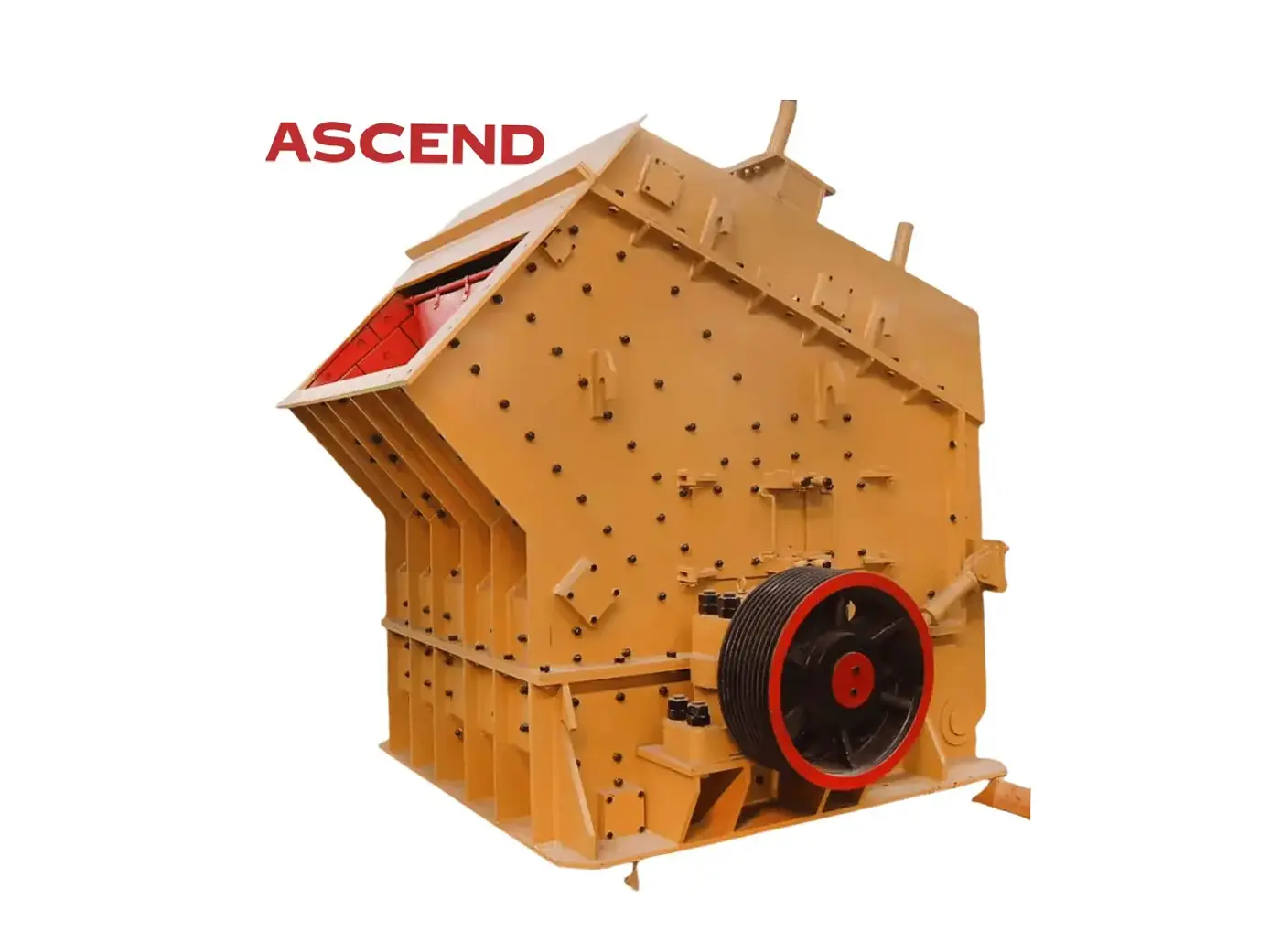
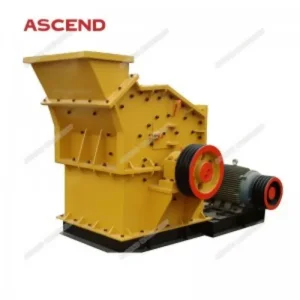
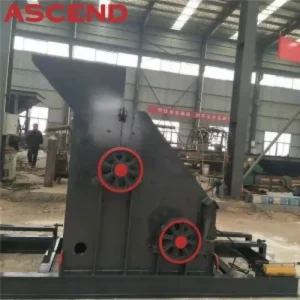
The impact crusher is a secondary crushing system designed to reduce medium-hard materials using high-velocity kinetic energy. Featuring an optimized three-chamber crushing zone, heavy-duty rotor assembly, and manganese-alloy blow bars, it guarantees high reduction ratios and excellent cubical product shape output. Ideal for limestone, granite, gravel, and ore minerals prep stages.
Technical Data SheetsSuccessfully operating an STL/STLB centrifugal concentrator requires adjusting parameters to fit regional mineral conditions. Below are the primary application settings where this technology achieves maximum efficiency:
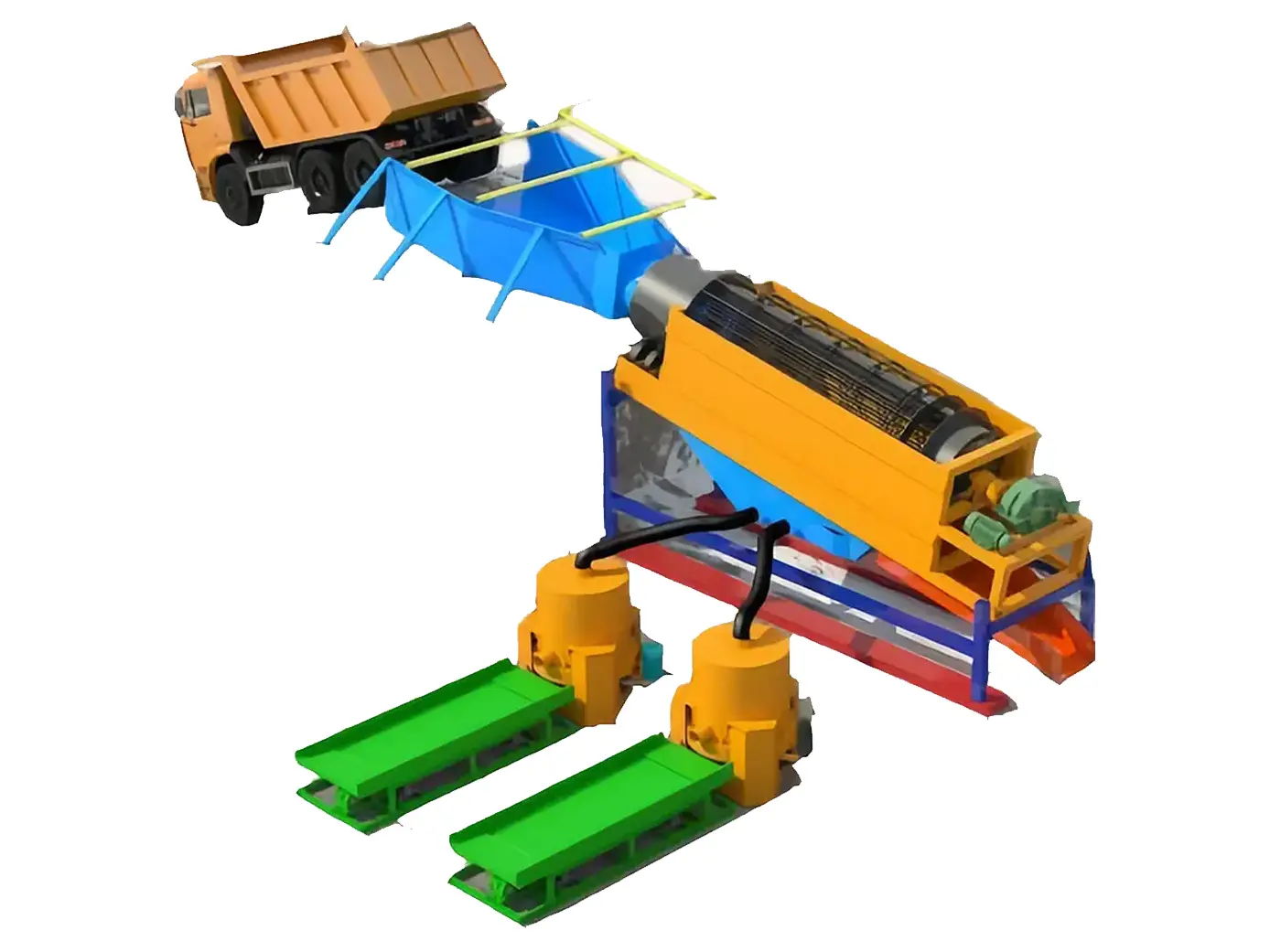
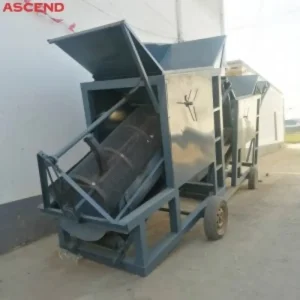
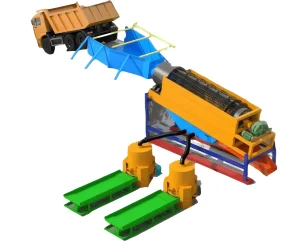
In alluvial deposits (riverbeds, wash plants), gold is already liberated but is often extremely fine or flaky. Integrating a screen (such as a rotary trommel) to separate coarse stones (+6mm) before feed enters the STLB ensures the centrifugal inner bowl operates without abrasive blockage, recovering up to 98% of placer gold.
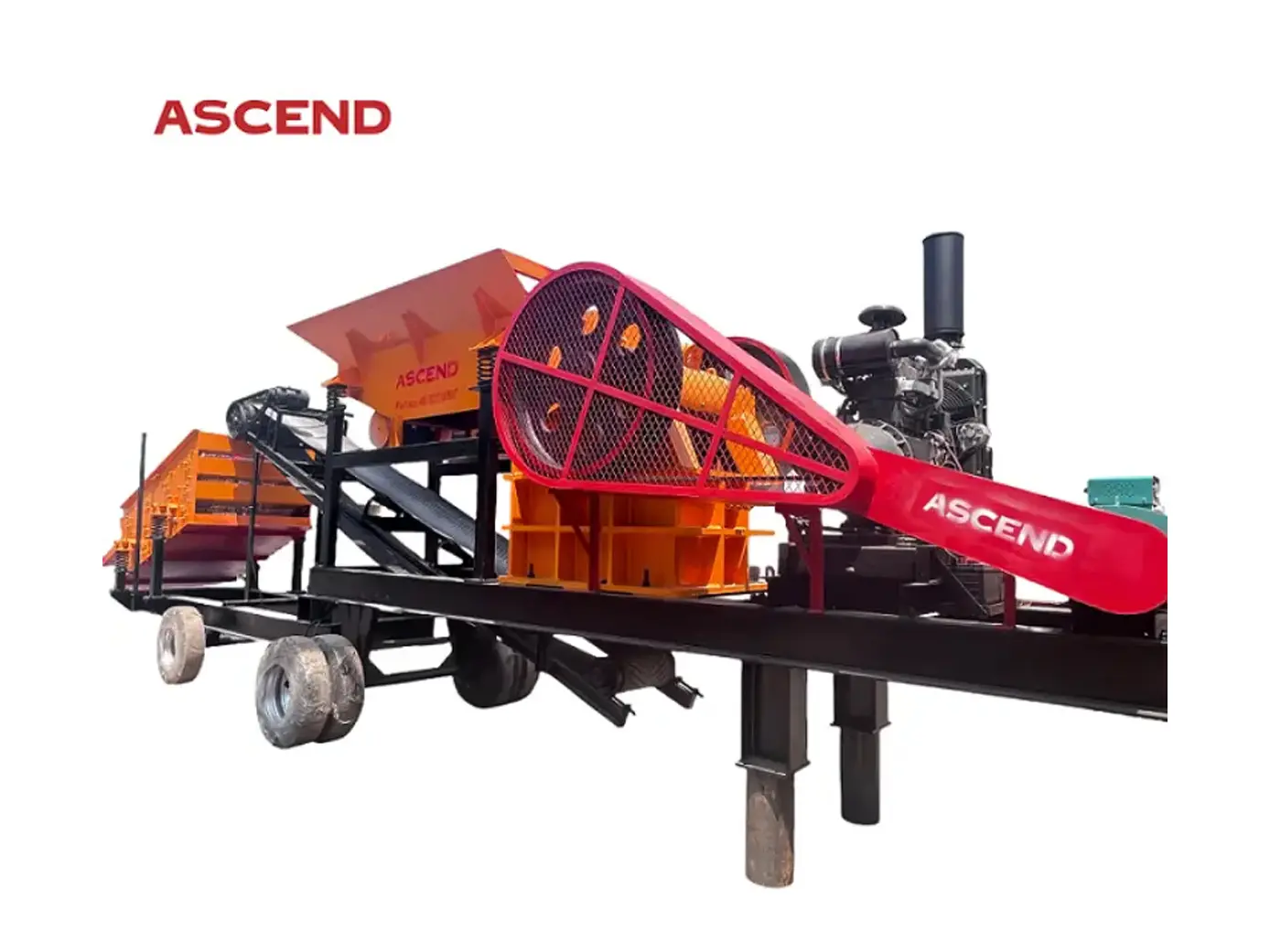
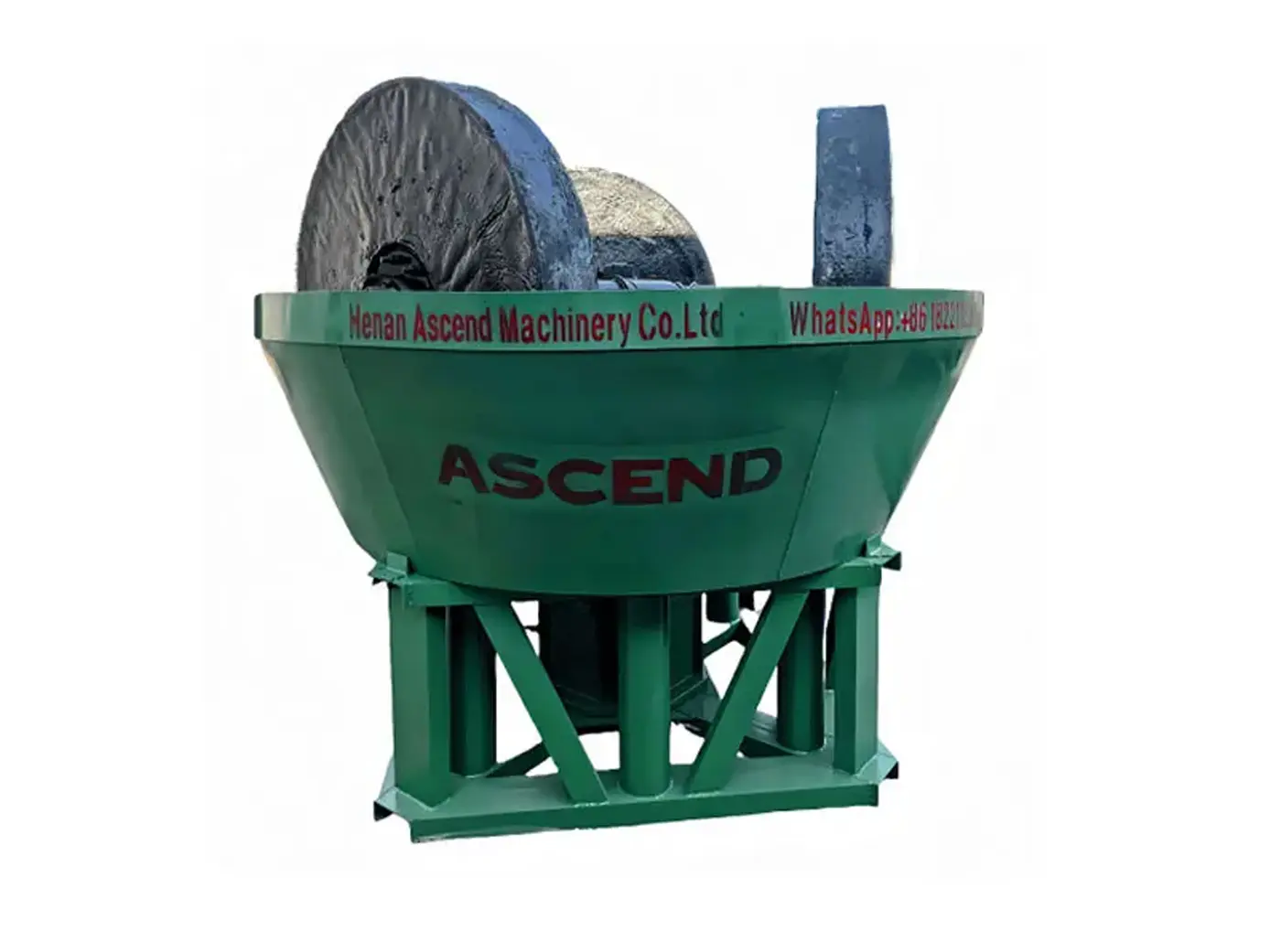
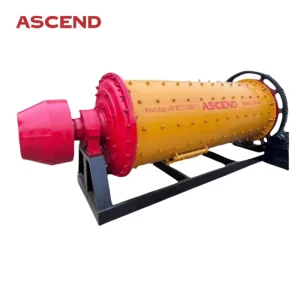
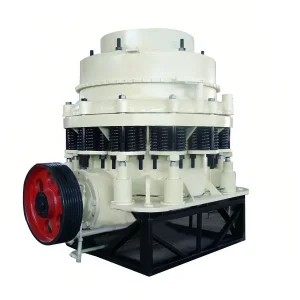
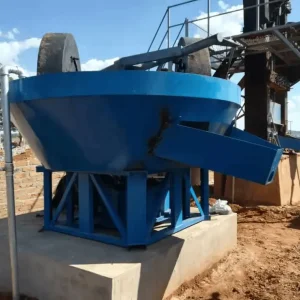
In rock gold operations, ores are crushed using jaw/cone crushers and ground via wet pan mills or ball mills. Placing an STL concentrator in the closed-circuit cyclone underflow allows for rapid capture of liberated coarse gold before it gets over-ground and lost in the tailing circuit. This step stabilizes overall plant recovery rates.
Many historical mining regions feature waste piles with high gold content due to inefficient processing in the past. Centrifugal concentrators can process low-grade tailing slurries effectively, recovering fine particles down to -325 mesh (-45 microns), providing a lucrative secondary source of income from waste.
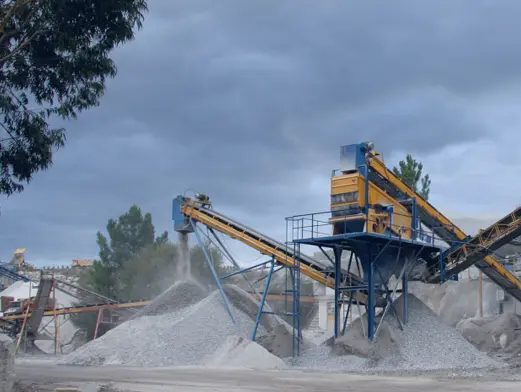
Stay updated with our latest machinery deliveries, global installations, and on-site commissionings.
 July 2025
July 2025
June 2025
July 2025
July 2025
July 2025
June 2025
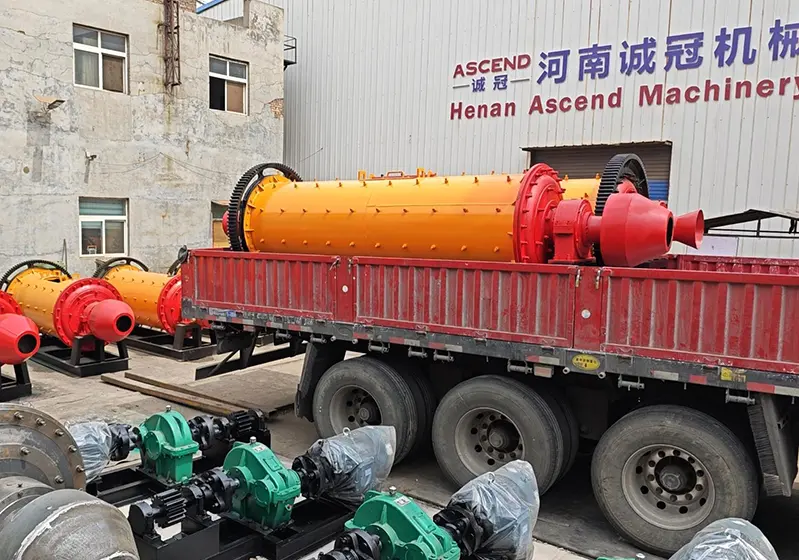
Henan Ascend Machinery & Equipment Co.,Ltd. was established in 2005 and is located in the high-tech zone of Zhengzhou City, Henan Province. For over two decades, we have committed ourselves to the engineering, manufacture, and servicing of complete crushing, grinding, screening, feeding, and mineral gravity separation systems.
Whether your project requires raw rock grinding mill plants, mobile washing systems, or specialized fluidized centrifugal concentrators for placer gold extraction, our engineers are here to design custom setups. By owning our manufacturing facilities, we guarantee strict quality control, prompt shipping, and direct factory pricing.
Contact Our Engineering TeamWhen sourcing STL/STLB centrifugal concentrators from Chinese suppliers, procurement teams must request verified performance certificates to ensure longevity under challenging field conditions:
Ensure the manufacturer uses high-purity brass or stainless-steel fluidization valves. These must withstand high-mineral and high-sediment raw water sources without clogging or corroding.
For locations with unstable power grids, specify Siemens, ABB, or top-tier Chinese motors (e.g. Y2 series) rated IP55/IP65 for dust and water resistance, or select diesel generator coupled drive systems.
Request balancing test records for the main shaft assembly. Precision balancing prevents bearing wear and extends the service life of the machine, even during 24/7 continuous operation.
Find answers to common technical, installation, and sizing questions from our engineering support team.
The difference lies in the concentrate discharge mechanism. The STL model is a batch concentrator, which requires stopping the feed and flow to manually rinse out the captured concentrate from the inner cone grooves. This type is ideal for low-grade operations, small mines, and alluvial testing. The STLB model is a semi-continuous or fully continuous fluidized concentrator, utilizing automatic PLC valves to flush the concentrates without stopping the machine, making it suitable for large industrial grinding and milling circuits.
Optimal fluidization water pressure typically ranges from 0.05 to 0.40 MPa (depending on the model size and slurry density). The rule of thumb is: the water pressure must be high enough to keep the concentrate bed loose and fluid, but not so high that it washes the fine gold out of the grooves into the tailings. If you see fine gold in your tailings, check if the water pressure is too high. If the grooves are packed solid with hard clay or sand, the pressure is too low.
Clay-rich ores (sticky/muddy slurries) can coat the gold particles and clog the fluidization holes of the inner bowl. For high-clay deposits, you must use a high-shear clay scrubber or a rotary trommel screen with high-pressure spray bars to wash and break up the clay before feeding the slurry into the concentrator.
The absolute maximum feed size is 6mm. However, the optimal separation efficiency is achieved with feed sizes under 1.5mm (approx. 10 to 14 mesh). Feeding material larger than 6mm can damage the inner polyurethane bowl and block the concentrate grooves.
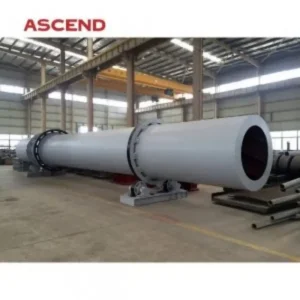
We supply premium industrial crushers, drum dryers, wet pan mills, and Knelson-style centrifugal concentrators worldwide.
 Ascend