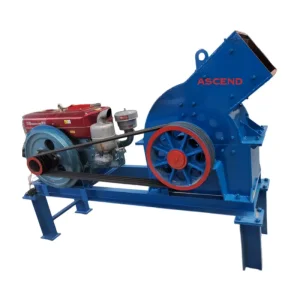
Premium comminution machinery specifically configured to handle the tough geological conditions of Algeria, from the dry sands of the Sahara to the rugged Atlas Mountains.
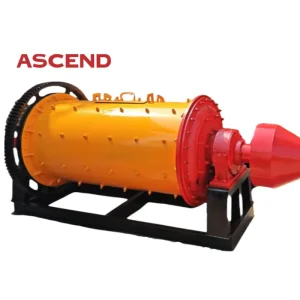
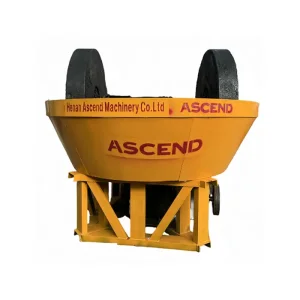
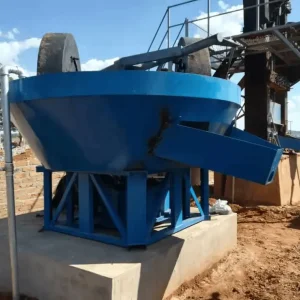
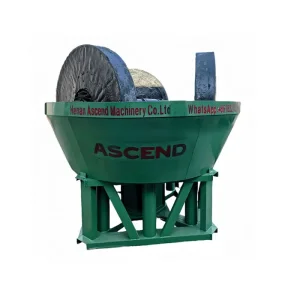
Algeria's industrial sectors and mineral extraction industries are going through an unprecedented paradigm shift. Driven by the national agenda to diversify the economy away from hydrocarbon dependency, the Algerian Ministry of Energy and Mines (ANAM) has instituted sweeping regulatory frameworks. These incentives are strategically structured to expand the exploitation of local metallic and non-metallic mineral resources. Foremost among these targets are the gold reserves situated in the Hoggar region (Tamanrasset and Illizi Wilayas), the extensive iron ores of Gara Djebilet in Tindouf, the massive phosphate formations in Tébessa, and the high-purity limestone deposits distributed extensively across northern Algeria.
To unlock the economic value of these complex mineral assemblies, efficient size reduction—commonly termed comminution—is the critical primary phase. Fine grinding mill technology acts as the bridge transforming raw ores and hard stones into high-value mineral concentrates and industrial inputs. For example, within the calcium carbonate sector, local Algerian paint, plastics, and paper manufacturers are switching from imported fine powders to locally processed minerals. Achieving the required d90 particle size distributions (often down to sub-10 microns) demands highly reliable stone grinding mill machinery.
Operational conditions in Algeria present distinct challenges. Grinding equipment must function optimally under extreme temperatures (exceeding 45°C in southern desert zones), tolerate abrasive windborne sand, and manage high-hardness ore inputs (such as quartz veins in gold concessions). Consequently, off-the-shelf equipment designed for temperate climates frequently fails in Algeria. Exporters must provide highly adapted designs featuring upgraded dust-exclusion seals, reinforced lubrication systems, and heavy-duty motor wraps to minimize downtime.
Grinding technology needs are highly specialized depending on the region and the specific mineral target. We have engineered stone grinding and crushing configurations optimized for several key Algerian industrial contexts:
Explore our successfully implemented grinding and crushing lines operating reliably under the demanding environmental and geological conditions of Algeria.
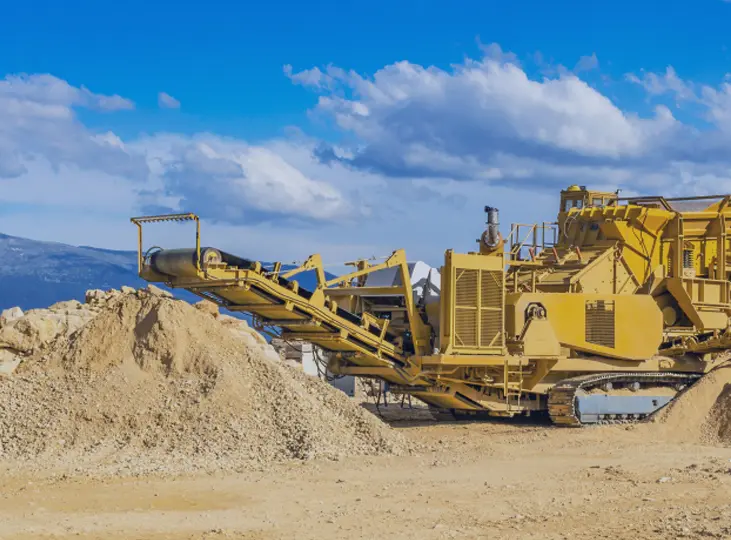
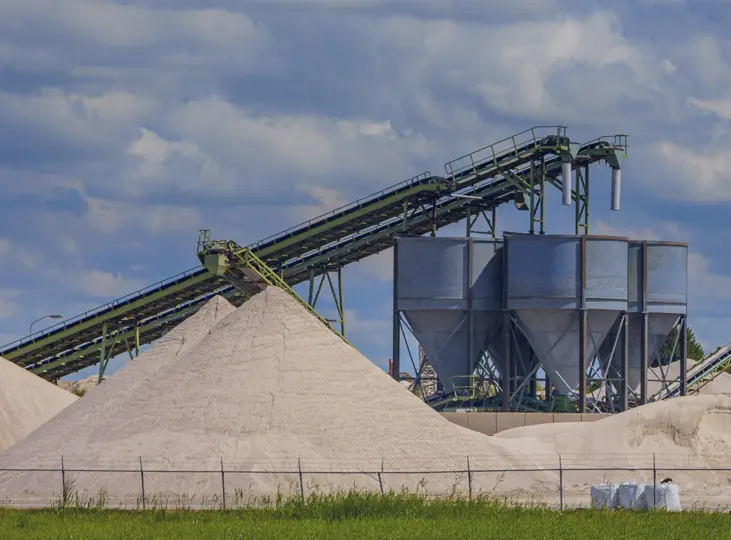
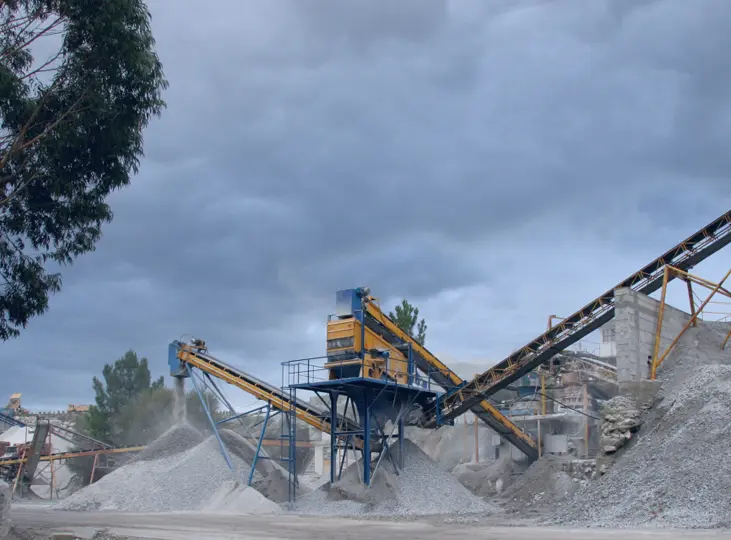
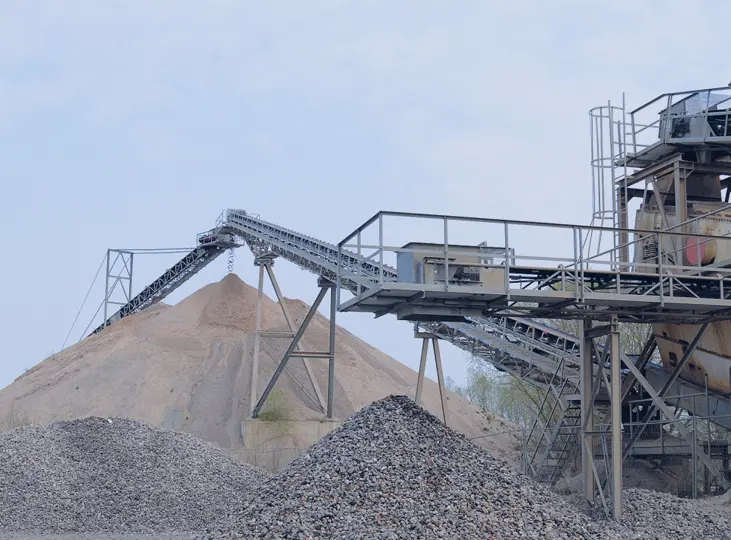
The technology of size reduction is progressing from simple, mechanically driven mills to smart, energy-efficient, and integrated grinding complexes. For Algerian mining operators seeking to control costs while scaling production, understanding this technological timeline is essential for long-term capital planning.
Historically, the sector relied heavily on diesel-driven, single-stage open-circuit grinding. Although simple, these designs led to high energy losses, uneven product sizes, and extensive dust emissions. The current generation of machinery focuses on closed-circuit mills integrated with dynamic air separators. Returning oversized particles to the mill chamber prevents over-grinding, reducing energy use by up to 30% and delivering a far more consistent final product.
| Technology Phase | Typical Equipment Specs | Energy Consumption | Algerian Market Applicability | Key Operational Advantage |
|---|---|---|---|---|
| First Gen: Open-Circuit Mills | Conventional Ball Mills, Diesel Wet Pan Mills | High (28-35 kWh/Ton) | Widespread in small-scale gold panning in the South | Simple setup, low CAPEX, very easy to service |
| Second Gen: Closed-Circuit Mills | Ball Mill + Spiral Classifier / Rotary Screens | Medium (20-25 kWh/Ton) | Medium-scale mining projects and aggregate plants | Eliminates over-grinding, improves recovery rates |
| Third Gen: Integrated Dry Systems | Ultrafine Grinding Mill + Dynamic Air Classifier | Optimized (15-18 kWh/Ton) | Limestone, calcium carbonate, and cement facilities | Precise control of particle size distributions (d90) |
Looking forward, the roadmap features remote monitoring, self-adjusting grinding chambers, and real-time wear indicators. As Algerian mine sites transition to solar-diesel hybrid microgrids, selecting mills equipped with variable frequency drives (VFD) and soft-start technology is essential. These modern options prevent grid voltage drops and optimize motor power consumption based on variations in ore hardness.
Procuring heavy machinery from China is no longer just a cost-saving move—it is a strategic decision for supply chain resilience. As a manufacturer located in Henan, the heart of China's heavy industrial manufacturing base, Henan Ascend provides significant supply chain and engineering advantages to Algerian clients:
Globally, the demand for high-efficiency grinding equipment is growing, driven by the global transition toward minerals critical to green energy and infrastructural development. Algeria is strategically positioned to become a regional mineral processing hub for North Africa and the Mediterranean basin. By utilizing high-capacity milling systems, local companies can shift from exporting raw ores to processing minerals domestically, capturing higher value margins.
For instance, processing raw barite, bentonite, or diatomite within Algeria rather than shipping untreated ores creates local employment and builds valuable processing expertise. To compete globally, Algerian operations must implement plants that match international standards for resource efficiency and environmental protection. Choosing our grinding systems helps achieve these metrics, ensuring your operation remains efficient and compliant for decades to come.
Importing heavy industrial equipment into Algeria requires navigating specific import regulations, foreign exchange rules, and technical standards. Henan Ascend ensures hassle-free transactions through structured support processes:
Explore our wide range of grinding mills, mobile crushers, and mineral processing units engineered for long term durability.
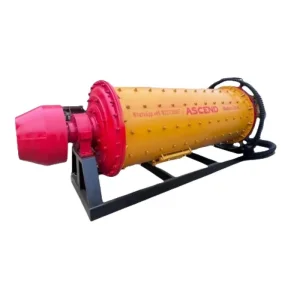
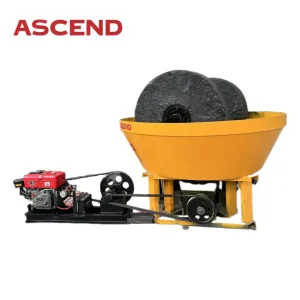
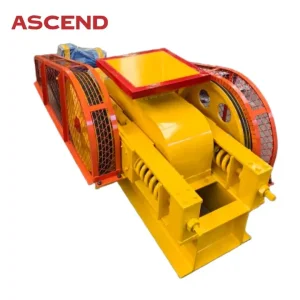
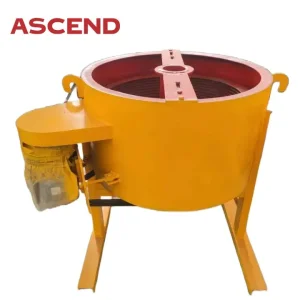
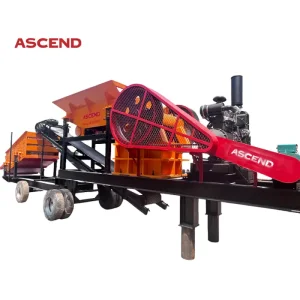
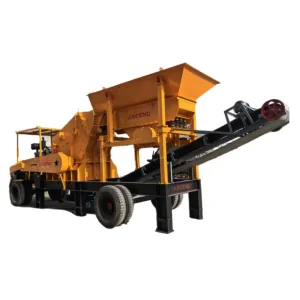
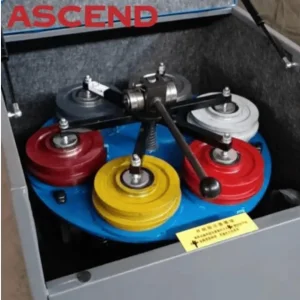
Maintaining complete process capability from exploratory laboratory analysis to industrial scale sluicing plants in the Algerian market.
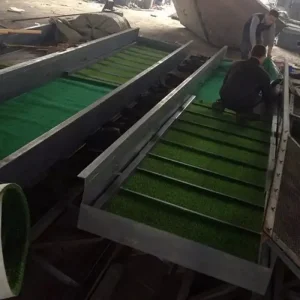
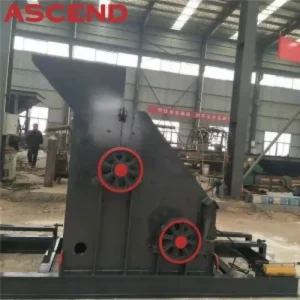
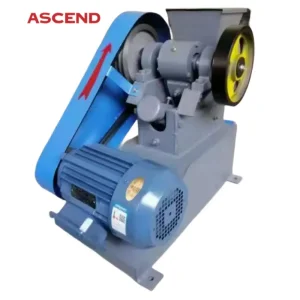
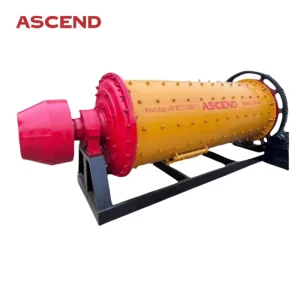
Developing a realistic cost estimation model for grinding equipment requires evaluating several key factors. The total capital expenditure (CAPEX) involves not only the purchase price of the machinery but also international shipping, customs duties, installation costs, and initial spare parts inventory.
Below is a reference guide indicating typical FOB Chinese Port price ranges for our main machine families. Please note that exact quotes depend on custom engineering specifications (such as diesel vs. electric drives, alloy steel upgrades, and customized control systems):
| Machine Family | Standard Model Variants | Processing Capacity | Approx. Price Range (FOB China) | Recommended Algerian Application |
|---|---|---|---|---|
| Water Wet Pan Mill | Model 1100, 1200, 1400 | 1.5 – 5 Tons/Hour | $2,500 – $6,800 USD | Artisanal Gold Mines in Tamanrasset and Djanet regions |
| Industrial Ball Mill | 900x1800 to 1500x3000 | 2 – 15 Tons/Hour | $12,000 – $48,000 USD | Medium-scale calcium carbonate, quartz, and copper ore grinding |
| Diesel Engine Mobile Crusher | PE-250x400 (Mobile) | 5 – 20 Tons/Hour | $5,000 – $15,000 USD | Remote road construction and flexible primary crushing sites |
| Laboratory Pulverizer / Crusher | Small Lab Samples Mill | Batch analysis scale | $1,200 – $3,500 USD | Mineral assay laboratories and geological testing stations |
To protect your investment, we recommend budgeting approximately 10% to 15% of the machine's value for essential wear parts (such as replacement liners, rollers, and screens) during the first two years of operation. Henan Ascend offers consolidated spare parts packages with shipping to reduce logistical costs for our clients.
Critical operational answers for Algerian mining engineers, quarry managers, and purchasing departments.
Contact our technical team today to receive a detailed feasibility report, custom plant design, and a competitive price quote customized for your project site.
Send Inquiry Now Ascend