Engineered configurations matching local grid standards, optimized for high yield, environmental compliance, and continuous industrial operations.
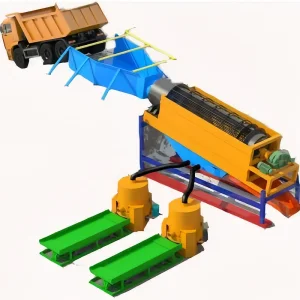
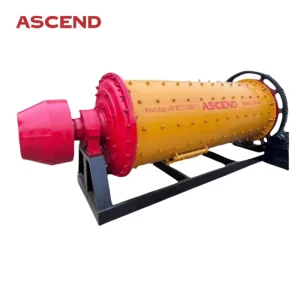
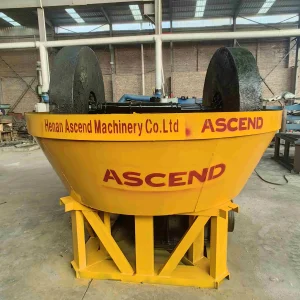
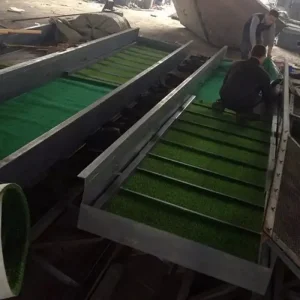
The Japanese mining sector presents a unique dichotomy of rich historical output and cutting-edge industrial innovation. In the modern era, Japan focuses on processing ultra-high-grade gold veins such as those found at the legendary Hishikari Mine in Kagoshima Prefecture, alongside a massive, high-priority shift toward urban mining (e-waste recycling). Due to Japan's rigorous domestic environmental frameworks, including the Mine Safety Act and strict water purification guidelines, gold processing plant manufacturers must design systems that prioritize zero-emission processing, minimized noise pollutions, and highly automated beneficiation plants.
Whether extracting gold from complex underground volcanogenic sulfide deposits, processing alluvial deposits in Hokkaido, or leaching gold from recycled printed circuit boards (PCBs) in industrial facilities near Tokyo and Osaka, miners require robust machinery that achieves maximum recovery rates. Incorporating state-of-the-art gravity separation, ball mills for fine-grade particle size distribution, and customized flotation loops, modern processing facilities are shifting toward highly efficient, energy-conscious mineral processing circuits.
Did you know? Japan's urban mines are estimated to contain equivalent reserves of up to 6,800 tons of gold, exceeding the natural reserves of many resource-rich countries. Maximizing recovery requires precision grinding and multi-stage classification systems capable of handling varying feed characteristics.
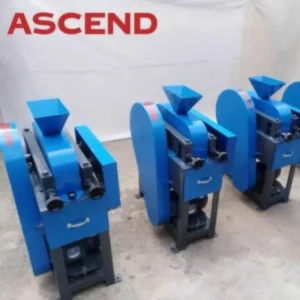
Optimizing a gold processing circuit requires careful synchronization of size reduction (crushing and grinding) with mineral separation. If the ore is under-ground, the gold remains locked in the host rock matrix, leading to high tailing losses. If over-ground, fine gold particles turn into "slimes" that escape gravity concentrators and flotation cells. Therefore, selecting the correct jaw crusher, double roller crusher, and wet ball mill layout is critical to maintaining high recovery.
| Processing Stage | Primary Equipment | Operational Mechanism | Typical Capacity Range |
|---|---|---|---|
| Primary Crushing | Heavy-Duty Jaw Crusher | Compression crushing of hard run-of-mine (ROM) ore down to <100mm. | 5 TPH - 500 TPH |
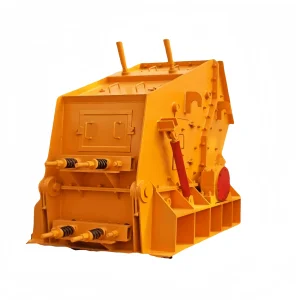
| Secondary Crushing | Double Roller / Impact Crusher | Precise shear and impact reduction down to <10mm feed sizes. | 10 TPH - 300 TPH |
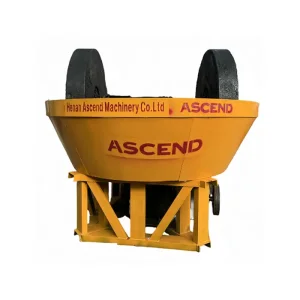
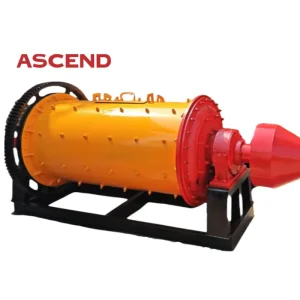
| Fine Grinding | Wet Ball Mill / Wet Pan Mill | Rotational impact & attrition to liberate locked gold down to <74 microns. | 2 TPH - 150 TPH |
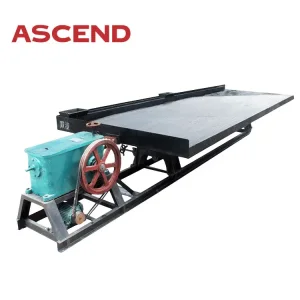
| Gravity Concentration | Shaking Table / Sluice Box | Density-differential separation without chemical reagents (eco-friendly). | 1 TPH - 50 TPH per deck |
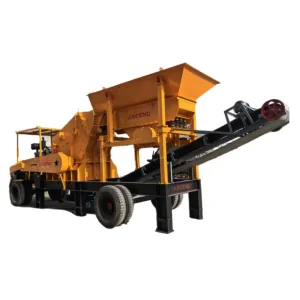
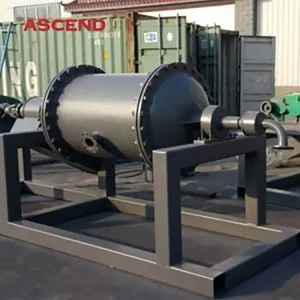
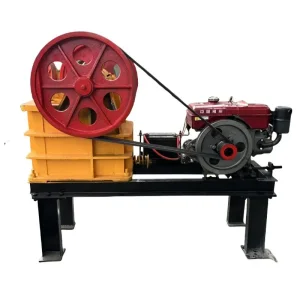
For the Japanese market, where spatial limits in mountainous mining zones are a reality, compact footprint setups like the Ascend Mobile Diesel Crusher and compact Ball Mill-Amalgamator Packages are ideal. These systems reduce initial civil engineering costs while allowing operators to move processing equipment directly to the extraction site, minimizing expensive ore transport.
Blending structural cost advantages with Japanese industrial compliance, high-spec components, and rapid logistics channels.
As a leading manufacturer of mining and mineral processing machinery in Henan, Ascend provides tailored EPC (Engineering, Procurement, and Construction) solutions designed to integrate seamlessly into Japanese mine networks.
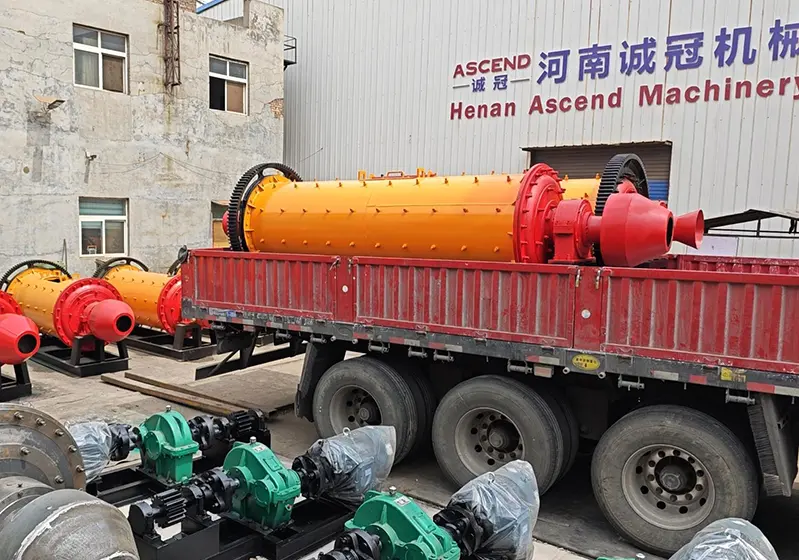
Explore real-world configurations optimized for Japanese clients, highlighting eco-friendly gravity beneficiation and high-grade underground operations.
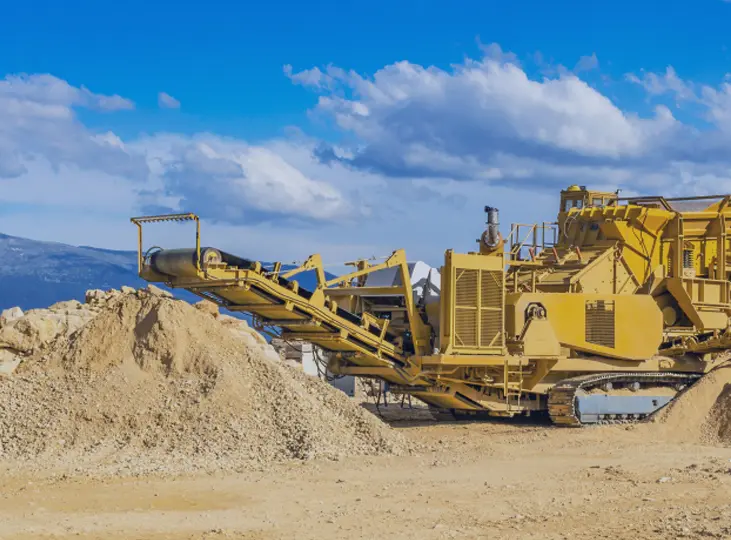
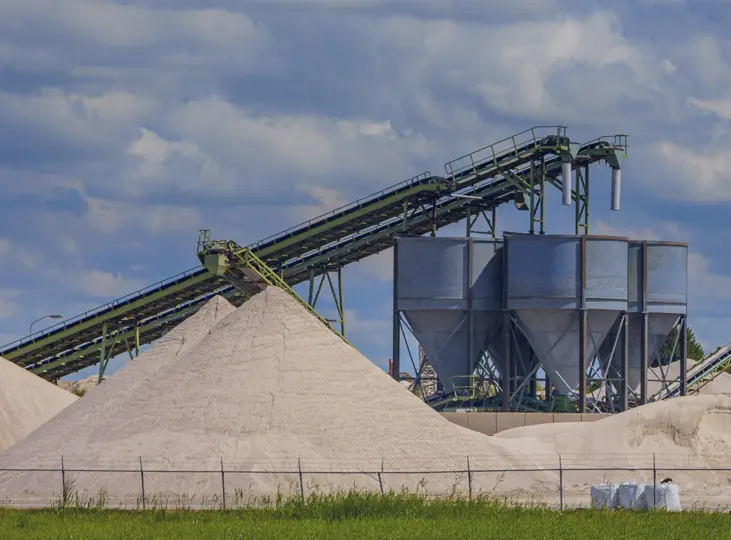
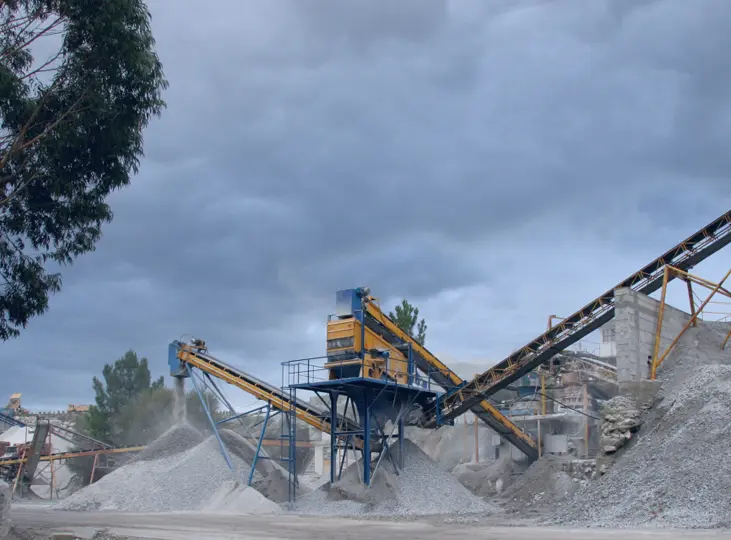
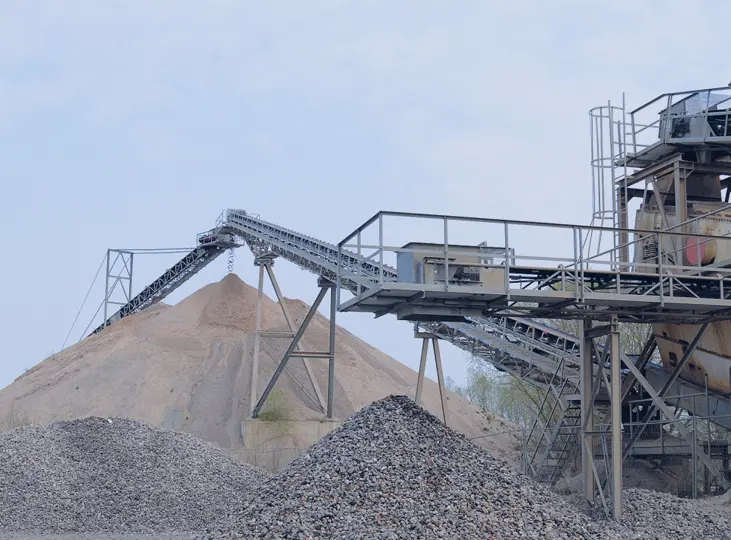
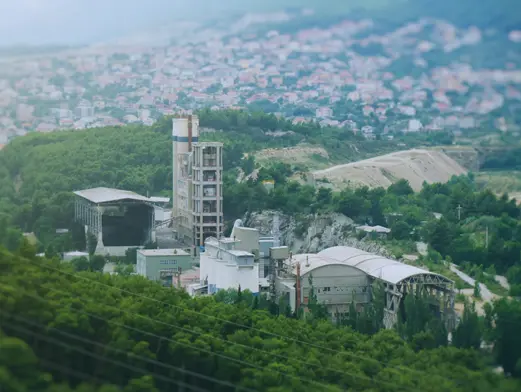
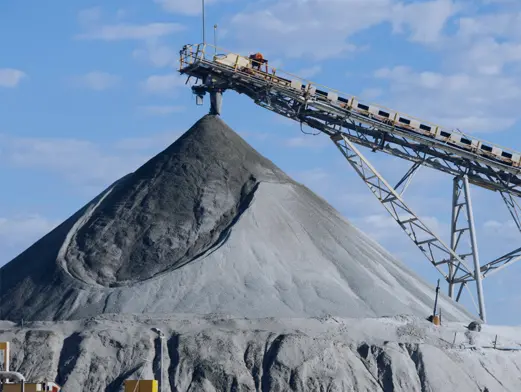
Designing a gold recovery flowsheet requires analyzing chemical profiles, grain sizes, and mineralogical structures. For operators in the Japan market, environmental permits often dictate the type of recovery chemistry allowed. In this section, we analyze the three primary recovery architectures:
Utilizing equipment like 6-S Shaking Tables and Sluice Concentrators, gravity separation capitalizes on the difference in specific gravity between heavy gold particles (S.G. ~19.3) and lighter quartz/silicate gangue (S.G. ~2.65).
Pros for Japan: 100% chemical-free process, zero environmental toxicity risks, low water consumption, simple permitting. Ideal for alluvial operations in Hokkaido.
When gold is present as micro-particles locked inside sulfides (like iron pyrites or chalcopyrites), flotation circuits use air bubbles and specialized collectors to float mineralized froth.
Pros for Japan: Very high recovery rates for complex copper-gold ores. Requires downstream filtration and tailing containment systems to prevent environmental contamination.
The gold is dissolved using cyanidation and then adsorbed onto activated carbon. While standard globally, CIP/CIL systems face severe regulatory scrutiny in Japan, requiring elaborate detox containment systems. Often, gravity concentration is selected as the primary stage to catch as much free gold as possible prior to any chemical leaching.
Browse our robust crushing and grinding machinery, engineered for high reliability, custom-fabricated to match Japanese mining operating guidelines.
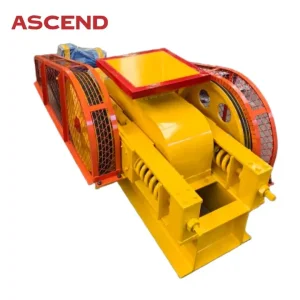
Established in 2005 and headquartered in the High-Tech Industrial Zone of Zhengzhou City, Henan Province, Henan Ascend Machinery & Equipment Co., Ltd. has grown into a premier manufacturer of heavy-duty mining machinery. We specialize in the complete life cycle of mining equipment—from rigorous research and development and precision CNC fabrication to global distribution and dedicated engineering support.
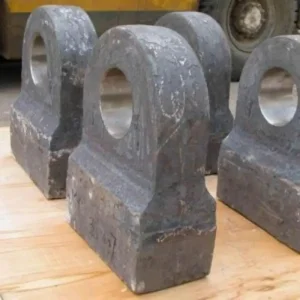
Our core catalog spans crushing (jaw, impact, double-roller, hammer crushers), fine grinding (ball mills, wet pan mills), classification, density separation (gravity shaking tables, centrifugal concentrators), and chemical leaching systems. To date, Ascend solutions are deployed across more than 130 countries and regions worldwide, particularly in Africa, Southeast Asia, South America, and now expanding to specialized high-end industrial loops in Japan.
Whether your project requires raw limestone and abrasive granite crushing, fine powder making, or high-recovery gold extraction plants, our team of experienced mining engineers stands ready to customize flowsheets to match your strict operational directives.
Critical engineering and commercial answers for buyers looking to deploy gold processing systems in the Japanese market.
 Ascend