Explore our industrial grade heavy machinery line optimized for high yield mineral liberation and rock sizing operations.
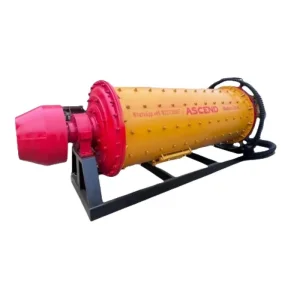
Within the heavy mineral extraction, cement manufacturing, chemical metallurgy, and advanced material preparation industries, the Dry Ball Mill stands out as a critical unit operation. Unlike its wet-milling counterparts, dry ball milling processes target feed materials without the addition of water, making it the preferred method for moisture-sensitive minerals, fine-powder chemical preparation, and environments facing water scarcity challenges.
Henan Ascend Machinery & Equipment Co.,Ltd., established in 2005 and headquartered in the High-Tech Zone of Zhengzhou City, Henan Province, has spent two decades pioneering dry ball milling technologies. In industrial setups, selecting a reliable manufacturer is not merely about finding a machine; it is about partnering with a team capable of delivering custom engineering, resilient metallurgical compositions, and advanced process control. This technical whitepaper explores the critical aspects of industrial dry grinding systems to help procurement managers, plant managers, and metallurgy engineers make informed purchasing decisions.
The choice between wet and dry grinding is determined by the material's downstream applications and chemical characteristics. Dry ball mills are preferred in several scenarios:
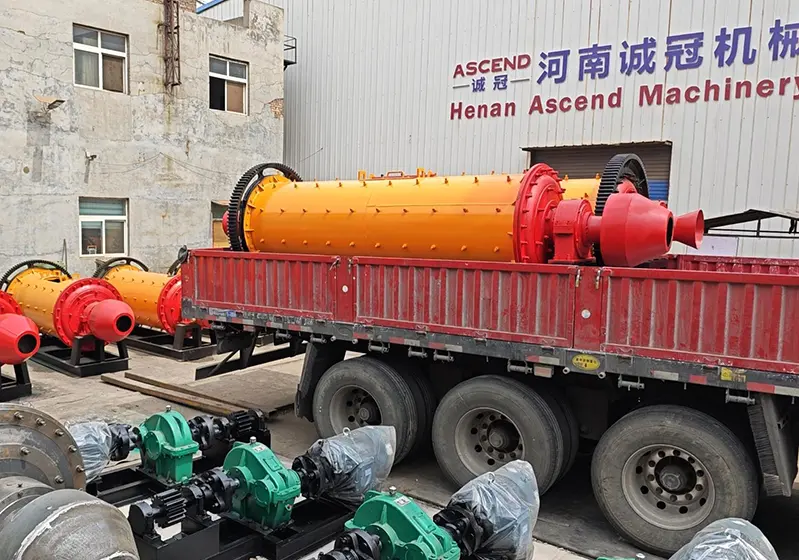
Our commitment to rigorous manufacturing standards translates to measurable field performance across all mining and industrial installations.
Dry ball mills utilize a rotating cylinder filled with grinding media (such as high-chromium steel balls or ceramic cylpebs) to reduce feed particles to fine powder through impact and attrition. The mechanical performance of dry ball mills depends on several core variables, including the critical rotational speed, media sizing distribution, chamber configuration, and internal liner geometry.
The drum shell of a dry ball mill experiences intense cyclic loading. Henan Ascend utilizes high-tensile Q235B or Q345B steel plates, rolled and automatically welded using submerged arc technology. Following welding, the entire shell undergoes thermal stress-relief annealing in a specialized furnace. This eliminates internal micro-stresses, preventing structural deformation, shell cracking, or misalignment of the main trunnions over decades of continuous load cycles.
We offer specialized liner materials tailored to the hardness and abrasiveness of your feedstock:
For multi-stage grinding, the cylinder is divided into two or more chambers by a diaphragm wall. The first chamber features stepped or wave liners with larger steel balls (60–100mm) for primary impact crushing. The second chamber uses flat or corrugated liners with smaller balls (20–50mm) to maximize surface area contact, accelerating the fine attrition process.
Depending on the mill size and operational conditions, Ascend designs drive assemblies using three main configurations:
Our industrial dry grinding systems are integrated into automated production lines worldwide, supporting diverse material processing applications.
Processing silica sand for the glass, ceramics, and solar industries requires strict control over iron contamination. We utilize alumina or polyurethane liners combined with silica grinding pebbles to achieve 325-mesh fineness without iron impurities.
Dry ball mills operate in closed circuit with dynamic air separators to produce cement with high specific surface areas (Blaine value > 350 m²/kg). This setup minimizes over-grinding, optimizes thermal efficiency, and increases throughput.
In arid regions (such as parts of Africa and Western Australia), water conservation is critical. Dry ball milling combined with dry concentration systems (such as air tables or magnetic separators) allows for early-stage gold and iron pre-concentration without requiring water.
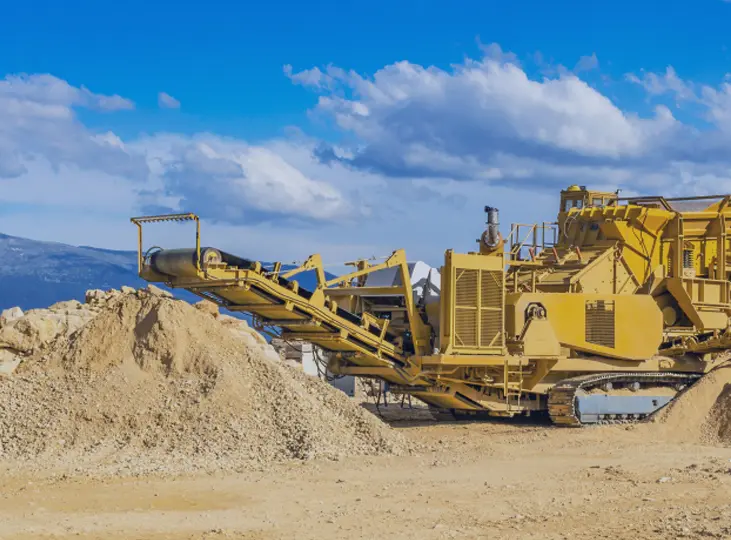
Operating from our primary manufacturing base in Henan, China, Ascend leverages a highly integrated industrial supply chain. China's central plains are a hub for heavy industry, providing convenient access to premium cast steel, raw gear forging, and motor manufacturing. This proximity allows us to source raw materials efficiently and maintain strict quality control throughout production.
Our manufacturing plant runs on a modern quality management system (QMS) featuring:
This localized supply chain and manufacturing approach helps us control costs and keep production timelines predictable, offering a competitive advantage to global wholesale buyers.
A showcase of our mineral processing lines, jaw crusher plants, and dry milling projects running globally.
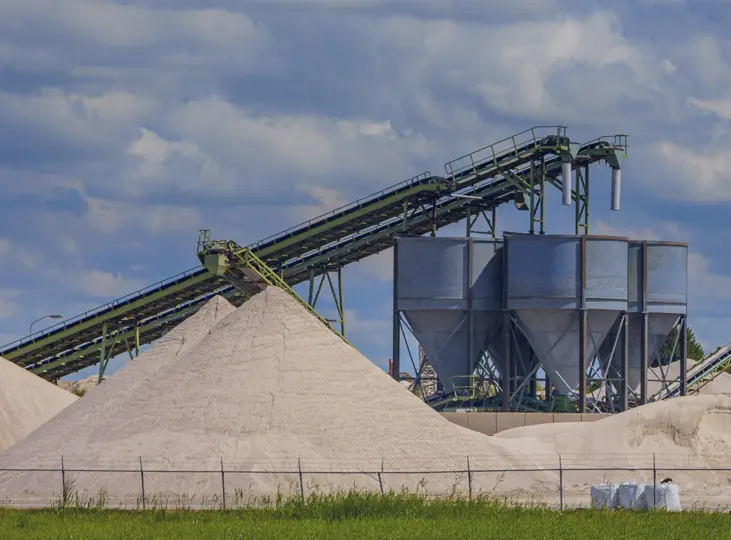
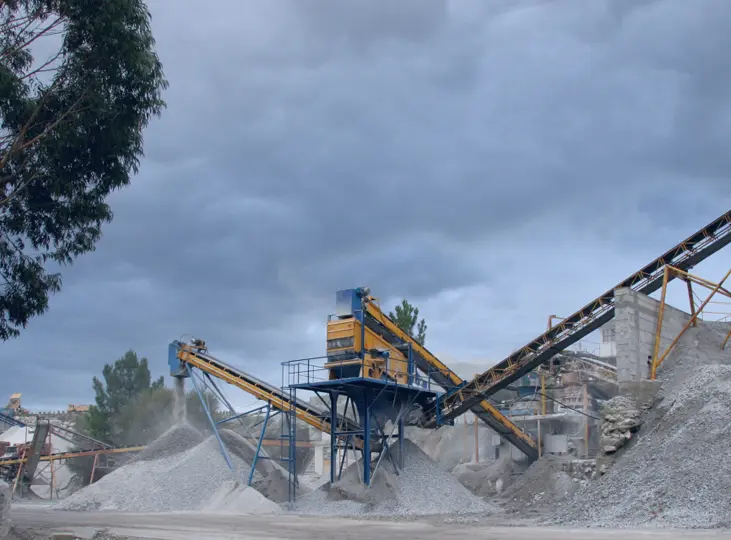
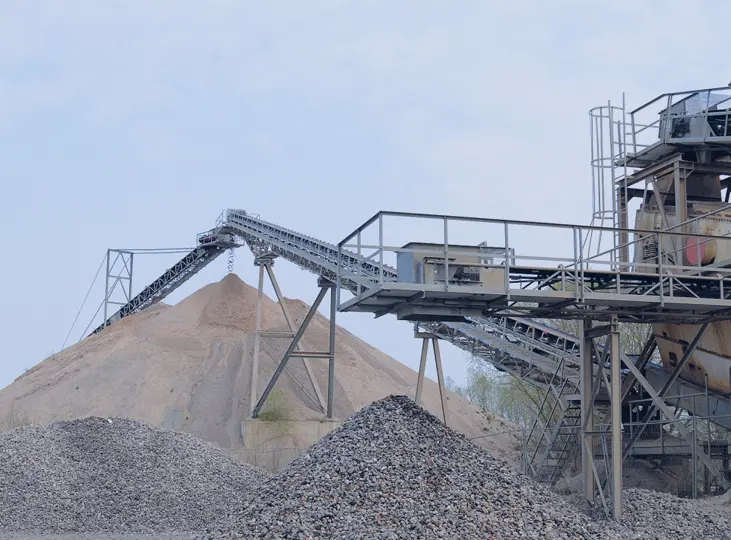
For international procurement managers, sourcing heavy industrial equipment involves navigating logistical challenges, local electrical standards, and strict safety regulations. Ascend simplifies this process by providing comprehensive engineering and localization support from our Zhengzhou headquarters.
Electrical configurations must match local grids. We supply motors and control panels tailored to global standards: 380V/50Hz/3Phase for China/Europe/Africa, 415V/50Hz for Australia/India, and 460V/60Hz or 480V/60Hz for the Americas. Our control cabinets are built with global components (Siemens, Schneider, ABB) and comply with CE, UL, and CSA standards, ensuring smooth integration and permitting at the job site.
A major challenge in international equipment procurement is post-sale support. Ascend provides technical assistance at every stage:
Milling is traditionally an energy-intensive process. Ascend's technical roadmap focus is on improving efficiency and reducing energy consumption:
Track our global operations, equipment shipments, and project updates from around the world.
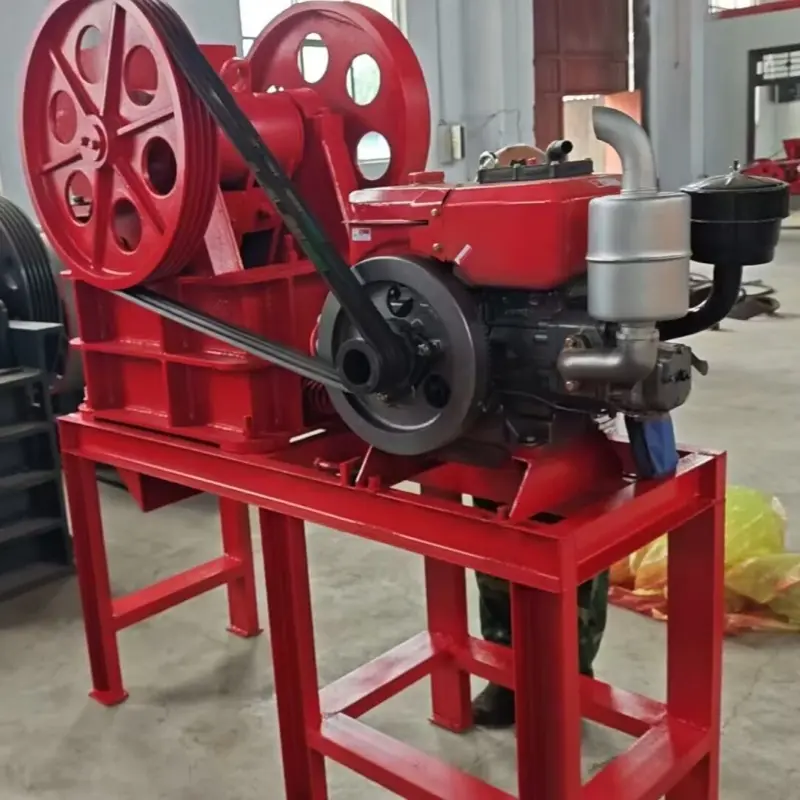
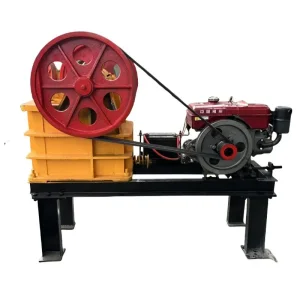
High-performance jaw crushing unit shipped to Papua New Guinea for remote primary rock processing.
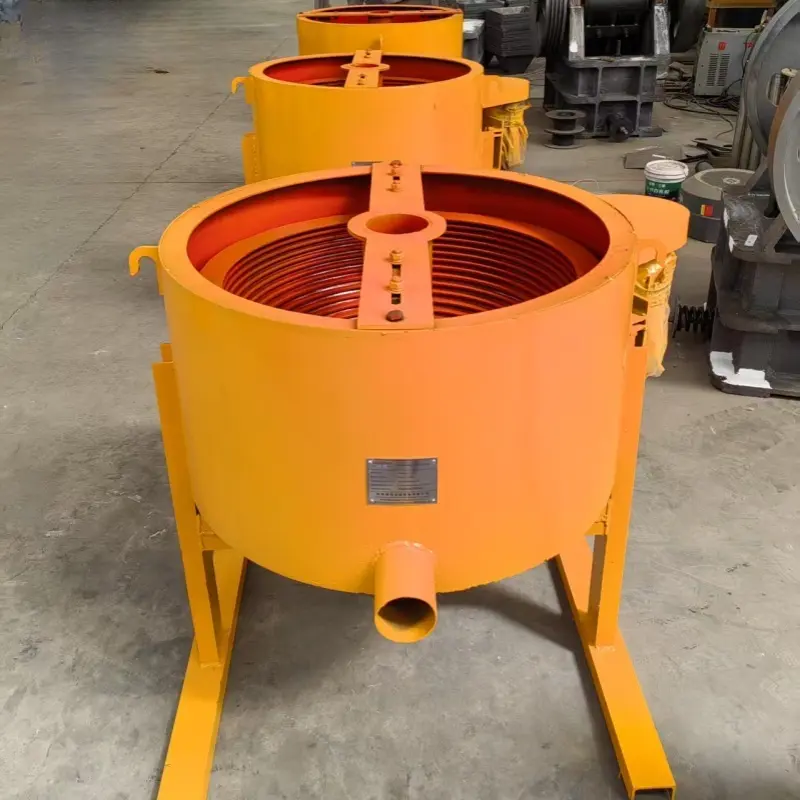
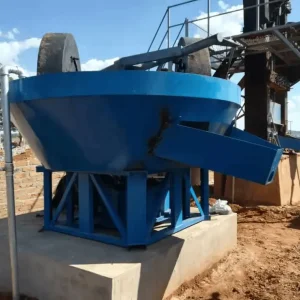
Supporting artisanal and small-scale mining operations in Zambia with gravity recovery concentrators.
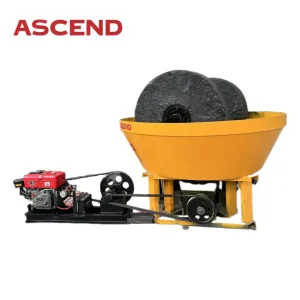
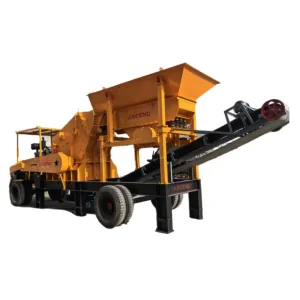
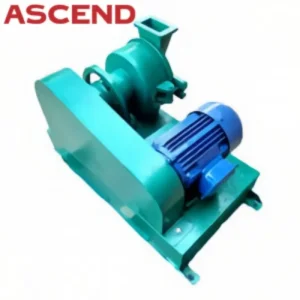
Designed for off-grid operations, this diesel-powered grinding mill was successfully delivered for mineral sizing.
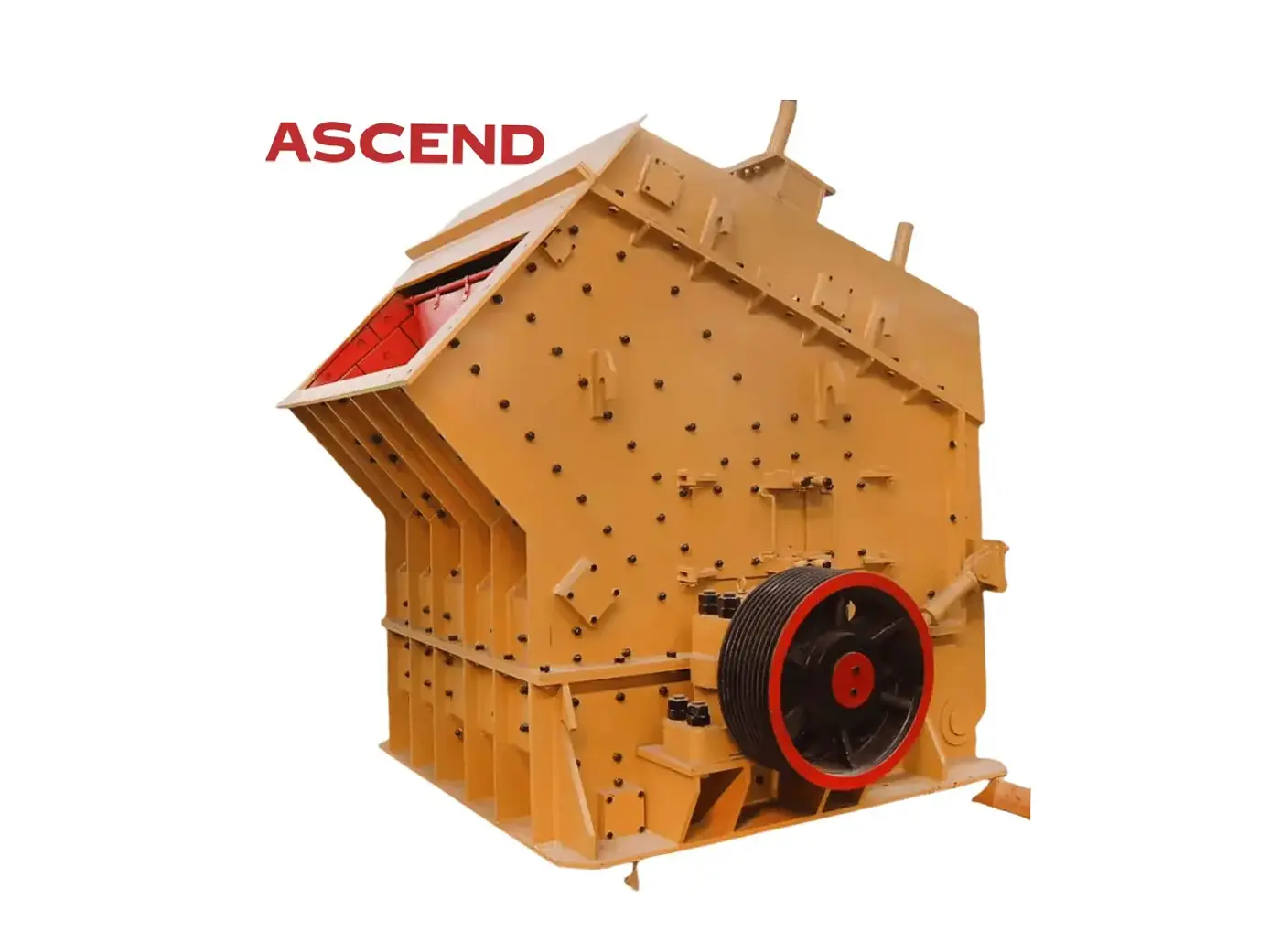
A heavy-duty jaw crusher shipped to Zambia to support primary crushing stages in copper ore processing.
Clear, direct technical answers to common questions asked by engineers and procurement specialists.
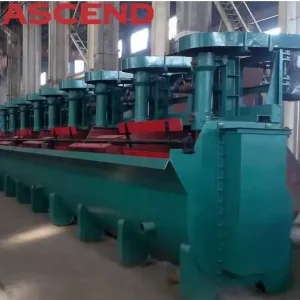
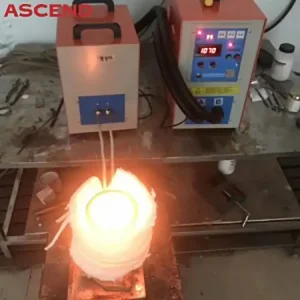
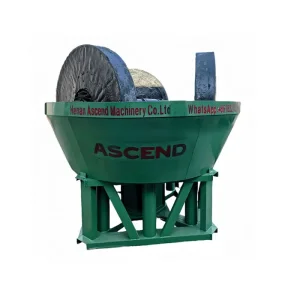
Browse our complete catalog of minerals processing equipment, replacement wear parts, and metal smelting furnaces.
 Ascend