Premium solutions engineered to operate reliably under extreme stress in mining, quarrying, and concrete recycling operations worldwide.
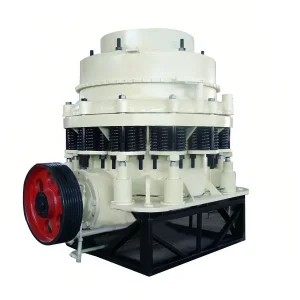
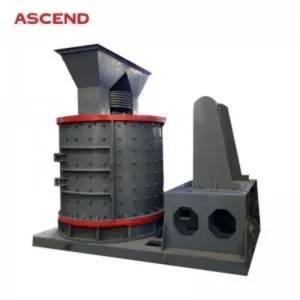
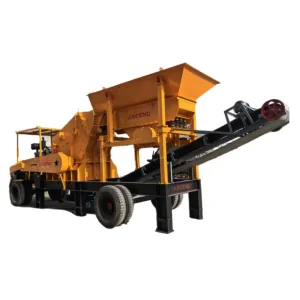
Modern extraction and infrastructure development demand highly durable, efficient, and versatile aggregates production equipment. Henan Ascend Machinery & Equipment Co.,Ltd., established in 2005 and headquartered in the high-tech zone of Zhengzhou City, Henan Province, stands at the forefront of this industrial revolution. By engineering solutions that meet rigorous international regulations and complex geological setups, we have consolidated our presence in over 130 countries, with a deep footprint across Africa, Southeast Asia, Central Asia, and Latin America.
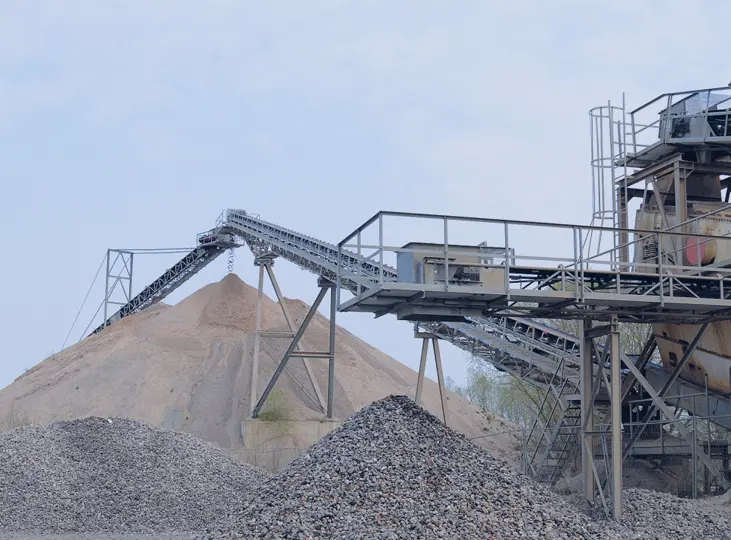
Procuring raw aggregates machinery is no longer just about calculating nominal output hourly tonnage; it represents a multi-tiered analysis of Total Cost of Ownership (TCO), metallurgical lifespan, energy-to-reduction ratios, and logistical agility in remote regions. Our engineering team custom-tailors systems to handle abrasive raw inputs—such as granite, basalt, concrete, limestone, and copper or gold ore matrices—producing high-quality cubical outputs ready for immediate downstream processing.
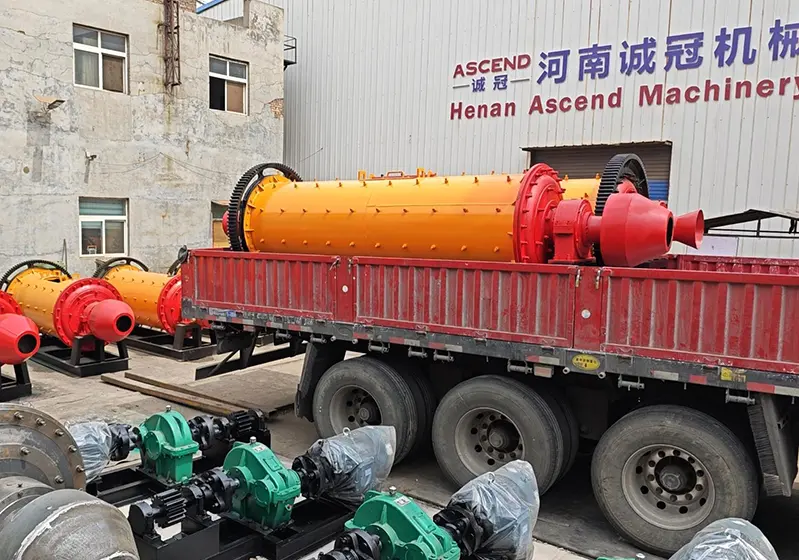
From complex gold concentration lines in Sub-Saharan Africa to aggregate processing stations in South Pacific islands, we provide comprehensive industrial solutions.
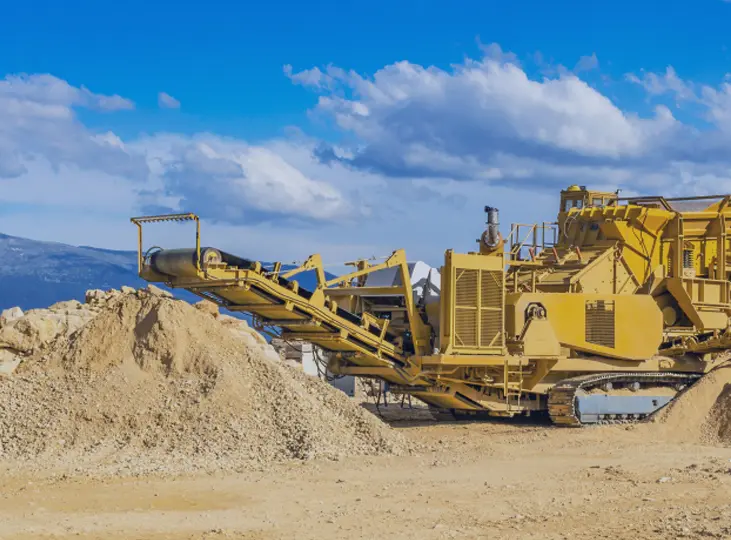
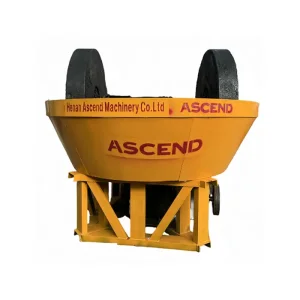
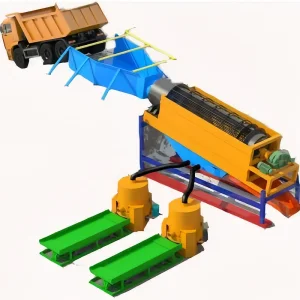
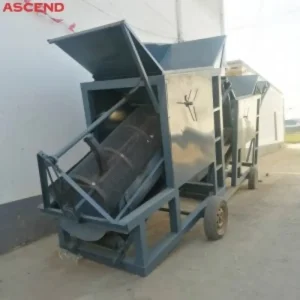
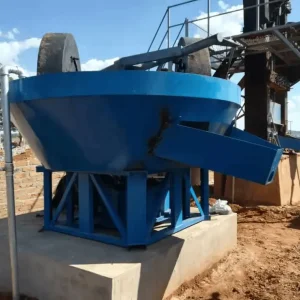
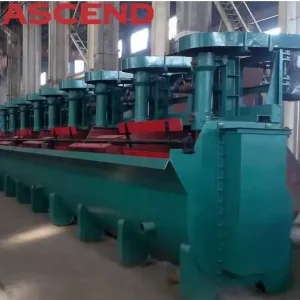
Integrated systems deploying high-recovery wet pan mills, rotary trommel screens, and flotation circuits to optimize gold yield for artisanal and mid-tier mining operators.
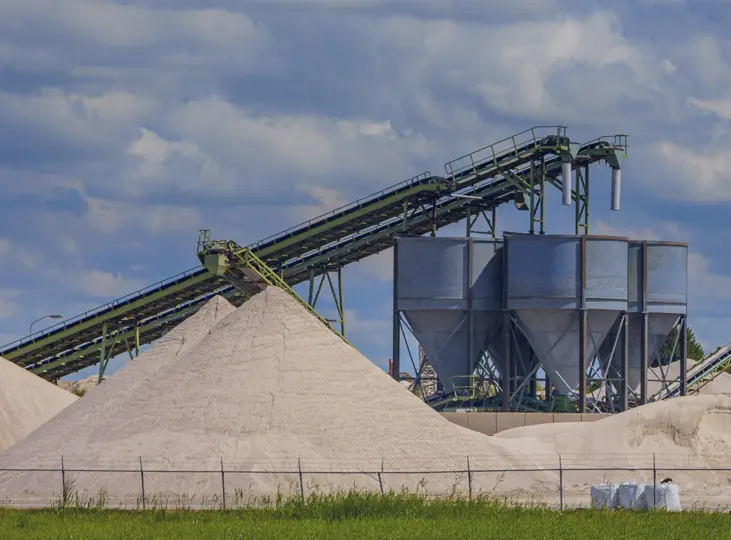
Successfully deployed customized processing solutions, including high-capacity gold kacha concentrators equipped with specialized sizing screens to maximize extraction rates.
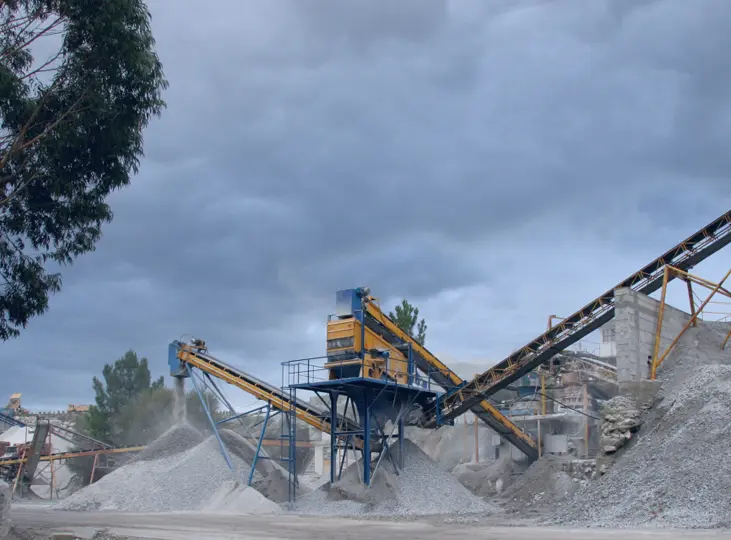
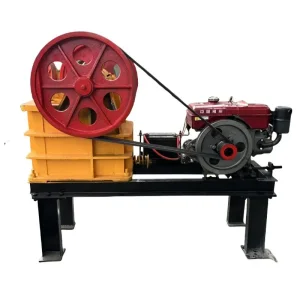
Commissioned portable PE250x400 diesel engine jaw crushing plants for remote Tanzanian quarries, alongside high-recovery 6-S shaking tables shipped to Sudanese gold miners.
Our engineers will design a customized layout covering crushing, milling, screening, and material transport based on your ore test data.
A deep-dive analysis of secondary crushing technology designed to maximize the reduction ratio while producing highly cubical aggregate products.
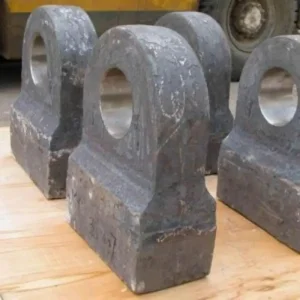
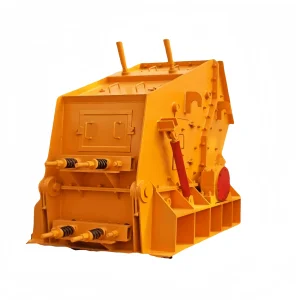
Our impact crushers feature an optimized, heavy-duty rotor assembly coupled with premium blow bars crafted from high-chrome or high-manganese alloy. This selection maximizes kinetic transfer while providing exceptional resistance to impact fatigue and abrasive wear.
Equipped with a triple-chamber structure, Ascend impact crushers offer superior output sizing control and higher reduction ratios. The adjustable spacing between the impact plates and the rotor ensures consistent output gradation, reducing the volume of recirculating material.
Minimizing downtime is critical. Our modern impact crushers incorporate a hydraulic frame-opening system and simple shim adjustments. These features allow operators to quickly inspect internal wear, swap wear parts, and calibrate settings safely.
| Model Designation | Feed Opening Dimensions (mm) | Maximum Feed Size (mm) | Output Processing Capacity (t/h) | Electric Motor Power (kW) | Rotor Dimensions (Diameter x Length in mm) |
|---|---|---|---|---|---|
| AIC-1008 | 400 x 1080 | 250 | 30 - 70 | 45 - 75 | Φ 1000 x 1050 |
| AIC-1210 | 400 x 1230 | 350 | 70 - 130 | 110 - 132 | Φ 1250 x 1050 |
| AIC-1315 | 860 x 1520 | 500 | 130 - 250 | 200 - 250 | Φ 1320 x 1500 |
| AIC-1520 | 1100 x 2050 | 700 | 300 - 550 | 355 - 400 | Φ 1500 x 2000 |
The quarrying and mineral processing industries are undergoing rapid modernization. To support our clients' efficiency and sustainability goals, Ascend is pursuing a comprehensive R&D roadmap focused on automation and smart monitoring:
1. Integrated Sensor Arrays & IoT Diagnostics: We are integrating temperature, vibration, and wear sensors directly into our heavy-duty bearing blocks and blow-bar assemblies. These sensors stream live operation telemetry to the control room, enabling predictive maintenance that prevents costly unplanned shutdowns.
2. Dynamic Hydraulic Optimization: Next-generation models feature automated CSS (Closed Side Setting) adjustments that adapt in real time to feed material hardness variation. This stabilizes output shape quality and reduces peak energy consumption.
3. Dual-Power & Hybrid Configurations: In response to fluctuating global energy costs, our diesel-driven mobile plants are transitioning to high-efficiency diesel-electric hybrid drives. This allows operators to run on clean grid power where available and switch to an onboard Stage V diesel engine in remote field locations.
Reliable operations require more than high-quality equipment. We secure your investment through robust supply chain management, compliance certification, and field service.
Leveraging established logistics networks, we ship heavy machinery and precision spare parts worldwide. Our team manages customs clearance, export declarations, and heavy-freight shipping, ensuring smooth delivery to remote locations like Papua New Guinea, Zambia, and Tanzania.
Every crusher, grinding mill, and wet pan mill we manufacture conforms to rigorous safety and environmental standards. We ensure compliance with European CE standards, ISO 9001 quality frameworks, and local safety rules, protecting both your operators and your capital investment.
Our services continue long after delivery. Ascend provides on-site installation support, commissioning engineering, operator training, and a reliable supply of replacement parts—including blow bars, liners, and rotor assemblies—to keep your operation running smoothly.
Expert answers to common technical and operational questions about impact crushers and aggregate production lines.
Jaw crushers rely on compression to break material and are typically used for primary crushing of large run-of-mine ore. Impact crushers use high-velocity dynamic impact forces to shatter rock along natural grain boundaries. This makes impact crushers ideal for secondary or tertiary crushing, where they produce a highly cubical, stress-free end product.
Impact crushers excel at processing soft to medium-hard minerals and non-abrasive materials, such as limestone, gypsum, coal, and concrete rubble. While they can process harder materials like granite or basalt, highly abrasive feed stock will increase the wear rate of blow bars and liners, raising maintenance costs.
The three-cavity design provides an additional crushing chamber for material to impact and break. This extra stage refines the aggregate, resulting in a cubical product with fewer elongated or flaky particles—a key requirement for high-strength concrete and asphalt applications.
Blow bar wear life depends directly on the silica content and abrasiveness of the feed material. Under normal operating conditions with limestone, blow bars are typically flipped after 100 to 150 hours of use to maximize wear-material utilization, and replaced once both sides are worn down.
We offer diesel-engine-driven mobile and stationary crushing plants. These self-contained units are designed with heavy-duty clutches and direct-drive diesel transmissions, making them ideal for remote operations in countries like Papua New Guinea, Zambia, and Tanzania.
The hydraulic system allows the main frame to be opened quickly at the push of a button, providing easy access to the rotor and blow bars. It also simplifies adjusting the gap settings, cutting maintenance time from hours down to minutes compared to manual adjustment systems.
We manufacture our spare parts—including rotor disks, blow bars, and impact plates—in our own ISO 9001-certified facility. This allows us to control the metallurgy, heat treatment, and dimensional accuracy, ensuring every replacement part meets the same standards as the original equipment.
We send experienced field service engineers to your site to oversee mechanical assembly, electrical wiring, and initial testing. They also train your operators on daily maintenance procedures, safety protocols, and setting adjustments to help you get the most out of your plant.
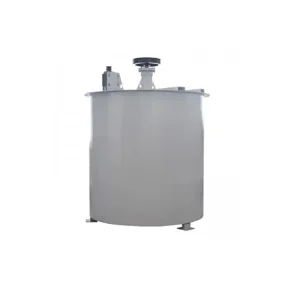
A diverse range of industrial machinery engineered for wet classification, fine grinding, and high-recovery flotation processes.
 Ascend