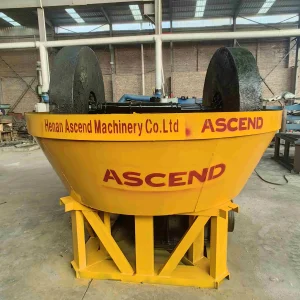
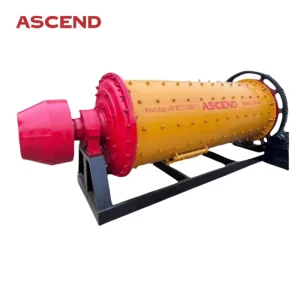
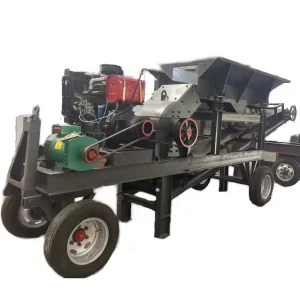
Explore our flagship heavy-duty systems designed for extreme efficiency, reliability, and custom-engineered productivity.
Countries Supplied
Years of Engineering
Global Mining Plants
Customer Retention Rate
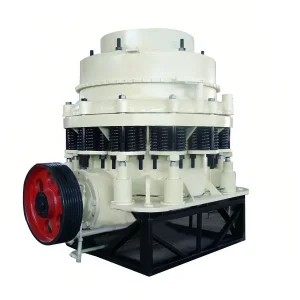
The dynamic shifts in international infrastructure initiatives, combined with an surging demand for strategic minerals (like copper, gold, nickel, and iron ore), have propelled the global industrial sector to look for high-performance aggregate and mineral crushing machinery. In this complex industrial landscape, the Cone Crusher Plant stands as the primary pillar of efficient secondary and tertiary crushing operations. Unlike impact-based systems, cone crushers operate on compression principles, minimizing the generation of excessive fines while optimizing the shape and gradation of final aggregate outputs.
Globally, the market for mining infrastructure has expanded. The transition towards energy-efficient milling processes has highlighted the importance of generating finer feed sizes from the crushing circuit, thereby reducing downstream grinding energy expenditures (often referred to as the "crush-more-grind-less" paradigm). Modern mineral processing operations are facing challenges such as decreasing ore grades, increasing material hardness, and strict environmental standards. Consequently, global corporate buyers seek machinery solutions that balance high reduction ratios, low maintenance requirements, and reliable price structures.
Statistical models indicate that crushing and grinding account for roughly 3% to 5% of global electrical energy consumption. By transitioning from traditional secondary impact crushers to advanced Hydraulic Cone Crusher Plants, mining operators can achieve up to a 20-30% reduction in net electrical consumption per ton, significantly improving long-term margins.
Industrial buyers and procurement managers evaluate the acquisition of cone crusher plants through a comprehensive Total Cost of Ownership (TCO) framework. While the initial capital expenditure (CAPEX) is a key consideration, the operating expense (OPEX) over a 10-year lifecycle is often the real decider of plant profitability. Procurement officers must carefully weight the factors of wear liner durability, ease of hydraulic adjustment, and part availability against the initial purchase cost.
When evaluating a cone crusher plant pricelist, standard pricing ranges often obscure the hidden factors of customized steel alloys, hydraulic configuration, and control automation. High-tier suppliers structure their prices on key variables:
Ascend has developed steadily since its establishment. Our business covers more than 130 countries and regions around the world, especially in Africa and Southeast Asia. Ascend machine quality and after-sales service have won widespread praise from international customers.
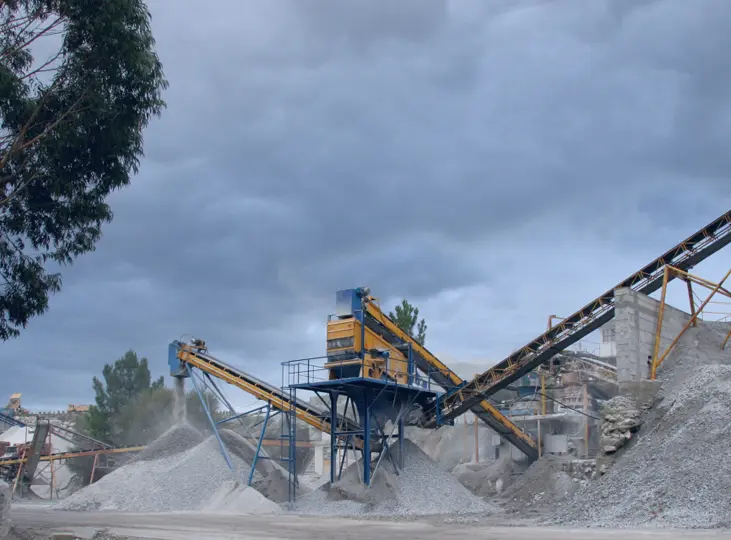
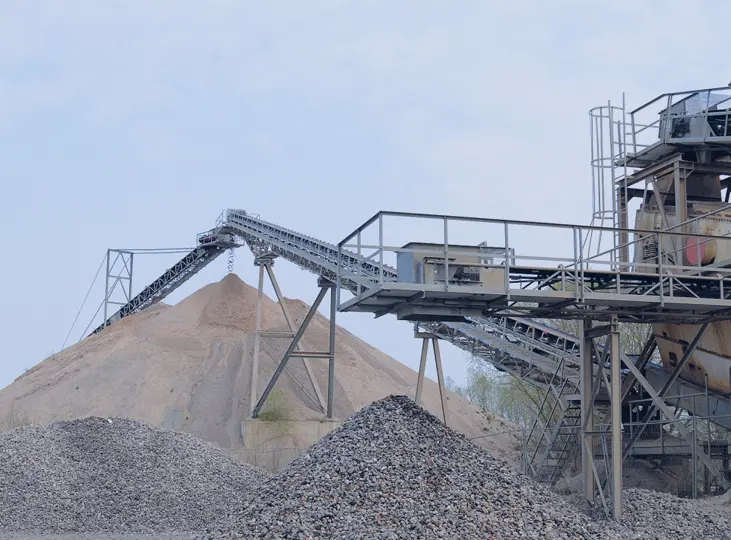
Selecting the appropriate crusher technology is key to maximizing crushing plant performance. The industry utilizes three main types of cone crushers, each catering to distinct operating environments and budgets.
Spring cone crushers represent a mature, highly reliable technology. They use a heavy-duty mechanical spring-loaded system that functions as an overload release. When non-crushable materials (tramp iron or steel debris) enter the chamber, the spring deflects to protect the driveshaft and eccentric assembly. Although simpler, they are preferred in remote mining sites with limited electrical maintenance personnel.
Featuring a single hydraulic cylinder located at the base, this design controls both mantle adjustment and tramp relief. This offers quick and easy CSS settings via a simple push-button controller, minimizing downtime. Its streamlined construction facilitates ease of maintenance while providing steady output under variable feed loads.
Representing the high-end tier of modern design, multi-cylinder setups feature multiple hydraulic cylinders arranged around the perimeter of the frame. This configuration delivers higher crushing forces, faster rotation speeds, and a unique eccentric stroke that yields a superior, cubical product shape. It is the premier option for tough rocks like basalt, granite, and gold ore.
When processing materials with high silica content, wear rates can rise exponentially, increasing operating costs. Solving these problems requires specialized mechanical solutions, such as optimizing mantle and concave geometry, selecting high-grade steel alloys, and implementing automated lubrication systems to maintain internal bearings and eccentric bushings.
Our heavy mining solutions integrate optimized nip angles designed to ensure steady feed intake, eliminating material slippage and lowering localized wear. Combining these custom designs with variable speed drives enables operators to fine-tune the crusher speed to match the specific characteristics of the ore, maintaining high production efficiency even when material quality fluctuates.
Discover our globally recognized crushing lines engineered for high-performance aggregate and mining applications.
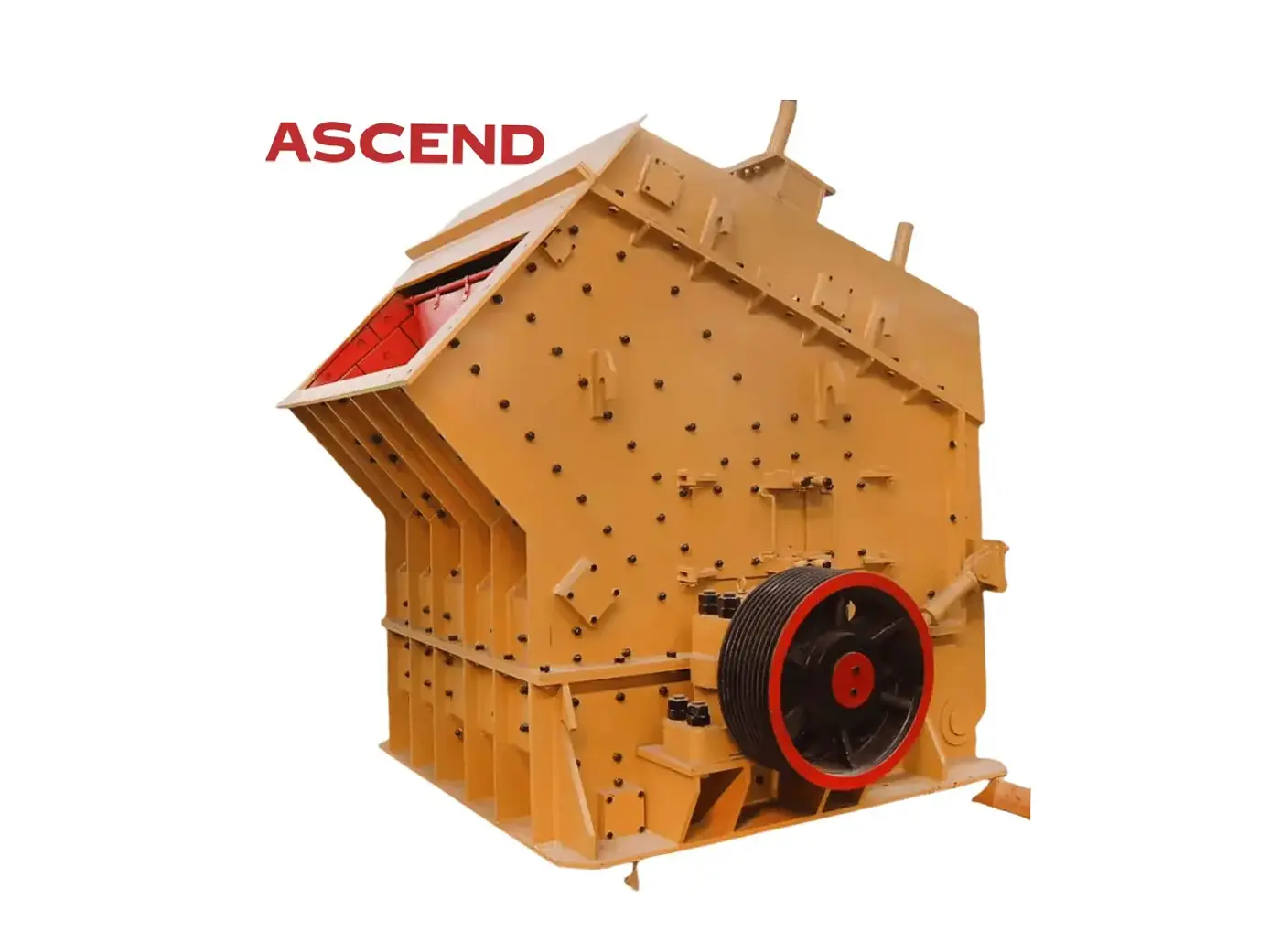
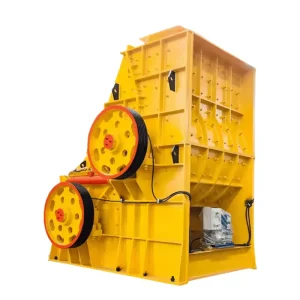
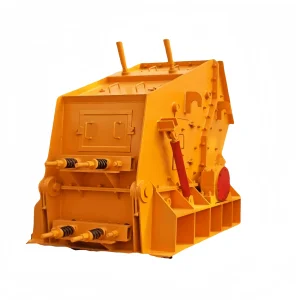
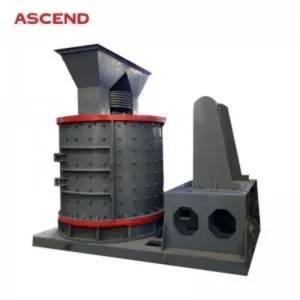
Impact crusher is a kind of secondary crushing equipment which uses impact power to crush materials. Impact crusher is characterized by easy maintenance, high reduction ratios and high efficiency to produce precisely cubic shape products. It is designed with three crushing chambers, seamlessly connected rotor, wear-resistant blow bar and installation of insert type. Moreover, it has tooth type liner, gradient designed bearing seat, frame with several openings and screws or hydraulic start-up devices. Impact crushers can be used in all different stages of size reduction from primary crushing to the last step of the crushing process.
Operating modern mineral processing machinery requires compliance with strict environmental regulations. Environmental, Social, and Governance (ESG) guidelines mandate that quarries and mines lower dust emissions, implement noise reduction measures, and run energy-efficient machinery. To meet these international requirements, modern crushing plants integrate water-spray dust suppression systems, acoustic enclosures, and high-efficiency IE3 or IE4 electric motors.
Our manufacturing plants comply with strict quality standards, including ISO 9001 quality systems and CE conformity marks. Each system undergoes stress testing, dynamic balance verification of the eccentric assemblies, and structural analysis of the main frame before shipment. This ensures that every plant delivered to markets in Southeast Asia, Africa, and beyond meets international engineering specifications.
A crucial aspect of heavy machinery procurement is post-sale engineering and technical support. Equipment downtime in mining and quarry applications can result in significant financial losses. High-quality manufacturers provide complete commissioning support, which includes dispatching mechanical and electrical engineers to the site to manage installation, optimize settings, and train local staff on safety and maintenance protocols.
Establishing localized spare parts warehouses in main regional hubs ensures the swift delivery of essential wear parts, such as mantles, concaves, and filter elements. By offering robust technical support and fast delivery times, we help mine operators maintain high equipment uptime and consistent productivity throughout the lifecycle of the plant.
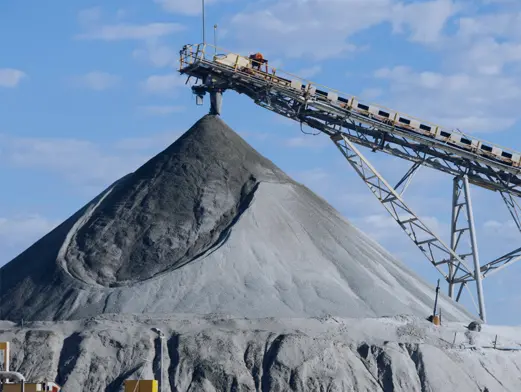
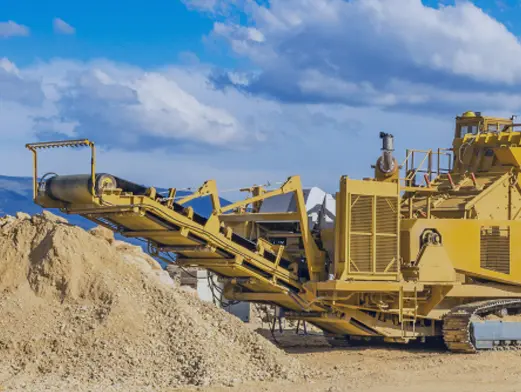
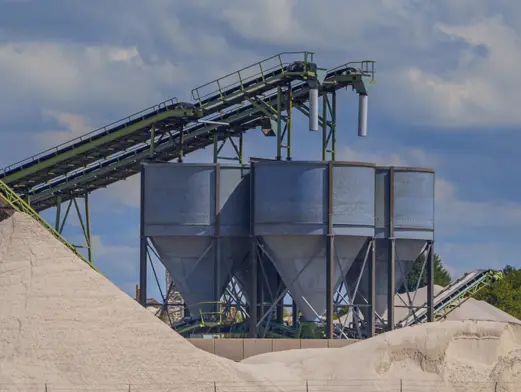
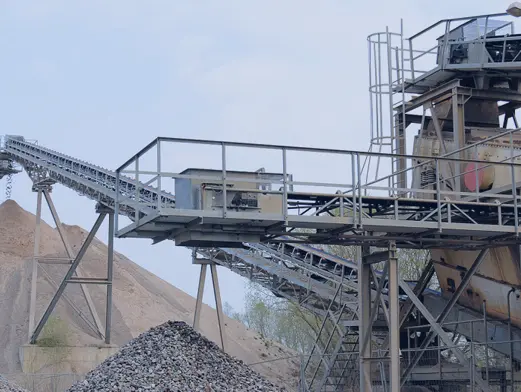
Explore some of our real-world site installations and processing plants operational across global regions.
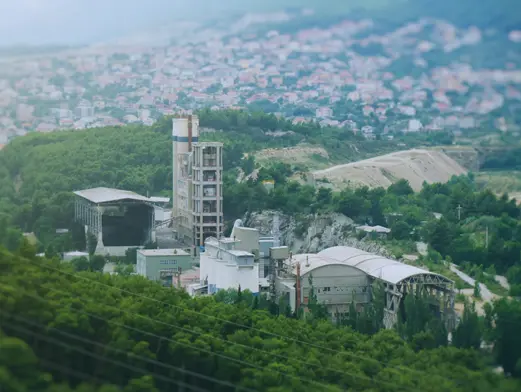
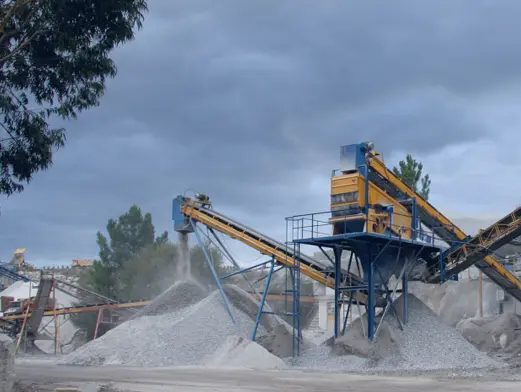
Stay updated on our latest global projects, machine shipments, and mining installations.
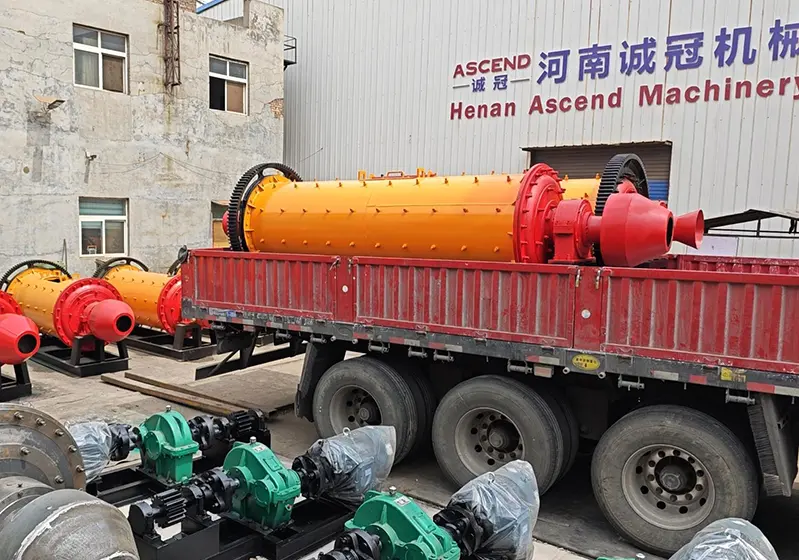
Henan Ascend Machinery & Equipment Co.,Ltd. was established in 2005 and it is located in the high-tech zone of Zhengzhou City, Henan Province.
Ascend is mainly engaged in the research and development, manufacturing, sales and after-sales service of complete sets of crushing, grinding, screening, feeding and conveying heavy mining machinery. If you need to crush limestone, granite, gravel or other stone, or grinding them into powder, or extract gold, please feel free to contact us. Just tell us your needs and our engineers can provide you with professional advice. And we have our own factory, the quality of the machine is guaranteed, the price is more advantageous. We believe that we will be your good choice.
Read More About UsRead detailed, engineering-based answers to the most common questions regarding cone crusher plant installations and procurement.
The pricelist of a cone crusher plant is determined by multiple engineering variables rather than a fixed model. The primary factors include the nominal capacity (measured in Tons Per Hour - TPH), the mechanism of CSS control (mechanical spring adjustment vs. single-cylinder or multi-cylinder hydraulic systems), and the specific metallurgy of the wear components (such as 18% or 22% Mn content). Additionally, auxiliary conveyor networks, vibrating screens, and control panels will influence the total plant quote.
Multi-cylinder hydraulic cone crushers offer significantly higher crushing force, faster rotational speed, and dynamic adjustment controls. They allow operators to adjust the Closed-Side Setting (CSS) under full load, whereas spring cone crushers require manual interventions. The multi-cylinder system also yields a better cubical product shape due to the inter-particle crushing action within the chamber, reducing the need for downstream shaping machines.
Highly abrasive rocks contain high volumes of crystalline silica, which accelerates the abrasive wear on the crusher liners. To minimize wear, manufacturers use high-manganese alloy steel liners combined with chrome. Proper wear monitoring, maintaining a full crushing chamber (choke feeding), and adjusting the feed speed to optimize liner utilization can extend the operational life of the mantle and concave by up to 40%.
We provide full-spectrum engineering support, which includes civil layout drafting, foundation loading analysis, and on-site engineering supervision during installation. Our team of technicians manages electrical setup, hydraulic line connection, and cold-run testing before conducting raw material commissioning. We also provide hands-on safety, maintenance, and operation training for the local team.
Moisture levels exceeding 5% in the feed material can cause clay or fine aggregates to stick together inside the crushing chamber. This can clog the discharge area, decrease throughput, and increase pressure within the hydraulic system. If processing wet, sticky ore, we recommend utilizing pre-screening systems to bypass fines, or selecting a chamber layout with a wider discharge angle.
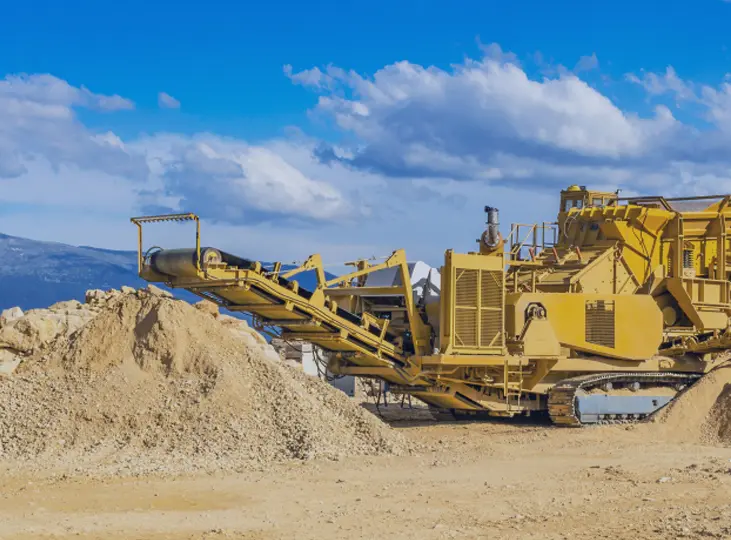
The choice depends on project duration and logistical factors. Mobile cone crushing plants are ideal for short-to-medium-term projects (less than 2–3 years) or contracting operations across multiple sites, as they reduce transport and setup times. Stationary plants, on the other hand, are the preferred solution for long-term mining operations due to their lower initial capital cost, structural stability, and higher capacity options.
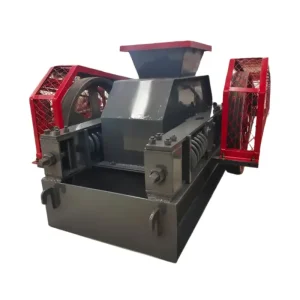
Browse our extensive selection of crushing, grinding, and gravity concentration machinery manufactured to international standards.
 Ascend
 Nov 2025