Premium processing machinery engineered for heavy-duty operational environments, mineral recovery, and optimized feed sizing.
Analyzing key commercial dynamics, structural engineering profiles, and macro operational paradigms.
In the global mining, quarrying, and recycling industries, the requirement for robust, compact primary size-reduction equipment has expanded rapidly. Small jaw crushers, typically categorized by feed openings ranging from 150x250 mm to 250x400 mm, have transitioned from auxiliary instruments to essential infrastructure assets. Small-scale miners, aggregate suppliers, and civil engineering companies in remote areas of Africa, Southeast Asia, and South America rely on these systems to process run-of-mine ore or concrete waste locally.
By localizing the primary crushing phase, operational teams significantly mitigate haulage and fuel expenses. Instead of transporting massive boulders to centralized milling hubs, raw material is reduced to manageable sizes directly at the extraction point. This decentralized crushing approach requires equipment that combines ease of transport with structural integrity, a configuration in which Chinese manufacturers have established substantial technical competency.
"The integration of localized mobile primary crushing units has proven to decrease downline milling energy consumption by up to 25% by feeding highly uniform materials to secondary circuits."
— Global Mining Process Optimization Survey, 2025Key metallurgical configurations and frame designs play a critical role here. While larger processing facilities deploy massive single-toggle or double-toggle swing jaw systems, small applications demand compact frames that resist high eccentric loading and abrasive wear. This balance between mechanical stress resistance and unit mobility is the main focus of development for leading engineering firms.
China's manufacturing sector, led by experienced entities such as Henan Ascend Machinery & Equipment Co., Ltd., has transformed the mechanical engineering standard of small jaw crushers. Historically, compact crushers suffered from rapid component wear and frame fatigue due to cast-iron structures that couldn't handle highly abrasive rocks like granite, basalt, or quartz.
Today, modern engineering integrates computer-aided finite element analysis (FEA) to optimize stress distribution across the swing and fixed jaws. The implementation of high-manganese alloy components (such as Mn13Cr2 and Mn18Cr2) has doubled the working life of wear plates under harsh compressive loads. In addition, the integration of heavy-duty diesel engines with multi-groove pulleys enables these machines to maintain operational consistency in locations lacking stable power infrastructure.
Custom industrial processing configurations implemented successfully across international installations.
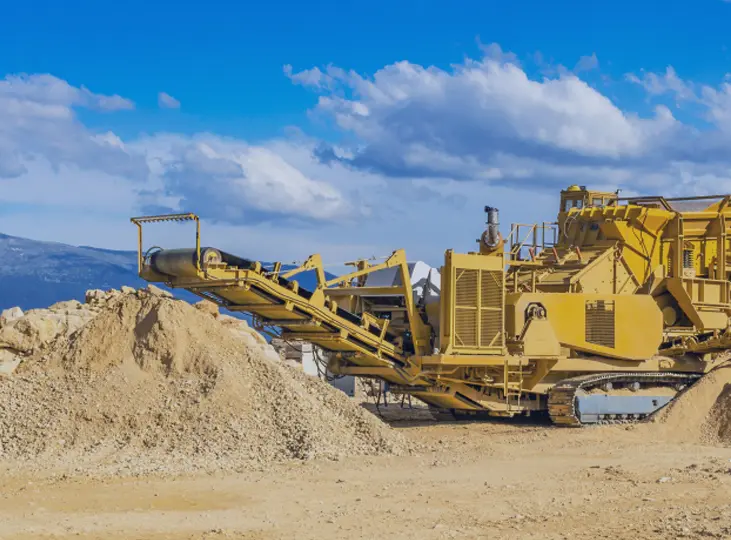
High-recovery circuits utilizing jaw crushers coupled with gravity concentrators for optimal yield.
Learn More →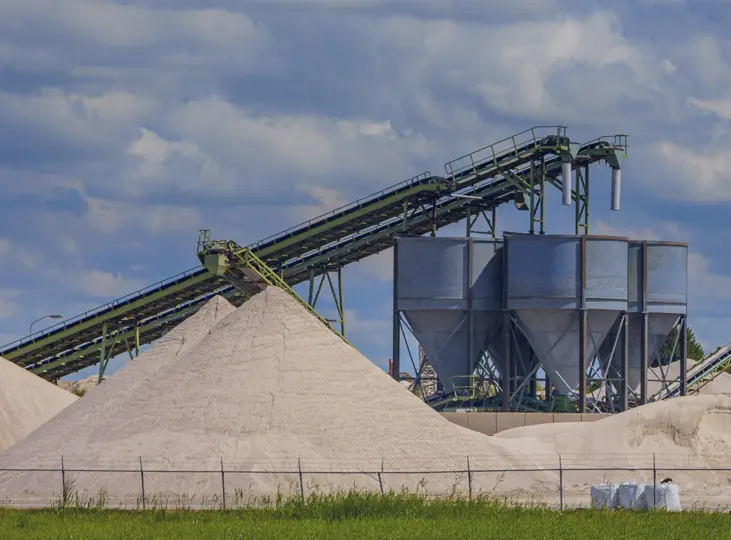
Primary crushing layouts developed for highly abrasive rocks like quartz, granite, and basalt.
Learn More →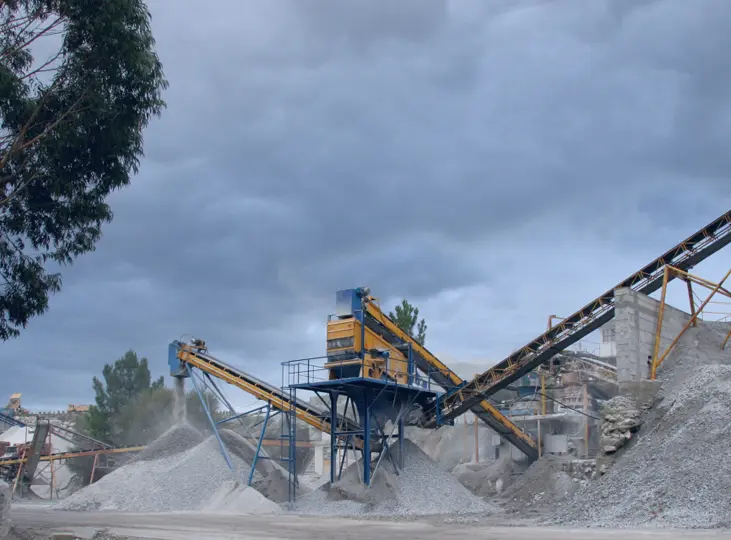
Trailer-mounted diesel-powered jaw crushers designed for rapid relocation in alluvial setups.
Learn More →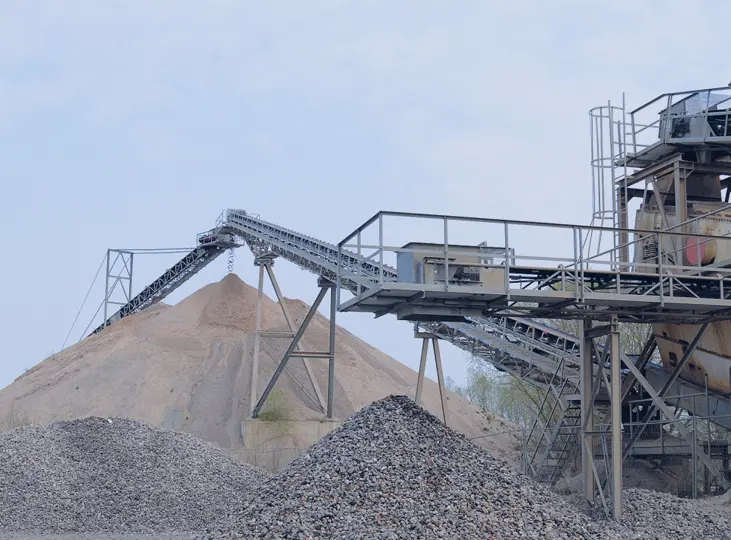
Integrated screening and crushing configurations designed to produce high-grade construction aggregate.
Learn More →A granular look at jaw kinematics, adjustment mechanisms, and diesel integration options.
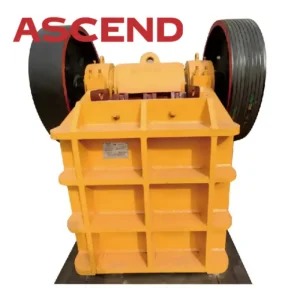
The fundamental mechanical operating principle of a small jaw crusher relies on a single-toggle mechanism. An eccentric shaft, manufactured from forged carbon steel, is positioned at the top of the moving jaw. As the shaft rotates, it generates a complex elliptical motion at the feed inlet, which gradually transitions to a linear reciprocating stroke at the discharge setting.
This crushing motion exerts compressive force on the mineral feed against the stationary jaw plate. In small models like the PE150x250 and PE250x400, managing the nip angle (the angle formed between the fixed and swing jaw plates) is crucial. A nip angle between 18° and 22° prevents material slippage and ensures consistent throughput, even when handling hard minerals.
Furthermore, the adjustment of the Close Side Setting (CSS) determines the final output size. Modern Chinese small jaw crushers feature wedge-block or mechanical shim adjustments. These mechanisms allow operators to easily change the discharge opening width to meet downstream ball mill feed requirements.
| Parameters / Specs | PE-150x250 Model | PE-250x400 Model | PE-600x900 Model |
|---|---|---|---|
| Feed Opening (mm) | 150 x 250 | 250 x 400 | 600 x 900 |
| Max Feeding Size (mm) | 125 | 210 | 500 |
| Discharge Adjustment Range (mm) | 10 - 40 | 20 - 60 | 65 - 160 |
| Capacity (t/h) | 1 - 3 | 5 - 20 | 50 - 180 |
| Eccentric Shaft Speed (rpm) | 250 | 300 | 250 |
| Power Requirements (kW) | 5.5 (or 15 HP Diesel) | 15 (or 22 HP Diesel) | 75 |
Utilizing Mn18Cr2 matrix components to resist structural wear and fracture during the crushing of extremely hard ores (compressive strength >300 MPa).
Seamless integration options for 3-phase electric motors or diesel power units, featuring electric-start mechanisms for off-grid operations.
Dual cast-iron flywheels designed with balanced rotational inertia to smooth out load peaks and reduce operational vibration stresses.
Comprehensive technical specifications for our primary stone and ore dressing machines.
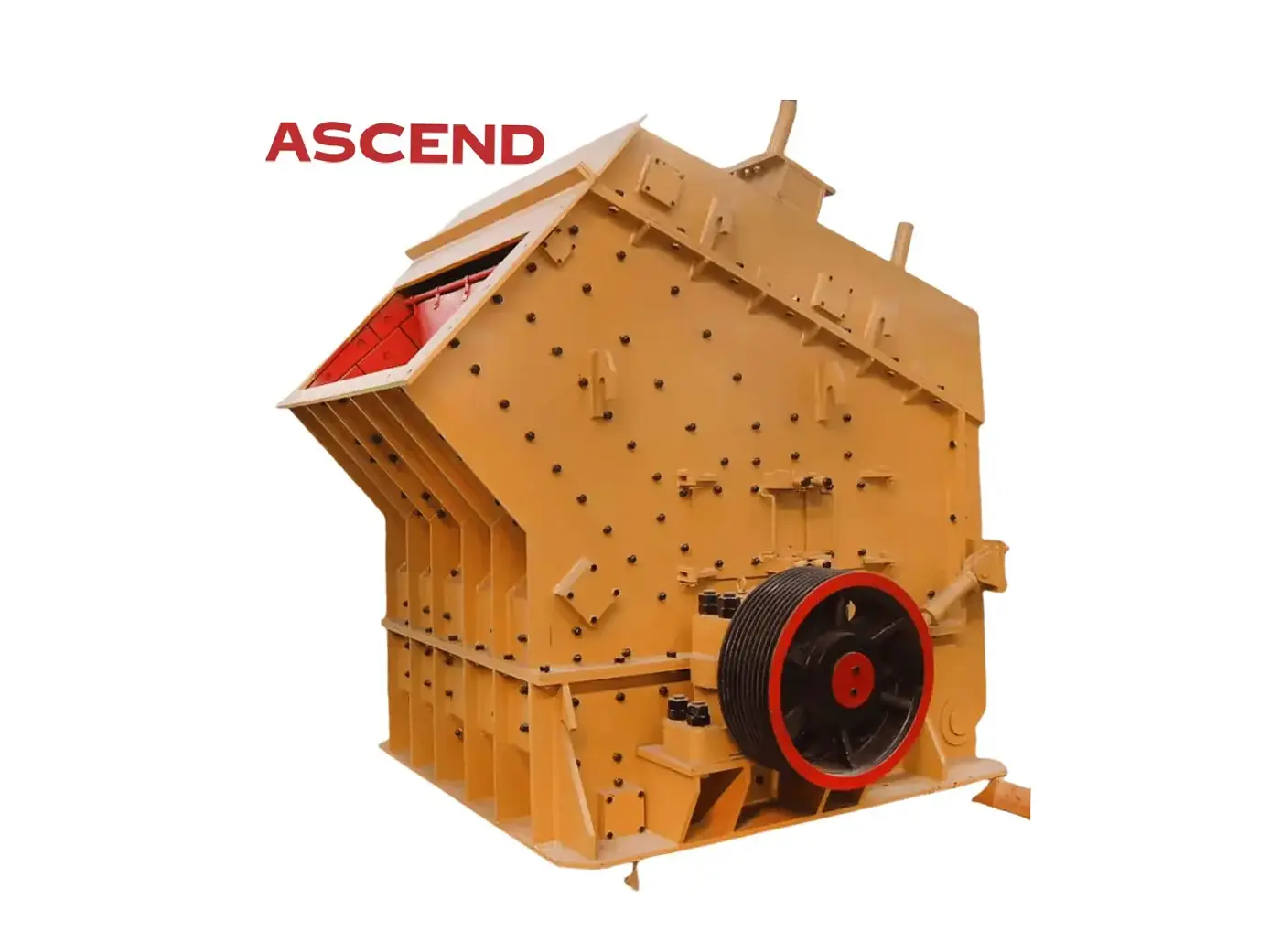
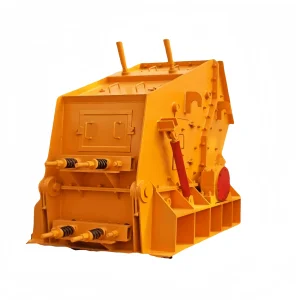
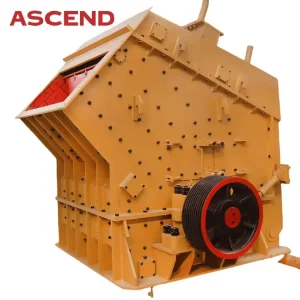
Impact crushers serve as primary secondary crushing equipment, utilizing high-velocity impact forces to reduce pre-crushed materials. They are characterized by simplified maintenance requirements, high reduction ratios, and high operational efficiency, producing a cubic discharge shape with minimal internal fracturing.
The internal architecture features three crushing chambers, a high-inertia rotor, wear-resistant blow bars, and a secure wedge-locking installation design. Equipped with a tooth-type liner, gradient-designed bearing seats, and hydraulic start-up auxiliary devices, these units deliver stable performance across stages from primary crushing to final sizing.
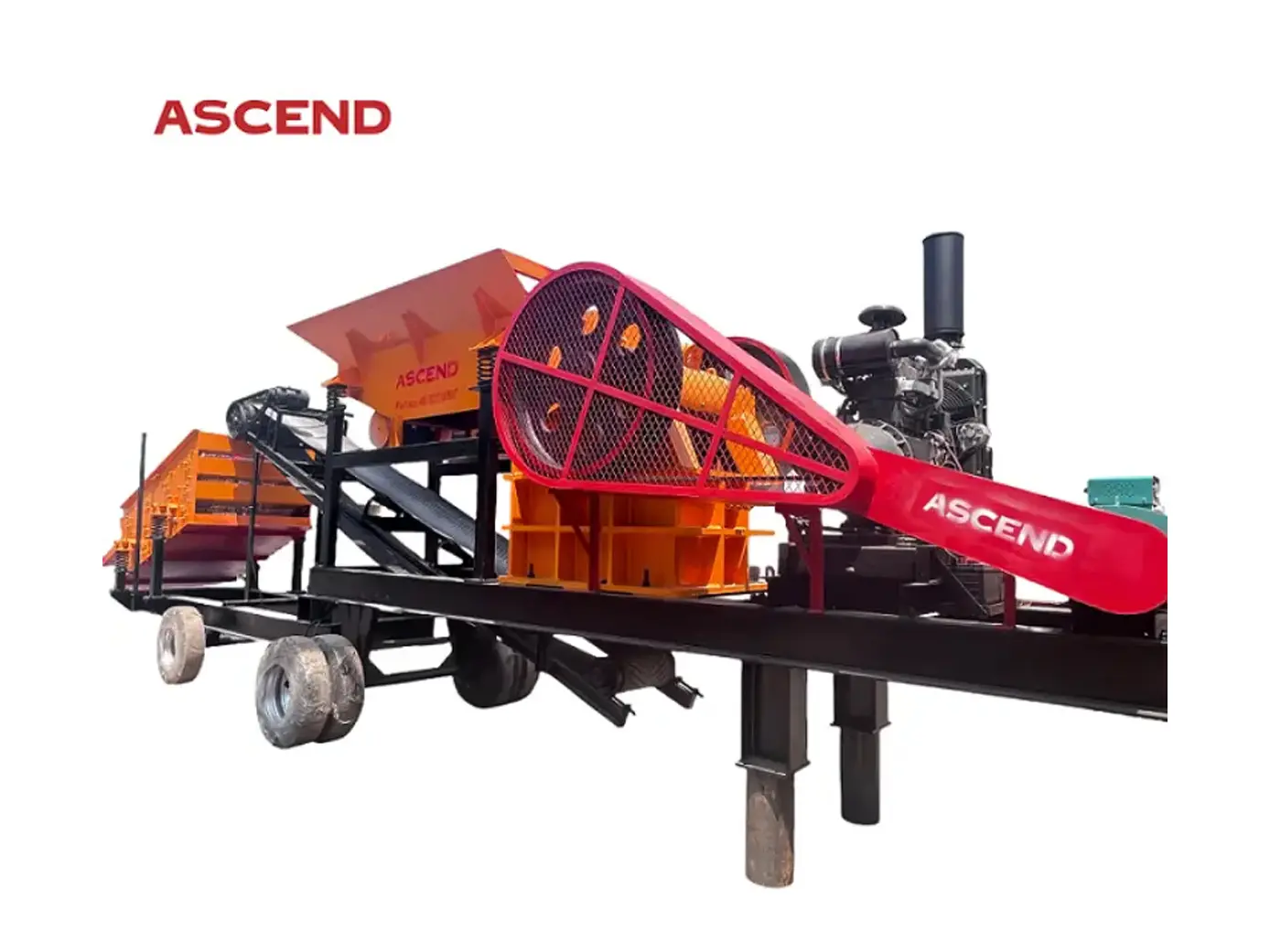
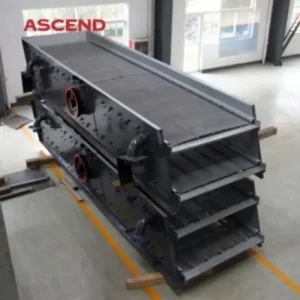
Fully integrated chassis units featuring jaw, impact, or cone crushers mounted with grizzly feeders and vibrating screen decks.
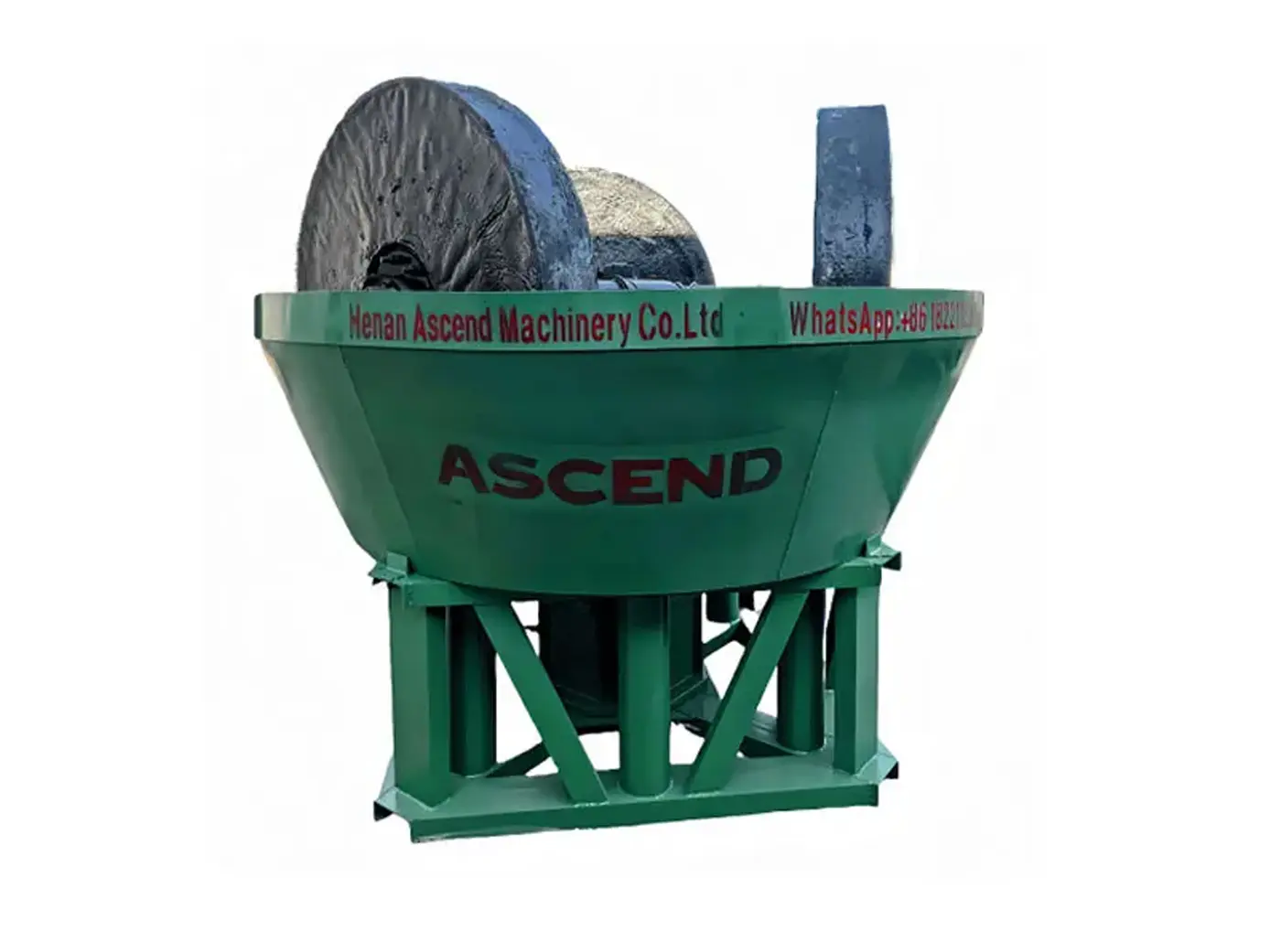
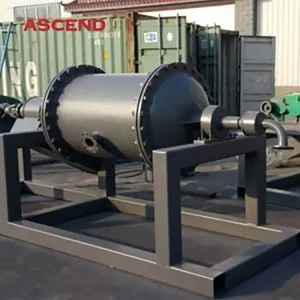
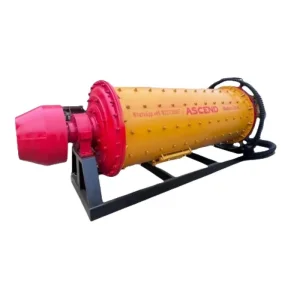
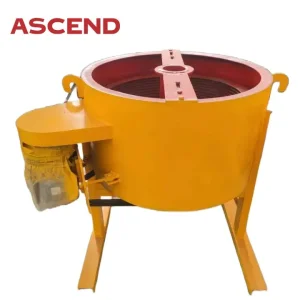
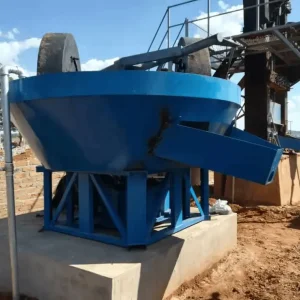
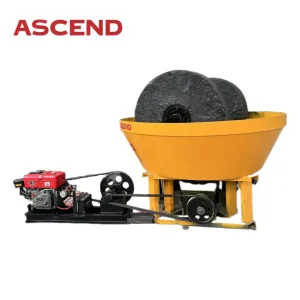
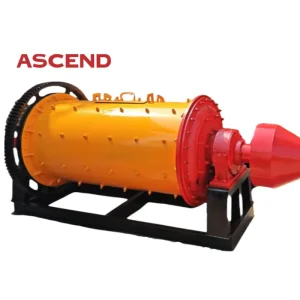
Industrial ball mills, wet pan mills, and ultrafine pulverizers engineered to reduce 2mm ore to deep mesh powder ranges.
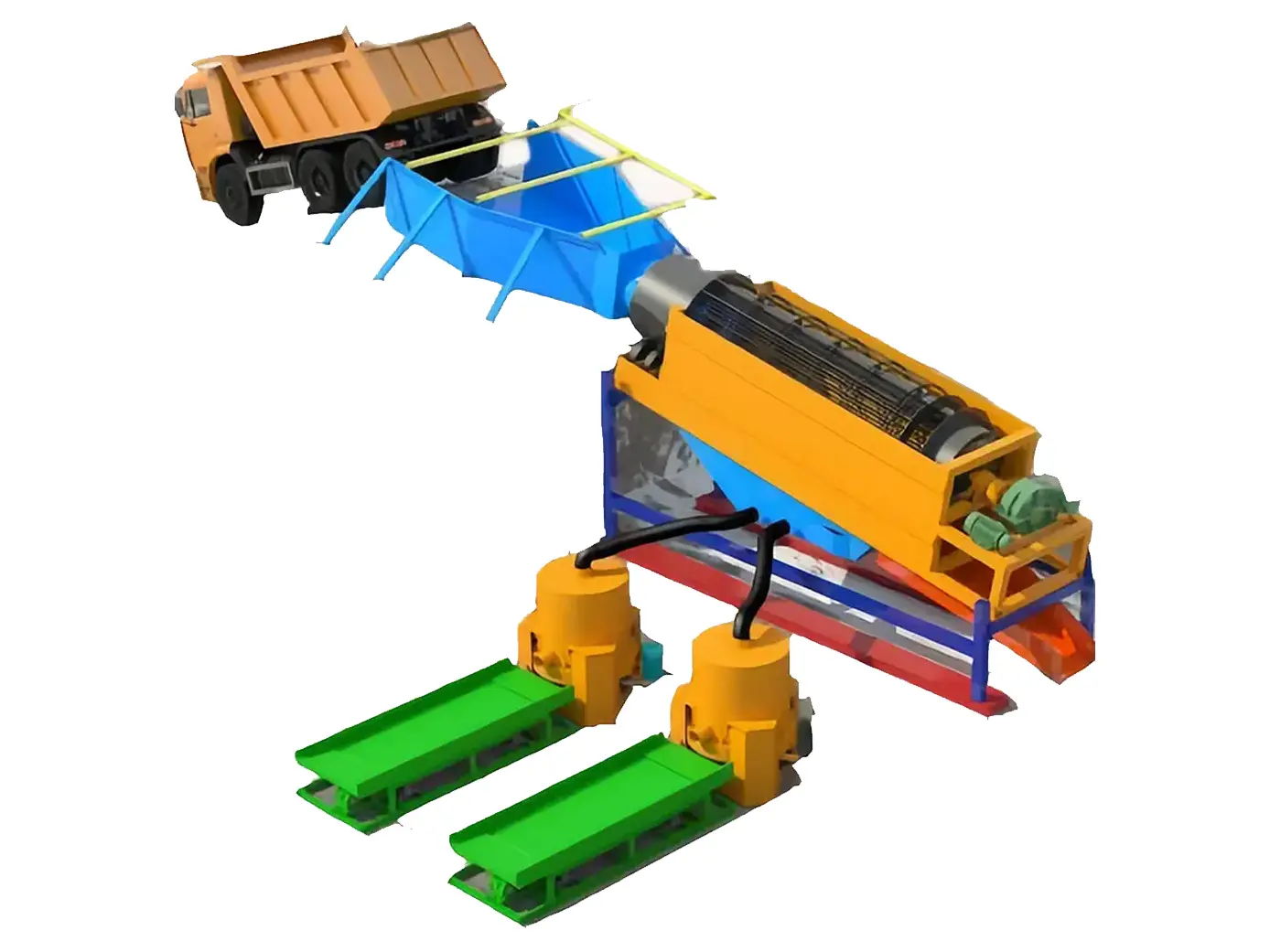
Turnkey processing configurations utilizing centrifugal gravity concentrators, shaking tables, and mercury retort amalgamators.
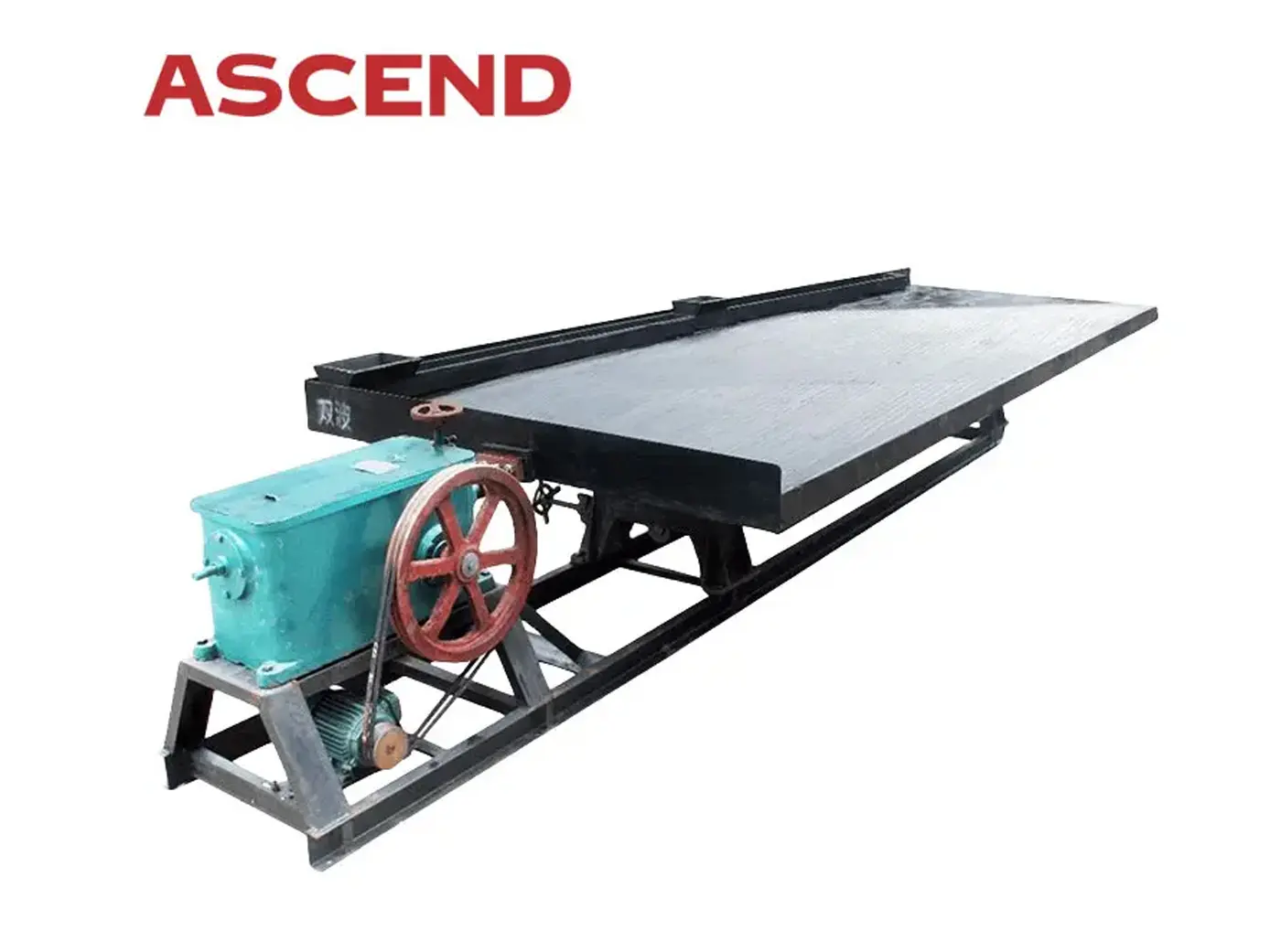
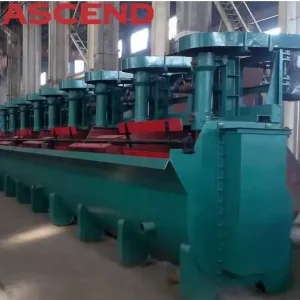
Flotation cells, magnetic separators, and spiral classifiers optimized for selective mineral concentration processes.
Operational photos showing actual site layouts and crushing plant installations in our main export markets.

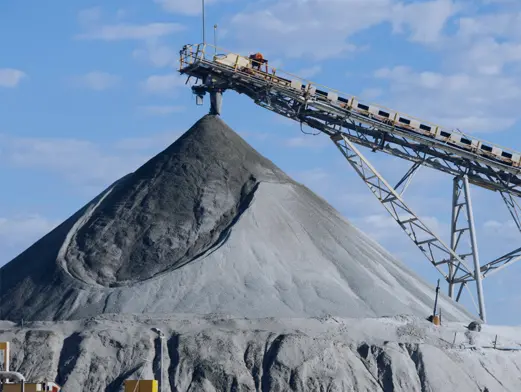
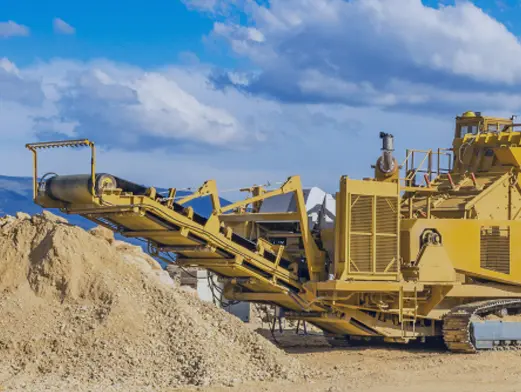
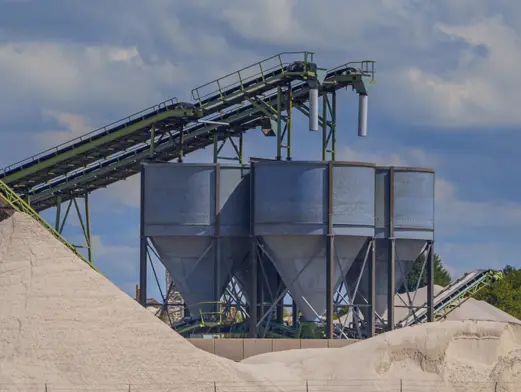
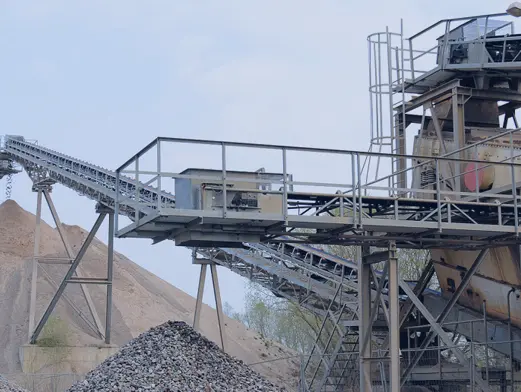
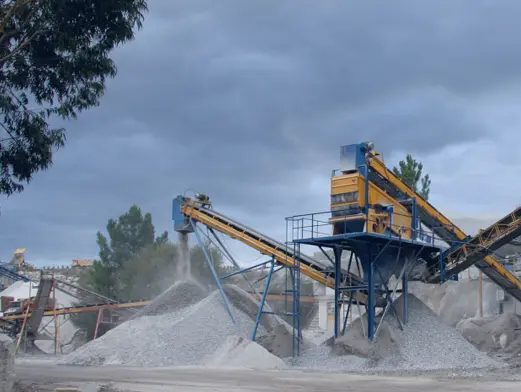
Analyzing field integration, operational configurations, and geographical deployment metrics.
Operating small crushing machinery in remote locations presents unique challenges, particularly regarding logistics, electrical supply, and ambient dust. In locations like Sudan and Tanzania, gold miners often process alluvial or vein deposits in arid or semi-arid environments where water and power grids are unavailable.
In these scenarios, mobile PE250x400 jaw crusher plants equipped with heavy-duty diesel engines are widely deployed. These units operate independently of an electrical grid, utilizing direct mechanical power to drive the flywheels.
Conversely, in mountainous regions like Papua New Guinea, the main challenge is transporting heavy components. Modifying designs to allow disassembly into lighter modules is essential for helicopter transport or movement over steep terrain. These structural requirements demand custom configurations from manufacturing partners.
A typical gravity gold extraction system requires primary, secondary, and tertiary processing stages. Integrating a small jaw crusher as the primary unit ensures that run-of-mine ore is reduced to a uniform size before entering the grinding mill. The diagram below illustrates the typical flow process:
If the primary jaw crusher produces excessive fines or needle-like shapes, the ball mill's grinding efficiency drops, increasing power draw and liner wear. Therefore, selecting a jaw crusher with optimized toggle plate angles and eccentric speeds is essential for protecting downstream processing equipment.
Operational updates showing the export of mineral processing equipment to global locations.
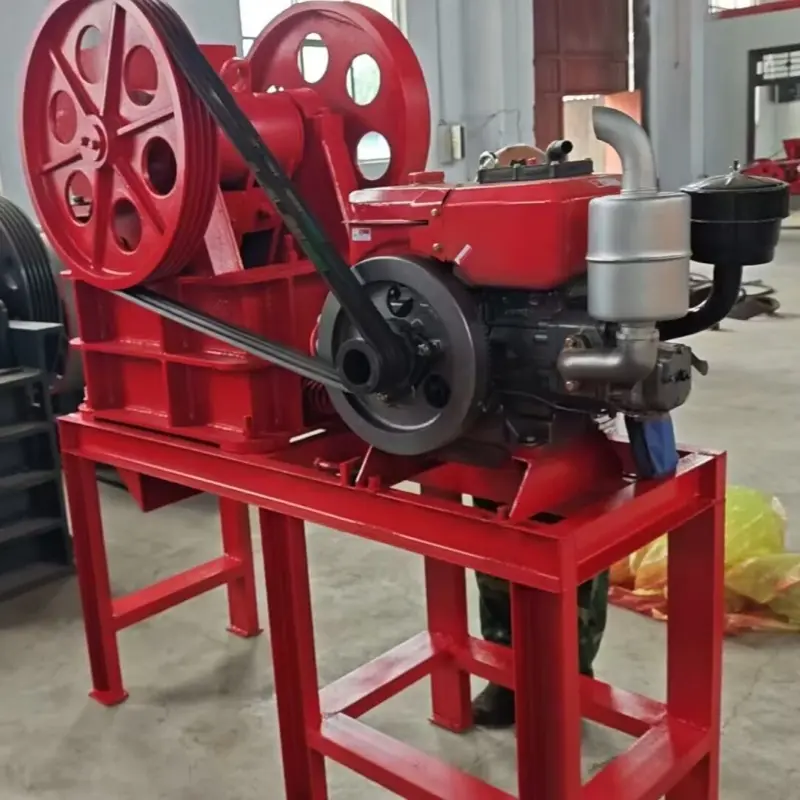
A custom shipment of diesel-driven PE250x400 jaw crushers configured for mountainous terrain operations in PNG.
Date: Nov 2025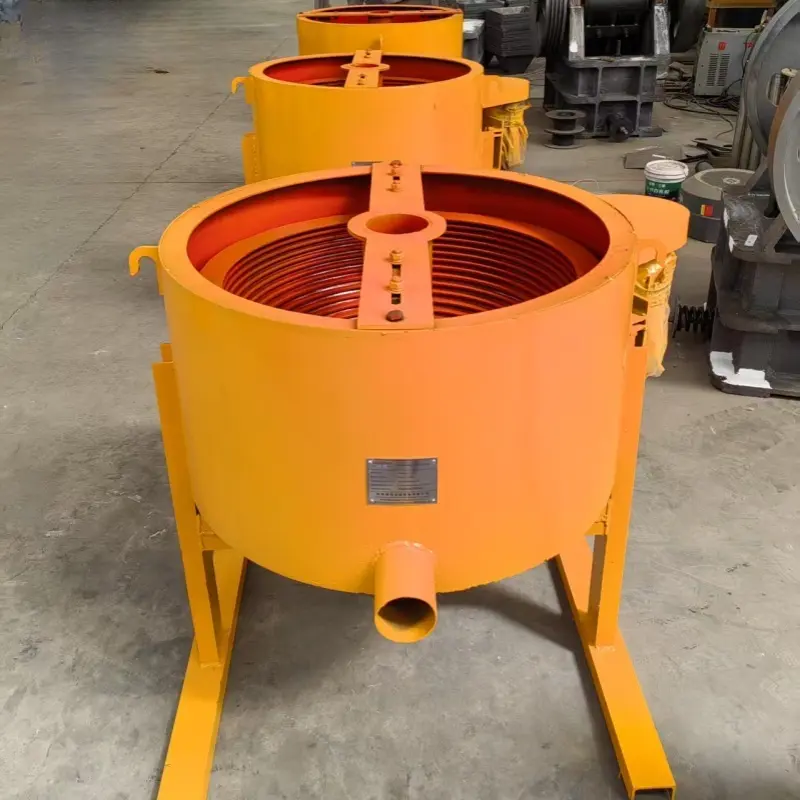
Gravity concentration systems delivered to the copper belt region of Zambia for processing fine gold tails.
Date: Aug 2025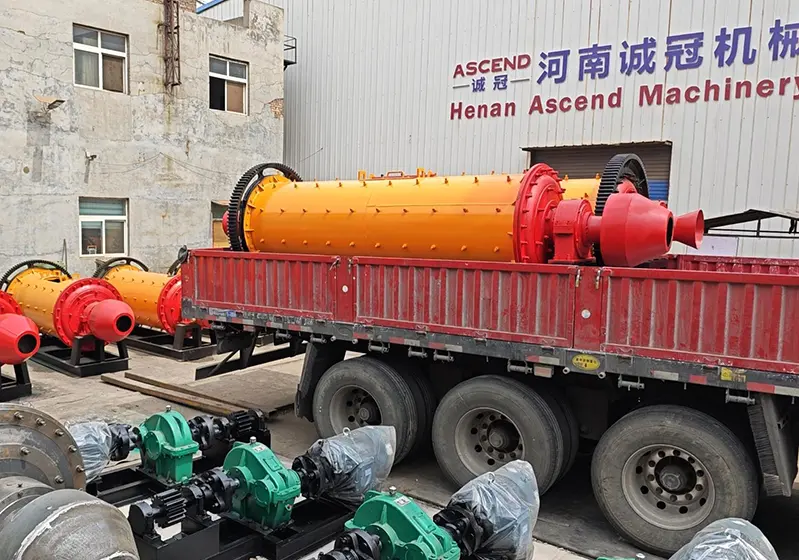
Established in 2005, Henan Ascend Machinery & Equipment Co.,Ltd. is located in the high-tech industrial zone of Zhengzhou City, Henan Province. For over two decades, Ascend has committed its resources to the research, development, engineering, and manufacturing of complete crushing, grinding, screening, feeding, and conveying systems.
Operating from a dedicated manufacturing facility, Ascend handles the entire production cycle from structural fabrication to dynamic rotor balancing and functional testing. This vertical integration ensures quality control and enables competitive pricing.
Whether processing limestone, granite, quartz, or refining precious ores like gold, copper, and iron, Ascend's technical engineering team delivers custom layout designs, process optimization, and reliable equipment configurations.
Request Factory BrochureEngineered answers to common questions about selection, installation, and preventative maintenance.
Explore secondary crushing, milling, screening, and sizing equipment designed for mineral processing lines.
 Ascend