Engineered for High Throughput, Maximum Mineral Liberation, and Rigorous Operational Demands in Global Metallurgy Markets
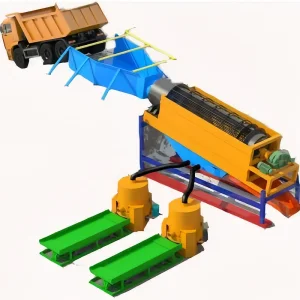
Highly versatile mobile gold recovery unit customized for alluvial exploration and quick site setup.
Read More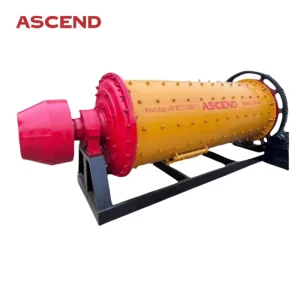
Heavy-duty ball mills offering exact size reduction of quartz and hard-rock gold ores to boost downstream gravity separation.
Read More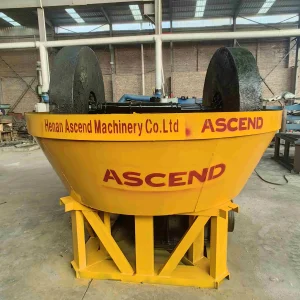
Traditional high-efficiency grinding and mixing mill designed to liberate fine gold particles with minimum energy waste.
Read More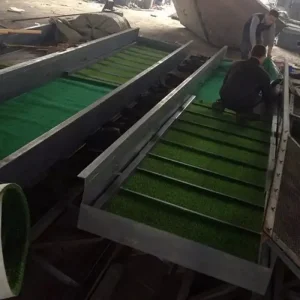
Optimized flow channel and advanced riffle designs to catch fine gold and prevent wash-out during high-volume alluvial processing.
Read MoreA Professional Analysis of Modern Mineral Trading Dynamics, European Port Logistics, and Advanced Material Processing Standards
While the metropolitan area of Hamburg, Germany, is not geographically characterized by primary gold ore deposits, it functions as one of the most critical logistical, regulatory, and technical nodes in the global precious metal supply chain. As the second-largest port in Europe, the Port of Hamburg (Hafen Hamburg) serves as a vital entry point for raw mineral concentrates, base metals, and metallurgical machinery destined for processing facilities across Northern and Eastern Europe. Crucially, the region hosts world-leading non-ferrous metal recycling and refining infrastructures. Companies operating within this European industrial zone require processing machinery that aligns with the highest benchmarks of environmental compliance, process efficiency, and mechanical reliability.
Modern mineral processing in Europe is heavily shaped by the European Green Deal and strict emissions guidelines under the German Federal Emission Control Act (BImSchG). These frameworks place significant pressure on mining operators and industrial material recyclers to utilize energy-efficient machinery that avoids chemical pollutants. For instance, the transition toward completely mercury-free gravity separation techniques is no longer optional; it is a core legal requirement. This makes highly efficient centrifugal concentrators, advanced wet pan mills, and closed-circuit flotation systems key technologies for raw material extraction and secondary smelting processes.
Processing equipment operating in EU zones must hold full CE certification and meet ATEX standards for dust explosion safety in dry-milling environments.
High European industrial energy prices demand processing mills equipped with IE3/IE4 class variable-frequency motors to optimize processing cost-per-ton.
Adapting heavy mineral extraction equipment to recover gold, silver, and copper from electronic scrap, industrial slags, and metallurgical tailings.
Export Countries & Regions
Established Year
Customer Satisfaction
Global Engineering Standards
Procuring gold processing machinery from Chinese manufacturing bases offers global buyers a unique balance of cost efficiency, supply chain robustness, and custom engineering agility. China's industrial clusters, particularly in machinery hubs like Zhengzhou, Henan, enable rapid sourcing of high-grade raw materials such as manganese steel for jaw crushers and chrome alloy castings for ball mills.
At Henan Ascend Machinery & Equipment Co.,Ltd., this manufacturing depth is paired with rigorous global standards. By controlling every step from design to final testing, we ensure that the high-load gear assemblies and structural steel frames of our processing systems can withstand continuous operation under extreme load profiles.
Industrial metallurgy operators in the Hamburg region typically employ gravity beneficiation, size reduction, and thermal processing for three distinct scenarios:
Processing raw mineral concentrates shipped from international mines. Operators utilize ball mills and gravity concentrators to increase concentrate grade before final smelting.
Pulverizing printed circuit boards (PCBs) and electronic scrap using advanced fine crushers and ball mills, followed by gravity or electrostatic separation to recover gold, silver, and copper.
Employing electric smelting furnaces with high-capacity heating components to melt metallic dusts and anode slimes, producing gold and silver bullion bars to precise purities.
Explore our tailored metallurgical systems deployed globally, built to maximize yield and withstand harsh field conditions.
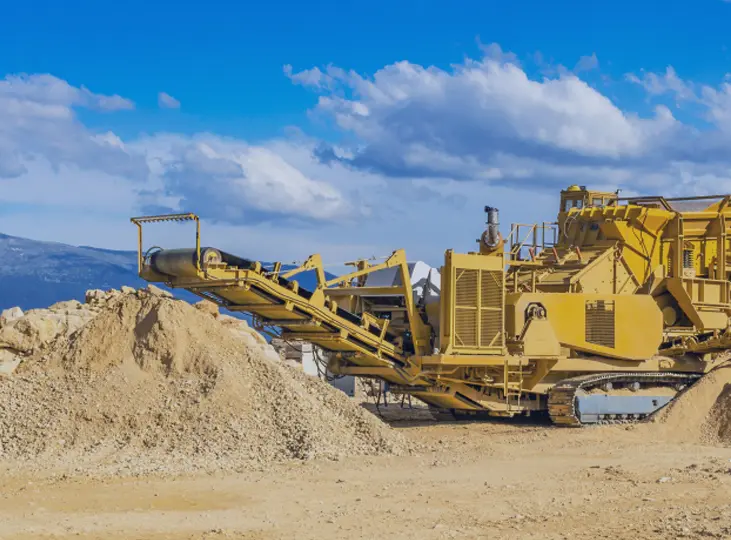
Customized gravity circuits integrating ball mills, spiral classifiers, and Knelson concentrators designed to achieve up to 98% gold liberation from hard rock quartz ores.
Request Quote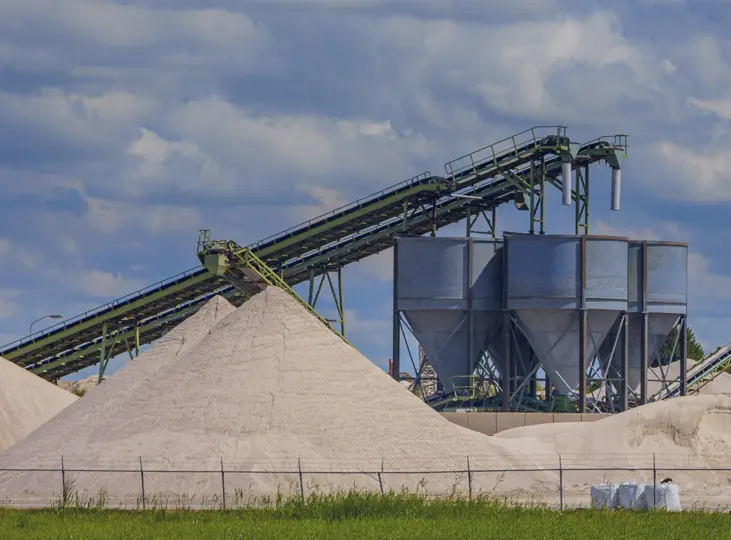
Trailer-mounted mobile washing and crushing systems for remote exploratory setups and small-scale miners needing rapid site moves.
Request Quote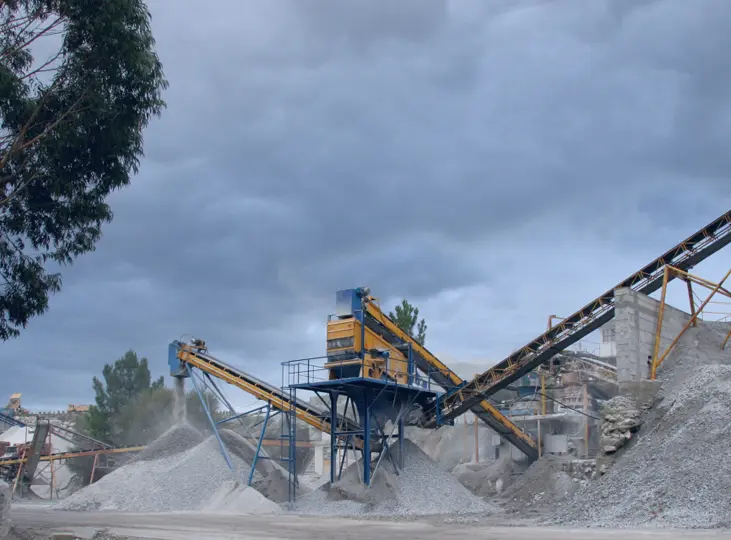
High-throughput jaw, cone, and impact crusher configurations coupled with dynamic vibrating screens to process up to 500 tons per hour of raw run-of-mine ore.
Request QuoteFrom primary stone crushing to final gold smelting – high-performance equipment designed for industrial scale operations.
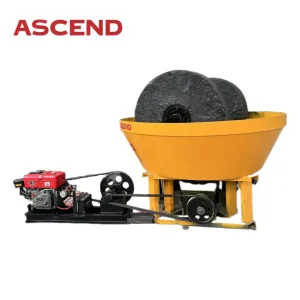
Off-grid, diesel-powered stone grinding wet pan mill, perfect for remote environments with limited power infrastructure.
Get Quotes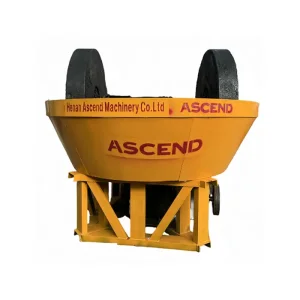
High-grade casting rollers and heavy-duty basin linings ensure constant particle-size output and reliable continuous grinding.
Read More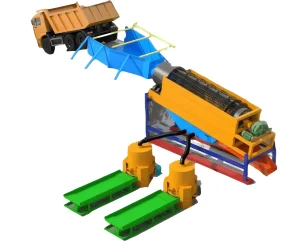
Compact, integrated gold trommel washer system featuring an onboard water pump and generator set for immediate startup.
Read More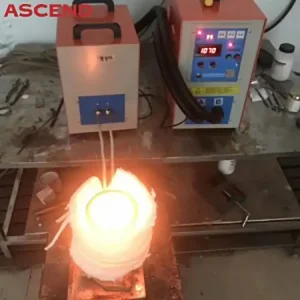
Precise electronic temperature control ensures clean melting runs and pure bullion pours for small labs and large smelting facilities alike.
Read More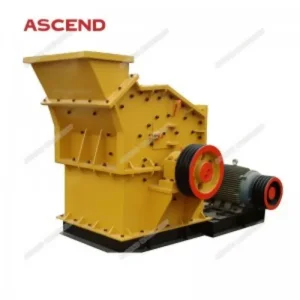
Optimized for crushing quartz, granite, and limestone into fine sands, meeting construction standards and processing inputs.
Read More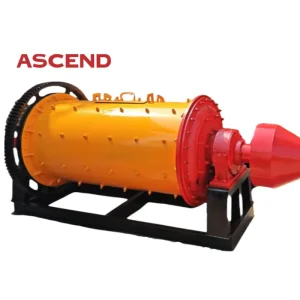
Industrial drum mill design using steel balls to pulverize minerals to target sizes, preparing them for chemical or gravity leaching.
Read More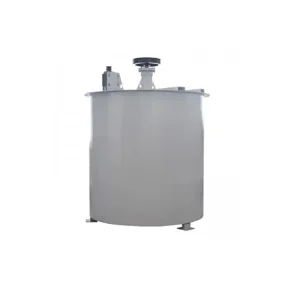
Heavy-duty agitation vats that keep ore slurry consistently mixed, ensuring uniform reagent contact and optimal flotation output.
Read More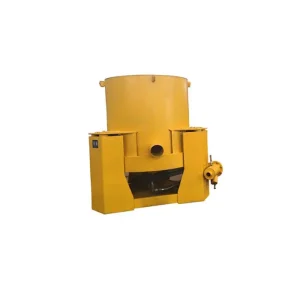
Leverages extreme centrifugal force to recover fine, free-milled gold without hazardous chemicals. Essential for eco-friendly setups.
Read MoreAn Engineering Breakdown of Particle Liberation, Mechanical Milling, and Environmentally Friendly Precious Metals Processing
Effective recovery in hard-rock gold processing plants depends heavily on the mineralogical characteristics of the run-of-mine (ROM) ore. In deposits where gold is closely associated with sulfides (such as pyrite, arsenopyrite, or chalcopyrite) or locked within a quartz matrix, the initial step requires complete size reduction to liberate the target minerals.
The processing circuit begins with primary crushing, typically performed by a heavy-duty Jaw Crusher to reduce blocky rock sizes to a manageable range. A secondary impact crusher or cone crusher further refines the particle size. To break down rock to the fine micrometer scale required for gravity separation or flotation, the ore slurry is routed through a wet-milling process, such as a Ball Mill or a Wet Pan Mill. This stage relies on the impact and abrasion of grinding media to reduce the ore to a fine powder (typically P80 at -74 microns).
| Equipment Type | Primary Function | Typical Feed Size | Gold Output Form | Environmental Footprint |
|---|---|---|---|---|
| Centrifugal Concentrator | High-G Gravity Separation | < 6 mm | High-Grade Concentrate | Zero Chemical Use |
| Industrial Ball Mill | Fine Pulverization & Grinding | < 25 mm | Slurry (ready for leaching/gravity) | Depends on Power Source |
| Wet Pan Mill | Simultaneous Crushing & Milling | < 15 mm | Free Amalgam / Fine Concentrate | Needs Dust & Water Management |
| Smelting Furnace | Thermal Refining & Pouring | Metallic Concentrates | 99.9% Pure Bullion Bars | Low Emission (w/ proper filtration) |
Once liberated, the slurry goes to gravity concentration circuits. This is where Knelson Centrifugal Concentrators prove indispensable. Applying centrifugal fields up to 60G, these units isolate heavier gold particles from lighter gangue minerals. Gravity concentration processes are highly valued by European operators because they recover free gold without chemical reagents, lowering overall processing costs and simplifying environmental permitting.
To maintain efficiency, the plant's water supply and chemical reagents must be mixed precisely in an Agitation Vat. The slurry is then routed through flotation cells or shaking tables to extract any remaining gold-bearing sulfide minerals. Finally, the gold concentrates are melted in an Electric Smelting Furnace, which uses uniform heat distribution to deliver high-purity gold and silver bullion ready for market.
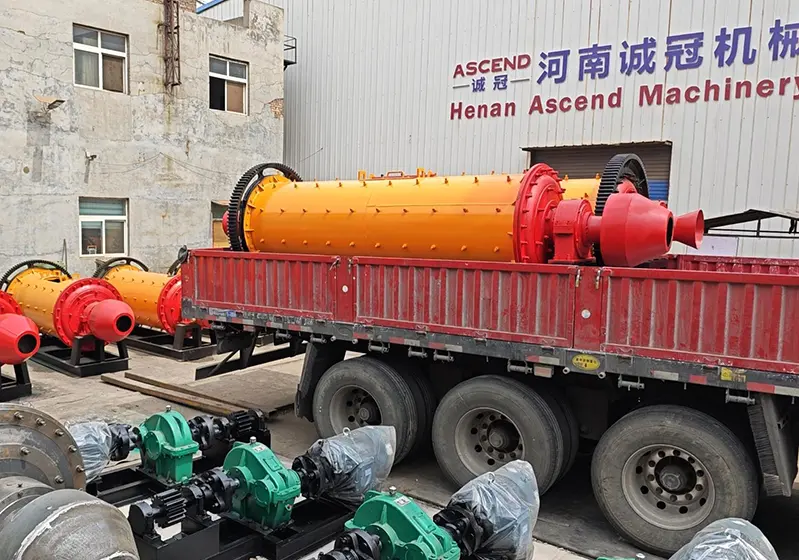
Established in 2005 and headquartered in the High-Tech Industrial Zone of Zhengzhou City, Henan Province, Henan Ascend Machinery & Equipment Co.,Ltd. has built a global reputation for manufacturing excellence and robust after-sales support in the heavy mining machinery sector.
Our extensive product range includes heavy-duty systems for crushing, grinding, screening, feeding, conveying, and ore dressing. We partner with operators worldwide to deliver custom configurations, helping process materials from limestone and granite to gold, copper, and iron ores.
"Ascend has grown steadily since its inception, serving partners in over 130 countries across Africa, Southeast Asia, Latin America, and Europe. Our commitment to build quality, combined with our reliable engineering support, has earned the trust of industrial operations globally."
Common questions from procurement specialists and mining engineers regarding equipment selection, operation, and logistics.
For ores containing coarse, free-milling gold, a properly configured gravity circuit featuring centrifugal concentrators, sluices, and shaking tables can achieve recovery rates between 65% and 85%. When integrated with downstream flotation or leaching processes, overall gold recovery rates can exceed 95% to 98%.
Our machinery is designed from the ground up to meet European safety standards. We use components certified to international norms, including CE-marked electrical systems, overload safety valves, protective guards, and ATEX-compliant motors. Complete technical documentation and certificates of compliance are provided with every shipment.
Standard manufacturing and testing cycles run between 20 and 40 days, depending on the complexity of the custom order. Ocean transport from major Chinese ports (such as Qingdao or Shanghai) to the Port of Hamburg typically takes between 30 and 40 days. We handle all logistics coordination, export documentation, and customs preparation to ensure a smooth shipping process.
Portable alluvial plants are ideal for early-stage geological exploration, test work, and short-term placer operations. They require minimal site preparation, feature rapid setup times, and can be easily towed to new work areas. Stationary milling configurations, by contrast, are best suited for long-term, high-capacity hard rock projects.
We use high-manganese and high-chrome alloys to extend the lifespan of all wear components. We also offer planned parts replacement programs, shipping packages of wear components (liners, jaw plates, blow bars, sieves) directly to Hamburg or global project sites. This ensures minimal downtime and keeps operations running smoothly.
Get in touch with our team of metallurgical engineers today. We will analyze your ore profiles and site parameters to design a processing system tailored to your specific yield targets and regulatory requirements.
Consult An Engineer Now Ascend