Specifically engineered to meet Japan’s strict space limitations, energy conservation acts, and vibration regulations. These four primary product series represent our leading technologies deployment for active urban and industrial setups in Tokyo.
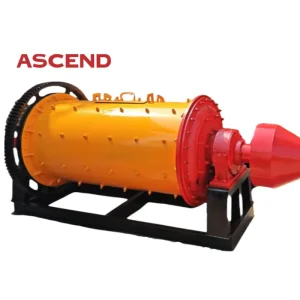
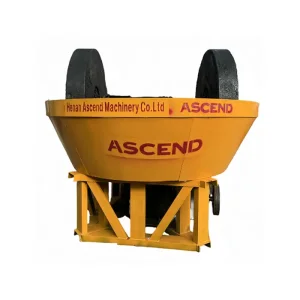
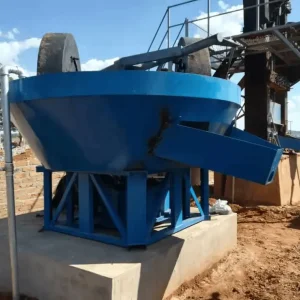
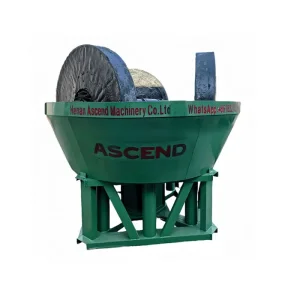
Tokyo, as one of the world's most advanced megacities, presents unique challenges and opportunities for heavy-duty industrial machinery. While major mining works are located in remote prefectures, Tokyo serves as the central hub for metallurgical research, precision chemical powder engineering, and advanced urban recycling (mining the electronic "urban ore" of Japan).
Additionally, the construction and tunneling sectors in the Tokyo Metropolitan area (including major underground transport systems and seismic reinforcement works) require on-site, highly integrated, low-noise, dust-free stone grinding mill systems to repurpose excavated stone into high-grade aggregate materials right on site.
In accordance with the Japanese Building Standards Act (Kenchiku Kijun-hō), industrial setups in the Kanto region must be designed with static seismic coefficient (Kh) structures. Our milling setups can be reinforced with specialized structural baseplates designed to anchor firmly into Japanese concrete grades, preventing movement during seismic activity.
Contact our Tokyo representation office for calculations regarding local foundation layouts and structural matching for your processing plant.
Get Tokyo Compliance QuoteThe global industrial grinding mill market is shifting rapidly from raw power outputs to smart energy efficiency. As energy costs rise and regulatory bodies impose strict decarbonization paths, processing plants require smart grinding machines designed to achieve finer d50 and d90 particle sizing with lower specific energy consumption (kWh/t).
Focusing heavily on massive volume processing of copper, gold, and lithium ores, North America leans toward highly automated SAG (Semi-Autogenous Grinding) and ball mills with integrated predictive maintenance sensors.
Rapid urbanization in India and Southeast Asia requires high volumes of aggregate cement, calcium carbonate, and silica powder. Efficient roller mills and wet pan mill setups are the standard for cost-effective material preparation.
Strict environmental limits force industrial operators to recycle construction materials, slag, and industrial by-products. Superfine grinding mills are critical for extracting secondary raw materials.
| Grinding Method | Typical Feed Size | Product Fineness (d90) | Energy Consumption | Primary Industrial Use Case |
|---|---|---|---|---|
| Ball Mill Grinding | < 25 mm | Down to 74 microns (200 mesh) | Moderate to High | Heavy mineral ore dressing, quartz, feldspar, chemical powder processing. |
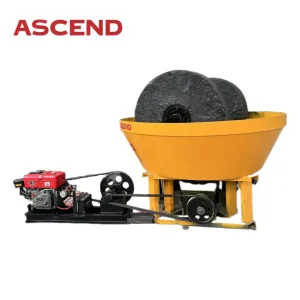
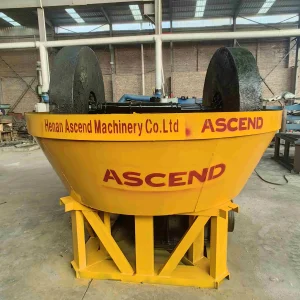
| Wet Pan Mill Grinding | < 10 mm | Down to 45 microns (325 mesh) | Highly Efficient | Gold ore gravity separation, small-medium scale gold concentrators, local metallurgical recovery. |
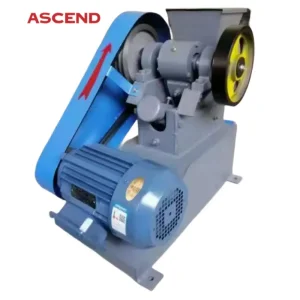
| Lab Disc Pulverizers | < 2 mm | Down to 74 microns | Low (Batch Scale) | R&D laboratories, geo-chemical testing, Tokyo university research departments. |
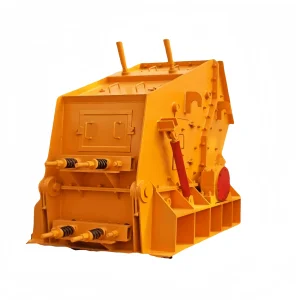
| Impact Crusher Systems | < 100 mm (fine feed) | < 5 mm (granular) | Low to Moderate | Aggregate production, concrete waste recycling, road base construction. |
Henan Ascend Machinery has developed steadily since its establishment in 2005. Today, our reach covers more than 130 countries and regions globally, combining Chinese industrial manufacturing agility with specialized localization parameters for highly advanced markets like Tokyo.
Complete wet pan milling systems combined with shaking tables and gravity separators. Designed for high recovery rates without mercury pollution.
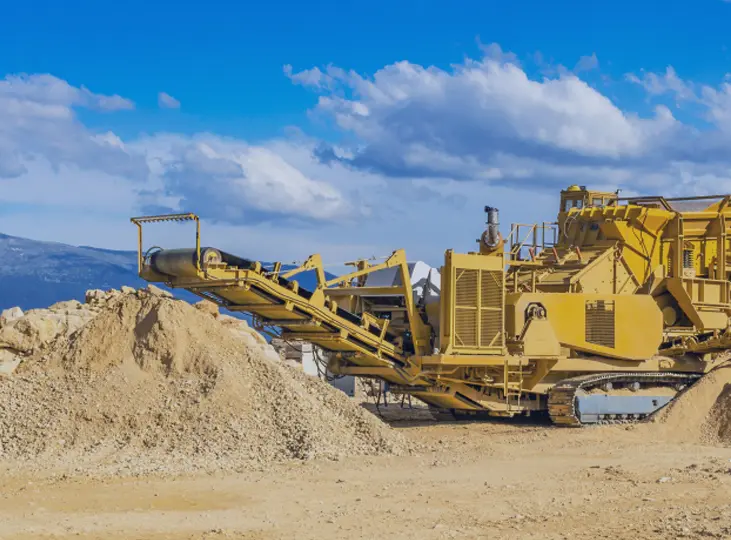
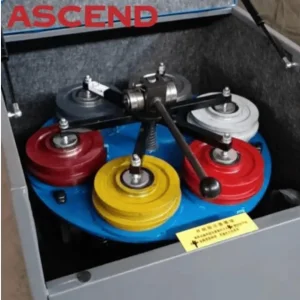
Compact sample grinding and pulverizing setups for geological, academic, and environmental laboratories in Tokyo Science Park.
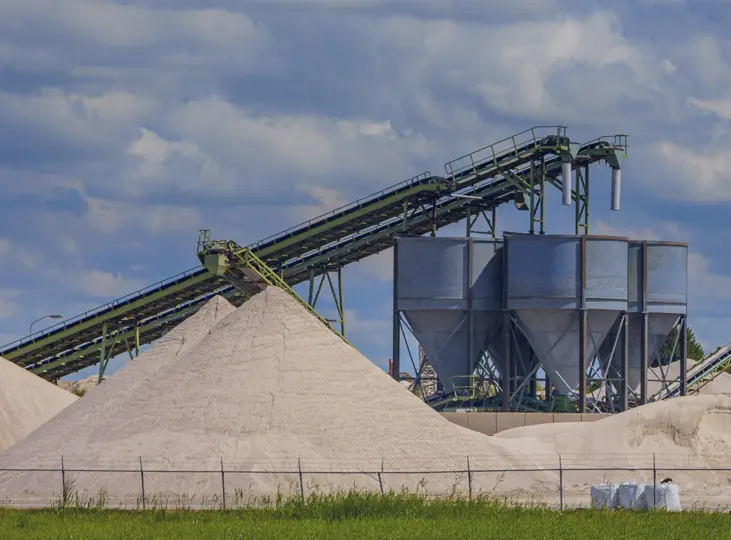
Advanced impact crushers and ball mills configured for processing demolished concrete and masonry into reuseable sand.
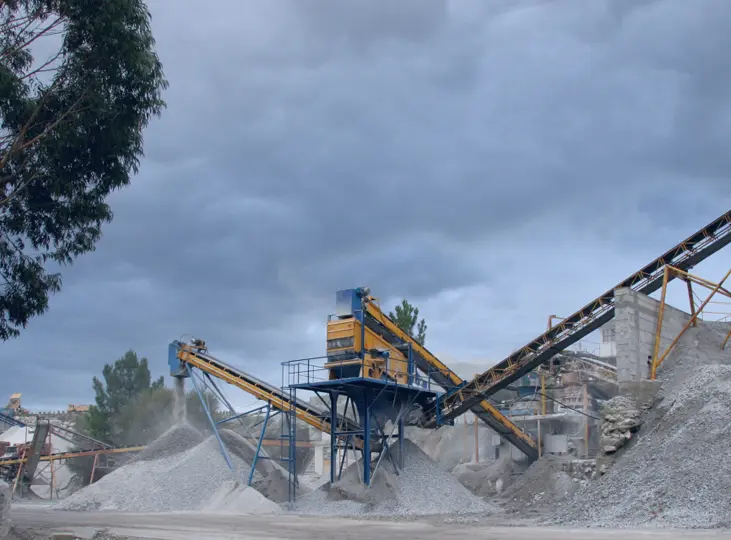
Established in 2005 in Zhengzhou’s high-tech zone, Henan Ascend Machinery & Equipment Co., Ltd. has prioritized advanced technological output, rigid factory testing, and localized customer support.
We believe that high-quality machinery is only half the equation; the other half is precise engineering support. For clients in Tokyo, this means matching machine designs with Japanese electrical grid specifications (such as 50Hz frequency, 200V configurations) and providing comprehensive compliance and testing data to municipal inspectors.
Importing and deploying heavy mining and stone grinding machinery in Japan requires deep familiarity with local regulations. At Ascend, we coordinate closely with Tokyo industrial planners to verify that all electrical parts meet Japanese safety codes (PSE marks and JIS standards where applicable).
Noise Mitigation: In densely populated areas of Tokyo and the surrounding prefectures, noise limits must not exceed 55-65 dB(A) at the property line. We supply soundproof enclosures, thick internal rubber linings for ball mills, and double-walled structures to drastically dampen operating sound waves.
Dust Emission Control: Under the Air Pollution Control Act of Japan, fine dust generated during stone and mineral grinding must be captured. Our modern closed-circuit systems can be seamlessly coupled with advanced baghouse filters, dry dust collectors, or wet scrubber units to guarantee zero particulate emissions into the workspace.
Tokyo is highly prone to earthquake events. Stationary grinding units, especially long-body Ball Mills, are subject to massive structural stresses. We offer specialized mechanical calculation reports and finite element analysis (FEA) to ensure that the anchor systems and heavy-duty steel frames can withstand severe horizontal and vertical acceleration.
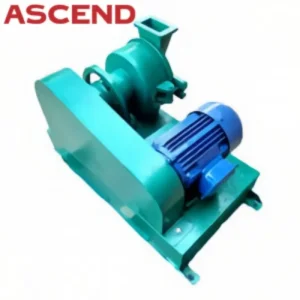
Consult Compliance EngineerExplore our wide array of laboratory, mobile, and diesel-powered milling and crushing equipment. All items below are fully compatible with Tokyo import regulations and can be customized with local Japanese industrial voltages.
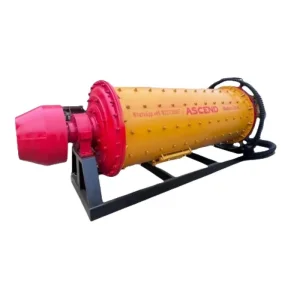
As we look toward 2030, Ascend is developing smart integration systems that bring Artificial Intelligence to mining and grinding mills. This technical roadmap focuses on reducing real-time energy expenditures and optimizing maintenance cycles.
1. IoT Vibration & Wear Sensors: Real-time tracking of steel ball charge wear and liner erosion, reporting straight to processing dashboards.
2. Variable Frequency Drive (VFD) Automation: Dynamically adjusting drum rotations based on ore hardness changes, saving up to 22% energy compared to static speed mills.
3. Zero-Discharge Closed-Loop Wet Systems: Water recycling loops that treat and reuse 98% of grinding water, aligning with strict environmental laws in the Kanto region.
By shifting the focus of traditional crushing towards high-grade precision milling, our machines play an active role in recycling electronic components, solar panels, and construction composite materials.
For municipal operators in Tokyo, this translates into clean, sustainable material streams that can be easily reintegrated into the local industrial supply chain. Our engineers stand ready to co-develop custom layouts that integrate these future roadmaps into your existing production floor plans.
Review Technical Roadmap with EngineersExpert answers to the most common questions regarding technical specs, installation, and procurement in the Kanto region.
Our team of senior mechanical and electrical engineers is available to help design your mill system configurations, electrical circuits, and dust capture layouts to fit your Tokyo-based facility or overseas operations.
 Ascend